
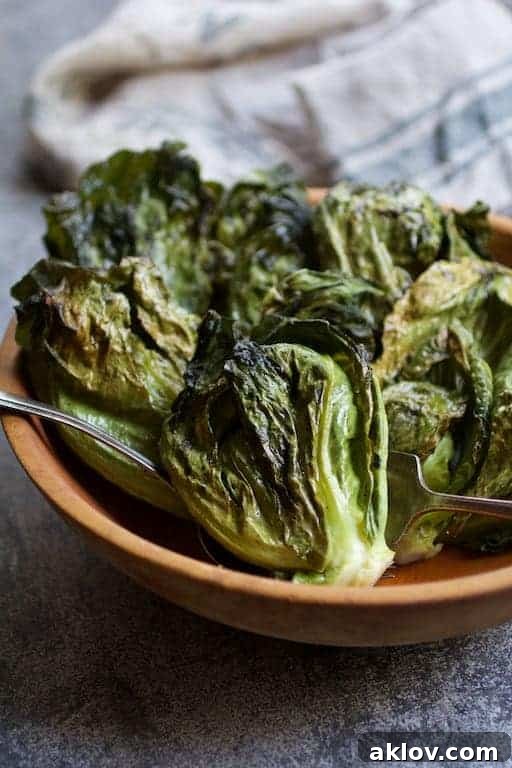
Unlock an unparalleled culinary experience with Duck Fat Roasted Cabbage Sprouts! This simple yet sophisticated dish elevates humble cabbage sprouts into a truly unforgettable side. With just a few key ingredients and the magic of duck fat, you’ll transform a seasonal vegetable into a golden, tender, and incredibly flavorful masterpiece, perfect for any meal.
As a passionate culinary enthusiast, I confess to a delightful obsession: discovering new vegetables. My kitchen adventures have taught me that every vegetable holds a unique potential, and I’ve yet to encounter one that doesn’t inspire me. So, imagine my excitement when a new, intriguing green appeared on the horizon.
One crisp morning, while on a routine shopping trip for a client at Whole Foods, a local greengrocer’s marquee caught my eye. This particular shop has been a staple in the Memphis area for generations, known for its fresh, often unique, produce. The sign boldly proclaimed: “Cabbage Sprouts Are Here.” My curiosity was instantly piqued. I almost slammed on my brakes, realizing this was clearly a momentous event in the local produce scene! Despite my tight schedule, I knew I had to return. The next day, I made a special trip, eager to uncover the mystery of what exactly a cabbage sprout was.
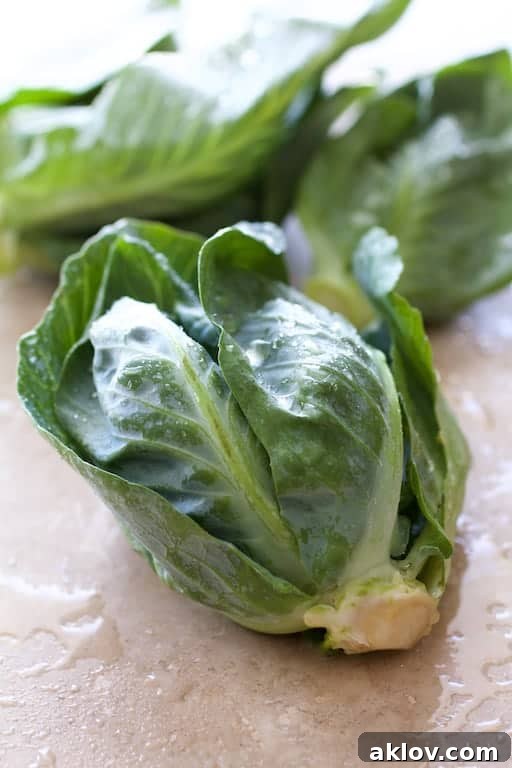
And behold, this is a cabbage sprout.
What Are Cabbage Sprouts? A Seasonal Delicacy Unveiled
Cabbage sprouts are a fascinating and relatively rare vegetable, distinct from their more common cousin, the Brussels sprout. They emerge after the main head of a cabbage plant has been harvested. Instead of pulling the entire plant from the ground, growers allow the base to remain. From the stalk around where the primary head once sat, the plant produces these smaller, tender sprouts.
It takes a keen eye and an innovative spirit to decide that these secondary growths are not only edible but exquisitely delicious. And that’s precisely what some clever person did, bringing this seasonal delight to our tables. During my visit to the greengrocer, I was fortunate enough to overhear two Southern ladies enthusiastically discussing them as they filled their bags. They shared invaluable insights into this local treasure.
These sprouts are a truly limited-time offering, typically available only once a year for a brief window. As the ladies emphatically stated, “when they’re gone, they’re gone!” They described a traditional preparation, often braised like collard greens, mustard greens, or turnip greens. They highlighted the sprouts’ unique flavor profile: sweeter and lighter than regular cabbage, with a delicate texture that sets them apart.
While braising is undoubtedly a delicious method, given their scarcity and unique appeal, I felt these limited-release veggies deserved a truly special, even “royal,” treatment. Olive oil, while perfectly fine for many vegetables, felt too ordinary for such a discovery. This called for something more luxurious, something that could truly amplify their natural sweetness and tender texture. It was time to reach for the duck fat!
Why Duck Fat Is The Secret Ingredient for Roasting
Duck fat is a chef’s secret weapon, celebrated for its ability to transform simple ingredients into extraordinary dishes. Its rich, savory flavor and incredibly high smoke point make it an ideal choice for roasting. Unlike many other fats, duck fat imparts a distinct, subtle richness and helps achieve an unparalleled crispness and golden-brown caramelization on vegetables without making them greasy. It truly gives everything the “royal treatment,” elevating the flavor and texture to gourmet levels.
Sourcing and Storing Duck Fat
Duck fat is becoming increasingly accessible. You can typically find it in the refrigerated section of gourmet grocery stores, specialty food markets, or even online. A little goes a long way, so a small jar or tub can last for several culinary adventures. It’s crucial to keep duck fat refrigerated to maintain its freshness and extend its shelf life. If you happen to acquire a larger quantity, you can easily liquefy it over low heat, then transfer it into smaller, airtight containers. These smaller portions can then be frozen, allowing you to have this golden elixir ready whenever inspiration strikes.
Mastering the Art of Duck Fat Roasting
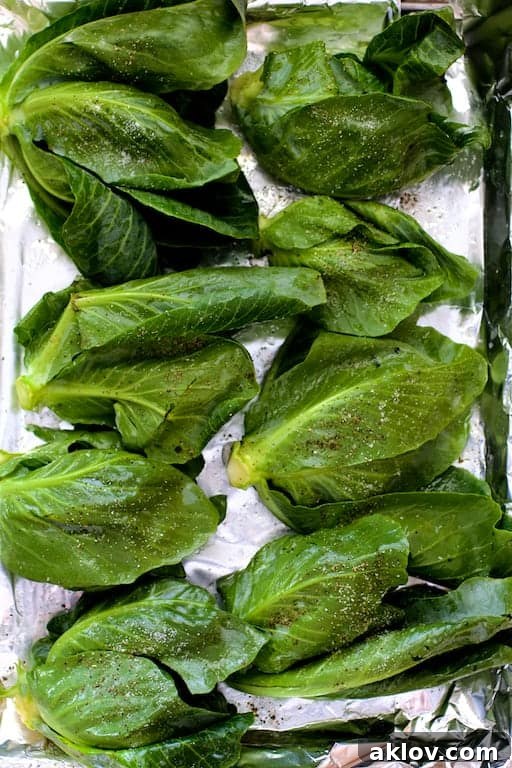
When roasting with duck fat, precision is key. You don’t want to overdo it, as too much fat can lead to a greasy, rather than crispy, outcome. For a full sheet pan of cabbage sprouts, two to three tablespoons of liquefied duck fat are usually sufficient. The goal is to lightly coat each sprout, ensuring maximum flavor and even caramelization.
Cabbage sprouts, like many natural products, vary in size. Some might be small and delicate, while others larger and more robust. If you encounter larger sprouts, simply halve them to ensure even cooking. This also increases the surface area exposed to the hot pan, promoting better browning and crispiness. Remember to always pat your sprouts dry before adding any fat. Excess moisture will steam the vegetables instead of roasting them, hindering that desirable crisp texture.
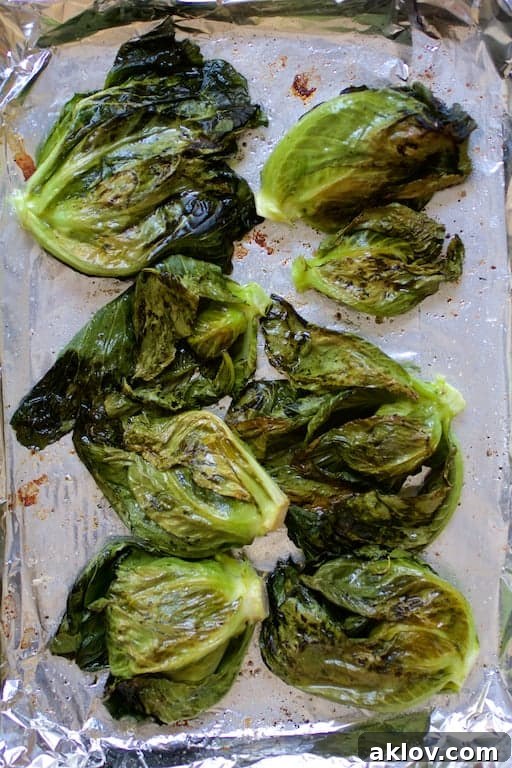
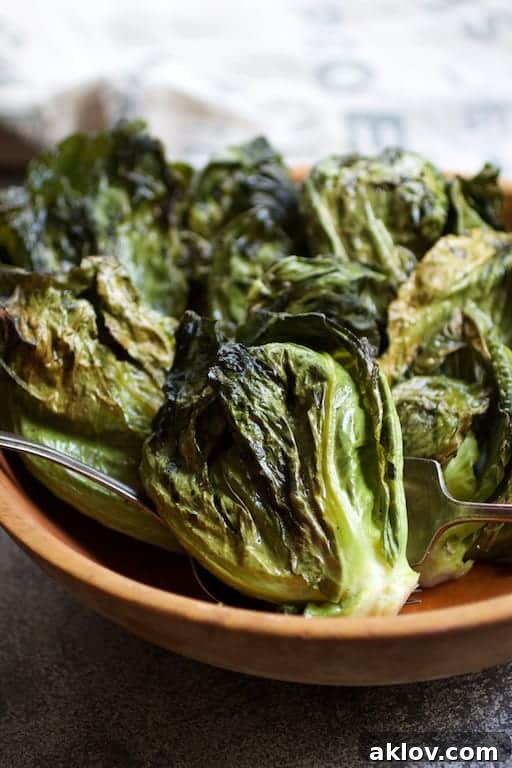
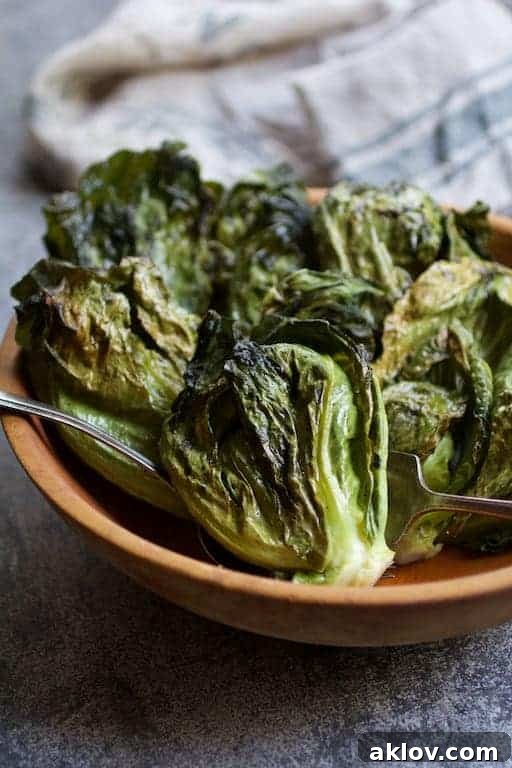
The transformation is truly lovely! These roasted cabbage sprouts emerge from the oven, tender on the inside with wonderfully caramelized, slightly crispy edges. The duck fat infuses them with an incredible depth of flavor that complements their natural sweetness perfectly. I sincerely hope these delightful sprouts become a mainstream staple soon, allowing more people to experience their unique charm.
If fresh cabbage sprouts are hard to come by, don’t despair! You can achieve a similarly delicious result by roasting regular cabbage wedges in duck fat. The principle remains the same: high heat, a touch of rich fat, and simple seasoning will yield a side dish that’s far from humble.
Love Cabbage, Too? Explore These Delightful Recipes:
- Roasted Cabbage Steaks with Mustard Vinaigrette: Thick slices of cabbage roasted to tender perfection, then drizzled with a tangy, vibrant mustard vinaigrette for a gourmet touch.
- Baked Cabbage (Parmesan Roasted Cabbage Wedges): Simple, savory, and satisfying, these cabbage wedges are baked until tender and golden, often enhanced with a sprinkle of nutty Parmesan cheese.
- Russian Cabbage Soup (Shchi): A hearty and comforting classic, this traditional Russian soup features tender cabbage, often with meat and other vegetables, creating a deeply flavorful and nourishing meal.
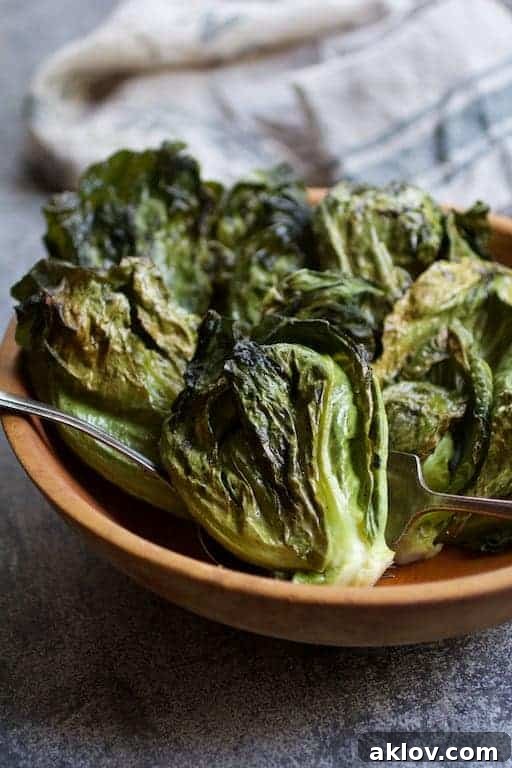
Roasted Cabbage Sprouts
Carol | From A Chef’s Kitchen
5 minutes
mins
35 minutes
mins
40 minutes
mins
4
Equipment
-
Rimmed Sheet Pan
-
Duck Fat
Ingredients
-
1
pound
cabbage sprouts,
halved if large (or cabbage wedges) -
2-3
tablespoons
liquefied duck fat -
Salt and freshly ground black pepper,
to taste
Instructions
-
Preheat oven to 375 degrees F (190 degrees C). Place cabbage sprouts on a large baking sheet (lined with foil if desired for easy cleanup).
-
Drizzle the liquefied duck fat evenly over the cabbage sprouts. Gently rub the fat over each sprout, ensuring as much surface area as possible is lightly coated without overdoing it. Season generously to taste with salt and freshly ground black pepper.
-
Roast for 20 minutes. Flip the sprouts over to ensure even browning, then roast for another 10-15 minutes, or until they reach your desired level of doneness and caramelization. Serve immediately and enjoy!
Notes
- Duck fat is available at gourmet stores and online; a little goes a long way. Be sure to keep it refrigerated. If you happen upon a large quantity, liquefy it over low heat, then transfer it to small containers and freeze it for long-term storage.
- For best results, ensure your cabbage sprouts are completely dry before tossing with duck fat. This promotes crispness rather than steaming.
- Consider adding a sprinkle of fresh thyme or rosemary before roasting for an extra layer of aromatic flavor. A squeeze of lemon juice after roasting can also brighten the dish.
Nutrition
Serving:
1
Calories:
117
kcal
Carbohydrates:
8
g
Protein:
2
g
Fat:
10
g
Saturated Fat:
3
g
Polyunsaturated Fat:
6
g
Cholesterol:
10
mg
Sodium:
85
mg
Fiber:
3
g
Sugar:
4
g
Nutritional values are automatically calculated using unbranded products and are estimates only. Actual results may vary based on ingredients used and portion sizes. Adjust as needed for dietary restrictions, allergies, or health concerns.

Like this? Leave a comment below!