
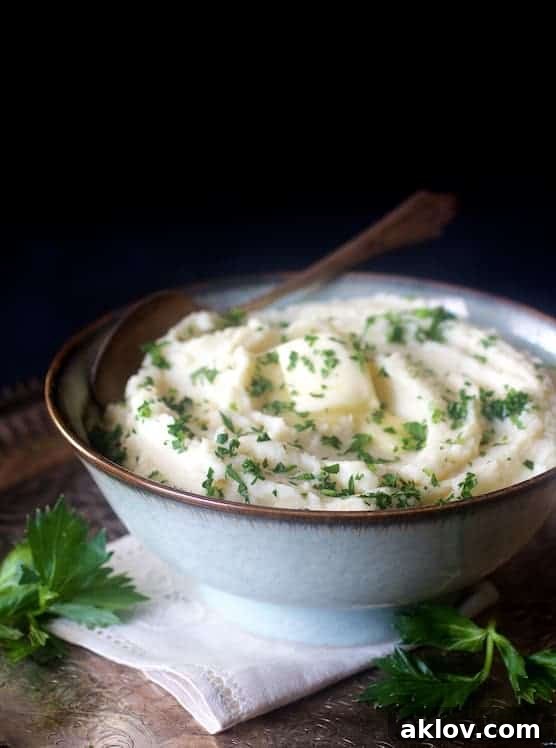
Welcome to the delightful world of Celery Root Puree, a dish that transforms the humble celeriac into an elegant and irresistible side. This creamy, dreamy puree offers a sophisticated, lower-carb alternative to traditional mashed potatoes, making it a perfect choice for both effortless weeknight meals and special occasion dinners. With its velvety smooth texture and subtly sweet, nutty, and earthy flavor profile, celery root puree is guaranteed to impress even the most discerning palates. It’s an ideal accompaniment to robust main courses such as Beef Braciole or a hearty Italian Pot Roast, adding a layer of gourmet flair to any plate.
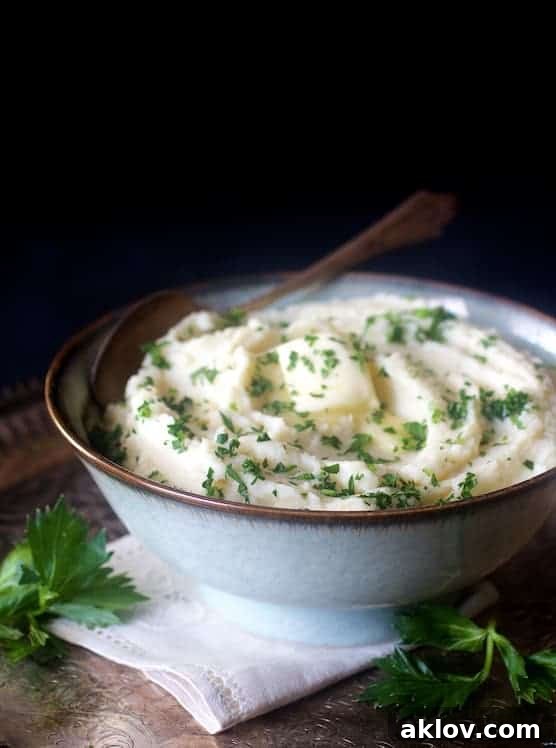
Many who have sampled this extraordinary puree, including my own clients, have enthusiastically declared it “better than mashed potatoes!” I even recall an instance where my brother, a lifelong mashed potato enthusiast, refused to believe he wasn’t eating potatoes. This testament to its rich flavor and comforting texture highlights its incredible ability to mimic a beloved classic while offering a unique and healthy twist.
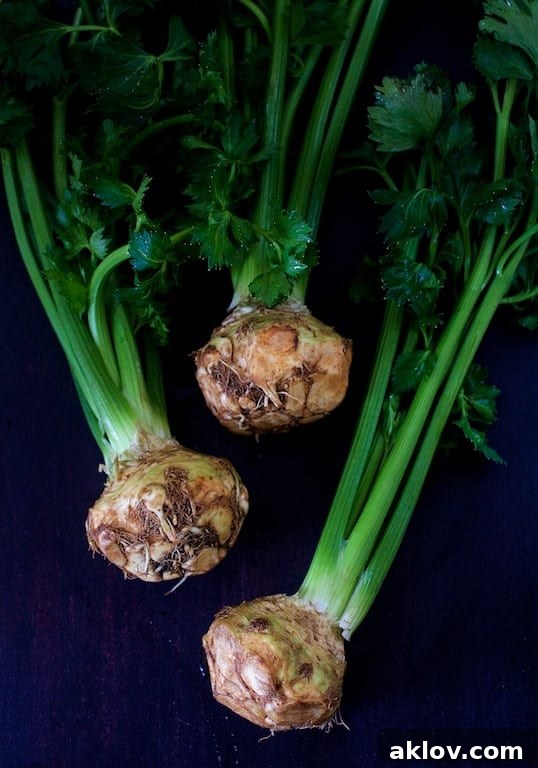
If you’ve ever shied away from trying celery root, also known as celeriac, due to its somewhat intimidating, gnarly appearance, prepare to have your culinary perceptions transformed. This recipe promises to convert you into a devoted fan, showcasing how a little effort can unveil a truly exquisite vegetable.
What is Celery Root (Celeriac)? Exploring this Unique Vegetable
Celeriac, or celery root, is a fascinating root vegetable that is a close relative of common stalk celery. However, it’s the root, not the stalks or leaves, that is cultivated for culinary use. Unlike its green cousin, celeriac boasts a much more delicate and nuanced flavor profile. While the leafy tops of celeriac plants share a more potent, intense celery flavor, the root itself offers a milder, earthy taste with hints of parsley, nuts, and a touch of sweetness. Its texture, when cooked, becomes wonderfully tender, making it perfect for purees, soups, and roasting.
Beyond its unique taste, celery root is a nutritional powerhouse. It’s an excellent source of dietary fiber, which aids in digestion and helps maintain gut health. It also provides a significant amount of Vitamin K, essential for blood clotting and bone health, and Vitamin C, a powerful antioxidant that supports the immune system. Furthermore, celeriac is rich in potassium, important for blood pressure regulation, and several B vitamins. Its naturally low carbohydrate content makes it an attractive option for those looking to reduce their carb intake without sacrificing flavor or satisfaction.
Selecting the Best Celery Root: A Buyer’s Guide
While standard celery is typically quite affordable, celery root can sometimes be a bit pricier, often ranging from $4 to $5 per pound, depending on the season and location. Therefore, knowing how to select the freshest and best quality celeriac is key to making the most of your purchase. When browsing your local grocery store or farmer’s market, look for celery roots that feel firm and heavy for their size. Avoid any roots that have soft spots, significant discoloration, or feel unusually light, as these are indicators of age or spoilage.
A truly fortunate find is celery root with its stalks and leaves still attached. This is often a strong sign of exceptional freshness, as it means the vegetable was likely harvested recently. Beyond freshness, these attached greens offer an added bonus: they are edible and incredibly versatile! The sturdy stalks can be repurposed to infuse flavor into homemade stocks and broths, adding depth and a subtle celery note. The tender leaves, on the other hand, can be finely chopped and used in salads for a peppery kick or as an elegant garnish, much like parsley, lending both visual appeal and a burst of fresh flavor to your dishes. Embracing these often-discarded parts not only reduces food waste but also enhances your culinary creations.
Aim for medium-sized roots, as extremely large celeriac can sometimes be woody in the center. Small ones might be too tedious to peel. A good, firm, and dense root is what you’re after for the best puree.
Preparing Celery Root: From Gnarly to Gorgeous
The initial appearance of celery root can be a bit daunting, but with the right approach, preparing it is straightforward. Start by giving the entire bulb a thorough scrub under cold running water. Its irregular surface often harbors embedded soil and grit in its many crevices, so a good cleaning is essential before you even begin to peel.
Once clean, it’s time for peeling. You can use a sturdy vegetable peeler for the smoother parts, but for the gnarly, uneven sections, a good, sharp paring knife will be your best friend. Be careful to remove only the outer skin, trying to conserve as much of the precious inner flesh as possible – remember, this is a premium vegetable! Use the paring knife to carefully carve out any deep crevices or eyes that still contain bits of peel or tougher spots. The goal is to produce a beautiful, clean, white piece of celery root, ready for cooking.
After peeling and trimming, I always recommend giving the cleaned flesh one final rinse. This ensures any remaining small particles of soil or debris are washed away, leaving you with a pristine ingredient. Then, it’s ready to be cut into uniform cubes, which promotes even cooking and ensures a consistent texture in your final puree.
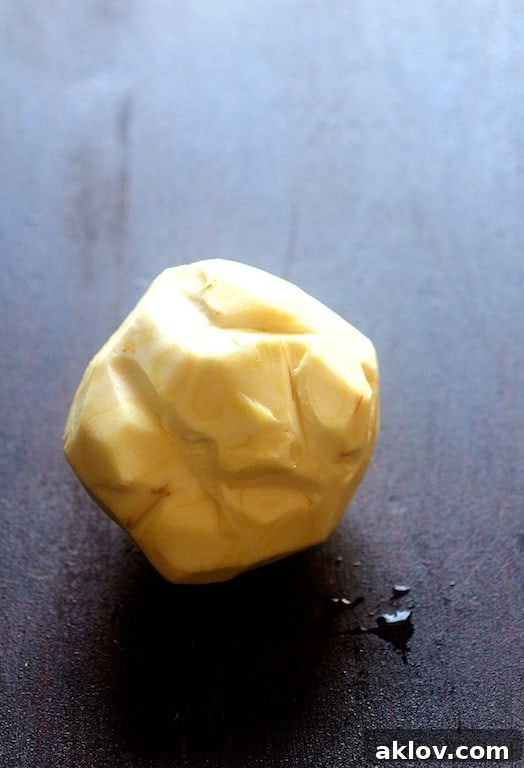
See? Not so intimidating anymore! With a little patience, you’ve transformed a rustic root into a pristine ingredient, ready to become a culinary masterpiece.
Crafting the Perfect Celery Root Puree: A Step-by-Step Guide
Making a truly exceptional celery root puree is simpler than you might think. The key is to build layers of flavor and achieve that signature silky-smooth consistency.
- The Simmering Base: Begin by combining your cubed celery root with coarsely chopped onion and whole garlic cloves in a medium saucepan. These aromatics will gently infuse the celery root with a foundational depth of flavor as it cooks. Cover the vegetables with chicken broth or stock. Bringing this mixture to a boil, then reducing it to a gentle simmer, allows the celery root to become incredibly tender, typically in about 20 minutes. Ensure the celery root is fork-tender before proceeding.
- The Potato Factor (Optional but Recommended): For those who are carb-conscious, you can certainly leave out the potato entirely. The puree will still be delicious and luxurious. However, because celery root can be a bit expensive, I often add a Russet potato or two to the cooking process. The potato not only helps to stretch the recipe a bit further, making it more cost-effective, but it also contributes to an even creamier, dreamier texture, mimicking the familiar mouthfeel of mashed potatoes. If you include potato, cook it separately in salted water until tender, then add it to the celery root mixture before pureeing.
- Achieving Silky Smoothness: Once your celery root (and potato, if using) is perfectly tender, drain off any excess chicken broth, reserving about 1/4 cup in the saucepan with the vegetables. This small amount of liquid will aid in blending while allowing you to control the final consistency. Now, it’s time to add the richness: incorporate softened unsalted butter and heavy cream. For the ultimate silky-smooth consistency, an immersion blender is my preferred tool. It allows you to puree directly in the saucepan, minimizing mess and achieving a velvety texture with ease. Alternatively, you can transfer the mixture to a food processor or a high-speed blender, but be cautious with hot liquids in blenders. Continue to blend until the puree is perfectly smooth, with no discernible lumps.
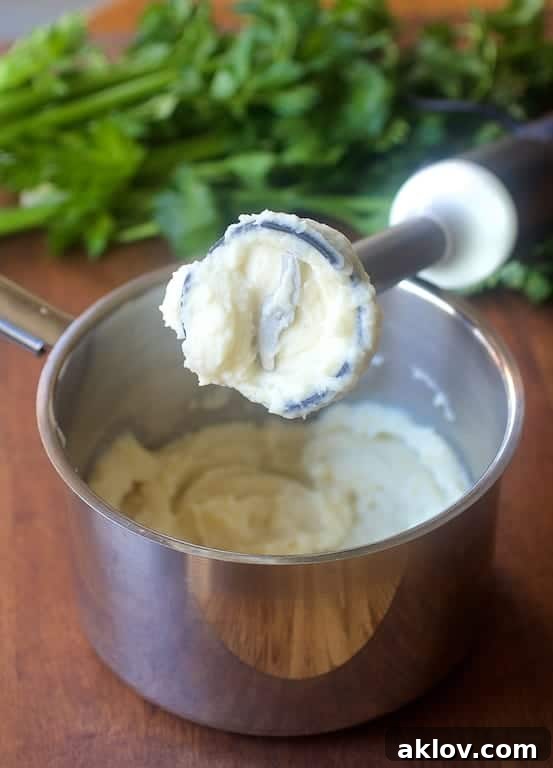
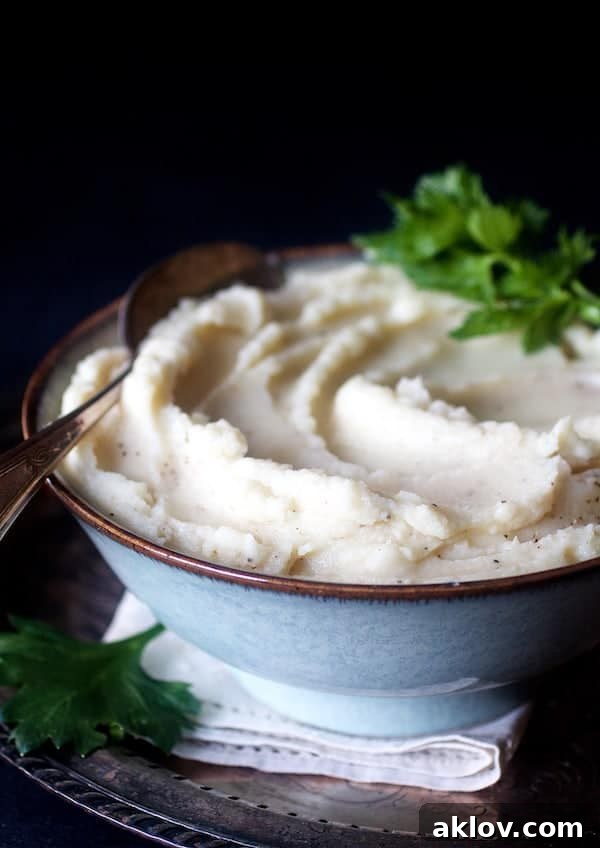
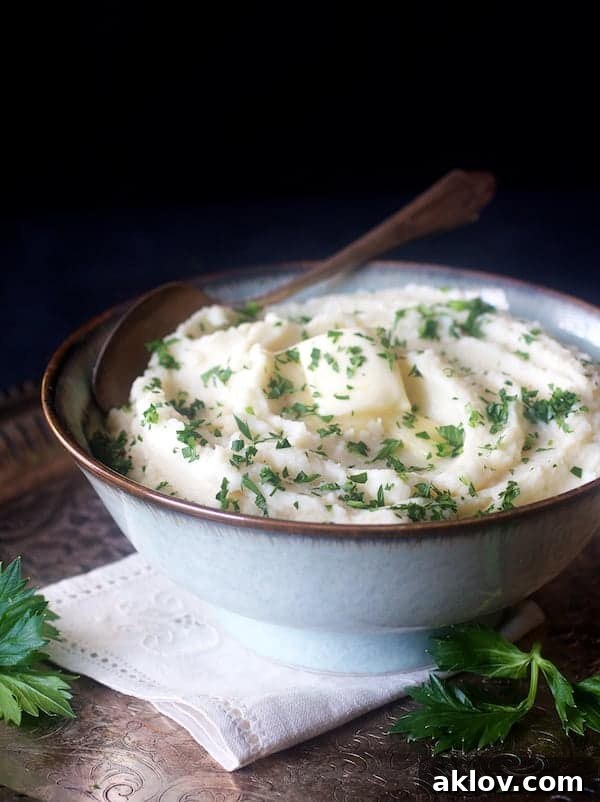
The result is a super, super tasty, elegant, and wonderfully lower-carb alternative to traditional mashed potatoes that will become a staple in your culinary repertoire!
Can You Freeze Celery Root Puree? Storage and Reheating Tips
Yes, Celery Root Puree is wonderfully freezer-friendly, making it an excellent option for meal prepping or saving leftovers. After preparing, allow the puree to cool completely before transferring it to airtight, freezer-safe containers or heavy-duty freezer bags. It can be stored in the freezer for up to 2-3 months without a significant loss of quality.
When you’re ready to enjoy it, simply thaw the puree in the refrigerator overnight. You might notice that when thawed, the puree can appear somewhat “soupy” or thinner than its freshly made counterpart. This is a common occurrence with many pureed vegetables after freezing and thawing, due to moisture release. However, this is easily remedied! To restore its creamy texture, simply reheat the puree uncovered in the oven at 375 degrees Fahrenheit (190 degrees Celsius) for about 30-35 minutes, stirring occasionally. The uncovered heating allows any excess moisture to evaporate, bringing it back to its original, delectable consistency. You can also gently reheat it on the stovetop over low heat, stirring frequently, until heated through and thickened.
Enjoy this versatile and delicious puree!
More Low-Carb Vegetable Side Alternatives to Potatoes:
If you’re looking to explore more delicious and healthy vegetable side dishes that offer fantastic lower-carb alternatives to potatoes, be sure to try these recipes:
- Cauliflower White Bean Puree
- Parmesan Crusted Crushed Turnips
- Creamy Mashed Turnips
Print Recipe
Celery Root Puree (Celeriac)
By Carol | From A Chef’s Kitchen
Celery Root Puree is creamy, dreamy, and an elegant lower-carb alternative to mashed potatoes! It’s the perfect choice for both weeknight dinners and special occasions. With its velvety texture and subtly sweet, nutty flavor, celery root puree is sure to impress.
Prep Time: 10 mins
Cook Time: 20 mins
Total Time: 30 mins
Servings: 6
Equipment
- Wusthof Chef Knife
- Cutting Board
- Saucepan
- Breville Immersion Blender
Ingredients
- 2 pounds celery root, about 3 medium without stalks and leaves, peeled and cubed
- 1/2 medium onion, coarsely chopped
- 8 cloves garlic, left whole
- 2-3 cups chicken broth, or stock to cover
- 1 large Russet potato, peeled and cubed (optional, for a creamier texture and to extend the serving size)
- Salt, to taste
- 2 tablespoons unsalted butter, softened, plus more for topping if desired
- 1/4 cup heavy cream
- Freshly ground black pepper, to taste
- Chopped fresh celery leaves, or parsley, for garnish
Instructions
- Combine celery root, onion, garlic, and chicken broth/stock in a medium saucepan. Bring to a boil, cover, and reduce heat to medium-low. Simmer for 20 minutes or until celery root is very tender.
- Meanwhile, if using, cook the potato in a separate saucepan in salted water until tender.
- When celery root is fully cooked, drain off excess chicken broth/stock (reserve for another use if desired), leaving about 1/4 cup broth/stock in the saucepan with vegetables. Add the butter and cream. Puree with an immersion blender until smooth.
- Drain the cooked potato (if used). Push through a potato ricer into the puree and gently fold it into the puree. Season to taste with salt and freshly ground black pepper.
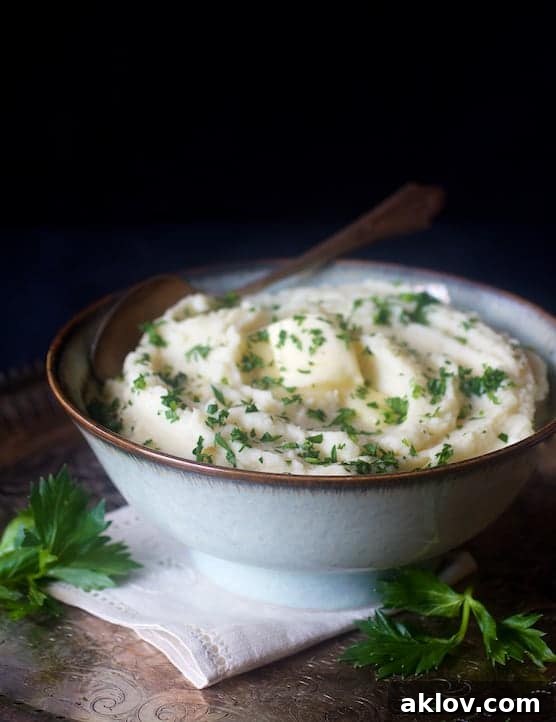
- Garnish with chopped fresh celery leaves or parsley and extra butter if desired, then serve immediately.
Notes
MAKE AHEAD:
- Can be made 2-3 days in advance.
- Reheat in the microwave, stirring once or twice until heated through.
FREEZER-FRIENDLY:
- Cool completely and freeze for 2-3 months in an airtight container.
- When thawed, it may appear soupy; however, heating uncovered in the oven at 375 degrees Fahrenheit (190°C) for 30-35 minutes will fix that by allowing excess moisture to evaporate.
Nutrition
Serving: 1
Calories: 193kcal
Carbohydrates: 28g
Protein: 5g
Fat: 8g
Saturated Fat: 5g
Polyunsaturated Fat: 1g
Monounsaturated Fat: 2g
Trans Fat: 1g
Cholesterol: 24mg
Sodium: 479mg
Potassium: 811mg
Fiber: 4g
Sugar: 3g
Vitamin A: 265IU
Vitamin C: 23mg
Calcium: 95mg
Iron: 2mg
Nutritional values are automatically calculated using unbranded products and are estimates only. Actual results may vary based on ingredients used and portion sizes. Adjust as needed for dietary restrictions, allergies, or health concerns.
 Like this? Leave a comment below!