
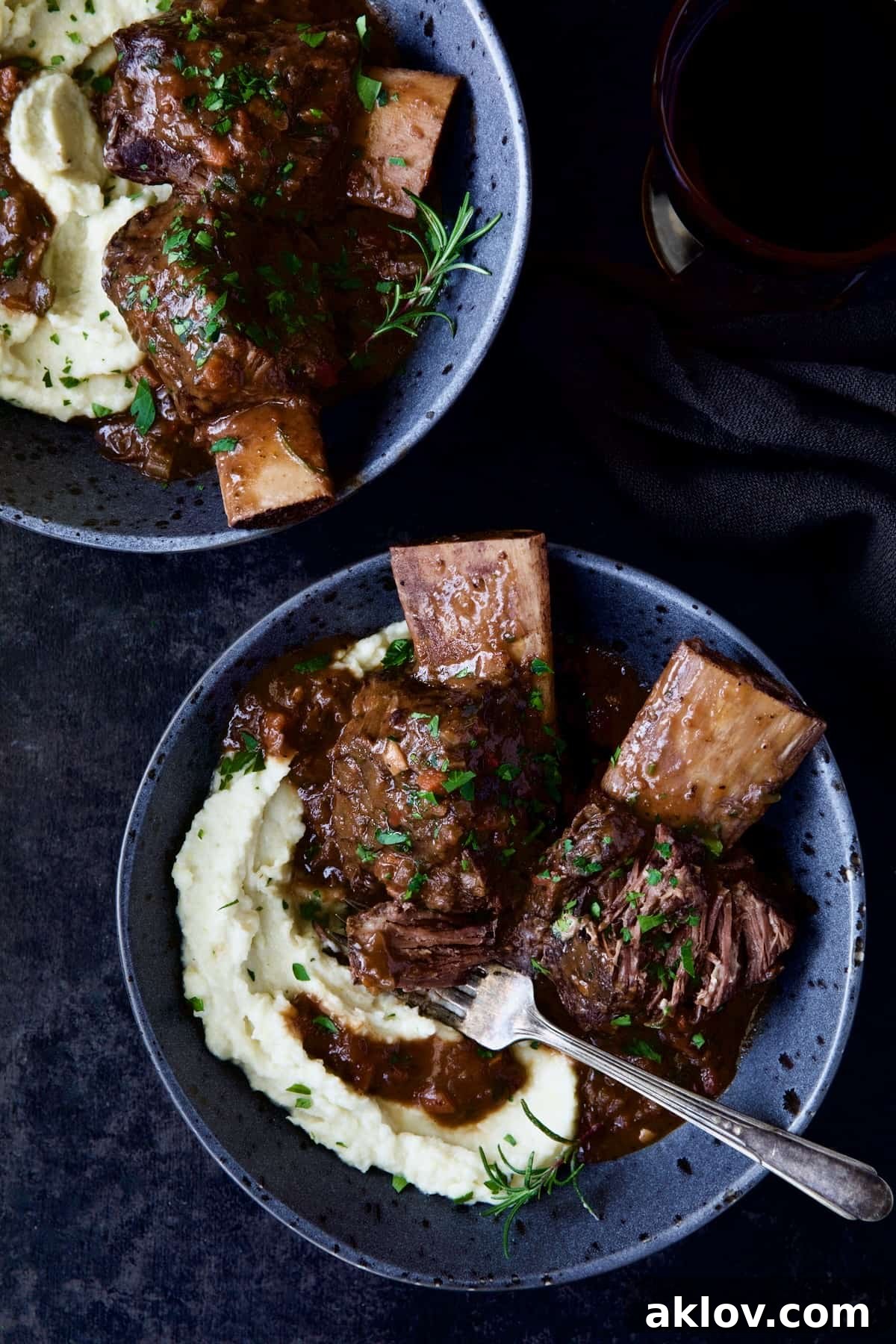
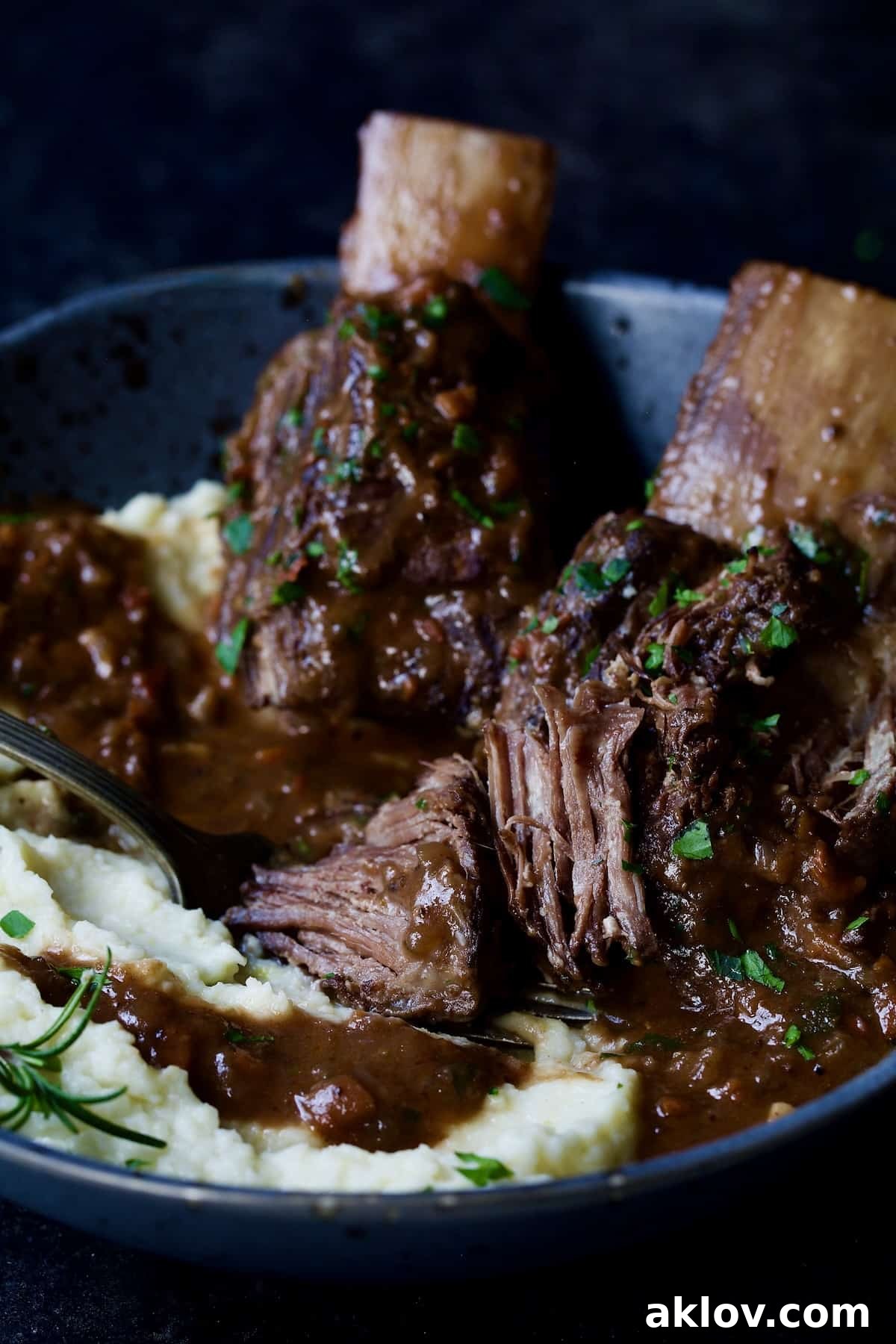
Imagine the warm, inviting aroma filling your home as succulent beef short ribs slowly braise in a rich, complex red wine sauce. This isn’t just a meal; it’s an experience, culminating in meat so tender it practically melts off the bone. This extraordinary dish, Wine Braised Beef Short Ribs, served alongside a velvety smooth Cauliflower Leek Puree, transforms an often-overlooked, economical cut of beef into an impressive, comforting masterpiece. It’s perfect for a cozy family dinner or elegant enough to dazzle your most discerning guests, offering gourmet flavors with surprisingly straightforward preparation. Prepare to elevate your culinary repertoire with this timeless, deeply satisfying recipe that promises both ease and elegance.
Why This Braised Short Rib Recipe is a Culinary Gem
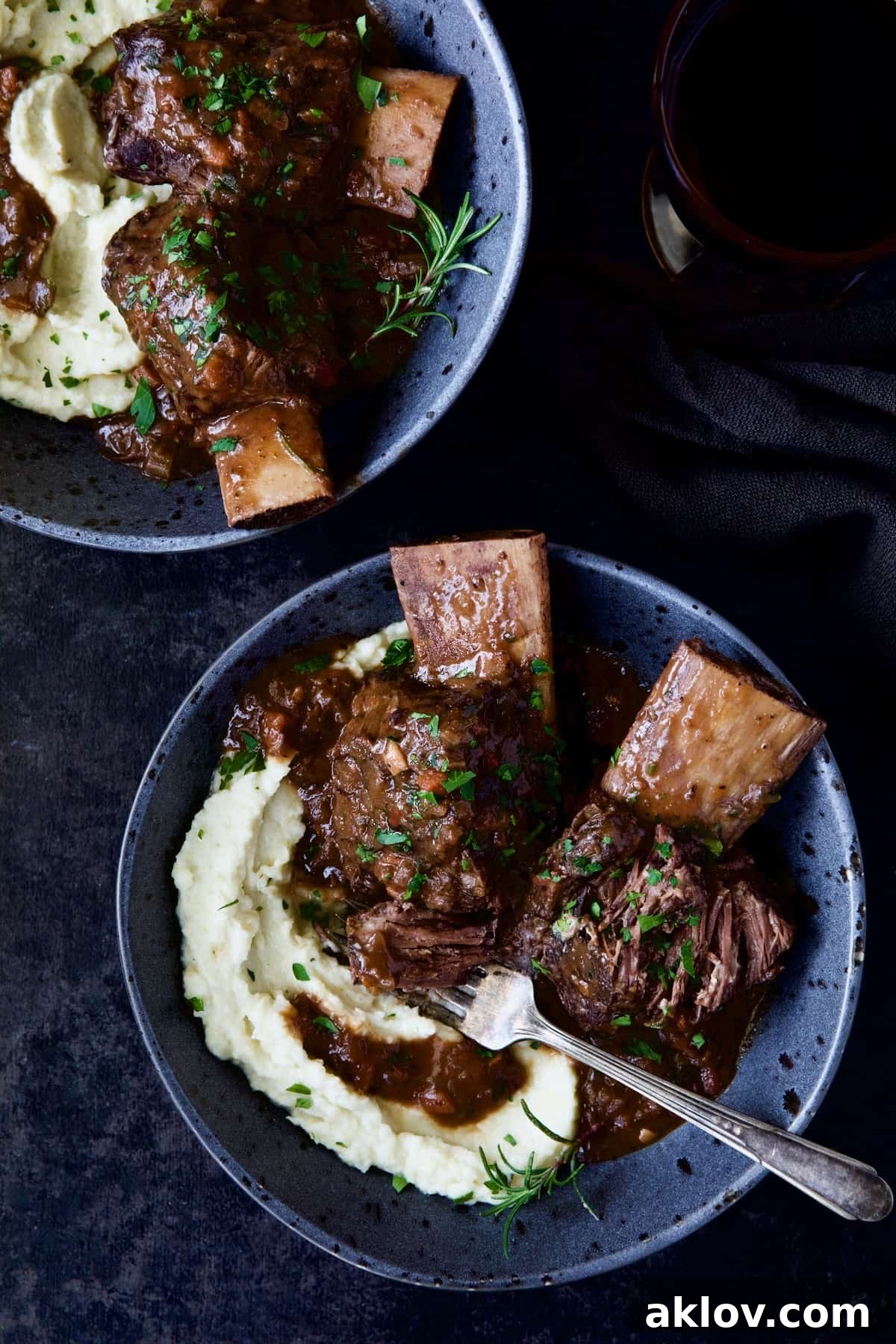
Beef short ribs hold a special place in the heart of many chefs, and for good reason. For over two decades in my personal chef career, I’ve had the pleasure of preparing them countless times, consistently discovering new layers of flavor and tenderness. This recipe, in particular, has become a signature dish, revered for its ability to transform a humble, tough cut into something truly luxurious.
When I first encountered short ribs, I confess I was skeptical. How could these bony, seemingly intractable pieces of meat ever become a centerpiece dish? The secret lies in a time-honored cooking method: braising. This low-and-slow technique, combined with a meticulous layering of flavors, is the key to unlocking their incredible potential. The journey begins with generous seasoning and a thorough browning of the ribs, a crucial step that builds a rich “fond” – the caramelized bits that stick to the bottom of your pot after searing. This fond is a treasure trove of deep, savory flavor, which is then released when a classic aromatic blend of onions, carrots, and celery is gently sautéed until soft and sweet. A splash of robust red wine then deglazes the pan, lifting all those delicious browned bits and dissolving them into the nascent sauce, forming the foundational liquid for the braise. Further savory ingredients are added, creating a cozy, aromatic environment where the tough connective tissues of the short ribs slowly surrender, transforming into buttery, gelatinous goodness.
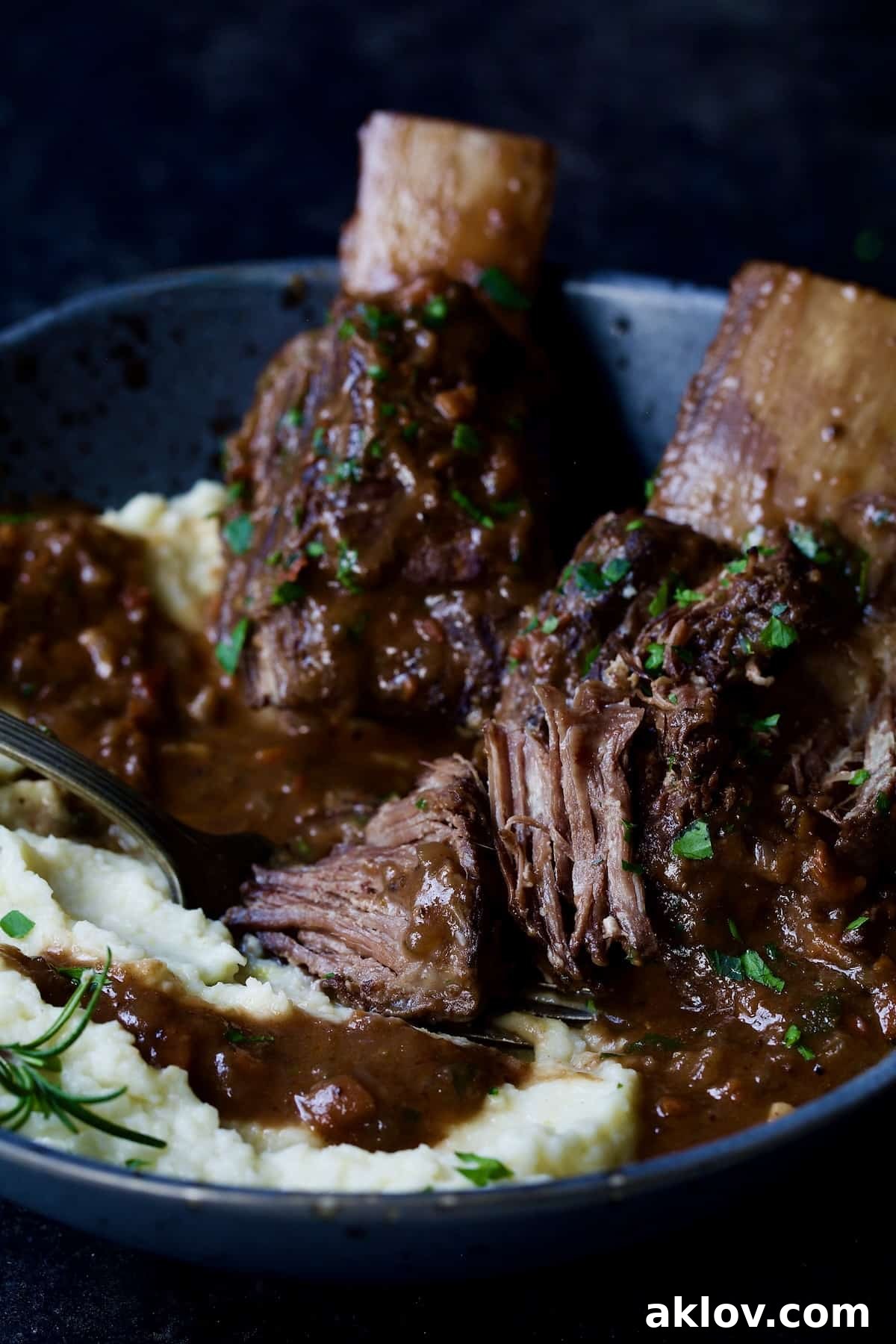
The result is nothing short of culinary magic: impossibly tender, fall-off-the-bone short ribs enveloped in a rich, deeply flavored sauce. It’s a dish that not only warms the soul but also impresses the palate, making everyone at the table utterly happy and satisfied.
Understanding Beef Short Ribs: Cuts and Characteristics
Beef short ribs, a beloved cut by chefs and home cooks alike, are sourced from the lower portion of the cow’s rib cage, specifically from the brisket, chuck, plate, or rib sections. Their exact origin dictates their appearance and muscle structure. To visualize where these flavorful cuts come from, an informative infographic from Lake Geneva Country Meats provides an excellent guide: View Short Rib Infographic Here.
Primarily, there are two main types of short ribs you’ll encounter at your butcher:
- Flanken-Style: These are cut across the bone, resulting in thinner strips that contain several pieces of bone. They are often used for grilling or quick searing, popular in Asian cuisine.
- English-Style: These are cut parallel to the bone, yielding thicker, meatier pieces with a single bone in each. This is the preferred cut for braising, as the substantial meat and bone lend themselves beautifully to long, slow cooking.
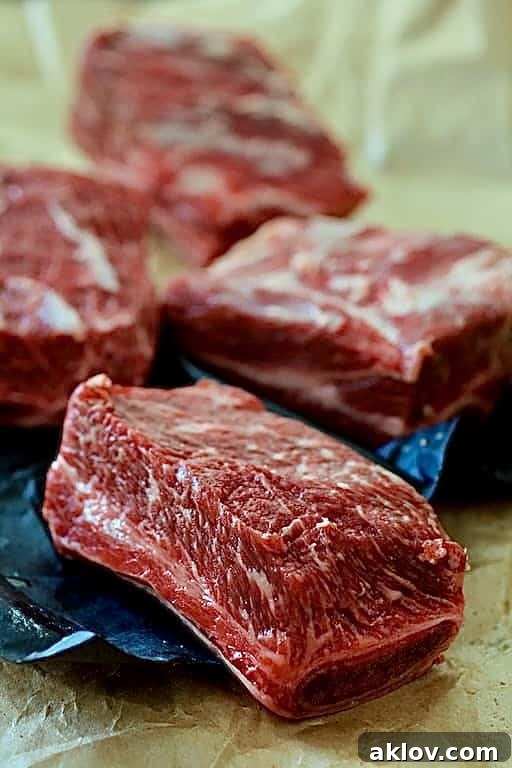
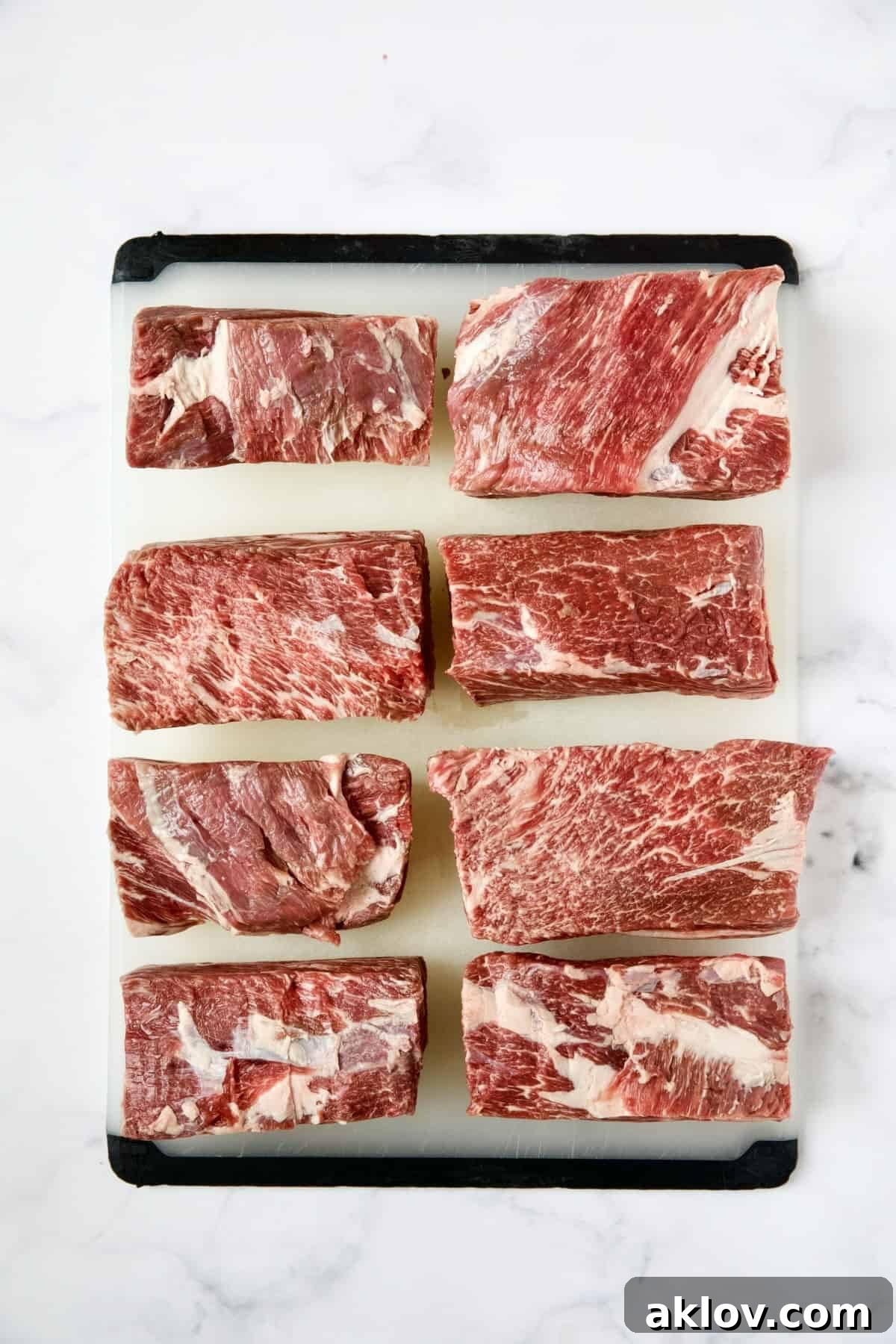
For this rich braised beef short ribs recipe, I specifically chose the English cut. The images below display pieces that are typically half-ribs, meaning a total of four such pieces constitute a full rib portion. While butchers sometimes cut them into thirds, a half-rib often provides a generous and satisfying single serving, especially when well-laden with meat.
A distinctive characteristic of short ribs is their significant amount of connective tissue, visible as white marbling throughout the meat. This might seem off-putting at first, but it is precisely this tissue that performs culinary magic during braising. As the ribs slowly simmer, this connective tissue breaks down and melts into gelatin, infusing the meat with incredible succulence and creating that coveted fall-off-the-bone tenderness. This transformation is what makes braised short ribs so exceptionally rich and flavorful.
Before cooking, it’s advisable to trim any excessive fat from the top, non-bone side of the ribs. However, be sure to leave the bone side intact. Bones are not just for structure; they contribute significantly to the depth of flavor in your braising liquid, enhancing the overall savory profile of the dish.
Mastering Wine Braised Beef Short Ribs with Creamy Cauliflower Leek Puree
Essential Ingredients for This Unforgettable Dish
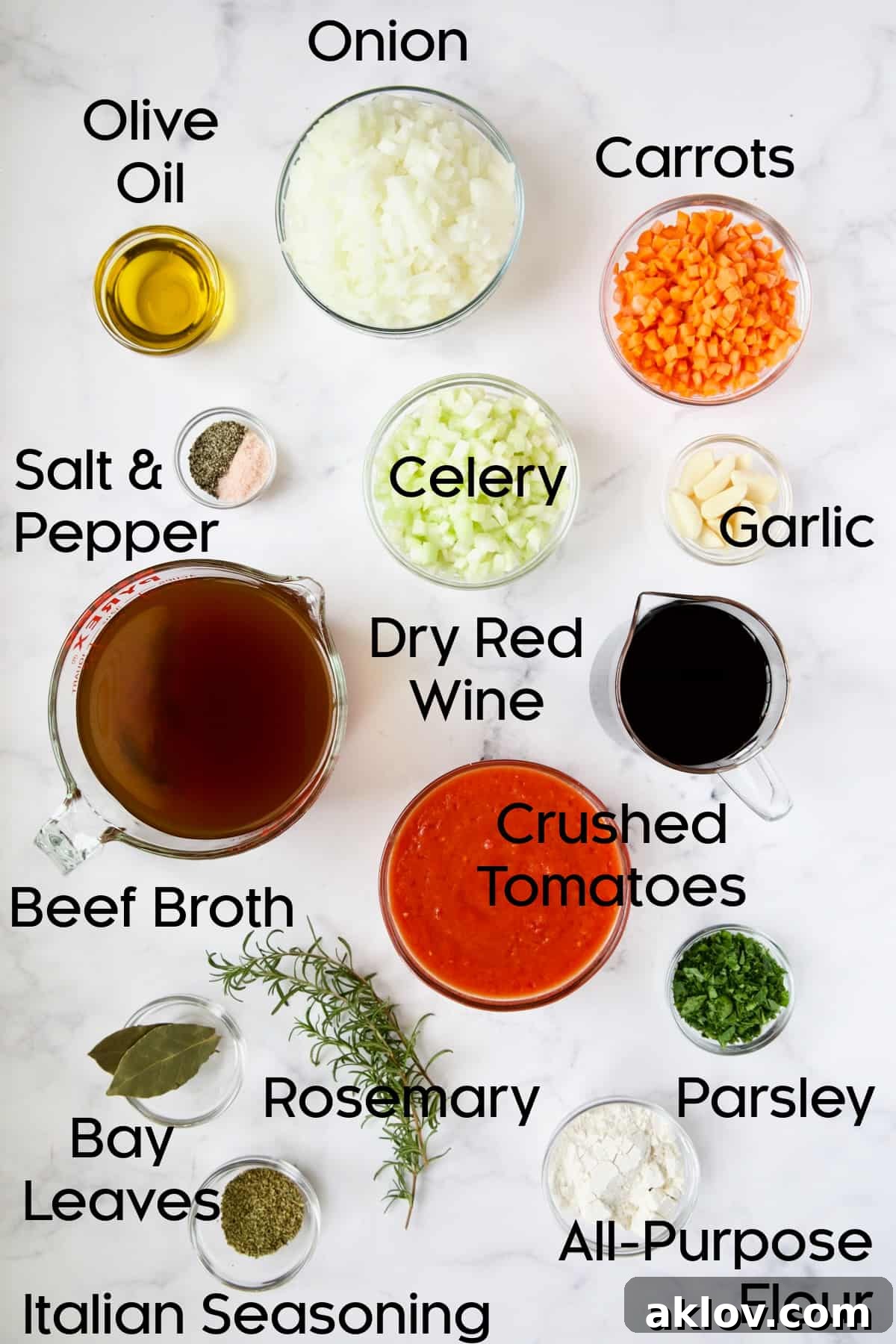
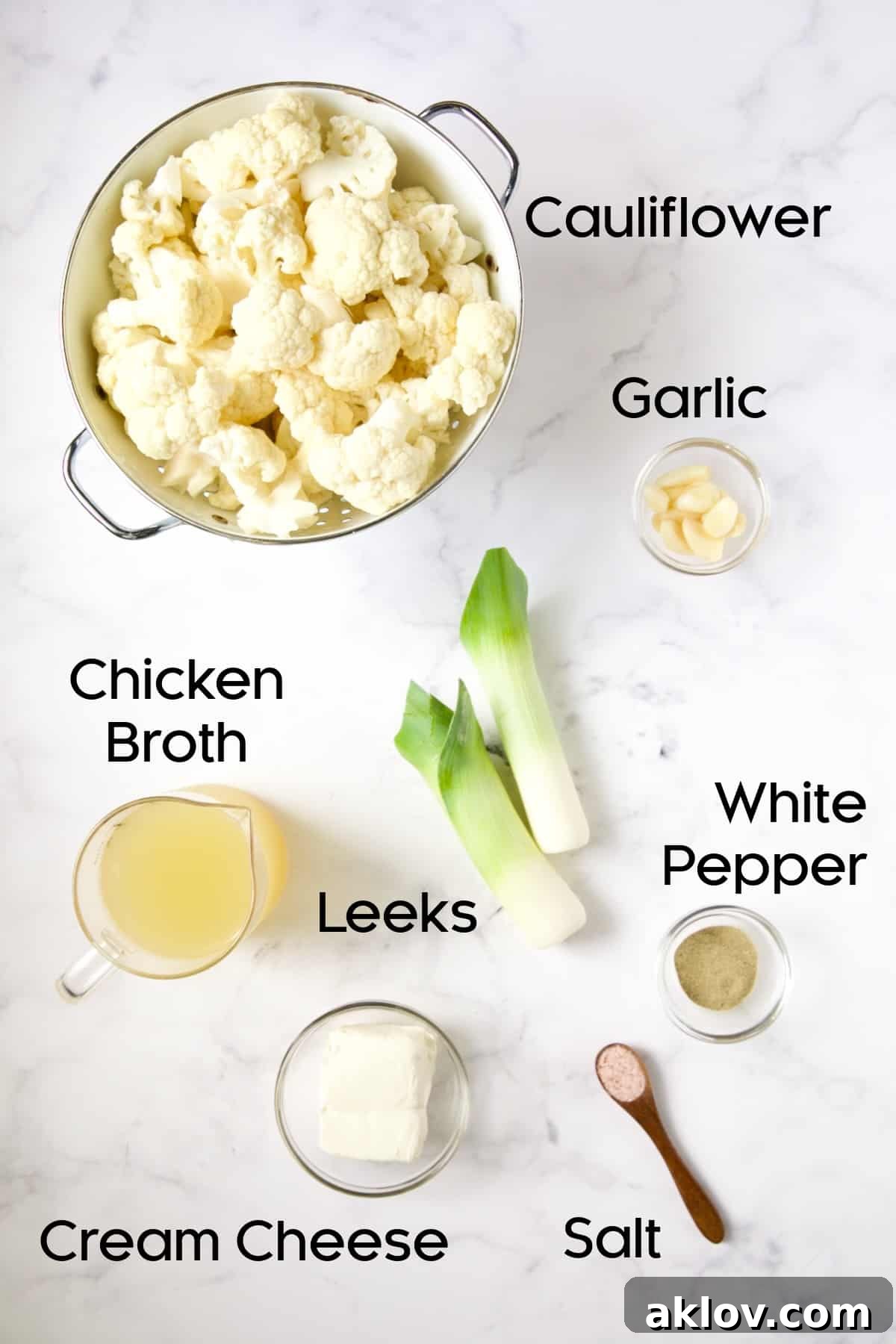
Crafting this elegant and comforting meal requires a thoughtful selection of ingredients, each playing a vital role in building complex flavors. Below is a comprehensive list of everything you’ll need for both the short ribs and the accompanying puree. For precise measurements, please refer to the detailed recipe card further down this page.
Important Ingredient Notes and Smart Substitutions
- Onions, Celery, and Carrots (The Aromatic Foundation): This classic triumvirate, often called “aromatics,” forms the backbone of flavor for many braised dishes. In French cuisine, it’s known as a mirepoix, typically consisting of two parts onion to one part celery and one part carrots. In Italian cooking, it’s a soffritto. While the ratios can be eyeballed, the principle remains: sautéing these vegetables until soft and sweet creates a deep, foundational sweetness. I’ve opted for olive oil in this recipe, as butter, though traditional in some European cuisines, can burn more easily at the higher temperatures required for sautéing before braising.
- Beef Broth (or Stock): This liquid forms a significant part of our braising liquid. Whether you choose broth or stock, I highly recommend a lower-sodium version. As the liquid reduces during the long cooking process, the flavors — and saltiness — will become significantly more concentrated. Using low-sodium broth allows you greater control over the final seasoning of your rich sauce.
- Dry Red Wine: The choice of wine is paramount for a “wine braised” dish. Always select a dry, full-bodied red wine that you would genuinely enjoy drinking, such as a Cabernet Sauvignon, Zinfandel, Merlot, or a robust blend. Steer clear of anything labeled “cooking wine”; these are typically of inferior quality and can impart an unpleasant flavor to your dish. You don’t need to splurge on your most expensive bottle, but a decent quality wine will make all the difference in the depth and complexity of your sauce.
- All-Purpose Flour (for Slurry): In this recipe, flour is used as a thickening agent for the final sauce, rather than for dredging the meat. I prefer this method because dredging meat that will be seared for an extended period can sometimes lead to a slightly burned flour taste. By adding it as a slurry at the end, we achieve a perfectly smooth, rich sauce. For a gluten-free alternative, you can easily substitute your favorite gluten-free flour blend or cornstarch, mixed with a little cold liquid, to create a similar thickening effect.
- Fresh Rosemary: Fresh herbs consistently outperform dried varieties in terms of flavor and aroma. For herbs like rosemary (and sage), which have a more robust structure and strong flavor, it’s best to add them later in the cooking process. Incorporating fresh rosemary during the last 30 minutes of braising allows its fragrant oils to infuse the sauce without becoming bitter or losing its aromatic punch due to overcooking.
- Leeks (for the Puree): Leeks are wonderful for their mild, onion-like sweetness, but they are notorious for trapping dirt and grit between their layers. Proper cleaning is essential. To clean leeks effectively, cut them in half lengthwise, then slice them into desired pieces. Submerge the sliced leeks in a bowl of cold water and gently swish them around with your hands. The dirt will sink to the bottom of the bowl. Carefully scoop the clean leeks out with a slotted spoon, leaving any remaining grit behind.
Detailed Step-By-Step Cooking Instructions
Follow these comprehensive steps to create your exquisite Wine Braised Beef Short Ribs and velvety Cauliflower Leek Puree:
- Preparation is Key: Begin by gathering and meticulously prepping all your ingredients. This mise en place ensures a smooth and enjoyable cooking process.
- Preheat Oven: Set your oven to 350 degrees Fahrenheit (175 degrees Celsius). This ensures it’s at the ideal temperature when your short ribs are ready for their slow braise.
- Trim the Ribs: Carefully trim as much excess fat as possible from the short ribs, particularly from the meaty side. However, make sure to leave the bone side intact, as the bones are crucial for adding rich flavor to your braising liquid.
- Season Generously: Season the trimmed short ribs liberally on all sides with kosher salt and freshly ground black pepper. Don’t be shy; proper seasoning at this stage is foundational to the overall flavor.
- Sear for Flavor: Heat the olive oil in a large, heavy-bottomed pot, such as a Dutch oven, over medium-high heat until shimmering. Working in batches to avoid overcrowding the pot, place the seasoned short ribs in the hot oil and sear until deeply browned on all sides. This typically takes 4-5 minutes per side. Browning creates a rich “fond” and adds immense flavor complexity.
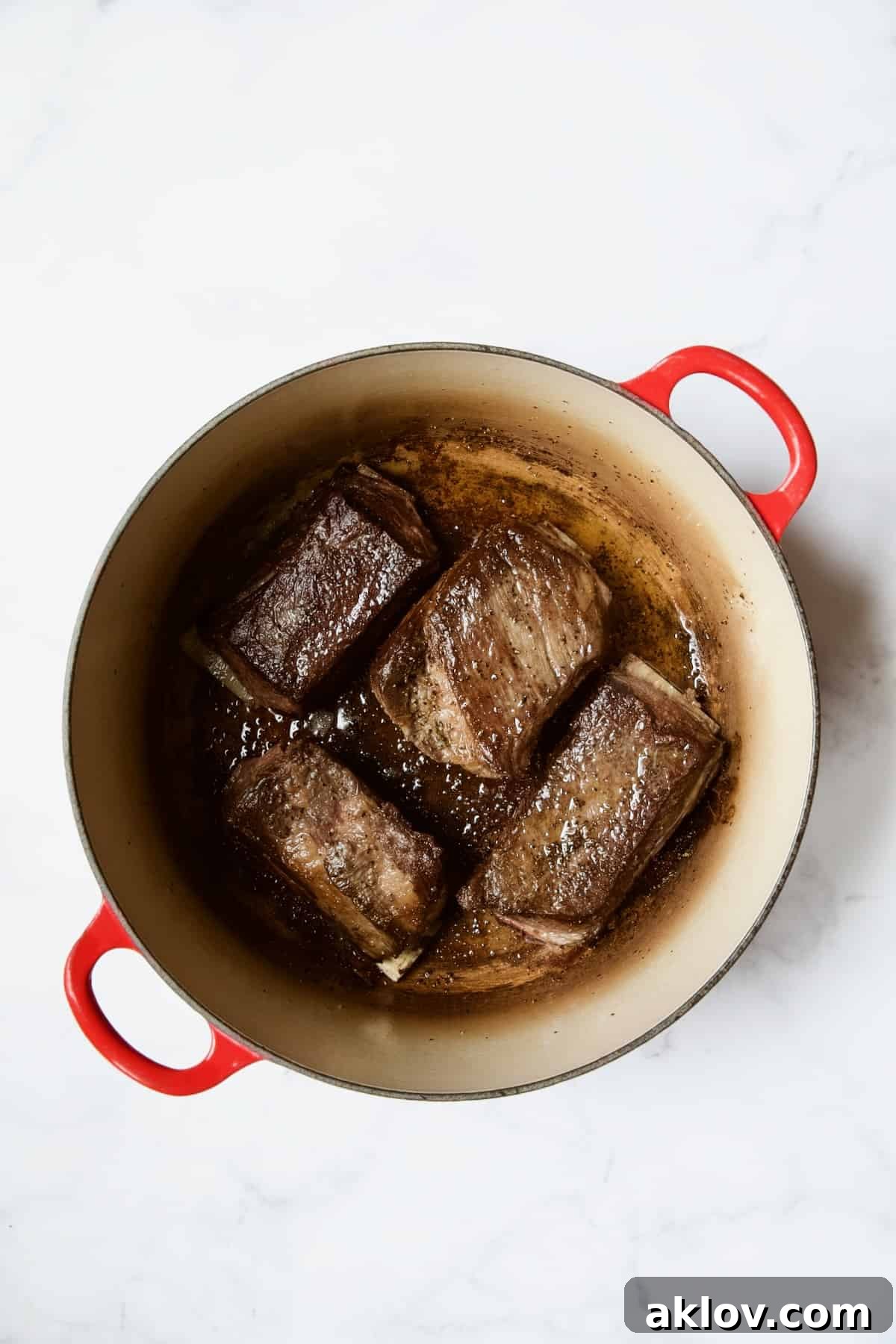
- Sauté the Aromatics: Transfer the seared short ribs to a plate and set aside. Reduce the heat to medium-low. Add the finely chopped onions, carrots, and celery (your mirepoix or soffritto) to the Dutch oven, along with a pinch or two of salt. Cook, stirring frequently, until the vegetables are very soft and translucent, but not browned. This gentle cooking extracts their natural sweetness and aromatic compounds, building a rich flavor base.
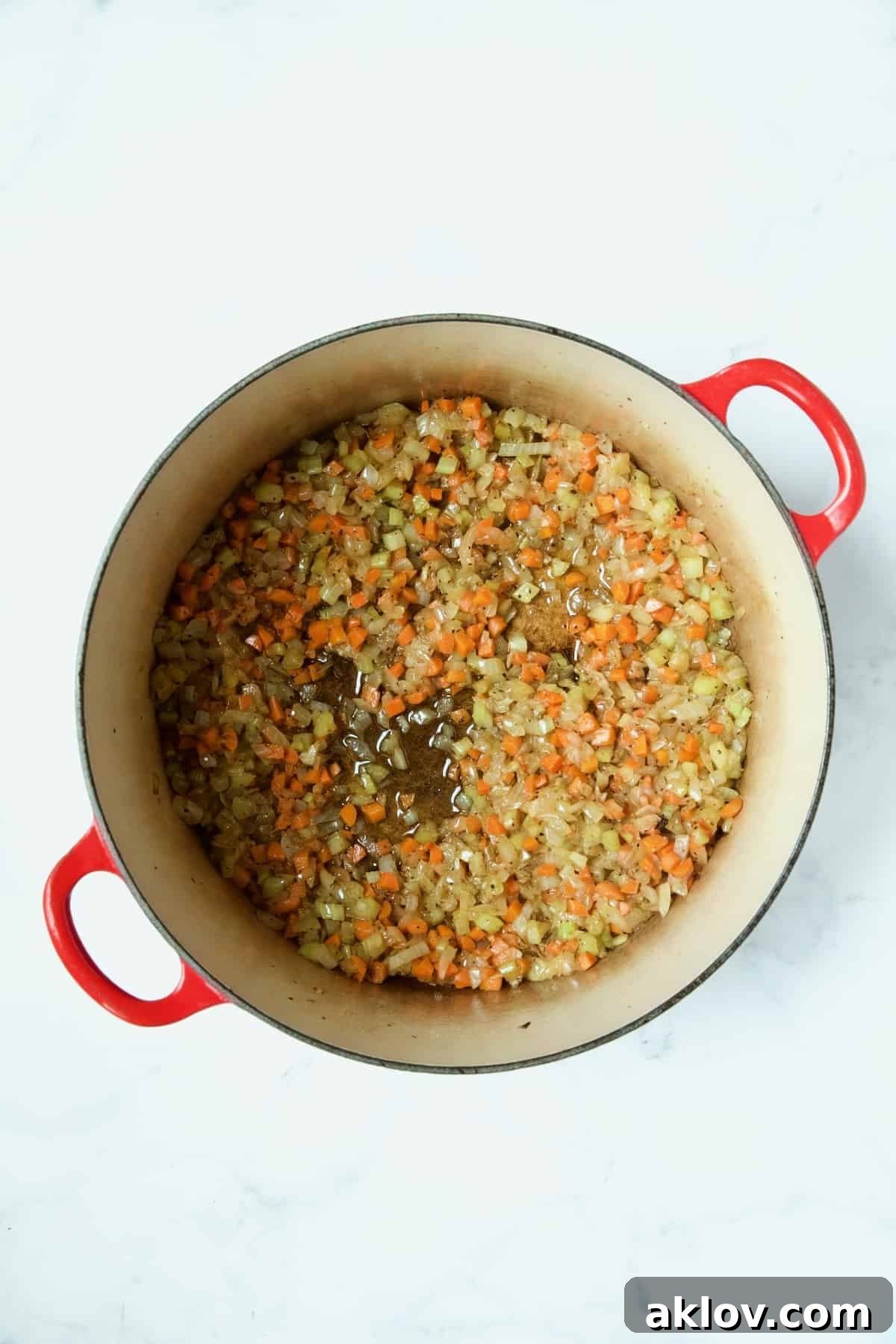
- Deglaze with Wine: Add the minced garlic to the softened aromatics and stir quickly until fragrant, about 15 seconds. Immediately pour in the dry red wine. Bring the mixture to a boil, using a wooden spoon to scrape up all the delicious browned bits (the fond) from the bottom of the Dutch oven. Let it simmer and reduce slightly for 2-3 minutes, allowing the alcohol to cook off and the wine’s flavor to concentrate.
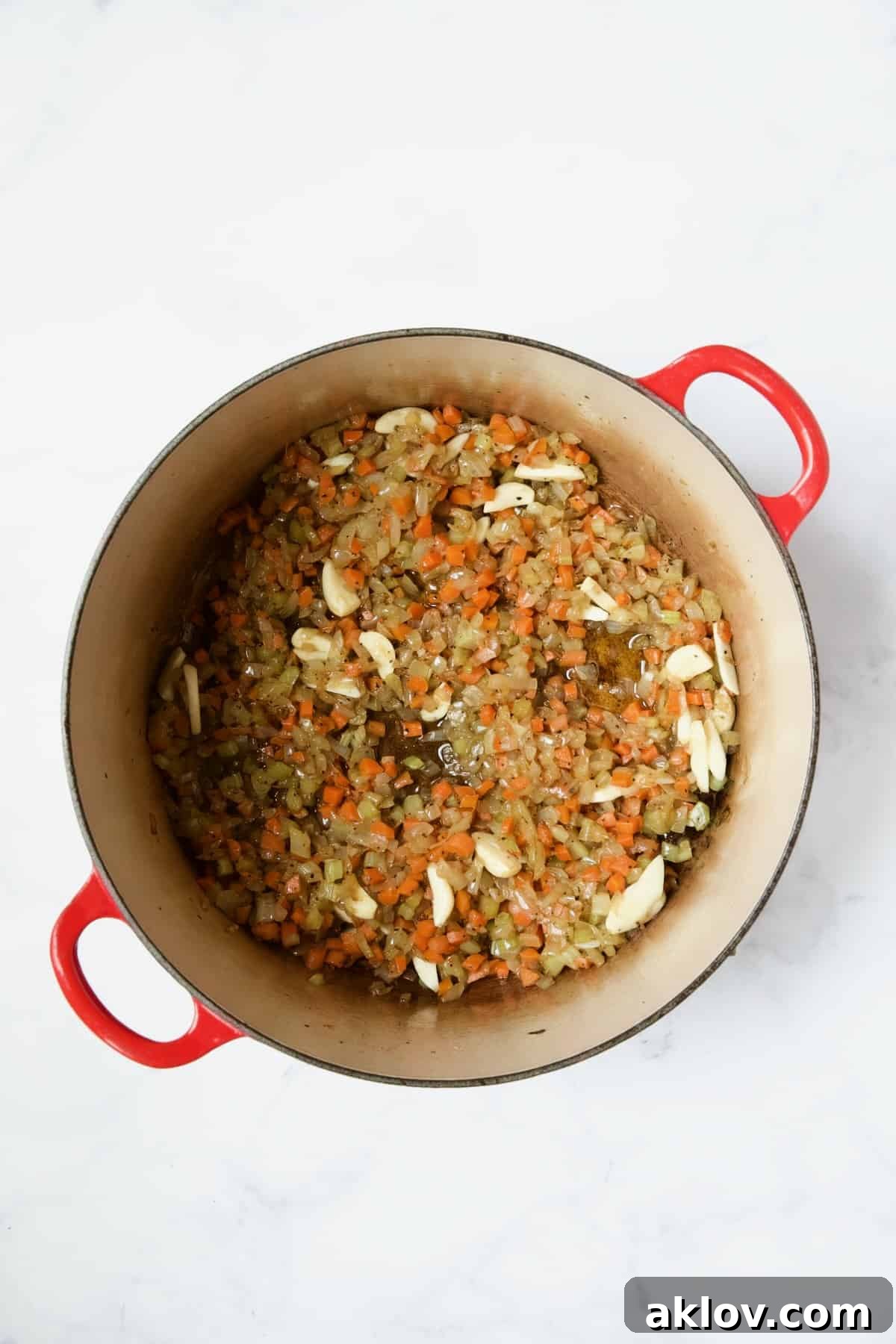
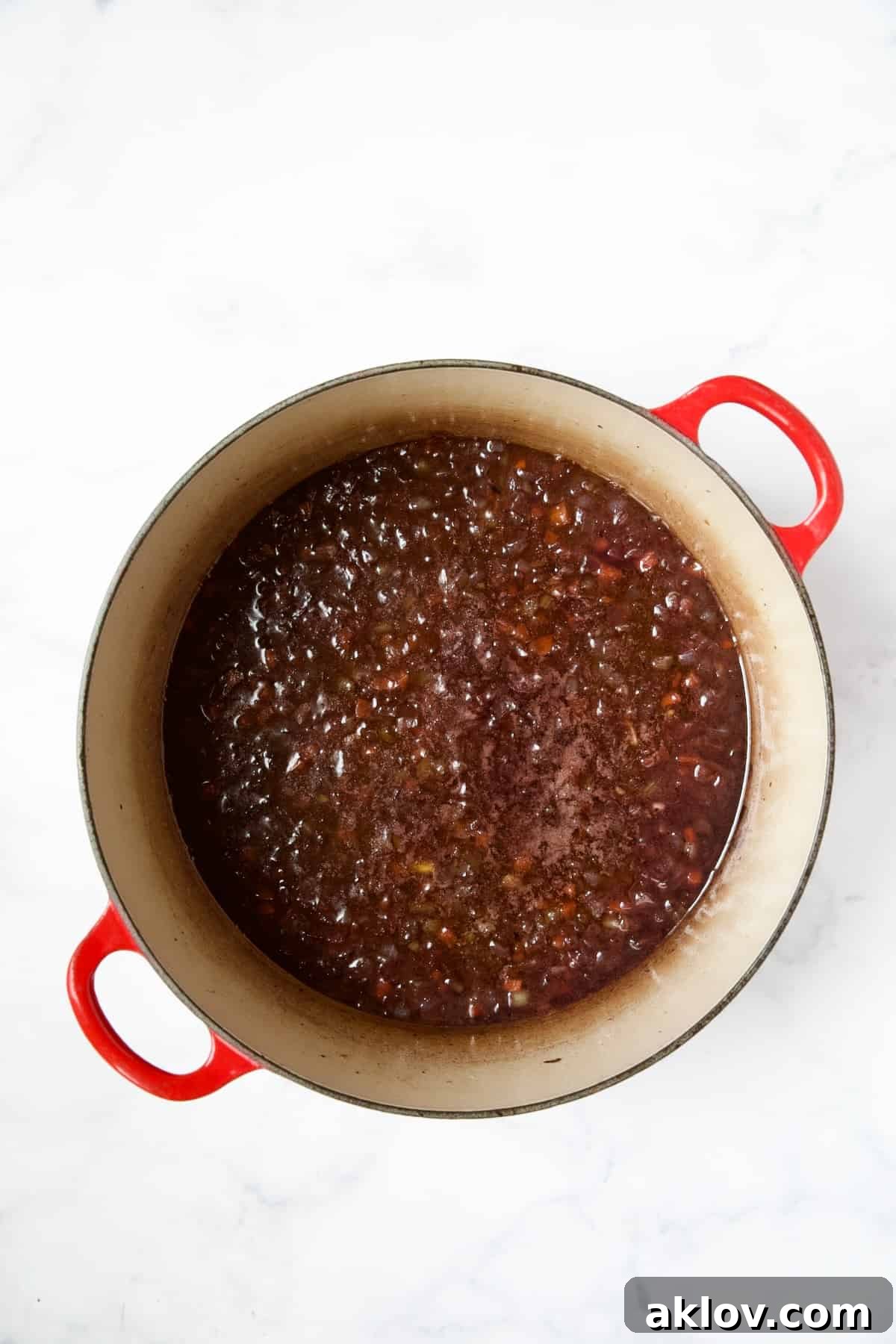
- Assemble for Braising: Return the seared beef short ribs to the Dutch oven, nestled among the aromatic vegetables and wine. Add the beef broth, crushed tomatoes, Italian seasoning, and bay leaves. Ensure the ribs are mostly submerged in the liquid. For optimal moisture retention and tenderness, cover the pot securely. I recommend placing a piece of aluminum foil or wet parchment paper directly over the surface before affixing the lid. This creates an extra tight seal, minimizing evaporation during the long braise.
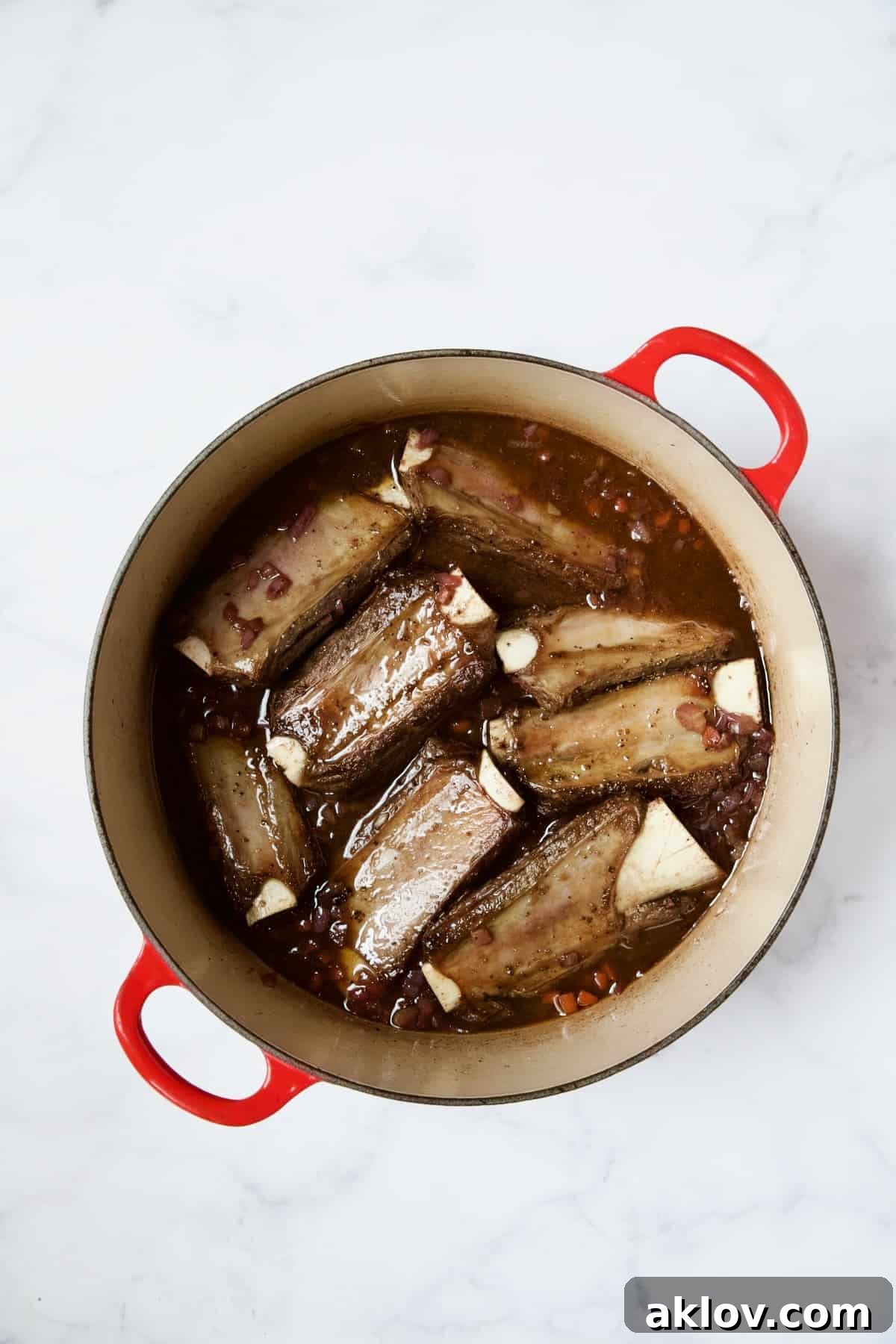
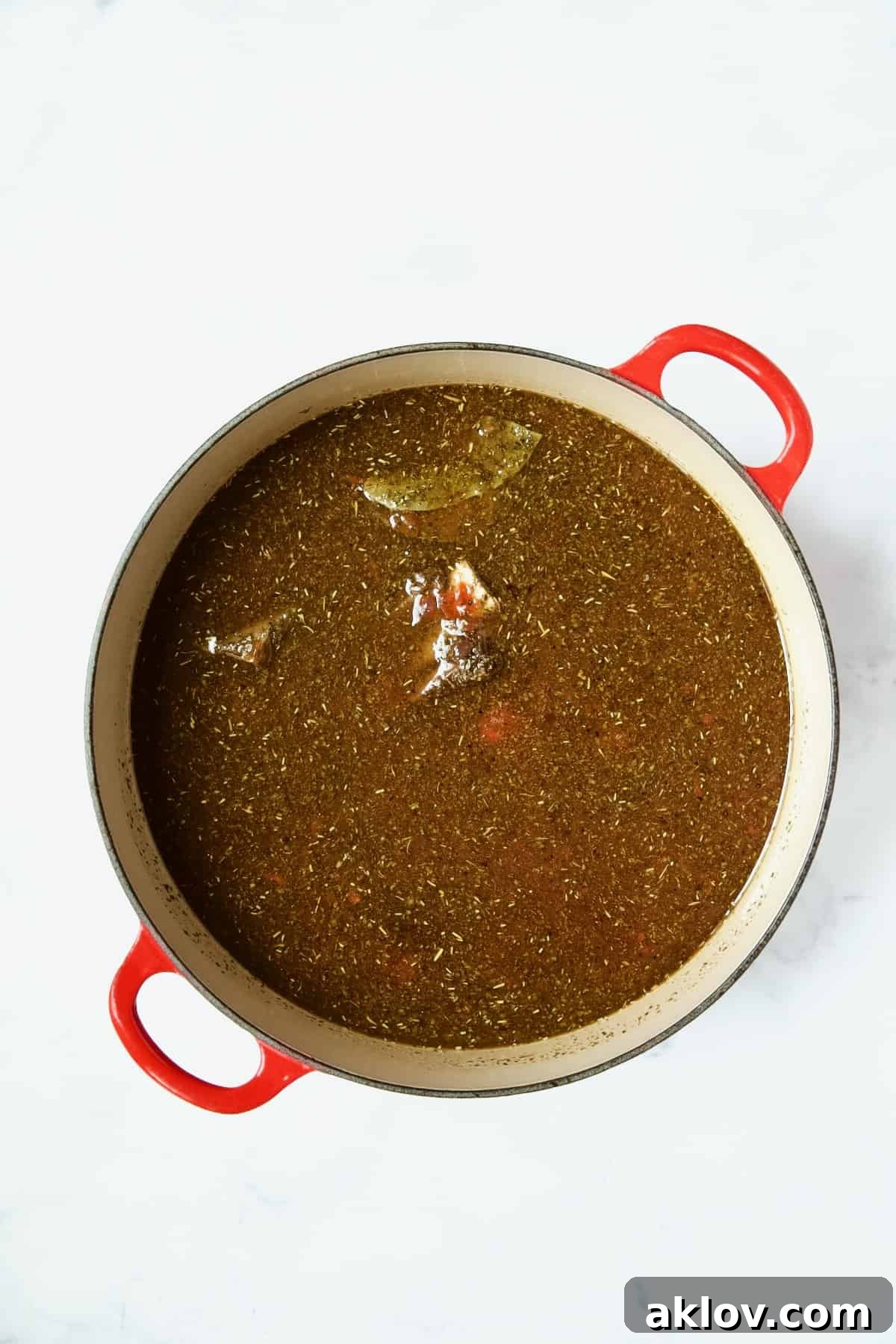
- The Slow Braise: Place the covered Dutch oven into your preheated 350-degree F oven. Let the short ribs simmer gently for approximately 2 to 2½ hours. This extended, low-temperature cooking is what truly breaks down the connective tissue and renders the ribs incredibly tender.
- Add Rosemary: After the initial braising period, remove the pot from the oven. Stir in the chopped fresh rosemary. Return the pot to the oven and cook for another 30 minutes, or until the ribs are exquisitely tender and practically falling apart at the touch of a fork.
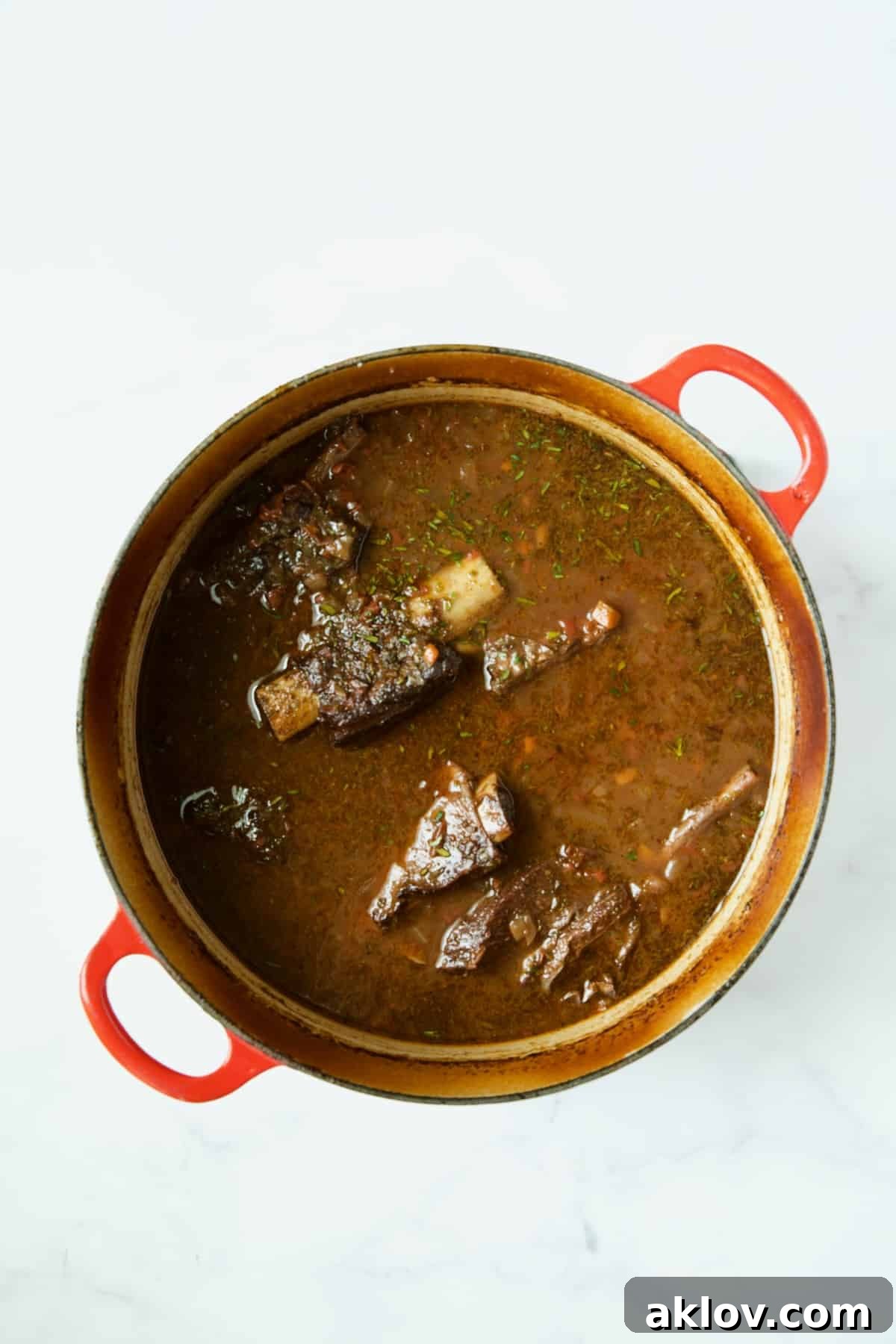
- Prepare the Cauliflower Leek Puree: While the ribs finish their final braise, begin preparing the velvety puree.
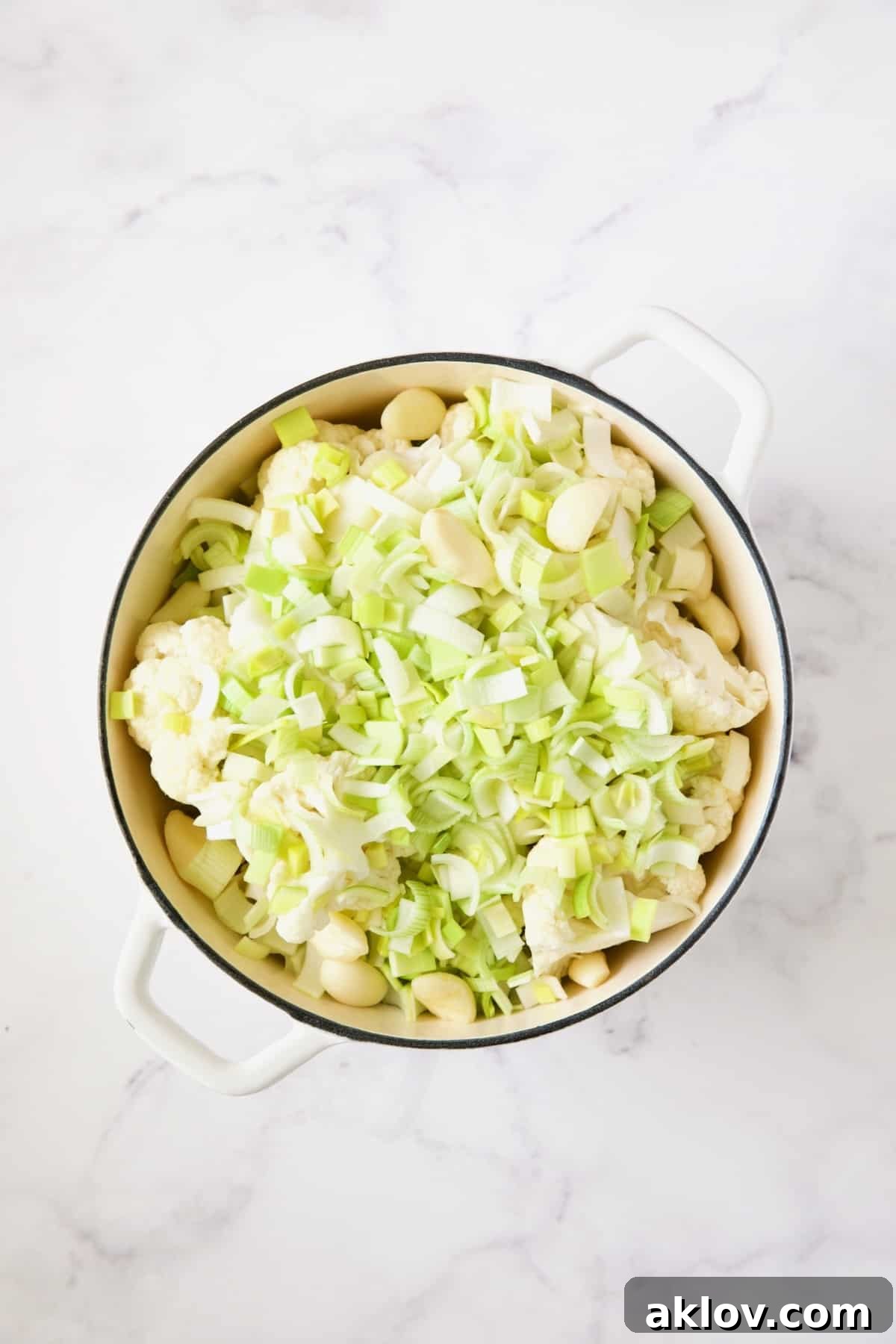
- Combine the cauliflower florets, cleaned and sliced leeks, whole garlic cloves, and chicken broth in a large saucepan or pot. Bring the mixture to a boil over medium-high heat.
- Once boiling, reduce the heat to a gentle simmer. Cover the pot with the lid slightly ajar to allow some steam to escape, and cook until the cauliflower is fork-tender, usually 15-20 minutes.
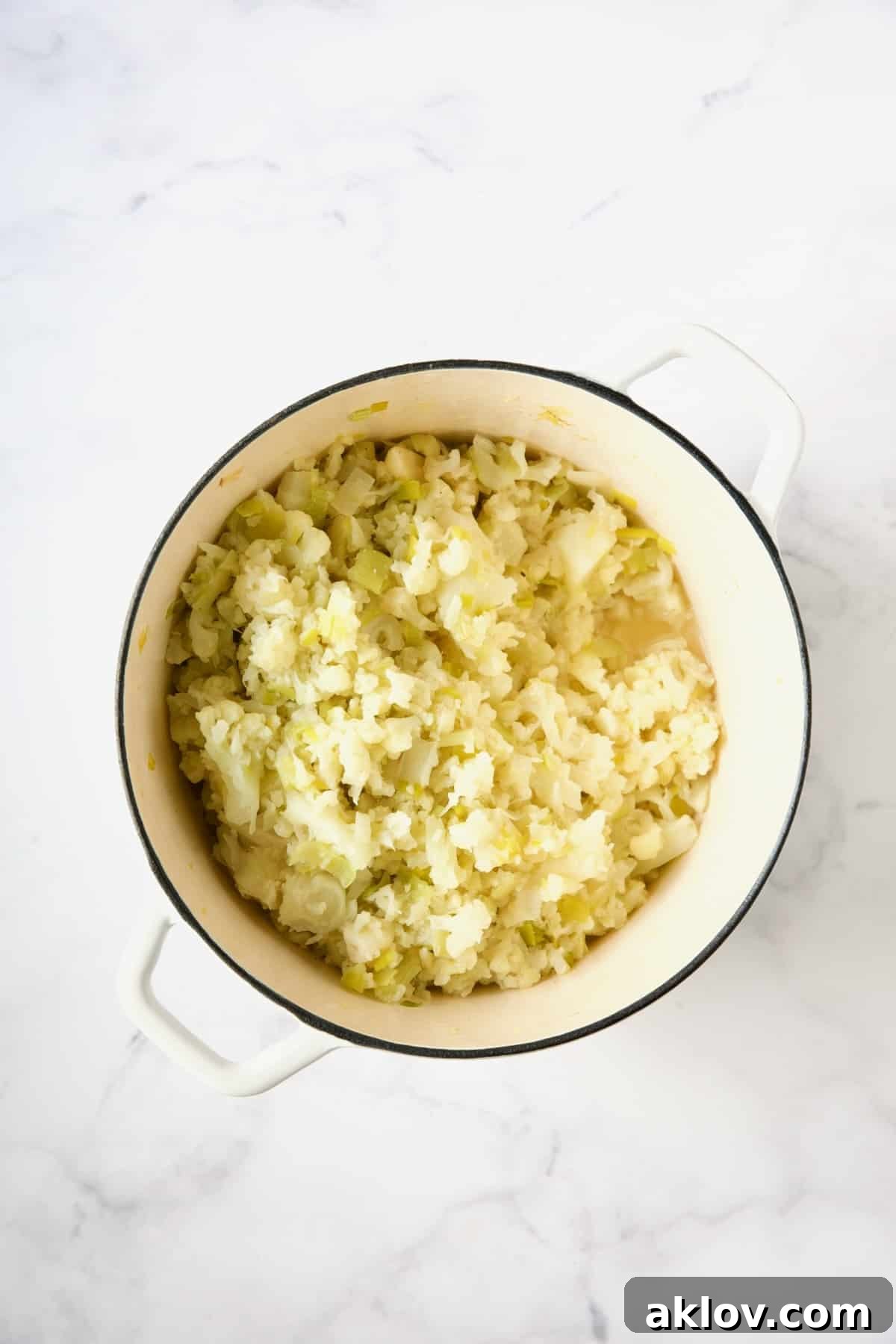
- Remove the cover and continue to simmer, stirring occasionally, until most of the cooking liquid has evaporated. Be careful not to let all the liquid disappear, as you want some moisture for the puree. This step concentrates the flavors.
- Add the room-temperature cream cheese to the cooked cauliflower and leeks, stirring until it begins to melt and combine. Using an immersion blender directly in the pot, carefully puree the mixture until it is completely smooth and creamy. Alternatively, you can transfer the contents to a traditional blender or food processor and blend until silky. Season generously to taste with salt and white pepper. Keep the puree warm until you are ready to serve.
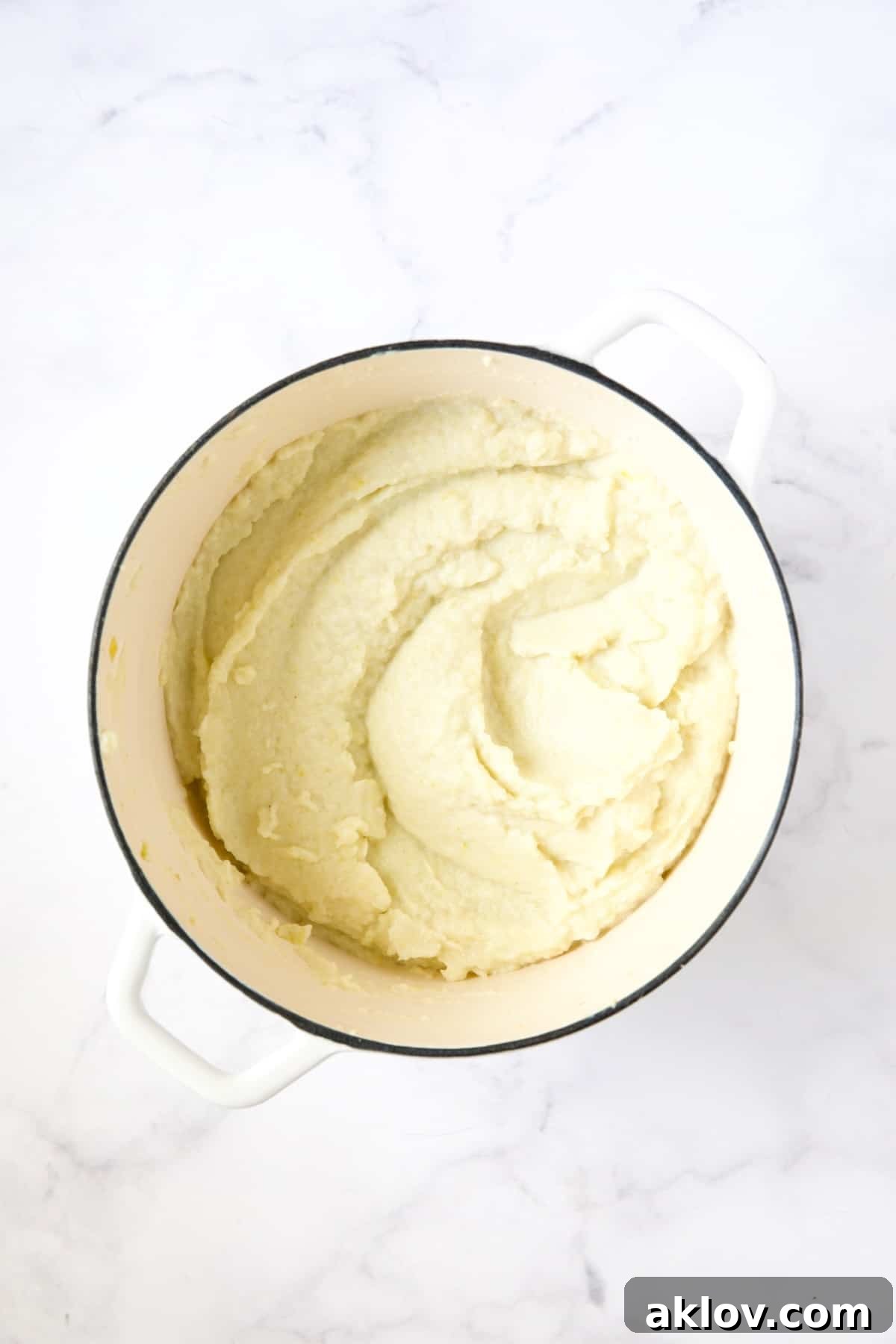
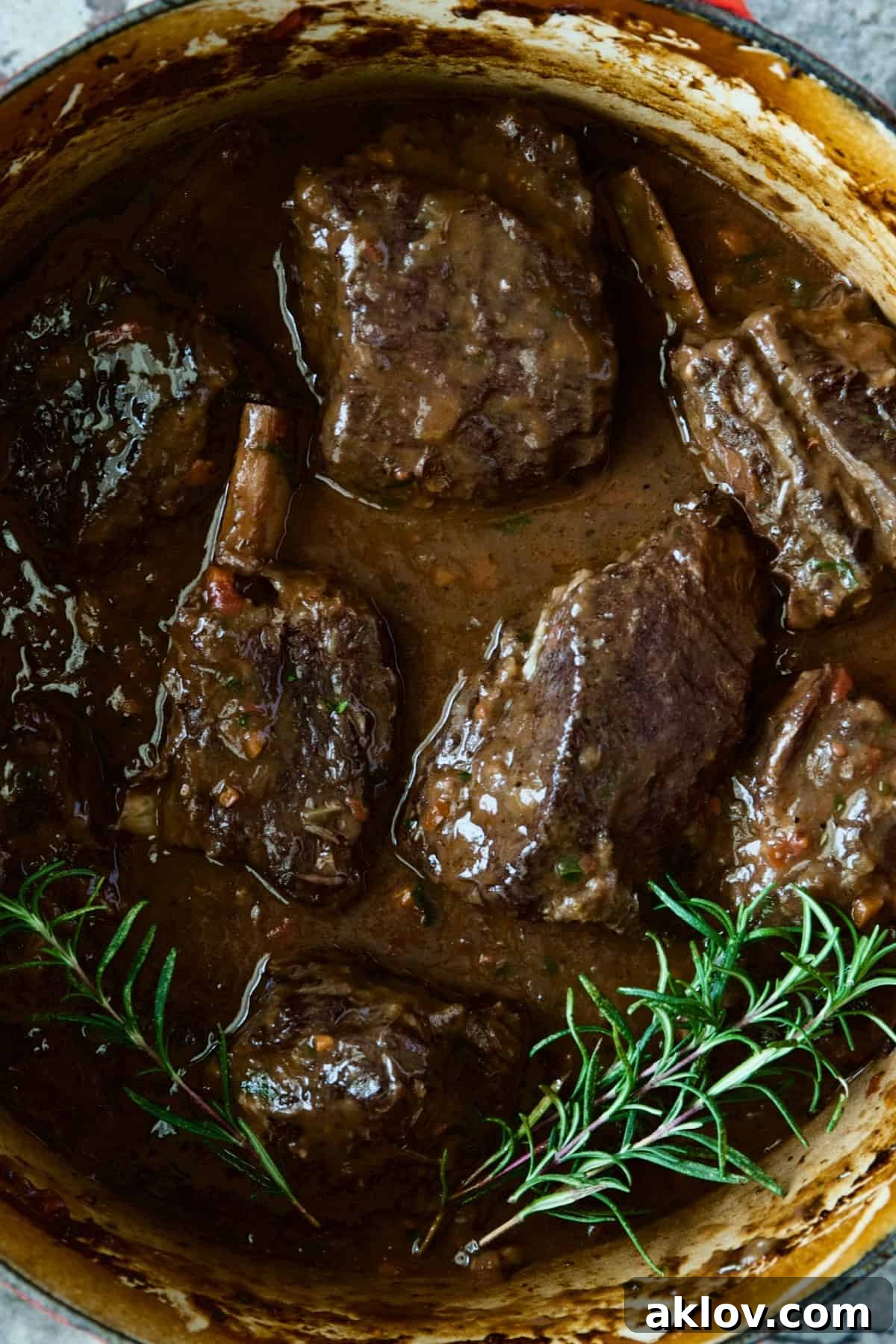
- Rest the Ribs and Degrease: Carefully transfer the perfectly braised short ribs from the Dutch oven to a large bowl or platter. Cover them loosely with foil to keep them warm while you finish the sauce. Remove and discard the bay leaves from the braising liquid. At this point, you’ll likely see a layer of fat on top of the sauce. Skim off as much excess fat as you can. (Refer to the “Chef Tips and Tricks” section below for detailed degreasing methods.)
- Thicken the Sauce: In a small heatproof bowl, create a slurry. Place the all-purpose flour in the bowl. Ladle out approximately ⅔ cup of the hot braising liquid from the Dutch oven and whisk it vigorously into the flour until completely smooth and lump-free. Pour this slurry back into the braising liquid in the Dutch oven.

- Simmer to Thicken: Bring the braising liquid with the added slurry to a gentle boil over medium-high heat, whisking continuously. Cook for 4-5 minutes, or until the sauce has thickened to your desired consistency and the flour has cooked through. The ideal consistency should be that of a rich, velvety sauce, rather than a thick gravy. Remember, the sauce will continue to thicken slightly as it stands.
- Final Rest and Reheat: Carefully place the short ribs back into the thickened sauce in the Dutch oven. Let them rest off the heat for about 10 minutes. This allows the flavors to meld further and ensures the ribs are heated through before serving.
- Make-Ahead Convenience: These short ribs are fantastic for make-ahead meals! They can be prepared up to two days in advance. Simply allow them to cool completely, then refrigerate in an airtight container. Reheat gently in a 350-degree F oven until heated through.
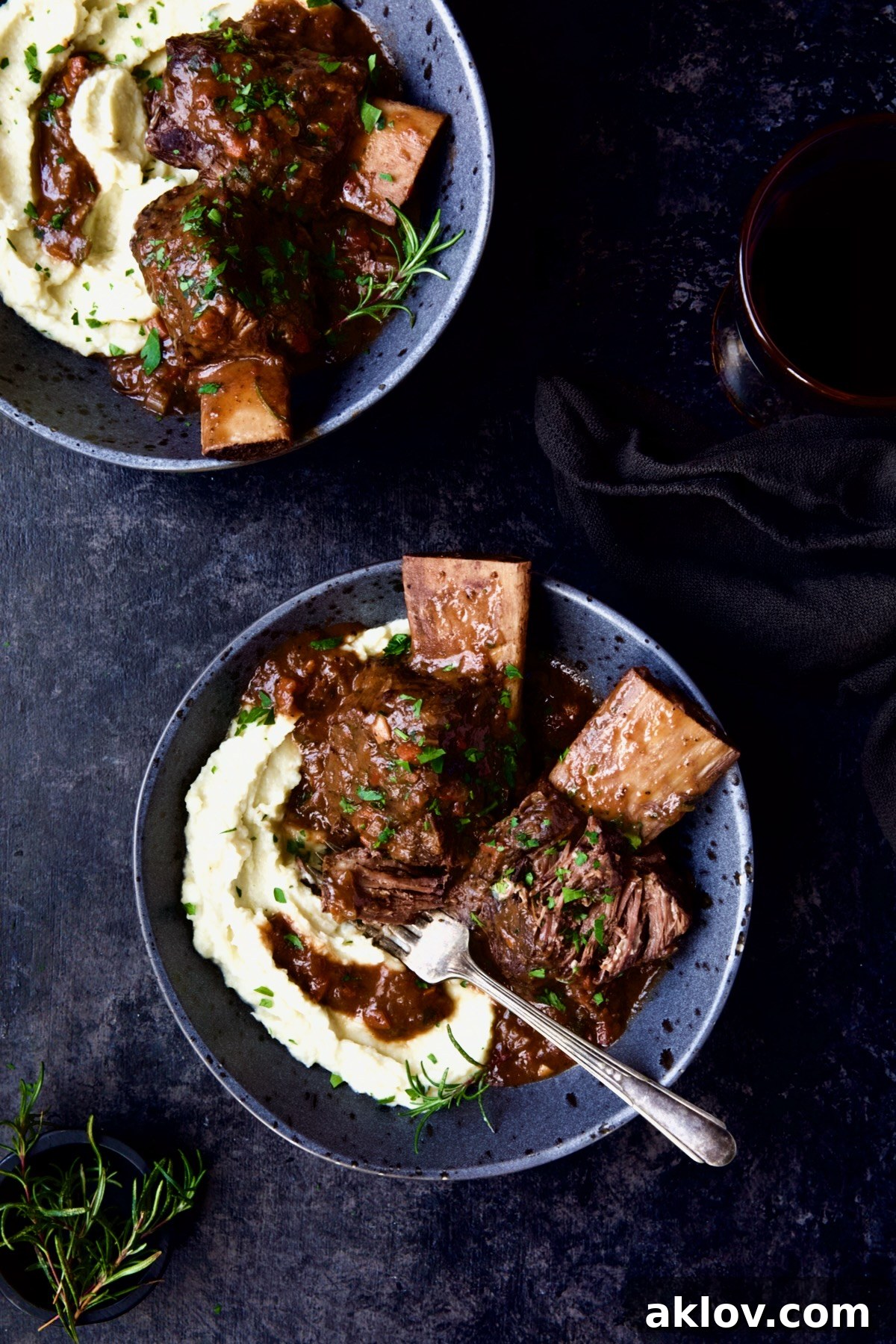
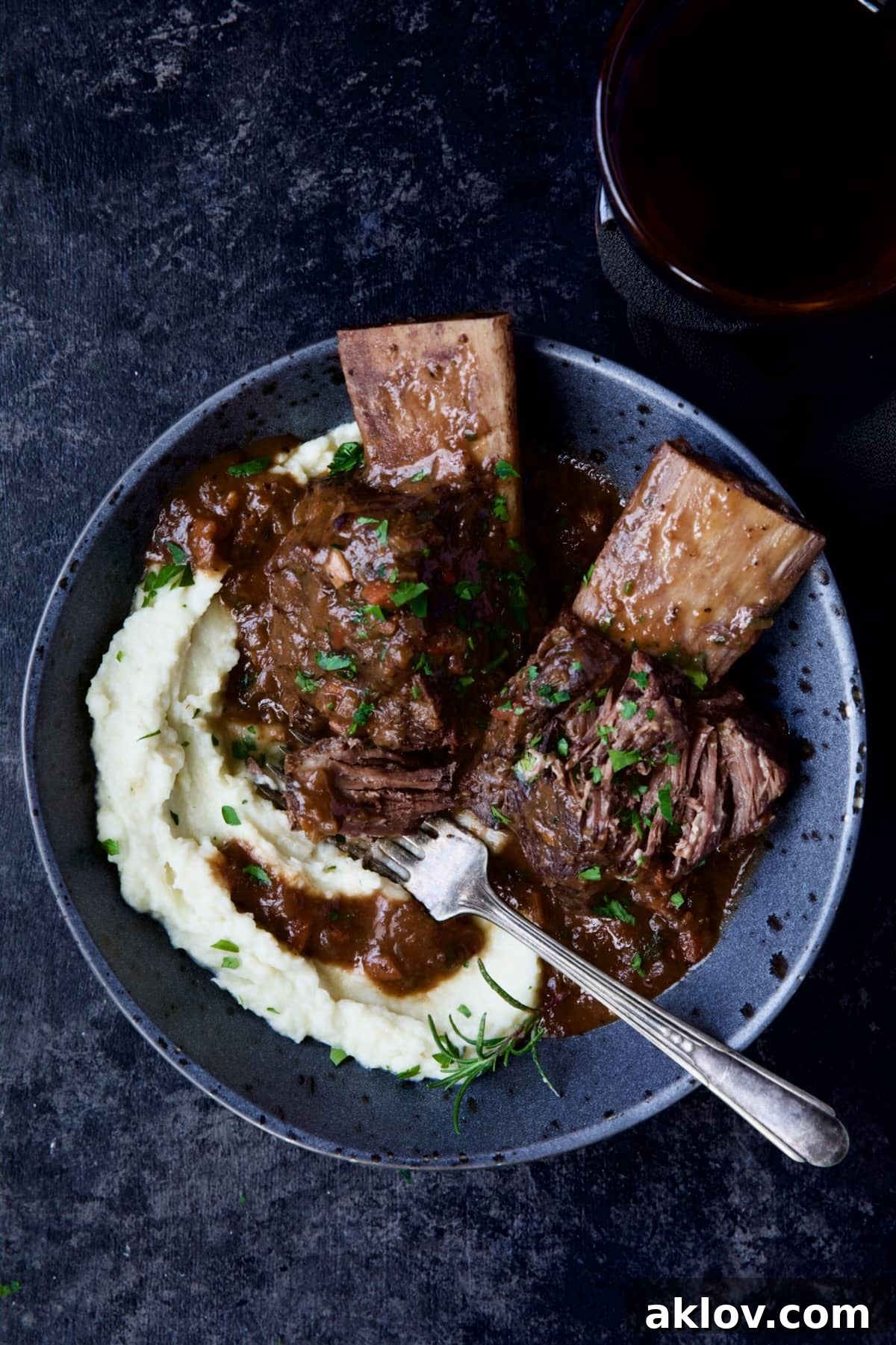
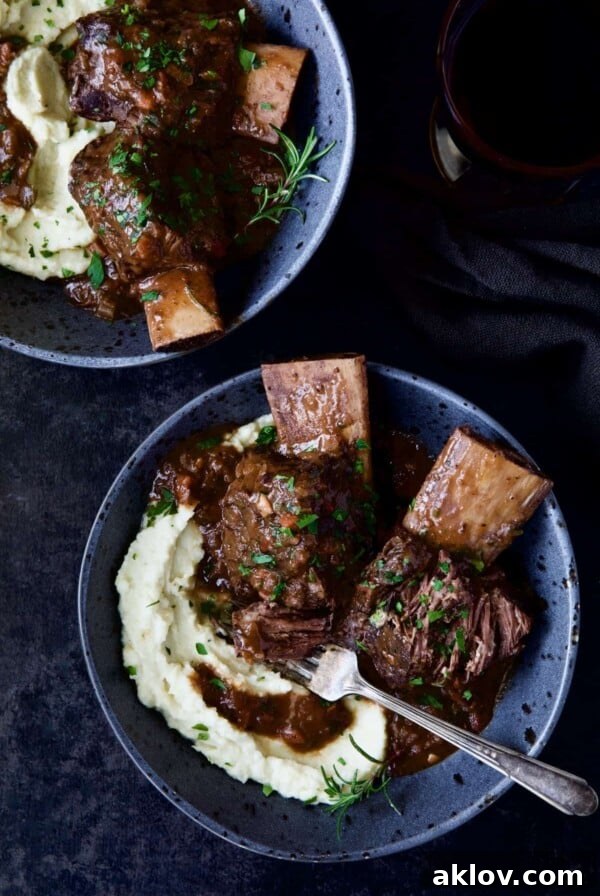
- Serve and Enjoy: Serve your glorious Wine Braised Beef Short Ribs generously over a bed of the creamy Cauliflower Leek Puree. Garnish with a sprinkle of fresh chopped parsley for a touch of color and extra freshness. Prepare for an unforgettable meal of tender, luxurious, fall-off-the-bone goodness that will be praised by all!
Expert Chef Tips and Clever Tricks for Perfect Short Ribs
- Mastering the Art of Degreasing Braised Beef Short Ribs:
After a long, slow braise, a significant layer of flavorful but often unwanted fat will accumulate on top of your sauce. Fortunately, fat naturally separates from the liquid, making it relatively easy to remove. Here are several effective methods:
- Immediate Degreasing (Before Thickening): If you plan to serve the dish right away and before you thicken the sauce with the slurry, carefully transfer the braised short ribs to a separate bowl or platter and tent them with foil to keep warm. Gently tilt the Dutch oven to one side, allowing the fat to pool at the top. Use a large spoon or ladle to carefully skim off the layer of fat. A dedicated gravy separator is also an excellent tool for this task, as it allows you to pour off the lean liquid from the bottom.
- Rapid Cooling Method: If you have a bit more time, allow the braised ribs and sauce to cool down slightly. Once cooler, place a piece of plastic wrap directly onto the surface of the sauce. Gently press it down, allowing the plastic wrap to come into contact with the fat layer. As you lift the plastic wrap, much of the grease will cling to it. Repeat this process several times with fresh pieces of plastic wrap until most of the visible fat is removed.
- Overnight Refrigeration (The Easiest Method): For the absolute easiest and most efficient degreasing, prepare the ribs a day or two in advance. Allow the entire dish (ribs and sauce) to cool completely to room temperature, then transfer it to an airtight container and refrigerate overnight. By morning, the fat will have congealed into a solid, easily removable layer on top. Simply lift off the solidified fat with a spoon or your hands before reheating the dish. This method not only simplifies degreasing but often results in an even richer flavor as the sauce has more time to meld.
These Wine Braised Beef Short Ribs with Cauliflower Leek Puree truly embody meaty, wonderful, and luscious goodness, proving that an economical cut can yield gourmet results.
Any leftovers are equally delightful and reheat beautifully, whether still on or off the bone. For an exciting variation, the tender short ribs can also be shredded and repurposed in a myriad of ways, such as a hearty beef pot pie, flavorful tacos, or even a robust sandwich filling!
Frequently Asked Questions About Braised Short Ribs and Puree
Braised short ribs are a fantastic make-ahead meal. You can prepare them up to two days in advance. Many chefs argue that braised dishes actually taste better the next day, as the flavors have more time to fully develop and meld. For the best quality and flavor, aim to serve them within two days. To reheat, simply place them in a 350-degree F (175 C) oven until thoroughly heated through.
Yes, the Cauliflower Leek Puree can also be prepared up to two days ahead of time. Due to cauliflower’s high water content, it’s possible that some liquid separation may occur upon refrigeration. If this happens, simply drain off any excess water before reheating. Reheat in the microwave in 1 to 2-minute increments, stirring well between each cycle to restore its smooth, creamy texture.
Absolutely, beef short ribs can be successfully cooked in a slow cooker for convenience. However, keep in mind that slow cookers tend to trap moisture, which can sometimes dilute flavors. To counteract this, I recommend reducing the amount of beef broth or stock by 1 cup from the recipe. Cook on HIGH for 4-6 hours or on LOW for 8-10 hours, depending on the size and thickness of your short ribs. For a more intense sauce flavor, leave the cover off for the last 30 minutes of cooking to allow some of the liquid to reduce and thicken naturally.
While an electric pressure cooker can certainly tenderize short ribs quickly, I highly recommend sticking to the traditional low-and-slow braising method for this particular recipe. The extended cooking time in the oven allows for a much deeper development of flavor in the sauce and achieves a more luxurious, melt-in-your-mouth texture in the meat that is hard to replicate under high pressure. The difference in flavor and texture will be notably superior with the oven braise.
Yes, braised beef short ribs freeze wonderfully! They are an excellent option for meal prepping or saving for a busy day. Allow them to cool thoroughly after cooking. Then, transfer the ribs and their sauce to airtight, freezer-safe containers. Freeze for up to 1-2 months for optimal quality. When ready to enjoy, thaw them overnight in the refrigerator and reheat gently in a 350-degree F (175 C) oven until heated through.
Perfect Pairings: What to Serve with Wine Braised Short Ribs
While the Cauliflower Leek Puree offers a wonderfully creamy and complementary side, these rich Wine Braised Beef Short Ribs are incredibly versatile and pair beautifully with a variety of accompaniments. Consider these delicious options to round out your gourmet meal:
- Make-Ahead Mashed Potatoes (Mashed Potato Casserole): Classic and comforting, fluffy mashed potatoes are a timeless partner for braised beef, soaking up all that incredible sauce.
- Cauliflower White Bean Puree: For another delightful and slightly different take on a creamy puree, this option offers added protein and earthiness.
- Celery Root (Celeriac) Puree: A sophisticated alternative to potato puree, offering a subtle, earthy sweetness and smooth texture.
- Roasted Beets with Red Wine Glaze: The sweet, earthy notes of roasted beets, especially with a red wine glaze, beautifully complement the richness of the short ribs.
- Bourbon-Glazed Carrots with Honey: Sweet and savory carrots add a touch of brightness and a hint of warmth from the bourbon.
- Brussels Sprouts Gratin: A cheesy, savory gratin made with Brussels sprouts provides a delicious counterpoint with its slight bitterness and creamy texture.
Explore More Exquisite Beef Short Rib Recipes
If you’ve fallen in love with the magic of braised short ribs, you’ll be thrilled to discover more variations that celebrate this incredible cut. Don’t miss these other fantastic beef short rib recipes:
- Korean Braised Beef Short Ribs Recipe: A vibrant, savory, and slightly sweet take on short ribs, perfect for an adventurous palate.
- Stout Braised Beef Short Ribs and Colcannon: Rich stout beer deepens the flavor of the ribs, beautifully paired with a comforting Irish potato and cabbage dish.
- Slow Cooker Beef Short Ribs Barbacoa with Cilantro Lime Cauliflower Rice: A spicy and tangy slow-cooked version, ideal for tacos or bowls, and paired with a fresh, low-carb rice alternative.
- Boneless Short Ribs Recipe (Bourguignon Style): All the classic flavors of Beef Bourguignon, simplified with boneless short ribs for ease.
Discover all my delectable beef creations and main course inspiration at: Beef Recipes – From A Chef’s Kitchen
Wine Braised Beef Short Ribs with Cauliflower Leek Puree
Carol | From A Chef’s Kitchen
45
3
3
45
6
Equipment
-
Wusthof Boning Knife
-
Wusthof Chef Knife
-
Cutting Board
-
Dutch Oven
-
Breville Immersion Blender
Ingredients
Short Ribs
-
3 tablespoons olive oil, or as needed -
5 pounds beef short ribs, approximately 6-8 large, on the bone, trimmed of excess fat -
Salt and freshly ground black pepper -
1 large onion, finely chopped -
2 medium carrots, finely chopped -
2 stalks celery, finely chopped -
12 cloves garlic, halved if small, sliced if large -
2 cups hearty dry red wine, such as Cabernet or Zinfandel -
4 cups beef broth, or stock, preferably low-sodium -
1 can (15-ounce) crushed tomatoes -
1 tablespoon dried Italian seasoning -
2 large bay leaves -
2 tablespoons chopped fresh rosemary -
1/4 cup all-purpose flour -
2 tablespoons chopped fresh parsley
Puree
-
2 medium heads cauliflower, stem removed, cut into large pieces -
1 large leek, (or 2 medium) white and light green part only, halved and sliced (approximately 2 cups) -
8 whole cloves garlic, peeled -
1 can (14.5-ounce) chicken broth -
4 ounces cream cheese, (half a block), room temperature -
Salt and white pepper, to taste
Instructions
Short Ribs
-
Preheat oven to 350 degrees F (175 C).
-
Heat olive oil in a Dutch oven over medium-high heat. Generously season the short ribs with salt and black pepper. Working in batches, place the short ribs in the hot oil and sear well on all sides, approximately 4-5 minutes per side. Transfer to a plate.
-
Add the onion, carrot, and celery to the hot oil. Reduce heat to medium-low, add a pinch or two of salt, and cook, stirring often until very soft, approximately 10-12 minutes. Do not brown.
-
Add the garlic, stir until fragrant (about 15 seconds), then add wine. Bring to a boil and cook 2-3 minutes to reduce slightly.
-
Add beef broth, crushed tomatoes, Italian seasoning, and bay leaves.
-
Place short ribs back into the pot, cover securely with aluminum foil or parchment paper then place the lid on the pot and place in the oven. Cook for 2-2 1/2 hours.
-
Add the rosemary and place back in the oven for 30 minutes or until ribs are extremely tender.
-
Take short ribs out of the Dutch oven and place in a bowl. Remove and discard bay leaves. Cover to keep warm. Skim off excess fat from the braising liquid.
-
Place flour in a small bowl. Remove approximately 2/3 cup of the braising liquid. Add it to the flour in the bowl and whisk to form a thick slurry. Whisk the slurry into the braising liquid and stir. Bring to a simmer over medium-high heat. Cook 4-5 minutes or until thickened and flour is cooked. Place short ribs back into the Dutch oven. Let sit off the heat for 10 minutes or so. The sauce will thicken more upon standing. (Should be more of a sauce rather than a gravy.)
-
Serve over Cauliflower Leek Puree.
Puree
-
Combine cauliflower, leek, garlic, and chicken broth in a small pot. Bring to a boil. Cover with the lid slightly ajar and simmer until cauliflower is tender, approximately 15-20 minutes.
-
Remove the cover and simmer until most of the cooking liquid has evaporated, 5-7 minutes, being careful not to let ALL the liquid evaporate.
-
Add cream cheese and stir into the cauliflower. Puree with an immersion blender or transfer to a blender or food processor and process until smooth. Season to taste with salt and white pepper.
-
Serve with Braised Beef Short Ribs.
Notes
- To degrease:
- If serving right away and before thickening the sauce, transfer the beef short ribs to a bowl or platter and tent to keep warm. Carefully tip the Dutch oven and skim the fat with a large spoon. A gravy separator also works well.
- If you have a little more time, let the ribs cool. Then, place plastic wrap over the surface. The grease will cling to the plastic wrap. Repeat several more times.
- If you have even more time, prepare the ribs and cool and refrigerate them. When the dish is good and cold, the fat will congeal on top, making it super easy to remove.
MAKE-AHEAD:
- Can be made 2 days ahead of time. Cool and refrigerate.
- Reheat in a 350-degree oven until heated through.
- The Cauliflower Leek puree can also be made two days ahead. Because cauliflower has so much water, some of the water may have separated from the puree. If so, drain it off and reheat in the microwave in 1 to 2-minute increments, stirring well between each heating cycle.
SLOW-COOKER INSTRUCTIONS:
- Slow cookers tend to dilute flavor, so reduce the amount of broth/stock by 1 cup.
- Cook 4-6 hours on HIGH or 8-10 hours on LOW.
- Leave the cover off for the last 30 minutes so the liquid has a little time to reduce and the flavor intensifies.
FREEZER-FRIENDLY:
- Cool thoroughly. Place in an airtight container and freeze for 1-2 months.
- Thaw in the refrigerator. Reheat in a 350-degree oven until heated through.
REHEATING LEFTOVERS:
- Reheat on or off the bone in a 350-degree oven.
- The cauliflower puree can be microwaved.
Nutrition
Serving:
1
Calories:
745
kcal
Carbohydrates:
17
g
Protein:
57
g
Fat:
42
g
Saturated Fat:
17
g
Polyunsaturated Fat:
2
g
Monounsaturated Fat:
19
g
Cholesterol:
184
mg
Sodium:
867
mg
Potassium:
1320
mg
Fiber:
2
g
Sugar:
4
g
Vitamin A:
4107
IU
Vitamin C:
10
mg
Calcium:
109
mg
Iron:
8
mg
Nutritional values are automatically calculated using unbranded products and are estimates only. Actual results may vary based on ingredients used and portion sizes. Adjust as needed for dietary restrictions, allergies, or health concerns.

Like this? Leave a comment below!