
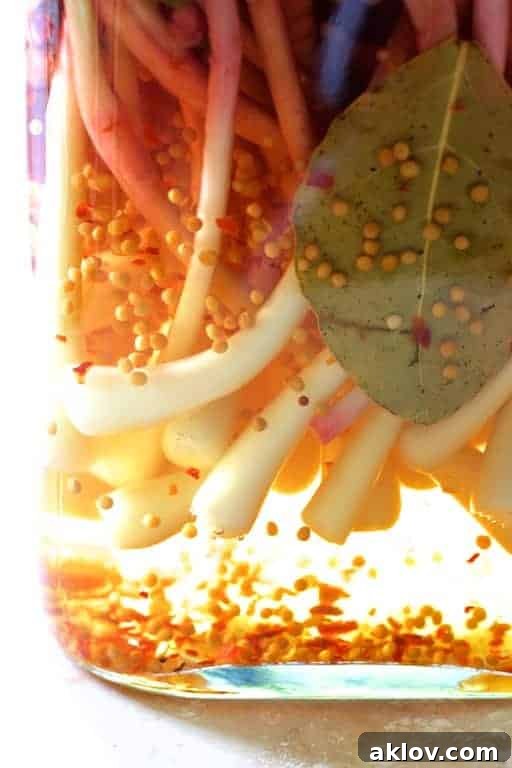
Mastering the Art of Pickled Ramps: A Spring Delicacy Preserved
Ramps, also celebrated as wild leeks, emerge as a fleeting culinary treasure each spring, captivating chefs and foragers alike with their unique flavor. This ephemeral season calls for creative ways to extend their enjoyment, and one of the most beloved methods is pickling. Transforming these wonderful foraged beauties into savory pickled delights ensures their distinctive taste can be savored long after spring has faded. Whether you’re planning a gourmet meal or simply looking to add a vibrant touch to your everyday dishes, homemade pickled ramps offer a versatile and irresistible solution that brings the essence of spring to your table year-round.
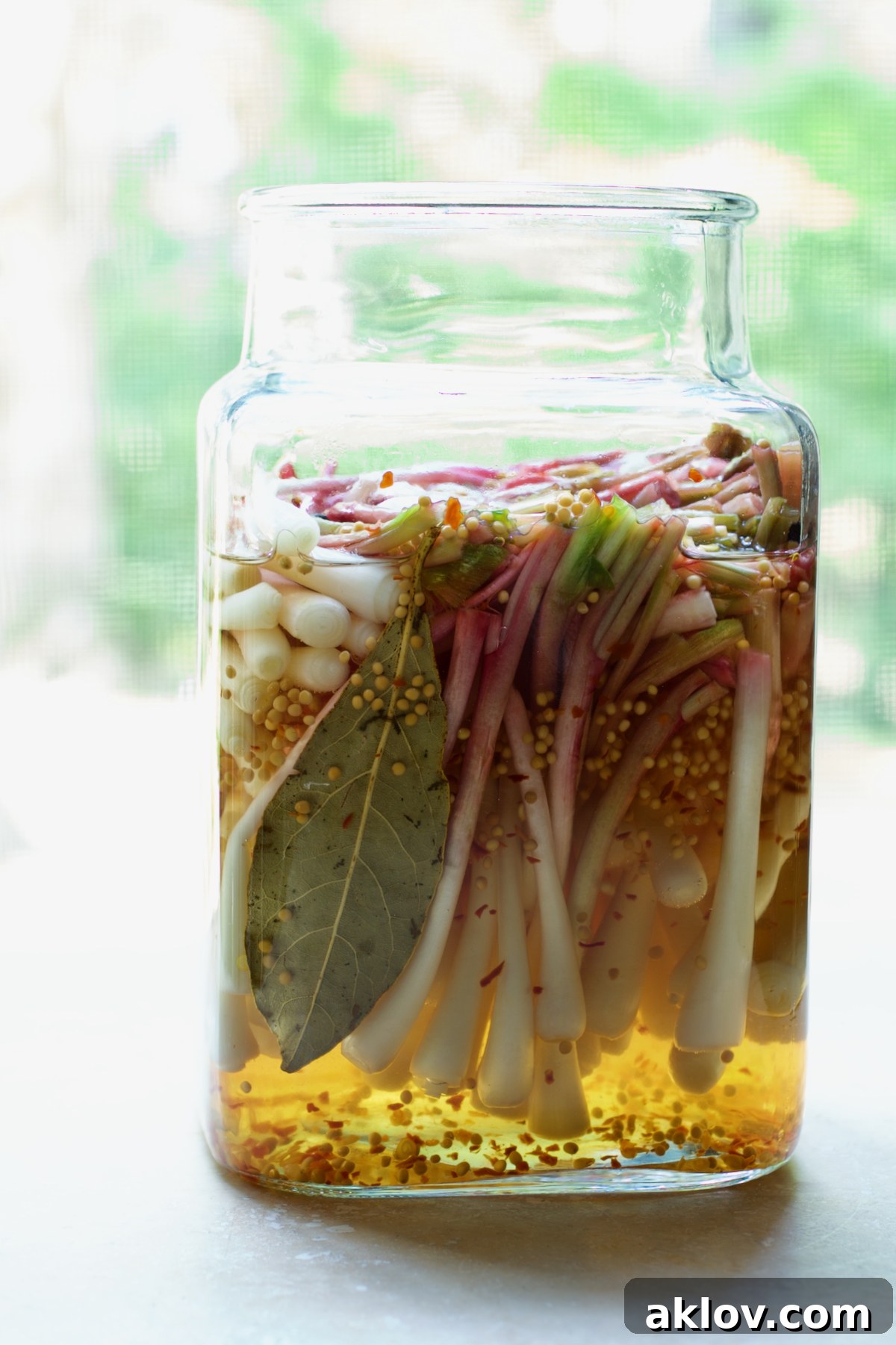
Embracing the Season: My Journey with Ramps and the Art of Preservation
Living in the southern United States, where our clay soil isn’t conducive to the natural growth of ramps, acquiring these coveted wild leeks often means ordering them by mail. This geographical challenge only amplifies my appreciation for their brief annual appearance. Each spring, the arrival of my ramp shipment is a much-anticipated event, signaling the beginning of culinary experimentation and dedicated preservation efforts. It’s a cherished ritual that connects me to the wild beauty of nature, even from afar.
Recently, a portion of my precious ramp bounty was transformed into a Cream of Asparagus and Leek Soup with Curry, a truly comforting and aromatic dish that perfectly highlighted their delicate flavor. However, as a self-proclaimed pickle fanatic, the idea of preserving the remaining ramps through pickling was simply irresistible. This method allows me to capture their pungent, garlicky-onion essence and enjoy it for months, long after the native ramp season has passed. My pickled ramps recipe is adapted from a fantastic guide by Serious Eats, making it incredibly simple yet yielding remarkably flavorful results that are both sophisticated and deeply satisfying. The harmonious blend of sweet, tangy, and fragrant brine perfectly complements the earthy sweetness and subtle spicy undertones of the ramps, creating a taste experience that truly celebrates this unique ingredient.
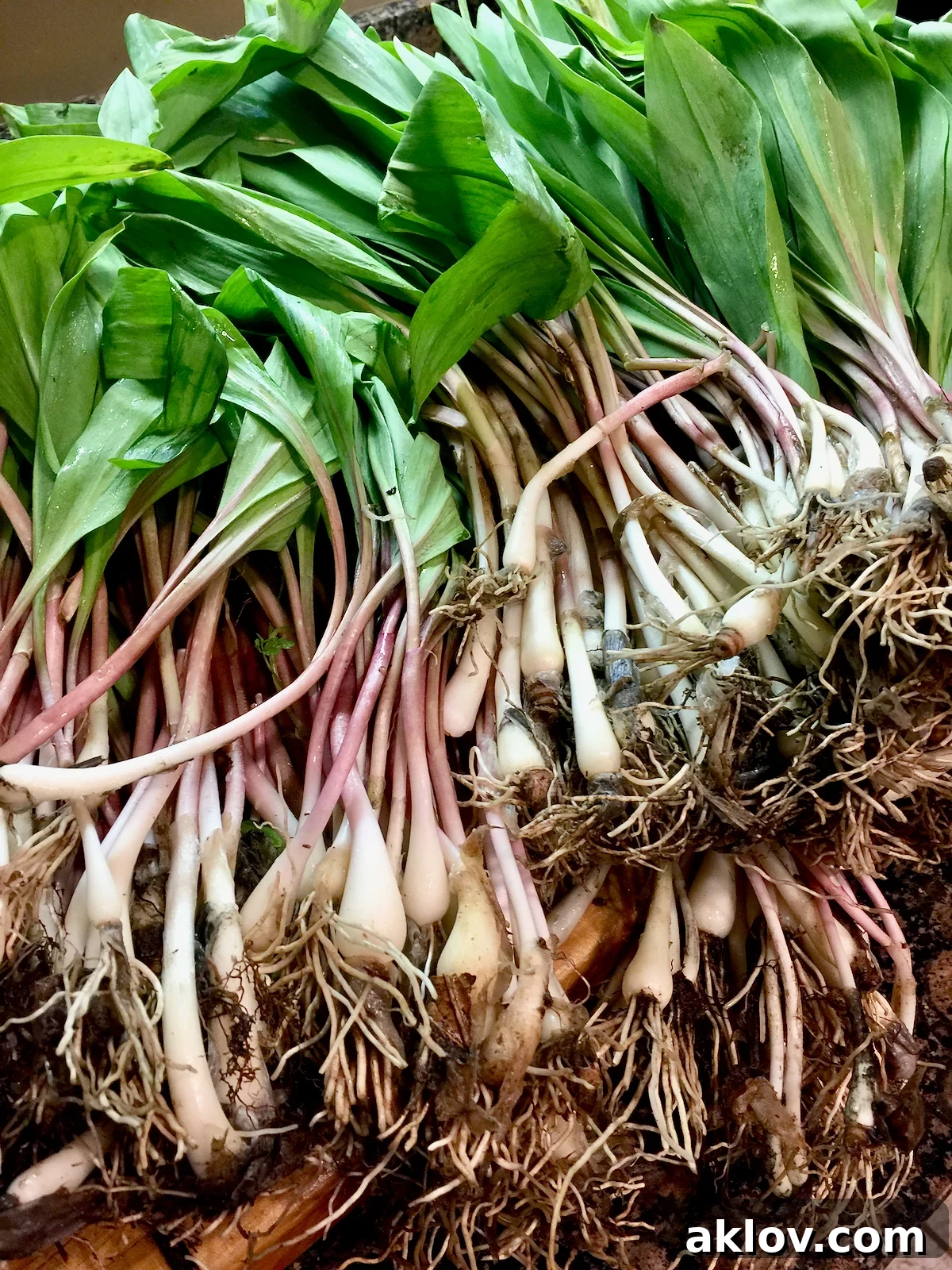
What Exactly Are Ramps (Allium tricoccum)? The Forager’s Holy Grail
Ramps, scientifically known as Allium tricoccum, are often hailed as the “holy grail” among foraging enthusiasts, and for good reason. These vibrant spring ephemerals are a distinct member of the onion family, closely related to beloved culinary staples like leeks, scallions, and shallots. Visually, they present a fascinating duality: a small, white or purplish-tinged bulb at the base, akin to a slender scallion, gracefully transitioning into broad, smooth, edible green leaves that are the hallmark of their unique charm. Their flavor profile is truly singular – an intense, compelling fusion of robust onion and delicate yet distinct garlic, making them a prized ingredient in both wild cuisine and high-end gourmet kitchens. It’s a taste that, once experienced, is never forgotten.
Habitat and Growth: A Slow and Precious Harvest
This fleeting spring delicacy is predominantly found thriving across the rich, moist, loamy soils of the Eastern mountainous United States, extending its range into northern Wisconsin and parts of Canada. Ramps flourish in cooler climates, often carpeting deciduous forest floors before the tree canopy fully leafs out, allowing ample sunlight to reach them in early spring. Their growth cycle is remarkably slow, often taking six to seven years from a tiny seed to reach maturity and produce their characteristic flowers and new seeds. This extended maturation period underscores their precious nature and the critical importance of sustainable harvesting practices to ensure their continued proliferation.
Ramp Season and Sustainable Foraging Practices
Ramps typically make their brief but eagerly anticipated appearance from early April, extending into mid to late May, depending on regional climate conditions and elevation. While traditionally wild-foraged, the increasing culinary demand for these unique greens has led to a rise in cultivation efforts, gradually expanding their availability in specialty markets. If you’re fortunate enough to purchase ramps from a professional forager, it is absolutely essential to inquire about and ensure they adhere to sustainable foraging practices. Responsible harvesting, which often involves taking only a small portion of a patch (e.g., one leaf per plant or leaving the bulb intact), is crucial to prevent over-harvesting and protect ramp populations for future generations. When foraging yourself, always adhere to ethical guidelines: harvest sparingly, leaving at least two-thirds of any patch undisturbed to allow the colony to recover and thrive in subsequent seasons.
Selecting the Finest Ramps: A Guide to Quality
The quality of your pickled ramps begins with selecting the freshest produce available. Look for ramps with healthy, dark green leaves – but exercise caution if they appear overly dark or have black spots, which might indicate spoilage or pest damage. The leaves should be firm, crisp, and vibrant, never wilted, yellowed, or discolored, as these are signs of age or improper storage. Pay close attention to the stalks as well: ideal ramps for pickling will have thin, tender stalks, typically ranging from 10 to 14 inches in length. Thicker stalks can be tougher and stringier, potentially impacting the texture and overall eating experience of your finished pickles. Opt for the more slender specimens for optimal tenderness and better absorption of the flavorful brine.
Essential Ingredients for Crafting Delicious Pickled Ramps
Creating a batch of exquisite pickled ramps requires a handful of simple yet powerful ingredients, each playing a vital role in developing the complex sweet, sour, and spicy notes that make this preserve so irresistible. The quality of your ingredients directly influences the final taste, so choose the freshest and best available to ensure a truly exceptional homemade pickle.
- Ramps (Wild Leeks): The undisputed star of our pickling endeavor, providing that signature robust onion-garlic flavor that defines this spring delicacy.
- Distilled White Vinegar: Forms the acidic backbone of the brine, crucial for safe preservation and imparting a sharp, clean tang that cuts through the richness of the ramps.
- Water: Used to dilute the vinegar to the perfect strength, ensuring the pickling liquid is balanced, effective, and not overly aggressive in its acidity.
- Granulated Sugar: Essential for balancing the vinegar’s tartness and enhancing the ramps’ natural sweetness, creating a harmonious and well-rounded flavor profile. It prevents the pickles from being solely sour.
- Salt: A fundamental pickling agent. It draws out moisture from the ramps, helps preserve them, and, crucially, seasons the brine to perfection. While 1/4 cup is a good starting point, adjust to your taste, but do not omit it entirely as it’s vital for preservation.
- Bay Leaves: Adds a subtle, aromatic, and herbaceous background note that complements the ramps’ earthy flavors without overpowering their unique character.
- Yellow or Brown Mustard Seeds: Provides a classic pickling spice flavor with a mild, earthy pungency and a pleasant textural pop when you bite into a pickled ramp.
- Whole Allspice Berries: Offers warm, complex notes reminiscent of cloves, nutmeg, and cinnamon, adding a delightful depth and subtle spice to the brine that enhances the overall aroma.
- Crushed Red Pepper Flakes: For those who appreciate a gentle warmth and a hint of excitement, these flakes introduce a delightful zing and a touch of spice. Adjust the quantity based on your personal preference for heat.
Step-by-Step Guide: How to Make Perfect Pickled Ramps at Home
Pickling ramps is a straightforward process that yields incredibly rewarding results. Follow these detailed steps to capture and preserve the unique essence of spring for months to come, ensuring a delicious treat that’s well worth the minimal effort.
- 1. Clean and Trim Your Ramps Meticulously: Ramps, much like their leek cousins, tend to harbor a good amount of mud and gritty dirt, especially around their delicate root ends. Begin by cleaning them meticulously under cold running water. It’s often helpful to gently separate the ramps and inspect each one individually to ensure all soil and debris are thoroughly removed. Once sparkling clean, trim off the fibrous roots, which are typically tough and inedible. Next, snip the vibrant leafy tops to ensure the bulbs and lower stalks fit snugly into your 1-quart canning jar without excessive bending or crushing. Remember, those fragrant ramp tops are incredibly versatile and delicious – do not discard them! Save them to sauté with other spring greens, incorporate into a vibrant pesto, or add a garlicky kick to soups and stir-fries.
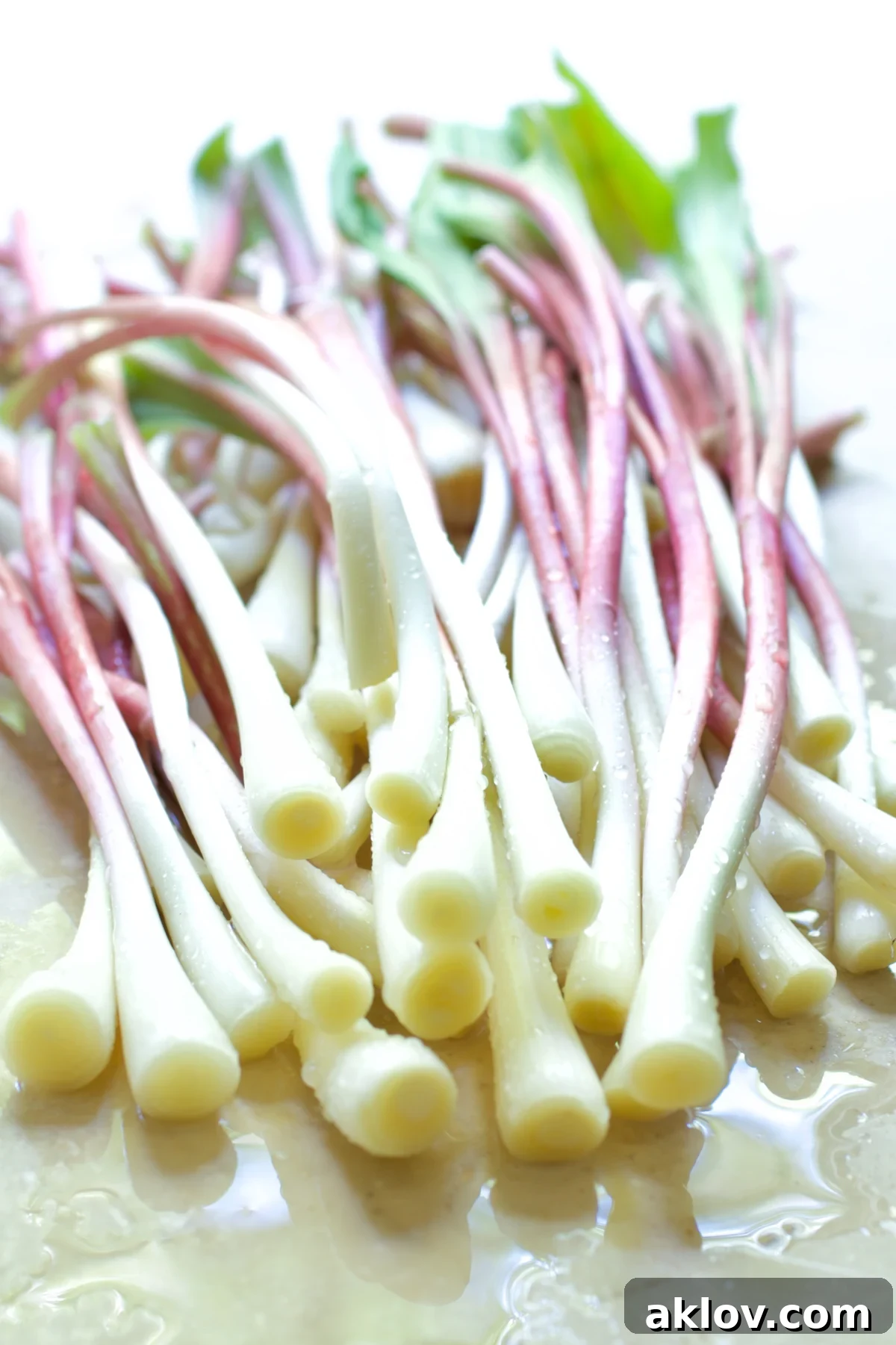
- 2. Expertly Pack the Jar: Once your ramps are immaculately cleaned and trimmed to size, carefully begin packing them tightly into your clean, wide-mouth 1-quart jar. The goal here is to maximize the space while ensuring the ramps are nestled snugly without being overly compressed. Packing them tightly is not just for aesthetic appeal; it is a practical step that helps ensure they remain fully submerged in the brine and prevents them from floating to the surface once the pickling liquid is added. This submersion is crucial for proper pickling, even flavor development, and preventing spoilage.
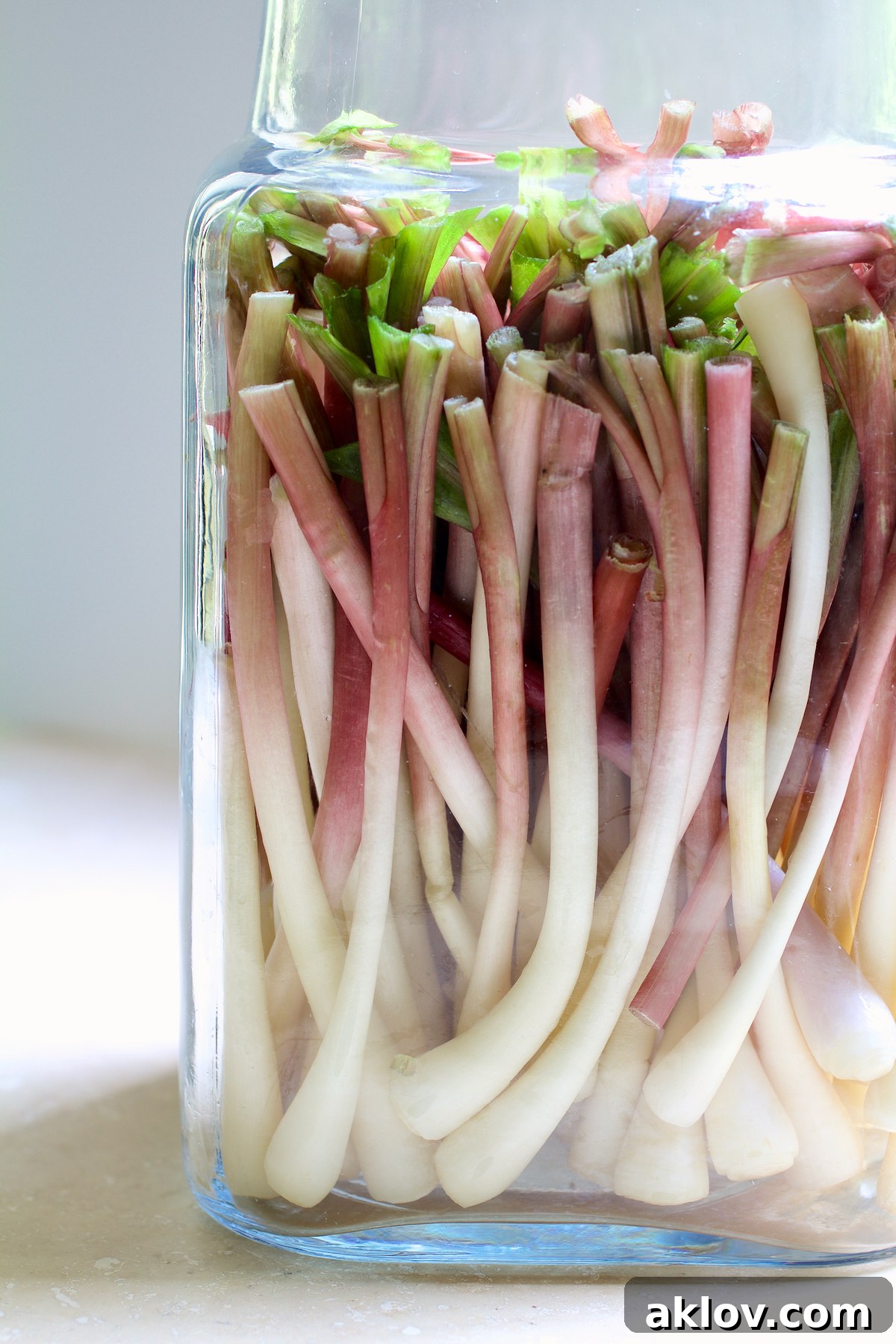
- 3. Prepare the Aromatic Brine: The pickling brine itself is wonderfully simple to prepare, yet it’s where much of the magic happens, as it infuses the ramps with their distinctive tangy, sweet, and spiced character. In a medium saucepan, combine the distilled white vinegar, water, granulated sugar, salt, bay leaves, yellow or brown mustard seeds, whole allspice berries, and crushed red pepper flakes. Bring this entire mixture to a rolling boil over medium-high heat. As it heats, whisk continuously and thoroughly until both the sugar and salt are completely dissolved into the liquid. This ensures an even distribution of flavor throughout the brine and is fundamental for proper preservation and consistency.
- 4. Pour and Submerge: With caution, carefully pour the hot, aromatic brine over the packed ramps in the jar. You’ll likely notice the ramps might try to float due to buoyancy; use a non-reactive utensil (such as a wooden spoon, a clean chopstick, or a small glass pickling weight if you have one) to gently push the ramps down, ensuring they are fully submerged beneath the brine. This step is absolutely critical for proper pickling, as any ramps exposed to air will not pickle correctly, could potentially spoil, and will not absorb the flavors as intended.
- 5. Cool and Refrigerate: Once the ramps are fully submerged and the hot brine has been added, secure the lid tightly on the jar. Allow the jar to cool completely to room temperature on your countertop. This gradual cooling process is important as it allows the jar to normalize before being introduced to the colder environment of the refrigerator. After it has cooled down fully, transfer the jar of pickled ramps to the refrigerator.
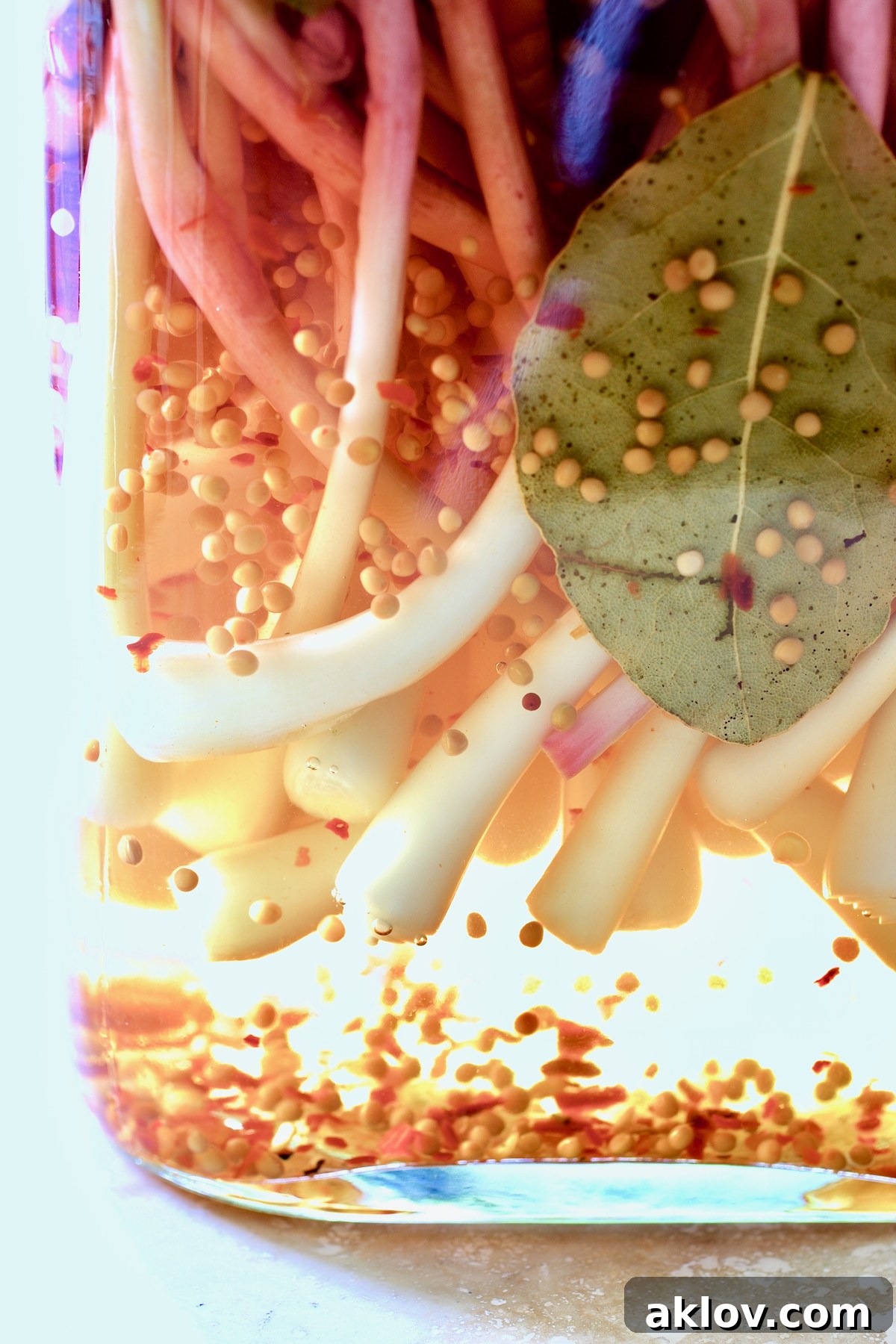
And now, for arguably the hardest part of the entire pickling process: the waiting game! These pickled beauties require a little patience to allow the flavors to meld, deepen, and fully develop their complex character. Allow them to marinate and transform for at least 1-2 weeks in the refrigerator before indulging. Trust me, the wait is absolutely worth it for the rich, nuanced taste and perfect texture you’ll achieve. While the anticipation might be challenging, I confess to sneaking an early taste – and the results were simply sublime, promising great things to come!
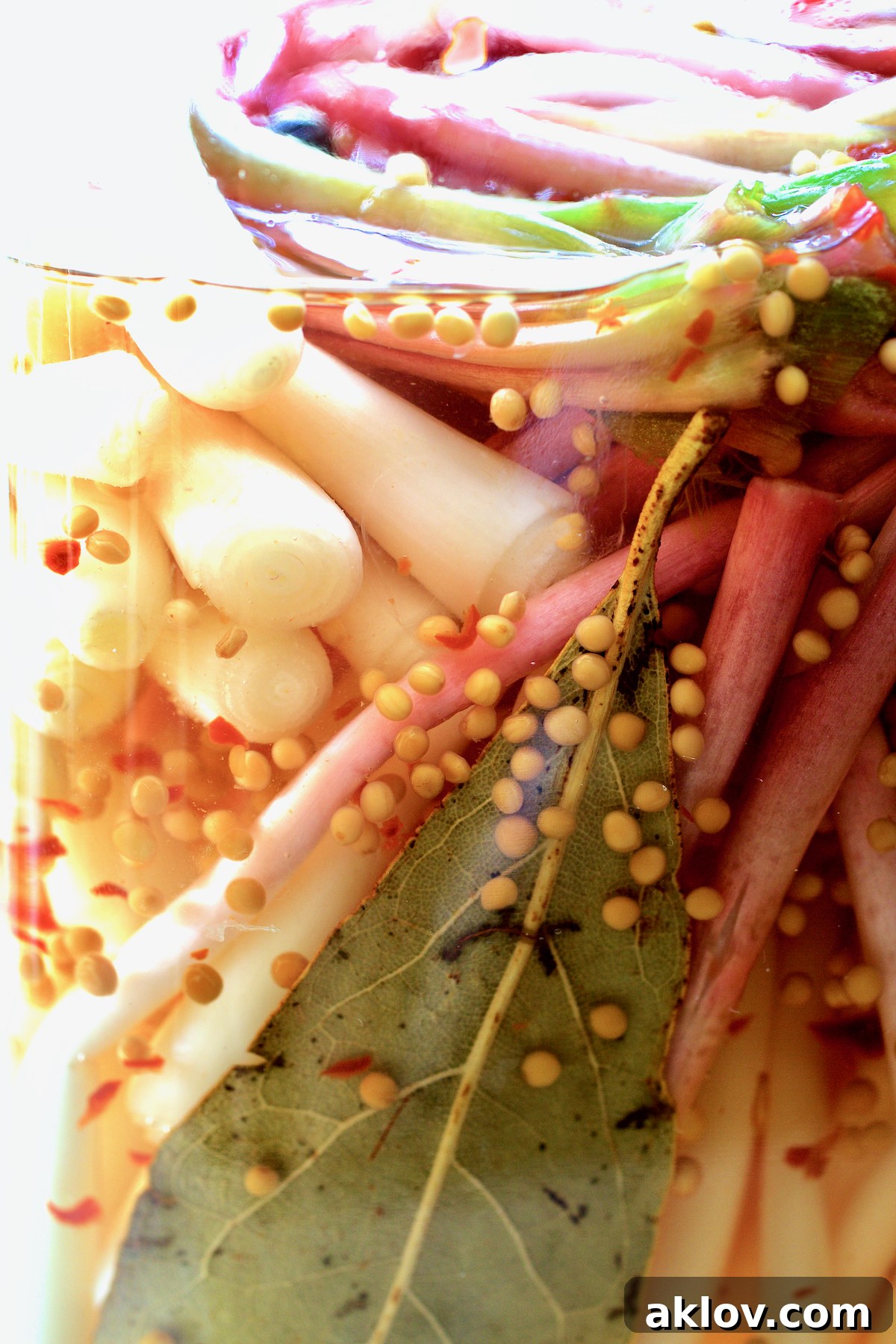
Indeed, they are simply delightful!
Frequently Asked Questions About Pickled Ramps
What are the best culinary uses for pickled ramps?
Pickled ramps are incredibly versatile and can elevate a wide array of dishes with their bright, tangy, and subtly pungent flavor profile. Their unique taste makes them an excellent and more adventurous substitute for any other pickled vegetable you might typically use. Consider adding them to a gourmet Bloody Mary or a dirty martini for an unexpected, herbaceous twist that will impress your guests. They make a fantastic addition to sandwiches, burgers, or even alongside grilled hot dogs, offering a fresh, zesty counterpoint to rich flavors. Finely dice them and fold them into homemade aioli or mayonnaise to create a unique condiment perfect for serving alongside grilled fish, roasted chicken, or a platter of steamed spring vegetables. Their robust flavor also shines when incorporated into various creamy dips, or arranged artfully on charcuterie and cheese boards for a sophisticated, visually appealing touch. Furthermore, they can transform classic comfort side dishes like potato salads, deviled eggs, or tuna salads, adding a burst of fresh, pickled flavor that will surprise and delight your palate. The culinary possibilities for pickled ramps are truly endless, limited only by your imagination and daring!
Is every part of a ramp edible, including the leaves?
Absolutely! After ensuring they are thoroughly cleaned and the fibrous root end has been trimmed off, every single part of a ramp is not only edible but also wonderfully delicious and distinct in flavor. The small, tender white bulb at the base has a texture and taste often likened to a spring onion, but with a more pronounced and exciting garlic-onion kick that is characteristic of ramps. This bulb is what primarily gets pickled in this recipe. The broad, vibrant green leaves are equally prized and should not be overlooked. They possess a slightly milder, yet still distinctly ramp-like flavor. These leaves are particularly excellent for making a vivid green pesto, which captures their essence beautifully and can be frozen for later use. Beyond pesto, they can be lightly sautéed with butter and garlic, gently braised as a side dish, or wilted into soups, frittatas, and stir-fries, much like spinach or other leafy greens, adding both unique flavor and a beautiful color to your dishes.
Can ramps be frozen for later use, and what’s the best method?
Yes, ramps can definitely be frozen to extend their availability and allow you to enjoy their unique flavor beyond their short spring season. However, a small preparation step is highly recommended to preserve their quality, flavor, and texture. For the bulbs and lower stalks, it’s best to blanch them first. Simply immerse the trimmed ramp bulbs in a pot of vigorously boiling water for approximately 15 seconds. Immediately after blanching, transfer them using a slotted spoon to an ice-water bath. This rapid cooling process stops the cooking, helps to preserve their vibrant color, and maintains a desirable texture. Once cooled, blot them thoroughly dry with a clean towel or paper towels to remove excess moisture. Then, pack them into freezer-safe bags or airtight containers, ensuring as much air as possible is removed to prevent freezer burn and preserve their quality. They can then be frozen for several months. As for the delicate greens, they excel when transformed into pesto before freezing. Ramp pesto freezes beautifully in small portions (e.g., in ice cube trays or small containers) and can be easily thawed and used in countless ways, from enriching pasta sauces to spreading on sandwiches, offering a delightful taste of spring even in the depths of winter.
Optimal Storage for Your Homemade Pickled Ramps
It’s important to understand that these delightful pickled wild leeks are not processed using a traditional water bath canning method, which creates an airtight, shelf-stable seal allowing preserves to be stored at room temperature. Therefore, proper refrigeration is absolutely paramount for both their safety and their longevity. You must always keep your jars of homemade pickled ramps stored consistently in the refrigerator, ideally at a temperature of 40°F (4°C) or below. For the best possible flavor, crispness, and texture, it is recommended to consume your pickled ramps within three months of preparation. However, they can safely last for an extended period, up to six months, when stored correctly and consistently in the refrigerator. To ensure maximum shelf life and prevent any contamination, always use clean utensils when retrieving ramps from the jar. This simple practice helps maintain the integrity of your preserve and keeps it delicious for longer, allowing you to savor the taste of spring throughout the year.
Explore More Exciting Pickled Vegetable Recipes
If you’ve enjoyed the rewarding process and vibrant taste of making pickled ramps, you’ll undoubtedly love venturing into other delightful pickled vegetable creations. Pickling is a fantastic and time-honored way to preserve seasonal produce, reduce food waste, and add bold, complex flavors to your culinary repertoire. Here are some more of my favorite easy-to-follow recipes to inspire your pickling adventures and expand your pantry with homemade goodness:
- Pickled Asparagus: Discover how to transform tender spring asparagus into a crisp, tangy, and incredibly addictive snack or elegant salad topping.
- Giardiniera – Italian Pickled Vegetables: Craft a vibrant medley of colorful vegetables, marinated in a zesty, aromatic brine. Perfect for antipasto platters, enhancing sandwiches, or as a flavorful, bright side dish.
- Quick Pickled Beets: Learn to make earthy and naturally sweet pickled beets, brightened with a hint of fresh dill. They’re wonderful for adding vivid color and a sweet-tart punch to any meal or salad.
- Pickled Brussels Sprouts: Prepare a surprisingly delicious and tangy treat with these quick-pickled Brussels sprouts, often featuring a delightful kick from jalapeño for an extra layer of exciting flavor.
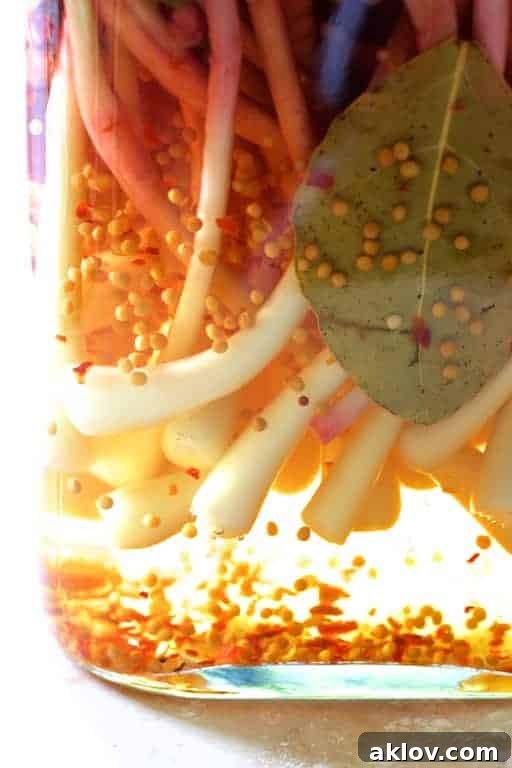
Pickled Ramps Recipe
Discover how to perfectly preserve the exquisite flavor of wild leeks with this easy-to-follow pickled ramps recipe. A delightful way to enjoy spring’s bounty long after the season ends!
Equipment
- Wusthof Chef Knife
- Cutting Board
- Wusthof Paring Knife Set
- Saucepan
- Mason Jars (1-quart capacity recommended)
Ingredients
- 1 pound ramps (wild leeks), cleaned and washed
- 2 cups distilled white vinegar
- 1 1/2 cups water
- 1 1/2 cups sugar
- 1/4 cup salt, or to taste
- 3 bay leaves
- 1 tablespoon yellow or brown mustard seeds
- 6 whole allspice berries
- 1 tablespoon crushed red pepper flakes
Instructions
- Trim the roots from the ramps and snip the tops to fit inside a 1-quart jar. Reserve the greens for another culinary use (e.g., pesto, sautéing). Thoroughly wash the ramp bulbs and lower stalks under cold running water, ensuring all dirt is removed.
- Carefully pack the cleaned ramps tightly into a clean, wide-mouth 1-quart jar, ensuring they are snug and upright.
- In a medium saucepan, combine the distilled white vinegar, water, sugar, salt, bay leaves, mustard seeds, allspice berries, and crushed red pepper flakes. Bring the mixture to a rolling boil over medium-high heat, whisking until the sugar and salt are completely dissolved.
- Pour the hot brine over the packed ramps in the jar, ensuring all ramps are fully submerged. Use a non-reactive utensil (like a wooden spoon) if necessary to gently push them down to keep them under the liquid.
- Place the lid tightly on the jar and allow it to cool completely to room temperature on your counter.
- Once cooled, transfer the jar to the refrigerator. Allow the pickled ramps to marinate for 1-2 weeks before consuming to allow flavors to fully develop and meld.
Notes
- For optimal flavor and texture, pickled ramps are best enjoyed within three months. They will keep safely for up to six months when consistently refrigerated.
- Tip for Selecting Ramps: Look for ramps with healthy, dark green leaves (avoid overly dark or discolored ones). Leaves should be firm, crisp, and not wilted. Choose thin stalks (10-14 inches long) over thick ones for greater tenderness and better brine absorption, resulting in a superior pickle.
Nutrition Information (Estimated Per Serving)
Nutritional values are automatically calculated using unbranded products and are estimates only. Actual results may vary based on ingredients used and portion sizes. Adjust as needed for dietary restrictions, allergies, or health concerns.
- Serving Size: 1 ramp (estimated)
- Calories: 203 kcal
- Carbohydrates: 47g
- Protein: 1g
- Fat: 1g
- Saturated Fat: 1g
- Polyunsaturated Fat: 1g
- Monounsaturated Fat: 1g
- Sodium: 3558mg
- Potassium: 40mg
- Fiber: 2g
- Sugar: 40g
- Vitamin A: 1267 IU
- Vitamin C: 7mg
- Calcium: 54mg
- Iron: 2mg

Enjoyed this recipe or have a question? We’d love to hear from you!
Leave a comment below to share your thoughts, tips, or experiences with pickling ramps.
Preserving the elusive ramp is more than just a culinary task; it’s an act of love, extending the joy of this unique spring ephemeral well beyond its brief season. This meticulously crafted pickled ramps recipe provides a simple yet profoundly flavorful method to capture their distinctive garlicky-onion essence in a jar. Whether you’re a seasoned forager eagerly awaiting their annual emergence or simply an enthusiast of seasonal ingredients looking to expand your preserving skills, mastering this pickling technique will enrich your kitchen with a versatile and utterly delicious condiment. So, embrace the fleeting beauty of ramps and transform them into a jar of vibrant, tangy delight that promises a taste of spring with every bite, no matter the time of year. Happy pickling!