
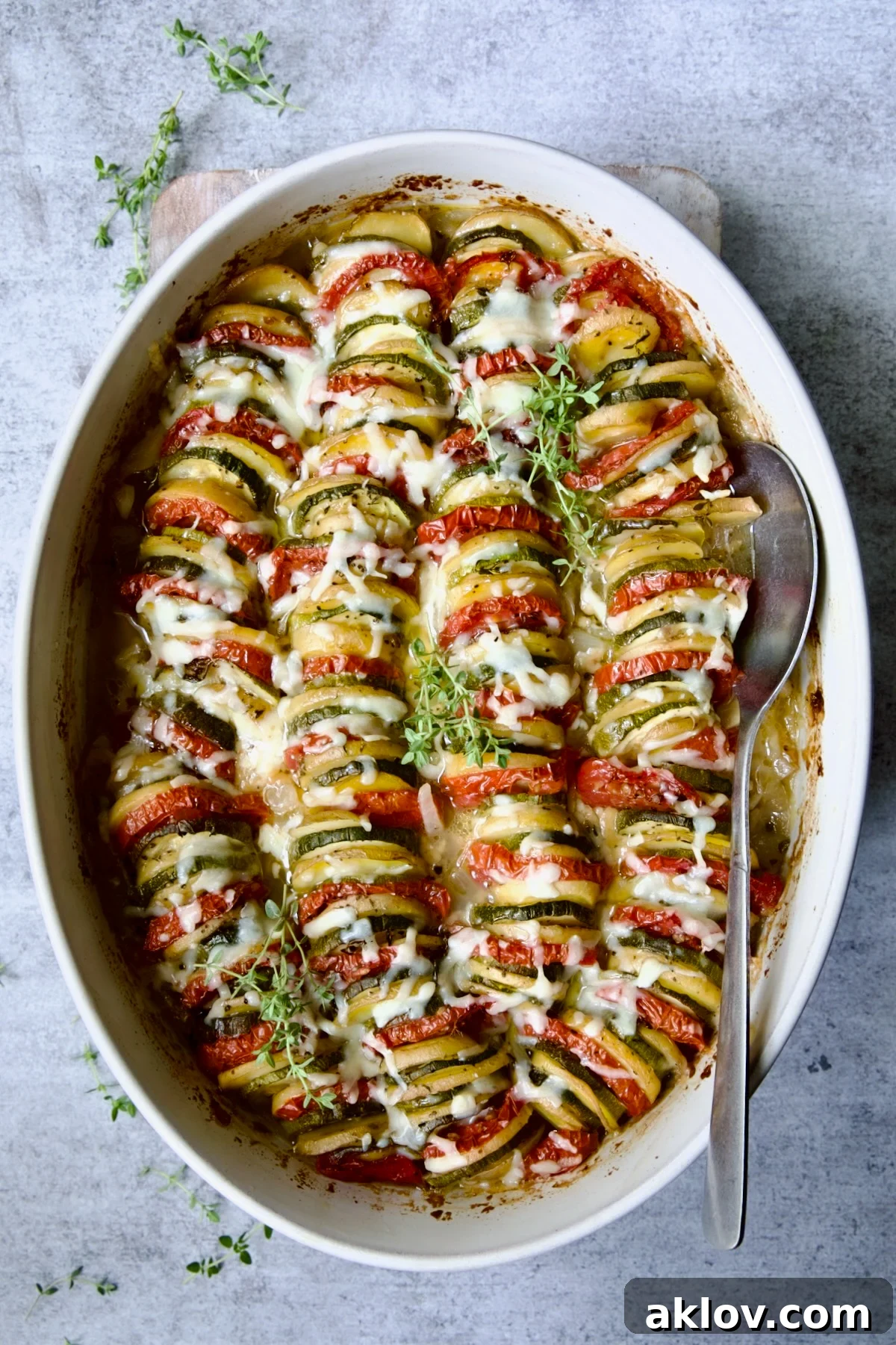
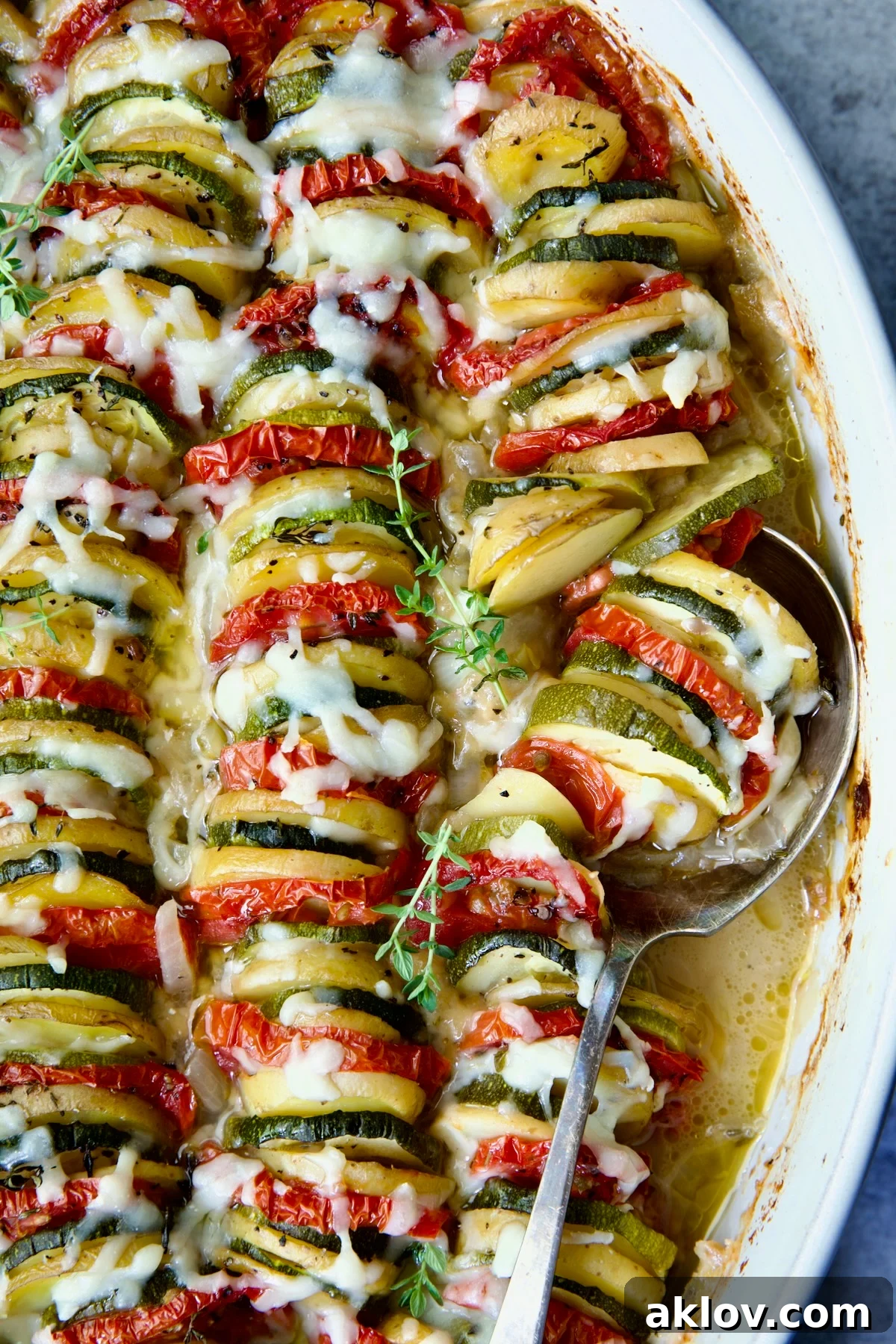
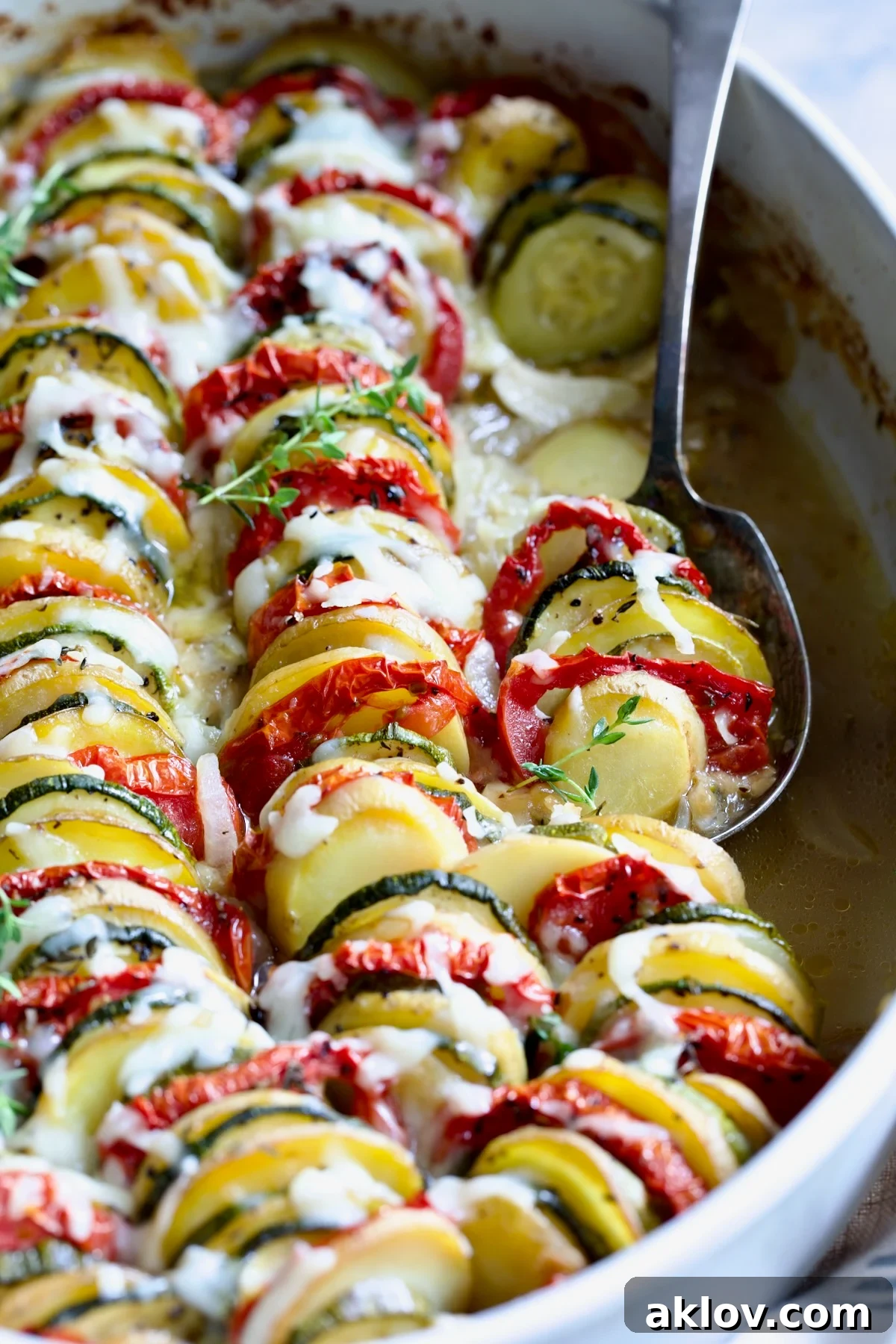
Journey to the sun-drenched landscapes of Southern France with a truly iconic dish: the Provençal Vegetable Tian. This culinary masterpiece is far more than just a casserole; it’s a vibrant symphony of fresh, seasonal vegetables artfully arranged and gently baked to perfection. With its mesmerizing layers of thinly sliced zucchini, ripe tomatoes, and tender potatoes, a Vegetable Tian offers a stunning visual appeal that is matched only by its incredible flavor. It’s the quintessential taste of summer, comforting and elegant all at once. Whether served as a sophisticated side dish alongside a succulent roast chicken or as a heartwarming main course for a vegetarian gathering, this Tian promises to impress with its simplicity and profound taste.
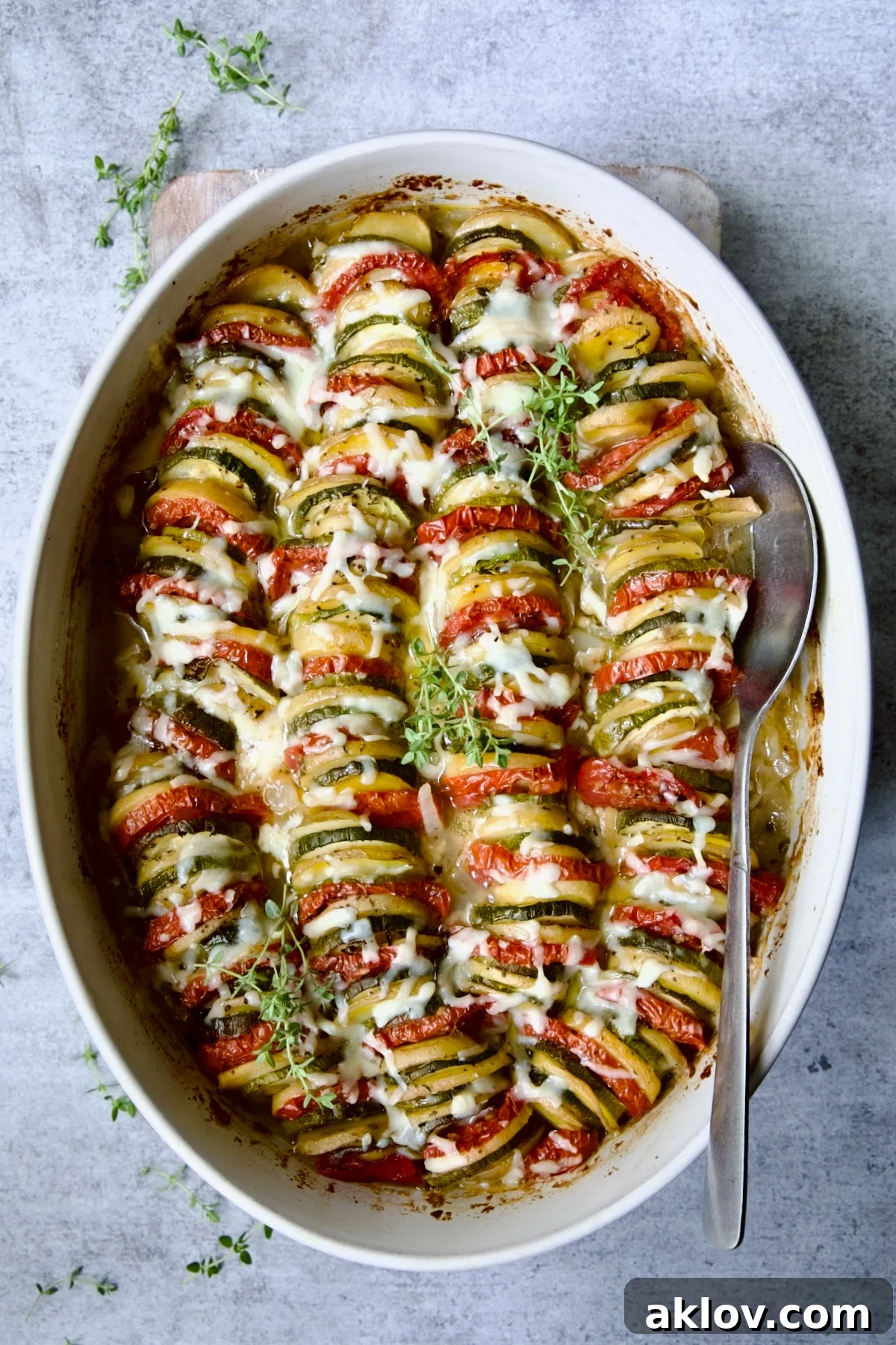
Unveiling the Tian: A Culinary Tradition from Provence
The term “Tian” (pronounced “tyan”) holds a dual meaning in French culinary tradition. It refers not only to the classic vegetable casserole itself but also to the shallow, often earthenware, baking dish in which it is traditionally prepared. This humble yet essential dish epitomizes the rustic elegance of Provençal cooking, where fresh, local ingredients are allowed to shine with minimal fuss. Unlike many casseroles that rely on heavy sauces or excessive liquids, a true French Tian celebrates the natural flavors and juices of its vegetables.
The beauty of a Tian lies in its simplicity. Vegetables are typically arranged in an appealing, layered pattern within the shallow dish, then baked slowly, allowing them to gently braise in their own savory essences, often with just a drizzle of high-quality olive oil and a sprinkle of aromatic herbs. This method concentrates their flavors, resulting in a dish that is both deeply satisfying and surprisingly light. Any shallow baking dish you have on hand, such as a 9×13-inch rectangular pan or a gratin dish, can easily stand in for a traditional tian dish, making this exquisite recipe accessible to every home cook.
It’s important to clarify a common misconception: the visually stunning, arranged vegetable dish that gained widespread fame in the popular animated movie Ratatouille is, in fact, a Tian, not a true Ratatouille. While both dishes hail from the South of France and feature similar ingredients, authentic ratatouille is a hearty vegetable stew, where ingredients are typically sautéed and then simmered together, resulting in a more rustic, unlayered presentation.
Why This Vegetable Tian Recipe Will Become Your Favorite
This exquisite Provencal-inspired Vegetable Tian, lovingly adapted from Ina Garten’s renowned cookbook Barefoot in Paris, is more than just a recipe; it’s a celebration of late-summer bounty. Ina Garten’s recipes are celebrated for their reliability and delicious results, and this Tian is no exception. It’s the perfect vehicle for utilizing an abundance of garden-fresh produce, transforming simple vegetables into something truly extraordinary.
What makes this particular French vegetable tian recipe a standout? Here are just a few reasons why it’s a keeper:
- Effortlessly Elegant: Despite its impressive appearance, this Tian is surprisingly easy to prepare. It requires no complex culinary techniques, making it suitable for both novice and experienced cooks. The magic lies in the simple layering and slow baking.
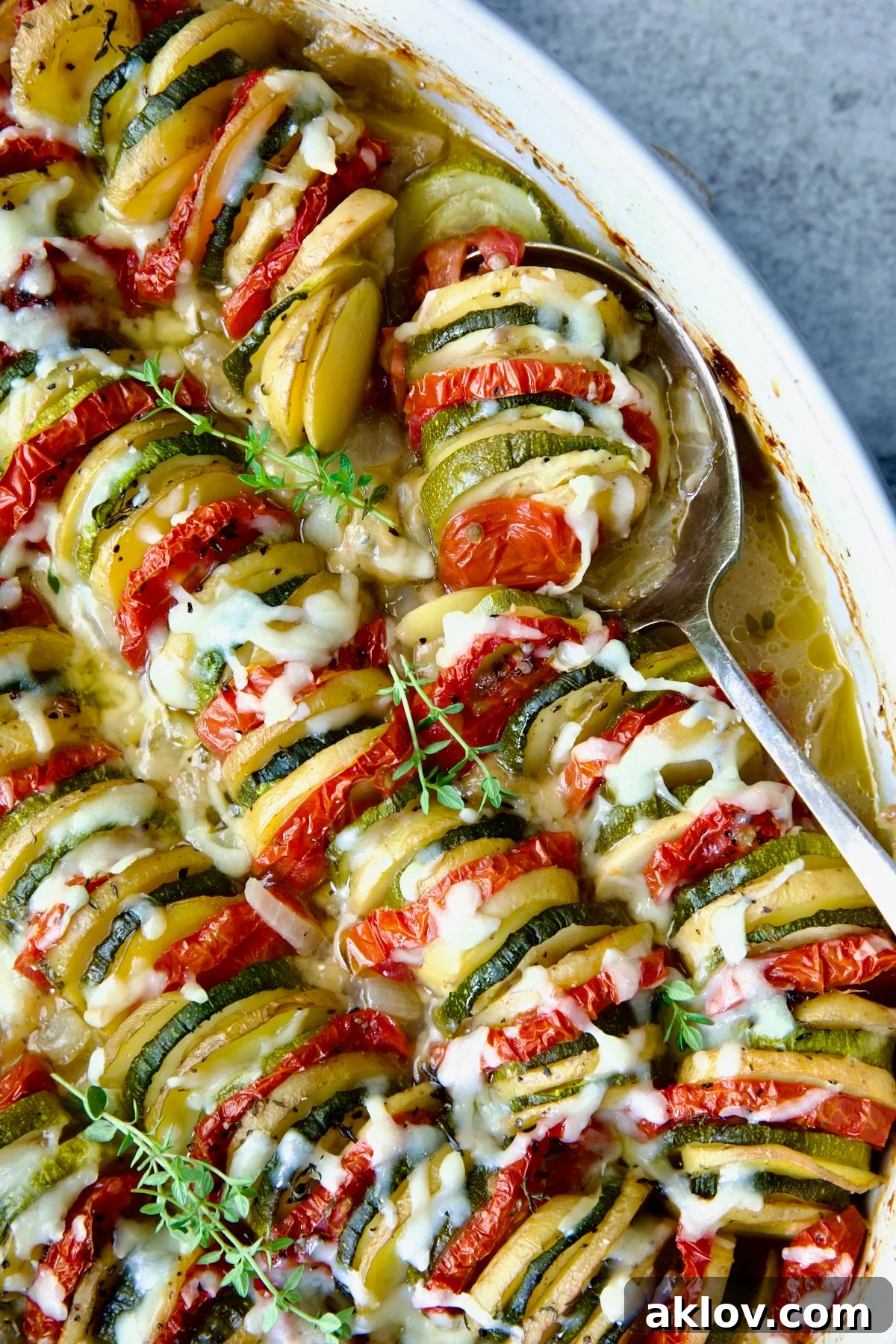
- Visually Stunning: The meticulous arrangement of vibrant, thinly sliced vegetables creates a breathtaking mosaic of colors and textures. It’s a dish that looks as if it stepped right out of a gourmet magazine, guaranteed to elicit gasps of delight at your dinner table.
- Incredibly Versatile: While the classic combination of zucchini, tomatoes, and potatoes is unbeatable, this recipe is wonderfully adaptable. Feel free to experiment with other Mediterranean vegetables like thinly sliced eggplant, tender mushrooms, sweet bell peppers, or even various types of squash to tailor it to your taste or what’s in season. It’s a fantastic way to enjoy a wide variety of garden treasures.
- Satisfying & Wholesome: Because this Vegetable Tian includes hearty potatoes alongside the other fresh vegetables, it makes for a substantial and fulfilling dish. It can easily serve as a robust vegetarian entrée that will leave even the most devoted meat-eaters feeling completely satisfied. Alternatively, it stands as an ideal side dish to complement roasted meats, poultry, or grilled fish, adding a touch of rustic sophistication to any meal.
- Healthy and Flavorful: Packed with nutrient-rich vegetables and baked with minimal added fat (just a touch of olive oil), this Tian is a healthy choice that doesn’t compromise on flavor. The slow cooking process allows the vegetables to caramelize slightly and release their full, sweet flavors.
Crafting Your French Vegetable Tian: A Step-by-Step Guide
Gather Your Ingredients for a Perfect Tian:
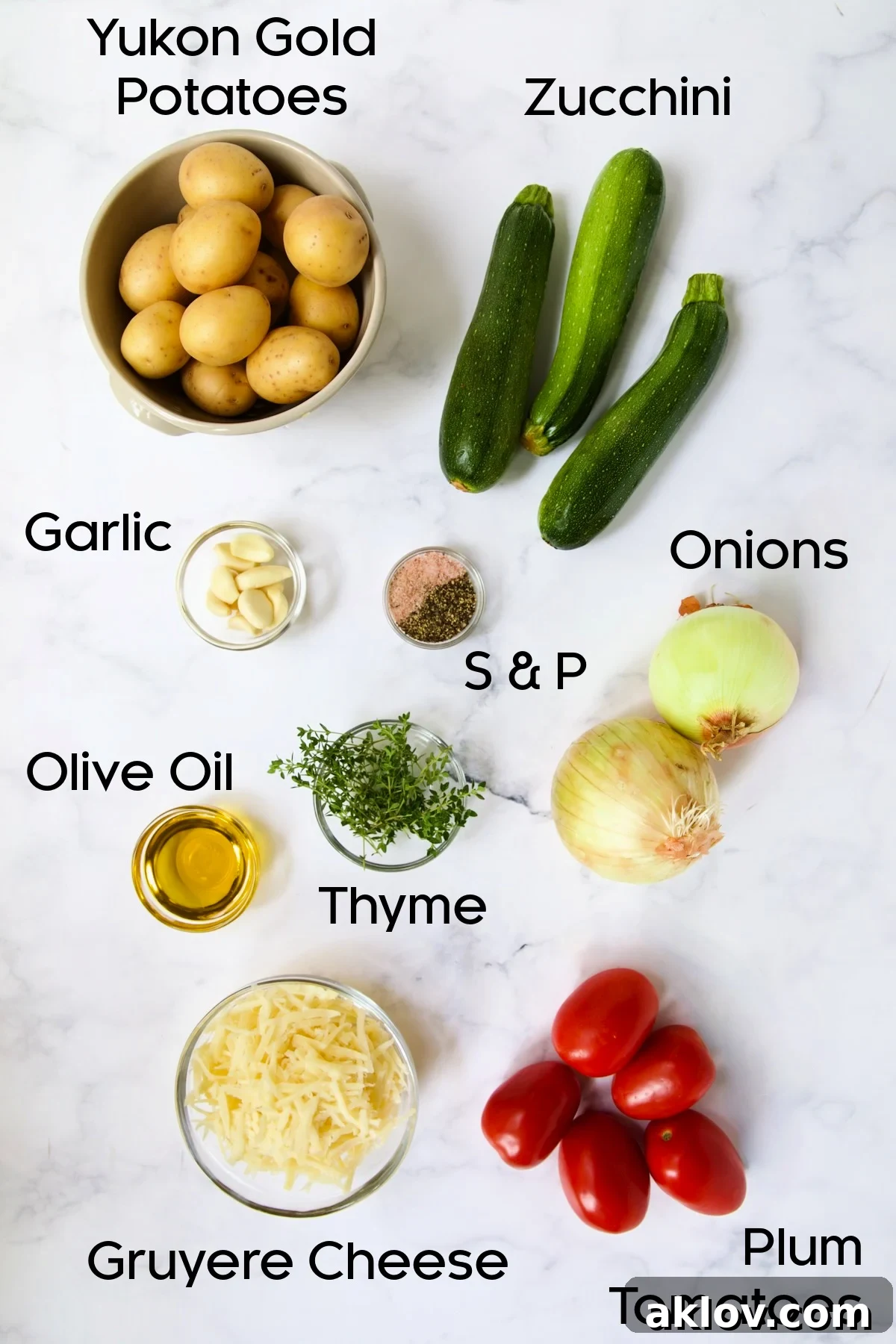
To create this delightful French Vegetable Tian, you’ll need a selection of fresh, high-quality ingredients. The exact quantities are detailed in the recipe card below, but here’s an overview of what to prepare:
Ingredient Deep Dive: Tips for Optimal Flavor and Texture
- Yukon Gold Potatoes: These potatoes are a star in this Tian due to their medium-starch content. They possess a wonderfully creamy, firm, and moist texture that holds up beautifully during baking, preventing them from becoming crumbly. Their thin, delicate skin is also a major advantage, as it doesn’t require peeling and adds a lovely golden hue that contrasts beautifully with the green zucchini and red tomatoes. If Yukon Golds are unavailable, starchy varieties like Russets can work, though they might be slightly more crumbly. For a low-carb alternative, consider using thinly sliced eggplant in place of potatoes.
- Zucchini: Choose medium to small zucchini for the best results. Larger zucchini often contain more seeds and can be excessively watery, which can affect the dish’s texture. Aim for two medium or three small zucchini. Yellow squash is an excellent substitute if you prefer, or a combination of both for added color.
- Olive Oil: The quality of your olive oil truly makes a difference in Provençal cuisine. Use your favorite extra-virgin olive oil for cooking. Brands like California Olive Ranch are known for their consistent quality and balanced flavor profile, enhancing the inherent richness of the vegetables.
- Fresh Thyme: Fresh herbs are paramount in French cooking. Fresh thyme brings an unparalleled aromatic brightness to the Tian. While dried thyme can be used in a pinch, be aware that it can sometimes develop a slightly bitter note when subjected to long cooking times. If using dried, use about half the amount of fresh and consider adding it later in the cooking process.
- Gruyere Cheese: Gruyere is a hard Swiss cheese, celebrated for its complex flavor profile—a delightful blend of sweet, slightly salty, and nutty notes. Its flavor can vary with age, becoming more intense. While Gruyere can be a bit of an indulgence, its melt-ability and distinctive taste contribute significantly to the Tian. Excellent substitutes include Grand Cru cheese (often produced in Wisconsin, offering a similar profile) or a good quality white cheddar. Be mindful that if you intend to keep this a truly vegetarian dish, most traditional Parmesan cheese contains animal rennet, so opt for a vegetarian Parmesan or simply stick to Gruyere, Grand Cru, or white cheddar.
- Plum Tomatoes (Roma Tomatoes): These are the ideal choice for a vegetable tian. Plum or Roma tomatoes have a firmer flesh and significantly less water content compared to round, juicier varieties. This characteristic is crucial, as it prevents the Tian from becoming overly watery during baking, allowing the flavors to concentrate beautifully.
Step-By-Step Assembly: Crafting Your Tian
- Begin by gathering and thoroughly prepping all your ingredients. Preheat your oven to a precise 375 degrees Fahrenheit (190 degrees Celsius). Lightly brush a large, shallow baking dish with a thin layer of olive oil to prevent sticking and add a subtle flavor base.
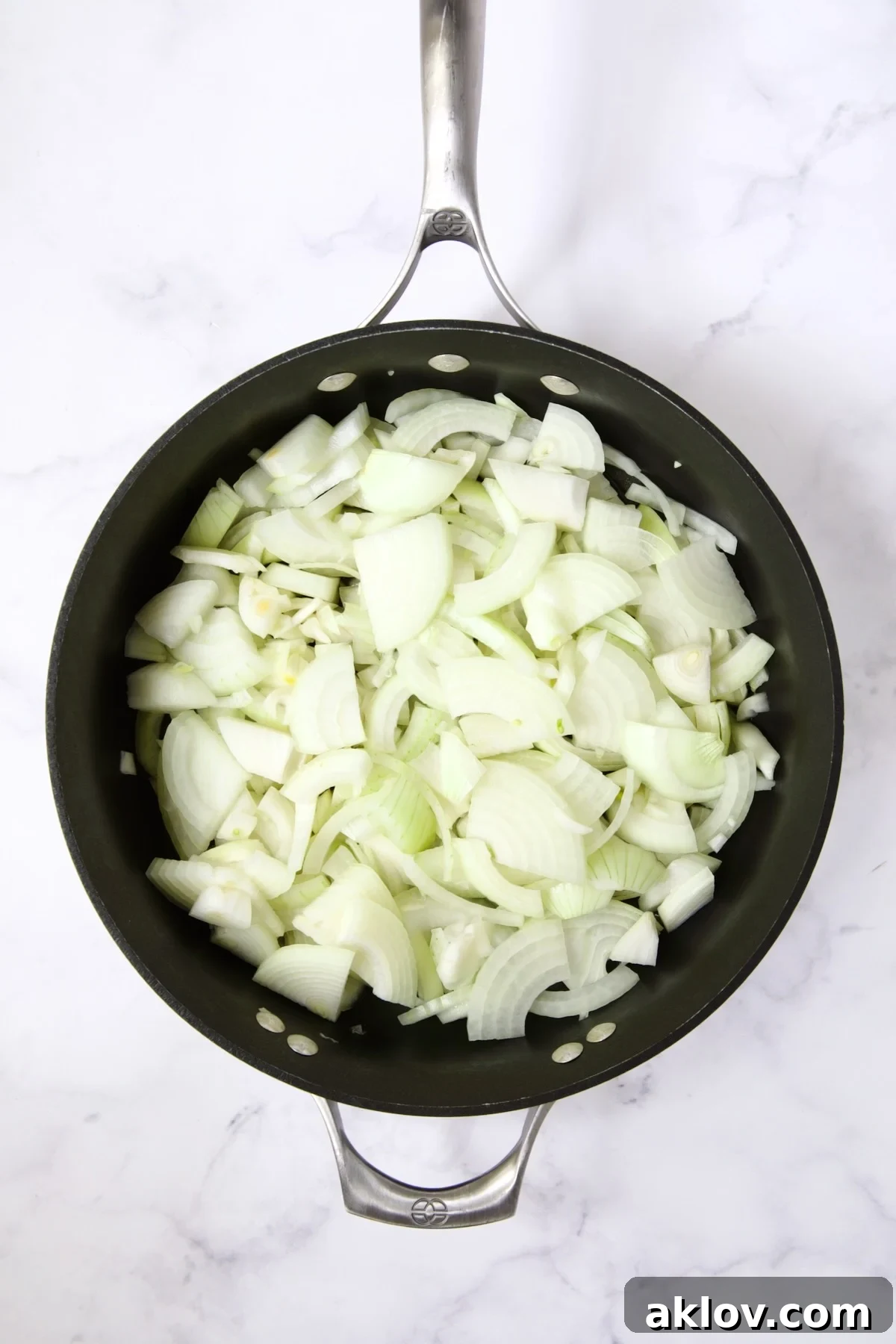
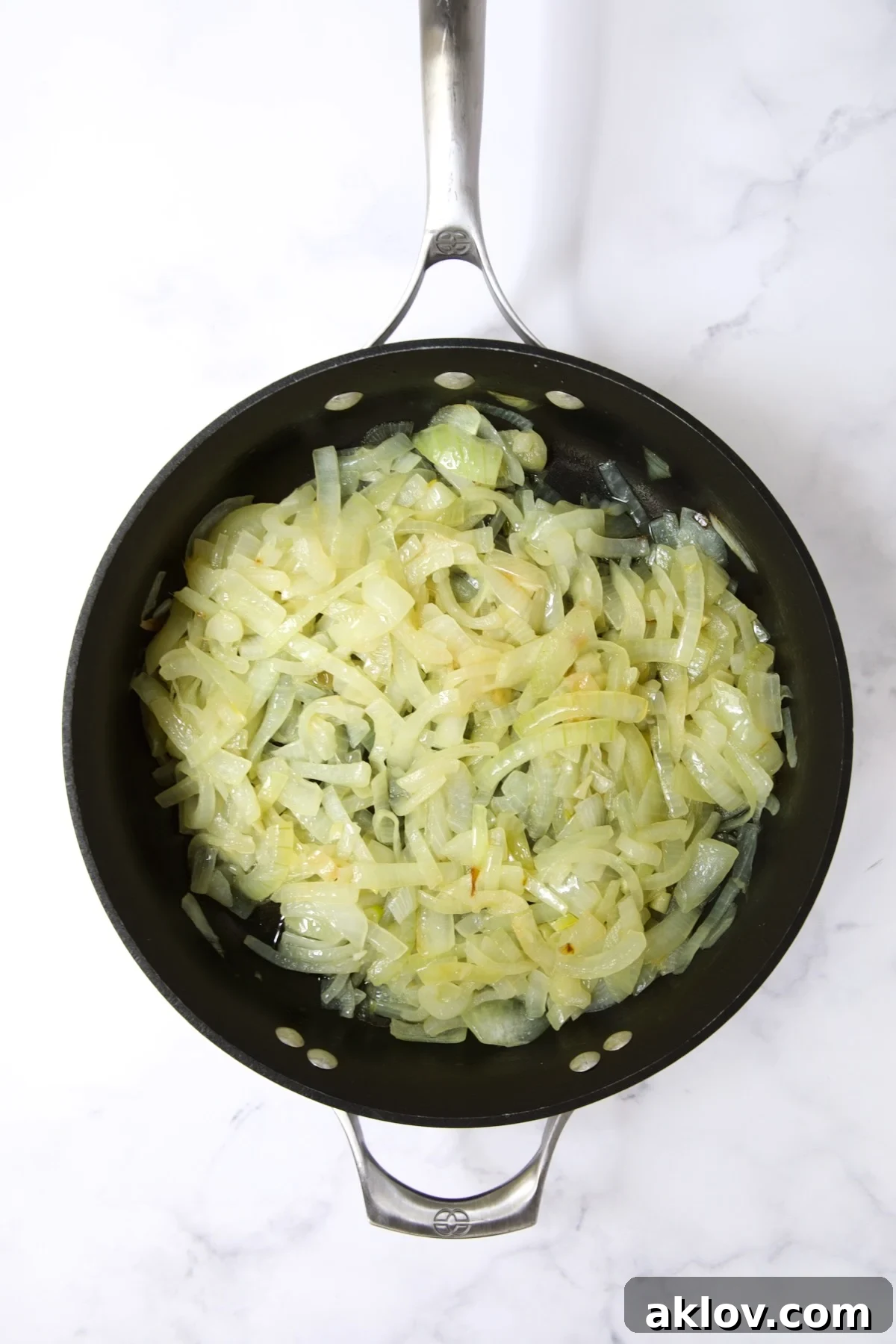
- In a large sauté pan, heat a couple of tablespoons of olive oil over medium-high heat. Add the thinly sliced onions and cook them for 8-10 minutes. Stir occasionally until they begin to soften and develop a delicate golden color, indicating a caramelized sweetness.
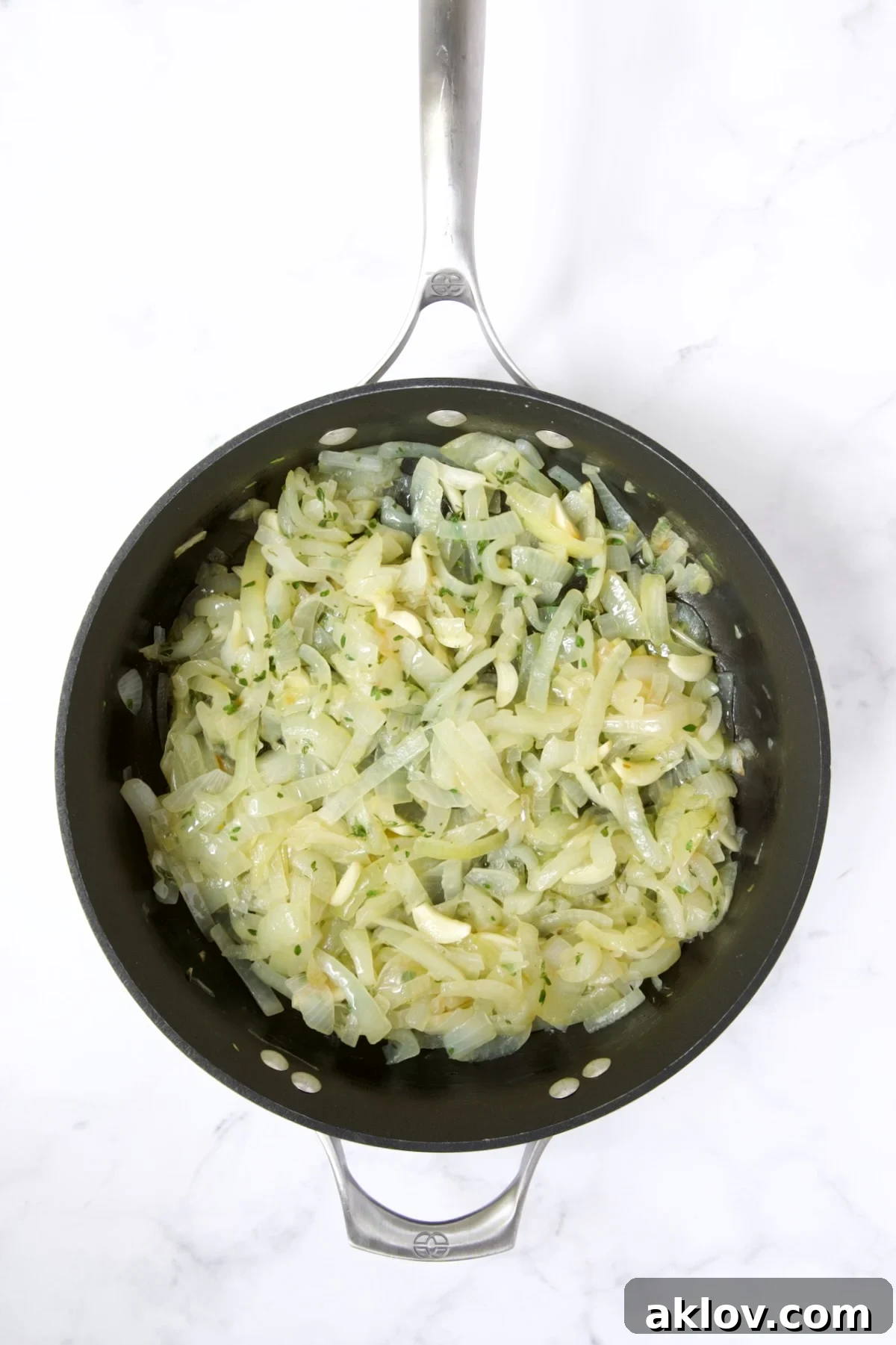
- Introduce the sliced garlic to the pan and cook for just 1 minute more, or until you detect its aromatic fragrance filling the air. Stir in half of the fresh thyme, then season generously with salt and freshly ground black pepper to taste.
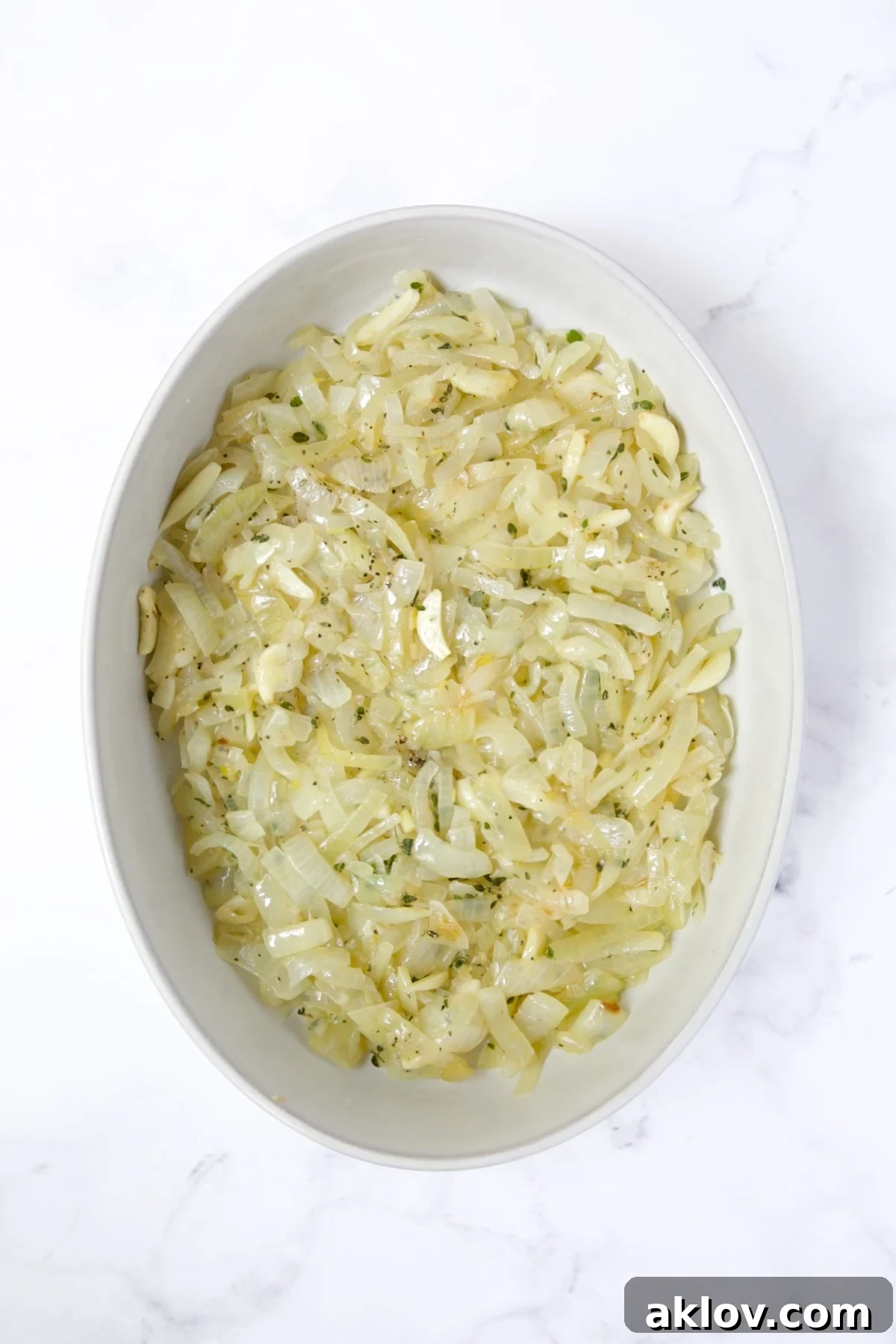
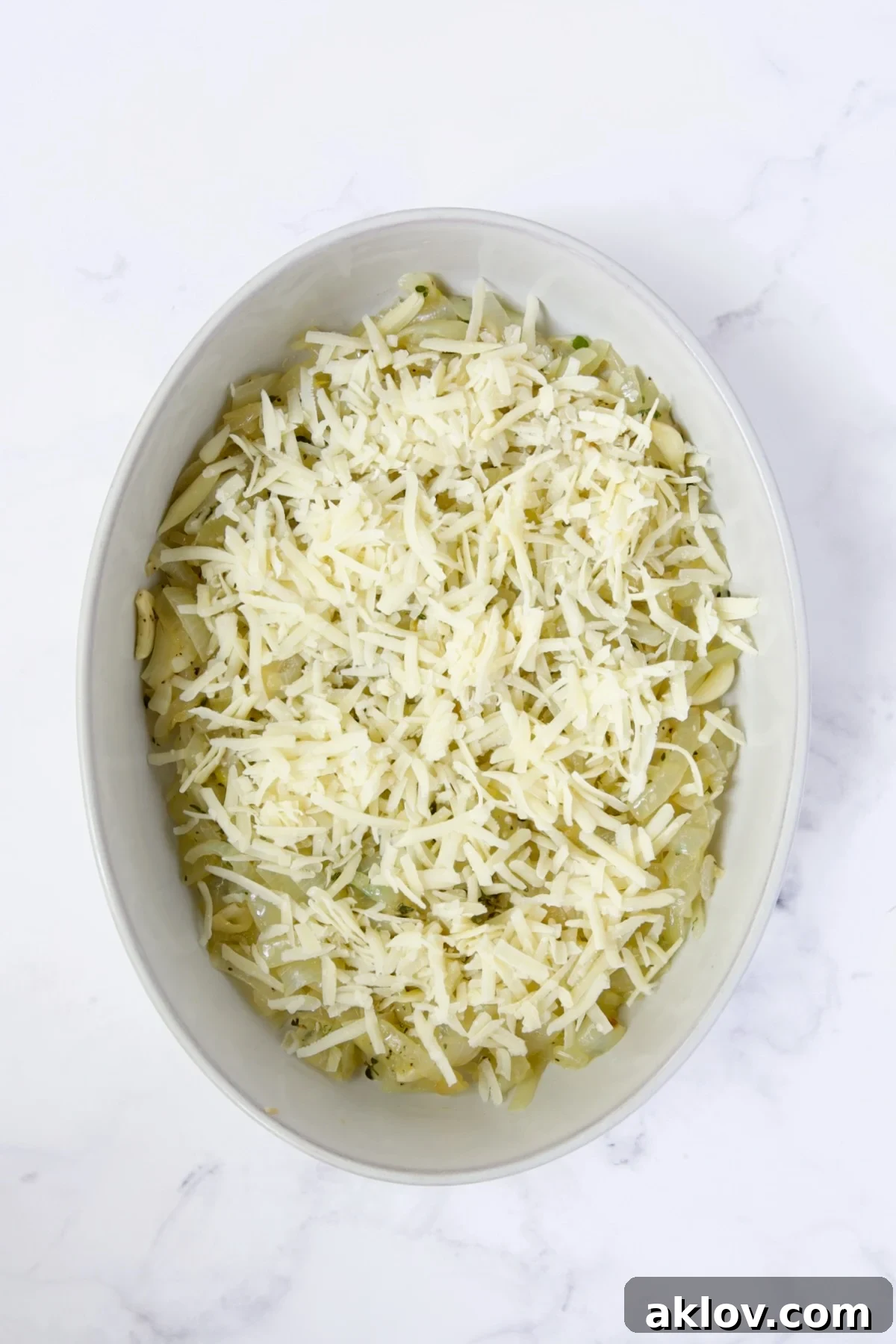
- Carefully tilt the skillet and push the cooked onions and garlic to one side, allowing any excess oil to drain away. Transfer this flavorful onion mixture to your prepared baking dish, spreading it evenly across the bottom. Allow it to cool slightly while you prepare the remaining vegetables.
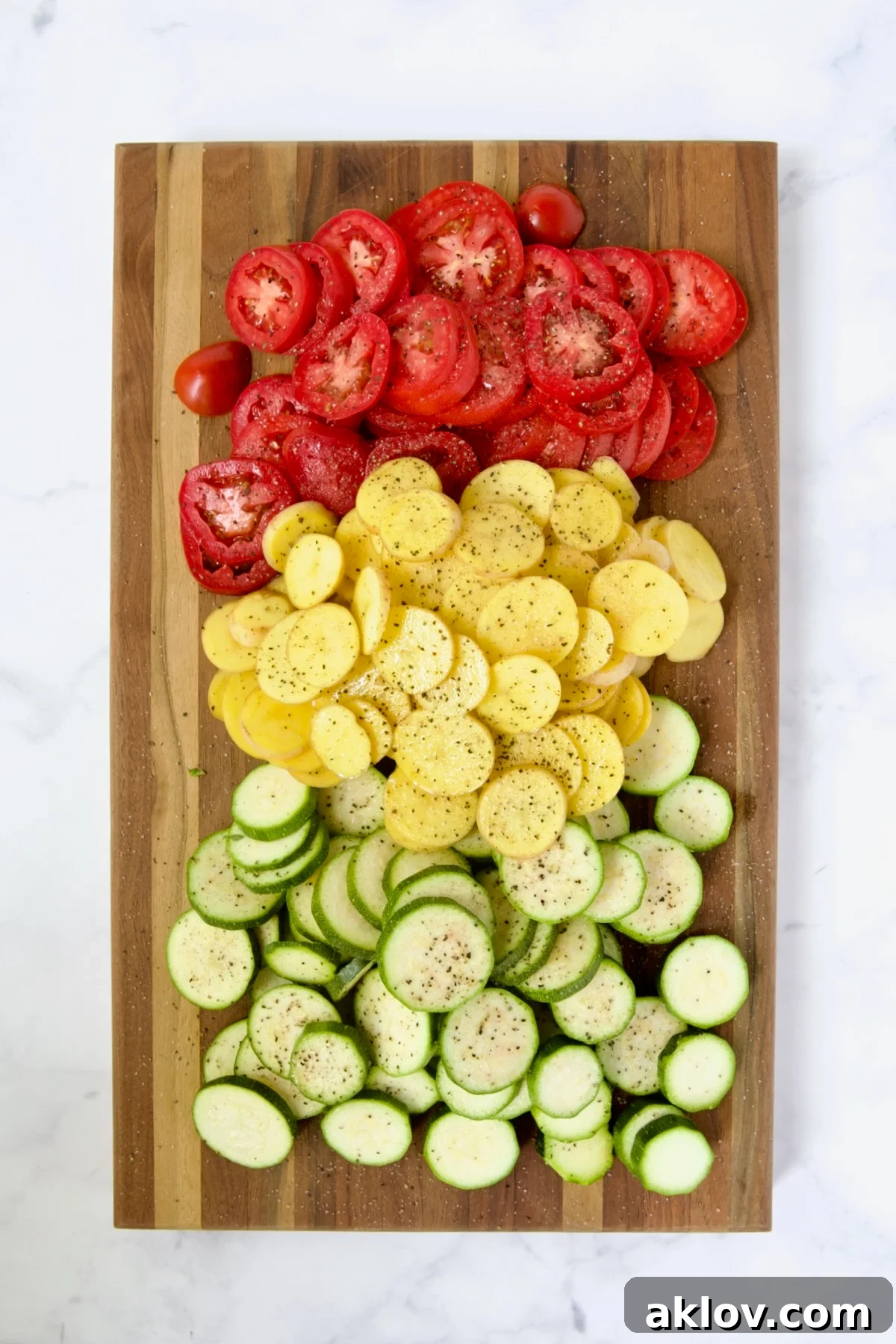
- Now, it’s time for precision: slice the zucchini, tomatoes, and potatoes into uniform 1/4-inch thick rounds. Consistency in thickness is key for even cooking and a beautiful presentation.
- As you slice the vegetables, arrange them on your cutting board and season them generously with salt and freshly ground black pepper. This initial seasoning is crucial for infusing flavor throughout the dish.
- Sprinkle half of the grated Gruyere cheese evenly over the cooled onion mixture in the baking dish. This layer of cheese will melt into the base, adding a delightful savory depth.
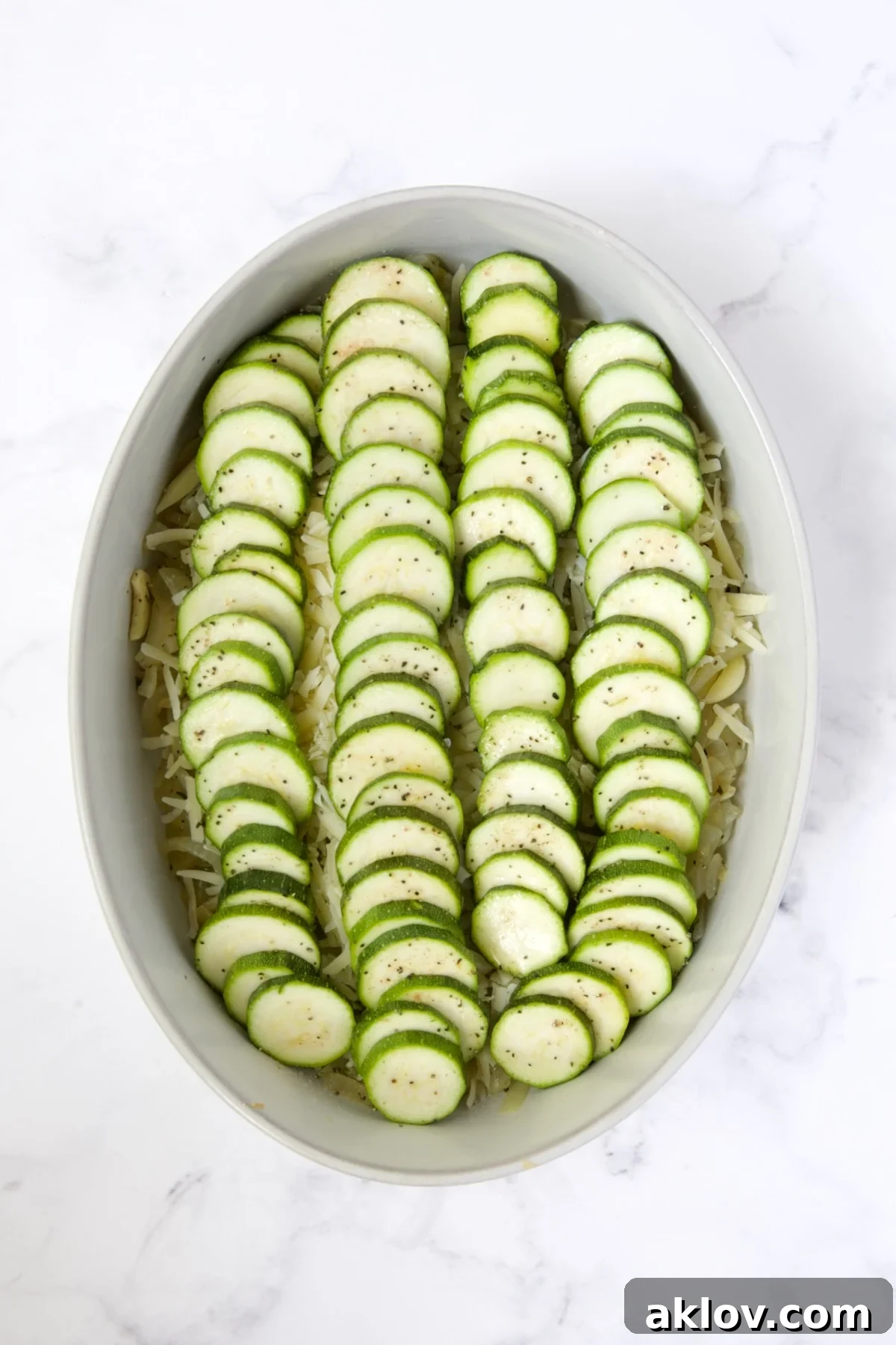
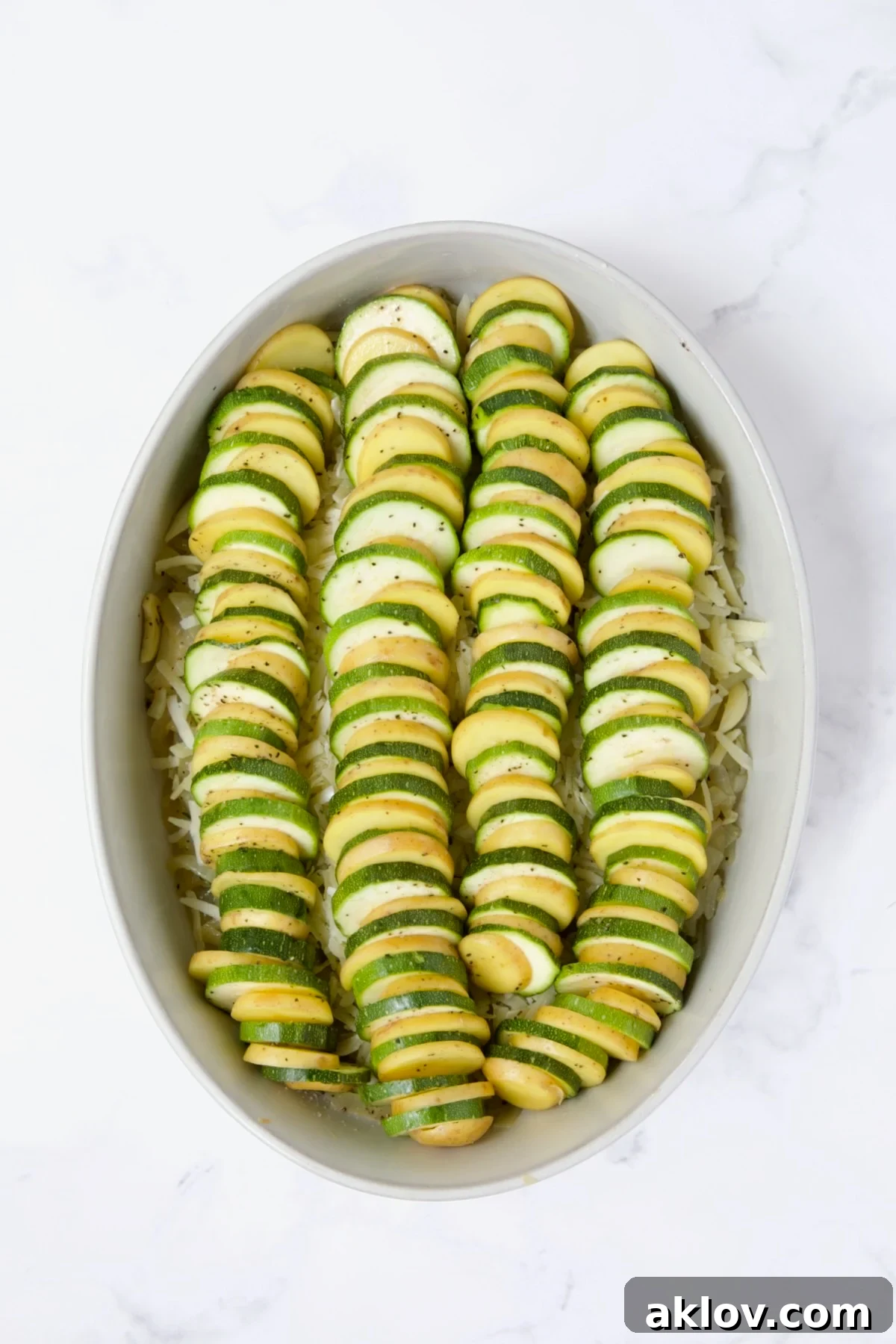
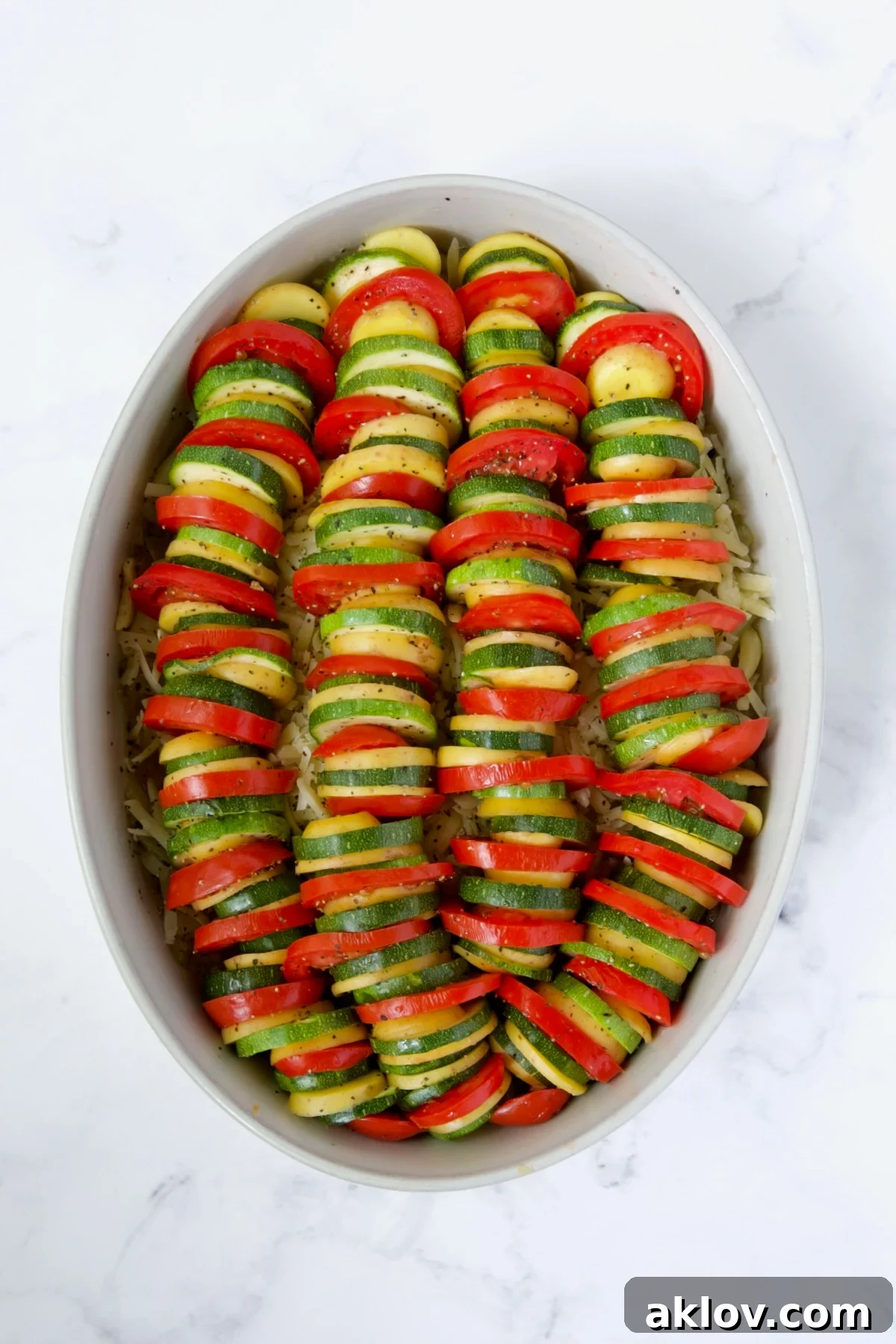
- Begin the artistic layering process: Starting with the zucchini slices, arrange them in the baking dish over the onions, fanning them out into elegant, overlapping rows. Continue by placing the potato slices evenly between the zucchini, followed by the tomato slices. If you have any leftover vegetable slices, tuck them into any gaps you find to ensure every piece is utilized.
- Once all the vegetables are beautifully arranged, sprinkle the entire dish with additional salt, black pepper, and the remaining fresh thyme. This final seasoning will awaken the flavors during baking.
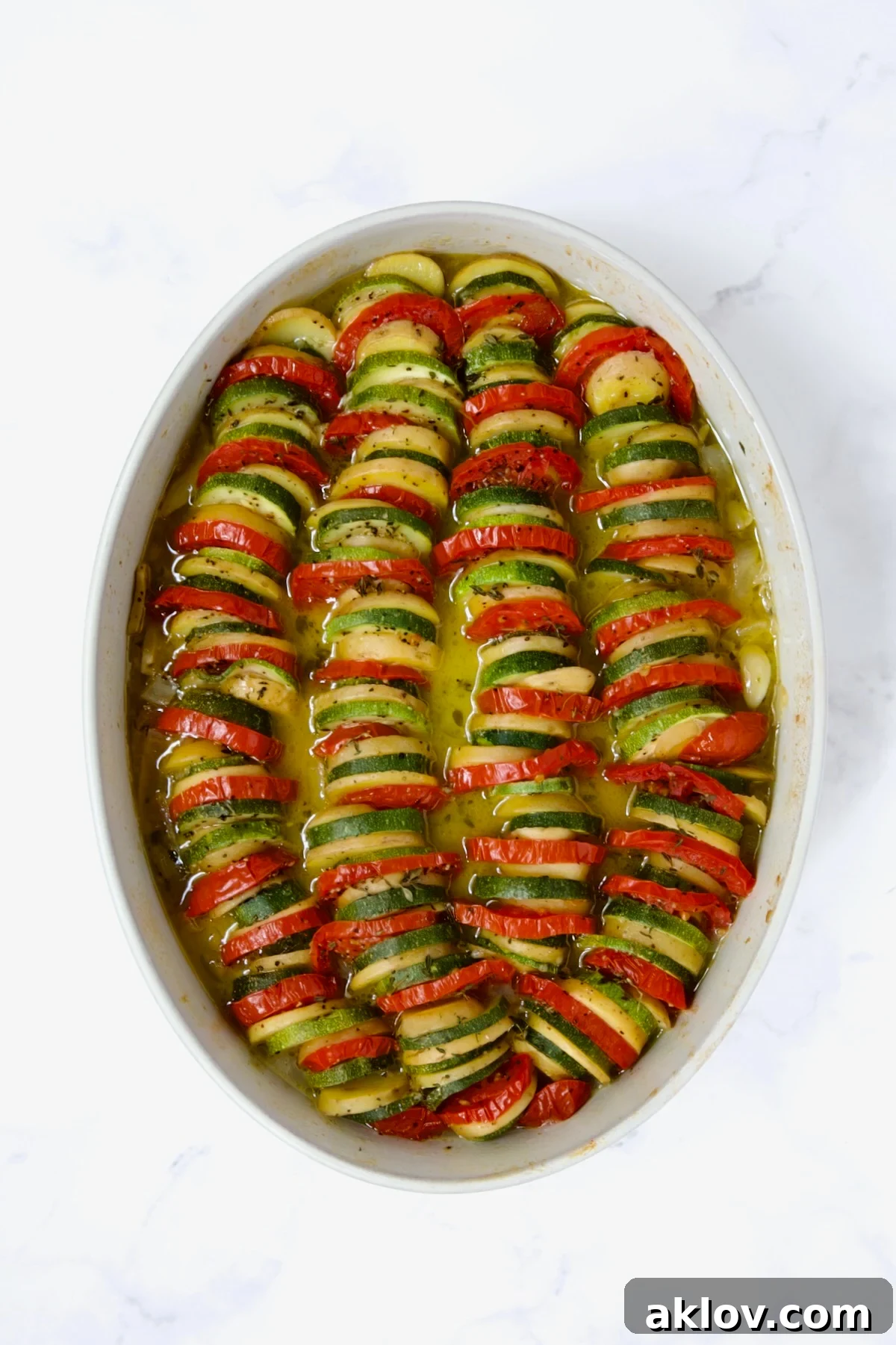
- Cover the baking dish tightly with aluminum foil and bake for 40 to 45 minutes, or until the potato slices are tender when pierced with a fork. This initial covered bake ensures the vegetables cook through evenly without drying out.
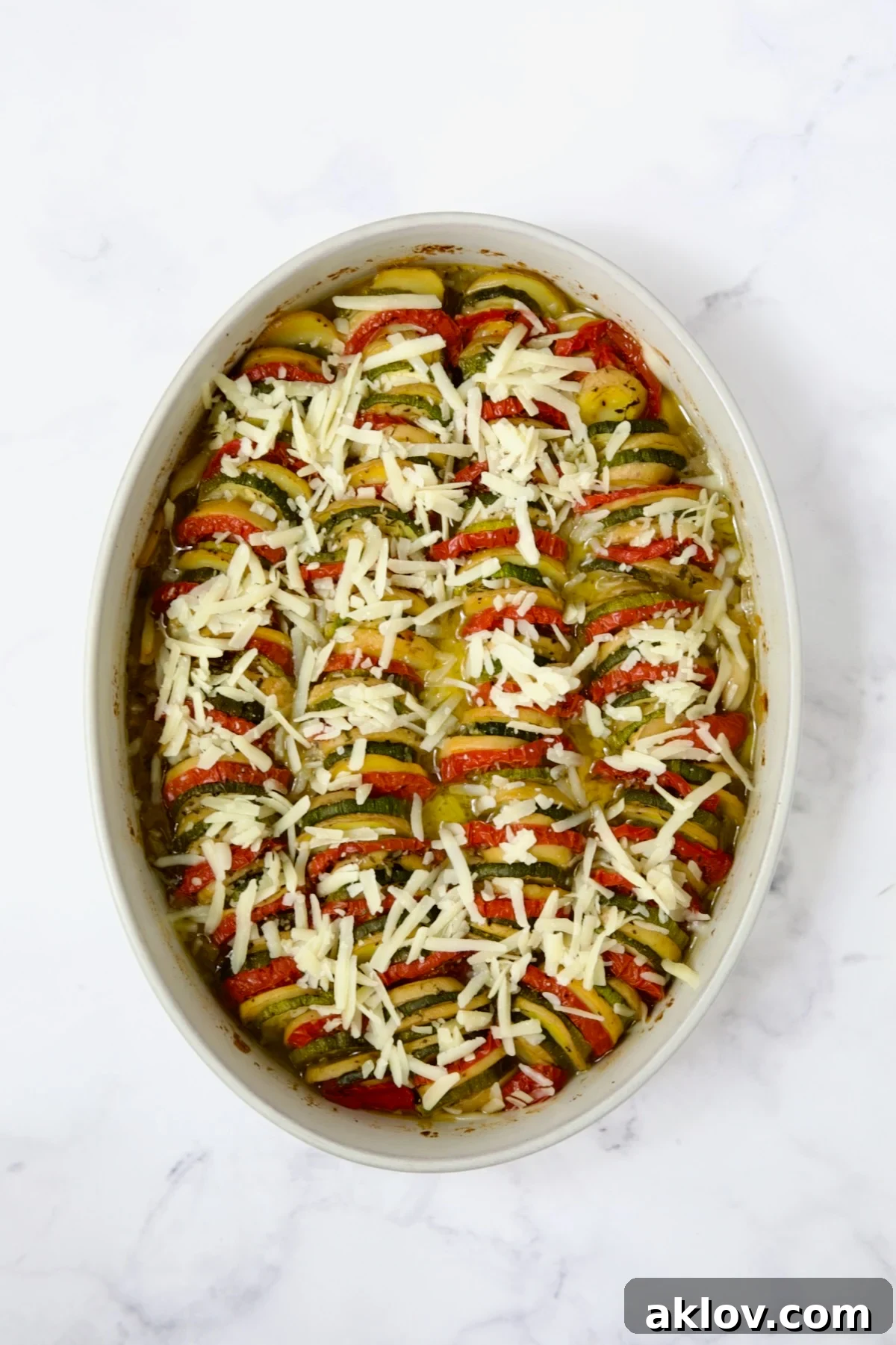
- Remove the foil, sprinkle the remaining Gruyere cheese generously over the top of the vegetables, and return the dish to the oven, uncovered. Continue baking for another 15 to 20 minutes, or until the cheese is beautifully melted, bubbly, and lightly golden brown.
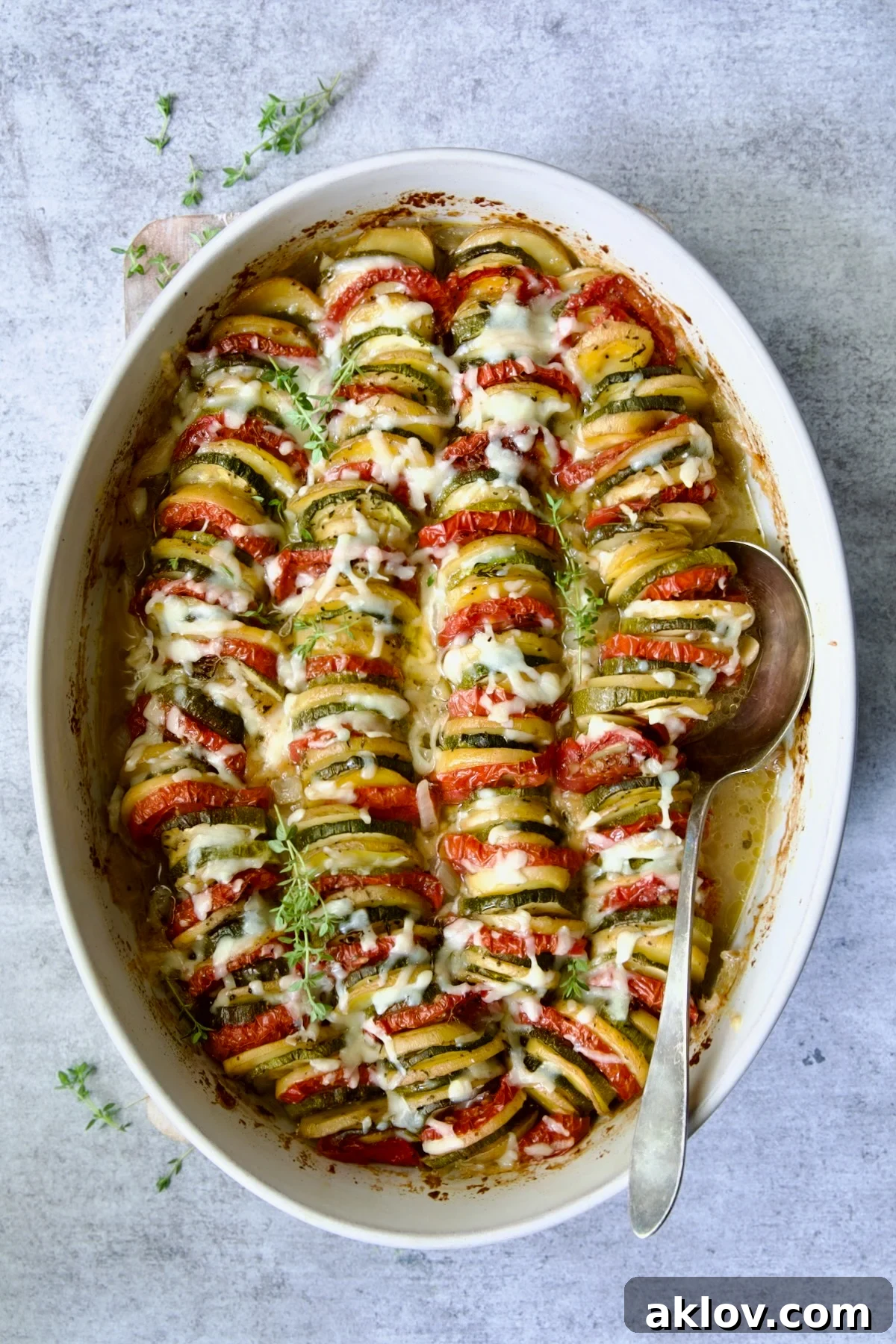
- Once baked, allow the Tian to rest for 10 to 15 minutes before serving. This crucial resting period allows the juices to redistribute and settle, enhancing both flavor and structure.
- And there you have it! A spectacular vegetarian Tian, perfect as a show-stopping side or a delightful main course.
Chef’s Secrets: Mastering Your Vegetable Tian
- Elevate Your Presentation: For an extra touch of elegance, consider assembling this Tian in individual gratin dishes or ramekins. These mini Tiens make for a charming and sophisticated presentation, perfect for dinner parties or special occasions where you want to truly impress your guests. Each serving becomes a personal culinary gift.
- The Power of Seasoning: It is absolutely essential to season each layer of vegetables with salt and freshly ground black pepper before arranging them in the baking dish. Vegetables release a surprising amount of water during cooking, and proper seasoning at this stage ensures that the final dish is flavorful throughout, not just on the surface. Don’t be shy; a good pinch for each layer makes a huge difference.
- A Hint of Cheese at the Base: While some traditional Tian recipes (including Ina Garten’s original adaptation) might not call for it, I highly recommend sprinkling half of the Gruyere cheese over the cooked onions before layering the vegetables. As this initial layer of cheese melts and blends with the caramelized onions, it creates a rich, savory foundation. This subtle addition infuses the entire dish with a deeper flavor profile, often allowing you to reduce or even skip additional drizzles of olive oil for richness.
- Managing Juices for Perfect Texture: A freshly baked Tian will naturally be quite juicy, especially if using very ripe, peak-season tomatoes. This is perfectly normal and delicious! Baking the dish uncovered during the final stage (when the cheese melts and browns) helps some of that excess liquid to evaporate, concentrating the flavors and preventing a watery consistency. Furthermore, allowing the Tian to rest for 10 to 15 minutes after baking is a crucial step. This resting period gives the vegetable juices time to settle back into the layers, resulting in a more cohesive and intensely flavored dish.
- Reheating Considerations: If you plan to make this Vegetable Tian ahead of time or store leftovers for reheating, those natural juices become your best friend. They are essential for keeping the Tian moist and delicious upon reheating. When preparing for personal chef clients, for example, I always ensure a good amount of liquid remains so that the dish doesn’t dry out when they warm it up later. If your Tian seems too dry after initial cooking, a splash of vegetable broth or water before reheating can work wonders.
Frequently Asked Questions About Vegetable Tian
Which vegetables are typically used in a Tian recipe?
The beauty of a Tian lies in its flexibility. While the classic combination often includes zucchini, tomatoes, and potatoes, the vegetables are highly interchangeable. Mediterranean-style ingredients are most common, such as yellow squash, eggplant, mushrooms, and various types of onions. This recipe is also wonderfully adaptable for seasonal produce; for example, in the fall, you could substitute the zucchini and tomatoes with root vegetables like thinly sliced squash or beets for a heartier variation.
Can a Vegetable Tian be prepared in advance?
Absolutely! A Vegetable Tian is an excellent make-ahead dish. You can assemble the Tian and bake it until the potatoes are tender (the first covered baking stage). Allow it to cool completely, then cover it tightly and refrigerate for up to two days. When you’re ready to serve, simply reheat it in the oven, loosely covered with aluminum foil, until it’s warmed through. Then, proceed with sprinkling the remaining cheese and baking uncovered to achieve that lovely golden-brown topping. We generally do not recommend assembling it entirely raw and storing it unbaked, as the potatoes tend to discolor. However, if time is of the essence, you can slice and prepare all other vegetables in advance, then tuck the sliced potatoes into the arrangement at the last minute before baking.
What is the main difference between a Tian and Ratatouille?
While both dishes are vegetable-centric and originate from the South of France, their preparation and presentation are distinct. A Vegetable Tian is characterized by its artful arrangement of thinly sliced vegetables, typically layered in a shallow baking dish and baked to achieve a beautiful, cohesive gratin. It’s often more about individual ingredient integrity and visual appeal. Ratatouille, on the other hand, is a traditional vegetable stew. The vegetables are usually cut into larger pieces, sautéed, and then simmered together, creating a rustic, hearty, and less structured dish. A common point of confusion is the dish from the movie Ratatouille, which, despite its name, is actually a type of Tian due to its meticulously layered presentation.
Storing Your Delicious Vegetable Tian
- Any leftover Vegetable Tian can be stored in an airtight container in the refrigerator for up to five days. To reheat, place it in an oven preheated to 350 degrees Fahrenheit (175 degrees Celsius) until thoroughly heated through. Covering it loosely with foil can help maintain moisture.
Perfect Pairings: What to Serve with Vegetable Tian
- Grilled Marinated Skirt Steak with Peperonata
- Parmesan and Herb-Crusted Lamb Chops
- 40 Clove Garlic Chicken
- Roast Chicken Half with Fingerling Potatoes
Explore More Summer Vegetable Casseroles
- Yellow Squash and Tomato Gratin with Two Cheeses
- Zucchini, Yellow Squash and Quinoa Casserole
- Healthier Turkish Eggplant Casserole
- Southwestern Squash, Corn and Poblano Casserole
- Zucchini Corn Casserole
- Summer Squash Casserole
- Black Bean and Yellow Squash Enchilada Casserole
- Summer Vegetable Casserole
Discover a treasure trove of vegetable-focused dishes and culinary inspiration at our dedicated section: Vegetable Recipes – From A Chef’s Kitchen.
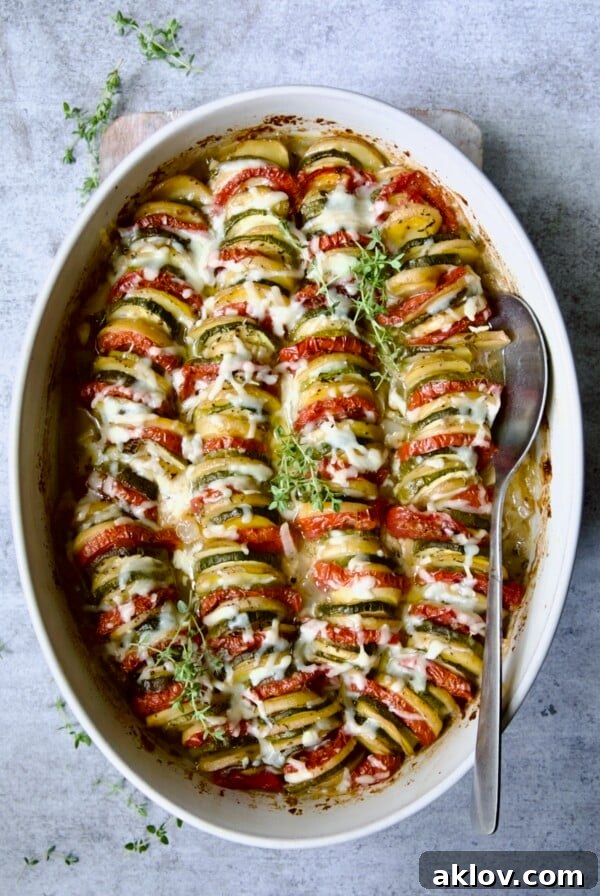
Vegetable Tian
By Carol | From A Chef’s Kitchen
If there’s one dish that captures the rustic charm and sun-soaked flavors of southern France, it’s a Provençal Vegetable Tian. This colorful, layered medley of zucchini, tomatoes, and potatoes is as beautiful as it is delicious. It’s like summer in a baking dish! Perfect as a side with roast chicken or as a vegetarian entree.
Prep Time: 30 mins
Cook Time: 1 hr
Total Time: 1 hr 30 mins
Servings: 6
Equipment
- Wusthof Chef Knife
- Cutting Board
- 13 x 9 Baking Dish
- Cheese/Box Grater
Ingredients
- 2 tablespoons olive oil, plus more to coat baking dish
- 2 large onions, halved and thinly sliced
- 8 large cloves garlic, or 12 medium cloves, thinly sliced
- 2 teaspoons chopped fresh thyme, divided
- Salt and freshly ground black pepper, to taste
- 1 cups grated Gruyere cheese, divided
- 2 medium zucchini, or 3 small
- 5 medium plum tomatoes
- 1 pound baby potatoes, such as red or Yukon gold
Instructions
- Preheat oven to 375 degrees. Brush a large, shallow baking dish with olive oil.
- In a large sauté pan, heat olive oil over medium-high heat. Add the onion and cook 8-10 minutes or until beginning to soften and take on a little color.
- Add the garlic and cook 1 minute or until fragrant. Add half the thyme and salt and black pepper to taste.
- Tilt the skillet, push the onions to one side and drain off any excess oil. Transfer to the prepared baking dish and allow to cool while preparing the vegetables.
- Slice the zucchini, tomatoes and potatoes into 1/4-inch slices.
- While the vegetables are on your cutting board, season with salt and black pepper.
- Sprinkle half of the cheese over the onions.
- Starting with the zucchini, place them in the baking dish over the onions, fanning them out into rows.
- Next, place the potatoes evenly in between the zucchini followed by the tomato slices. If any vegetables are left, tuck them in wherever you can to use them up.
- Once they’re arranged, sprinkle with more salt, black pepper and remaining thyme.
- Cover the dish with aluminum foil and bake 35-40 minutes or until potatoes are tender.
- Uncover the dish, sprinkle the cheese on top, and bake for another 15-20 minutes, or until lightly browned.
- Allow to rest 10 minutes before serving.
Notes
- SUBSTITUTIONS:
- Use yellow squash instead of zucchini.
- You can substitute Grand Cru, white cheddar or conventional Swiss cheese for the Gruyere.
- TIPS:
- Seasoning the vegetables with salt and pepper before arranging them in the baking dish is essential.
- The tian will be juicy. However, baking uncovered while the cheese melts on the top will allow some of those juices to evaporate.
- Letting the tian rest before serving is essential so those juices settle down.
- If you plan to reheat the vegetable tian, you will want those juices so the tian is not dry. When I make this for personal chef clients, that additional liquid is essential so the tian is not dry when they reheat it.
- MAKE AHEAD:
- Assemble and bake until the potatoes are tender. Cool, then refrigerate for up to two days.
- When needed, heat in the oven loosely covered with aluminum foil until hot. Then, proceed with adding the remaining cheese and lightly browning the top.
- I don’t recommend storing fully assembled without baking—the potatoes will discolor. Tucking the potatoes in at the last minute is an option.
Nutrition
Serving: 1 | Calories: 237kcal | Carbohydrates: 23g | Protein: 10g | Fat: 12g | Saturated Fat: 5g | Polyunsaturated Fat: 1g | Monounsaturated Fat: 6g | Cholesterol: 24mg | Sodium: 172mg | Potassium: 722mg | Fiber: 4g | Sugar: 6g | Vitamin A: 804IU | Vitamin C: 40mg | Calcium: 268mg | Iron: 1mg
Nutritional values are automatically calculated using unbranded products and are estimates only. Actual results may vary based on ingredients used and portion sizes. Adjust as needed for dietary restrictions, allergies, or health concerns.
 Like this? Leave a comment below!