
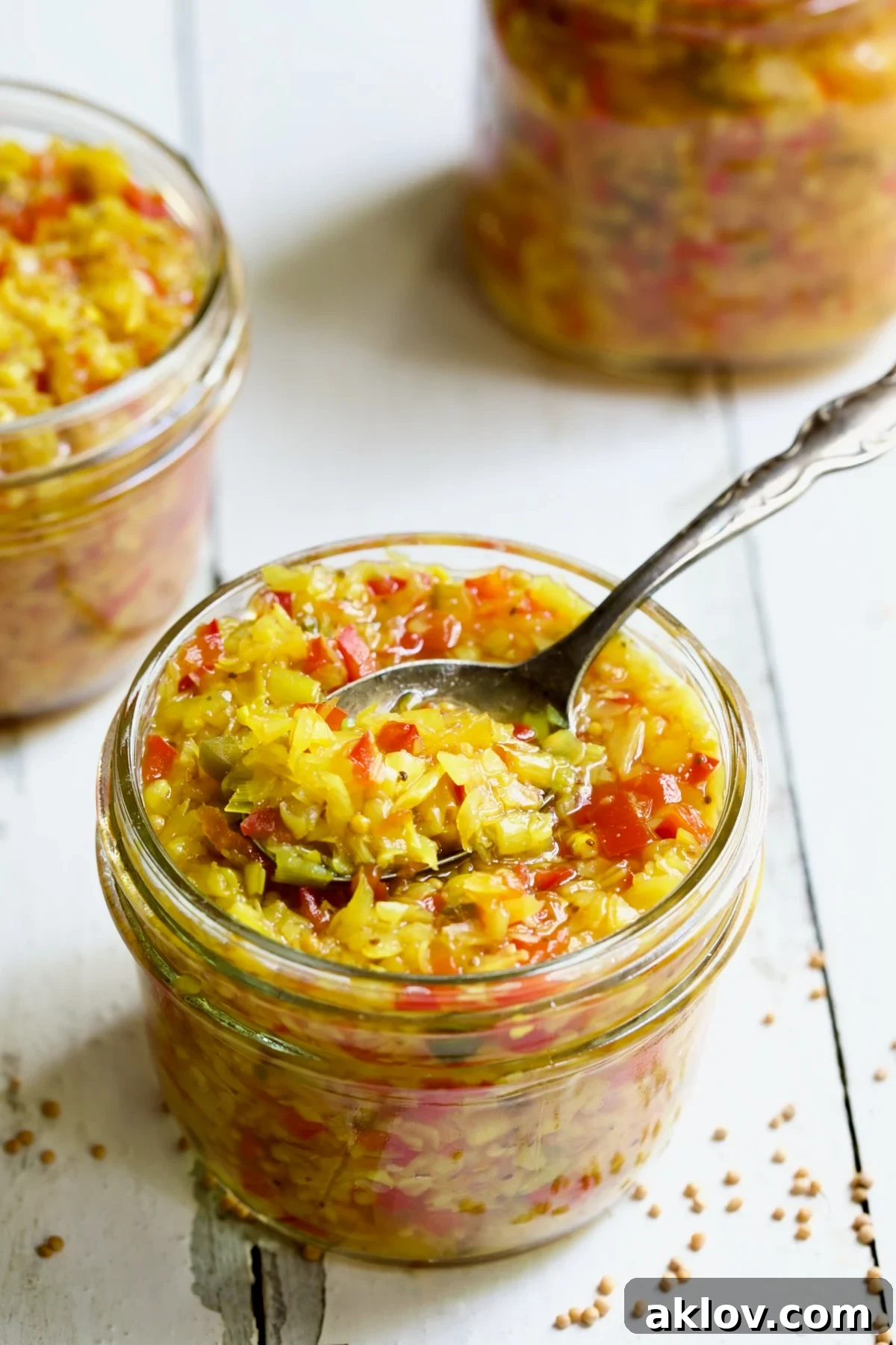
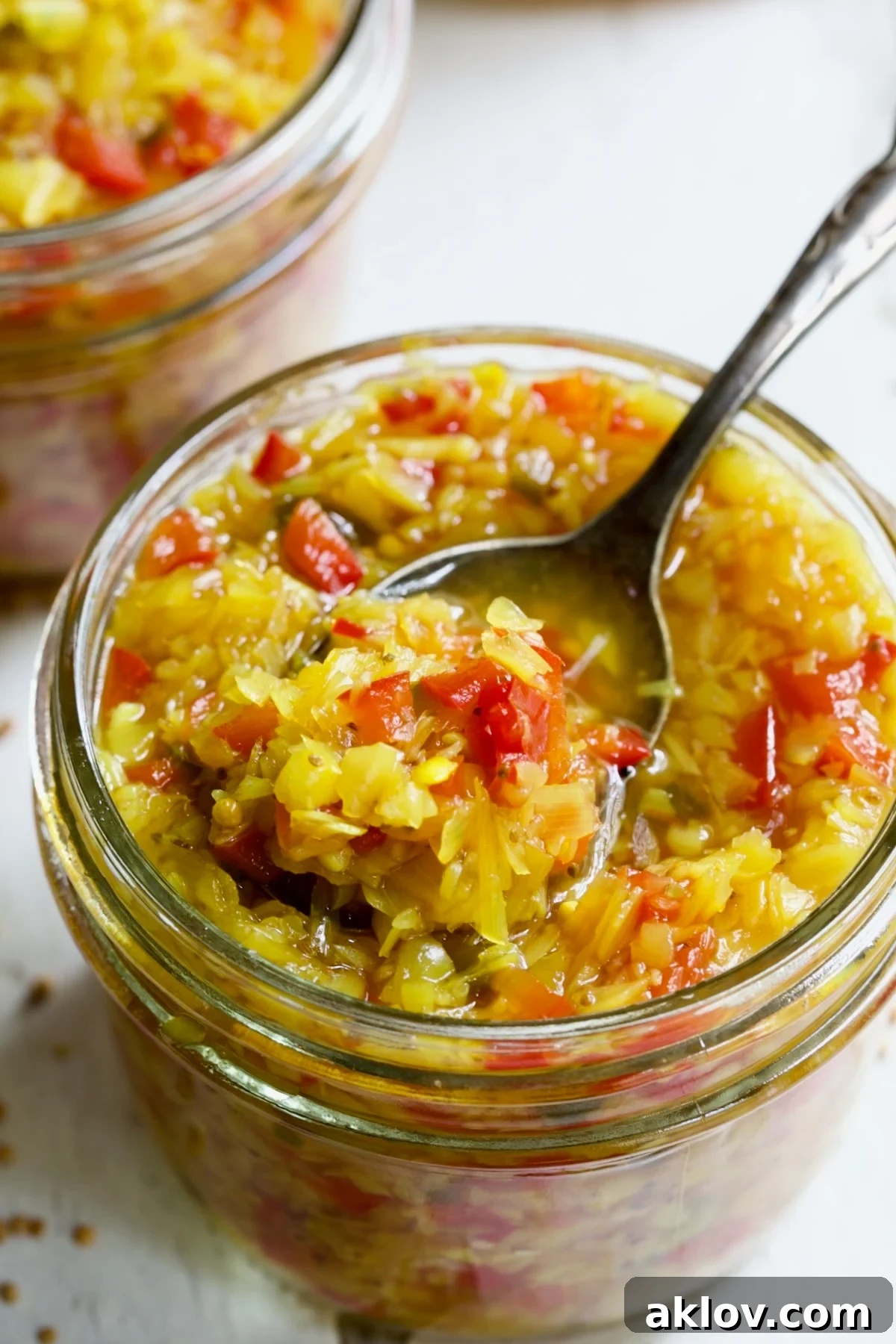
Unlock the vibrant flavors of spring and savor them all year long with this exquisite Ramp and Hot Pepper Relish. This tangy, spicy, and wonderfully aromatic condiment is the perfect way to capture the fleeting essence of wild ramps, transforming them into a culinary treasure that enhances countless dishes. Beyond being a delightful spread for hot dogs and burgers, its versatility knows no bounds. Imagine it elevating classic Maryland crab cakes when mixed into a quick tartar sauce, adding a gourmet twist to potato salad, or lending a zesty kick to pimento cheese deviled eggs. From sophisticated appetizers to simple weeknight meals, this relish promises to be a staple in your pantry, bringing a burst of unique flavor whenever you desire.
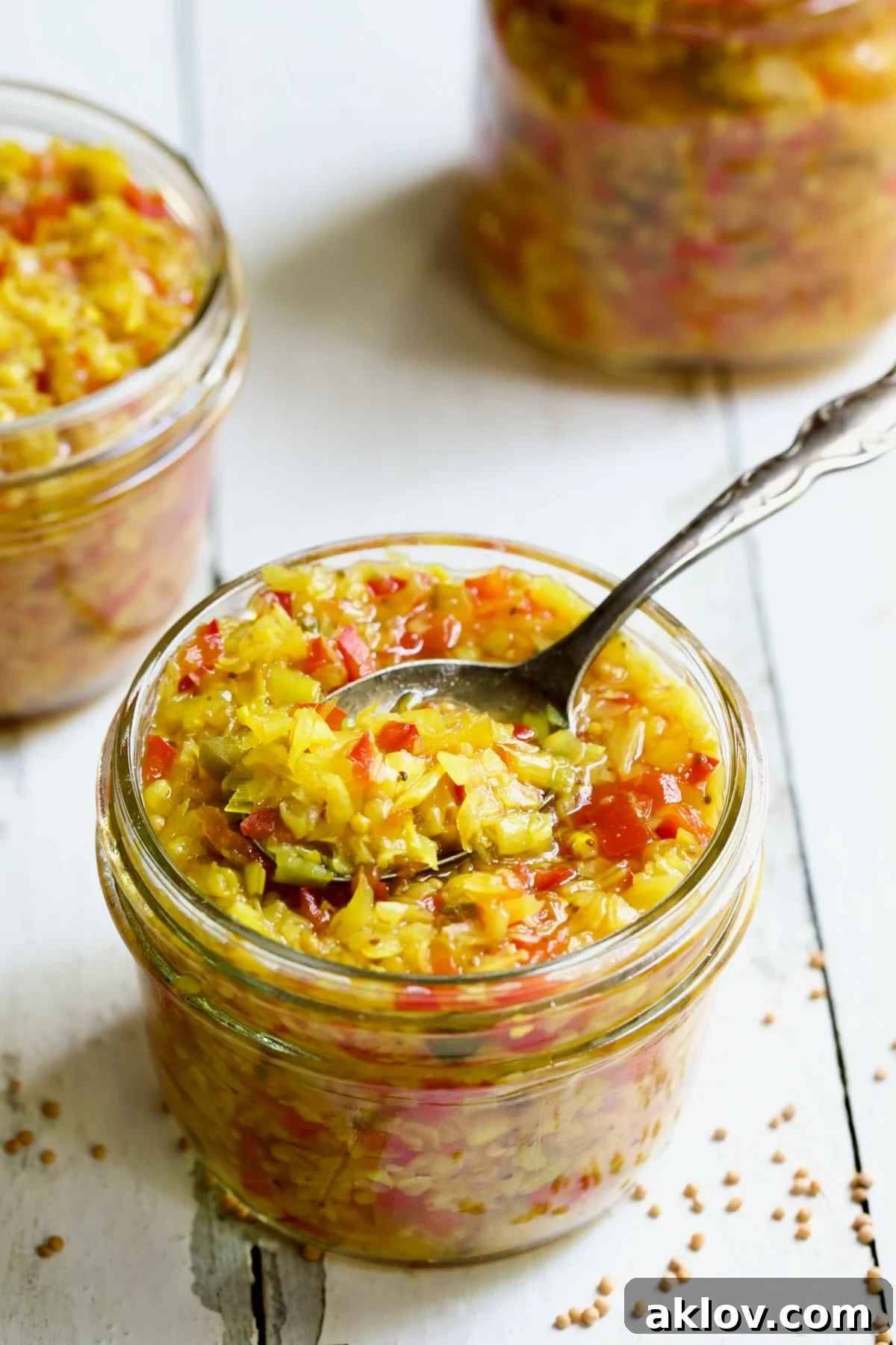
Why This Recipe is a Keeper!
If you are among the fortunate few who live in regions where ramps, also known as wild leeks or Allium tricoccum, grow in abundance, then you undoubtedly understand the fervor surrounding this prized foraged delicacy. Ramps are a true herald of spring, gracing us with their presence for an incredibly short season. Their distinct garlicky-onion flavor is unparalleled, making them highly sought after by chefs and home cooks alike. The challenge, of course, is their brief availability – blink, and they’re gone!
This fleeting nature makes preserving ramps an essential practice for anyone wishing to extend their enjoyment beyond the spring harvest. While ramps can be savored in a multitude of fresh preparations during their short window, transforming them into a delightful relish allows you to capture their unique essence for months to come. This particular Ramp and Hot Pepper Relish recipe stands out for several compelling reasons:
- **Simplicity & Ease:** Despite its gourmet appeal, this recipe is surprisingly straightforward to prepare, making it accessible even for novice preservers.
- **Exceptional Versatility:** The relish’s dynamic flavor profile makes it an incredibly adaptable condiment, perfect for elevating a wide range of dishes, from grilled meats to vibrant salads.
- **Creative Preservation:** It offers a delicious and ingenious method for preserving the earthy, pungent goodness of ramps, ensuring you can enjoy this seasonal delight long after spring has passed.
- **Tangy & Spicy Harmony:** The perfect balance of acidity, sweetness, and heat makes this relish incredibly addictive, adding a burst of flavor to any meal.
By making a batch of this relish, you’re not just preparing a condiment; you’re preserving a taste of the wild, a moment of spring captured in a jar, ready to brighten your summer and beyond.
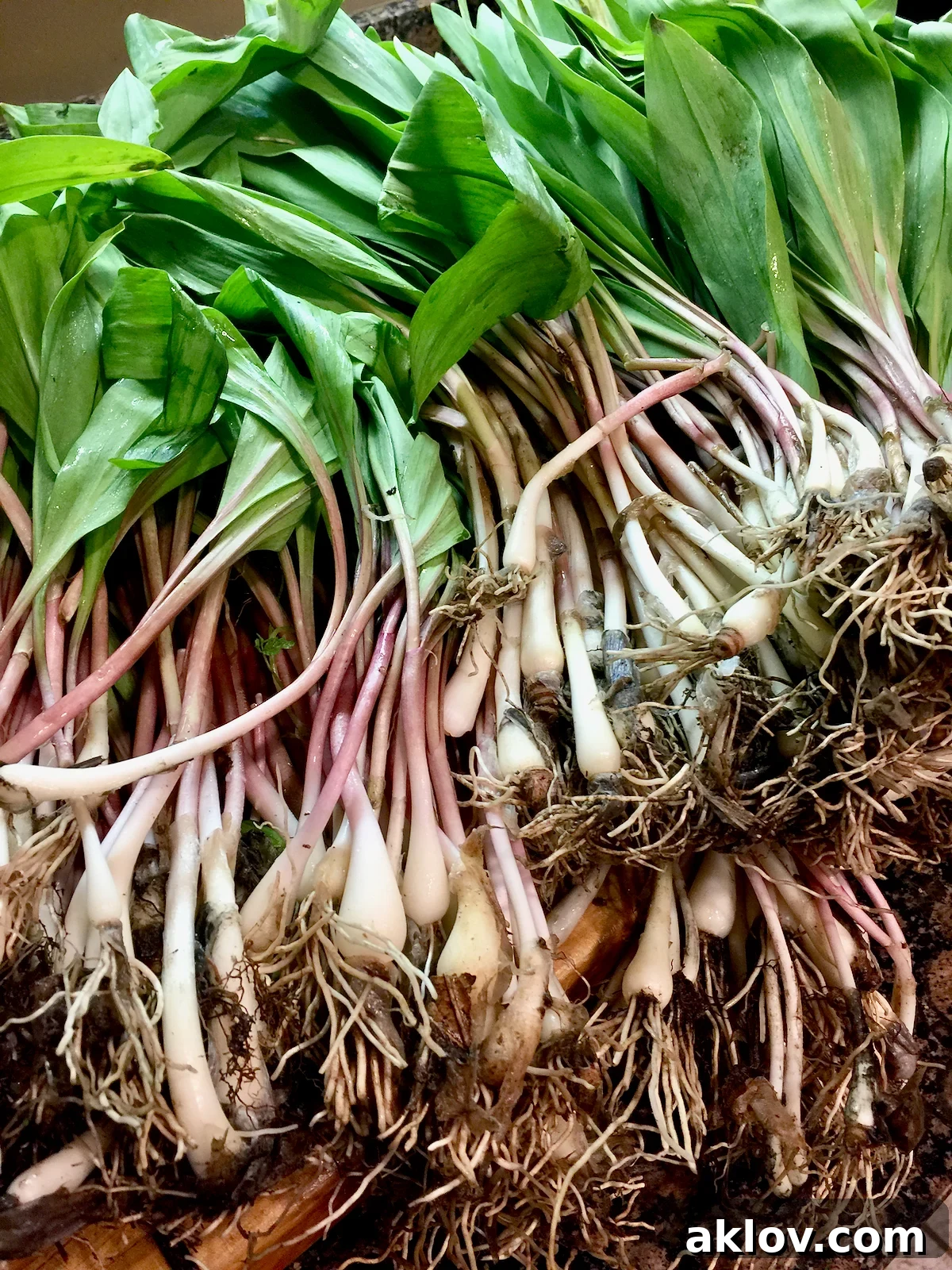
What are Ramps? A Wild Delicacy Explained
Ramps are often hailed as the “holy grail” of foraged foods, particularly amongst those passionate about wild edibles. They belong to the Allium family, making them relatives of common onions, garlic, leeks, scallions, and shallots. Visually, a ramp resembles a scallion at its base, featuring a slender white or purplish bulb, but it distinguishes itself with broad, edible green leaves at the top. The flavor of ramps is truly unique: a delightful fusion of robust onion with a distinct, pungent hint of garlic, offering a more nuanced and vibrant taste than either alone.
This prized wild spring vegetable thrives in cool, shady woodland environments, preferring rich, loamy soil. Ramps are notorious for their slow growth, often taking a remarkable six to seven years from seed to mature enough to flower and reproduce. This lengthy growth cycle contributes significantly to their rarity and high value. Historically, ramps have been most prevalent across the mountainous regions of the Eastern United States, particularly in Appalachia. However, their popularity has led to their spread, with increasing availability in northern Wisconsin and parts of Canada.
The harvest season for ramps is incredibly brief, typically spanning from early April to mid-to-late May, depending on the specific climate and elevation. Due to their increasing demand, some growers are now cultivating ramps, which is slowly helping to expand their availability beyond traditional foraging. If you decide to purchase ramps or wild leeks from a professional purveyor or farmers’ market, it is crucial to inquire about their sourcing. Always ensure that they adhere to sustainable foraging practices, which means never over-harvesting from a single patch, allowing the plants to regenerate for future seasons. This responsible approach is vital for preserving these precious wild ecosystems.
Every part of the ramp is edible and delicious. The vibrant green tops are fantastic for making pesto, providing a bright, garlicky flavor. They can also be braised or sautéed simply, much like spinach or other leafy greens, to serve as a flavorful side dish or incorporated into omelets, quiches, or soups.
Crafting Your Own Ramp and Hot Pepper Relish: A Step-by-Step Guide
Making your own ramp and hot pepper relish is a rewarding experience that allows you to control the flavors and heat level to your exact preference. This recipe is designed to be straightforward, ensuring delicious results whether you’re a seasoned canner or new to preserving. Follow these steps to create a batch of this incredible, versatile relish.
Essential Recipe Ingredients:
Gathering all your ingredients before you begin is key to a smooth cooking process. Here’s a comprehensive list of everything you’ll need to create this delectable ramp and pepper relish. You’ll find precise quantities outlined in the full recipe details further below.
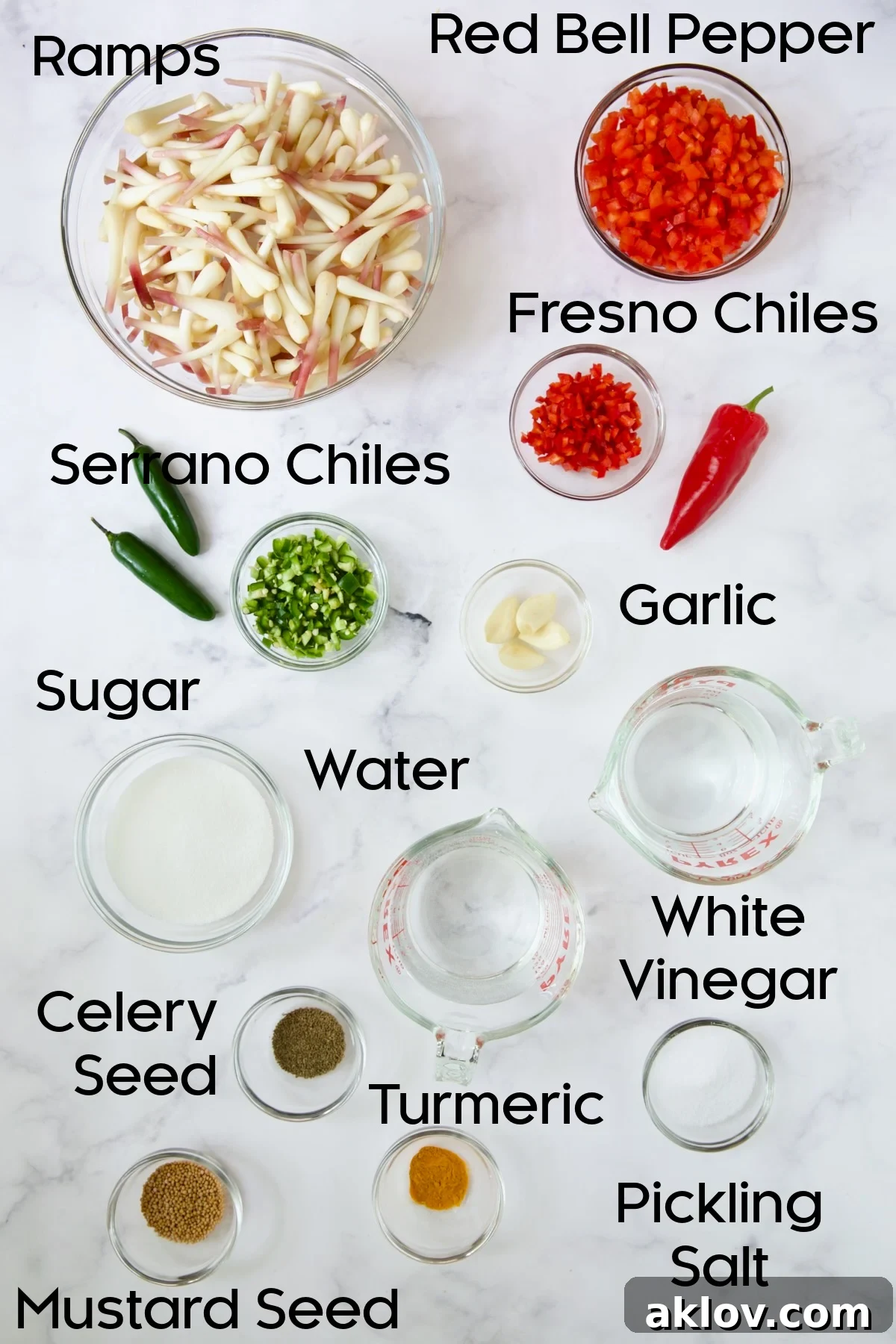
Ingredient Insights and Smart Substitutions:
Understanding your ingredients is vital for successful cooking and preserving. Here are some detailed notes and potential substitutions to help you perfect your relish:
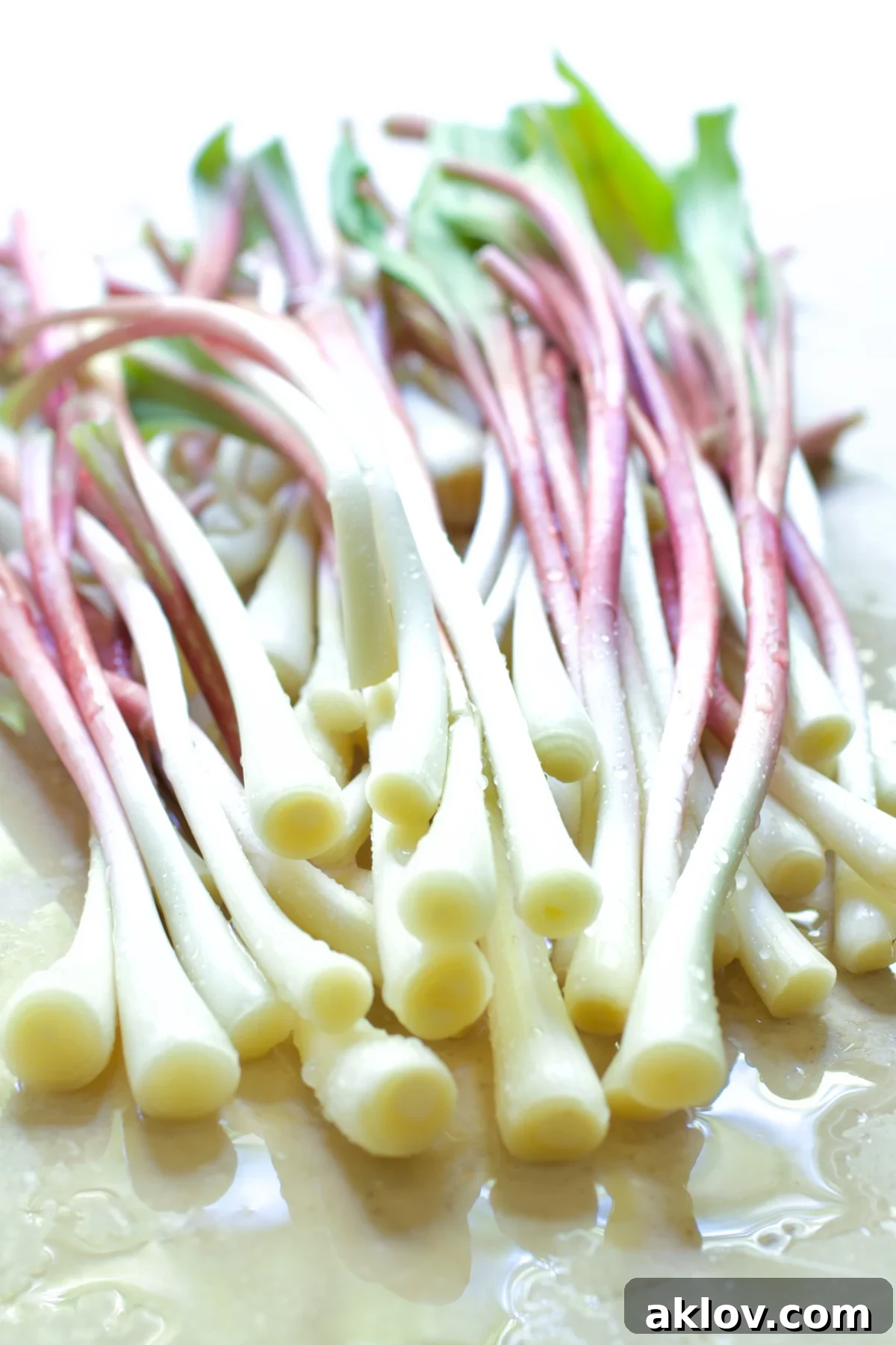
- Ramps: When selecting ramps, look for those with vibrant, dark green leaves that show no signs of wilting or discoloration. The stalks should ideally be thin, ranging from 10 to 14 inches in length, as thinner stalks tend to be more tender and less fibrous. Given that ramps grow in woodland soil, thorough cleaning is paramount. Expect them to be quite muddy upon harvest, so wash them meticulously under cold running water, removing all dirt from the bulbs and between the leaf layers.
- Fresno Chiles: These attractive peppers bear a strong resemblance to jalapeño peppers. They begin as a bright green and gradually transition to a fiery red as they mature. The red Fresno chiles are typically hotter and offer a sweeter, fruitier flavor profile compared to their green counterparts, making them excellent for a vibrant relish.
- Serrano Chiles: Serranos are another popular choice that looks similar to jalapeños but pack a significantly higher heat punch. They derive their name from the mountain ridges (sierras) in Mexico where they originated. Serranos are a staple in both Mexican and Southeast Asian cuisines, prized for their bright, clean heat.
- Important Note on Heat Management: The majority of the heat in hot chiles resides in their seeds and the white membrane (placenta) to which the seeds are attached. If you prefer a milder relish, it is highly recommended to remove these parts before chopping. Always exercise caution when handling hot peppers; wearing gloves is strongly advised to prevent skin irritation, and absolutely avoid touching your eyes or other sensitive areas after handling them. Wash your hands thoroughly with soap and water afterward.
- Mustard Seed: Both brown and yellow mustard seeds can be used in this recipe. Brown mustard seeds tend to have a slightly sharper, more pungent flavor, while yellow mustard seeds are milder and a bit sweeter. Feel free to use whichever you prefer or a combination of both for added complexity.
- Pickling Salt: Also known as canning salt, pickling salt is a finely granulated, pure salt free from any anti-caking agents or iodine. These additives, commonly found in table salt, can cause pickling brine to become cloudy and may even alter the flavor of your preserved goods. Its fine texture ensures it dissolves quickly and evenly in brines. If pickling salt is unavailable, pure kosher salt (ensure it’s not iodized or anti-caking) is an excellent substitute, though you might need to adjust the amount slightly as crystal sizes can vary.
- Vinegar: White distilled vinegar with 5% acidity is crucial for safe canning. Its clean flavor allows the ramp and pepper notes to shine. Apple cider vinegar can be used for a slightly fruitier taste, but ensure it also has 5% acidity.
- Sugar: Granulated sugar balances the acidity of the vinegar and the heat of the peppers, creating a well-rounded flavor profile. It also helps to preserve the relish.
- Celery Seed & Ground Turmeric: These spices contribute to the relish’s classic flavor and vibrant color. Celery seed adds a subtle savory note, while turmeric provides a beautiful golden hue and earthy undertone.
Detailed Step-By-Step Instructions:
Follow these clear steps to prepare your irresistible Ramp and Hot Pepper Relish:
- **Step 1: Preparation is Key.** Begin by gathering all your ingredients and necessary equipment. This ensures a smooth and efficient cooking process.
- **Step 2: Clean Your Ramps Meticulously.** If you haven’t done so already, thoroughly wash and clean the ramps. Pay special attention to removing all dirt and debris from the bulbs and between the leafy layers. Trim off the very root ends, leaving the clean white or purplish bulb.
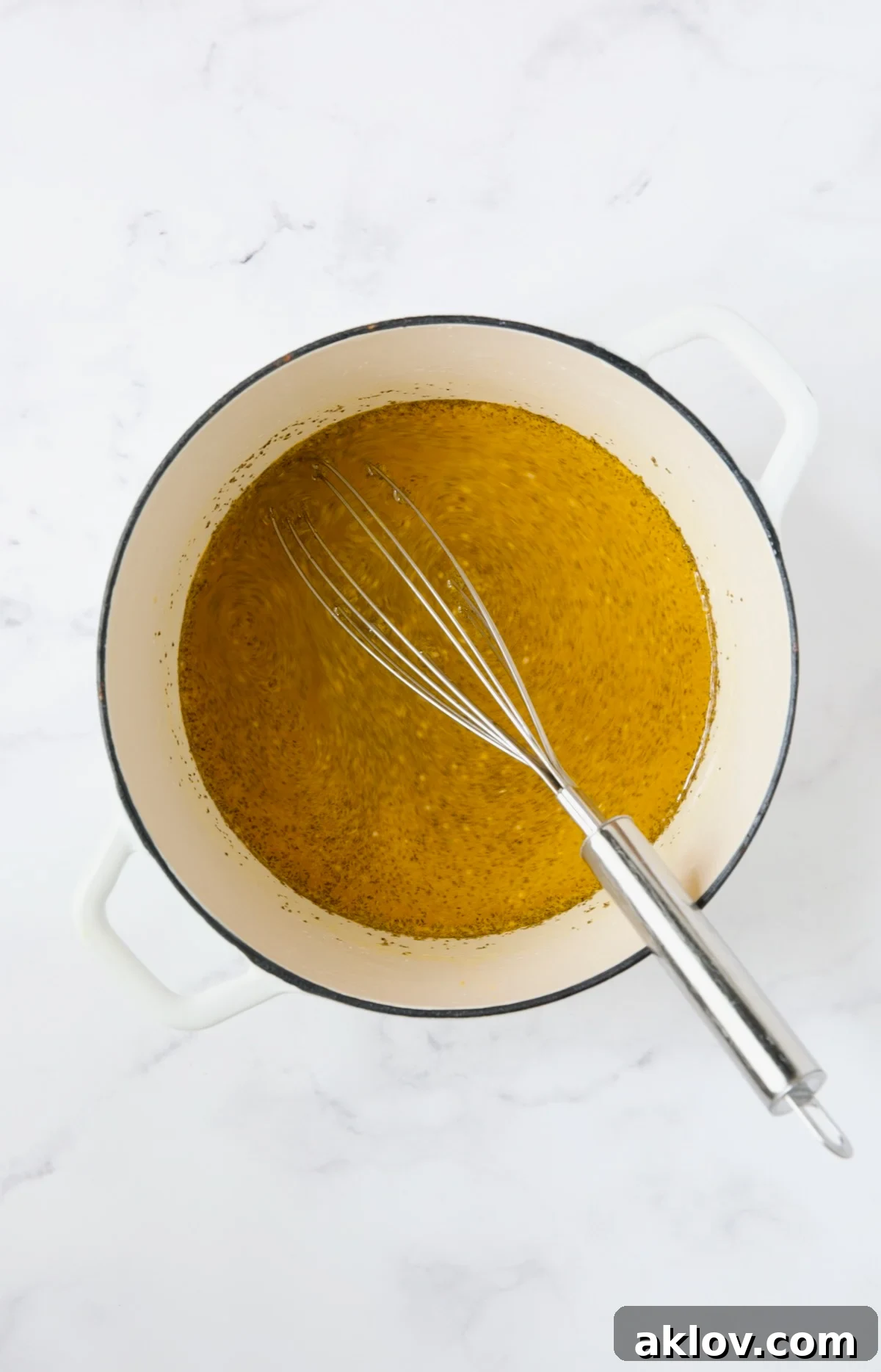
- **Step 3: Prepare the Brine.** In a non-reactive pot (such as stainless steel or enameled cast iron, which won’t react with the vinegar), combine the white distilled vinegar, water, sugar, pickling salt, yellow or brown mustard seeds, celery seed, and ground turmeric. Whisk these ingredients together thoroughly. Bring the mixture to a boil over medium-high heat, then reduce the heat to low and let it simmer gently. Continue to stir occasionally until both the sugar and salt are completely dissolved into the liquid, forming a clear brine. This typically takes a few minutes.
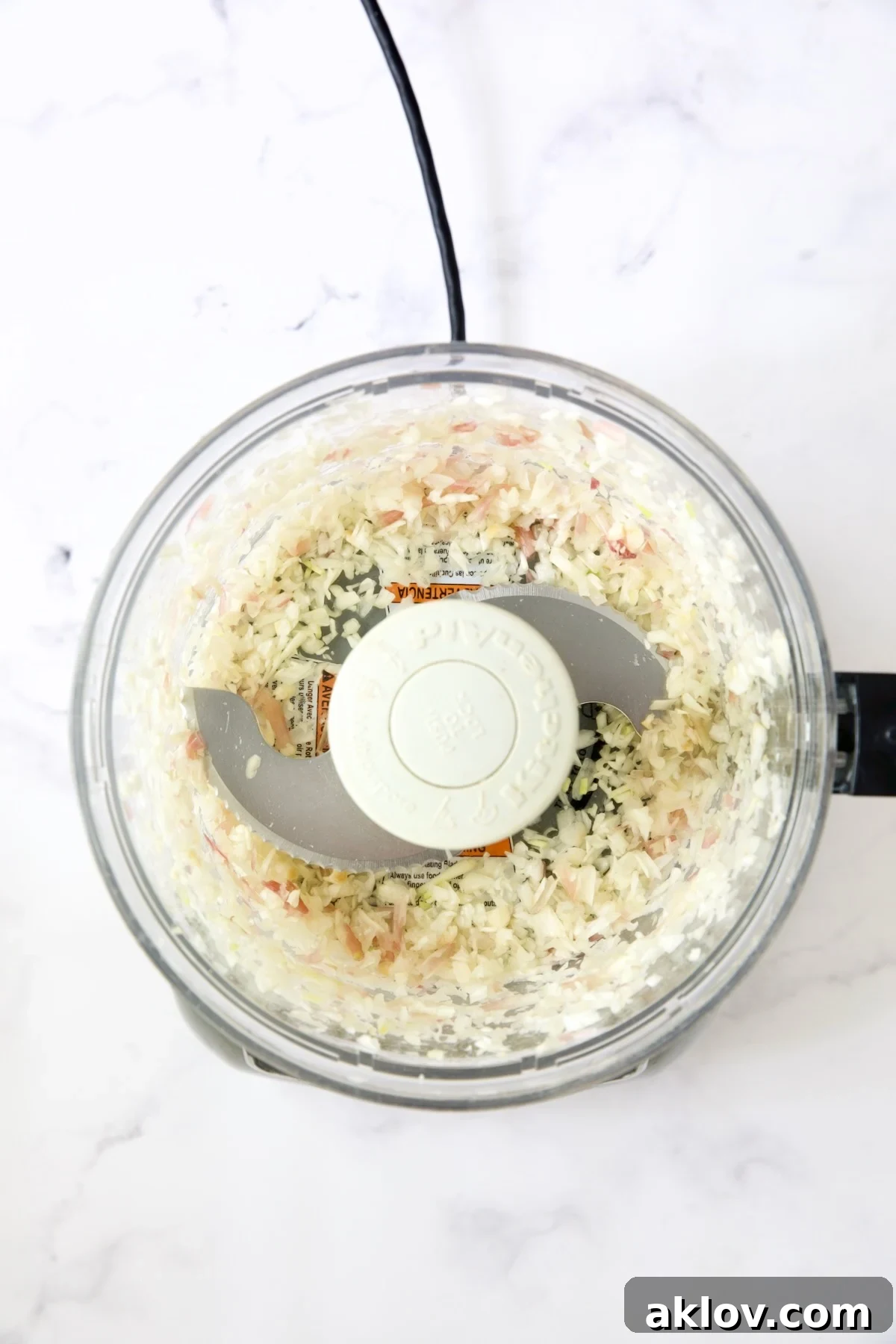
- **Step 4: Finely Chop the Ramps.** Place the cleaned ramps into a food processor. It’s best to work in small batches to ensure even chopping. Pulse the ramps until they are finely chopped but not pureed. Processing in small amounts gives you greater control over the texture, allowing you to achieve the desired consistency for your relish.
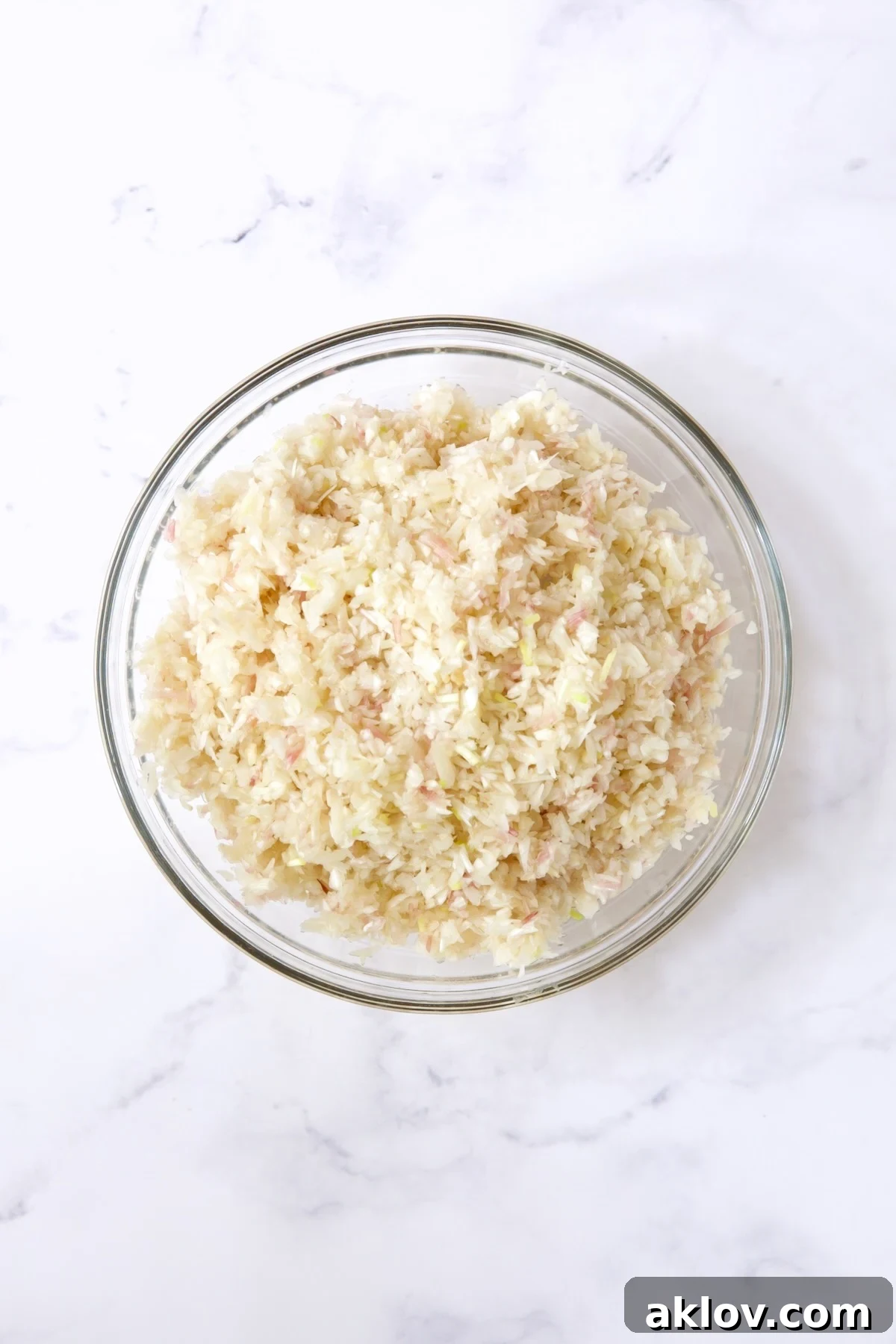
- **Step 5: Combine with Brine and Simmer.** Carefully transfer the finely chopped ramps, red bell pepper (finely chopped with seeds and membranes removed), Fresno chiles (finely chopped), serrano chiles (finely chopped), and minced garlic to the simmering brine in the pot. Stir well to combine all ingredients. Increase the heat to bring the mixture back to a rolling boil.
- **Step 6: Cook the Relish.** Once boiling, reduce the heat to medium-low and allow the relish to simmer for a steady 10 minutes. This simmering time allows the flavors to meld beautifully and the vegetables to soften slightly while retaining a pleasant texture.
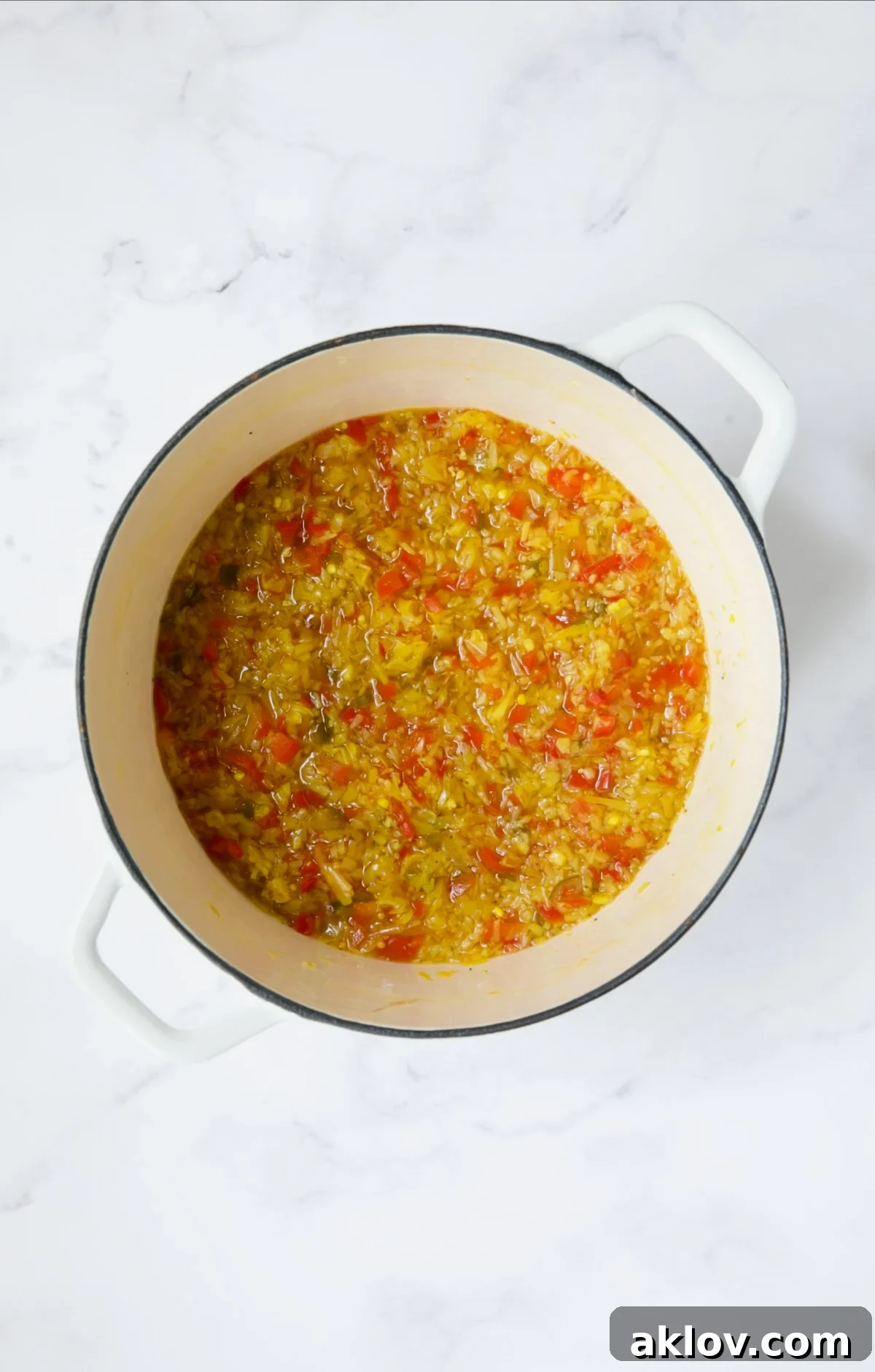
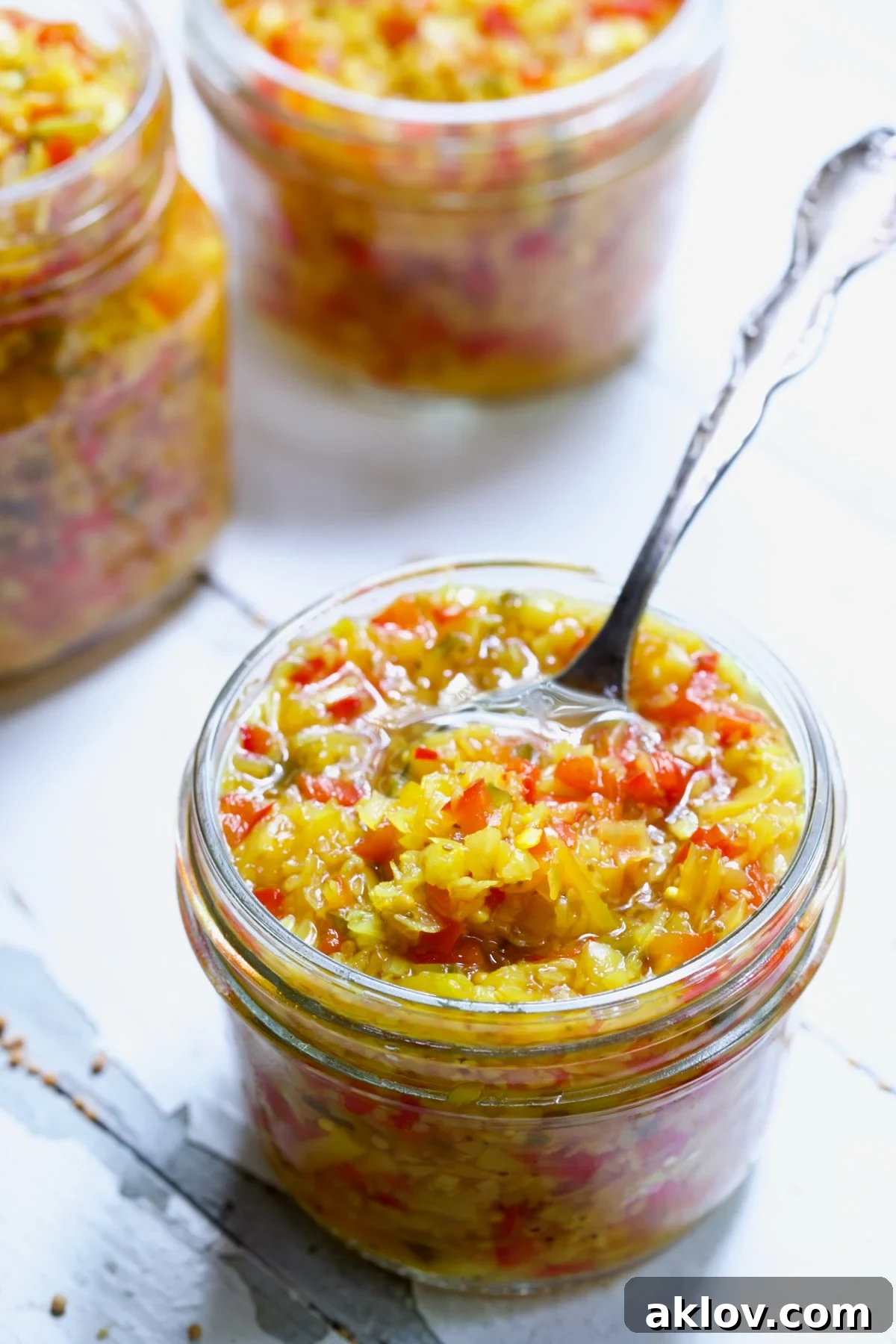
- **Step 7: Cool and Refrigerate for Short-Term Storage.** Remove the pot from the heat and allow the relish to cool completely to room temperature. Once cooled, transfer the relish into a clean, quart-sized glass jar, ensuring there’s about a ½-inch headspace from the rim. Seal tightly with a lid and refrigerate. This relish will keep well in the refrigerator for up to 3 months, offering fresh flavor whenever you need it.
- **Step 8: Water Bath Canning for Long-Term Preservation (Optional but Recommended).** For extended shelf life, especially if you’ve made a large batch, water bath canning is the ideal method. Transfer the hot relish into two sterilized pint jars or several half-pint jars, leaving ¼-inch headspace. Wipe the rims clean, center the lids, and apply screw bands until fingertip-tight. Process the jars in a boiling water bath canner for 10 minutes (adjusting for altitude if necessary). After processing, carefully remove the jars and let them cool undisturbed on a towel-lined counter for 12-24 hours. Check for proper seals; any unsealed jars should be refrigerated and consumed within 3 months. Properly sealed jars can be stored in a cool, dark place for up to 1 year.
Frequently Asked Questions About Ramp and Hot Pepper Relish
Absolutely! After a thorough cleaning and removing the very root ends, every part of the ramp is entirely edible and delicious. This includes the small white or purplish bulb, which resembles a spring onion, all the way up to the large, tender green leaves. The leaves are incredibly versatile; they can be used to make a vibrant ramp pesto, sautéed or braised like any other green, or incorporated into dishes like omelets, frittatas, quiches, or even served simply as a flavorful side dish on their own.
Yes, ramps can be successfully frozen to preserve their flavor, but they require a quick blanching process first. To blanch the ramp bulbs, immerse them in boiling water for about 15-20 seconds. Immediately transfer them to an ice-water bath to stop the cooking process and preserve their vibrant color and texture. Once cooled, blot them thoroughly dry with paper towels, then pack them into freezer-safe bags or containers, removing as much air as possible. Frozen ramp bulbs can indeed be used to make this ramp relish recipe. However, note that frozen vegetables tend to soften slightly upon thawing, so you might prefer to hand-chop them rather than using a food processor to maintain a desired texture. The blanched leaves can also be frozen and later used for pesto or cooking.
Fresh ramps are best used as soon as possible, but they can be stored for a few days. Wrap the unwashed ramps loosely in a damp paper towel and place them in an open plastic bag in the crisper drawer of your refrigerator. They typically stay fresh for 3-5 days. Wash them thoroughly just before use.
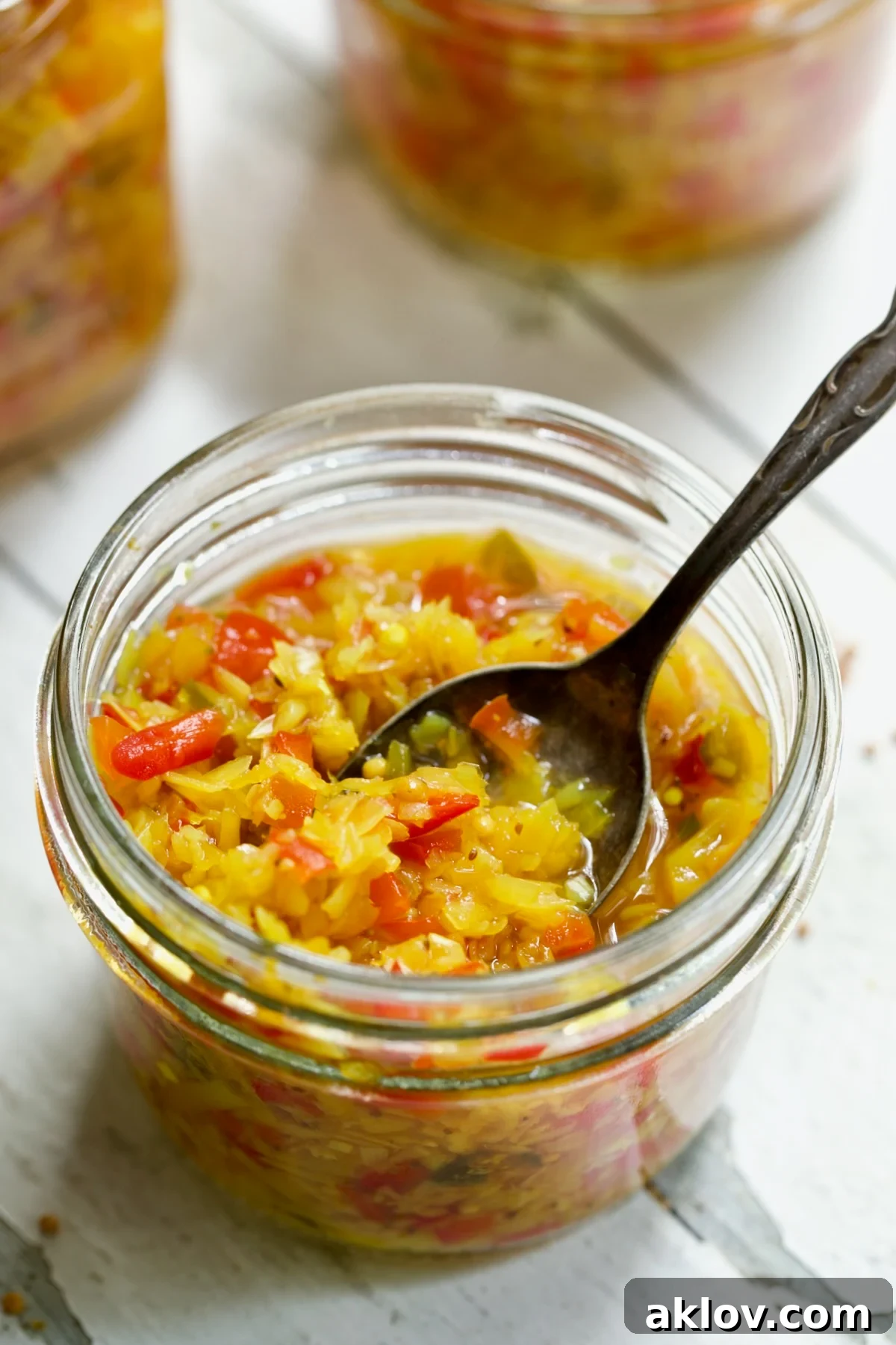
This relish is incredibly versatile! Beyond hot dogs and burgers, try stirring it into cream cheese for a savory spread, mixing it with mayonnaise for a unique sandwich condiment, or using it as a glaze for roasted chicken or pork. It can also be added to scrambled eggs, mixed into salad dressings for an extra kick, or served alongside grilled fish or steaks. Don’t forget to try it folded into a simple rice or grain bowl for an instant flavor boost!
Expand Your Pantry: More Great Pickled Vegetable Recipes
If you enjoy the vibrant flavors and extended shelf life that pickling offers, you’ll love exploring these other fantastic pickled vegetable recipes. They’re perfect for adding a burst of tangy goodness to your meals:
- Pickled Cherry Tomatoes
- Quick Pickled Beets with Dill
- Quick Pickled Brussels Sprouts with Jalapeno
- Pickled Ramps Recipe
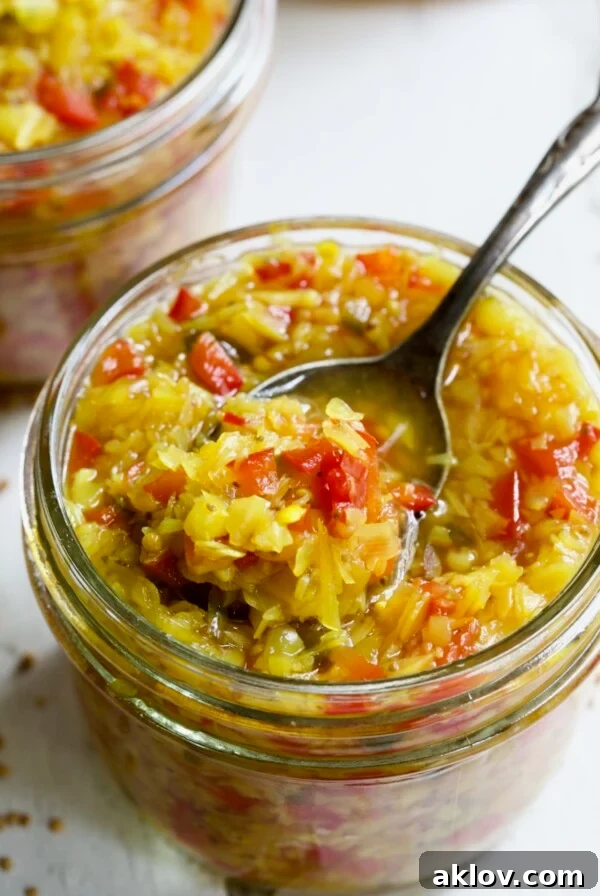
Ramp and Hot Pepper Relish Recipe
Equipment
-
Wusthof Chef Knife
-
Cutting Board
-
Food Processor
-
Saucepan (non-reactive)
-
Pint Canning Jars (or half-pint)
-
Water Bath Canner (for long-term storage)
Ingredients
- 1 cup white distilled vinegar (5% acidity)
- 1 cup water
- 1/2 cup granulated sugar
- 2 tablespoons pickling salt, or kosher salt (without anti-caking agents)
- 2 teaspoons yellow or brown mustard seeds
- 1 teaspoon celery seed
- 1/2 teaspoon ground turmeric
- 1 pound ramp bulbs, (after tops and root ends are removed), thoroughly washed and cleaned
- 1 large red bell pepper, seeds and membranes removed, finely chopped
- 1 Fresno chile, finely chopped (seeds optional for less heat)
- 2 Serrano chiles, finely chopped (seeds optional for less heat)
- 4 large cloves garlic, minced
Instructions
-
In a non-reactive pot (like stainless steel or enameled cast iron), whisk together the vinegar, water, sugar, pickling salt, mustard seeds, celery seed, and turmeric. Bring to a boil, then reduce heat to low and simmer until sugar and salt are completely dissolved.
-
Working in batches, place the cleaned ramps in a food processor and pulse until finely chopped. Avoid over-processing into a paste.
-
Add the chopped ramps, red bell pepper, Fresno chiles, serrano chiles, and minced garlic to the simmering brine. Bring the mixture back to a boil.
-
Reduce the heat to medium-low and simmer the relish for 10 minutes, allowing the flavors to meld.
-
Remove from heat and let the relish cool completely to room temperature. Transfer to a clean quart-sized jar, leaving ½-inch headspace, and refrigerate for up to 3 months.
-
For longer-term storage through canning: Transfer the hot relish into two sterilized pint jars (or several half-pint jars), leaving ¼-inch headspace. Wipe rims, center lids, and apply screw bands fingertip-tight. Process in a boiling water bath canner for 10 minutes (adjust for altitude). Cool undisturbed for 12-24 hours. Check seals before storing in a cool, dark place for up to 1 year.
Notes on Water Bath Canning
- Ensure all jars, lids, and bands are clean and sterilized according to standard canning practices.
- Fill jars with hot relish, maintaining the specified ¼-inch headspace.
- Remove any air bubbles with a non-metallic utensil.
- Wipe jar rims thoroughly to ensure a clean sealing surface.
- Process jars in a boiling water bath canner for the full 10 minutes. Begin timing once the water has returned to a full rolling boil.
- Adjust processing time for altitudes above 1,000 feet: add 1 minute for every 1,000 feet of altitude.
- After processing, carefully remove jars and let them cool on a wire rack or towel for 12-24 hours without disturbing. Check for proper seals (lids should be concave and not flex when pressed).
Nutrition Information
Nutritional values are automatically calculated using unbranded products and are estimates only. Actual results may vary based on ingredients used and portion sizes. Adjust as needed for dietary restrictions, allergies, or health concerns.
 Like this? Leave a comment below!