
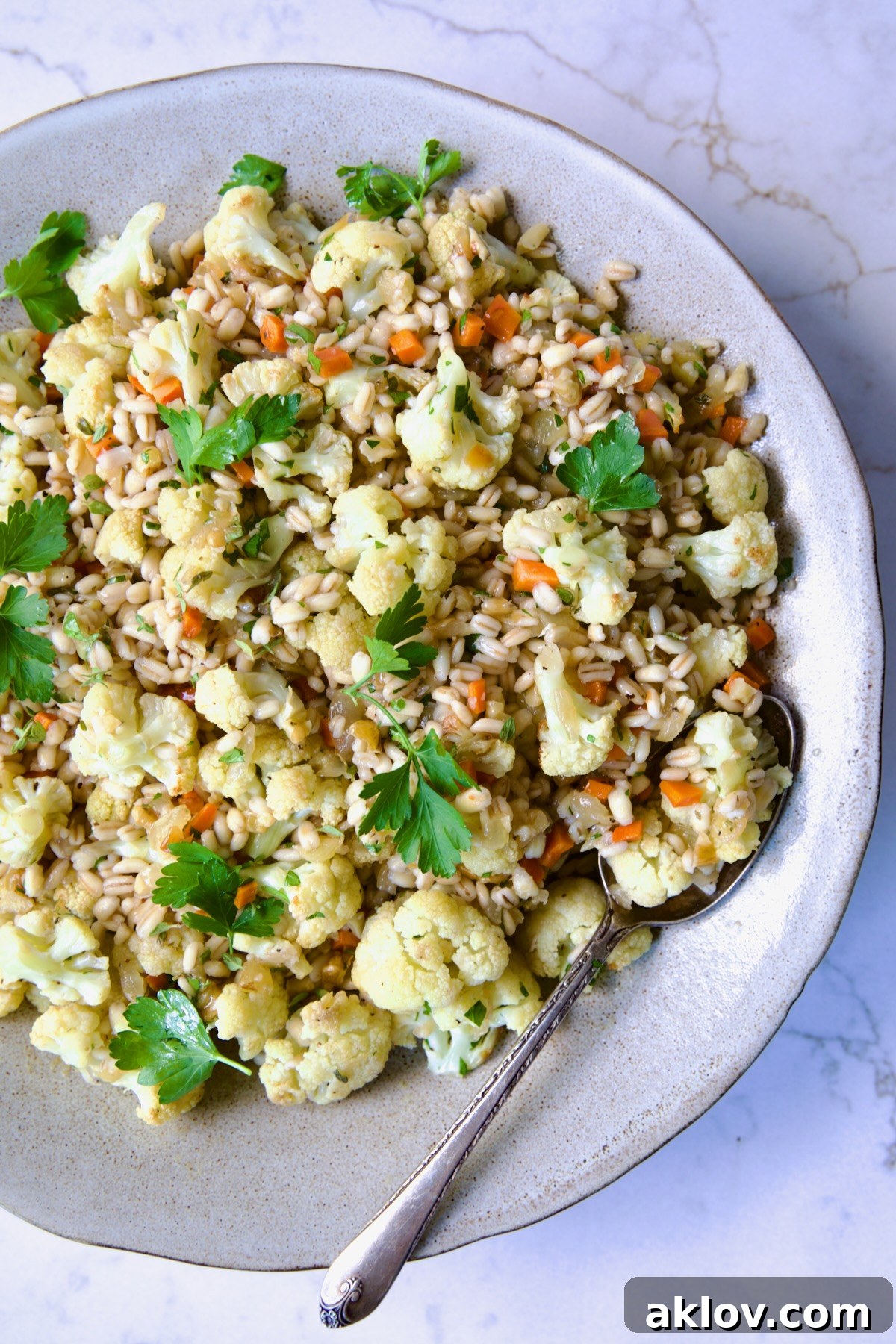
Barley Pilaf with Roasted Cauliflower: A Wholesome and Flavorful Side Dish
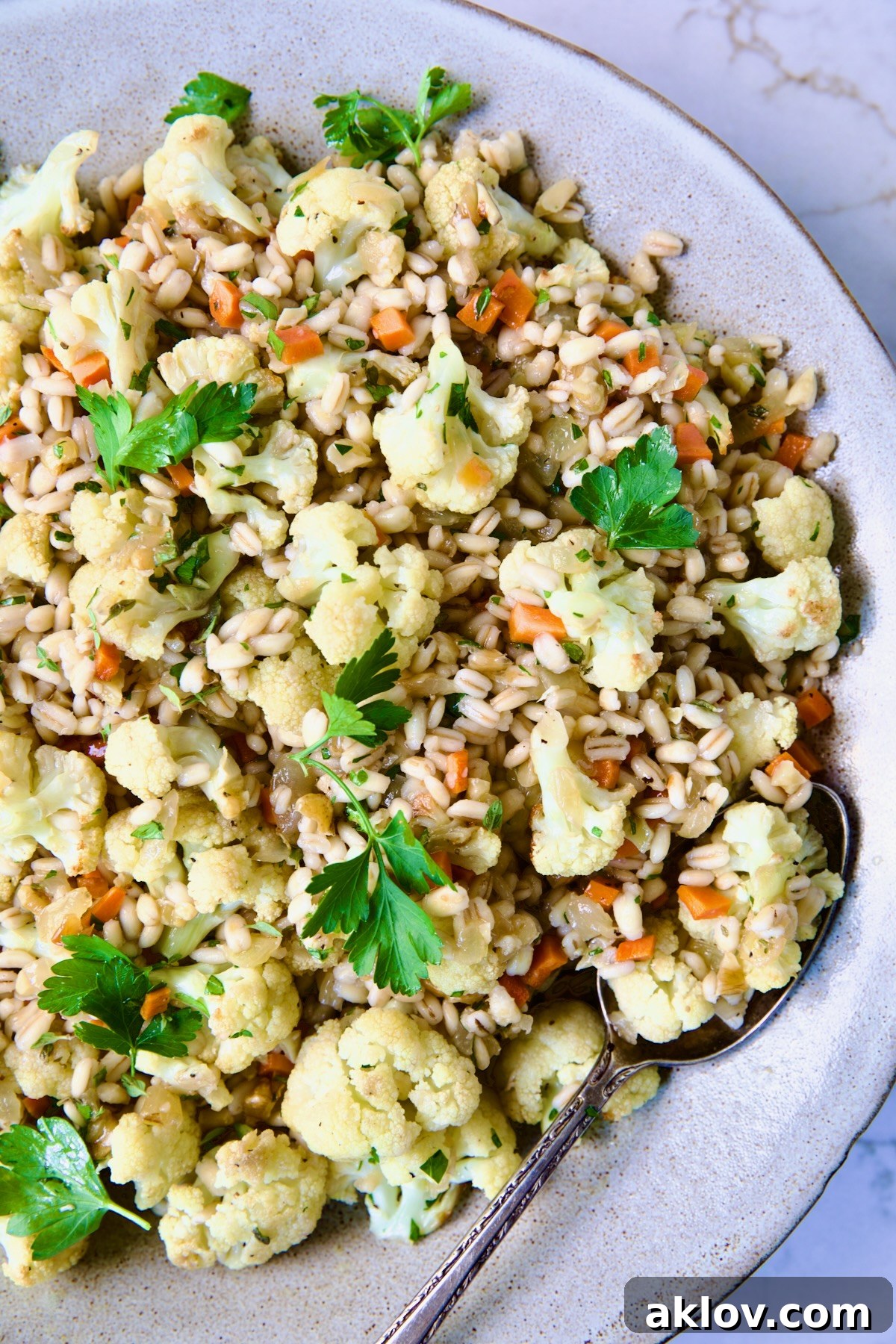
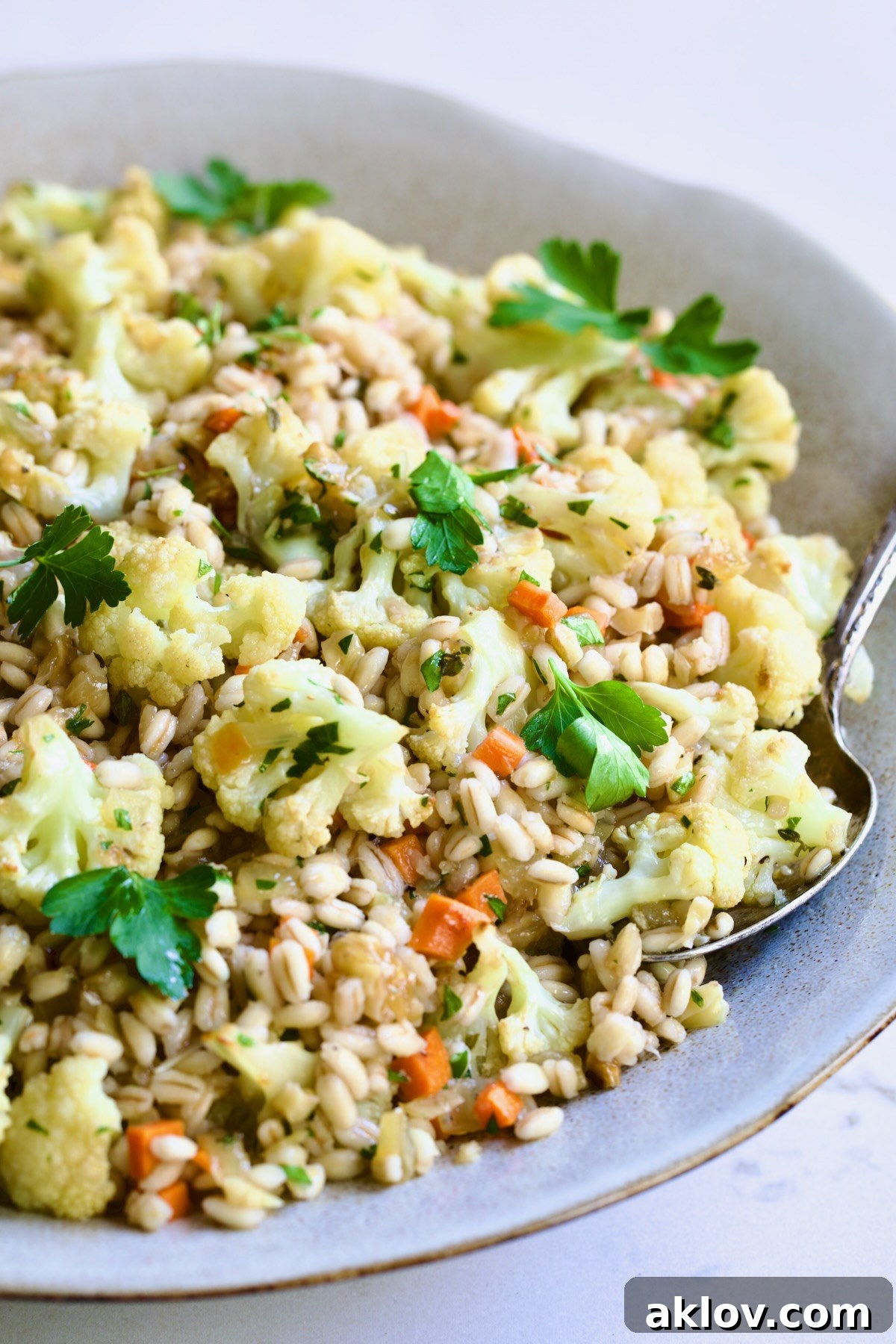
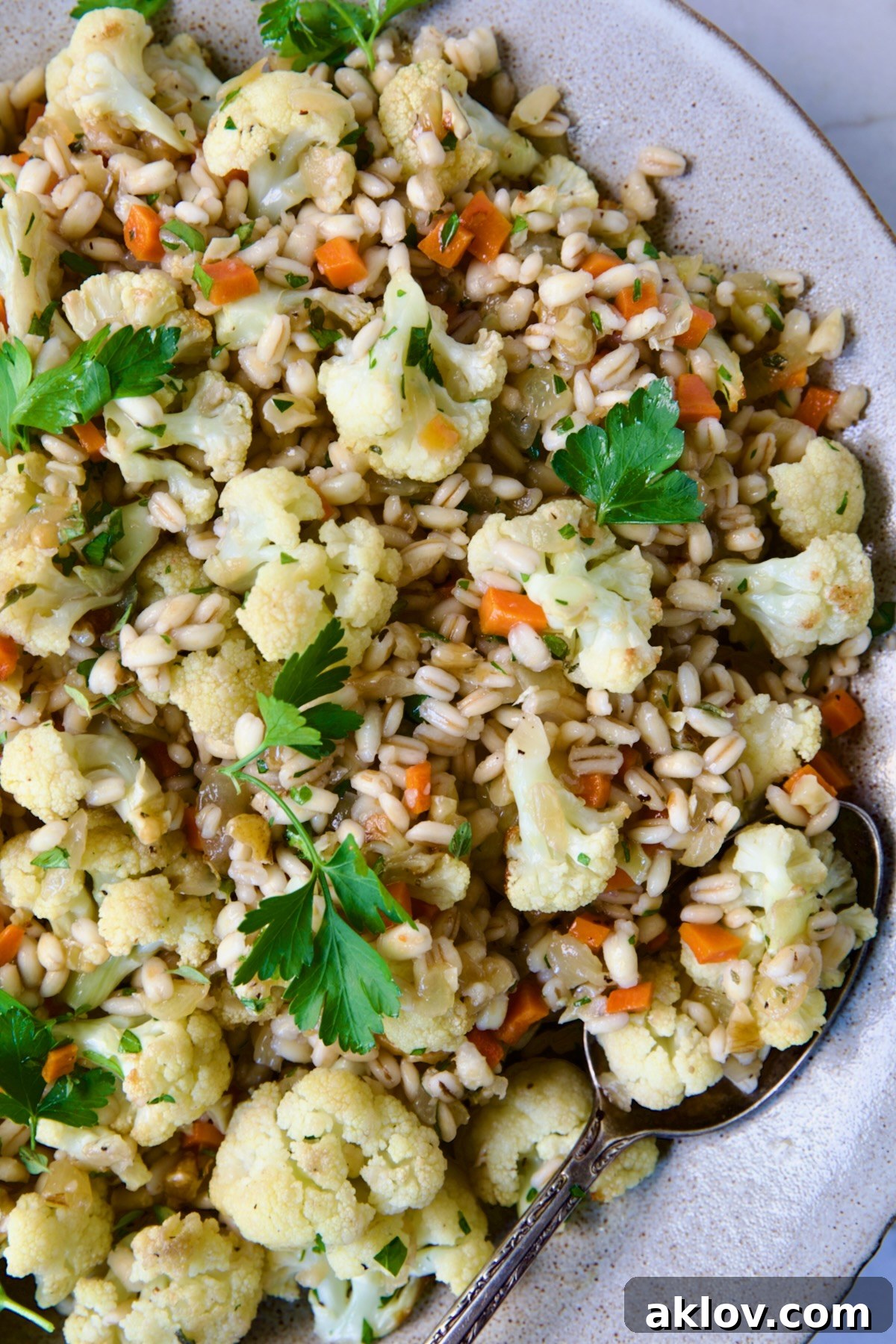
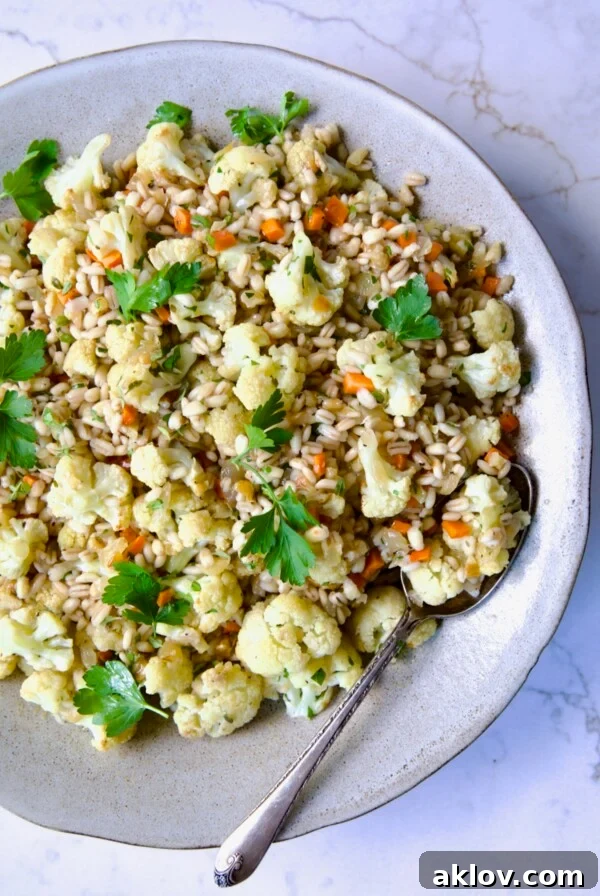
Discover the ultimate elegant side or a satisfying vegetarian main with this incredible **barley pilaf** recipe. It’s not only simple to prepare but also incredibly versatile, pairing beautifully with a wide array of dishes. Imagine tender, caramelized roasted cauliflower and delightfully chewy barley, perfectly melded with a fragrant medley of sautéed aromatics and fresh herbs. This dish transforms a simple grain into a gourmet experience, making it a staple for both weeknight dinners and special occasions.
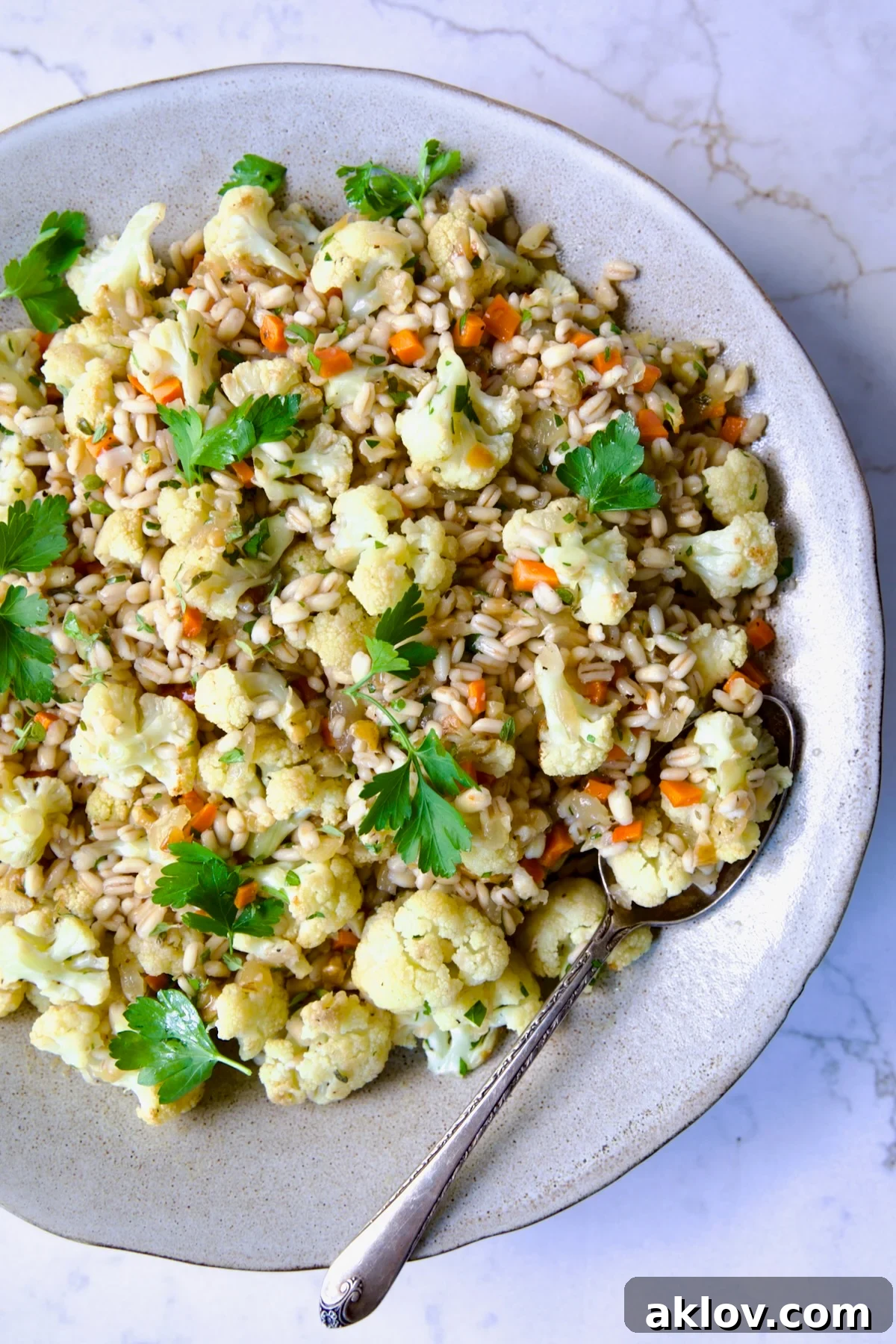
Why This Roasted Cauliflower Barley Pilaf Recipe is a Culinary Gem!
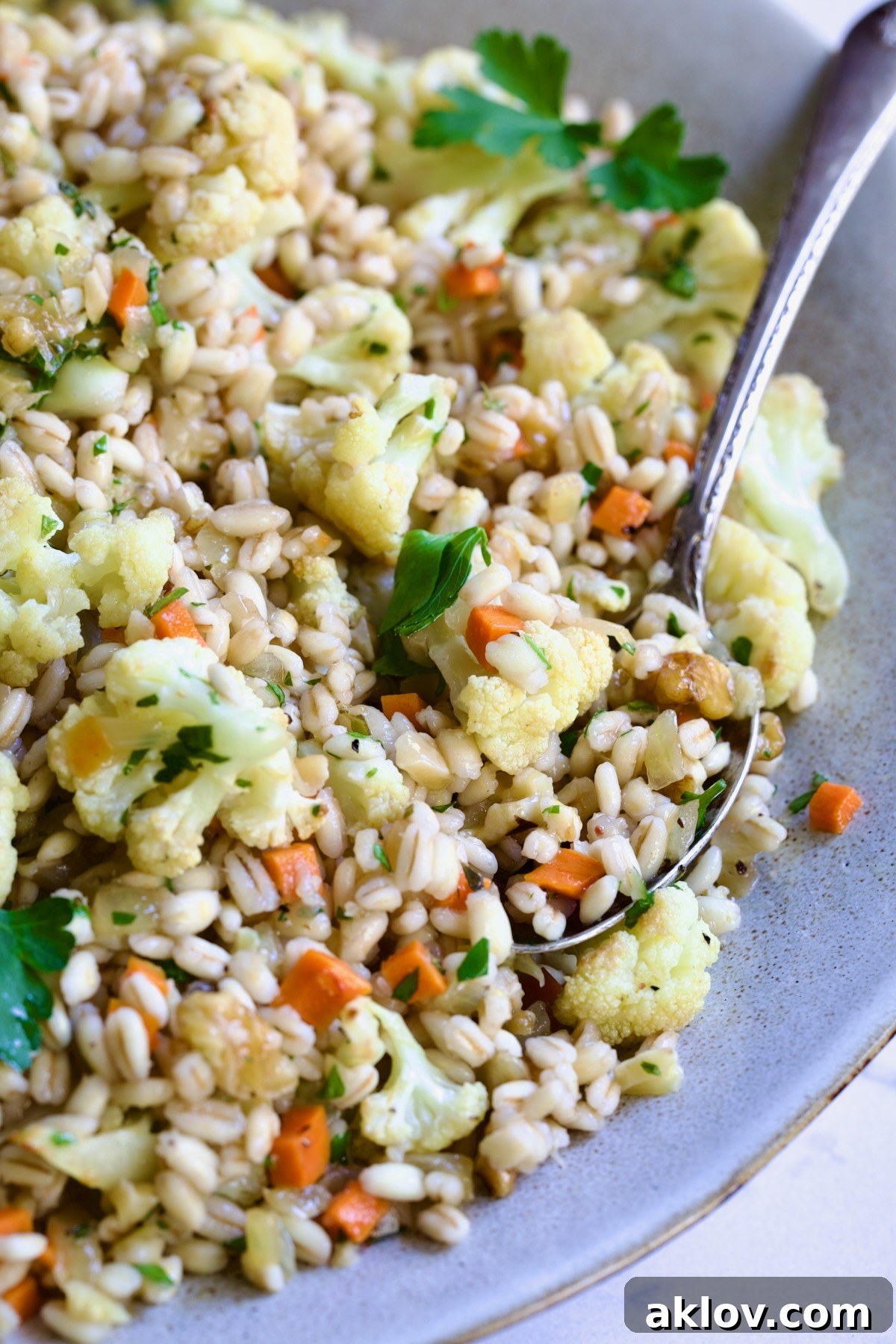
Pilafs are celebrated as exceptional side dishes, offering a hearty and flavorful way to incorporate wholesome grains into any meal. Their simple yet profound flavors allow them to complement an extensive range of main courses. This particular barley pilaf recipe, featuring tender roasted cauliflower, stands out as a unique and elevated twist on the classic pilaf. It masterfully uses rich broth, a blend of carefully selected spices, and fragrant aromatics to imbue the grains with deep, nuanced flavors.
The magic truly begins with the cauliflower. Roasting it to a beautiful caramelization creates sweet, nutty notes and crispy edges that add an irresistible depth to the entire dish. Aromatic foundations of sweet onion, pungent garlic, and earthy carrots kick off the flavor journey, building a robust base. A final touch of red wine vinegar introduces a delightful tanginess, brightening the overall profile and preventing the dish from feeling heavy. To complete this symphony of textures and tastes, a generous handful of crunchy walnuts and vibrant fresh parsley provides a satisfying bite and a burst of herbaceous freshness.
This Roasted Cauliflower Barley Pilaf recipe is truly special for several compelling reasons:
- Wholesome & Nutrient-Rich: Barley is a nutritional powerhouse, packed with dietary fiber essential for digestive health. Combined with the abundant vegetables and fresh ingredients, this dish offers a wealth of vitamins, minerals, and antioxidants, making it a truly healthy choice for your family.
- Incredibly Delicious & Flavorful: Every spoonful is a delight. The slow sautéing of aromatics, combined with the absorption of savory chicken or vegetable broth, ensures that each grain of barley and every florets of cauliflower is infused with an explosion of rich, satisfying flavor. The interplay of sweet, savory, and tangy notes creates a harmonious culinary experience.
- Remarkably Versatile & Customizable: This recipe is a culinary chameleon, easily adaptable to various dietary needs and preferences. For a dairy-free or completely vegetarian option, simply swap traditional butter for a plant-based alternative and use vegetable broth instead of chicken broth. For those looking to explore other grains, farro makes an excellent substitute for barley, offering a similar chewy texture and nutty flavor profile.
- Excellent for Meal Prep & Storage: One of the best qualities of this pilaf is how well it stores. Leftovers remain wonderfully delicious and can be enjoyed reheated for another warm meal or even served chilled as a refreshing and hearty grain salad. Its robust nature makes it perfect for packing in lunches or enjoying as a quick snack.
Crafting the Perfect Barley Pilaf with Roasted Cauliflower: A Step-by-Step Guide
Essential Recipe Ingredients:
Gathering the right ingredients is the first step to culinary success. Here’s a comprehensive list of everything you’ll need to create this delectable barley pilaf. Precise quantities are detailed in the recipe card at the end of this guide.
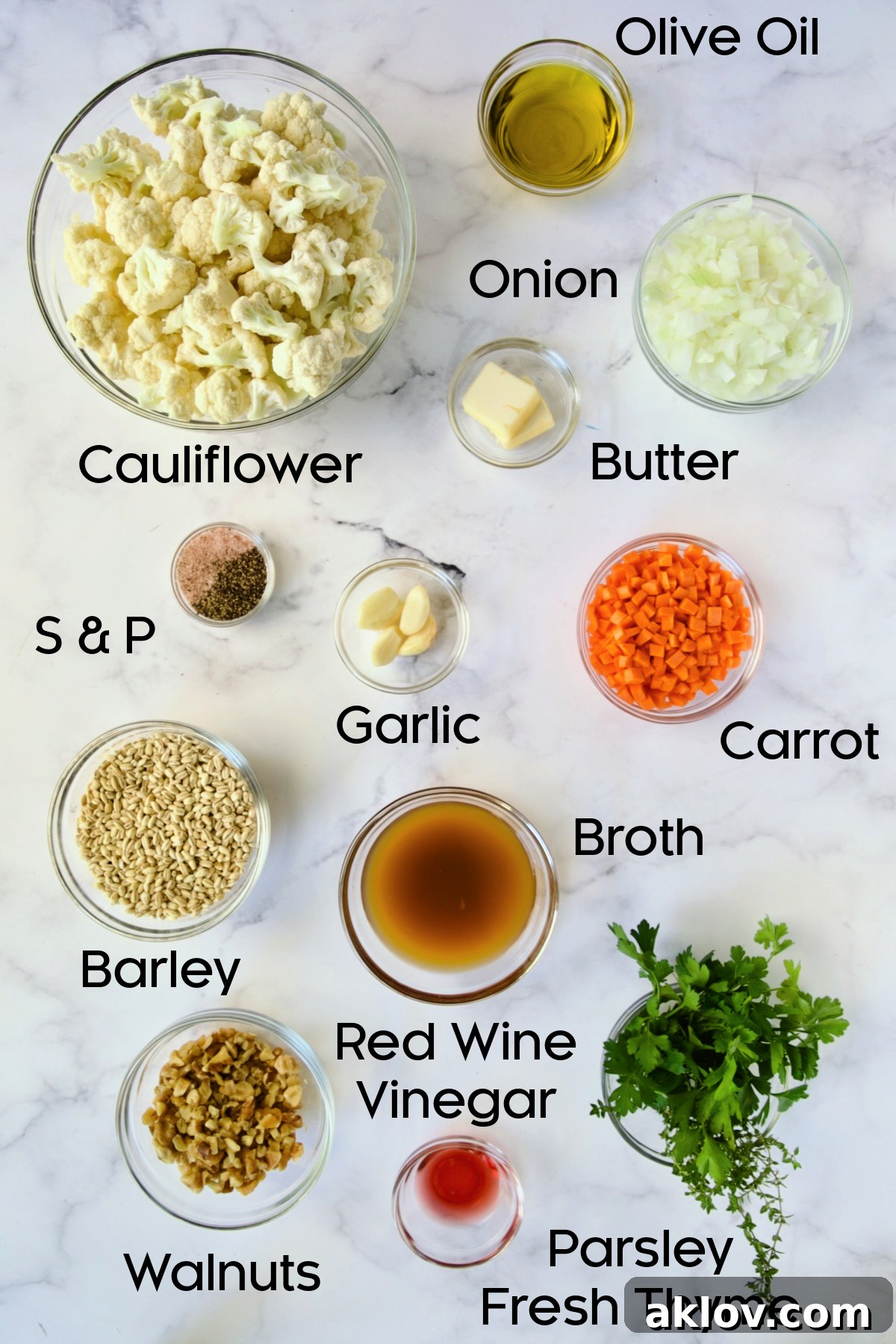
Ingredient Notes and Smart Substitutions:
Understanding each ingredient and its role will help you achieve the best flavor and allow for creative substitutions.
- Cauliflower: This recipe calls for one medium-sized head of cauliflower, cut into uniform 1-inch florets for even roasting. While classic white cauliflower is used here, feel free to experiment with vibrant purple, orange, or Romanesco varieties for a visually stunning dish and subtle flavor differences.
- Onion: Yellow onions are a staple for their balanced flavor and sweetness when sautéed. However, red onion offers a sharper, slightly sweeter profile, especially when caramelized, and two shallots can provide a more delicate, refined onion flavor if you prefer.
- Pearled Barley: Pearled barley is the star grain here. It’s undergone a process where its outer layers of husk and bran have been removed, resulting in a quicker cooking time and a tender, slightly chewy texture that is fantastic in pilafs. It’s the most common type found in grocery stores. For those requiring a gluten-free alternative, short-grain brown rice or quinoa are excellent choices, offering their own unique textures and nutritional benefits.
- Broth: High-quality chicken or vegetable broth forms the flavorful base for this pilaf. Opt for low-sodium varieties to control the seasoning precisely. Vegetable broth is essential for making this dish vegetarian or vegan.
- Fresh Thyme: Fresh thyme adds an earthy, aromatic note that truly elevates the dish. Its flavor holds up beautifully, especially when added towards the end of cooking to maintain its brightness. If fresh thyme isn’t available, dried thyme can be used; remember to add it earlier in the sautéing process to allow it sufficient time to rehydrate and meld its flavors into the dish. Use approximately half the amount of dried thyme compared to fresh.
- Red Wine Vinegar: A splash of red wine vinegar, made from fermented red wine, is a secret weapon in this recipe. Its bright, acidic tang cuts through the richness of the pilaf, adding a layer of complexity and a refreshing finish that truly balances the nutty barley and sweet cauliflower.
- Walnuts: Chopped walnuts contribute a wonderful crunch and a distinct earthy, slightly bitter flavor that complements the other ingredients. If walnuts aren’t your preference or you have dietary restrictions, toasted pecans or hazelnuts are fantastic substitutes. For a nut-free option, consider sunflower seeds or pumpkin seeds (pepitas) for similar textural contrast.
- Olive Oil & Butter: The combination of olive oil for roasting and sautéing, along with butter for richness, provides a depth of flavor. For a dairy-free option, use only olive oil or a plant-based butter alternative.
Detailed Step-By-Step Instructions for Your Culinary Journey:
Follow these clear and concise steps to create a truly memorable barley pilaf.
- Preparation is Key: Begin by gathering and meticulously prepping all your ingredients. This mise en place ensures a smooth and enjoyable cooking process. Dice your onions and carrots, mince the garlic, and cut your cauliflower into even florets.
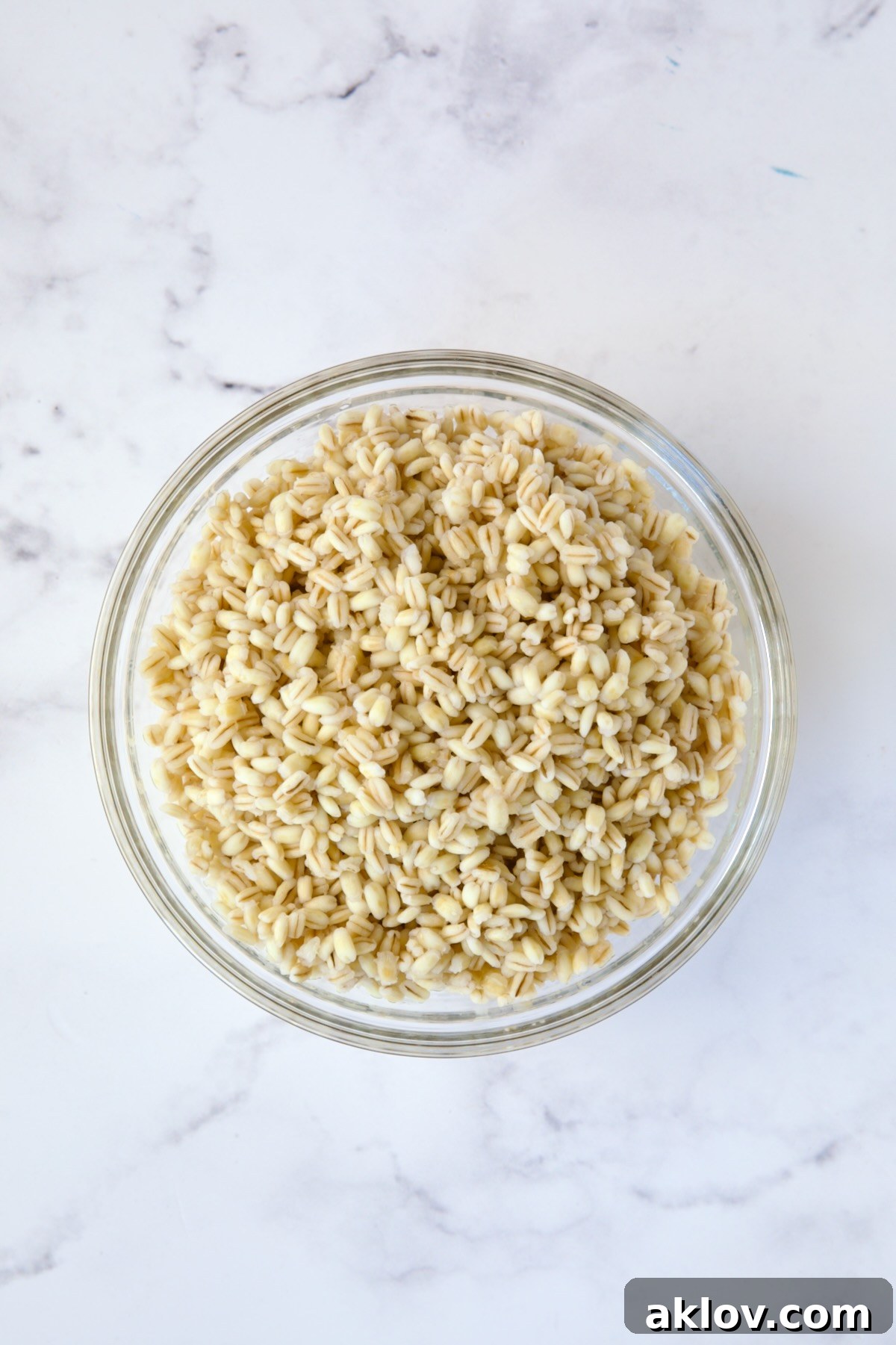
- Cook the Barley: In a medium saucepan, bring a generous amount of salted water to a rolling boil. Add the pearled barley and cook according to the package directions. It’s crucial to consult your barley package, as cooking times can vary significantly between brands. You’re aiming for tender yet pleasantly chewy grains. Once cooked, drain thoroughly and set aside.
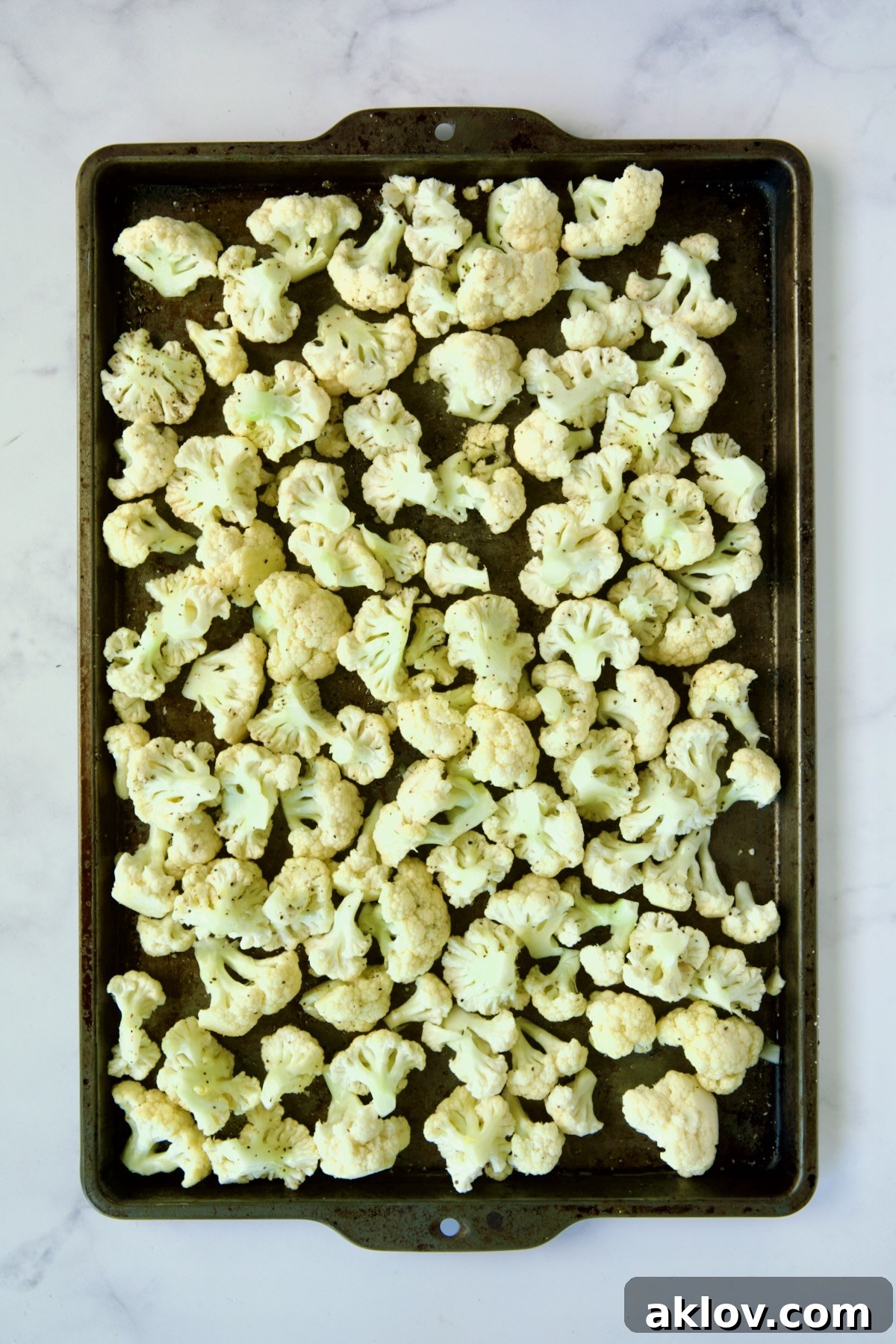
- Roast the Cauliflower: Preheat your oven to a robust 400 degrees Fahrenheit (200 degrees Celsius). In a large bowl, toss the cauliflower florets with half of the olive oil. Season generously with salt and freshly ground black pepper, ensuring each piece is lightly coated.
- Achieve Golden Perfection: Spread the seasoned cauliflower in a single layer onto a rimmed baking sheet. Roast in the preheated oven for approximately 20 to 25 minutes, or until the cauliflower florets are beautifully tender and exhibit a delightful light charring around the edges, indicating maximum flavor development.

- Sauté the Aromatics: While the barley simmers and the cauliflower roasts, heat the butter and the remaining olive oil in a large skillet or sauté pan over medium heat. Allow the butter to melt and the oil to shimmer.
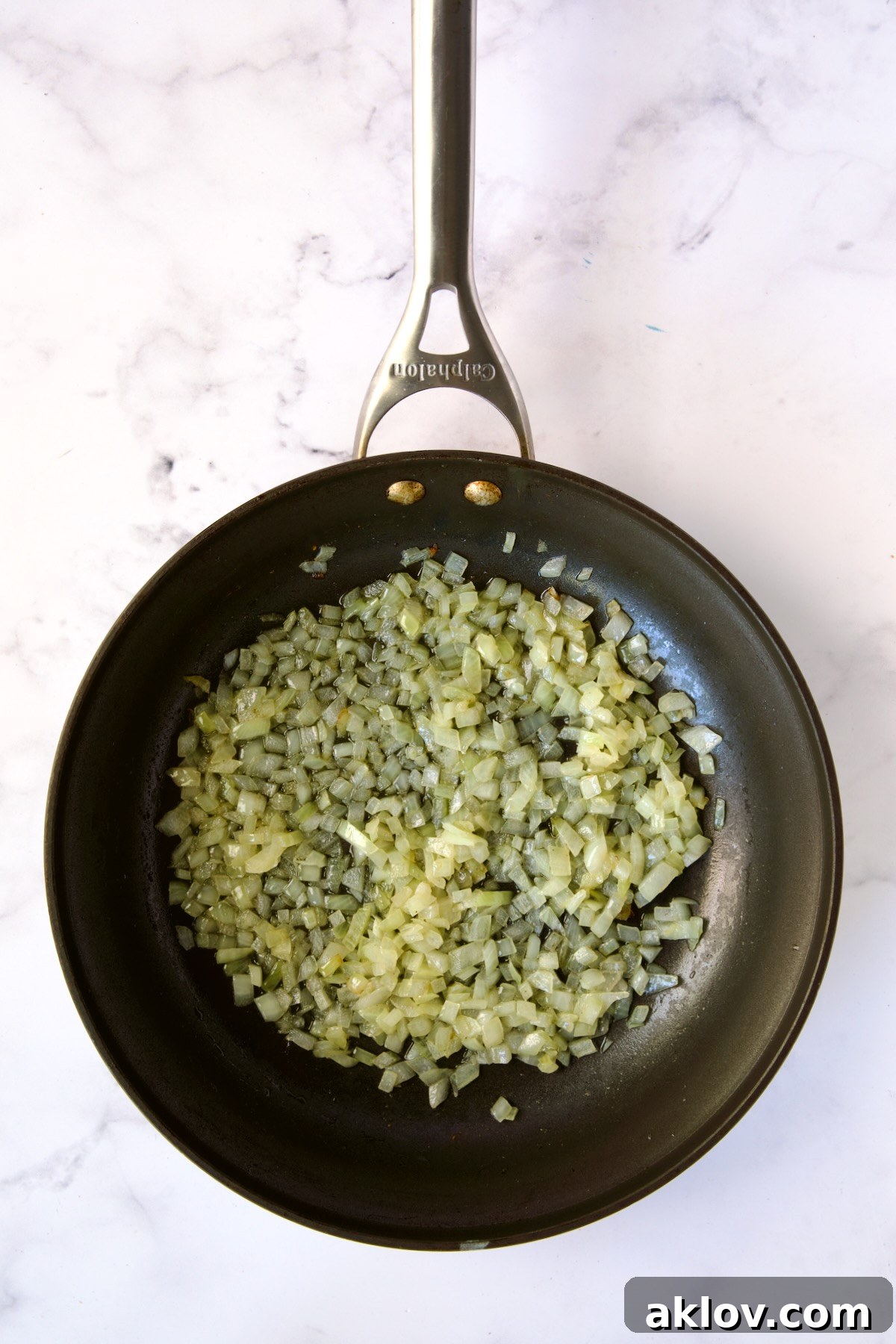
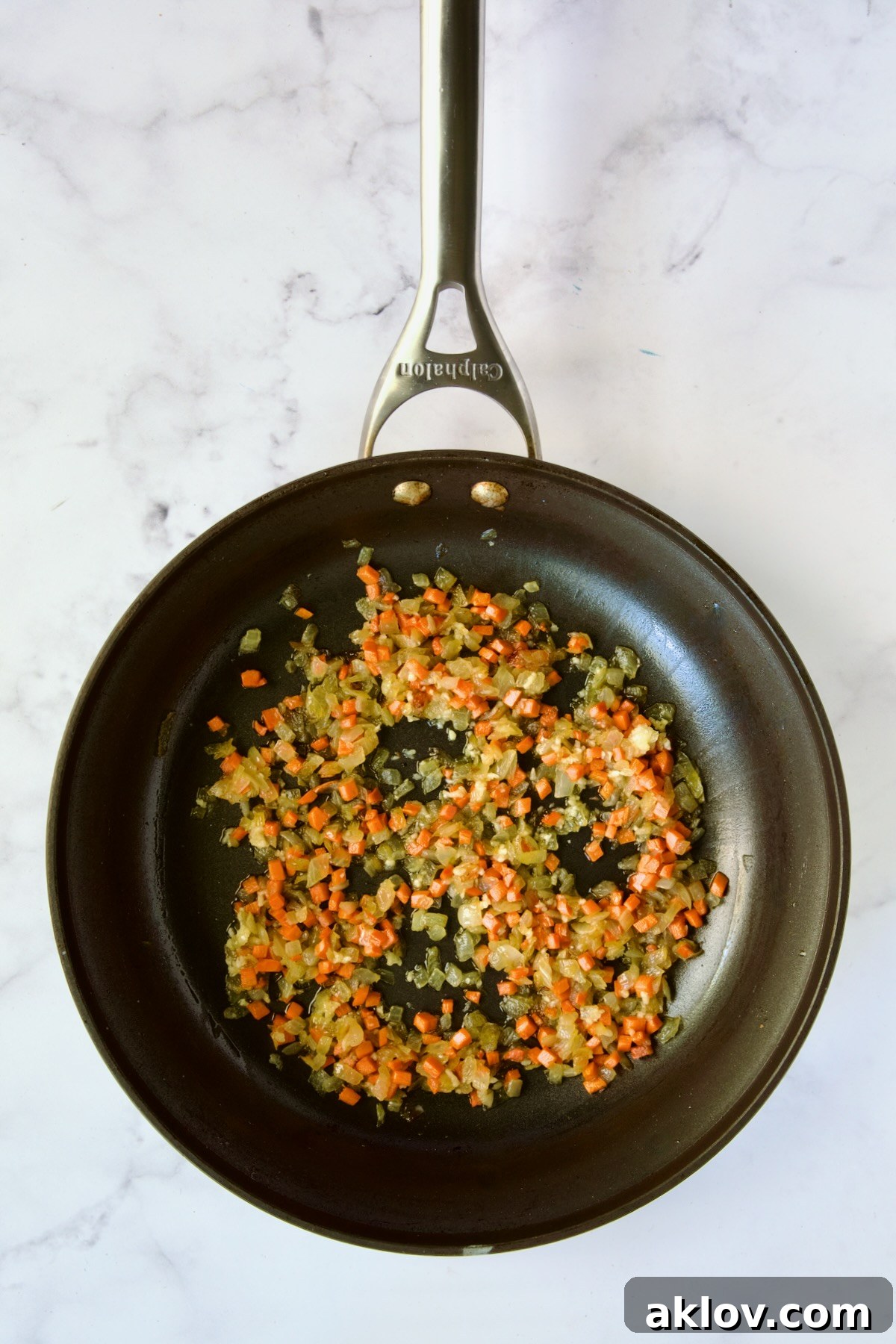
- Build the Flavor Base: Add the finely chopped onion to the skillet and cook, stirring occasionally, for 5 to 6 minutes until it softens and becomes translucent, releasing its sweet aroma. Next, add the minced garlic and chopped carrot. Continue to cook for another 4 to 5 minutes, stirring frequently, until both the onion and carrot are thoroughly softened and fragrant.
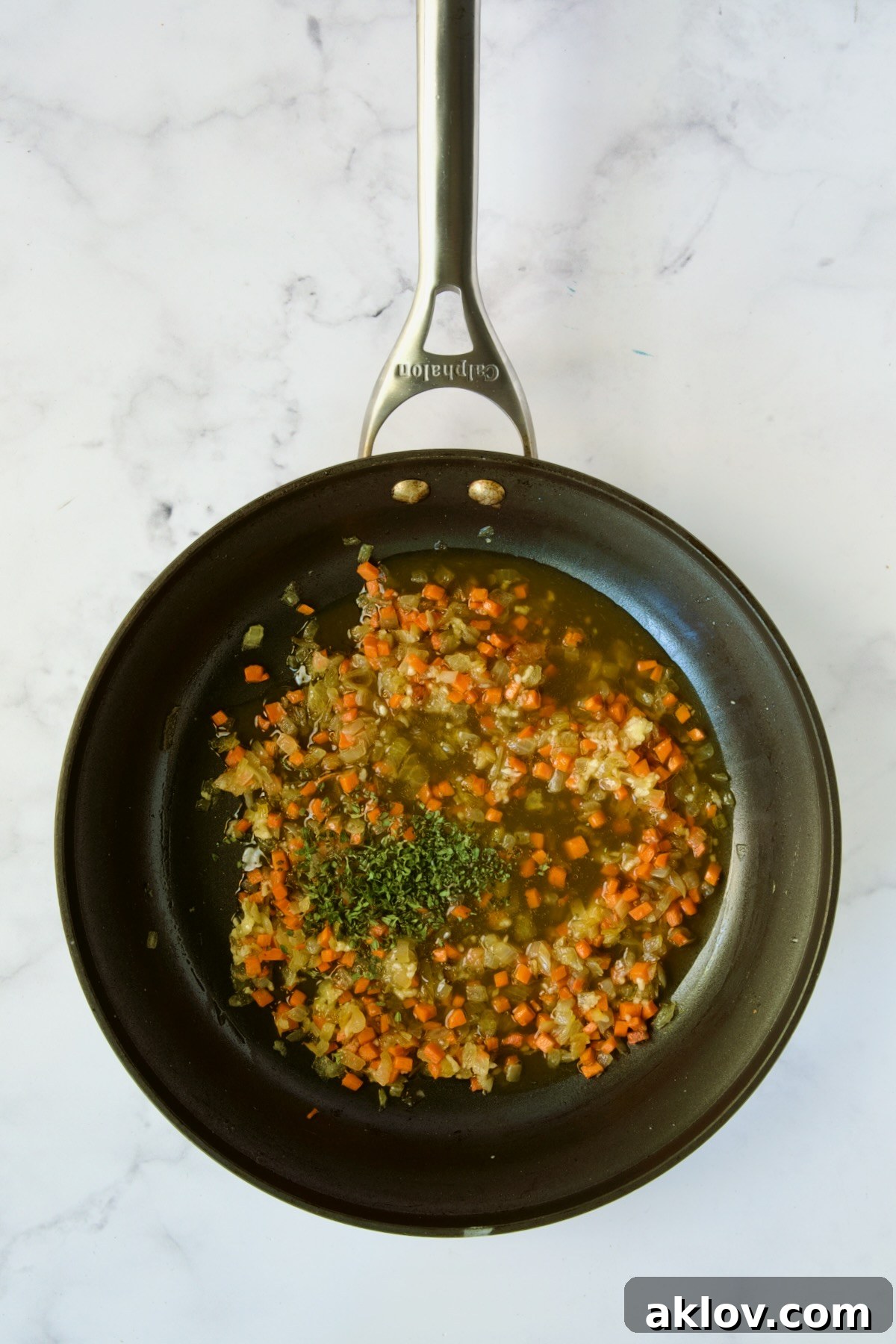
- Infuse with Broth and Tang: Stir in the fresh thyme (or dried thyme if using), chicken or vegetable broth, and the red wine vinegar. Bring the mixture to a gentle simmer, allowing the flavors to meld. Reduce the heat to low and keep the aromatic mixture warm while you finish the remaining components.
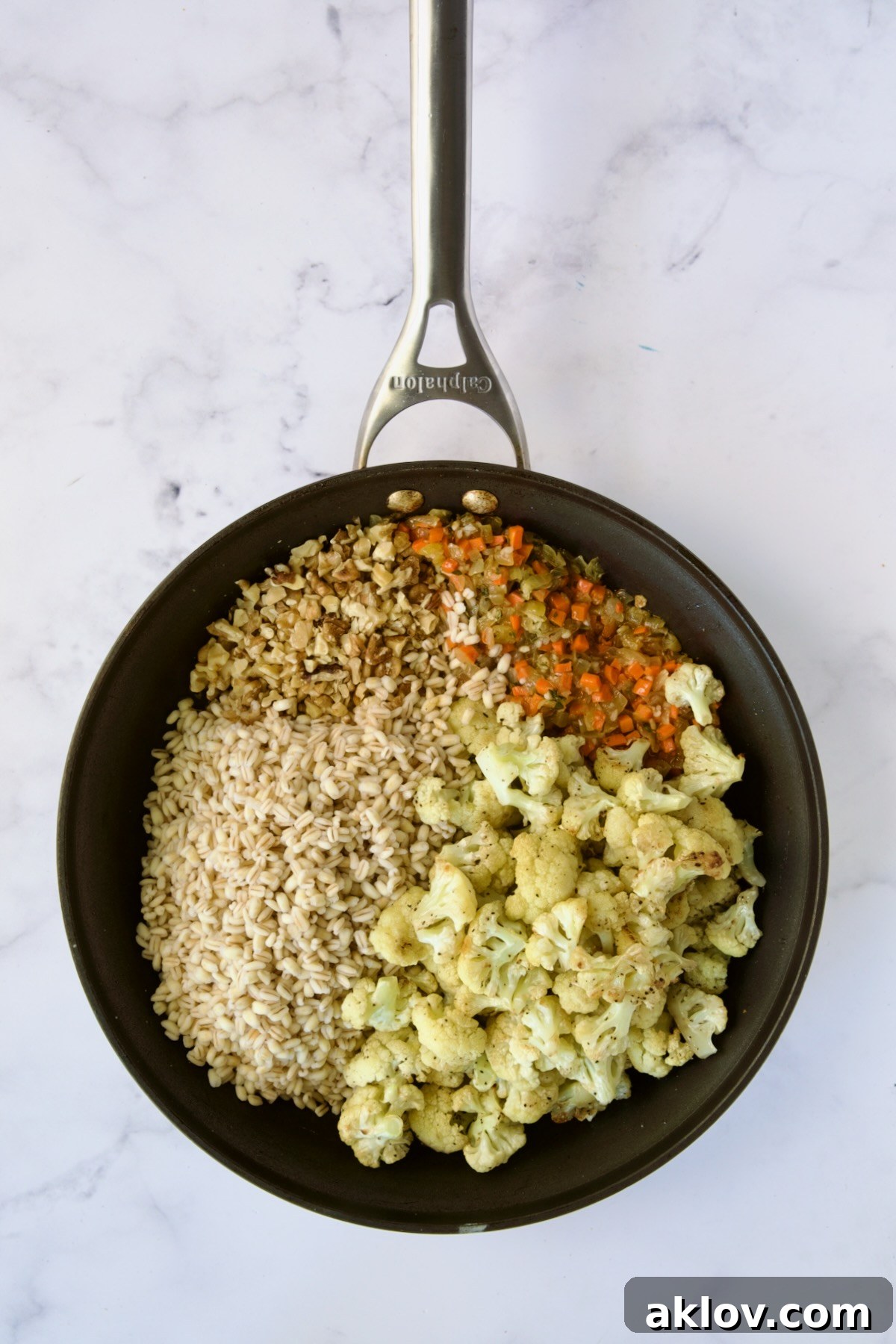
- Combine and Finish: Once both the barley and cauliflower are perfectly cooked, add them directly to the skillet containing the warm aromatic mixture. Gently toss everything together, ensuring the barley and cauliflower are evenly coated with the savory sauce.
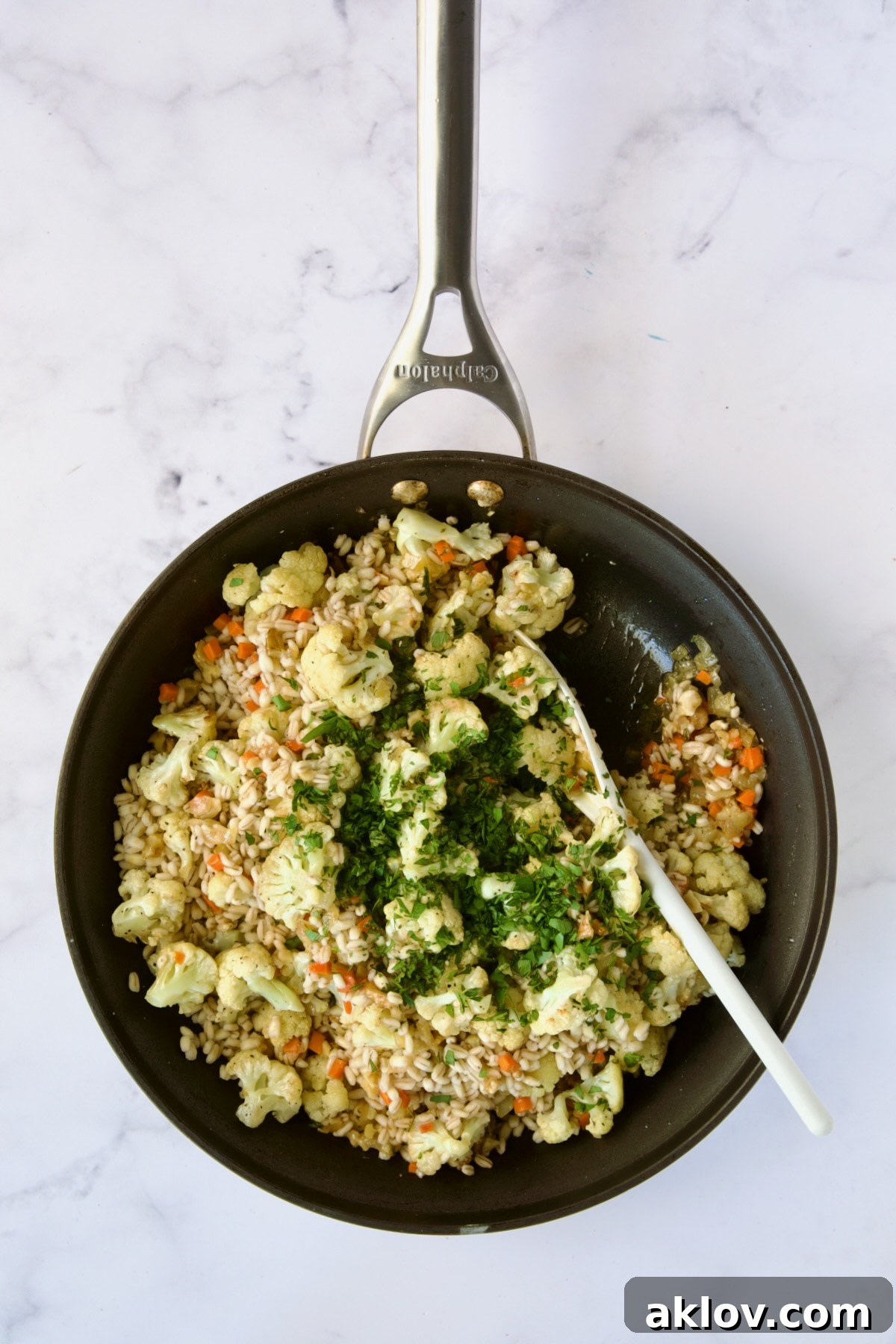
- Add Crunch and Freshness: Stir in the chopped walnuts. Taste the pilaf and adjust the seasoning with additional salt and freshly ground black pepper as needed. Serve the pilaf immediately, garnished generously with coarsely chopped fresh parsley for a final burst of color and flavor.
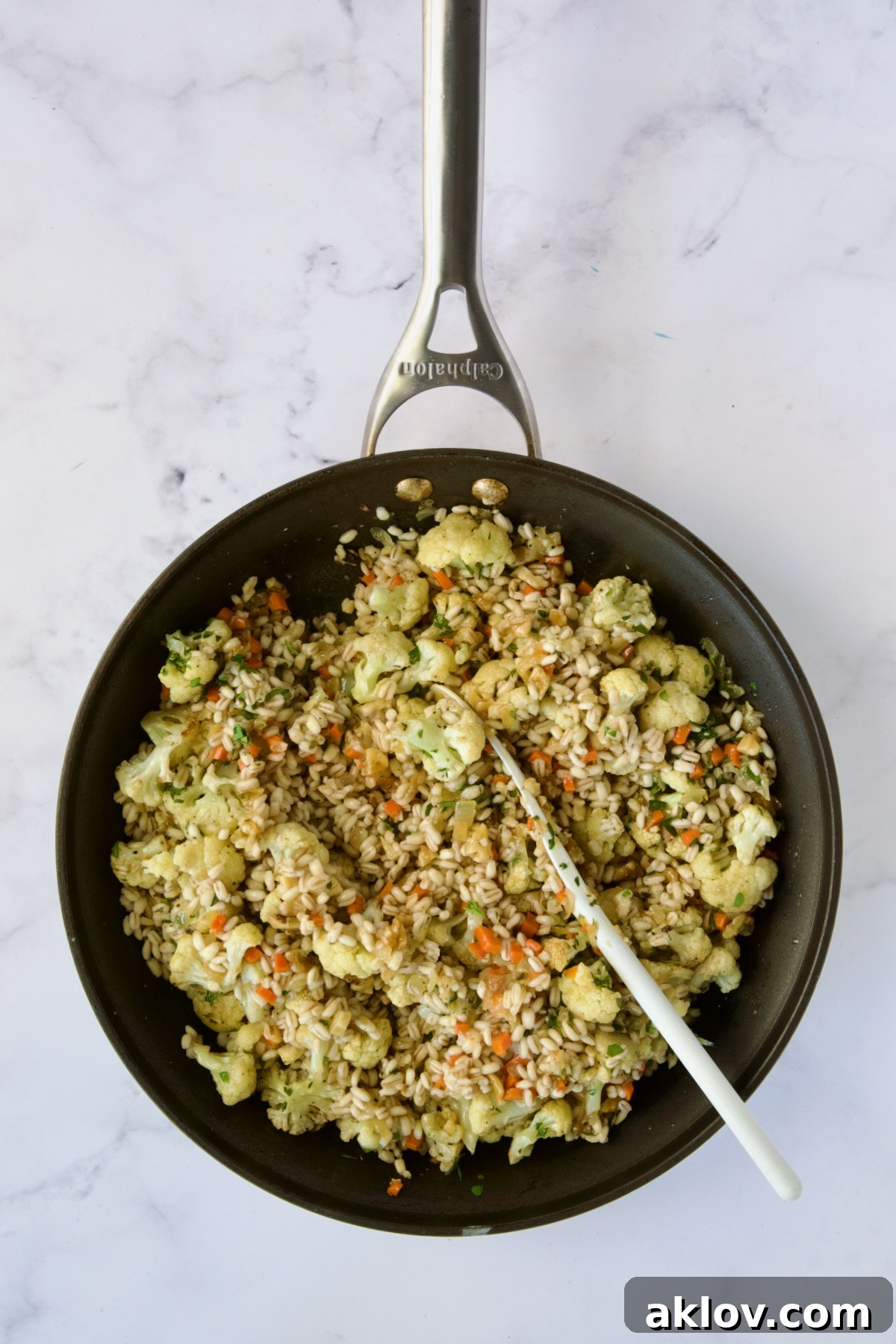
- Enjoy Your Masterpiece: And there you have it! A wholesome, healthy, and incredibly delicious barley pilaf that stands as a perfect side dish or a light vegetarian main. Its adaptable flavor profile means it truly goes with almost anything you desire!
Expert Chef Tip for Perfect Barley:
- For those using hulled barley, which retains more of its outer bran and thus requires a longer cooking time than pearled barley, a simple trick can significantly reduce preparation. Soak the hulled barley in cold water for several hours, or ideally, overnight in the refrigerator. This pre-soaking softens the robust outer hull, allowing it to cook much faster and more uniformly, ensuring a consistently tender texture in your pilaf.
Common Questions About This Barley Pilaf Recipe:
No, barley is not gluten-free, as it contains gluten. Similarly, farro, which makes an excellent substitute for barley in terms of texture and flavor, also contains gluten. If you require a strictly gluten-free option for this delicious side dish, we highly recommend using short-grain brown rice or quinoa. Both grains offer a satisfying texture and absorb flavors beautifully, ensuring your pilaf remains delicious and safe for gluten-sensitive diets.
While the leftovers of this pilaf are undeniably delicious, for the absolute best flavor and texture, we recommend preparing and serving it as close to your dining time as possible. The roasted cauliflower will retain its delicate crispness and the fresh herbs will be most vibrant. However, if you need to get a head start, you can certainly cook the barley in advance. Cook it, drain it, and let it cool to room temperature. While you’re roasting the cauliflower and cooking the aromatics just before serving, you can gently reheat or integrate the pre-cooked barley, cutting down on active cooking time.
Absolutely! This barley pilaf is incredibly forgiving and open to customization. Feel free to incorporate other seasonal vegetables like mushrooms, bell peppers, asparagus, or even spinach. Add heartier vegetables with the carrots to allow them to soften, and tender greens like spinach can be stirred in at the very end to wilt with the residual heat.
A large, rimmed baking sheet is ideal for roasting cauliflower. Ensure you don’t overcrowd the pan; this allows the cauliflower to roast evenly and develop those desirable caramelized, crispy edges instead of steaming. If necessary, use two baking sheets to give the florets enough space.
Storage and Reheating Tips:
- Refrigerator: Leftovers of this delightful barley pilaf can be stored in an airtight container in the refrigerator for up to four days. This dish is fantastic when reheated gently on the stovetop or in the microwave. Alternatively, it can be enjoyed chilled straight from the fridge as a refreshing and satisfying barley and cauliflower salad, perfect for a light lunch!
- Freezing: While technically possible, freezing the pilaf is not recommended as the texture of the roasted cauliflower may become mushy upon thawing. It’s best enjoyed fresh or within a few days from the refrigerator.
Perfect Pairings: What to Serve with Your Barley Pilaf
This versatile barley pilaf complements a wide array of main dishes, from rich meats to delicate fish. Its hearty yet balanced flavor makes it an ideal accompaniment. Here are some suggestions:
- Chili-Glazed Meatloaf: The warmth and slight sweetness of a chili-glazed meatloaf create a wonderful contrast with the earthy flavors of the pilaf.
- Turkey Apple Meatloaf: For a lighter but equally flavorful option, this meatloaf offers complementary sweet and savory notes.
- Prosciutto-Wrapped Halibut: The delicate flakiness of halibut, enhanced by savory prosciutto, finds a perfect grounding in the wholesome pilaf.
- Beef Braciole Recipe: The rich, slow-cooked flavors of beef braciole are beautifully balanced by the light and textured pilaf.
- Boneless Short Ribs: The deep, umami-rich flavors of short ribs find an excellent counterpart in the pilaf’s wholesome texture and bright herbs.
- 40-Clove Garlic Chicken: The robust garlic flavor of this chicken dish is perfectly mellowed and complemented by the earthy pilaf.
Explore More Delicious Barley Recipes!
If you’ve fallen in love with the versatility and wholesome goodness of barley, you’ll be thrilled to discover these other fantastic recipes that showcase this incredible grain:
- Mediterranean Barley Salad: A refreshing and vibrant salad bursting with Mediterranean flavors.
- Barley Risotto Stuffed Portobello Mushrooms: A sophisticated and hearty vegetarian main course.
- Vegetable Barley Soup: A comforting and nutritious soup, perfect for chilly days.
- Lemony Broccoli Barley and White Bean Salad: A bright and zesty salad that’s packed with protein and fiber.
- Barley Vegetable Risotto: A creamy and flavorful take on classic risotto, featuring barley.
For even more inspiring grain-based dishes, visit my full collection of Bean, Grain, and Rice Side Dishes – From A Chef’s Kitchen.
Barley Pilaf with Roasted Cauliflower
Equipment
-
Wusthof Chef Knife
-
Cutting Board
-
Saucepan
-
Nonstick Skillet
-
Rimmed Sheet Pan
Ingredients
- 1 medium head cauliflower, cut into 1-inch florets (approximately 6 cups)
- 4 tablespoons olive oil, divided
- Salt and freshly ground black pepper, to taste
- 1 1/2 cups pearled barley
- 2 tablespoons butter
- 1/2 medium onion, or 1 small onion, finely chopped (approximately 1 1/2 cups)
- 4 cloves garlic, minced
- 1 medium carrot, finely chopped (approximately 1/2 cup)
- 2 teaspoons chopped fresh thyme, or 1 teaspoon dried thyme
- 1/2 cup chicken broth, or vegetable broth
- 2 teaspoons red wine vinegar
- 1/2 cup chopped walnuts, toasted if desired
- Coarsely chopped fresh parsley, for garnish
Instructions
-
Bring a saucepan of salted water to a boil. Add the barley and boil per package directions.*
-
Preheat oven to 400 degrees. Toss cauliflower with half the olive oil and season with salt and black pepper.
-
Spread onto a baking sheet and roast for 20-25 minutes or until lightly charred and tender.
-
While cauliflower and barley are cooking, heat the butter and remaining olive oil in a skillet or saute pan.
-
Add the onion and cook for 5-6 minutes. Add the carrot and garlic and continue cooking until the onion and carrot are softened, 4-5 more minutes.
-
Stir in thyme, chicken broth, and vinegar. Keep warm.
-
When barley and cauliflower are cooked, add them to skillet with the onion and carrot. Add walnuts, adjust seasoning and serve immediately garnished with fresh parsley.
Notes
SUBSTITUTIONS:
- Also great with farro!
- Use short-grain brown rice or quinoa instead of barley for a gluten-free alternative.
- Pecans or hazelnuts make great substitutes. If a nut allergy exists, sunflower seeds or pepitas would work well.
TIP:
- If you are using hulled barley, which takes longer to cook than pearled barley, soak it in cold water for several hours or overnight in the refrigerator. This will soften the outer hull and reduce the cooking time.
MAKE AHEAD:
- Although the leftovers are still delicious, I would try to make this as close to serving time as possible. You can, however, get the barley cooked ahead of time. Let it sit at room temperature while roasting the cauliflower and cooking the aromatics.
Nutrition Facts
Nutritional values are automatically calculated using unbranded products and are estimates only. Actual results may vary based on ingredients used and portion sizes. Adjust as needed for dietary restrictions, allergies, or health concerns.
 Like this? Leave a comment below!