
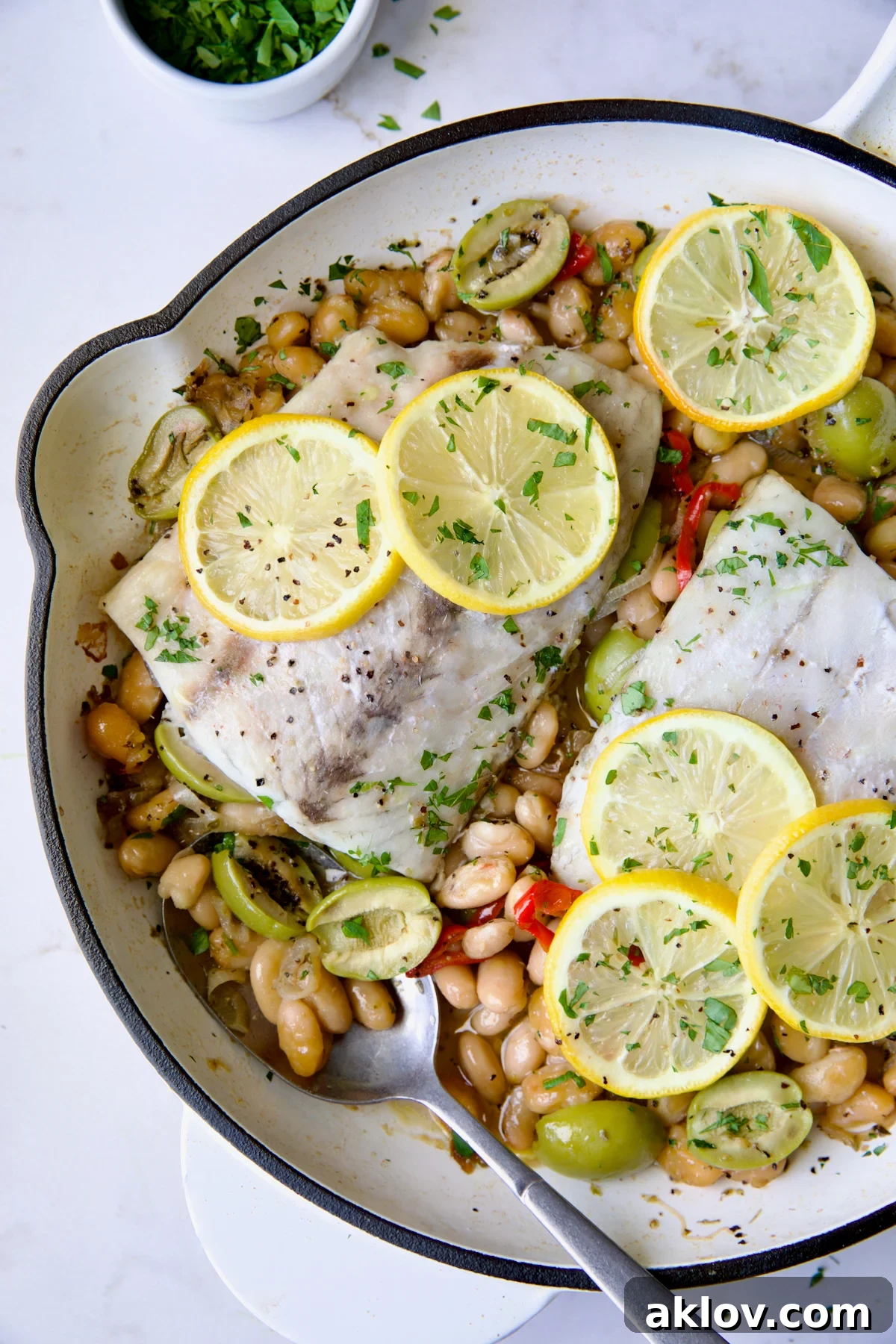
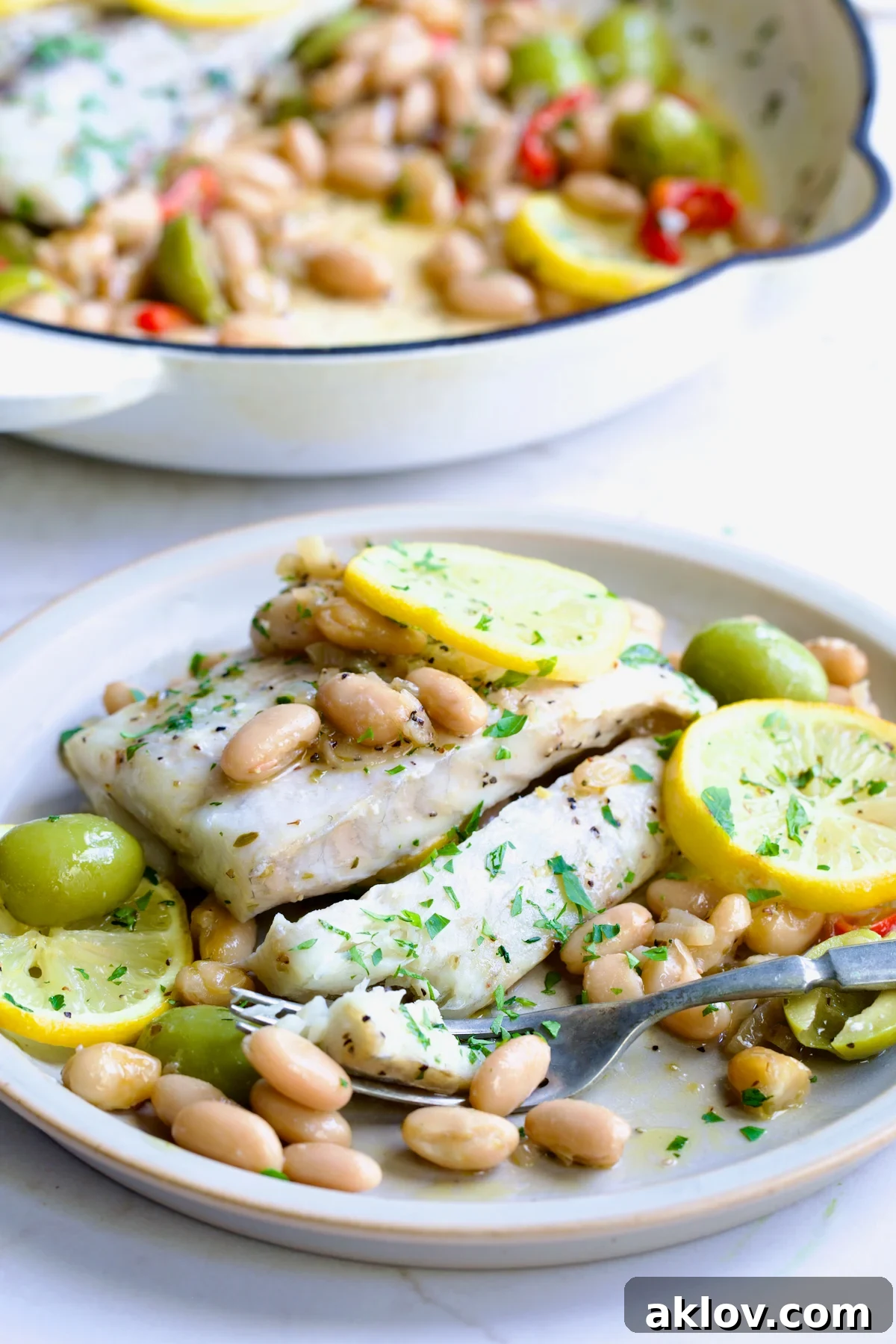
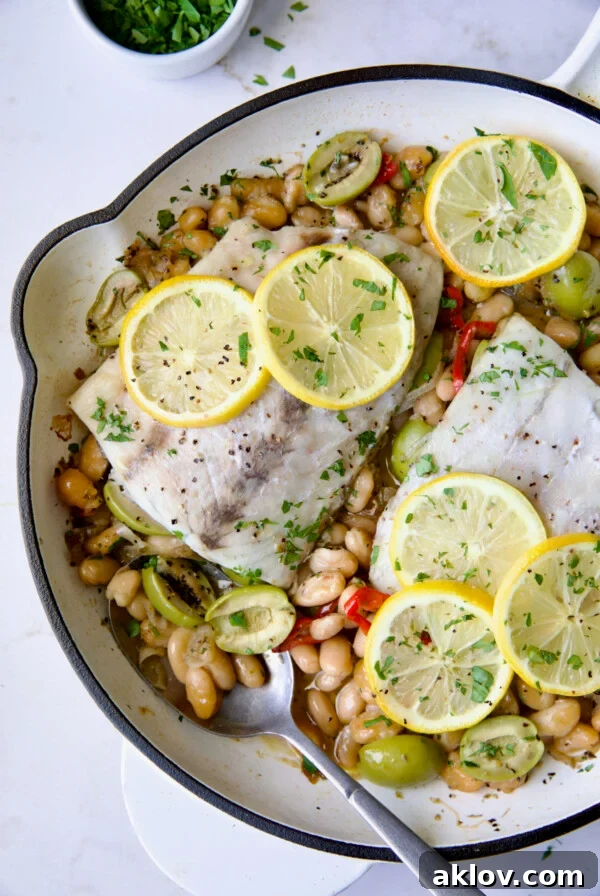
Embark on a culinary journey to the sun-drenched coasts of the Mediterranean with this delightful Baked Mediterranean Fish and White Bean Skillet. This exceptional one-pan meal masterfully brings together the region’s freshest, most vibrant ingredients to create a healthy, flavorful, and incredibly easy dinner. Imagine succulent, flaky white fish fillets nestled on a bed of creamy cannellini beans, all infused with the bright zest of fresh lemon slices, the briny punch of olives, a subtle kick from a Fresno chile, and a rich white wine reduction. This dish isn’t just a meal; it’s an experience, designed to simplify your weeknights without compromising on gourmet taste or nutritional value. Perfect on its own or alongside a fresh Mediterranean Grilled Zucchini salad.
“This was very good! I am a fish snob … and it was surprisingly great!”
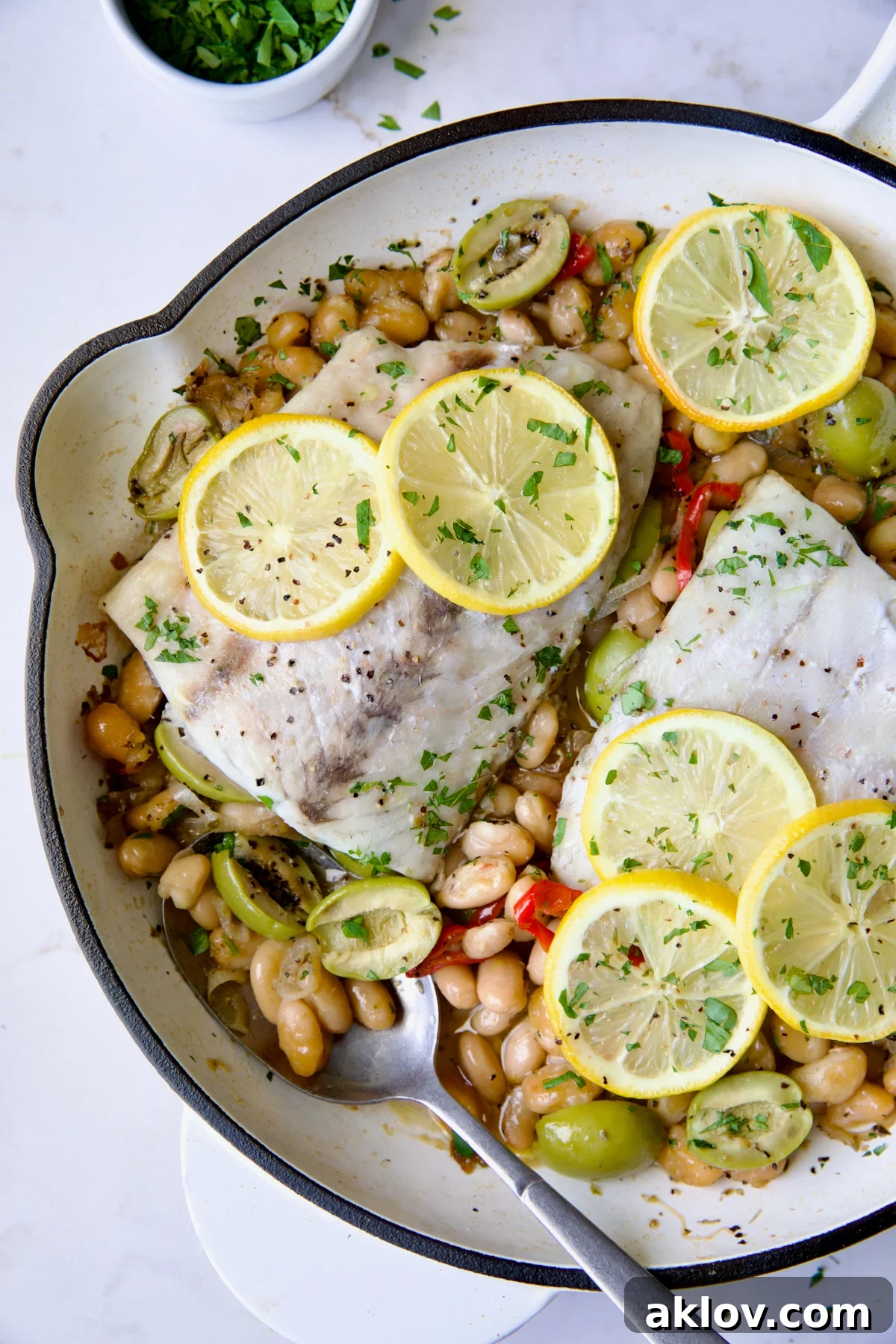
Why This Mediterranean Fish Skillet Will Become Your New Favorite
This easy Mediterranean fish recipe isn’t just another dinner; it’s a testament to the power of simple, high-quality ingredients. It embodies the core principles of Mediterranean cuisine – health, flavor, and freshness – making it a true keeper for any home cook seeking both convenience and culinary delight.
A Symphony of Authentic Mediterranean Flavors
The beauty of this dish lies in its authentic flavor profile, a signature of the Mediterranean region. We start with the robust, fruity notes of olive oil, the base of so many classic dishes. Creamy cannellini beans form a luxurious foundation, expertly absorbing every nuance of the white wine reduction, fragrant dried oregano, and the subtle warmth of a Fresno chile. The star players, Castelvetrano olives, hailing from the sun-kissed island of Sicily, contribute a mild, buttery essence and a satisfyingly firm yet tender texture. These aren’t just any olives; their unique characteristics perfectly complement the delicate white fish. Finally, fresh lemon slices not only add a vibrant, zesty aroma but also gently brighten all the flavors, creating a harmonious balance that is both refreshing and deeply satisfying.
Unbeatable Health Benefits in Every Bite
In today’s fast-paced world, finding a meal that is both delicious and genuinely healthy can be a challenge. This baked white fish recipe effortlessly checks both boxes. The lean protein from the flaky fish fillets, coupled with the fiber-rich cannellini beans, ensures a meal that is hearty and filling without being heavy. The generous use of olive oil provides healthy monounsaturated fats, while the fresh vegetables and herbs are packed with essential vitamins and antioxidants. This dish aligns perfectly with the renowned Mediterranean diet, promoting heart health, sustained energy, and overall well-being. It’s a guilt-free pleasure that nourishes your body from the inside out.
Effortless One-Skillet Cooking and Cleanup
Say goodbye to mountains of pots and pans! One of the most appealing aspects of this Mediterranean Fish and White Bean Skillet is its incredible simplicity. Everything comes together in a single oven-safe skillet, moving seamlessly from stovetop to oven. This streamlined cooking process means less time spent on prep and even less time on cleanup, freeing you up to enjoy your evening. It’s the ideal solution for busy weeknights, special gatherings, or whenever you crave a sophisticated meal without the fuss. This recipe truly proves that light, fresh, and delicious dining can also be wonderfully convenient.
This Mediterranean baked white fish recipe is:
- Healthy! Fish and beans are both excellent lean protein sources, supporting muscle health and satiety.
- Delicious! A harmonious blend of mild Castelvetrano olives, aromatic oregano, and a hint of Fresno chile creates an unforgettable flavor profile.
- Fresh and light! Bursting with bright, natural flavors, it’s a refreshing alternative to heavy meals.
- So Easy! Enjoy a gourmet meal with minimal effort, all coming together in just one skillet!
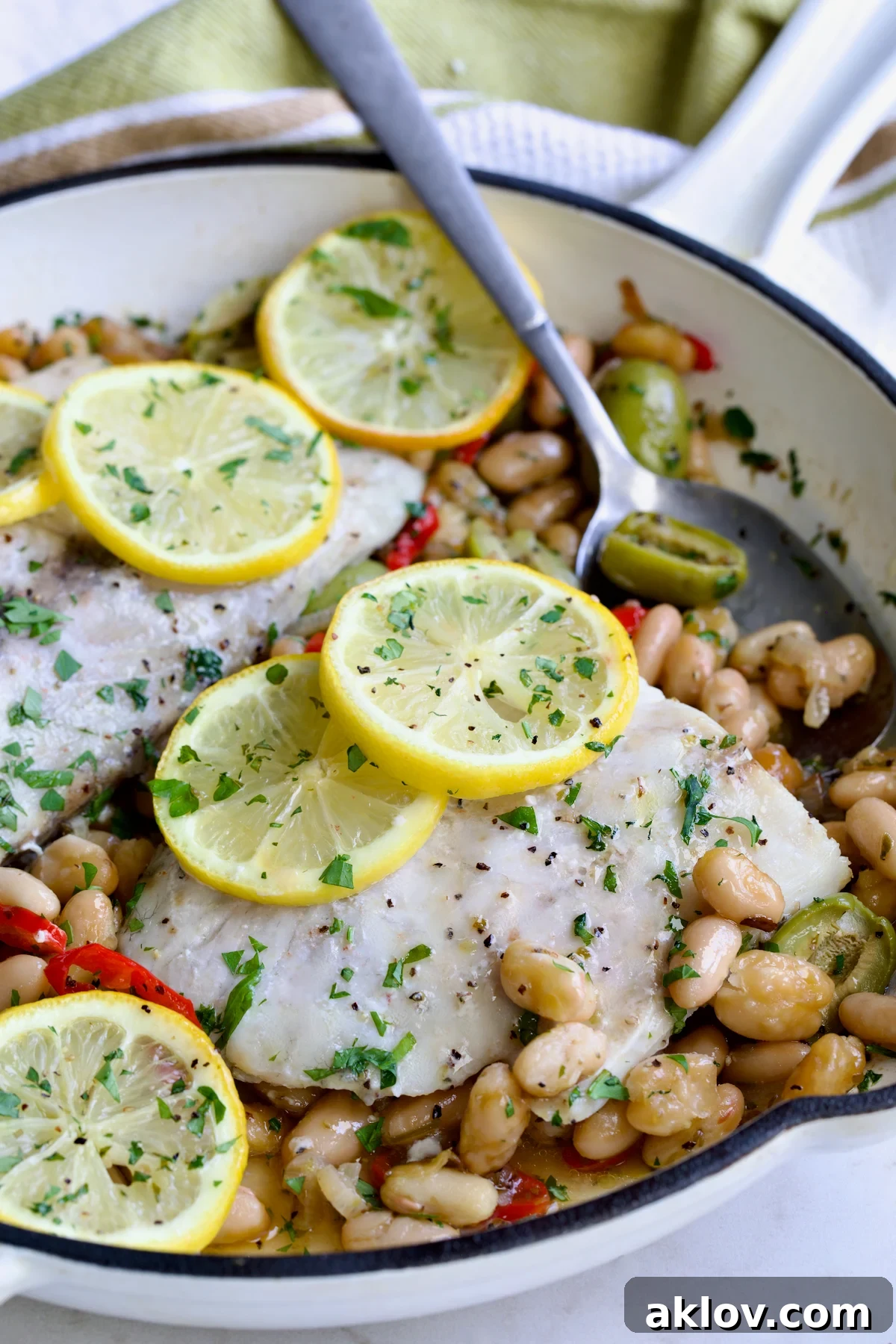
How to Make Mediterranean Fish and White Bean Skillet: A Step-by-Step Guide
Recipe Ingredients:
Gathering your ingredients is the first step towards creating this culinary masterpiece. Here’s everything you’ll need to make this vibrant Mediterranean baked white fish recipe. For precise measurements, please refer to the detailed recipe card below.
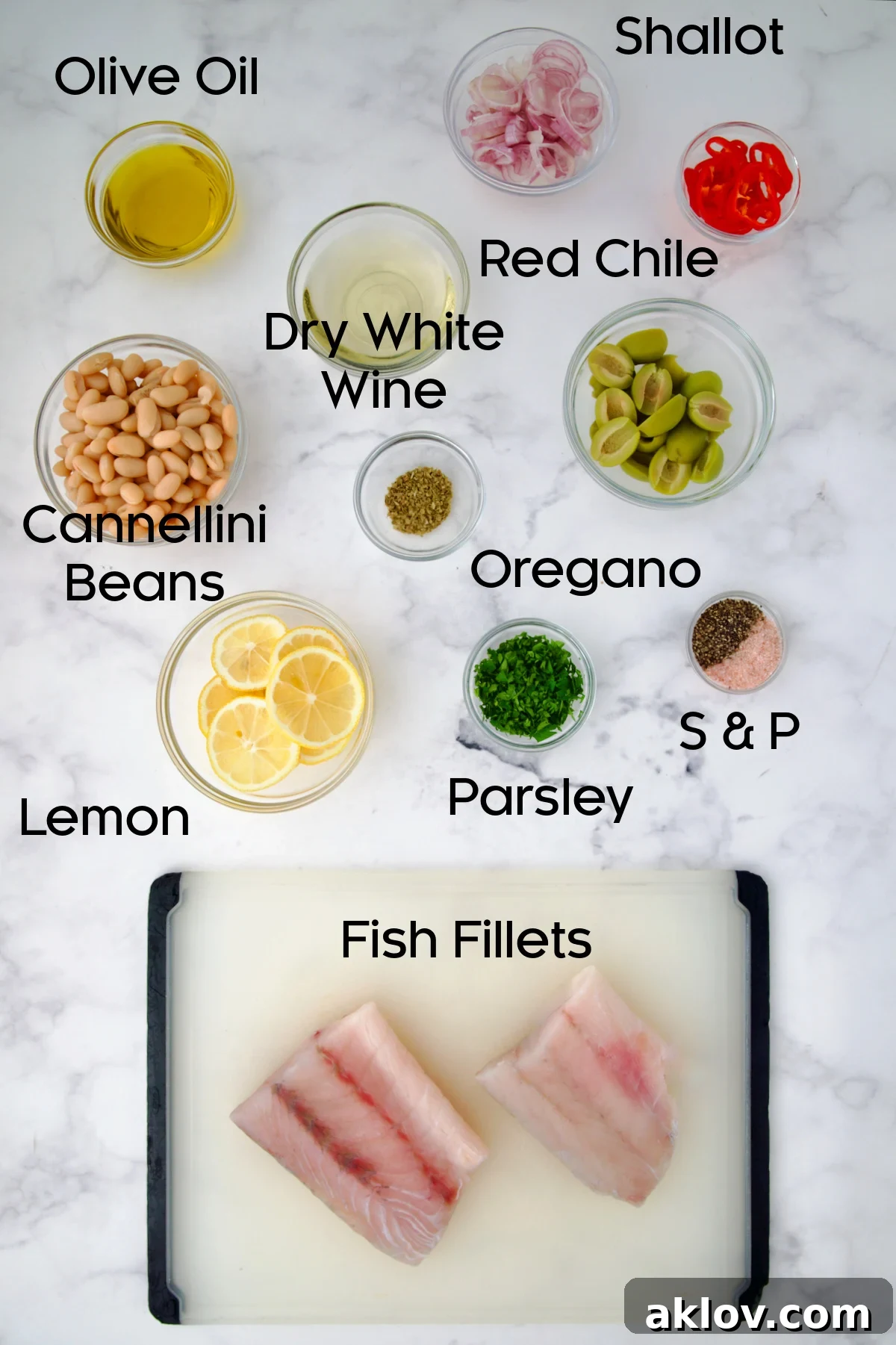
Ingredient Notes and Smart Substitutions:
Understanding your ingredients and knowing when to substitute is key to culinary success. Here’s a closer look at the components of this Mediterranean fish dish:
- Fish Fillets: I opted for barramundi, a type of sea bass known for its mild flavor and firm, flaky texture when cooked. However, the versatility of this recipe allows for various other white fish options. Excellent choices include flaky tilapia, robust cod, meaty grouper, delicate halibut, or the rich Chilean sea bass. When selecting your fish, aim for fillets that are about 1-inch thick for even cooking. Freshness is paramount, so look for firm, translucent flesh with a clean, ocean smell.
- Shallots: Often favored in French cuisine, shallots are a delightful member of the onion family. They grow in small clusters, resembling a garlic head but with a distinct, milder, and sweeter flavor profile than common onions, boasting subtle garlicky undertones. Their delicate taste caramelizes beautifully without overpowering the dish. If shallots are unavailable, a very finely diced small sweet onion (like a Vidalia) can be used, though the flavor will be slightly more pungent.
- Fresno Chile: This vibrant red pepper introduces a pleasant, moderate heat to the dish, typically a notch spicier than a jalapeño. It adds a lovely warmth without overwhelming the delicate flavors. If you prefer no heat at all, or are cooking for those with sensitive palates, a thinly sliced sweet mini red bell pepper is an excellent substitute. For a smoky depth, consider a pinch of smoked paprika or a roasted red pepper.
- Cannellini Beans: These creamy, hearty white beans are a cornerstone of Italian and Mediterranean cooking. This recipe conveniently uses canned cannellini beans, which are quick and easy. Always remember to drain and rinse canned beans thoroughly to remove excess sodium and improve their texture. If cannellini beans are hard to find, other cooked white beans like Great Northern or navy beans can be used interchangeably, offering a similar creamy texture and ability to absorb the rich pan juices.
- Castelvetrano Olives: These exquisite olives are truly special, originating from the Valle del Belice region of Sicily, Italy. They are renowned for their vibrant green color, mild, buttery flavor, and meaty, crisp texture. Unlike many other olives, Castelvetranos are less briny and have a naturally sweet finish, making them ideal for dishes where you want the olive flavor to enhance rather than dominate. Their “Protected Designation of Origin” (PDO) seal ensures authenticity, though it can make them slightly pricier. If Castelvetrano olives are not accessible, or if you prefer a more assertive olive flavor, consider using Cerignola olives (another large, mild Italian olive) or Manzanilla olives for a more pungent, salty kick.
- Dry White Wine: The white wine reduction forms a crucial part of the dish’s flavor base, deglazing the pan and adding depth and acidity. While you don’t need a premium bottle, choose a dry white wine that you genuinely enjoy drinking, as its flavor will concentrate as it reduces. Good options include Sauvignon Blanc, Pinot Grigio, or a dry unoaked Chardonnay. For a non-alcoholic alternative, a good quality vegetable or chicken broth with a splash of fresh lemon juice can provide a similar savory and acidic foundation.
- Olive Oil: A pillar of Mediterranean cuisine, extra virgin olive oil is used both for sautéing and finishing. Its rich, peppery notes enhance the overall flavor and contribute healthy fats.
- Dried Oregano: This classic Mediterranean herb adds an earthy, aromatic warmth that ties all the flavors together. Feel free to use fresh oregano if available, tripling the amount for comparable flavor.
Step-By-Step Cooking Instructions:
Follow these simple steps to create your perfect Mediterranean Fish and White Bean Skillet:
- Step 1: Prepare and Preheat. Begin by gathering and carefully prepping all your ingredients. This ensures a smooth cooking process. Preheat your oven to 350 degrees Fahrenheit (175 degrees Celsius).
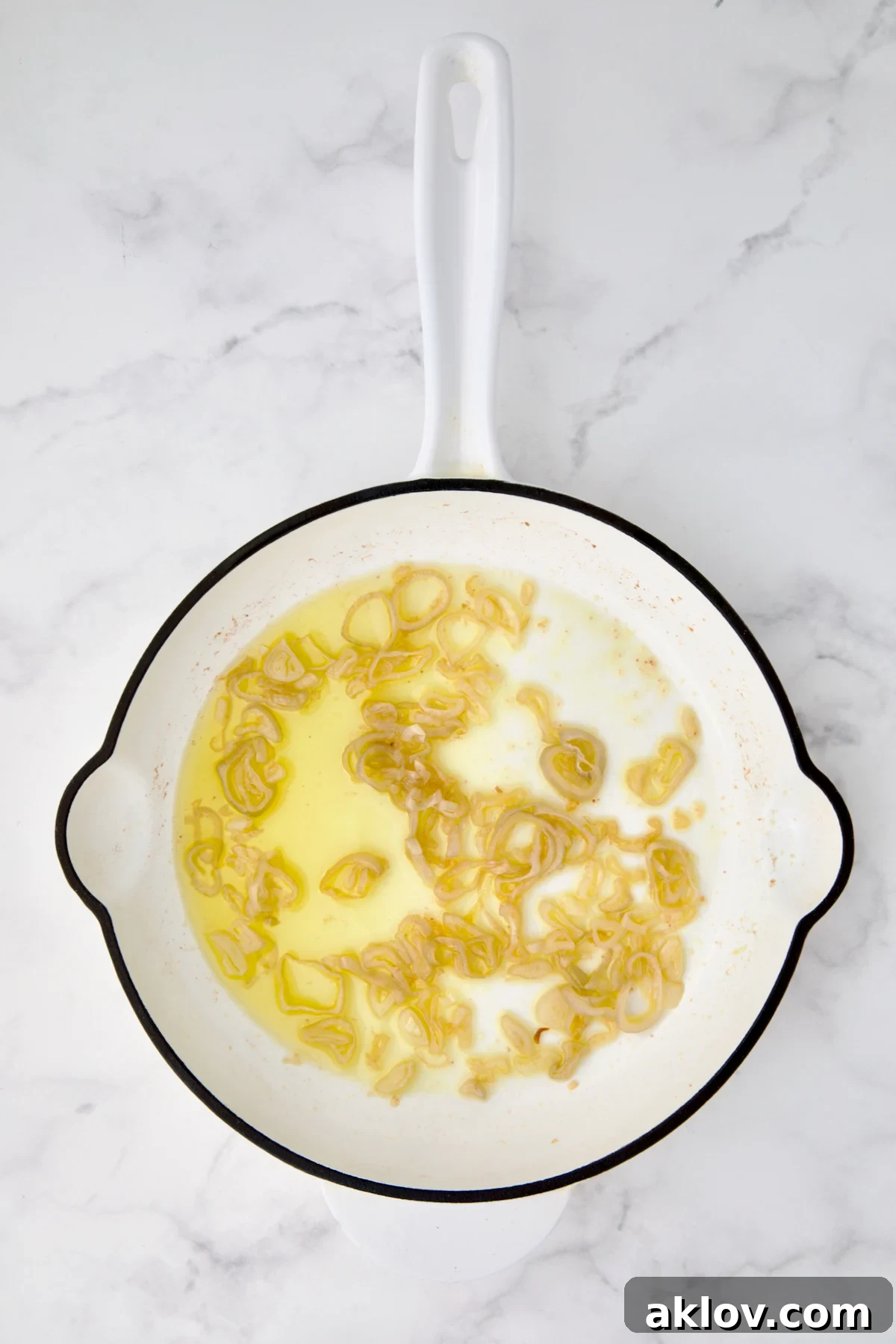
- Step 2: Sauté the Shallots. Heat 1/4 cup of olive oil in a sturdy, oven-safe skillet (enameled cast iron works beautifully) over medium heat. Add the thinly sliced shallots and cook gently for 3 to 4 minutes, or until they have softened and become translucent. Be vigilant not to brown them, as burnt shallots can turn bitter. Adjust the heat downward if needed.
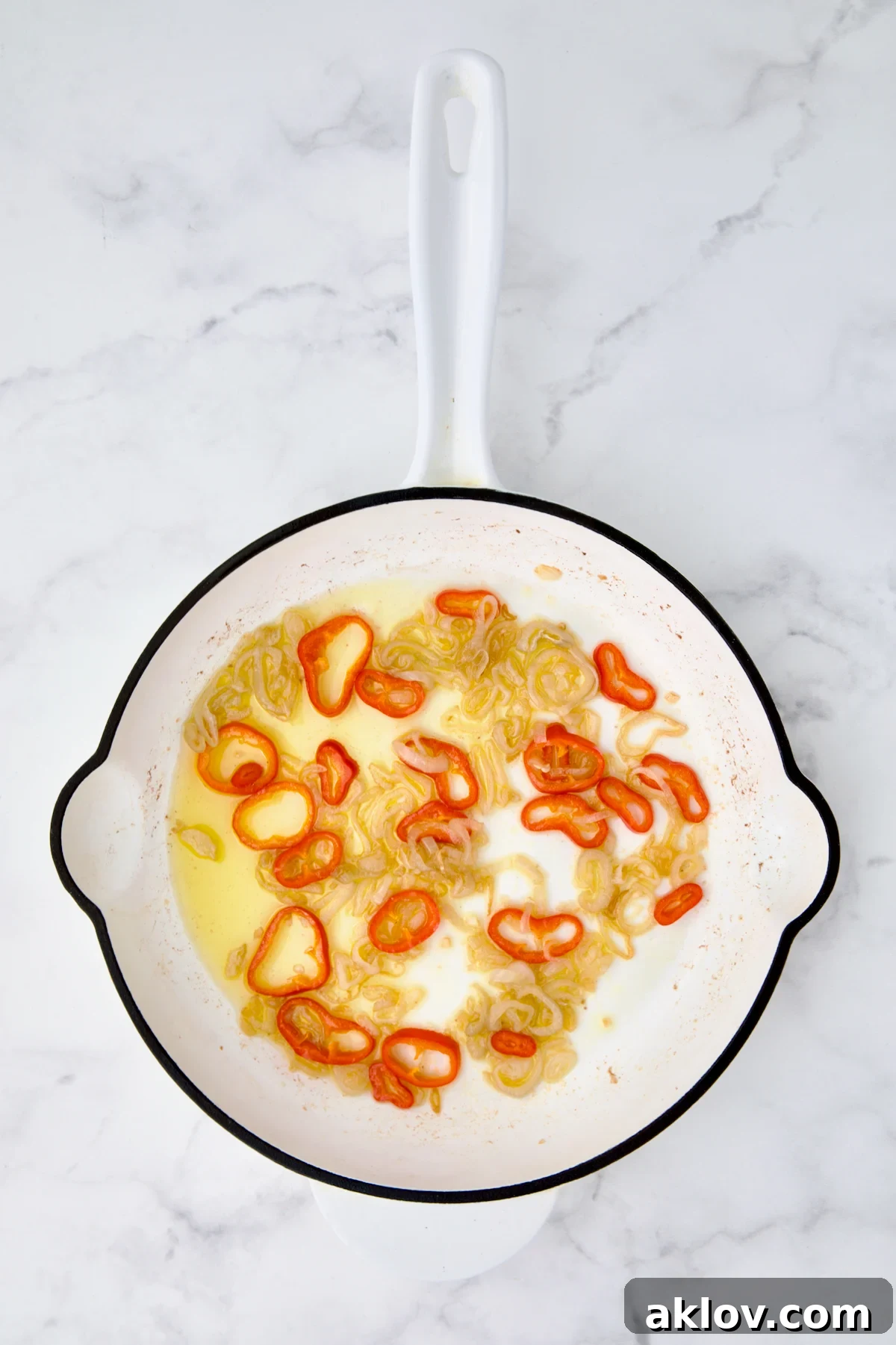
- Step 3: Add the Fresno Chile. Incorporate the thinly sliced Fresno chile into the skillet with the shallots. Continue to cook for another 2 to 3 minutes, allowing the chile to soften slightly and release its subtle heat.
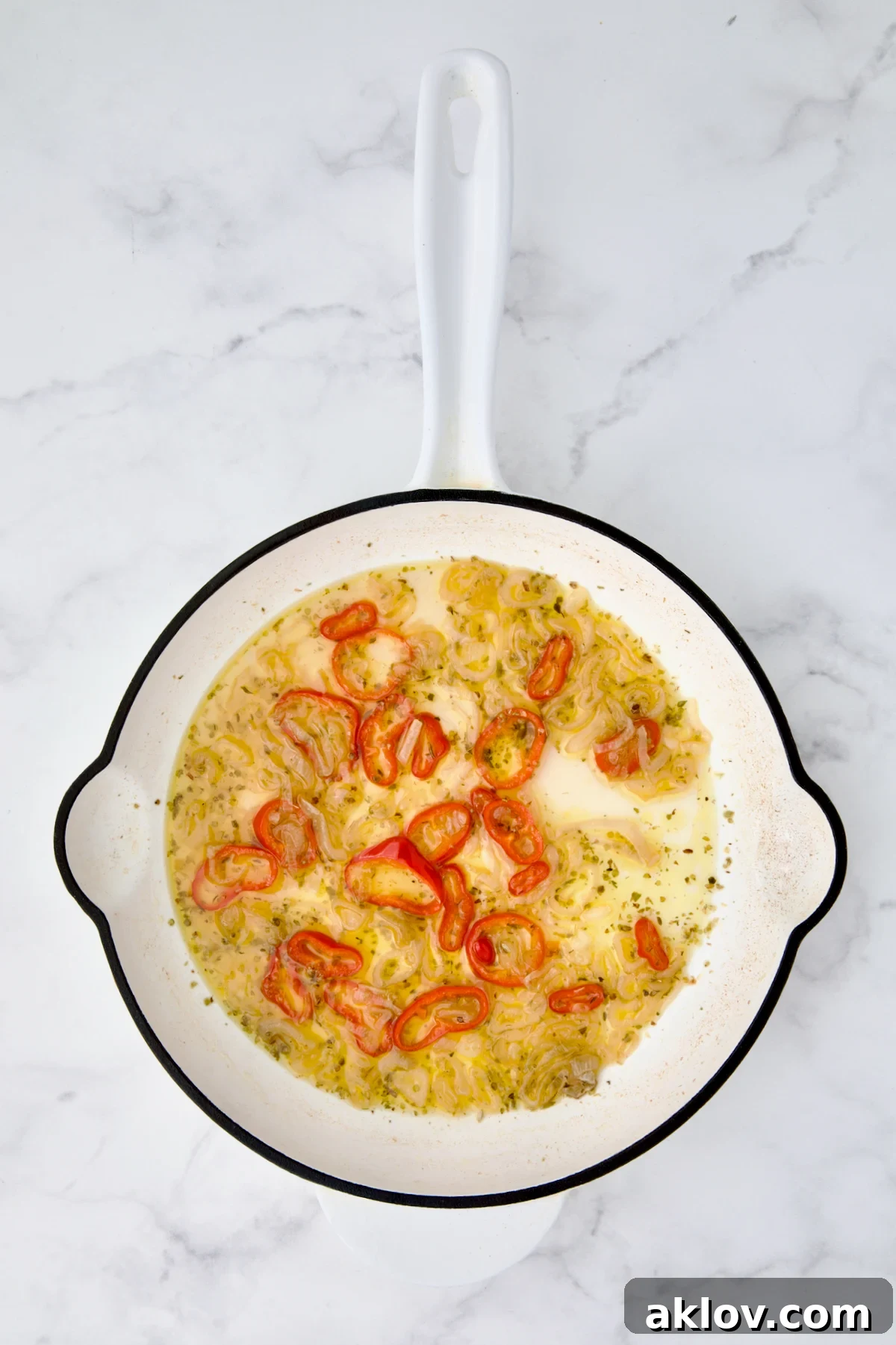
- Step 4: Deglaze with Wine and Oregano. Pour in the dry white wine and sprinkle in the dried oregano. Bring the mixture to a gentle boil and let it simmer for 1 minute. This step deglazes the pan, lifting up any flavorful bits, and allows the alcohol to cook off while concentrating the wine’s essence.
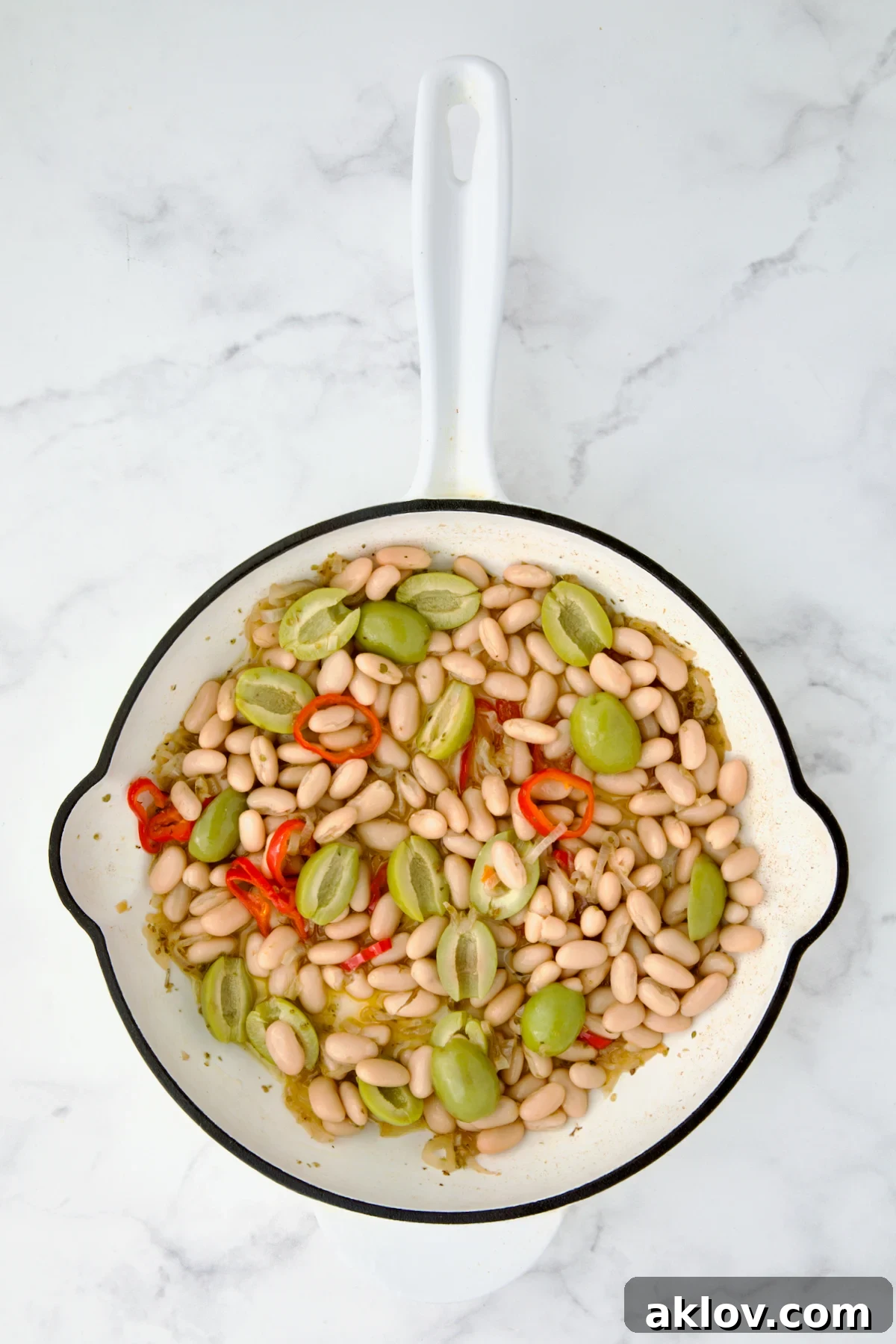
- Step 5: Introduce Beans and Olives. Stir in the drained and rinsed cannellini beans and the halved Castelvetrano olives. Gently combine all the ingredients in the skillet, allowing them to warm through and absorb the developing flavors. Season generously with salt and freshly ground black pepper to taste, adjusting based on the saltiness of your olives.
- Step 6: Prepare the Fish. Season your white fish fillets liberally with salt and black pepper on both sides. This ensures every bite is perfectly seasoned.
- Step 7: Arrange Fish and Lemon. Carefully place two thin lemon slices directly *under* each fish fillet in the skillet. Then, place the seasoned fish fillets on top of the lemon slices. Finish by topping each fillet with three additional fresh lemon slices. The lemon will gently steam the fish and impart its bright essence.
- Step 8: Final Drizzle. Drizzle the remaining 1 tablespoon of olive oil over the fish fillets. This adds extra richness and helps the fish achieve a beautiful golden hue.
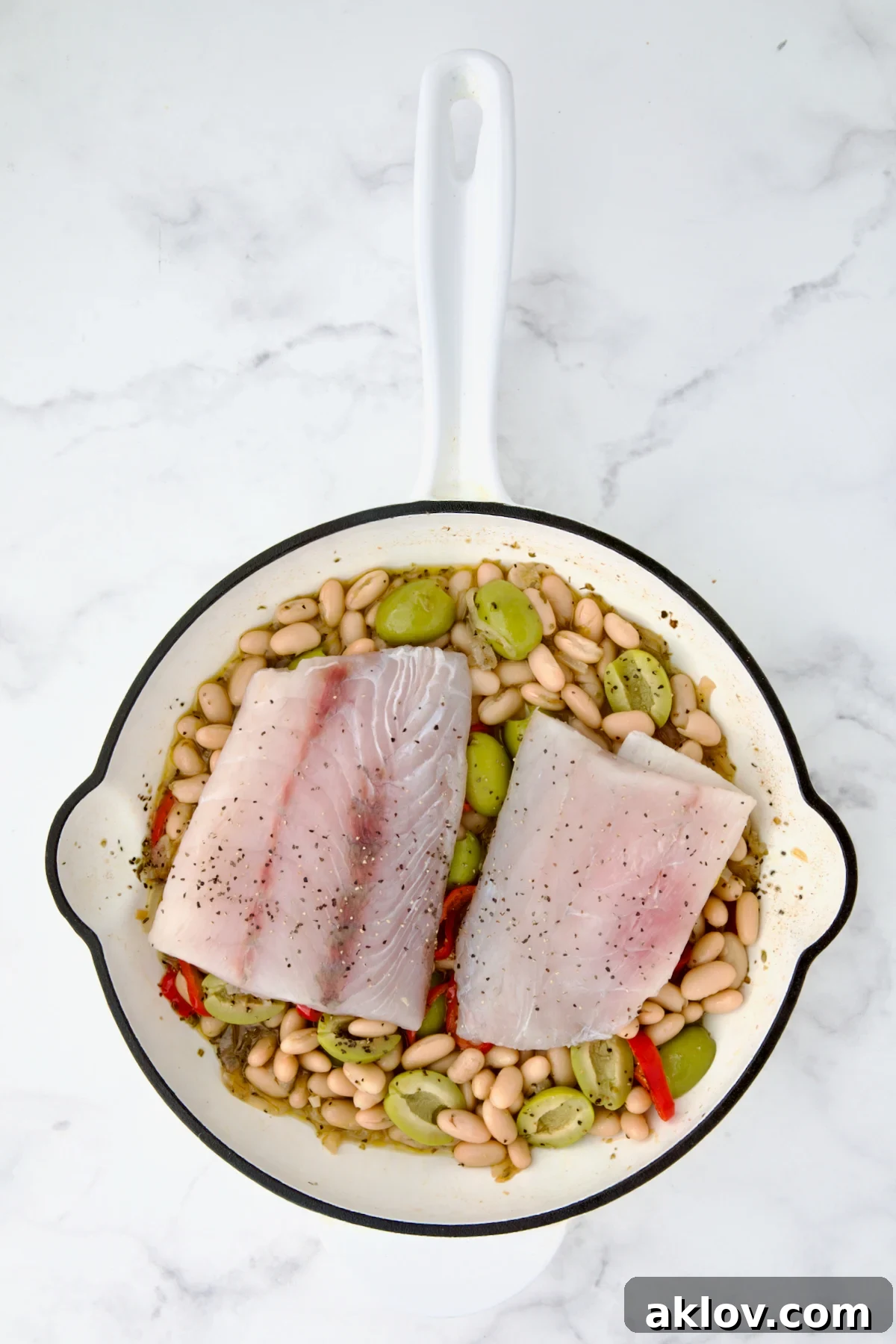
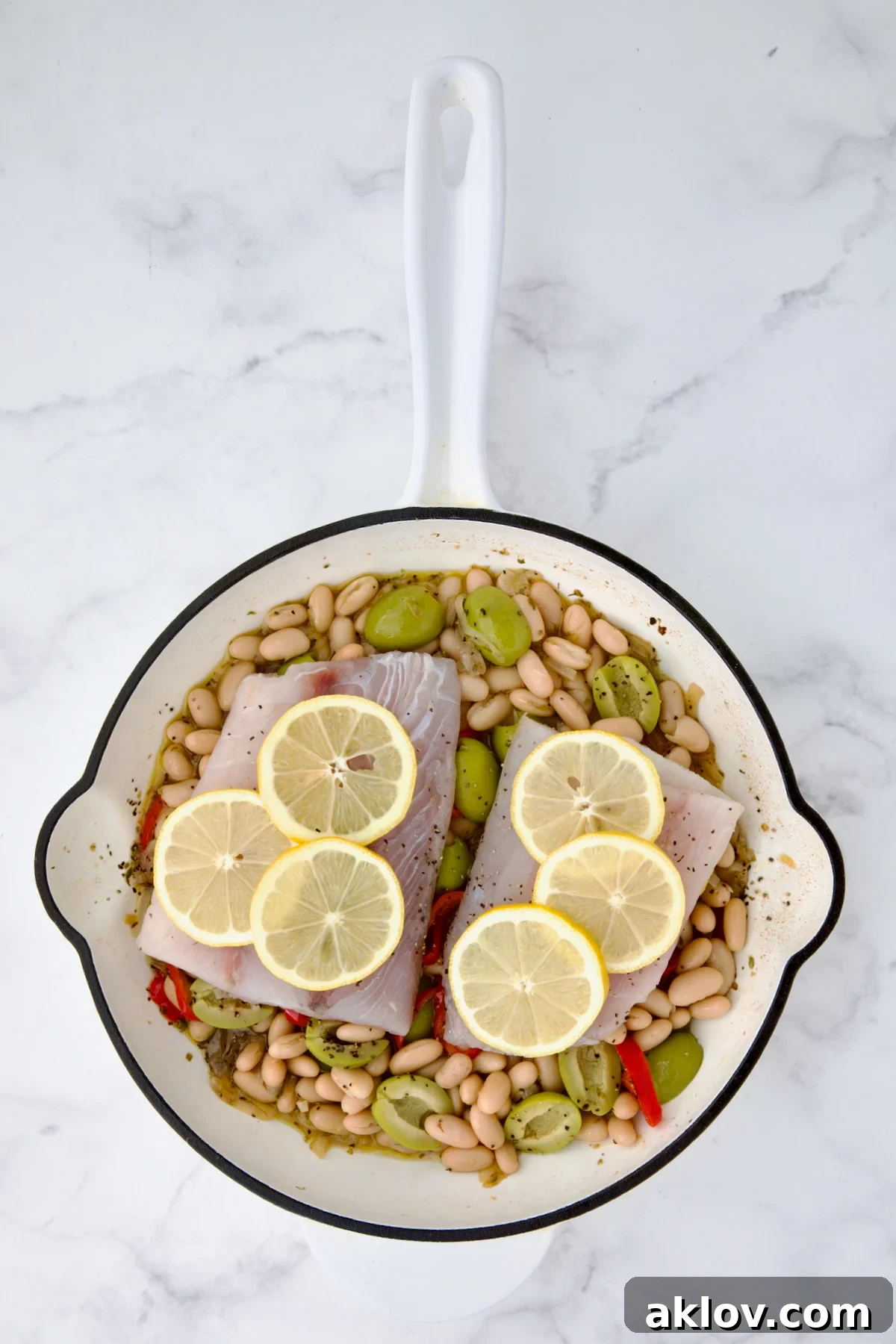
- Step 9: Bake to Perfection. Loosely tent the skillet or baking dish with aluminum foil. This crucial step prevents the beans from drying out and ensures the fish remains moist and tender by trapping steam and flavors.
- Step 10: Oven Time. Transfer the skillet to the preheated oven and bake for 18 to 22 minutes. The cooking time may vary slightly depending on the thickness of your fish fillets. The fish is done when it easily flakes with a fork or reaches an internal temperature of 145 degrees Fahrenheit (63 degrees Celsius) in its thickest part.
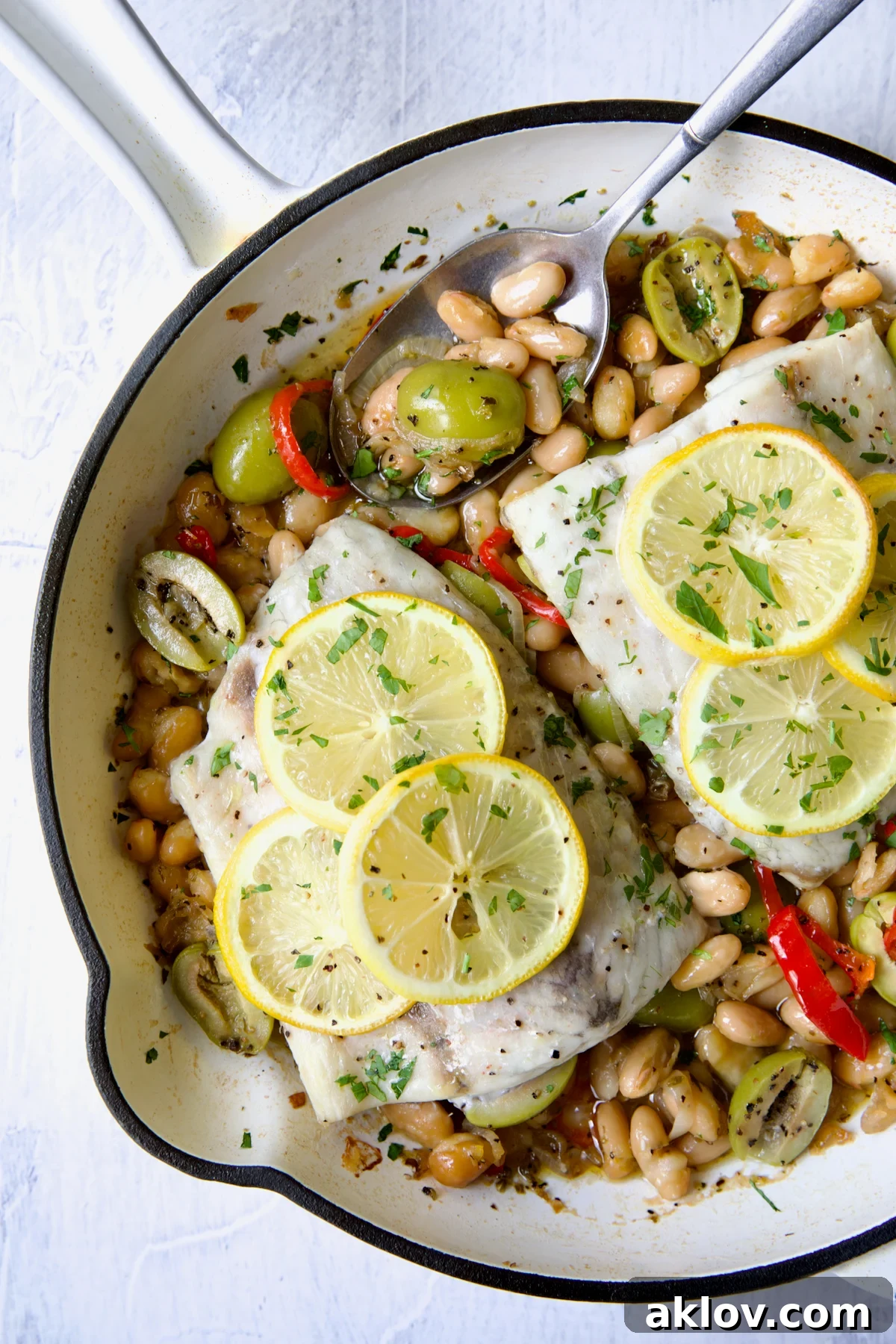
- Step 11: Serve and Garnish. Once baked, carefully remove the skillet from the oven. Spoon some of the luscious pan juices over the fish to keep it moist and enhance its flavor. Finish with a generous sprinkle of freshly chopped parsley for a burst of color and herbaceous freshness. Serve this magnificent dish immediately and savor every Mediterranean-inspired bite!
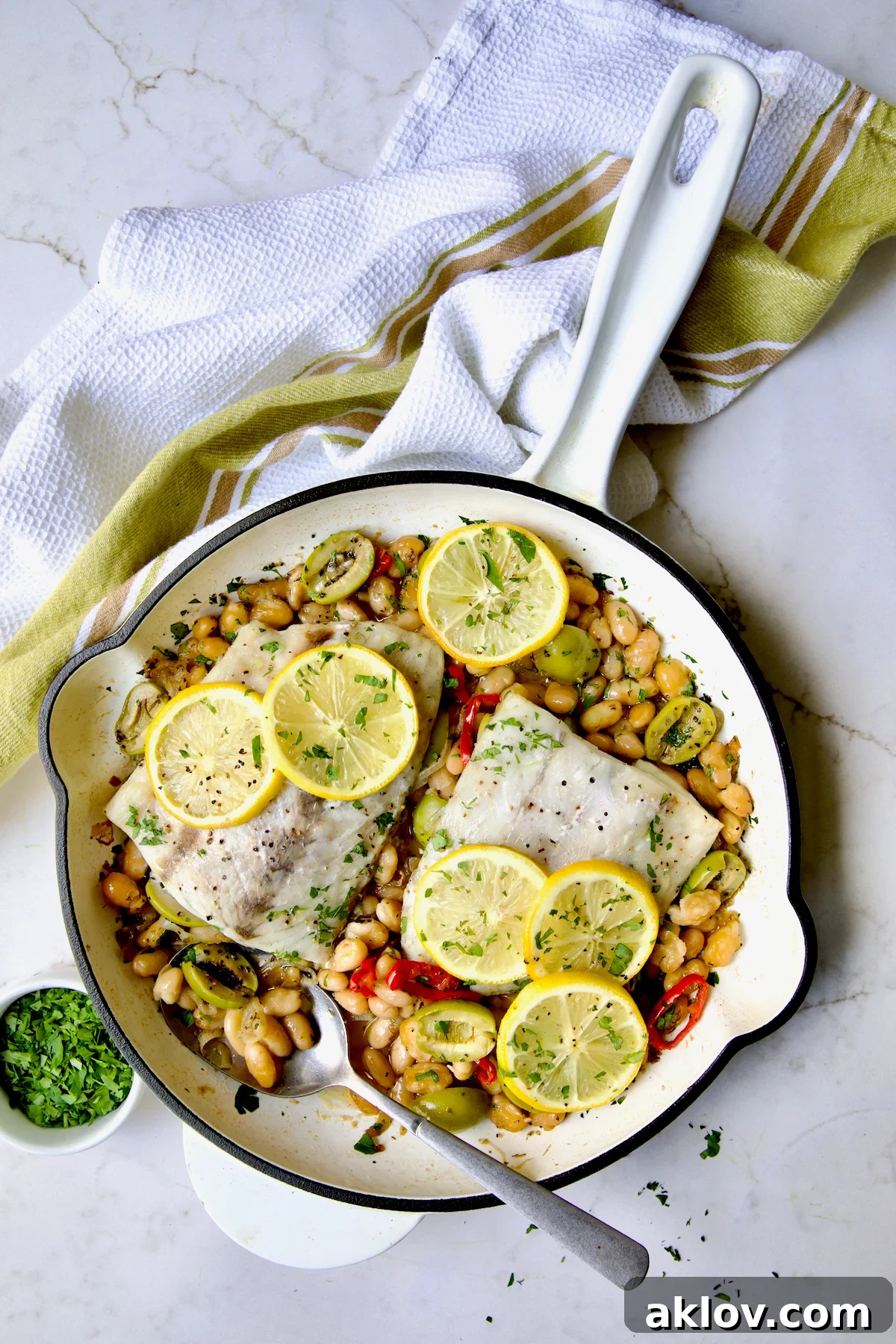
Chef Tips and Tricks for a Perfect Mediterranean Fish Skillet
- Check Pitted Olives: Even when buying pitted Castelvetrano olives, it’s a good practice to quickly check each one for any small pit fragments. Machine pitting can sometimes miss bits, and you don’t want any surprises!
- Gentle Shallot Sauté: When sautéing the shallots, always keep the heat at medium or even medium-low. Shallots contain natural sugars and can burn quickly, which can lead to a bitter taste that will permeate the entire dish. Cook them slowly until they are soft and translucent, adjusting the heat as necessary.
- The Magic of Tenting: Loosely tenting your skillet or baking dish with aluminum foil during baking is a small step that makes a big difference. It creates a steamy environment, preventing the delicate white fish from drying out and ensuring the flavorful olivey and winey juices don’t evaporate, keeping the beans moist and succulent.
- Even Fish Thickness: Fish fillets often have thinner portions. To ensure your fish cooks evenly, gently fold any thinner edges under the thicker part of the fillet. This creates a more uniform thickness, allowing the entire piece of fish to cook through at the same rate without overcooking delicate ends.
- Don’t Overcrowd the Pan: For best results, ensure your fish fillets have enough space in the skillet. Overcrowding can lower the pan’s temperature and lead to steaming rather than gentle baking, affecting the texture of the fish and the evaporation of the sauce.
- Lemon Zest for Extra Zing: For an even brighter, more intense lemon flavor, consider zesting a portion of the lemon into the bean mixture before adding the slices. The zest contains concentrated lemon oils that will infuse the dish with a wonderful aroma.
- Fresh Herbs Finish: While dried oregano is used in the base, a sprinkle of fresh parsley at the end not only adds a pop of color but also a fresh, vibrant herbaceous note that elevates the entire dish. Other fresh herbs like dill or mint could also be lovely.
Recipe FAQs: Your Questions Answered
For this baked Mediterranean fish recipe, any mild white fish with a firm to medium-firm flesh works wonderfully. Options like tilapia, grouper, cod, halibut, sea bass, or the barramundi used here are excellent. Each offers a slightly different texture – tilapia is very mild and flaky, cod is firmer and more robust, while halibut offers a delicate, meaty texture. Choose what’s freshest and most appealing at your local market!
You can certainly do some prep work in advance, but assemble the fish and lemon slices just before baking. Prepare the bean and olive base ahead of time and store it in the refrigerator. When ready to bake, ensure your fish is exceptionally fresh or freshly thawed if using frozen fillets. It’s crucial not to place the lemon slices directly on or under the fish too far in advance, as the acid can begin to denature the fish proteins, potentially leading to a mushy texture. Allow the assembled skillet to come to room temperature while your oven preheats, and you might need to add a few extra minutes to the baking time.
While this Mediterranean fish dish is truly best served fresh for optimal flavor and texture, leftovers can be reheated successfully. To maintain moisture and prevent drying out, loosely tent the dish with aluminum foil and reheat in an oven preheated to 350°F (175°C) until it is heated through, reaching an internal temperature of at least 145°F (63°C). Reheating in the microwave is possible but might result in a slightly less desirable texture.
Absolutely! This Mediterranean Fish and White Bean Skillet is naturally gluten-free and dairy-free, making it suitable for a wide range of dietary needs. All ingredients used are typically free from gluten and dairy, ensuring a delicious and inclusive meal for everyone.
The Mediterranean diet, upon which this recipe is based, is widely regarded as one of the healthiest eating patterns. It emphasizes whole foods, including plenty of fresh fruits and vegetables, whole grains, legumes (like our cannellini beans!), nuts, seeds, and healthy fats primarily from olive oil. Fish and poultry are consumed regularly, while red meat is limited. This diet is linked to numerous health benefits, including improved heart health, reduced risk of chronic diseases, better brain function, and increased longevity.
Storage and Reheating Instructions:
- Storage: Store any leftover Mediterranean Fish and White Bean Skillet in an airtight container in the refrigerator for up to 3 days. Ensure the fish is completely cooled before storing.
- Reheating: For best results, reheat leftovers gently in the oven. Loosely tent the dish with aluminum foil and bake at 350°F (175°C) until thoroughly heated through, ensuring the internal temperature reaches at least 145°F (63°C) in the center. Avoid high heat or prolonged reheating, which can dry out the fish.
Perfect Pairings: What to Serve with This Baked Mediterranean Fish Recipe
This vibrant Mediterranean Fish and White Bean Skillet is a meal in itself, but it truly shines when paired with complementary sides that enhance its fresh flavors. Consider these delicious options:
- Greek Green Beans: A classic choice, these tender green beans cooked with tomatoes and herbs offer a wonderful savory contrast.
- Roasted Vegetable Rice with Garlic and Parmesan: A flavorful grain-based side that adds substance and delightful textures.
- Stewed Cabbage Recipe: For a hearty and unexpected pairing, the subtle sweetness of stewed cabbage can be a delightful addition.
- Roasted Green Beans with Tomato Caper Relish: Bright, briny, and fresh, this relish elevates simple roasted green beans into an exciting side dish.
- Crusty Bread: Don’t forget a good loaf of crusty sourdough or ciabatta to soak up all the delicious, flavorful juices from the skillet!
- Simple Green Salad: A light, crisp green salad with a lemon-herb vinaigrette provides a refreshing counterpoint and extra greens.
Explore More Light and Healthy Fish Recipes You’ll Love!
If you enjoyed this Mediterranean Fish Skillet, you’ll love exploring other fresh and healthy fish and seafood creations from our kitchen. Discover a world of aquatic delights that are both nutritious and incredibly satisfying:
- Fish en Papillote: A delightful French technique for steaming fish and vegetables in parchment paper, locking in all the flavors.
- Grilled Mahi Mahi with Cilantro – Ginger Pesto: A tropical twist on grilled fish, bursting with fresh, aromatic flavors.
- Seared Salmon with Warm Roasted Cherry Tomato Salad: A vibrant and hearty salmon dish, perfect for a balanced meal.
- Blackened Halibut with Mango and Avocado Salsa: A spicy and refreshing combination that’s perfect for summer.
Find all my fish and seafood recipes at Fish and Seafood Recipes – From A Chef’s Kitchen. For even more inspiration, explore a collection of 30 Best Mediterranean Fish Recipes.
Mediterranean Fish and White Bean Skillet
Carol | From A Chef’s Kitchen
15
30
45
2
Equipment
-
Wusthof Chef Knife
-
Cutting Board
-
Enamel Cast Iron Skillet
-
Nonstick Aluminum Foil
Ingredients
- 1/4 cup olive oil, plus 1 tablespoon, divided
- 2 medium shallots, peeled and thinly sliced into rings
- 1 Fresno chile, or sweet mini red bell pepper, thinly sliced into rings
- 1/2 cup dry white wine
- 1 teaspoon dried oregano
- 1 can (15-ounce) cannellini beans, or other white bean such as Great Northern, drained and rinsed
- 1/2 cup pitted and halved Castelvetrano olives
- Salt and freshly ground black pepper, to taste
- 1 large lemon, thinly sliced into 10 slices and seeds removed
- 2 (6-ounce) pieces white fish fillets, such as barramundi, tilapia, cod, grouper, halibut, or sea bass
- 1 tablespoon chopped fresh parsley
Instructions
-
Preheat oven to 350 degrees Fahrenheit (175 degrees Celsius).
-
Heat 1/4 cup of olive oil over medium heat in an oven-safe skillet (enameled cast iron is ideal). Add the sliced shallot and cook for 3-4 minutes or until softened, being careful not to brown it. Adjust the heat downward if necessary to prevent browning and bitterness.
-
Add the sliced Fresno chile and cook for 2-3 minutes or until beginning to soften, allowing its subtle heat to develop.
-
Pour in the white wine and sprinkle in the dried oregano. Bring to a boil and cook for 1 minute, allowing the wine to reduce slightly and deglaze the pan.
-
Stir in the drained and rinsed cannellini beans and the halved Castelvetrano olives. Season the mixture generously with salt and black pepper to taste.
-
Season the fish fillets with salt and black pepper on both sides. Place 2 lemon slices under each fish fillet and then carefully place the seasoned fillets in the skillet on top of the lemon.
-
Top each fish fillet with three additional slices of lemon.
-
Drizzle the fish with the remaining 1 tablespoon of olive oil.
-
Loosely tent the skillet or baking dish with aluminum foil to prevent the beans from drying out and ensure moist fish.
-
Place in the oven and bake for 18-22 minutes, or until the fish can easily be flaked with a fork or reaches an internal temperature of 145 degrees Fahrenheit (63 degrees Celsius) in the center.
-
Spoon some of the delicious pan juices over the cooked fish before serving.
-
Sprinkle generously with chopped fresh parsley. Serve immediately and enjoy!
Notes
- Any mild white fish, such as tilapia, cod, grouper, halibut, or Chilean sea bass, will work well. Adjust cooking time as necessary for thicker fillets.
- You can use any cooked white bean, like Great Northern or navy beans, if cannellini beans are not available.
- Feel free to use different varieties of olives, such as Cerignola or Manzanilla, especially if you prefer a more pungent olive taste compared to the mild Castelvetranos.
- NON-ALCOHOLIC SUBSTITUTION for white wine: Use a good quality vegetable or chicken broth with a tablespoon of fresh lemon juice added for similar flavor depth.
TIPS:
- If buying pitted Castelvetrano olives, always check each one for any small pit fragments, as machine pitting can sometimes leave tiny pieces.
- When sautéing the shallots, be careful not to burn them, as they can become bitter. Adjust the heat downward if necessary to prevent browning and keep them translucent and sweet.
- Tenting the skillet loosely with aluminum foil is a key step. It prevents the flavorful olive and wine juices from evaporating and keeps the baked white fish wonderfully moist and tender.
- Depending on the type of fish and how the fillet is cut, there is often a thinner portion. To ensure even cooking, simply fold this thinner part under the main body of the fish fillet.
MAKE AHEAD:
- For making ahead, prepare the bean and olive mixture and store it in the refrigerator. Assemble the fish and lemon slices just before baking. Ensure the fish is extremely fresh. If using frozen fish fillets, they should be freshly thawed. Do not place fish over lemon slices or put lemon slices on top too far in advance, as the lemon’s acid can begin to “cook” or denature the fish, making it mushy.
- When ready to bake, let the assembled skillet sit at room temperature for about 15-20 minutes while the oven preheats. You may need to add a few additional minutes to the baking time if the ingredients are starting from a colder temperature.
Nutrition
Serving:
1
Calories:
547
kcal
Carbohydrates:
15
g
Protein:
36
g
Fat:
35
g
Saturated Fat:
5
g
Polyunsaturated Fat:
4
g
Monounsaturated Fat:
24
g
Cholesterol:
85
mg
Sodium:
627
mg
Potassium:
825
mg
Fiber:
4
g
Sugar:
5
g
Vitamin A:
545
IU
Vitamin C:
66
mg
Calcium:
86
mg
Iron:
3
mg
Nutritional values are automatically calculated using unbranded products and are estimates only. Actual results may vary based on ingredients used and portion sizes. Adjust as needed for dietary restrictions, allergies, or health concerns.
 Like this? Leave a comment below!