
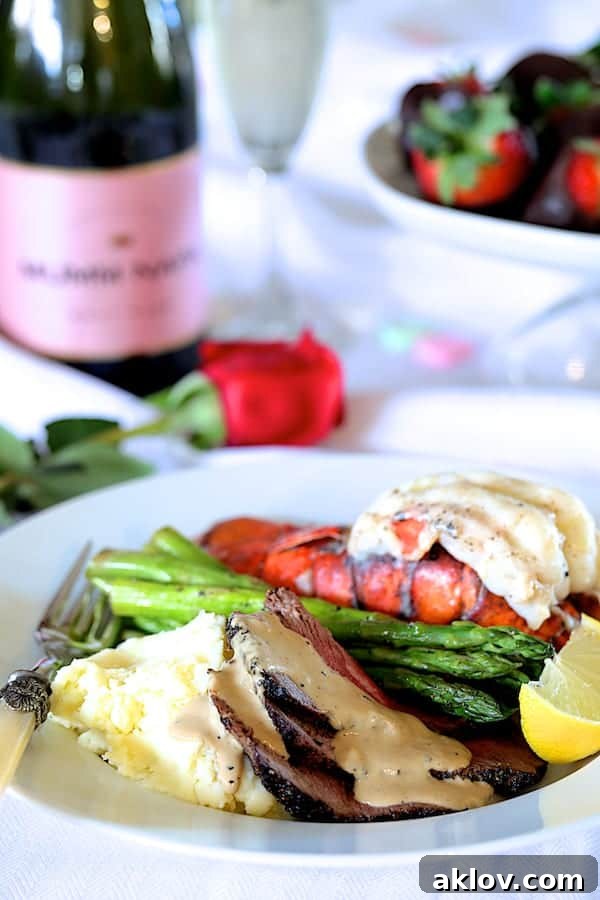
Imagine a truly unforgettable dining experience, right in the comfort of your own home. Forget the stress of crowded restaurants or last-minute reservation scrambles. This guide will empower you to create a luxurious, restaurant-quality Surf and Turf meal that will impress and delight. Featuring succulent Steak au Poivre paired with exquisite Broiled Lobster Tail and perfectly roasted asparagus, this elegant dish is surprisingly easy to prepare, making it ideal for a romantic Valentine’s Day dinner or any special occasion you wish to celebrate. Get ready to transform your kitchen into a gourmet bistro and savor every moment of this culinary masterpiece.
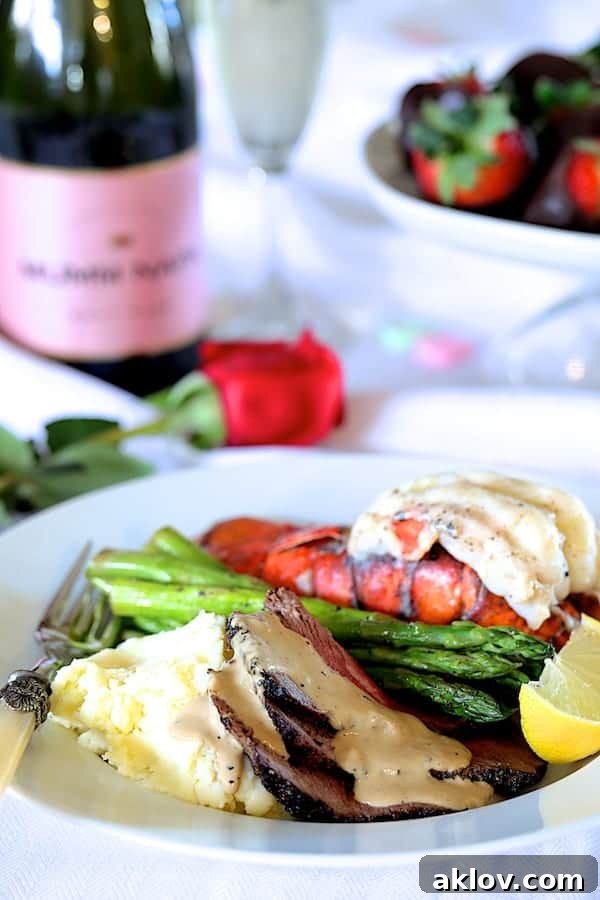
Are you yearning for that special, romantic meal with your sweetheart but finding your favorite dining spots fully booked? Or perhaps you dream of a unique, bistro-inspired experience without the need for a flight to France? You’re in luck! This guide will walk you through crafting a stunning meal that combines classic French flair with luxurious seafood, all achievable in your home kitchen. Let’s create an unforgettable evening together.
What is Steak au Poivre? A Classic French Delight
Steak au Poivre, meaning “pepper steak” in French, is a revered classic of French bistro cuisine, celebrated for its bold flavor and elegant presentation. While its precise origins are somewhat shrouded in mystery, popular legend suggests it emerged from the bustling bistros of Normandy in northern France. Here, it was rumored to be a favorite late-night supper for politicians and aristocrats dining with their companions, as black pepper was believed to possess aphrodisiac qualities – a delightful anecdote that adds to the dish’s allure.
Traditionally, Steak au Poivre is prepared with a high-quality cut of beef, often a filet mignon or chateaubriand. The distinctive characteristic of the dish is its generous crust of coarsely crushed black peppercorns, which are pressed onto the steak before cooking. This peppery coating provides a pungent, aromatic counterpoint to the rich, tender beef. After searing to perfection, the steak is finished with a luxurious cognac-laced cream sauce, which deglazes the pan and infuses the dish with incredible depth and warmth. The combination of the peppery crust, tender beef, and velvety sauce creates a harmonious blend of textures and flavors that is both comforting and sophisticated.
Crafting Your Own Surf and Turf: Steak au Poivre and Broiled Lobster Tail
Creating this magnificent Surf and Turf dish involves a few key steps, each designed to bring out the best in both the steak and the lobster. We’ll start with the essential prep work for the lobster tail, followed by the meticulous preparation of the Steak au Poivre, and finally, the elegant roasted asparagus.
Preparing the Broiled Lobster Tail
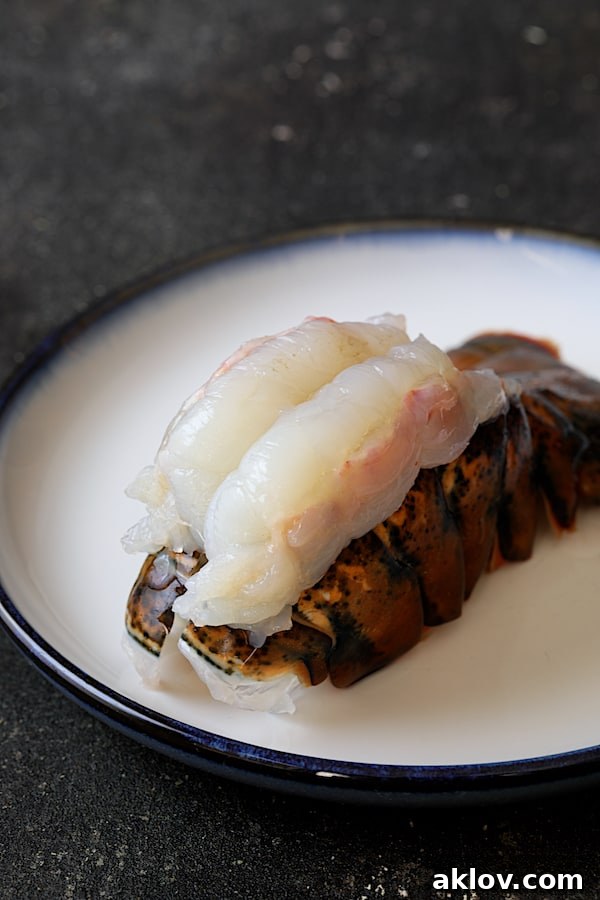
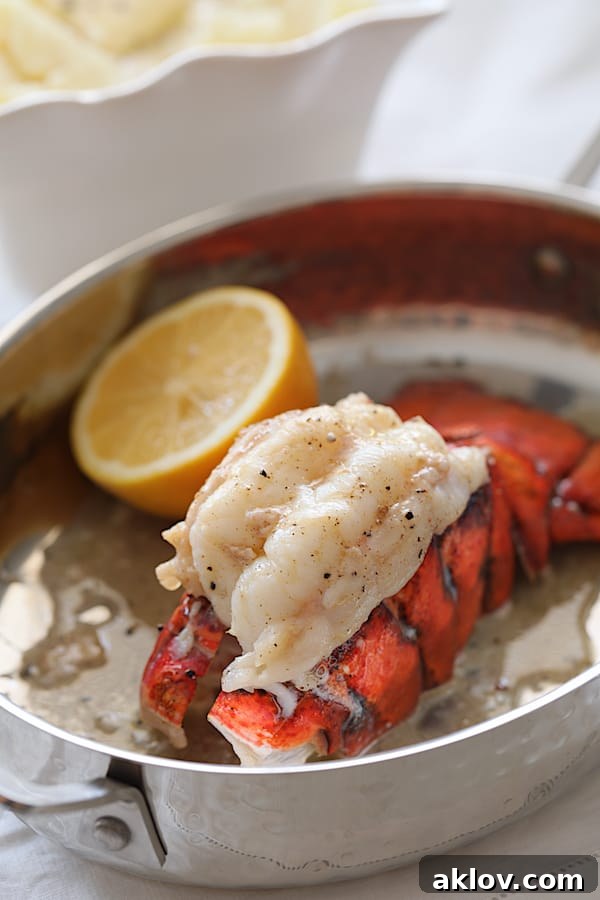
The secret to a beautifully broiled lobster tail lies in its preparation. Butterflying the tail not only ensures even cooking but also creates an impressive visual presentation, often referred to as “lobster tail on the shell” or “piggyback” style.
- **Butterfly the Lobster:** Begin by taking sturdy kitchen shears and carefully cutting through the top of the lobster shell lengthwise, from the wide end down to the tail. Be careful not to cut all the way through the bottom shell. Gently use your fingers or a small spoon (like a teaspoon) to detach the lobster meat from the shell, pulling it up and out. Leave the very end of the meat attached to the tail fan. Position the freed meat on top of the shell, creating a beautiful presentation.
- **Season and Prepare for Broiling:** Place the butterflied lobster tail in a small roasting pan. Season generously with a pinch of salt and freshly ground black pepper. Drizzle the exposed lobster meat with melted butter and a squeeze of fresh lemon juice. Set it aside while you focus on the steak; it will be ready to broil later. This brief marination allows the flavors to meld beautifully.
Mastering the Steak au Poivre
The steak is the “turf” in our Surf and Turf, and preparing it perfectly is key to this dish’s success. We’re focusing on a chateaubriand cut filet mignon, known for its tenderness and rich flavor.
- **Peppercorn Crust:** Begin by patting your filet mignon dry with paper towels. This crucial step helps achieve a beautiful sear. Season liberally with salt. Next, coarsely crush black peppercorns. You can do this by placing them in a resealable bag and using a meat mallet, rolling pin, or the bottom of a heavy skillet. Alternatively, use the coarsest setting on a pepper mill. Generously coat all sides of the steak with the crushed peppercorns, pressing them gently into the meat to ensure they adhere well. This creates the signature “poivre” crust.
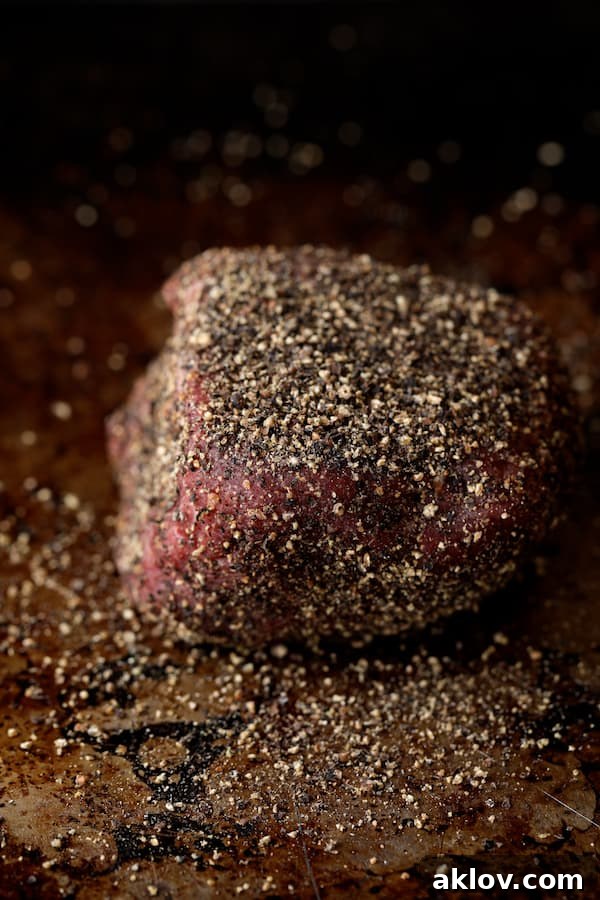
- **Searing the Steak:** Heat a heavy-bottomed skillet, preferably cast iron, over medium-high heat. Add olive oil and allow it to get hot, shimmering, but not smoking. Carefully place the peppercorn-crusted steak into the hot pan and sear on all sides until a rich, dark brown crust forms. This initial sear locks in juices and develops incredible flavor.
- **Finishing in the Oven:** Once seared, transfer the steak to a small roasting pan. Place it in a preheated oven (typically around 450 degrees Fahrenheit, as specified in the recipe card below) to continue cooking to your desired doneness. This two-stage cooking method ensures a perfectly cooked interior while maintaining that beautiful crust.
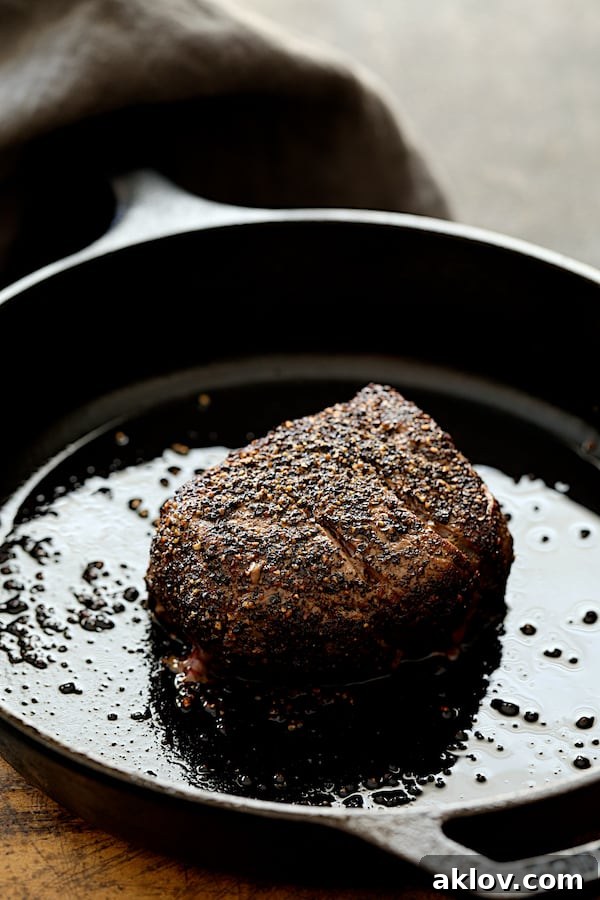
- **Cooking Times:** For a 10-12 ounce chateaubriand cut, approximately 10 to 12 minutes in a 450-degree oven after browning will yield a lovely rare steak. For a medium result, aim for around 15 minutes. Remember that these are guidelines; the most accurate way to determine doneness is with a meat thermometer, which we’ll discuss next.
Perfect Steak Doneness: A Chef’s Guide
Achieving the perfect steak doneness is a skill that develops with practice. While an experienced cook can often estimate doneness by touch, a meat thermometer remains the most reliable method for consistent results.
Here’s how to gauge doneness:
- **The Touch Test:**
- **Rare:** If the steak feels soft and very yielding to the touch, it is likely close to rare.
- **Medium-Rare:** A steak that yields slightly but begins to feel a bit firmer is approaching medium-rare.
- **Medium:** When the steak feels more firm but still has some give, it’s typically cooked to medium.
To practice this, compare the feel of the steak to different parts of your hand: rare (palm below thumb relaxed), medium-rare (thumb to index finger), medium (thumb to middle finger).
- **The Meat Thermometer (Most Accurate):**
- **Rare:** 130 degrees Fahrenheit (54 degrees Celsius)
- **Medium-Rare:** 135-140 degrees Fahrenheit (57-60 degrees Celsius)
- **Medium:** 145 degrees Fahrenheit (63 degrees Celsius)
**Important Tip for Thermometer Use:** When checking the temperature, insert the thermometer into the side of the thickest part of the steak, aiming for the center. Avoid piercing the top, as this can cause valuable juices to escape and potentially disrupt that beautiful peppercorn crust.
- **Carryover Cooking:** Always account for “carryover cooking.” This means that the internal temperature of the steak will continue to rise slightly (usually by 5-10 degrees Fahrenheit) as it rests after being removed from the heat. To achieve your desired final doneness, remove the steak from the oven when it is a few degrees below your target temperature.
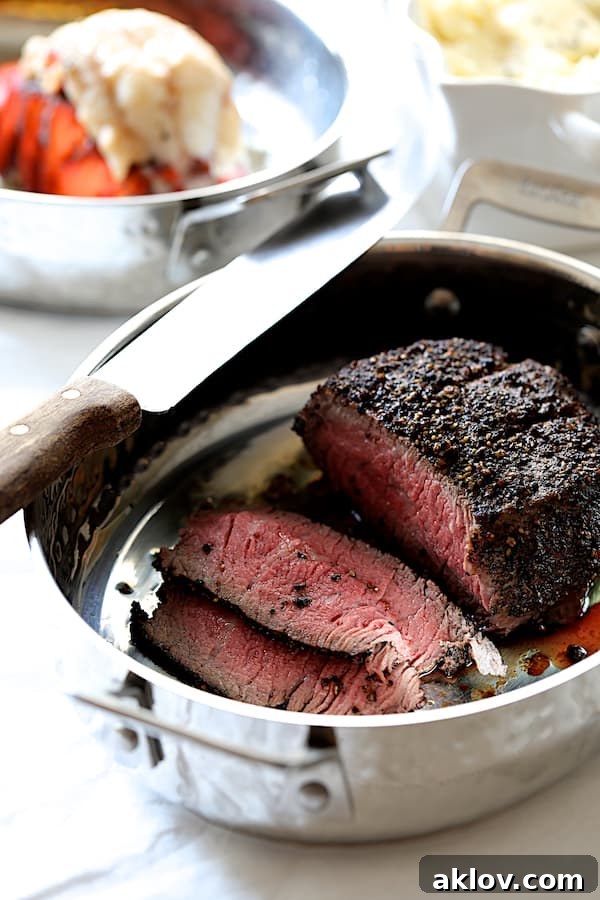
- **Crafting the Cognac-Laced Cream Sauce:** While your steak is resting, it’s time to create the luscious sauce that elevates Steak au Poivre. Using the same pan where you seared the steak, you’ll deglaze it with cognac, then simmer with beef broth and heavy cream to create a rich, flavorful sauce. The drippings and peppercorn remnants in the pan will infuse the sauce with incredible depth.
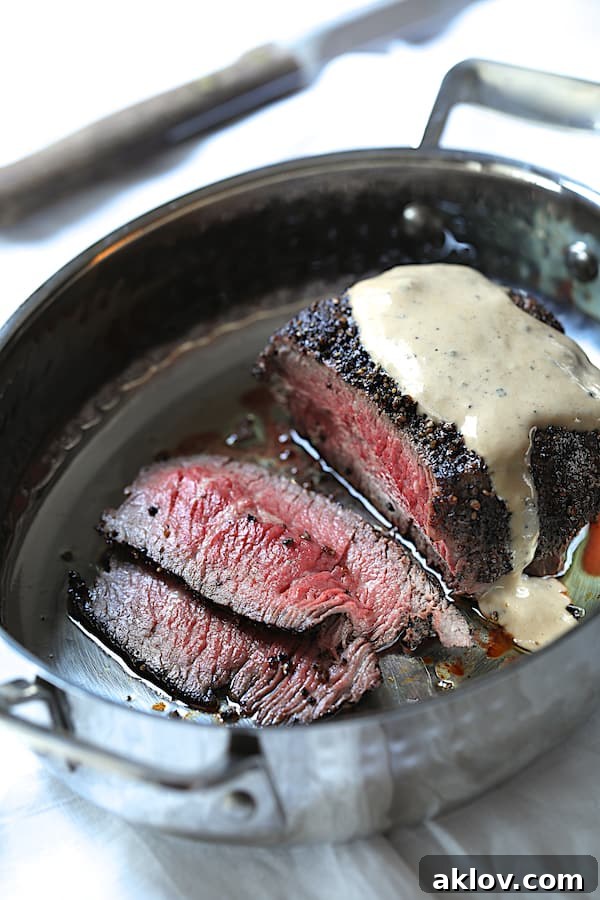
Tips for Cooking with Alcohol Safely
When adding high-proof alcohol like cognac to a hot pan, exercise caution. While many recipes instruct you to ignite the alcohol to burn off the fumes, it’s perfectly safe and often preferred to simply let it cook down. For those who, like me, prefer to avoid open flames in the kitchen, here’s a safe and effective method:
- **Deglazing without Ignition:** After searing your steaks and transferring them to the oven, remove the skillet from the heat source. Wait a moment or two for the pan to cool slightly, then carefully pour in the cognac. Return the pan to the heat, bring the cognac to a gentle boil, and let it simmer for a minute or two. This process allows the alcohol to evaporate naturally while leaving behind all the wonderful flavor notes, creating a complex base for your sauce without any risk of flare-ups.
- **Continue with the Sauce:** Once the cognac has reduced, proceed by adding the remaining sauce ingredients, such as beef broth and heavy cream, to finish your rich accompaniment.
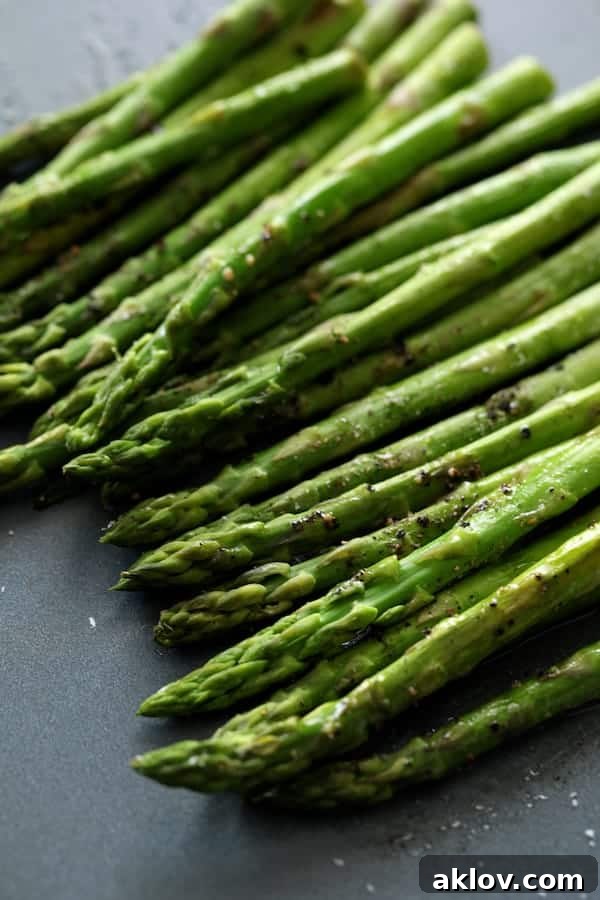
Preparing the Roasted Asparagus
A vibrant side of roasted asparagus provides a fresh, crisp contrast to the richness of the steak and lobster. It’s simple, elegant, and can cook alongside your main course.
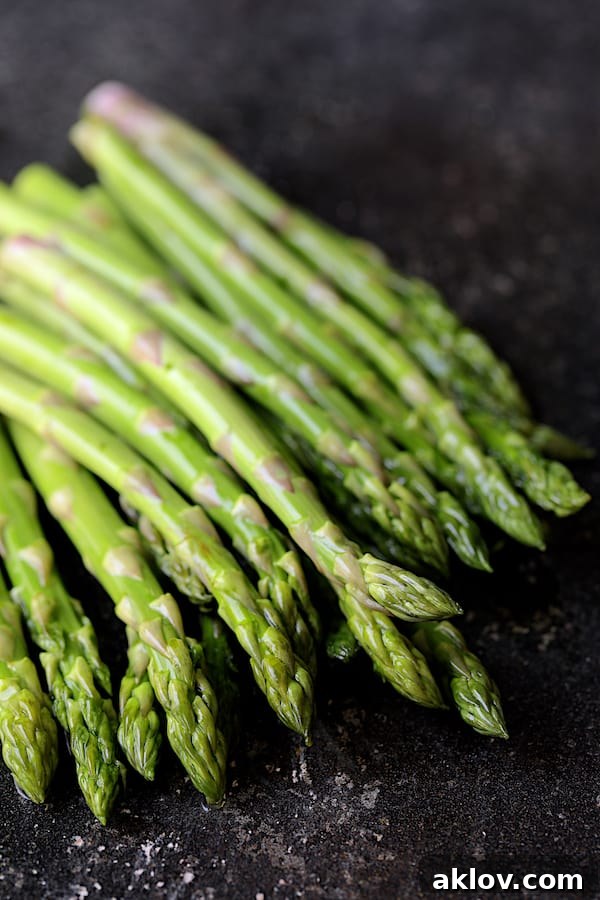
- **Simple Roasting:** Trim the woody ends from your fresh green asparagus spears. Place them on a rimmed baking sheet, drizzle with olive oil, and season lightly with salt and freshly ground black pepper. These can roast in the oven alongside your beef during its final minutes of cooking, ensuring everything is ready around the same time.
- **Resting and Keeping Warm:** Once roasted, remove the asparagus and cover it loosely with aluminum foil to keep it warm. Similarly, tent your cooked steak with foil to allow it to rest. Resting is crucial for the steak, as it allows the juices to redistribute throughout the meat, resulting in a more tender and flavorful bite.
Broiling the Lobster to Perfection
The final component of your Surf and Turf, the lobster, cooks quickly under the broiler, so time it carefully to coincide with the rested steak and warm asparagus.
- **Quick Broil:** Just before serving, preheat your broiler. Place the prepared lobster tail under the hot broiler for approximately five to six minutes. Keep a close eye on it, as broilers can vary in intensity. The lobster meat should turn opaque white and be cooked through to an internal temperature of 145 degrees Fahrenheit. Overcooking will make the lobster tough, so precise timing is essential.
Completing Your Surf and Turf Meal
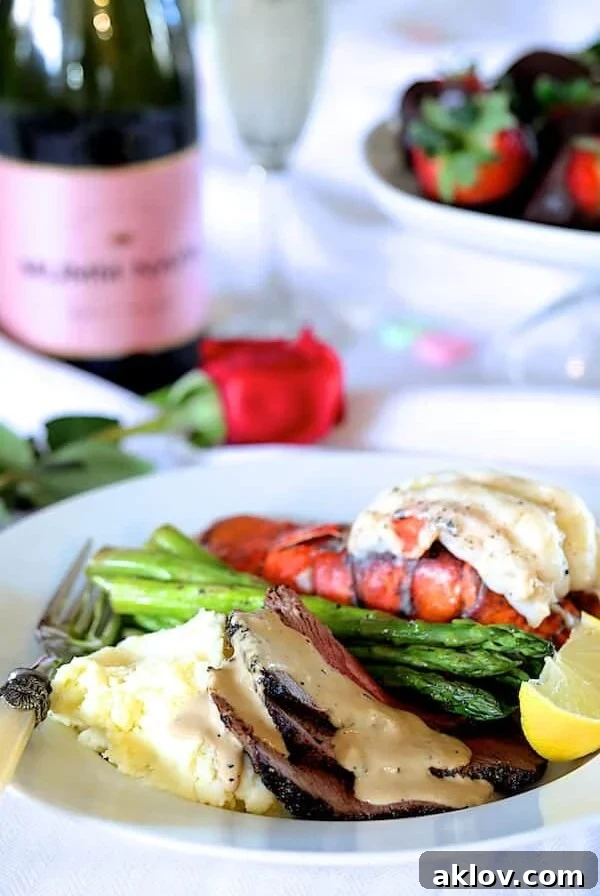
With your Steak au Poivre, Broiled Lobster Tail, and Roasted Asparagus all ready, it’s time to assemble your plates for a truly magnificent feast. Complement this luxurious main course with a classic side dish.
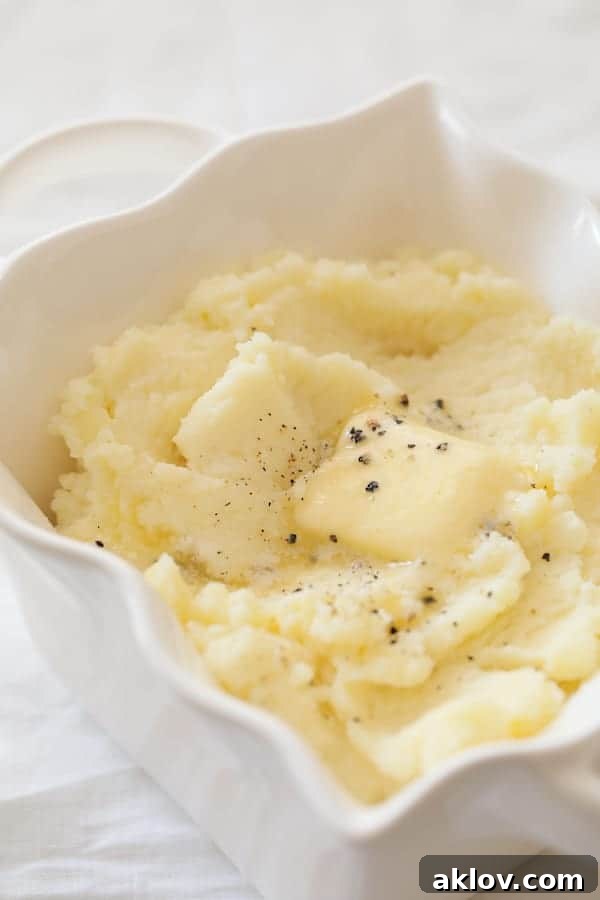
- **Serving Suggestions:** Creamy mashed potatoes or a lighter alternative like mashed cauliflower are excellent choices to round out this meal. Their smooth texture provides a delightful contrast to the steak’s crust and the lobster’s tenderness. Consider serving extra melted butter for dipping the lobster, and always have lemon wedges on hand for a burst of freshness.
This exquisite Surf and Turf, prepared with care and attention to detail, promises a dining experience that rivals any fine restaurant. It’s the perfect way to celebrate love, make memories, and enjoy gourmet flavors in the comfort of your home. Enjoy your happy and beautiful Valentine’s Day, or any day you choose to make special!

More Lovely Romantic Dinner Ideas for Two!
If you’re looking for more ways to celebrate or simply enjoy a special meal with your loved one, here are some other delightful and romantic dinner ideas that are perfect for two:
- Sweet Corn Risotto with Seared Sea Scallops and Basil Salsa Verde
- Pan-Seared Sea Scallops with Watermelon Tomato Salsa
- Beef Tenderloin Fillets with Spinach Cambozola Stuffed Portobello Mushrooms and Red Wine Sauce
- Lighter Beef Stroganoff
- Shrimp and Corn Risotto with Bacon
- Classic Creme Brulee for Two
Surf and Turf – Steak au Poivre and Broiled Lobster Tail
Equipment
-
Set of Cast Iron Skillets
-
Wusthof Chef Knife
-
Cutting Board
-
Rimmed Sheet Pan
Ingredients
Steak
- 1 (10-12 ounce) chateaubriand cut filet mignon
- salt
- 2 tablespoons black peppercorns
- 2 tablespoons olive oil
- 1/3 cup cognac, or good brandy
- 2/3 cup beef broth
- 1/3 cup heavy cream
- 2 teaspoons Dijon mustard
Lobster Tails
- 2 (10-ounce) lobster tails, shell split and meat pulled up and over shell
- 1 tablespoon unsalted butter, melted, plus more for dipping if desired
- 1/2 lemon, juiced
- Salt and freshly ground black pepper
- Lemon wedges, for serving
Roasted Asparagus
- 1 bunch green asparagus, (approximately 1 pound)
- 2 tablespoons olive oil
- Salt and freshly ground black pepper, to taste
Instructions
Steak
-
Preheat oven to 450 degrees F (230 C). Pat steaks dry and season liberally with salt.
-
Place peppercorns in a zipper-top bag and seal. Coarsely crush the peppercorns with a meat mallet, rolling pin, or heavy skillet. Alternately, use the coarsest grind of a pepper mill. Transfer to a plate.
-
Roll filet in peppercorns so it’s evenly coated, pressing them in slightly.
-
Heat a heavy skillet over medium-high heat. Add oil and heat until hot but not smoking. Add filet and cook until evenly browned on all sides. Transfer to a small roasting pan and place in the oven. Roast for 10 to 15 minutes or until at least 130 degrees F (54 C) in the center for rare.
-
Take the pan off the heat and add cognac. Return pan to heat, bring to a boil, and cook 1 minute. Add beef broth and cream and cook 8 to 10 minutes or until thickened. Add Dijon mustard. Season to taste with salt and black pepper. Keep warm.
Lobster Tails
-
Preheat broiler. Combine melted butter, lemon juice, salt, and black pepper to taste. Drizzle over lobster tail and place under the broiler. Broil 5 to 6 minutes or until cooked through to 145 degrees F (63 C).
Roasted Asparagus
-
Place asparagus tips on a baking sheet. Drizzle with olive oil and season with salt and black pepper. Roast alongside the steaks for the last 5 minutes or so they are in the oven.
Notes
- If they’re soft to the touch, they’re close to rare.
- If they yield slightly to the touch but are beginning to feel firm, they are close to medium.
- The best way to tell doneness is always with a meat thermometer; 130 degrees F (54 C) is rare, and 145 degrees F (63 C) is medium. There will be a small amount of “carryover” cooking, which means the temperature will continue to rise slightly as the steak rests, so you’ll want to account for that.
Nutrition
Nutritional values are automatically calculated using unbranded products and are estimates only. Actual results may vary based on ingredients used and portion sizes. Adjust as needed for dietary restrictions, allergies, or health concerns.
 Like this? Leave a comment below!