
Have you ever eagerly clicked on a seemingly perfect recipe online, only to find the result in your kitchen was a complete disaster? You might have fallen victim to “AI slop” – a deceptive trend where artificial intelligence generates recipes and imagery that look irresistible but are utterly impractical or even inedible. This isn’t just about a failed meal; it’s about wasted time, precious ingredients, and a growing erosion of trust in online content. As AI rapidly integrates into our daily lives, understanding how to discern authentic culinary creations from AI-generated fakery has become an essential skill for every home cook and food enthusiast.
Understanding Artificial Intelligence and Its Culinary Implications
To truly grasp the concept of AI slop, it’s helpful to understand what Artificial Intelligence is at its core. As defined by AI itself (via ChatGPT):
“Artificial intelligence is when computers are designed to think and learn in ways that mimic human intelligence. Instead of just following fixed instructions, AI can recognize patterns, make decisions, solve problems, and even improve over time as it processes more information.”
The past two years have witnessed an unprecedented explosion in AI capabilities and accessibility. Free online platforms like ChatGPT, Grok, Claude, and Gemini have become commonplace tools for a myriad of tasks, ranging from answering complex questions and drafting correspondence to conducting research and, yes, even generating cooking advice and recipes. This pervasive technology is even being utilized by students for their academic work, highlighting its broad integration into society.
When deployed with integrity and a sense of responsibility, these AI applications offer transformative possibilities for the future. However, like any powerful tool, AI is susceptible to misuse by malicious actors who prioritize personal gain over ethical considerations. These fraudsters leverage AI to create deceptive content, including alluring photos, elaborate recipes, and entire websites. Their methods often involve either generating content entirely with AI or illicitly appropriating the valuable work of dedicated food bloggers and then altering it using AI to circumvent copyright protections.
Adding fuel to this fire, unscrupulous ad networks, driven solely by profit, monetize these deceptive websites. This financial incentive only encourages the proliferation of fraud, creating a vicious cycle. It’s crucial to remember that currently, AI-generated content and photography are not eligible for copyright protection, despite many “slop sites” falsely claiming copyright ownership.
The Mechanics of AI Recipe Generation: A Recipe for Disaster?
When asked how it “develops” a recipe, ChatGPT provided a revealing insight into its process:
“When you ask me for a recipe, I don’t go pull one directly from a specific cookbook, website, or database. Instead, I generate a recipe based on what I’ve learned from patterns in a huge mix of text sources I was trained on (like publicly available cookbooks, food writing, and general recipe structures). That means I’m creating a recipe for you in real time, rather than retrieving or copying one from somewhere else.”
While AI’s ability to generate unique recipes from its vast dataset might sound impressive, this process harbors a critical flaw: the AI doesn’t actually test the recipe. Unlike human chefs and food bloggers who spend countless hours meticulously developing, testing, and refining recipes in a real kitchen, AI simply synthesizes data. This lack of practical application means that while a generated recipe might theoretically sound plausible, it often lacks crucial real-world elements like accurate measurements, practical steps, or even safe ingredient combinations.
The consequences can range from merely disappointing to potentially dangerous. AI has been known to suggest bizarre and unappetizing ingredient pairings, such as “Bratwurst ice cream” (as reported by The UK Guardian), or even recommend quantities and cooking methods that could be unsafe. Without the human element of sensory evaluation and practical testing, AI-generated recipes are merely theoretical constructs, often leading to wasted ingredients, frustrated cooks, and truly unpalatable outcomes.
Why It Matters: The Growing Threat of AI Slop in the Culinary World
The proliferation of AI-generated content is more than a mere inconvenience; it represents a significant threat to authentic culinary creators and unsuspecting consumers alike. My journey into understanding and combating AI slop began with a personal stake: observing friends innocently sharing AI-generated photos and recipes on social media, combined with the alarming realization that my own hard-earned images and recipes were being stolen and altered by these “AI slop farmers.” Following numerous discussions, shared resources like insightful videos, online articles, and even an HBO John Oliver segment on this issue, an email from a retired library teacher friend, who adeptly taught students about copyright and fair use, solidified my resolve to address this growing problem head-on.
Her question encapsulated the widespread confusion:
“Perhaps it is obvious, and I’m just unaware, but how do you tell if a recipe is AI-generated? I’m generally fairly tech savvy, but I have to admit I’m not sure what I’m looking for to recognize AI. Hard to keep up with tech!”
This friend’s query, echoed by countless others, underscores the complexity of distinguishing authentic content in an increasingly AI-saturated digital landscape. The truth is, the world of online content, particularly in the culinary sphere, has become the “Wild West.” Until robust laws and severe penalties for theft and deception related to AI usage are firmly established, consumers and creators must equip themselves with the knowledge to navigate this treacherous terrain. Learning to identify deceptive content is crucial not just for saving your next meal, but for protecting your resources and supporting the genuine efforts of human creators.
The Deceptive Art of AI Food Photography: How Fraudsters Craft Fake Images
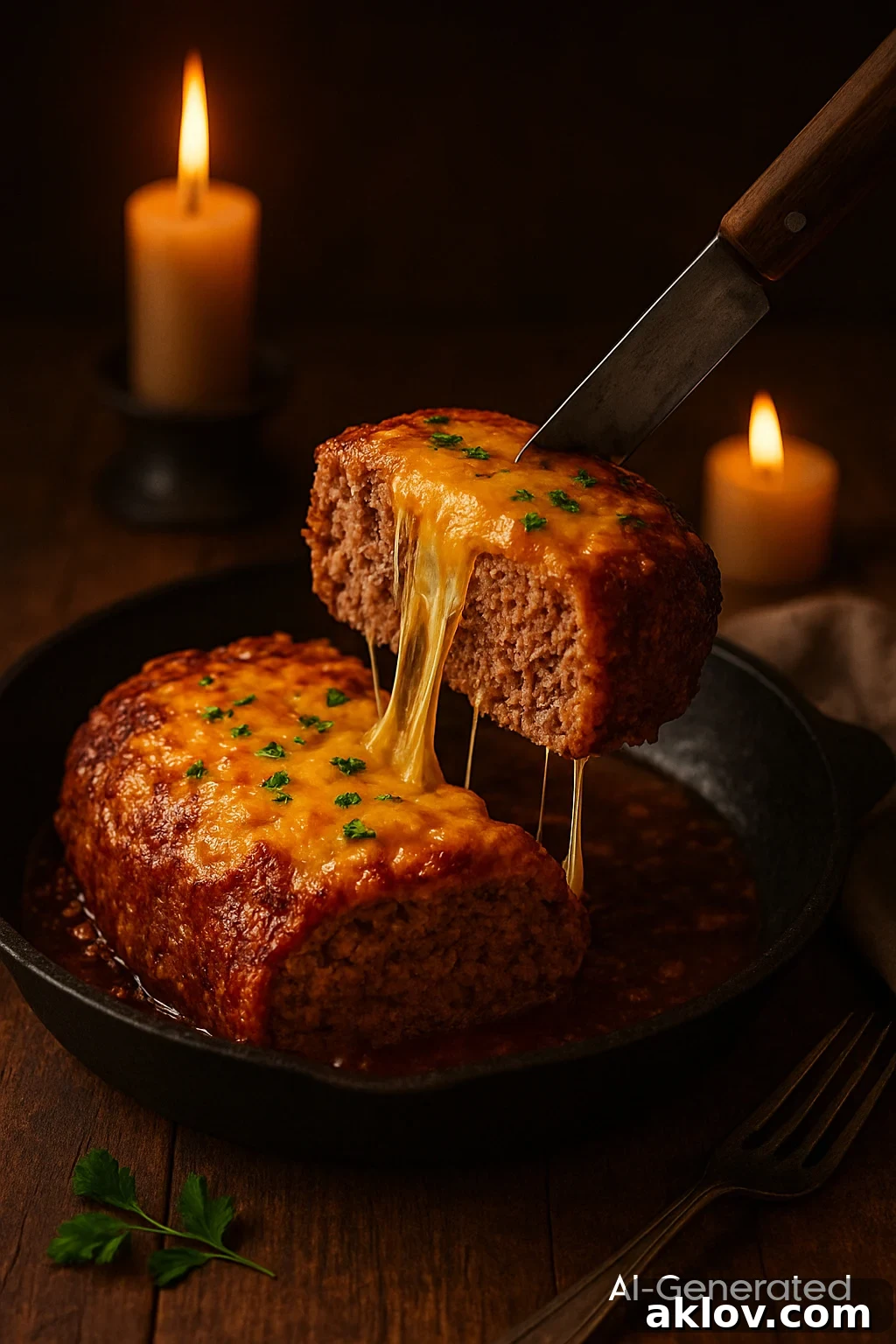
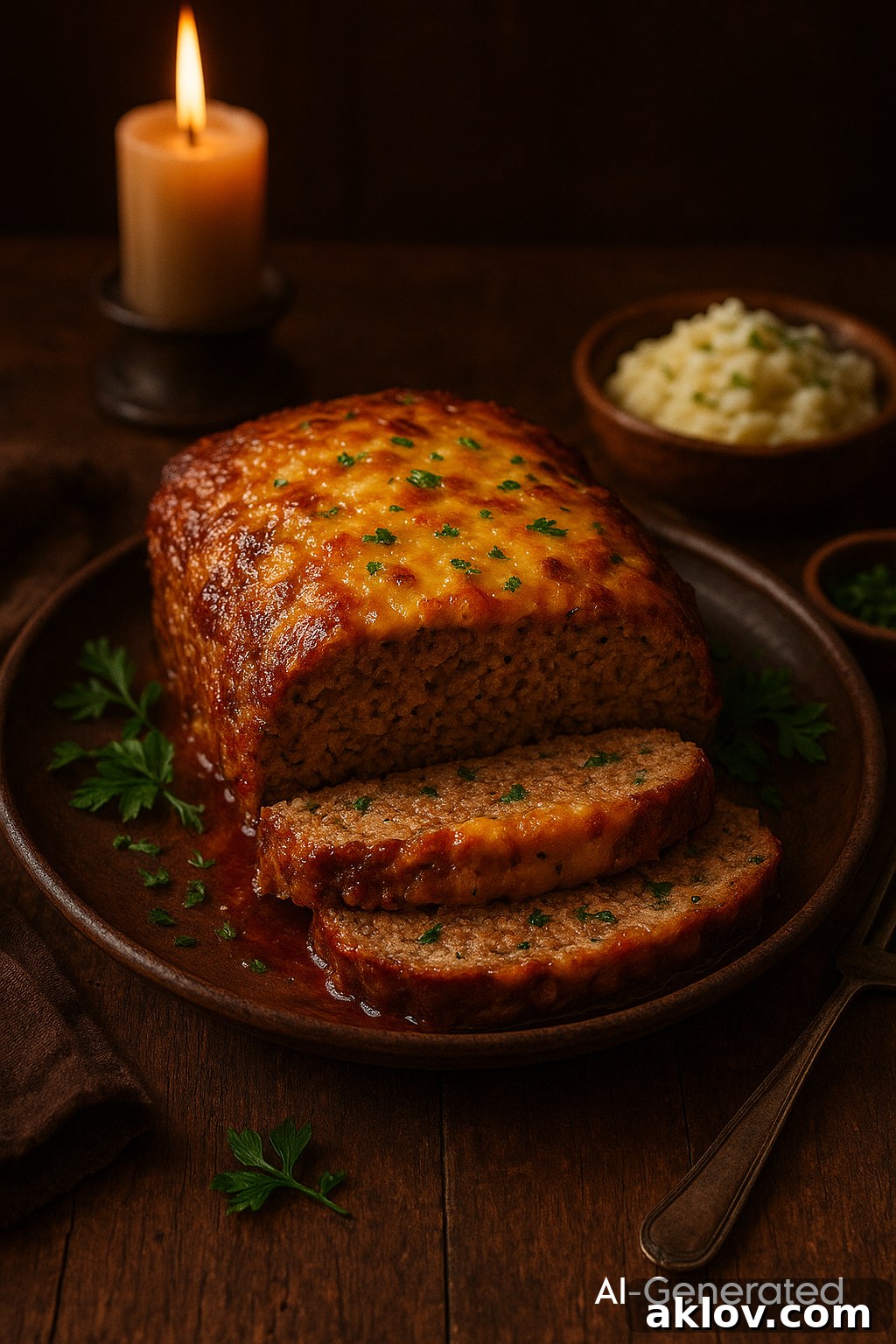
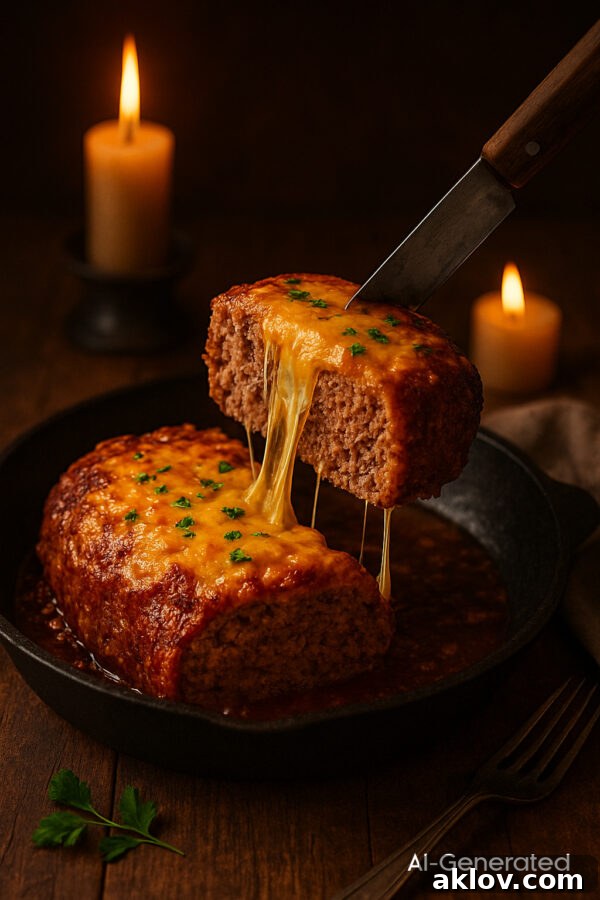
One of the most immediate and impactful ways AI slop manifests is through hyper-realistic, yet ultimately fake, food photography. These images are often designed to be irresistibly appealing, drawing viewers in with vibrant colors and seemingly perfect textures. Creating such an image with AI is astonishingly simple. For instance, a request to ChatGPT to “create a photo of a cheesy meatloaf” yielded a compelling image within minutes using its image generation capabilities:
Furthermore, AI models often provide options to fine-tune these images, making them even more enticing. ChatGPT, in its “helpful” nature, offered several style variations for the meatloaf photo:
- 1. Extreme Cheese Pull 🧀: Focus on long, stretchy melted cheese pulling dramatically from the loaf.
- 2. Steam Rising 🌫️: Capture the heat—visible steam rising from the freshly cut slice.
- 3. Rustic Cast Iron Detail 🍳: Highlight the skillet, rustic utensils, and hearty textures.
- 4. Hands in Frame ✋: A human hand holding the knife or fork mid-slice for realism.
- 5. Overhead Action Shot 📸: Top-down perspective showing the slice being lifted away from the loaf.
- 6. Plated Slice Moment 🍽️: Slice being transferred onto a rustic plate with garnish and sides.
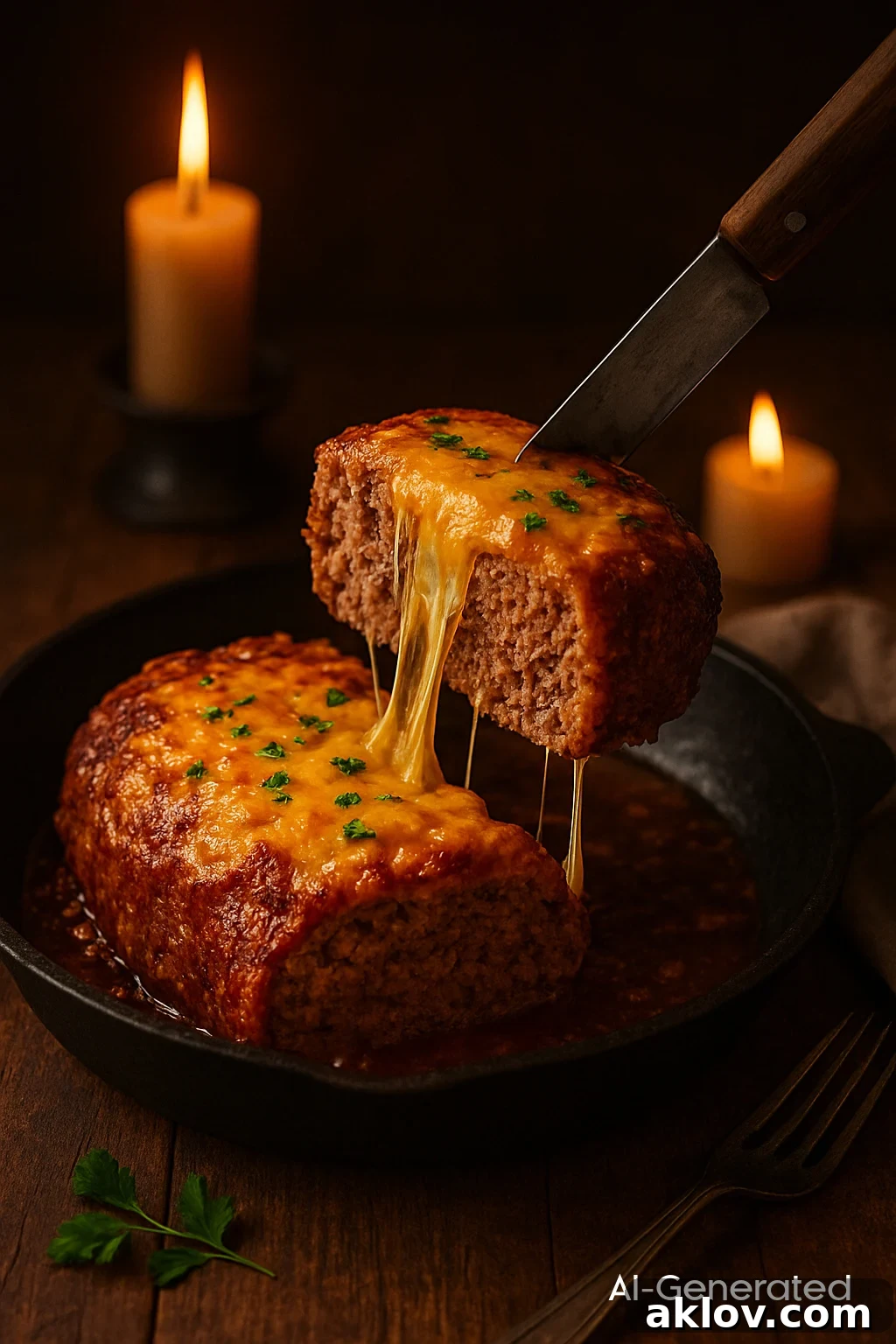
Choosing “Option #1,” the “Extreme Cheese Pull,” resulted in the dramatically cheesy, albeit somewhat unsettling, image seen at the very top of this post. This demonstrates just how effortlessly a “food photo” can be conjured with AI. While this example might seem overtly exaggerated, the sheer volume of fake, AI-generated food photos and recipes circulating on social media means that many individuals struggle to differentiate them from genuine content, inadvertently contributing to the spread of deception.
Consider these two AI-generated meatloaf images again:
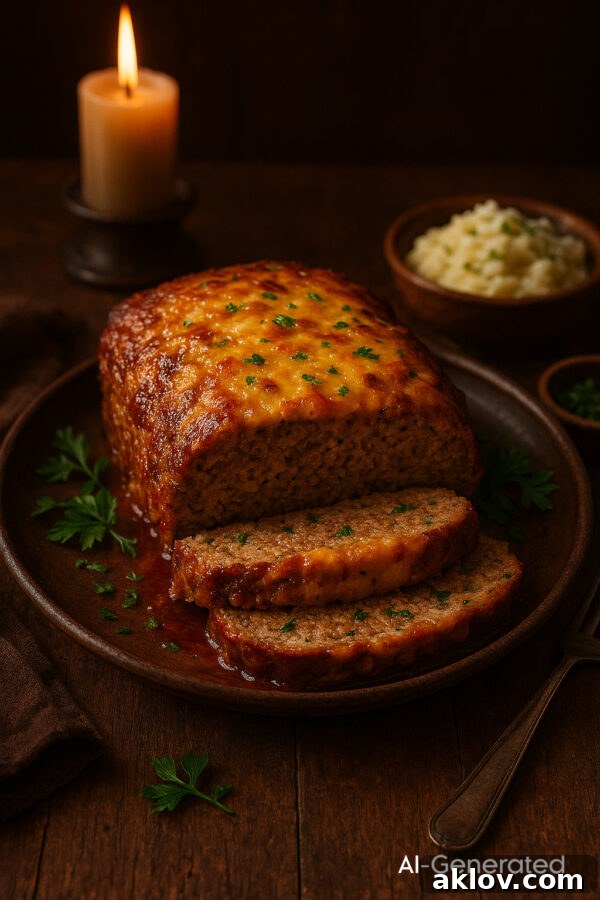
Contrast this with the immense dedication of human food photographers and bloggers. These creators invest thousands of dollars in high-quality camera equipment, sophisticated lighting setups, advanced editing software, unique props, and continuous education through courses and workshops. They pour their passion and expertise into mastering their craft, capturing the authentic beauty and deliciousness of real food. AI-generated photos, designed purely to deceive, undermine all this human effort and artistry with nothing more than a few keystrokes, making it imperative for consumers to learn how to distinguish between genuine and artificial.
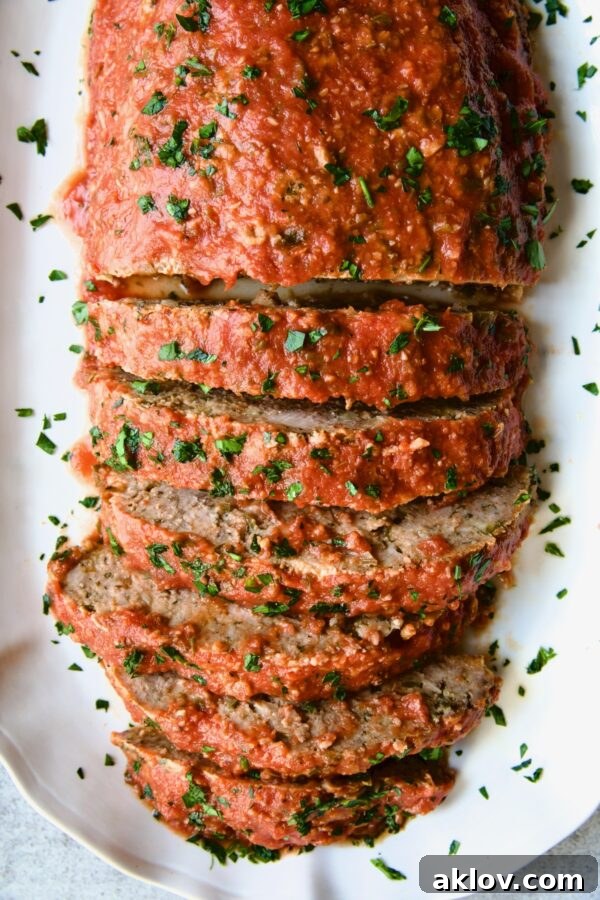
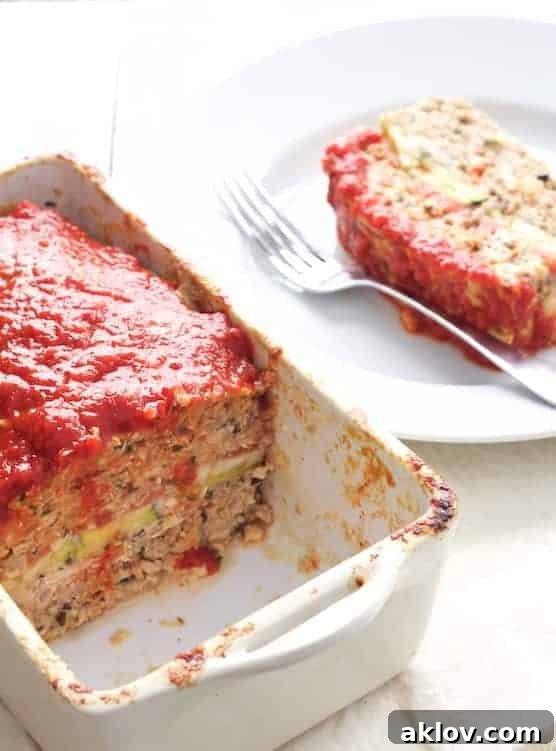
Here are examples of REAL human-created, human-tested meatloaf recipes, showcasing beautiful, authentic imperfection:
Your AI Food Photo Detection Checklist: How to Spot the Fakes
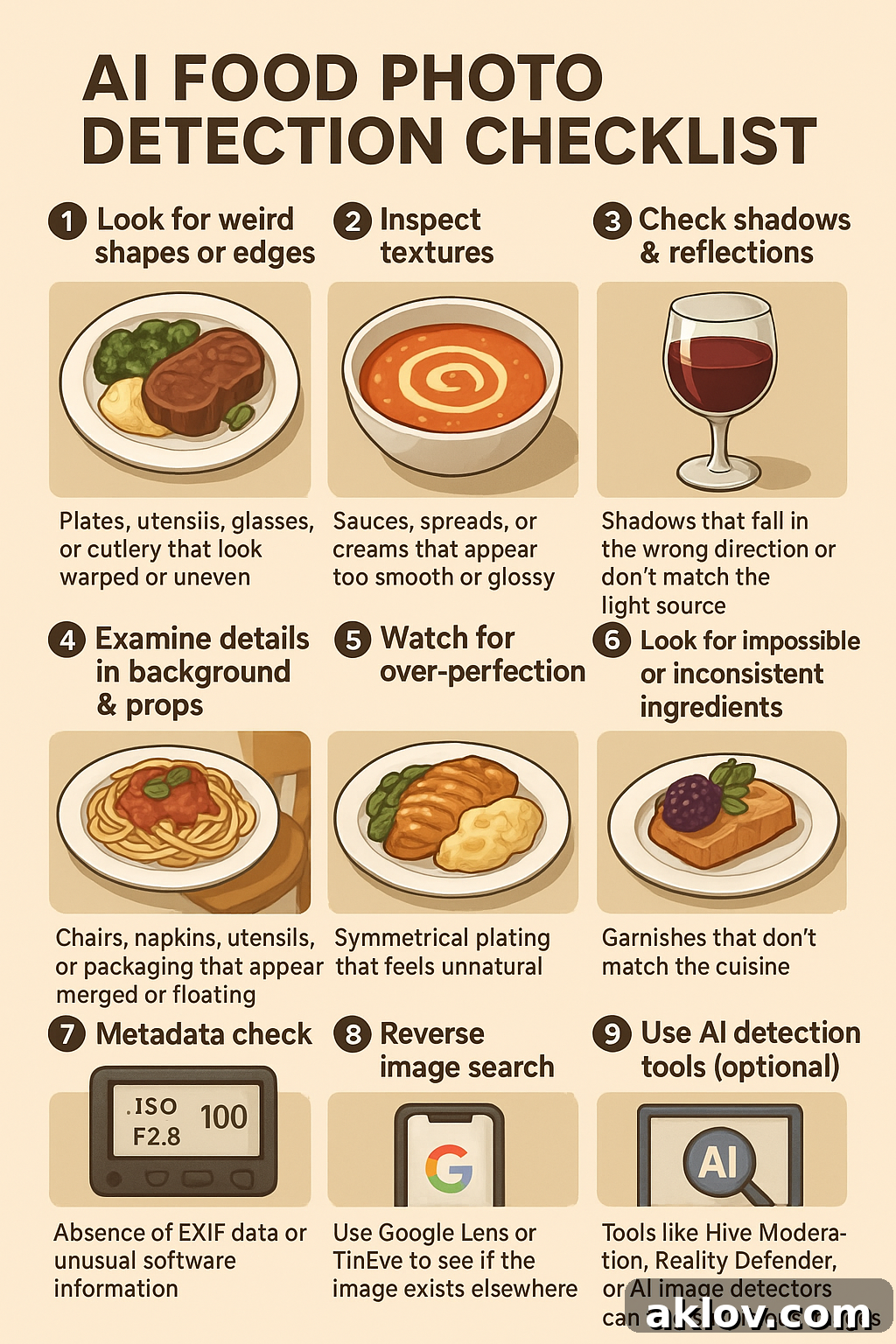
With over 15 years of experience in food photography, I can often quickly identify AI-generated images. However, to the untrained eye, especially as AI generation tools become more sophisticated, distinguishing real from artificial intelligence is increasingly challenging. Think of the unnatural perfection of machine-filled mayonnaise in a new jar – that “too perfect” aesthetic is often a hallmark of AI-generated food photos. To simplify this, I compiled a list of key indicators, even asking ChatGPT itself for its perspective:
1. Look for Weird Shapes or Edges: Unnatural Forms
- Inspect plates, utensils, glasses, or cutlery for warped, uneven, or oddly merged appearances. A spoon might seem to melt into the table, or a plate could have a subtly distorted oval shape.
- Observe food items for inconsistent shapes or impossible stacking configurations. For example, a tower of pancakes might defy gravity, or vegetables could have unnaturally sharp or blurred edges.
2. Inspect Textures: The Lack of Authentic Detail
- Pay close attention to sauces, spreads, or creams that appear excessively smooth, glossy, or unnaturally uniform. Real food has subtle variations and imperfections.
- Examine meat, bread, or vegetables for a noticeable absence of natural imperfections, pores, or fibers. AI often struggles to replicate the organic nuances that make food look truly appetizing and real.
3. Check Shadows and Reflections: Inconsistent Lighting
- Look for shadows that fall in the wrong direction, are missing entirely, or don’t logically align with the apparent light source. AI often misinterprets how light interacts with objects.
- Assess reflections in liquids, metal, or glass for blurriness, distortion, or complete absence where they should be present. These details are notoriously difficult for AI to render accurately.
4. Examine Details in Background and Props: Anomalies in the Setting
- Observe background elements like chairs, napkins, or packaging for merged elements, floating objects, or strange, non-existent patterns.
- Scrutinize human elements such as fingers or hands, which often appear twisted, disproportionately long, or have too many/few digits in AI-generated images.
5. Watch for Over-Perfection: The Unnatural Ideal
- Be wary of plating that is too symmetrical, uniform, or perfectly arranged, creating an artificial or unnatural feel. Real food photography often embraces some degree of organic chaos.
- Notice colors that are excessively bright, uniformly saturated, or perfectly distributed in a way that seems digitally enhanced rather than naturally appealing.
6. Look for Impossible or Inconsistent Ingredients: Culinary Logic Breaks
- Spot garnishes that are completely out of place for the cuisine or dish being presented (e.g., tropical fruit on a winter stew).
- Identify cooked textures that seem contradictory or incorrect, such as elements appearing both raw and perfectly baked simultaneously.
7. Metadata Check: The Digital Fingerprint
- Images generated by AI may have unusual or generic software information in their metadata.
- A common indicator of AI generation is the complete absence of EXIF (Exchangeable Image File Format) data, which is standard for images created by digital cameras and stores details like camera model, date, and settings.
8. Reverse Image Search: Tracing the Origin
- Utilize powerful tools like Google Lens or TinEye to perform a reverse image search. This can reveal if the image has appeared elsewhere online, potentially identifying its original source or flagging it if it only appears on suspicious, new, or unrelated sites.
- A lack of real-world references or a history of appearances on reputable sites can be a significant red flag for AI generation.
9. Use AI Detection Tools: Specialized Software
- Several specialized AI image detection tools exist, such as Hive Moderation or Reality Defender. While not foolproof, these tools can analyze image characteristics and provide a likelihood score for AI generation.
10. If Something Looks Off, It Probably Is: Trust Your Instincts
Ultimately, a general sense of unease or visual inconsistency often points to an AI-generated image. Our brains are adept at recognizing subtle patterns that diverge from reality. If an image triggers a feeling of “something’s not quite right,” it’s wise to proceed with caution.
ChatGPT was even obliging enough to create a helpful graphic summarizing these detection points:
More Examples of AI-Generated Food Photos: The Subtle and the Absurd
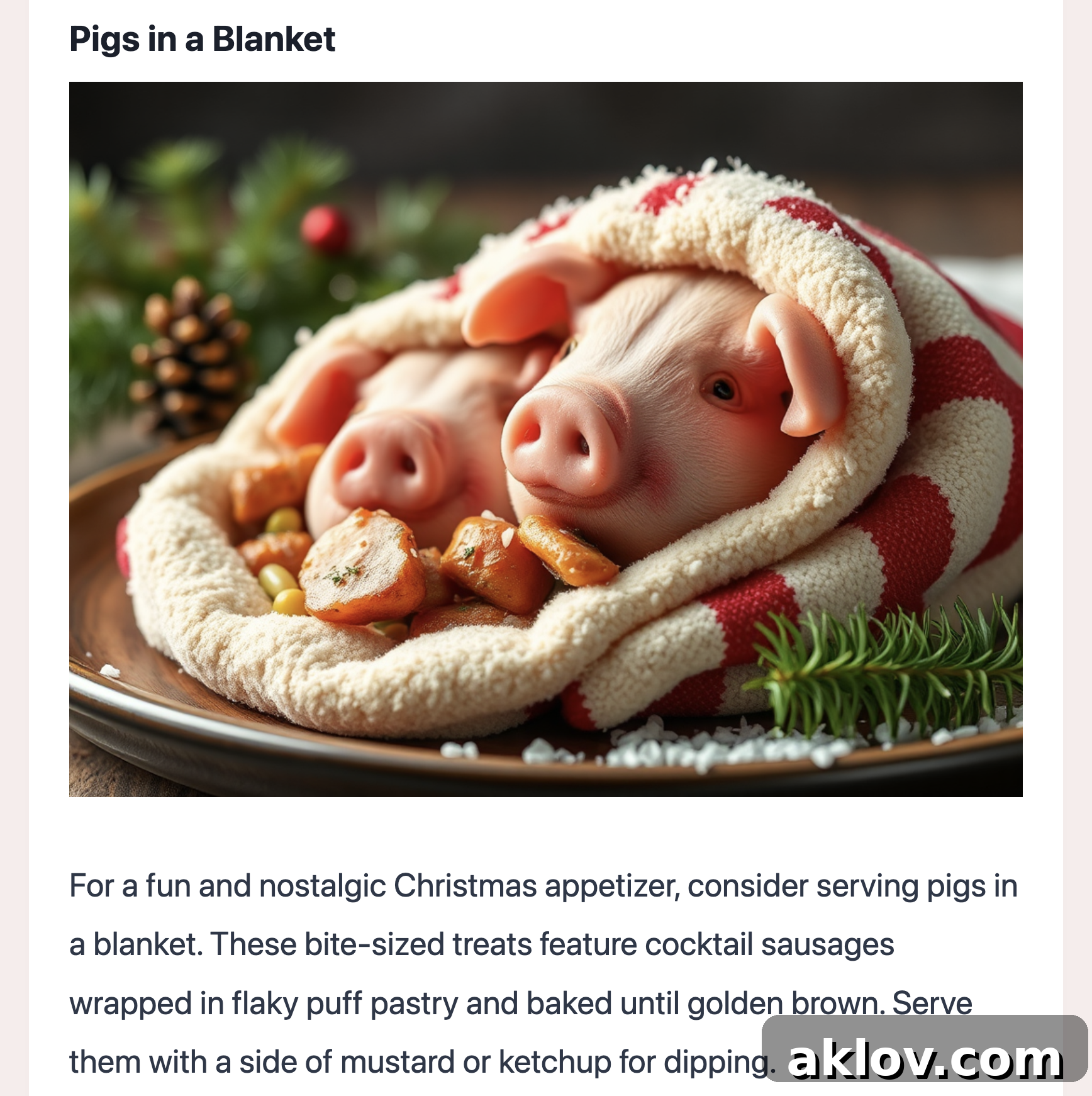
Many AI-generated food photos, despite their obvious flaws upon closer inspection, manage to accumulate thousands of likes and shares on platforms like Facebook. Do you notice anything unusual in these examples? Have you ever encountered naturally square zucchini, sliced an avocado in such an odd manner, seen an oval eggplant, or garnished a plate with tiny three-leaf clovers?
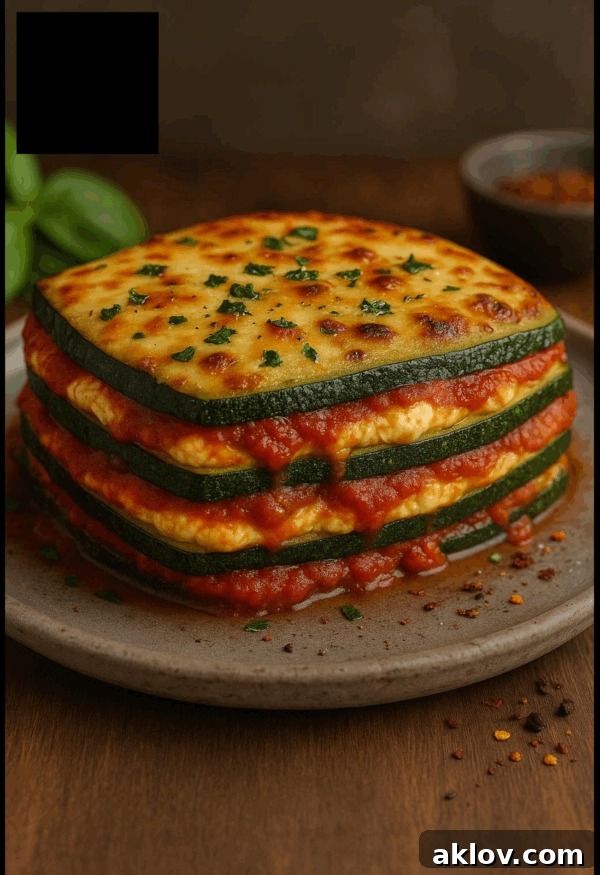
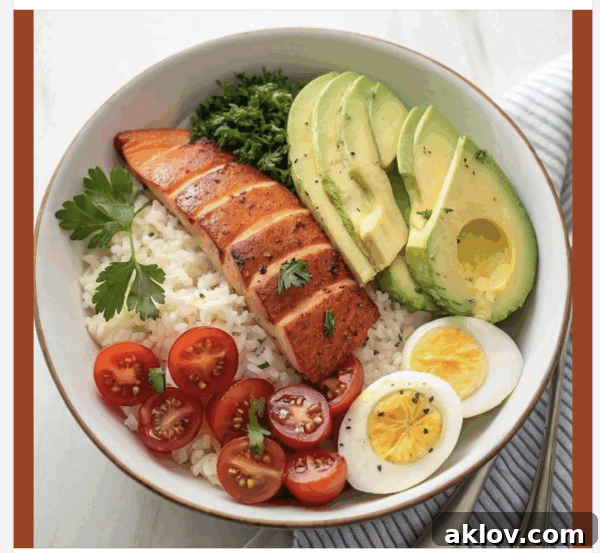
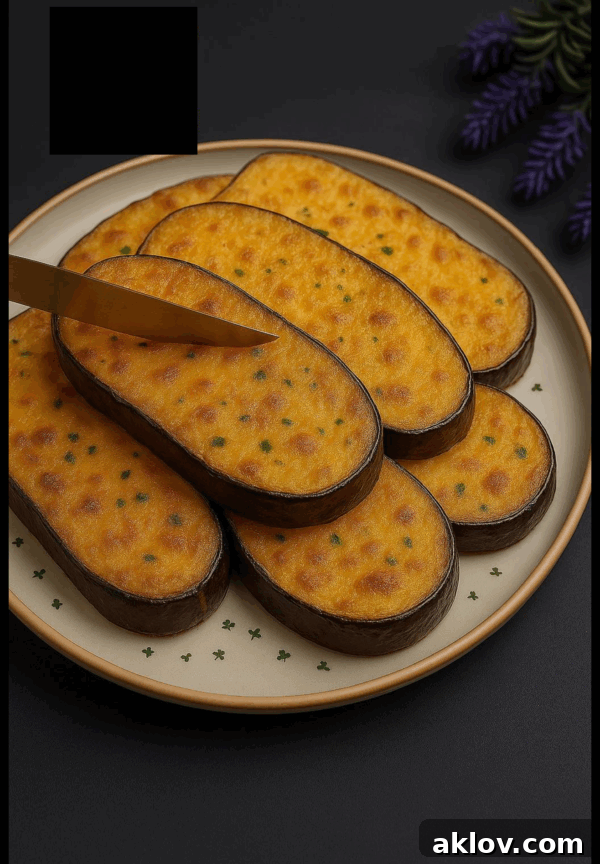
However, AI-generated photos are not always so easily identifiable. Some can be remarkably convincing, making them difficult to distinguish from real photography. In such cases, these images might even be stolen authentic photos that fraudsters have put through an AI program like Midjourney to subtly alter them, hoping to bypass copyright detection and make them appear “new.”
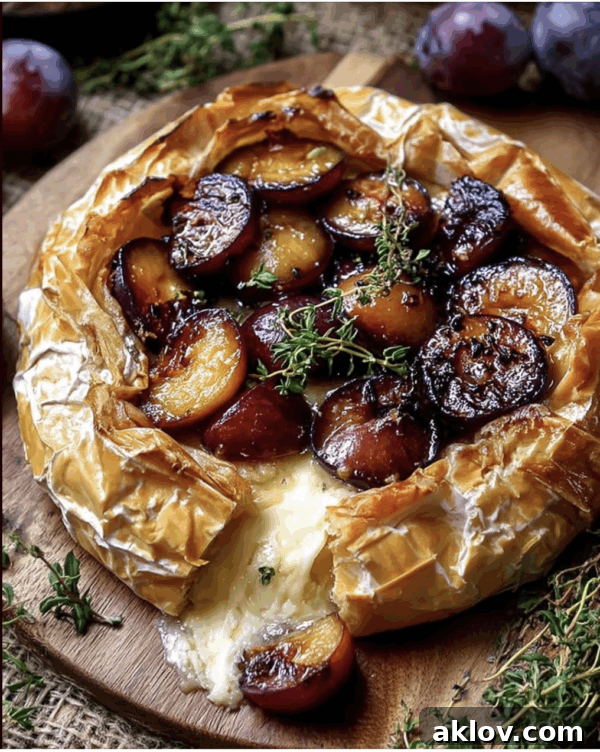
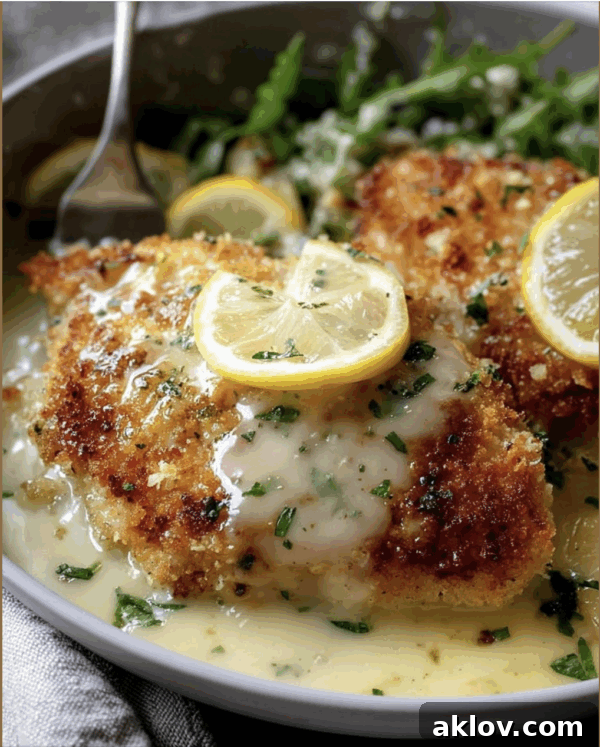
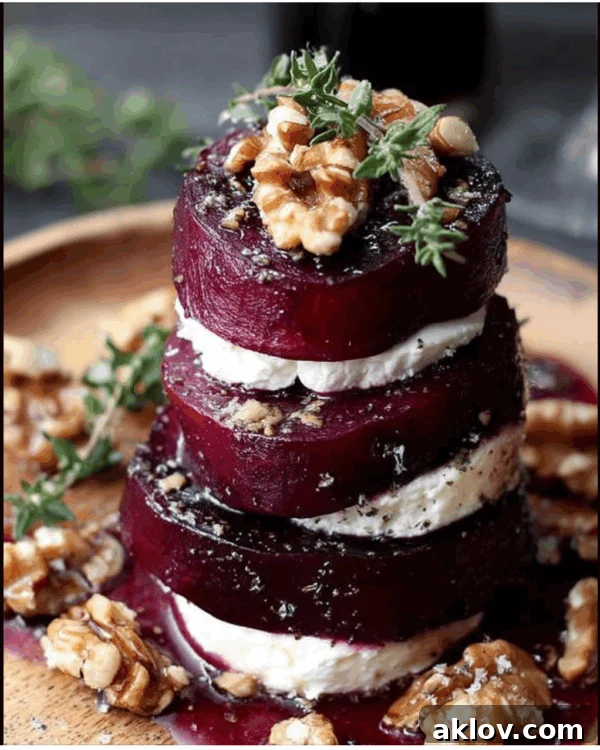
A common tactic in AI food photography is to make everything appear excessively buttery, cheesy, saucy, and gooey. This exaggerated richness is designed to trigger an immediate, almost primal, positive response from viewers, making the food seem incredibly desirable and shareable.
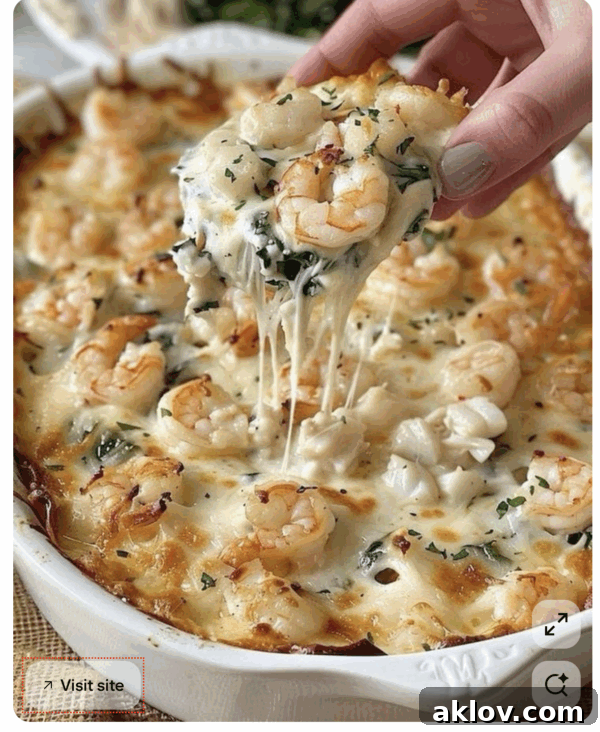
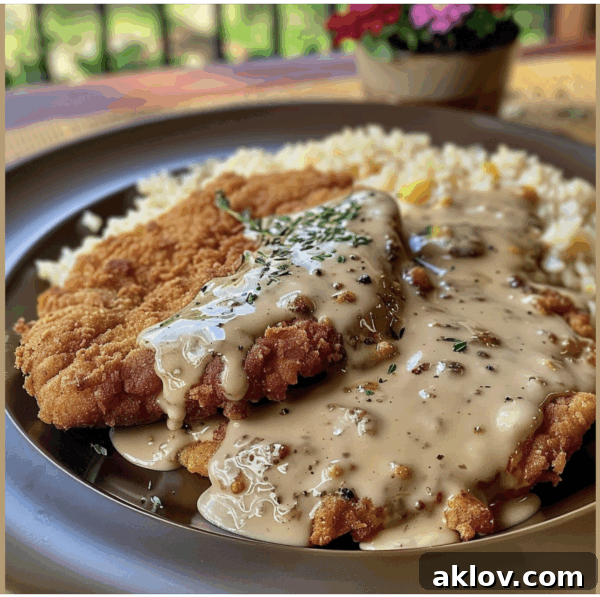
And remember, if something looks “off” or too perfect to be true, it probably is. Trust that gut feeling:
Google Lens – A Powerful and Free Tool for Verification
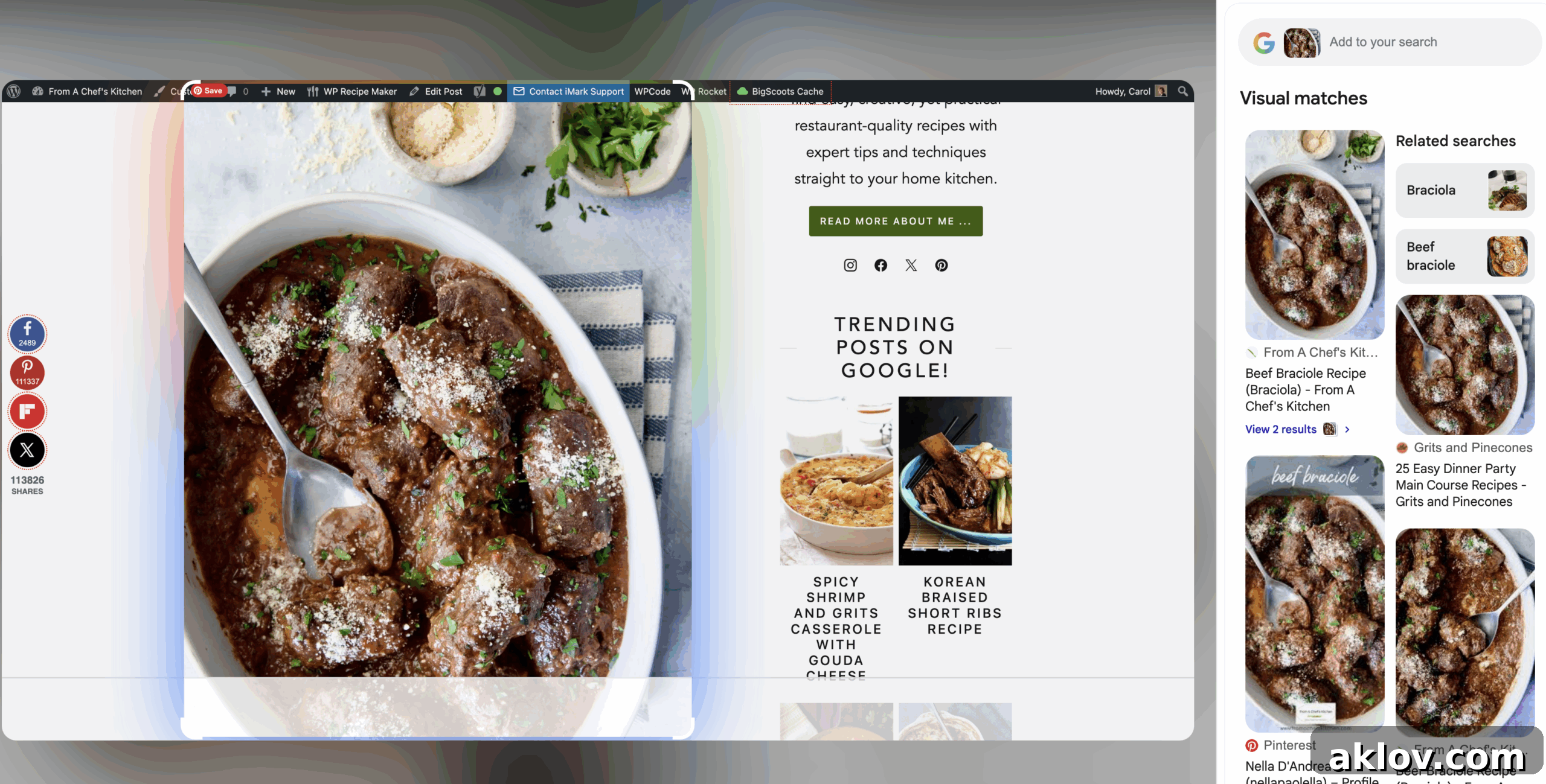
One of the most accessible and effective tools for verifying the authenticity of an image is Google Lens. If you’re uncertain whether a food photo is real or AI-generated, simply right-click on the image and select “Search with Google Lens.” While there are many variables, Google Lens will often reveal the image’s origin and show where else it appears online. This feature is remarkably effective, even on platforms like Facebook.
Consider one of my top, human-created recipes, Beef Braciole. When Google Lens inspects this image, you’ll see numerous visual matches on the right side of the screen. This consistent appearance across multiple reputable sources confirms it as a human-created, copyrighted photograph, demonstrating its authentic online presence.
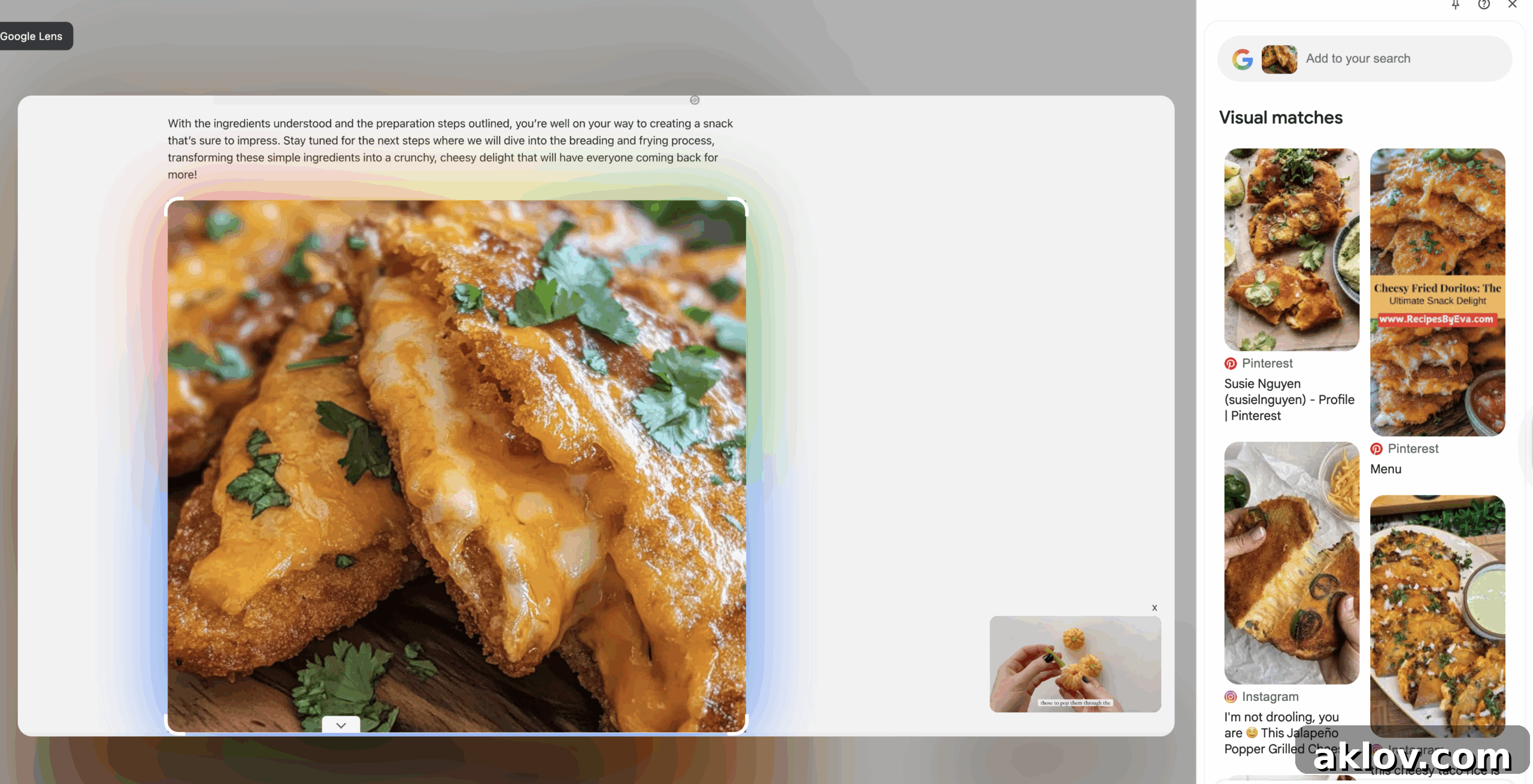
In stark contrast, when Google Lens analyzes an AI slop recipe for something like “Crunchy Fried Cheese Stuffed Doritos,” it typically yields no visual matches other than perhaps an isolated, AI-generated pin on Pinterest. If visual matches do appear, they often lead back exclusively to the Facebook groups and pages operated by the very “AI slop farmer” attempting to deceive. This lack of diverse, reputable sources is a strong indicator of AI-generated content. (And yes, the concept of “stuffed Doritos” is as dubious as the AI that conjures it!)
How to Know You’re on a Fake “Food Blogger” Website: Identifying Deceptive Culinary Sites
Beyond individual images, entire websites are being created as fronts for AI slop. Recognizing these fake “food blogger” sites is crucial for protecting yourself from low-quality, untested recipes and supporting genuine creators.
Suspicious Website Names: A Red Flag
The names chosen for these fake AI food blogger sites are often as bizarre and nonsensical as the content they host. Real food bloggers invest considerable time, emotion, and thought into their blog names, branding, and URLs because their blog is a personal extension of their passion and craft. When they share recipes, they are sharing a piece of themselves, a testament to their dedication to the culinary arts. In contrast, AI slop sites frequently feature generic, keyword-stuffed, or awkwardly phrased names that betray a lack of genuine investment. A quick scan of Pinterest or social media often reveals such gems as:
- Foodiffy
- Forkfulheaven
- Foodmadegently
- Crisptastes
- Myauntyrecipes
- Cookcraze
- Cookedbymomy
- Pamdishes
- Tasteofrecipe
- Dishestasty
The Site Is Extremely Slow to Load: Performance Indicators of Fraud
- A painfully slow loading speed is a common symptom of these fraudulent sites. This is often because they rely on shoddy, spammy ad networks as their sole monetization strategy. Reputable ad networks, such as Raptive, employ advanced technology to ensure their member sites load quickly and efficiently.
- Crucially, esteemed ad networks like Raptive will not monetize AI slop sites. To ensure you’re on a legitimate site, look for a “A Raptive Partner Site” designation at the very bottom of the webpage (like on my site). This small detail assures you that a real human creator is behind the content. Similarly, Mediavine, another highly respected ad network widely used by food bloggers, is actively working to cleanse AI sites from its network and amplify its support for human creators.
- Another factor contributing to slow load times can be the use of free, unoptimized WordPress themes. Most legitimate food bloggers make substantial investments in premium WordPress themes or custom website design. This commitment ensures their sites are not only user-friendly but also load swiftly, providing a superior experience for their audience.
They Publish 20 Recipes a Day: An Impossible Feat for Humans
- The sheer volume of content published by these sites is a dead giveaway. Because they leverage AI to instantly generate recipes and accompanying photos, fraudsters can churn out dozens of posts daily. This rate is utterly impossible for any real food blogger. The entire process—from grocery shopping, recipe development, rigorous testing, food styling, photography, and detailed writing—is undertaken by a human creator. Each step demands significant time, effort, and expertise, making such a high-volume output a clear sign of automation rather than authentic human work.
They Impersonate People: The Face of Deception
- One of the most insidious tactics employed by AI slop farmers is impersonation. They often use common, friendly-sounding names like Olivia, Grandma Betty, or Tyla to create a false sense of trust and familiarity. These “people” are not real; they are AI-generated personas designed to appear sweet and approachable.
- Notice the consistent “feel” of these profile photos, often characterized by blurry backgrounds and a somewhat generic, almost too-perfect friendliness. These are tell-tale signs of AI generation.
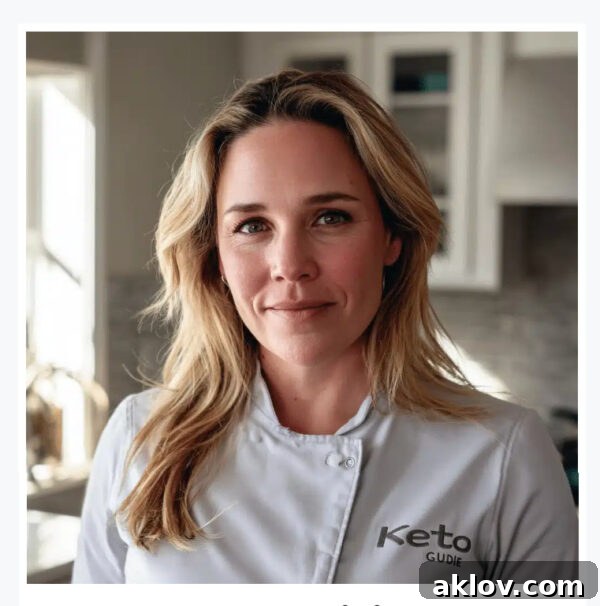

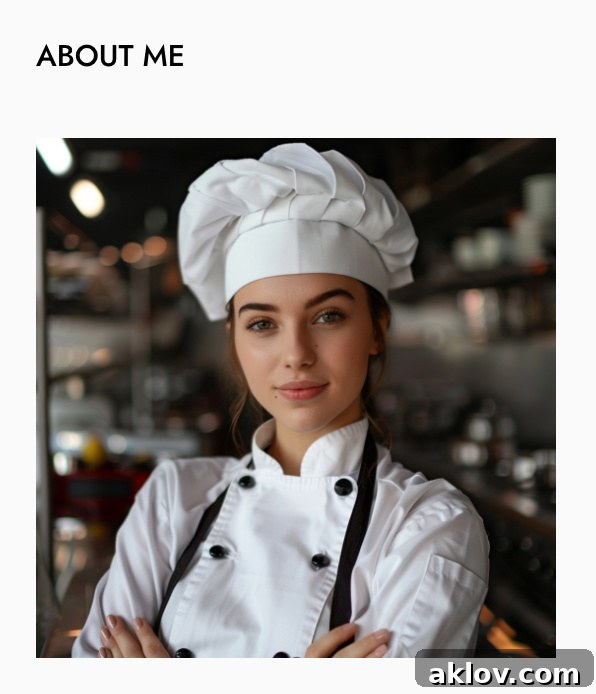
- Another giveaway is the complete absence of an actual photo of the person “behind” the site anywhere else on the website. Authentic food bloggers consistently feature their own photographs prominently on their sites, as they are real individuals genuinely passionate about their work.
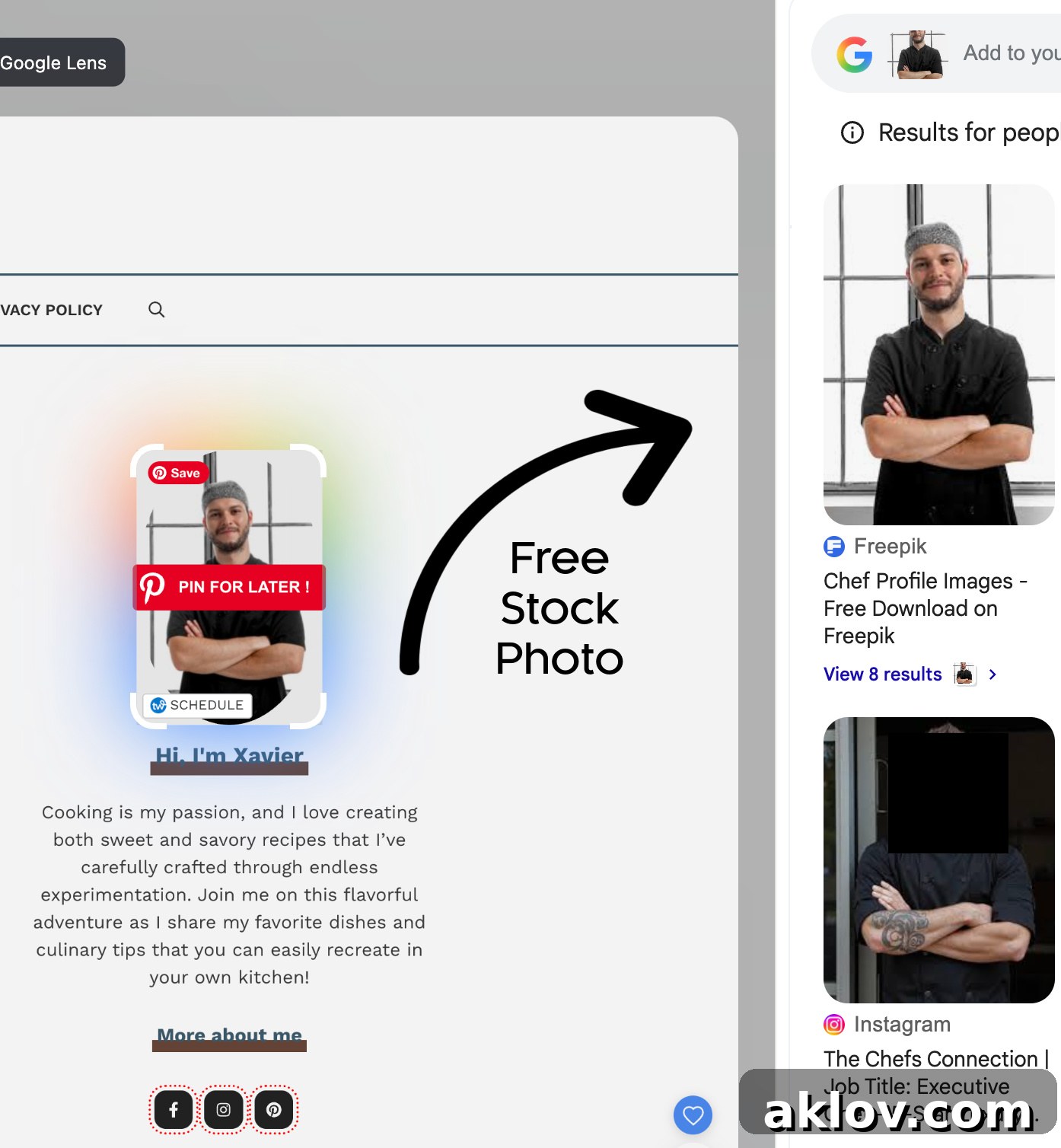
- Furthermore, these fraudsters often resort to using generic stock photos for their “about me” sections. For example, “Ol’ Xavier” here is easily identifiable as a stock photo from Freepik, a fact readily revealed by a quick Google Lens search.
Fake AI Content on Pinterest: The Visual Deception Hub
Pinterest, a platform celebrated for visual discovery and inspiration, has unfortunately become a prime breeding ground for AI-generated “slop.” It’s estimated that at least 75% of the content on Pinterest is now AI-generated, leaving minimal space for authentic creators amidst a deluge of deceptive ads and artificial posts. Disturbingly, there are even YouTube channels with thousands of followers that actively teach scammers how to flood Pinterest with this AI-generated garbage, revealing a cynical disregard for ethical content creation and consumer trust. These orchestrators of deception openly mock those who fall victim to their schemes, highlighting the urgent need for heightened vigilance.
This article from Futurism further elucidates how “slop farmers” specifically target older women, leveraging social media algorithms to their advantage.
What to Look for on Pinterest: Identifying AI Pins
- If a pin makes you pause and triggers a feeling of “something feels off,” it’s highly likely to be AI-generated. Trust your instincts and refer back to our comprehensive AI food photo detection checklist to analyze specific visual cues.
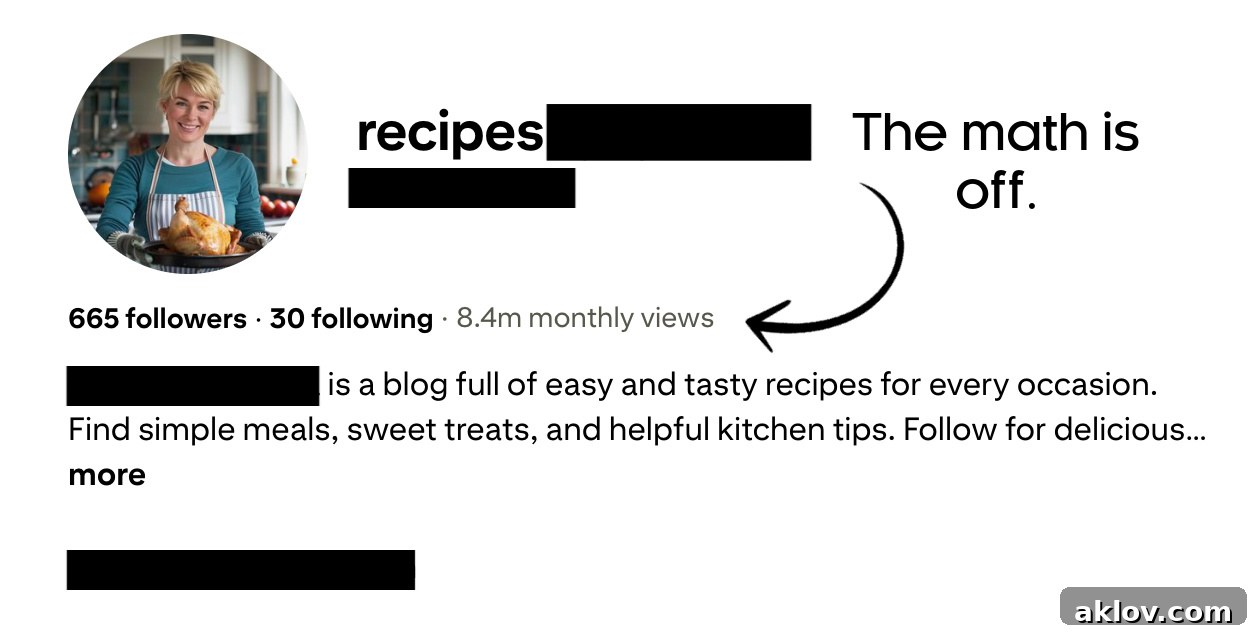
- Examine the Pinterest profile associated with the pin. Fraudsters often “spam” Pinterest with an astronomical number of pins. This results in profiles showing an incredibly high number of “impressions” (the metric displayed after follower and following counts), which are disproportionately large compared to their relatively low follower and following counts. A real food blogger would dream of such high impression numbers, but they wouldn’t achieve them through spamming, as this risks account suspension. Fraudsters, however, view accounts as disposable and will simply create new ones when shut down.
- Observe instances where the same AI-generated photo might be used on Pinterest under one name, and then reappear on Facebook under a completely different scammer’s name, as illustrated in the example below. This tactic demonstrates the widespread and interconnected nature of these deceptive networks.
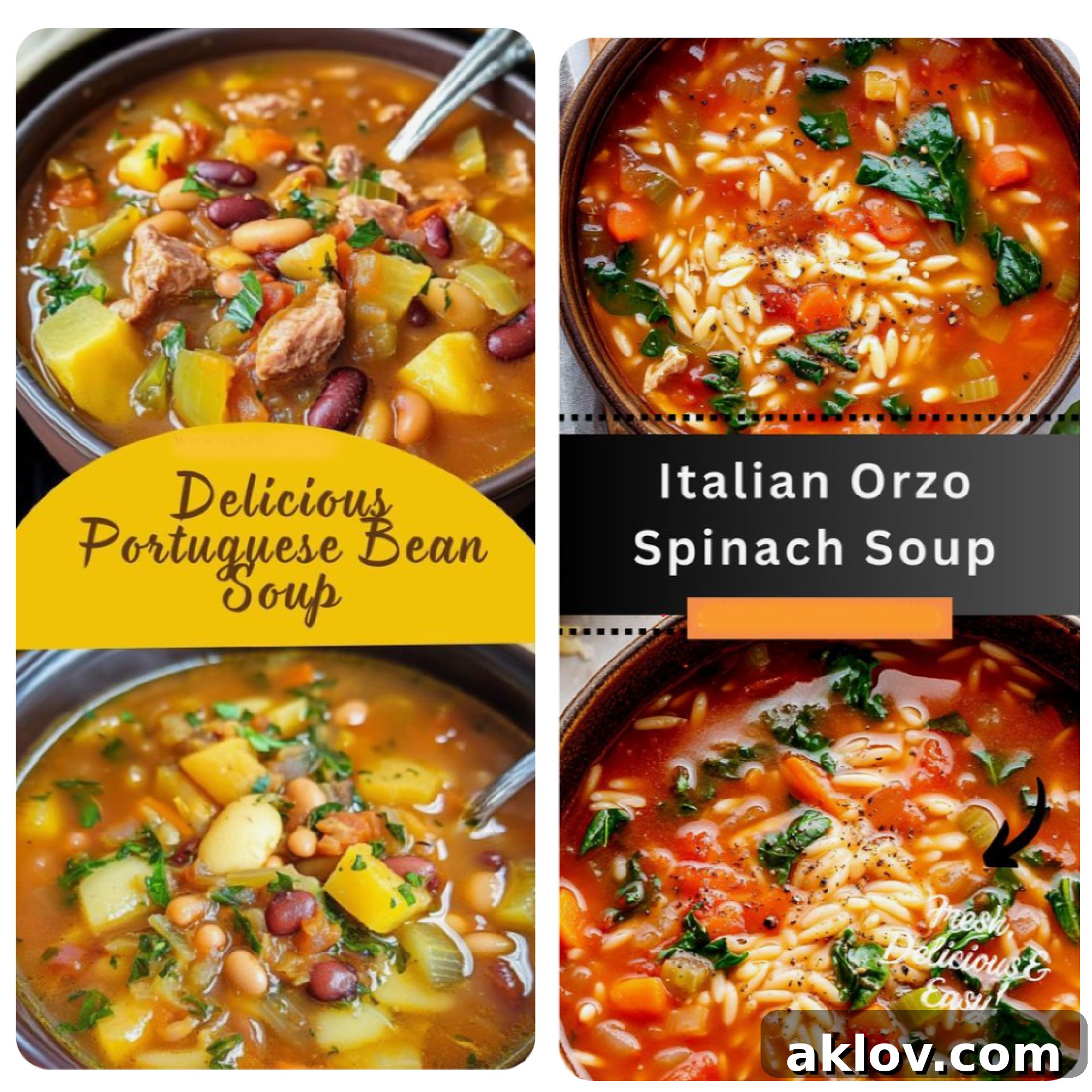
- A popular “format” for these AI pins involves stacked images that appear very similar, often with slight variations. These taller, visually striking pins are designed to grab more attention and engagement in the Pinterest feed.
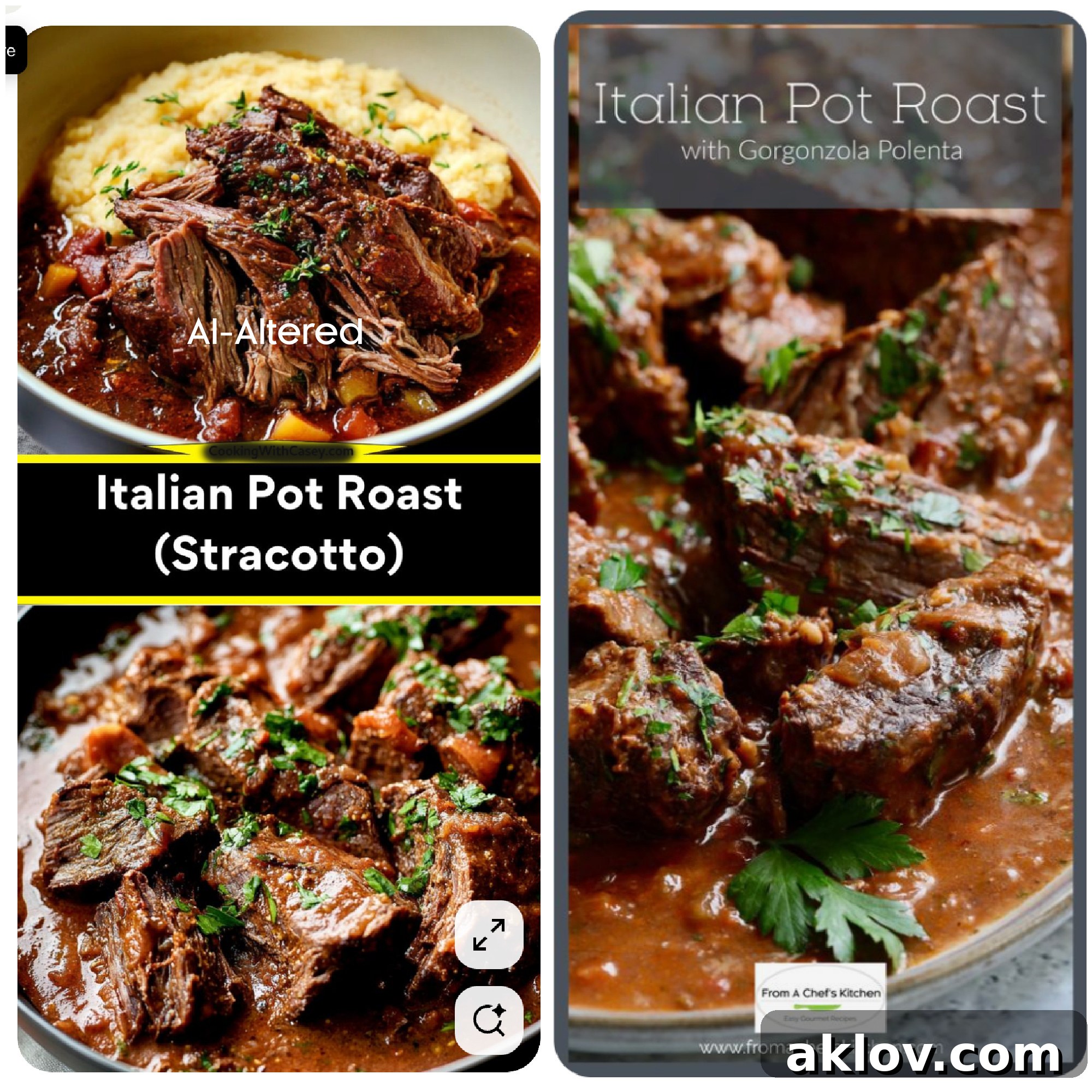
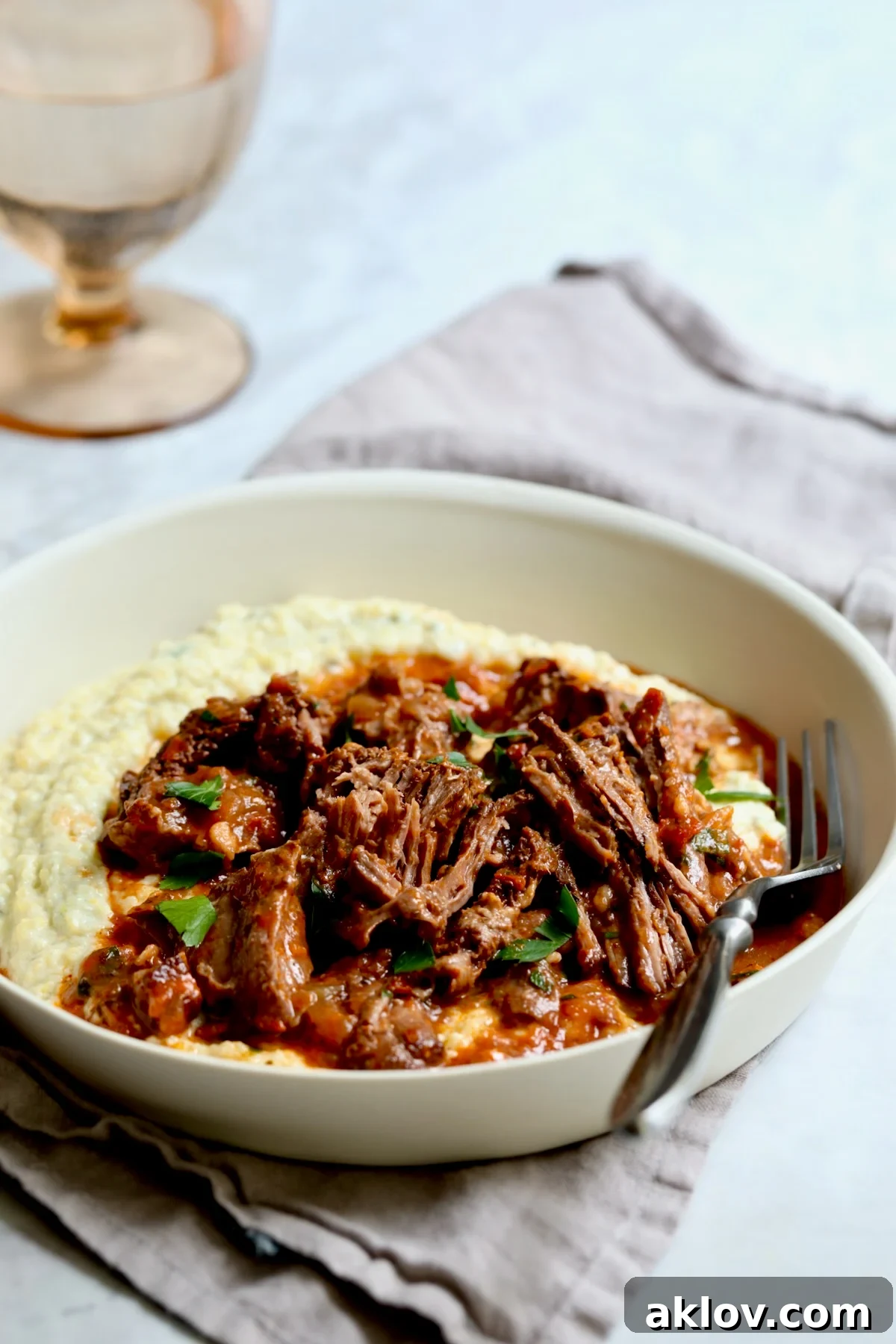
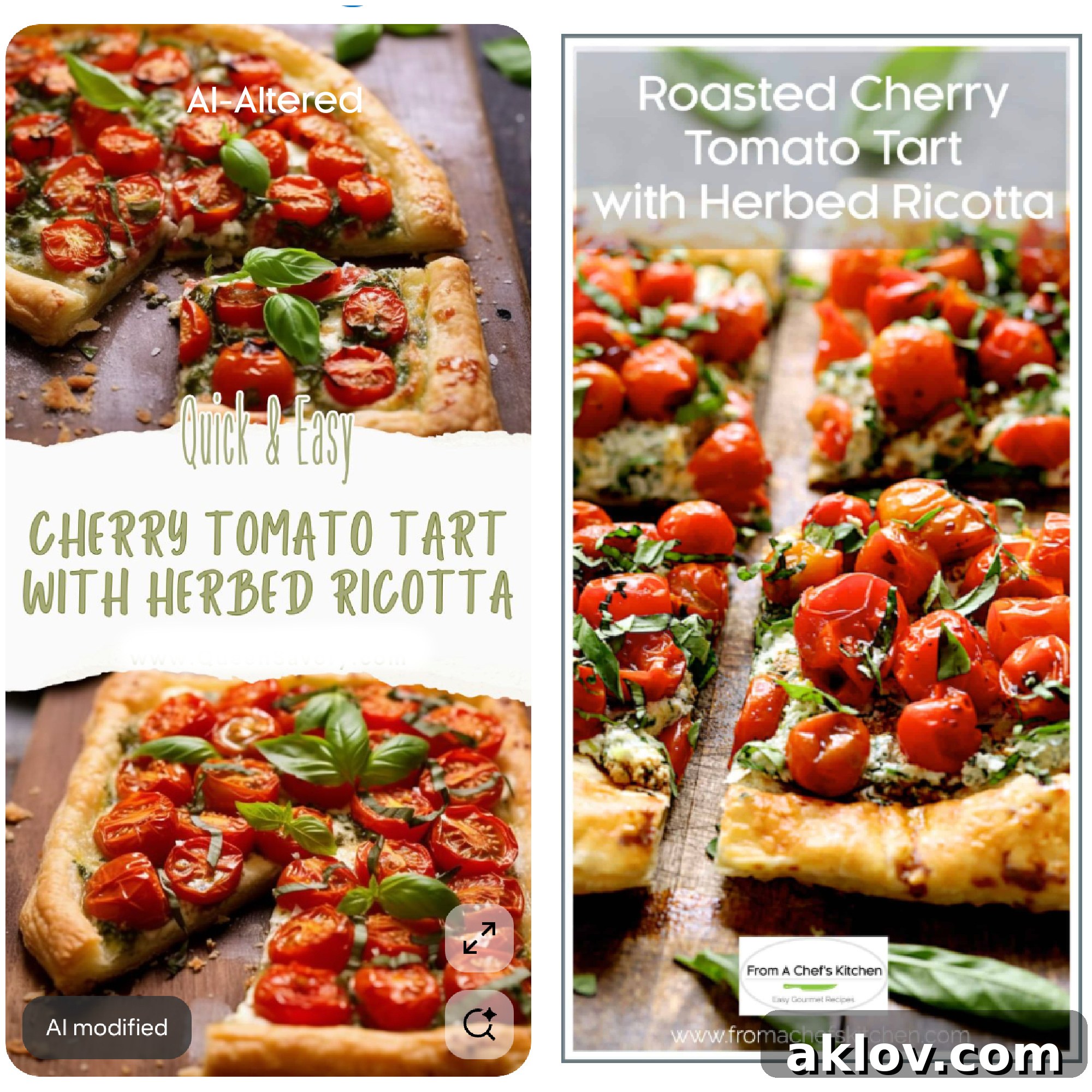
- A more sophisticated and troubling tactic is the “image2image attack.” In this scenario, AI slop farmers steal the original work of legitimate bloggers, then run these authentic images through AI programs to subtly alter them. The goal is to create just enough difference to evade immediate copyright detection, allowing them to falsely claim the altered image as their own. Here are two examples of my own recipes, my Italian Pot Roast and my Cherry Tomato Tart, that have been subjected to this fraudulent alteration. The AI-altered version is shown on the left, compared to my original on the right.
Here’s the other altered photo from the Pinterest pin, stolen and transformed by an AI fraudster:
And another example of an image2image attack:
Fake AI Content on Facebook: A Breeding Ground for Culinary Deception
Facebook has regrettably transformed into a veritable cesspool of AI-generated food content, fake recipes, and fraudulent groups and pages. The algorithm, designed to promote engagement, inadvertently perpetuates these scams: the more these deceptive posts are shared by well-meaning friends and family, the wider their reach and the more potent the fraud becomes. Furthermore, even the once-reassuring blue checkmark of verification no longer guarantees authenticity, as Facebook has been observed granting these marks to fraudsters, further blurring the lines between legitimate and deceptive content.
What to Look for on Facebook: Identifying AI Scams
- Always refer back to the AI food photo detection checklist provided earlier to scrutinize any suspicious images. Many of the same visual anomalies will be present in Facebook posts.
- Investigate the Facebook page sharing the content. Click on the page’s name, navigate to the “About” section, and then click on “Page Transparency.” This crucial section reveals important details, such as the page’s country of origin. For example, a Facebook page featuring a charming woman promoting “her” AI cookbook (which is often for sale on Amazon) with 296,000 followers, might surprisingly originate from Morocco. A page with such a massive following and implied traffic should ideally be partnered with a high-quality ad network like Raptive; however, Raptive explicitly refuses to monetize AI slop, making the origin a clear red flag.
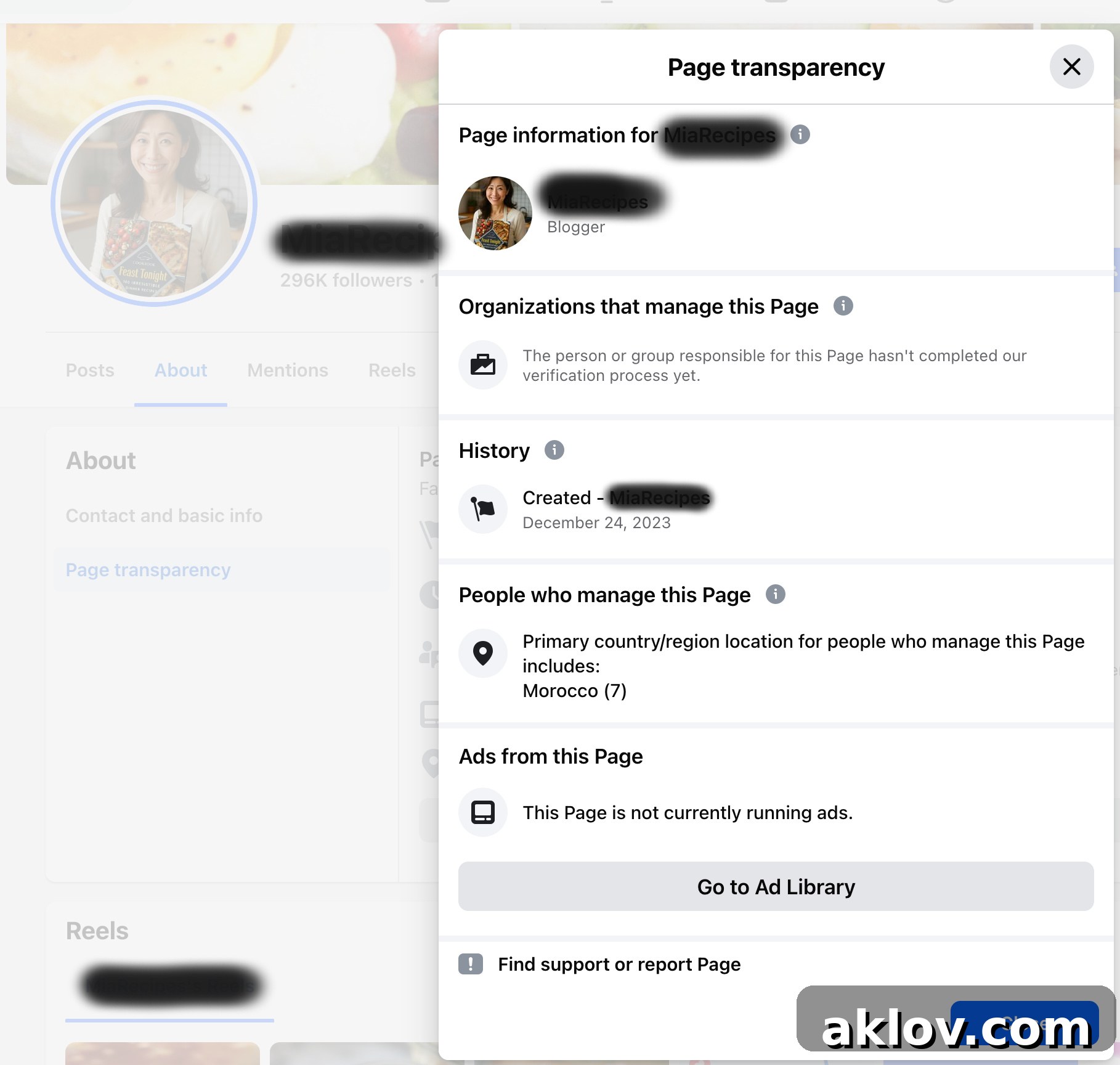
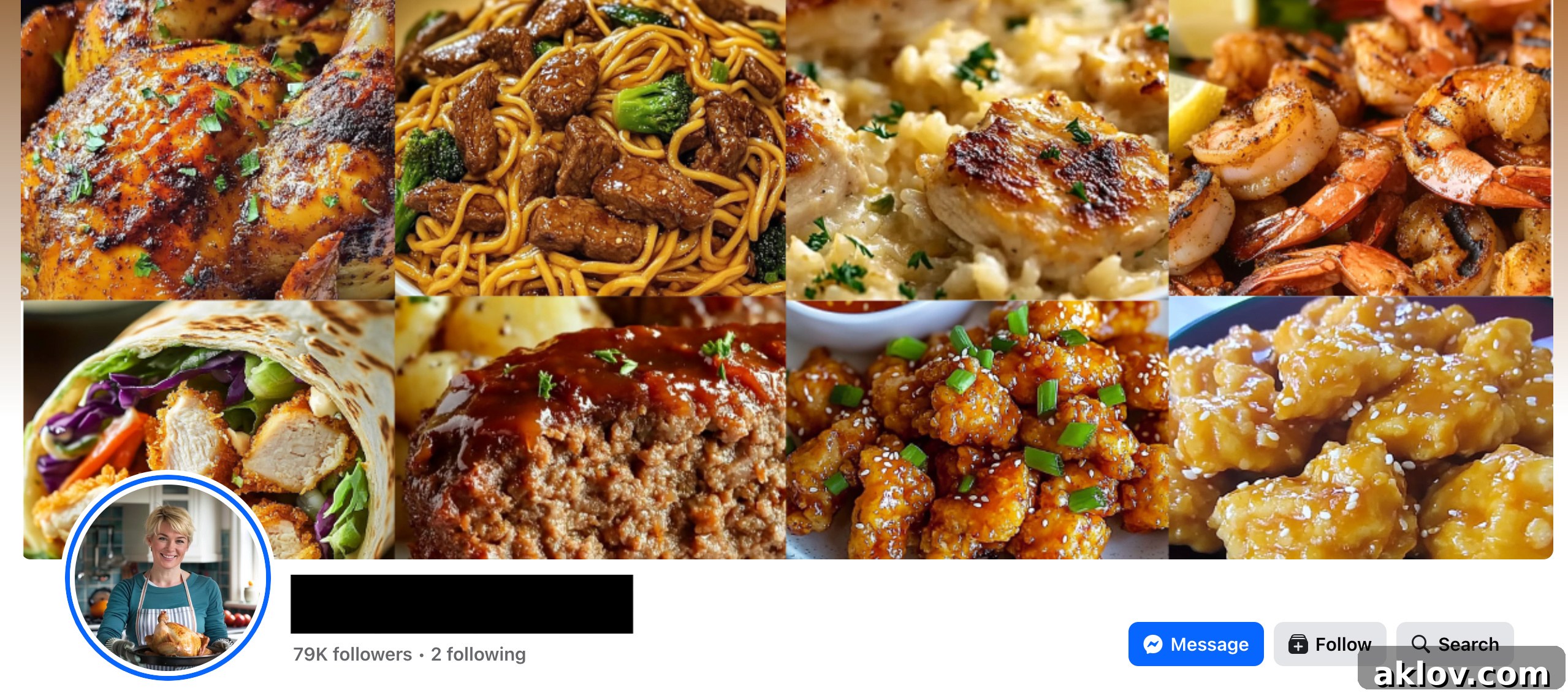
- Similarly, a page boasting 79,000 followers, fronted by a lovely woman in an apron seemingly sharing her “home cooking,” might actually have been created in Algiers. Interestingly, the same AI-generated profile photo used here might also be seen on Pinterest under a different name, highlighting the interconnected web of these fraudulent operations.
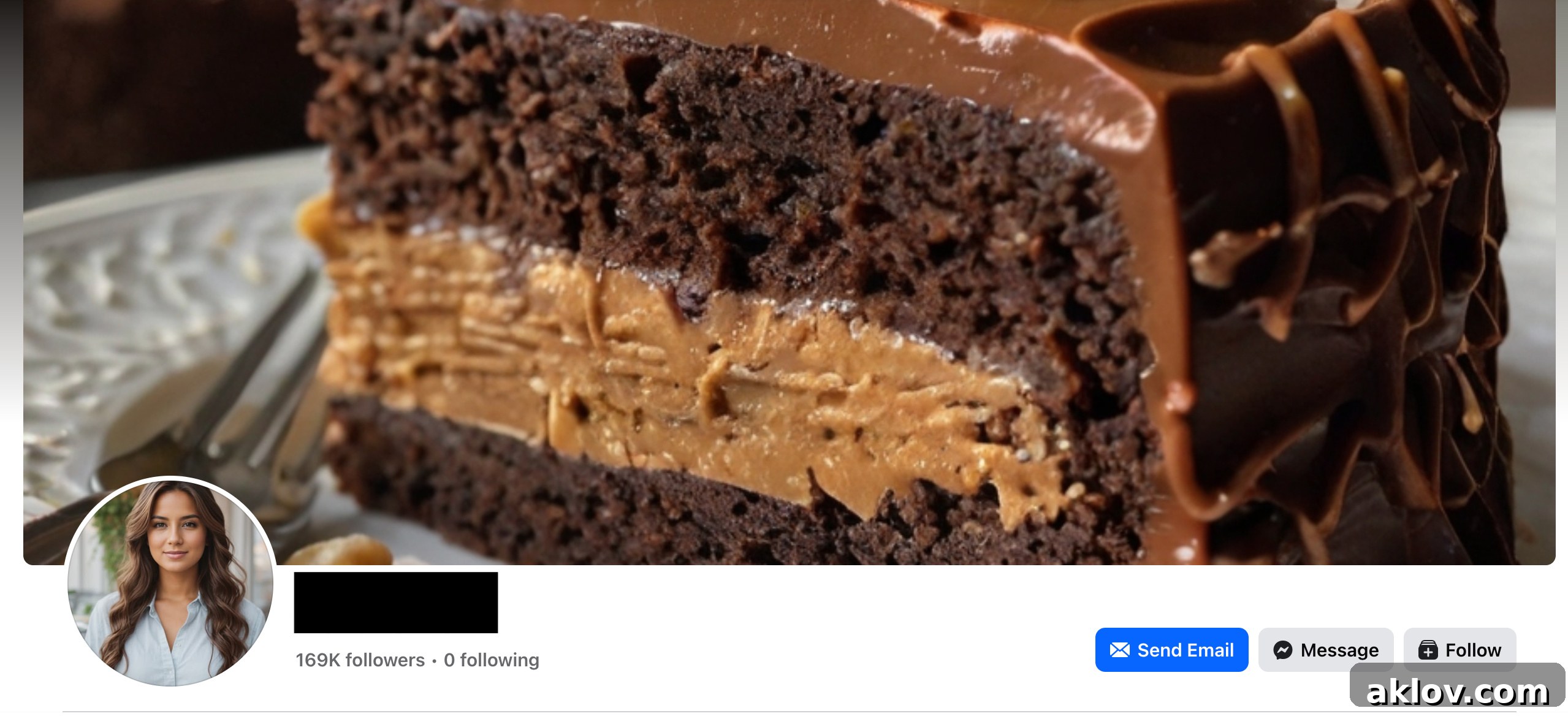
- Another popular page with 169,000 followers reveals through its “Page Transparency” section that it originated in both Morocco and Turkey, again pointing to a multi-national network of AI slop farmers.
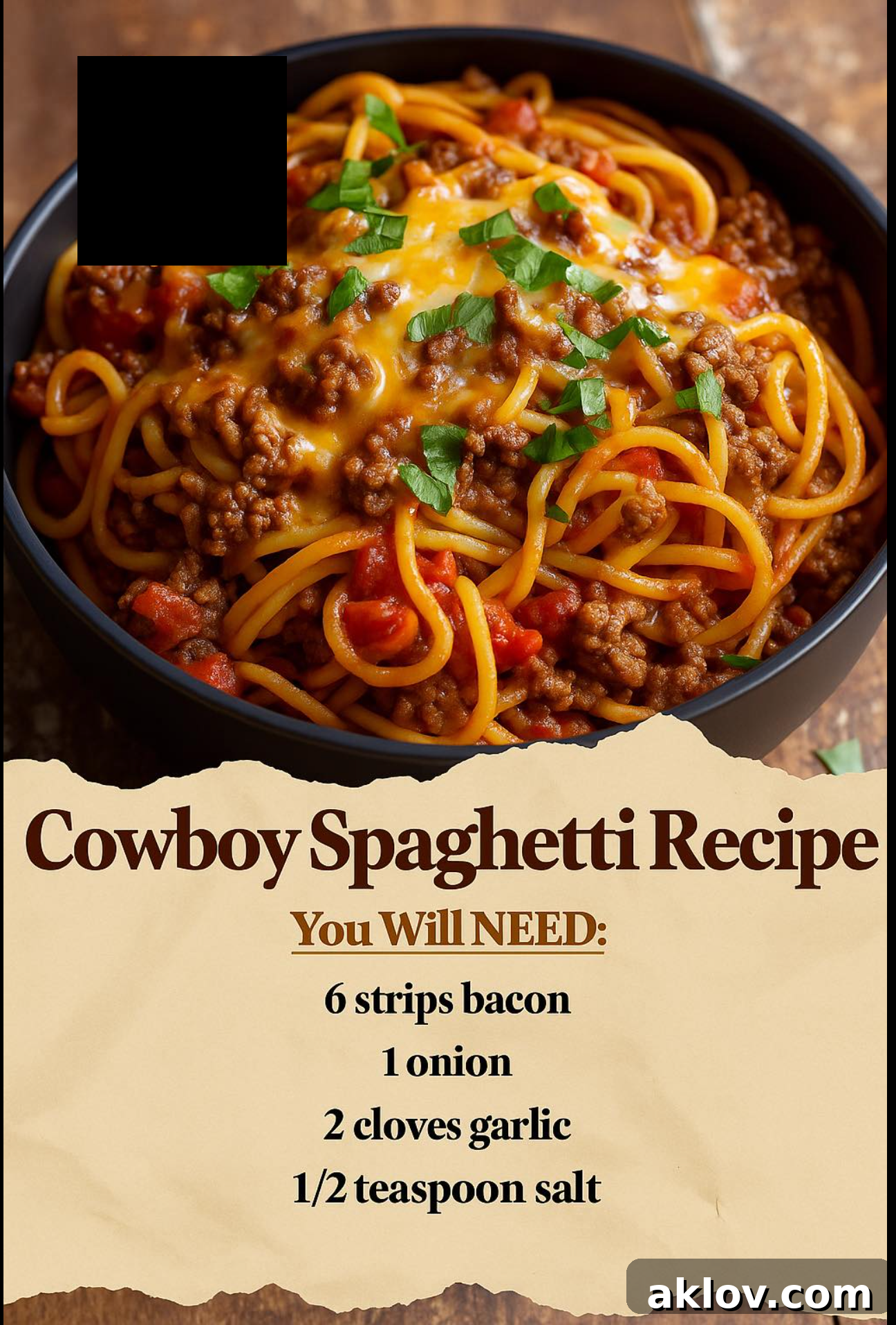
- If a Facebook post provides the entire recipe directly within the caption, it’s highly probable that it’s either AI-generated or copied from a legitimate food blogger. Facebook offers bonuses to creators (both genuine and fake) for posts that garner high engagement and shares. People naturally prefer to get the full recipe without clicking away to another site, leading them to readily share such posts.
- Crucially, any legitimate food website—whether it’s a major publication like Taste of Home, Food and Wine, or the New York Times, or thousands of individual food bloggers like myself—will never post the complete recipe directly on Facebook. There is always a link directing users back to their website, as website traffic is essential for their livelihood and monetization. Therefore, if you see a full recipe in a post without a clear link back to a reputable source, it’s highly likely a fraudster in Morocco, Turkey, or Algiers is profiting from unwitting Facebook users.
- A common visual format for these deceptive posts includes a few ingredients listed on an overlay that mimics a ripped piece of paper. Much like the stacked pin format on Pinterest, this visual style has become a popular signature for AI slop on Facebook.
- Finally, be wary of fan groups for celebrity chefs. While it’s common for genuine fans to create Facebook groups to share recipes and discuss their favorite culinary personalities like Stanley Tucci, Ina Garten, or Ree Drummond, AI slop farmers have latched onto this trend. They create fake groups, leveraging the trust associated with these celebrity names. Always check the “People” tab within such groups to see the origins of the “moderators” and “admins.” Chances are, a significant number will be located in countries like Morocco, far removed from the celebrity’s actual location or typical fanbase.
AI’s Infiltration on Etsy: Buying Stolen Content
A relatively new and particularly brazen scheme by AI slop farmers involves platforms like Etsy, which is primarily known as a marketplace for genuine artists and handmade goods. When you click on certain deceptive pins on Pinterest, you might now be redirected to Etsy, where fraudsters are attempting to sell recipes. The irony and ethical dilemma here are profound: these are often recipes you could obtain for free from thousands of legitimate food bloggers, or they are direct copies (or subtly altered versions) of stolen content. For example, my Ratatouille recipe, freely available on my blog, might be listed on Etsy for $2.99. This practice is enabled by the unfortunate reality that, yes, “a sucker is born every second,” and people genuinely pay for these illicitly obtained recipes.
Source: Etsy.com
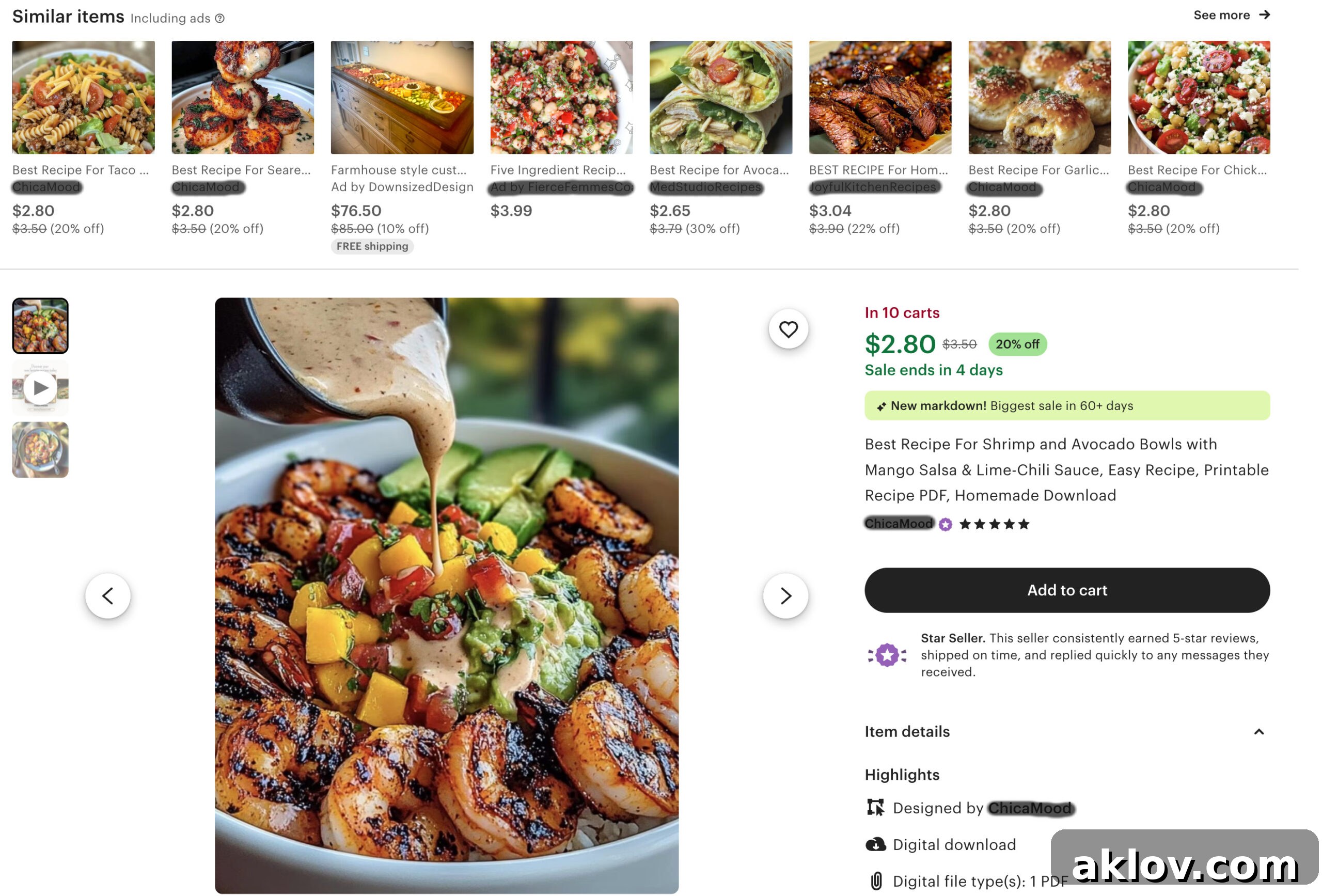
Perhaps even more audacious, some unscrupulous individuals don’t even bother to remove the original blogger’s name from stolen content. In the example below, the name “The Kitchen Girl” is still visible on an image being sold on Etsy, making the theft undeniably blatant. You can find her original, free Lasagna Soup recipe on her website.
Source: Etsy.com
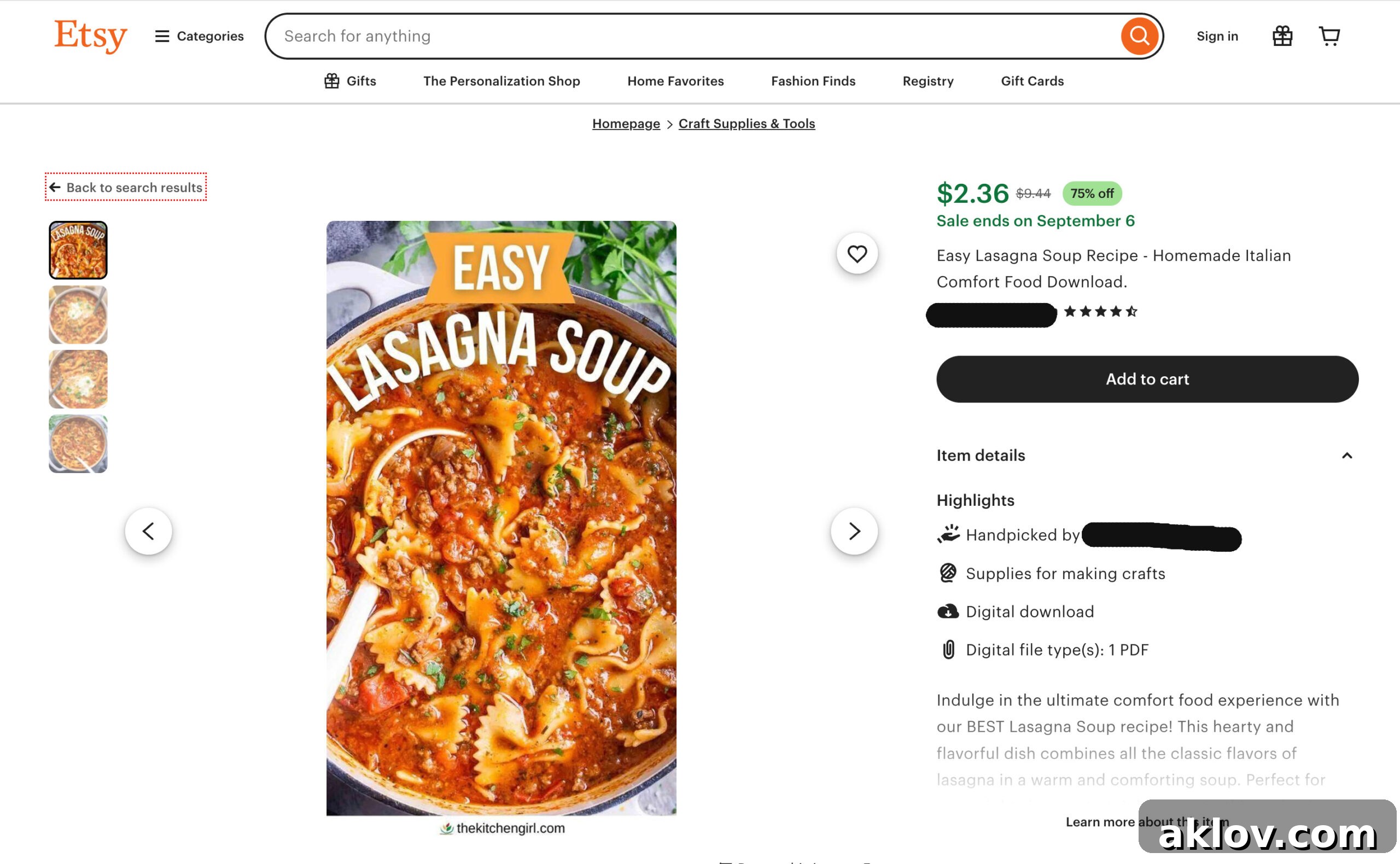
I urge you to visit Etsy.com to support REAL artists, genuine creators, and ethical sellers who pour their talent and effort into unique products, rather than inadvertently funding those who profit from stolen content and recipes.
More Resources and How to Support Authentic Culinary Creators
Navigating the complex and often deceptive online culinary world requires vigilance and an understanding of where to find reliable information. Here are additional resources to help you stay informed and protect yourself from AI slop:
- Realbloggers.org (A website dedicated to real, verified bloggers and authentic content creators)
- Futurism: Slop Farmer Boasts About How He Uses AI to Flood Social Media to Trick Older Women (An insightful article detailing deceptive AI tactics)
- HBO John Oliver Segment (A humorous yet revealing take on AI, with a profanity alert)
- Jebb West Video (An informative video on AI deception, with a profanity alert)
- Jebb West Video (Another insightful video from Jebb West, with a profanity alert)
- Krista – Far From Normal on TikTok (A TikTok video offering practical advice)
- AI-Generated Recipes: Brilliant or a Recipe for Disaster (A podcast episode from Christina Hitchcock at Behind the Recipe)
- FODMAP Everyday – How to Detect AI-Generated Recipes and Images Online (A detailed guide for detecting AI content)
While artificial intelligence can mimic culinary content, it can never replicate the invaluable experience, intuition, and passion of a real cook in the kitchen. When you consciously choose recipes from trusted, human-created sources, you gain the assurance that they have been meticulously tested, tasted, and thoughtfully written with your success and enjoyment in mind.
Furthermore, supporting a human food blogger provides an essential feedback mechanism: the rating and comment system. Unlike AI-generated content, where accountability is nonexistent, real bloggers value your experience. We are ethically bound by guidelines, such as those from the FTC, which prohibit us from altering genuine ratings. Because a human, passionate about cooking and sharing, is behind the blog, we genuinely care about your culinary journey and the results you achieve. We stand by our work and are responsive to our community.
Here, you will always discover recipes lovingly created by a real person – me. Each dish has been cooked, tasted, and cherished, rigorously ensuring its reliability and deliciousness in your own kitchen. And yes, sometimes, a recipe doesn’t make the cut and ends up in the trash or compost because it simply wasn’t good enough to share with you, proving the human touch of quality control.
I am committed to keeping this post updated as new insights emerge and AI technology evolves. If you ever have any questions, encounter something suspicious, or simply wonder if content is genuine, please do not hesitate to reach out to me or any other human creators you trust. Your active participation in discerning authentic content helps maintain the integrity of the online culinary community.
I’d love to hear your thoughts and experiences. Please share your encounters with AI-generated food content in the comments below. I am always keen to understand how readers navigate this ever-changing online food world!