
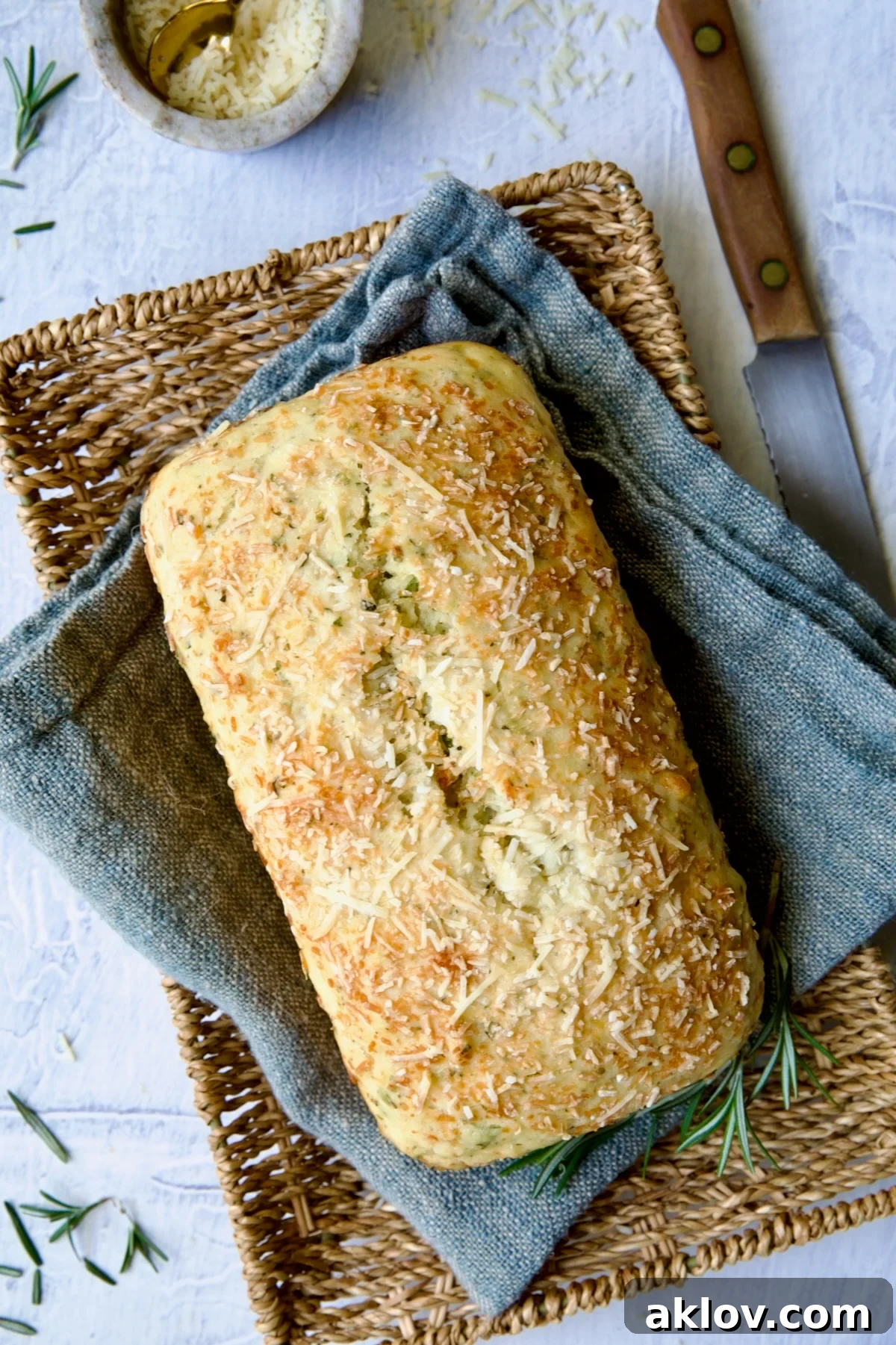
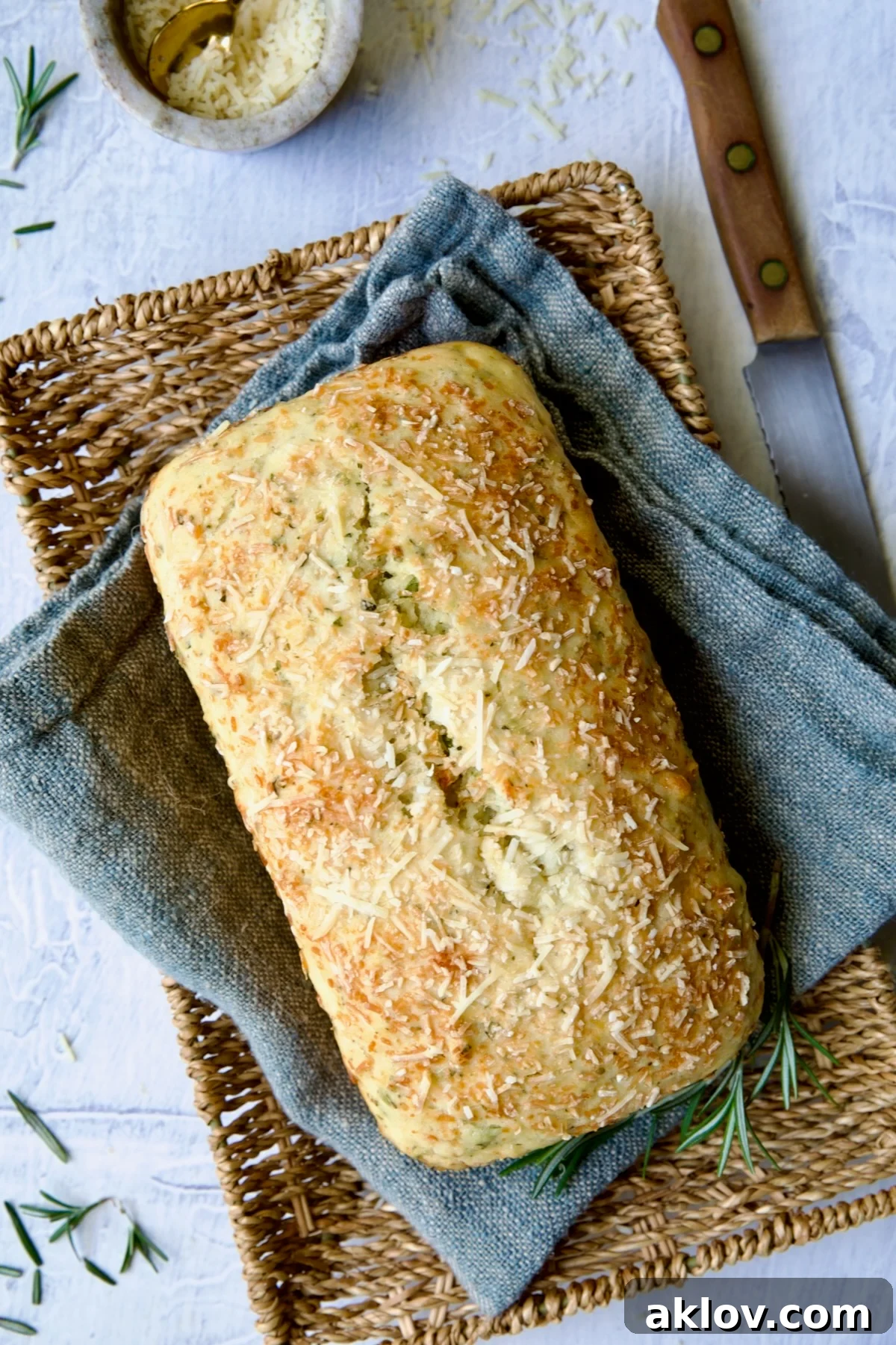
Transform your kitchen into an aromatic haven with this incredibly simple **Easy Herb Bread** recipe. Infused with the fresh, vibrant flavors of parsley, chives, and rosemary, and enriched with the nutty goodness of Parmesan cheese, every slice promises a delightful experience. What’s even better? This recipe requires absolutely **no yeast or kneading**, making fresh, homemade bread achievable for even the busiest schedules. Whether you enjoy it warm, straight from the oven, slathered with butter, or repurposed into savory homemade croutons for your favorite salads like Panzanella or hearty soups such as Roasted Tomato Soup, this versatile bread is a true culinary gem.
Why This Easy No-Knead Herb Bread Recipe is a Keeper!
In a world where time is a precious commodity, this **Easy Herb Bread** recipe stands out as the ultimate solution for anyone craving the comforting aroma and taste of freshly baked bread without the extensive time commitment typically associated with traditional yeast breads. Forget about long proofing times, intricate kneading techniques, and the uncertainty of yeast activation – this recipe is designed for instant gratification and guaranteed success.
The secret to this quick-baking herb bread’s beautiful rise lies in the ingenious use of baking powder, a chemical leavening agent that works its magic instantly upon contact with liquid and heat. This means you can simply combine your ingredients, pour the batter into a loaf pan, and within minutes, have it baking in the oven. It’s perfect for those spontaneous cravings or when you need a warm, comforting side dish in a hurry.
Beyond its incredible ease, the flavor profile of this **Rosemary Parmesan Bread** is truly exceptional. The subtle tanginess of buttermilk perfectly complements the robust, salty richness of the Parmesan cheese, creating a harmonious balance. A thoughtful combination of both fresh and dried herbs adds impressive depth and complexity. Fresh rosemary infuses the bread with its distinctive fragrant, piney notes, while chives contribute a delicate, mild onion flavor. Italian parsley, with its vibrant, peppery brightness, ties all the herbaceous elements together, ensuring an unforgettable flavor in every bite.
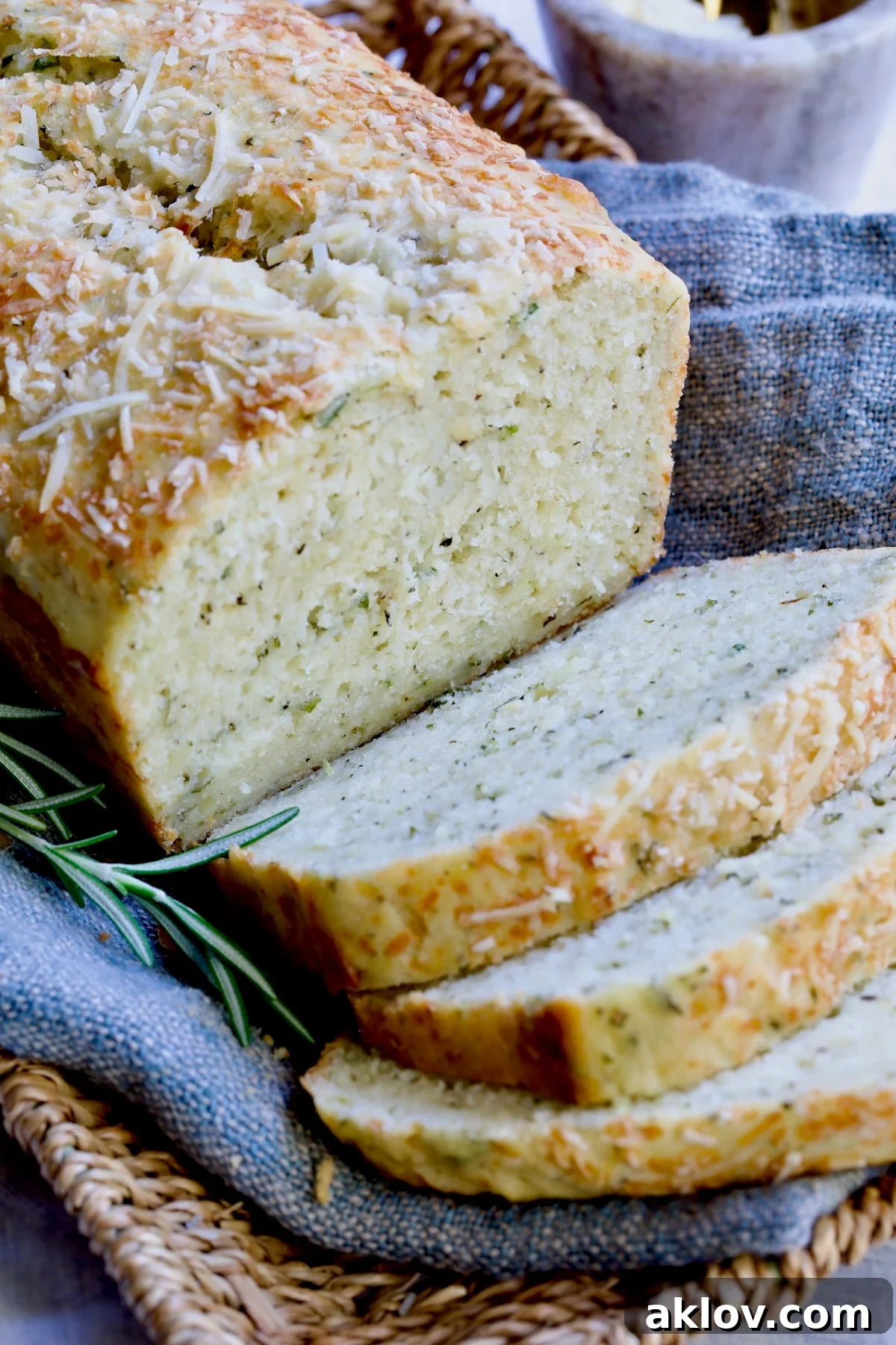
Once baked to a golden perfection, this bread is best enjoyed warm. Imagine slicing into its crisp, golden exterior to reveal a soft, tender crumb generously speckled with fragrant herbs. It’s an ideal canvas for a generous pat of butter, or for dipping into high-quality olive oil. But the versatility doesn’t stop there! Should you have any leftovers, this aromatic bread transforms effortlessly into incredibly flavorful homemade croutons. These elevate any salad or soup, adding a gourmet touch that store-bought croutons simply can’t match. You can even use it to make the most divine garlic bread you’ve ever tasted!
This **No-Knead Herb Bread** recipe is:
- Effortlessly Delicious! Each bite is bursting with fresh herb and rich cheese flavor, boasting a wonderfully soft and tender crumb that melts in your mouth.
- Remarkably Quick and Easy! Unlike many time-consuming bread recipes, this one is completely no-knead and requires zero rise time. Simply mix all the ingredients, pour into a loaf pan, and bake! It’s the ultimate hassle-free baking experience.
- Incredibly Versatile! Serve it as a side, a snack, or transform any leftovers into perfectly crispy, flavorful homemade croutons that will enhance your favorite dishes.
How to Master Easy Herb Bread: A Simple Guide
Essential Recipe Ingredients:
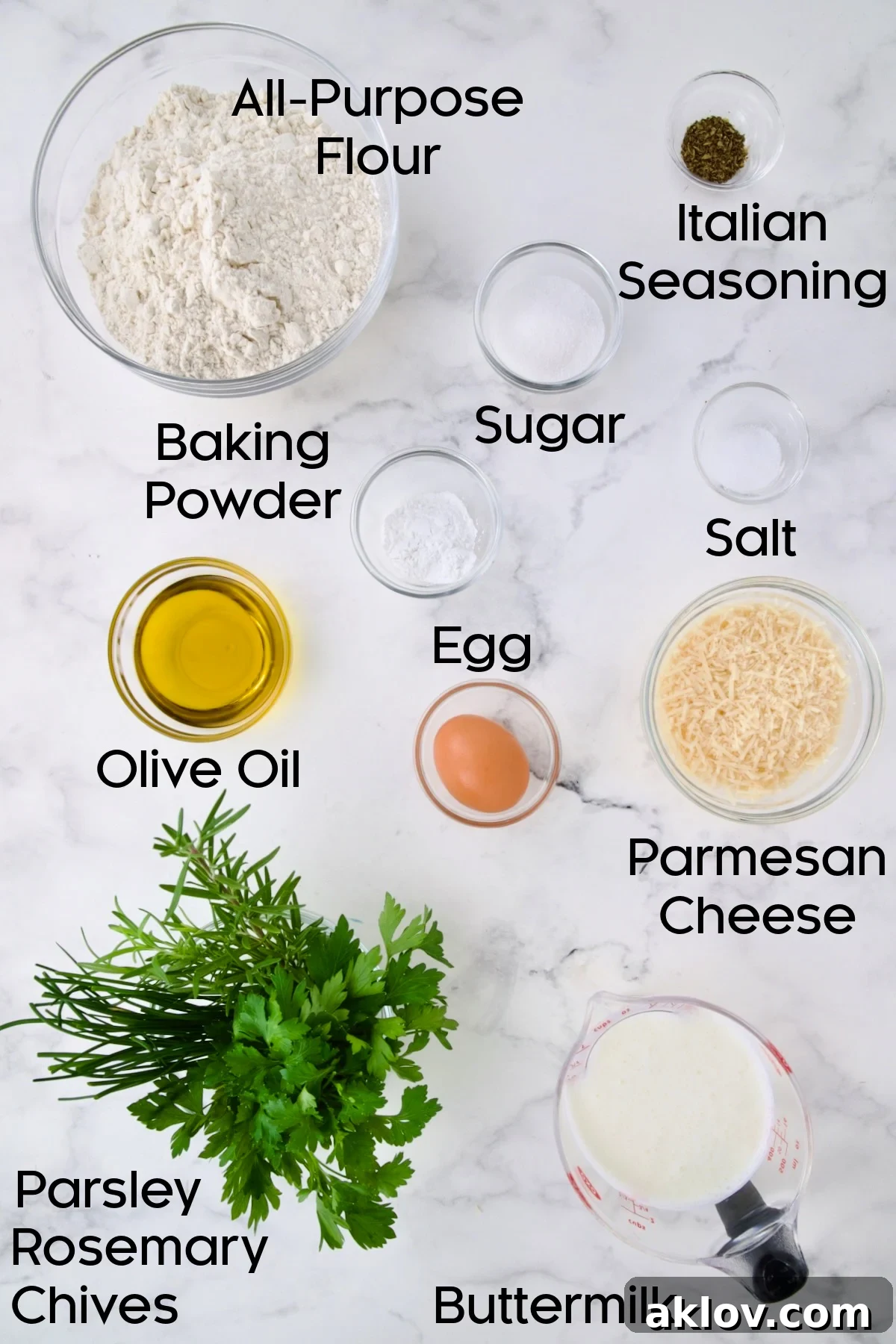
Creating this delicious herb bread requires just a handful of common pantry staples and fresh ingredients. Gather the following, and you’ll be well on your way to baking a sensational loaf. For precise measurements, please refer to the detailed recipe card at the end of this article.
Ingredient Notes and Smart Substitutions:
- All-Purpose Flour: For optimal texture and structure in your bread, we recommend using unbleached all-purpose flour. Unlike its bleached counterpart, which undergoes chemical treatment to soften and age it, unbleached flour ages naturally. This process results in a stronger protein structure, contributing to a more robust and satisfying crumb in your baked goods.
- Baking Powder: This is the hero of our no-knead bread, acting as the primary leavening agent. Unlike baking soda, which requires an acidic component to activate, baking powder is a complete leavener that starts working when combined with liquid and then vigorously when heated in the oven. It’s solely responsible for giving this loaf its beautiful lift and airy texture.
- Italian Seasoning: A convenient blend of aromatic dried herbs that adds a classic Mediterranean depth to the bread. Typically, this staple includes a fragrant combination of dried basil, oregano, rosemary, thyme, and marjoram. If you don’t have a pre-made blend, feel free to use individual dried herbs from this list, adjusting quantities to taste.
- Olive Oil: Beyond just adding moisture, olive oil imparts a subtle, fruity flavor that enhances the overall taste profile of the bread. Extra-virgin olive oil is preferred for its superior flavor and aroma, but any good quality olive oil you have on hand will work perfectly for this recipe.
- Parmesan Cheese: For the best flavor and melt, freshly grated Parmesan cheese is highly recommended. Its sharp, nutty notes truly shine through. If fresh grating isn’t an option, opt for a high-quality pre-shredded variety like Kirkland Parmigiano-Reggiano. For a delightful twist or to simply use what you have, you can also substitute with Asiago, Romano cheese, or a combination of these hard, aged Italian cheeses.
- Fresh Herbs: The combination of fresh rosemary, chives, and Italian parsley is simply divine in this bread. Fresh herbs deliver a superior fragrance and more vibrant flavor compared to dried herbs. Rosemary offers an earthy, pine-like aroma; chives provide a delicate, oniony zing; and parsley adds a refreshing, peppery brightness. While dried herbs can be used in a pinch (use ⅓ the amount of fresh), fresh is always preferred for this recipe’s intended impact.
- Buttermilk: This unsung hero contributes significantly to the bread’s tender crumb and subtle tang. Its acidity reacts with the baking powder, boosting the rise, and its unique flavor profile beautifully balances the richness of the Parmesan and herbs. If you don’t have buttermilk, you can easily make your own by adding 1 tablespoon of white vinegar or lemon juice to a measuring cup, then filling it with regular milk (dairy or non-dairy) until it reaches 1 ½ cups. Let it sit for 5-10 minutes until it slightly curdles before using.
Easy Step-By-Step Instructions:
Follow these straightforward steps to bake your perfect loaf of Easy Herb Bread:
- First, ensure you have all your ingredients measured and prepped. This makes the baking process smooth and enjoyable.
- Preheat your oven to 350°F (175°C). Proper preheating is crucial for an even bake and a good rise.
- Prepare an 8 x 4-inch loaf pan by lightly coating it with cooking spray, then dusting it with a small amount of all-purpose flour. This creates a non-stick surface, ensuring your bread releases easily.
- In a large mixing bowl, combine the dry ingredients: all-purpose flour, granulated sugar, baking powder, salt, and Italian seasoning. Whisk them together thoroughly to ensure the leavening agent and seasonings are evenly distributed.
- In a separate medium bowl, whisk together the wet ingredients: the beaten egg, whole buttermilk, olive oil, 3/4 cup of the freshly grated Parmesan cheese, chopped fresh parsley, chopped fresh chives, and chopped fresh rosemary until well combined.
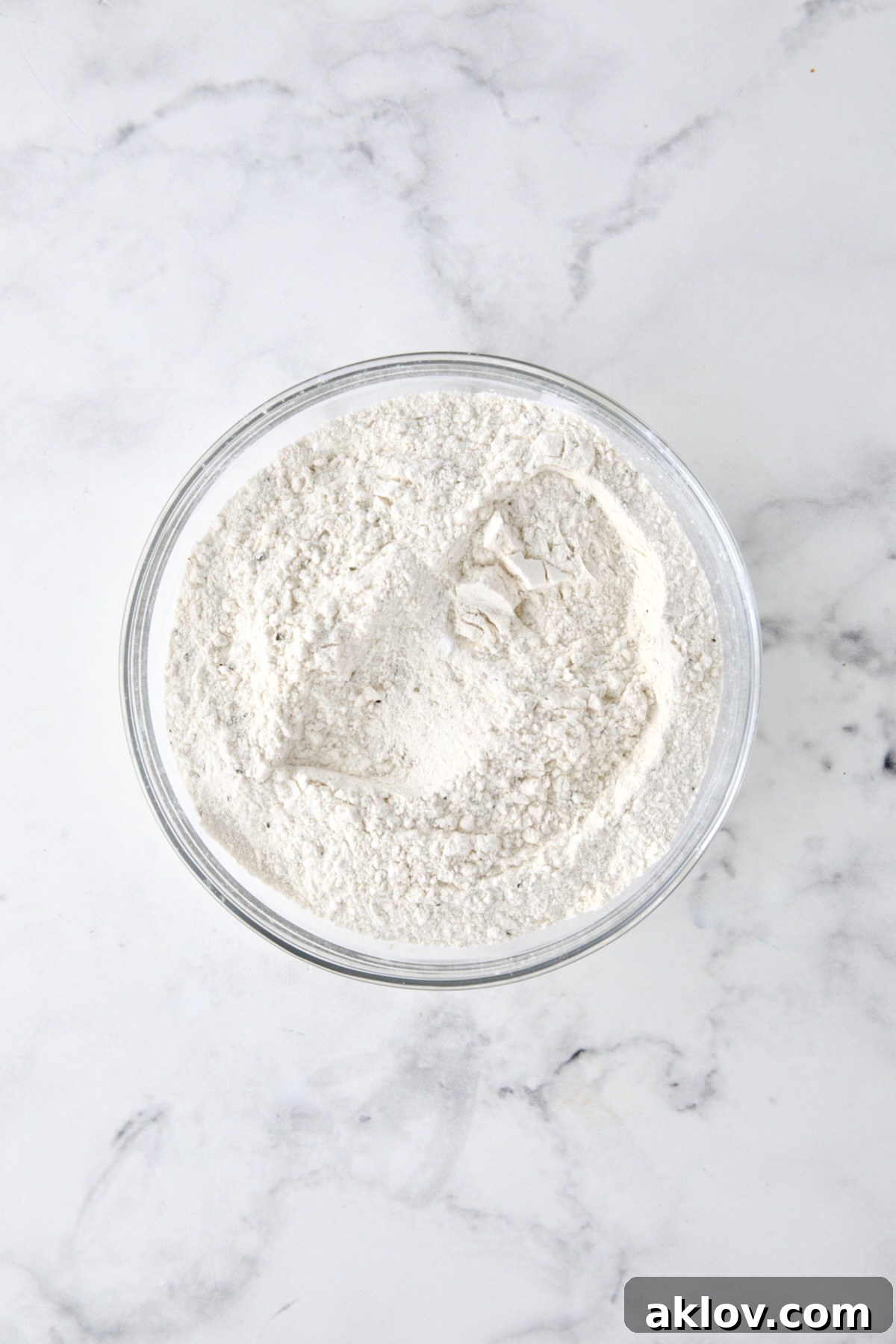
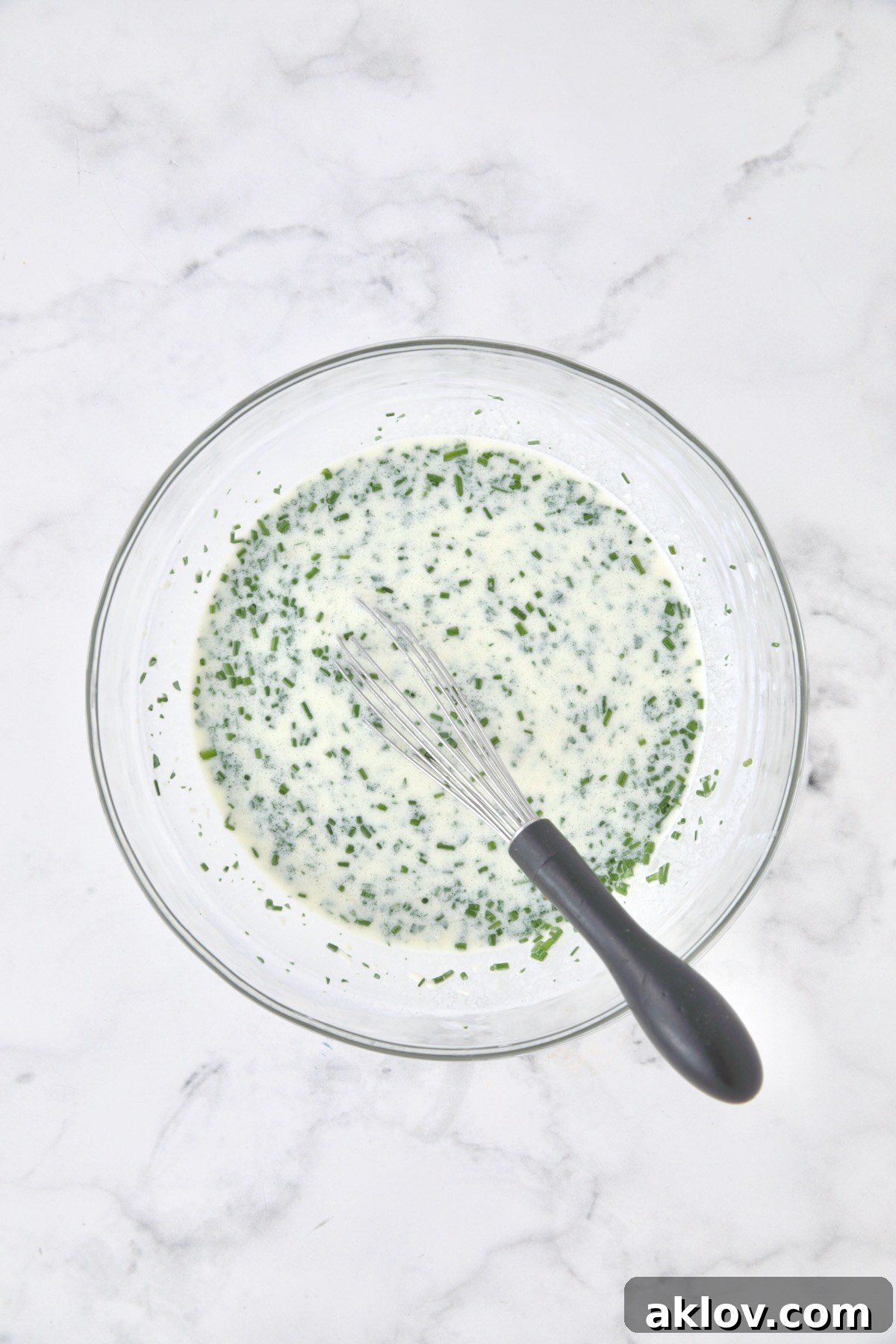
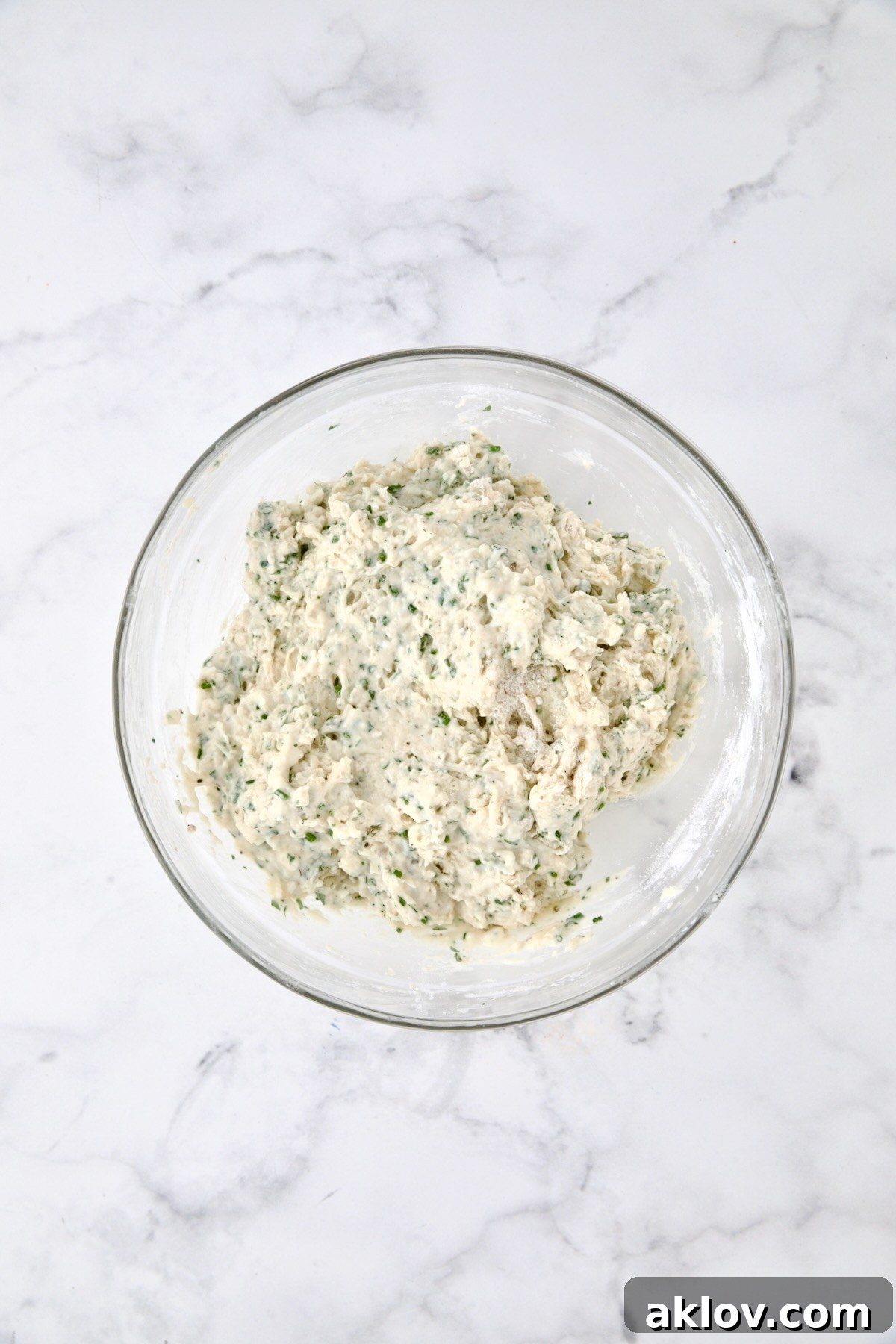
- Gently fold the wet ingredient mixture into the dry ingredients. Stir just until the dry ingredients are moistened and no streaks of flour remain. Be very careful not to overmix, as this can lead to a tough, dense bread. A few lumps are perfectly fine.
- Pour the prepared batter evenly into your greased and floured loaf pan. Use a spatula to smooth the top if needed, then sprinkle the remaining 2 tablespoons of Parmesan cheese over the surface for a beautiful golden crust and extra flavor.
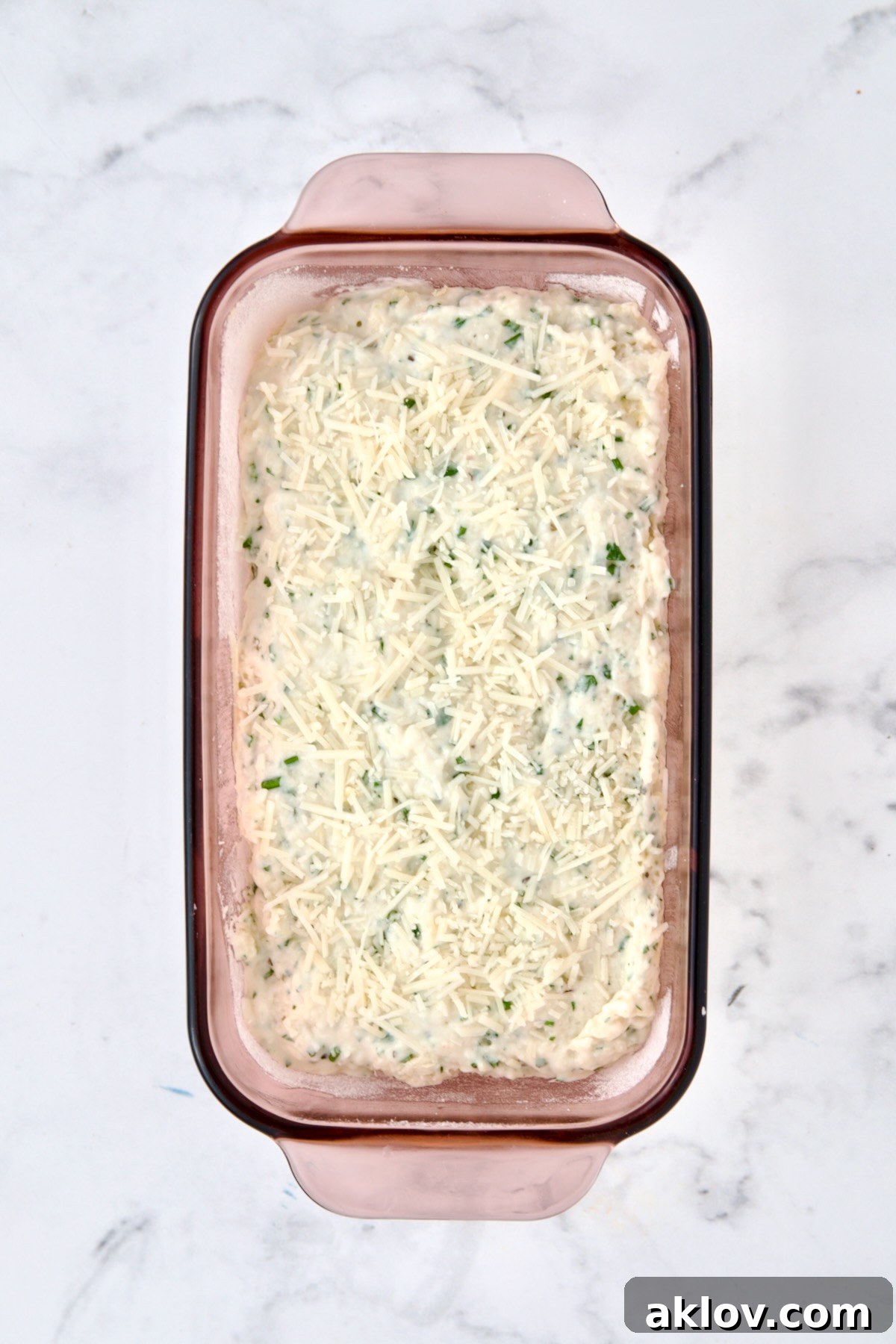
- Bake for 40 to 45 minutes, or until the loaf is beautifully golden brown on top and a toothpick inserted into the very center comes out completely clean. This indicates it’s fully cooked through.
- Allow the bread to cool in the loaf pan for 10 to 15 minutes. This cooling period helps the bread set and prevents it from crumbling when removed. After this, carefully remove it from the pan and transfer to a wire rack to cool slightly further before slicing.
- Serve this exquisite, golden herb bread warm. It’s truly magnificent slathered with butter or dipped into your favorite flavored olive oil. It also makes an exceptional base for homemade garlic bread, offering a gourmet twist to a classic favorite!
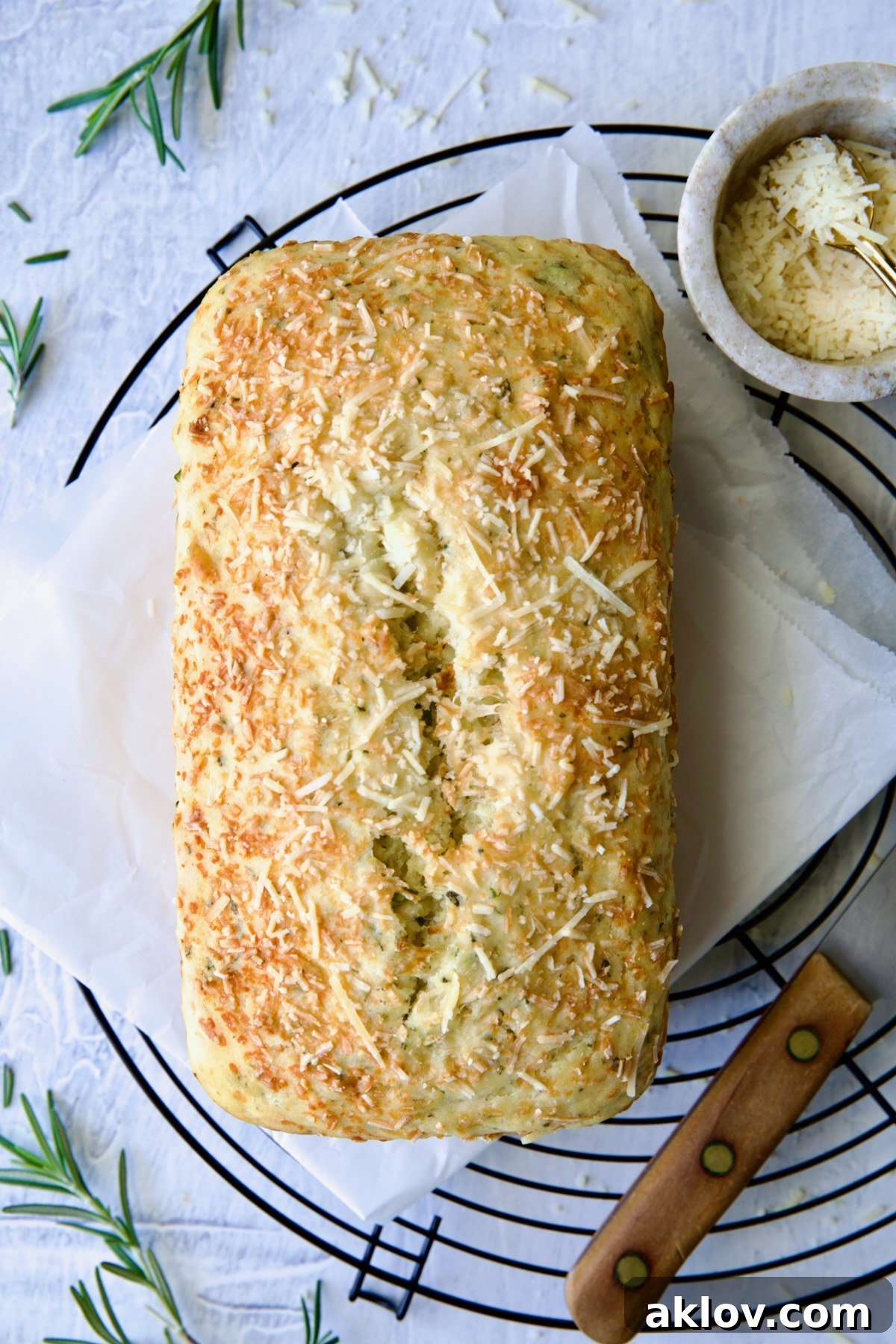
Chef’s Essential Tip: Don’t Overmix!
- The cardinal rule for achieving a perfectly tender texture in any quick bread, including this herb bread, is to **avoid over-mixing the batter**. When combining the wet and dry ingredients, your goal is simply to incorporate them until the dry ingredients are just moistened. Continuous stirring or vigorous mixing after the flour is incorporated will cause the gluten in the flour to over-develop. This leads to a tough, dense, and chewy loaf rather than the desired light and tender crumb. A few small lumps in the batter are completely normal and preferable to a perfectly smooth, but overmixed, batter. Gently fold until just combined for best results!
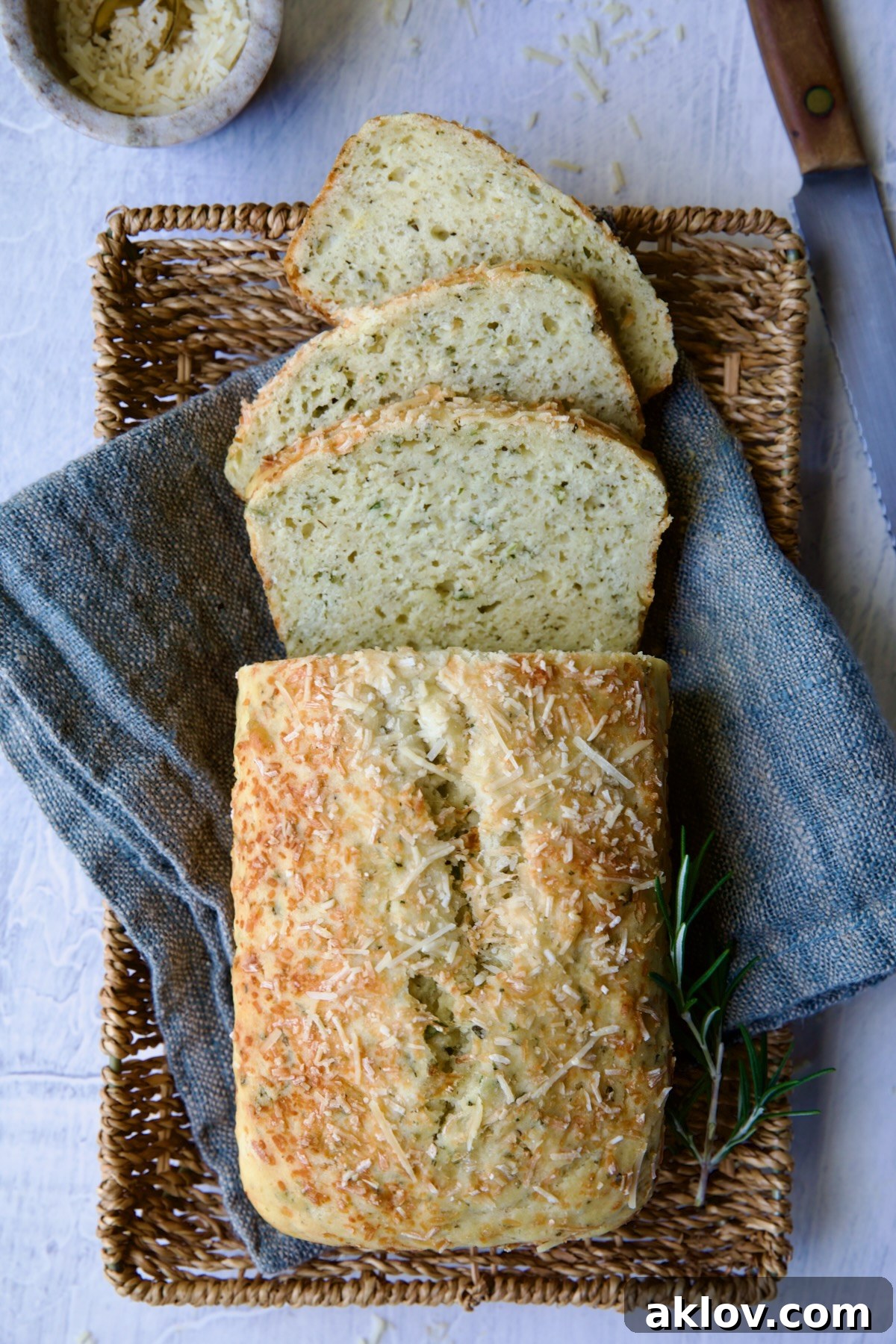
Common Questions About Our Easy Herb Bread (FAQs):
It’s very common for quick breads and pound cakes to develop a crack on their surface during baking. This happens because the outer layer of the batter bakes and sets faster than the interior. As the center continues to cook, it expands and releases moisture, pushing upwards and inevitably breaking through the already set top crust, forming that characteristic crack. Professional bakers often “score” (slash) yeast doughs before baking to control this expansion and create a decorative pattern. Without scoring, the bread will naturally crack at its weakest point as it rises.
Absolutely not! This easy herb bread recipe is specifically designed to be no-knead. It relies on baking powder for its rise, which is a chemical leavening agent. This is fundamentally different from yeast breads, which require kneading to develop the gluten structure that traps gas and creates a chewy texture. For quick breads like this one, developing too much gluten through kneading or over-mixing is actually detrimental, resulting in a tough, rigid texture. The goal here is a tender crumb, achieved by gentle mixing.
The most reliable method to check for doneness in quick bread is the toothpick test. After the initial baking time of around 40 minutes, carefully insert a clean wooden toothpick or skewer into the very center of the loaf. If the toothpick comes out completely clean, without any wet batter or moist crumbs clinging to it, your bread is fully cooked through. If you see wet batter, return the loaf to the oven for an additional 5-10 minutes, then retest. It’s better to slightly overbake than underbake a quick bread.
Yes, you can substitute dried herbs for fresh in a pinch. As a general rule, use about one-third the amount of dried herbs compared to fresh, as dried herbs are more concentrated in flavor. For example, if the recipe calls for 1 tablespoon of fresh rosemary, use 1 teaspoon of dried rosemary. The flavor profile will be slightly different – dried herbs tend to be more earthy and less vibrant – but your bread will still be delicious.
Yes, this herb bread freezes beautifully! Once completely cooled, wrap the entire loaf or individual slices tightly in plastic wrap, then an additional layer of aluminum foil to prevent freezer burn. It can be frozen for up to 2-3 months. To enjoy, thaw at room temperature, then warm gently in the oven or microwave for that fresh-baked taste and texture.
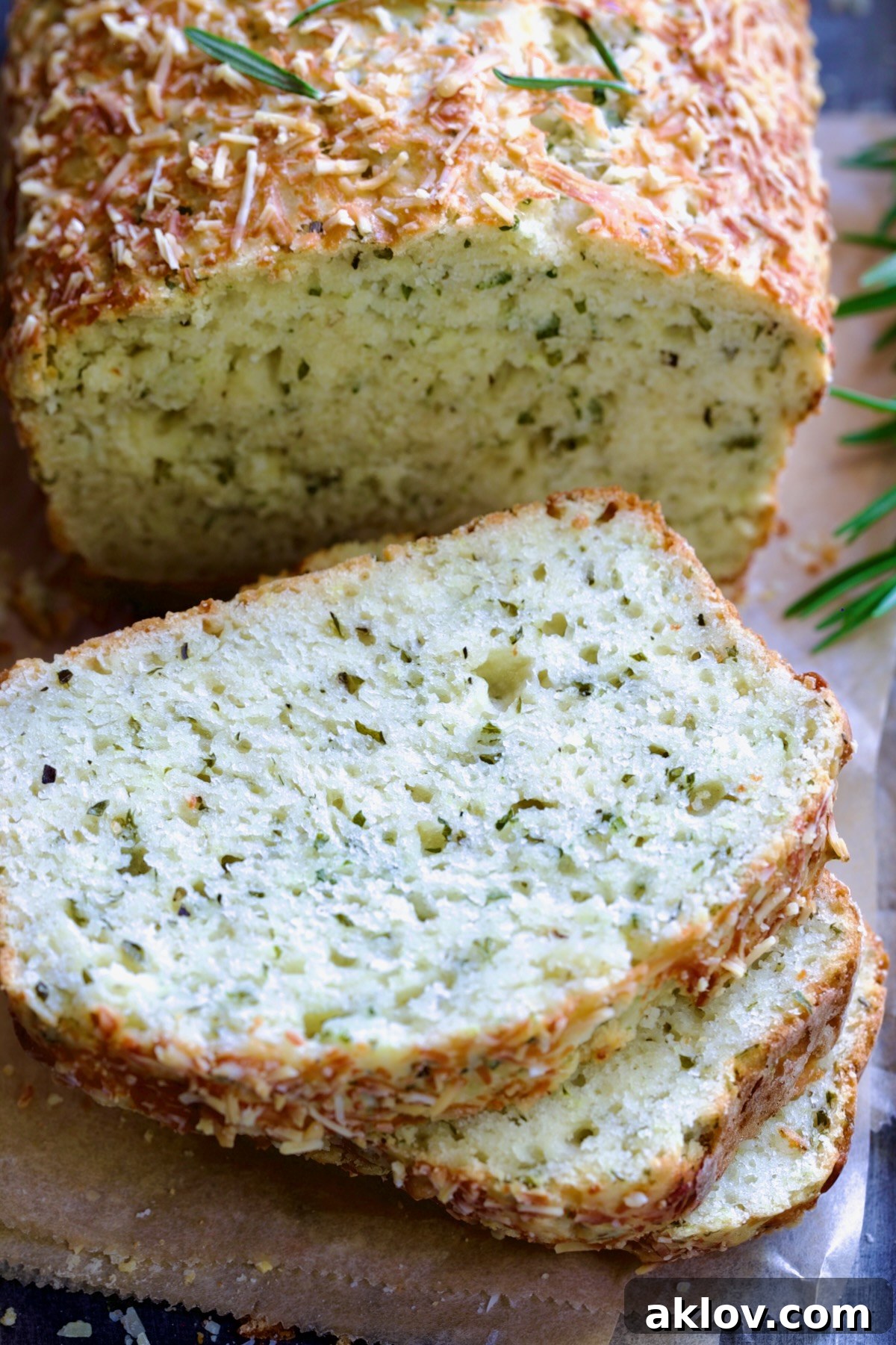
Storage Tips for Maximum Freshness:
- To maintain its delightful flavor and tender texture, this **rosemary Parmesan bread** is best stored at room temperature for up to two days. Keep it in an airtight container or wrap it securely in plastic wrap or aluminum foil to prevent it from drying out. For longer storage, you can refrigerate it for up to a week or freeze it for up to 2-3 months, as detailed in our FAQs above.
Perfect Pairings: What to Serve with This Herb Bread:
This versatile herb bread is a fantastic accompaniment to a wide variety of meals. Its rich flavors and tender crumb make it an ideal partner for hearty soups, stews, and a multitude of main courses. Here are some delicious ideas:
- **With Soups:** Its robust flavor stands up wonderfully to savory broths. Try it with:
- Chicken Vegetable Soup with Orzo
- Hearty Italian Sausage Soup
- Comforting Sausage Spinach Tortellini Soup
- Nutritious Vegetable Bean Soup
- Classic Tomato Soup or French Onion Soup
- **With Salads:** Use it for homemade croutons or serve slices alongside vibrant greens.
- **As an Appetizer:** Slice and serve with a cheese board, or alongside a fresh bruschetta topping.
- **With Main Courses:** It’s excellent with roasted chicken, grilled fish, or a simple pasta dish.
- **For Breakfast/Brunch:** Toast it and serve with eggs, or use it to make savory French toast.
Discover More Irresistible Bread and Muffin Recipes You’ll Love!
If you enjoyed the simplicity and flavor of this Easy Herb Bread, you’re sure to find new favorites among these other delightful baking recipes:
- Decadent Chocolate and Zucchini Muffins
- Flavorful Artichoke Focaccia with Rosemary
- Simple and Spiced Pumpkin Muffins
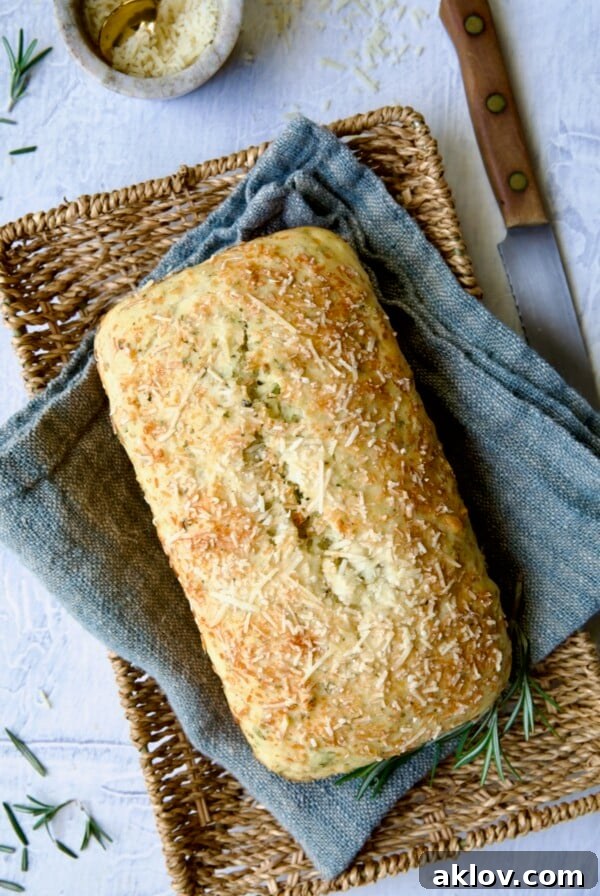
Easy Herb Bread
Equipment
-
Wusthof Chef Knife
-
Glass Mixing Bowls
-
Whisk
Ingredients
- Cooking spray
- 2 1/2 cups all-purpose flour, plus 1-2 tablespoons to coat the loaf pan
- 2 tablespoons granulated sugar
- 2 1/2 teaspoons baking powder
- 1 teaspoon salt
- 1 teaspoon dried Italian seasoning
- 1 large egg, beaten
- 1 1/2 cups whole buttermilk
- 1/4 cup olive oil
- 3/4 cup freshly grated Parmesan cheese, plus 2 tablespoons, divided
- 1 tablespoon chopped fresh parsley
- 1 tablespoon chopped fresh chives
- 1 tablespoon chopped fresh rosemary
Instructions
-
Preheat oven to 350 degrees F (175 C). Spray an 8 x 4-inch loaf pan with cooking spray, then coat lightly with 1-2 tablespoons of all-purpose flour.
-
In a large bowl, whisk together the 2 1/2 cups flour, sugar, baking powder, salt, and Italian seasoning until well combined.
-
In a separate medium bowl, whisk together the beaten egg, buttermilk, olive oil, 3/4 cup Parmesan cheese, parsley, chives, and rosemary until thoroughly mixed.
-
Pour the wet ingredient mixture into the dry ingredients. Gently fold with a spatula until the dry ingredients are just moistened. Be careful not to overmix; a few lumps are fine.
-
Pour the batter into the prepared loaf pan, smoothing the top slightly. Sprinkle with the remaining 2 tablespoons of Parmesan cheese.
-
Bake for 40-45 minutes, or until a toothpick inserted into the center of the loaf comes out clean and the top is golden brown. Let cool in the loaf pan for 10-15 minutes before removing and serving warm.
Notes
- For the Parmesan cheese, you can also use Asiago, Romano, or a combination for varied flavor.
TIP:
- The key to a good texture for quick bread is to avoid over-mixing. Stir only until the dry ingredients are moistened. Excessive mixing can make your bread tough or dense because the gluten in the flour has over-developed.
STORAGE:
- This bread will last about two days stored in an airtight container or wrapped securely at room temperature. After that, refrigerate for up to a week or freeze for up to 2-3 months.
Nutrition
Nutritional values are automatically calculated using unbranded products and are estimates only. Actual results may vary based on ingredients used and portion sizes. Adjust as needed for dietary restrictions, allergies, or health concerns.
 Did you love this recipe? Leave a comment below and share your thoughts!