
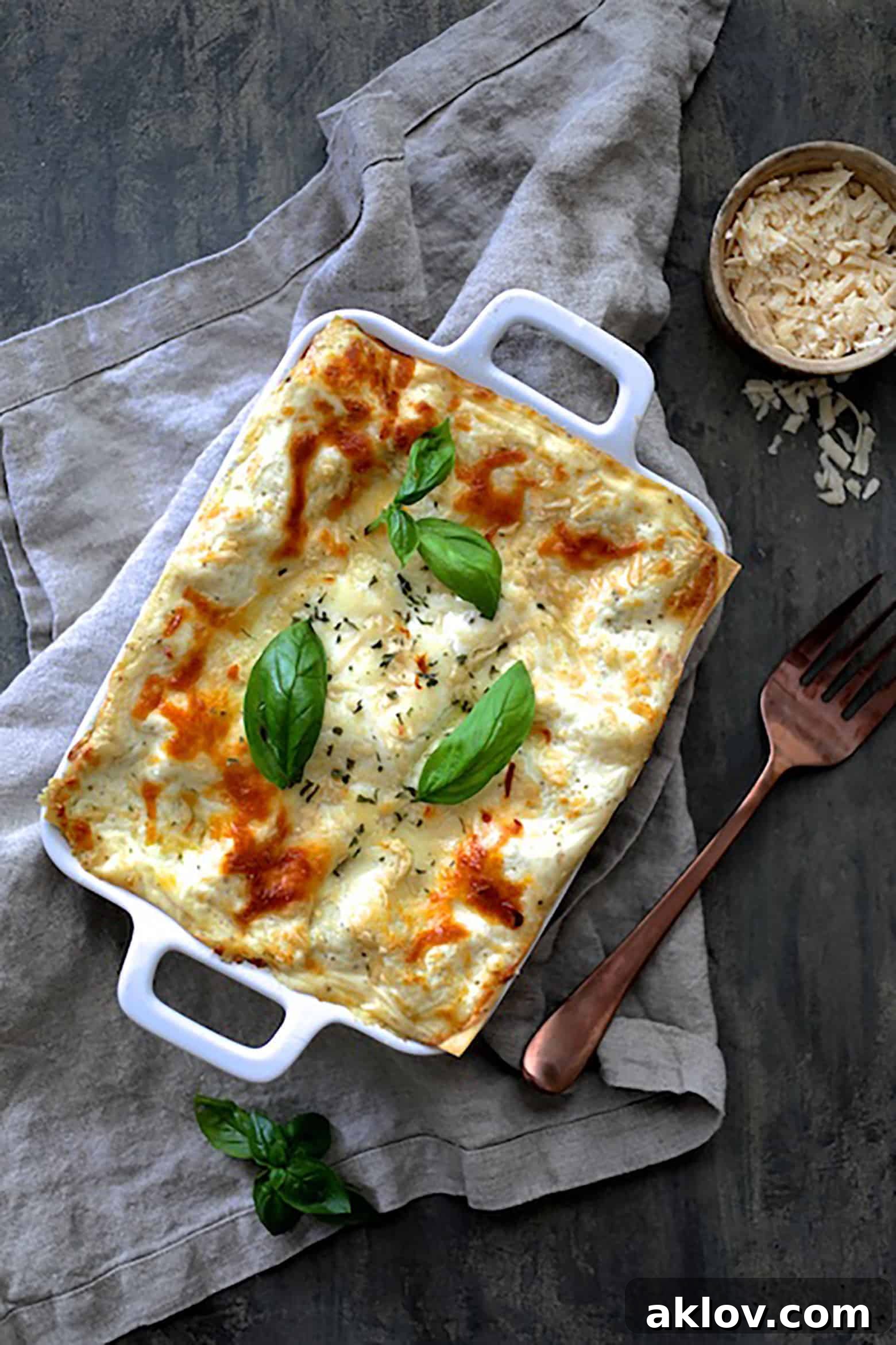
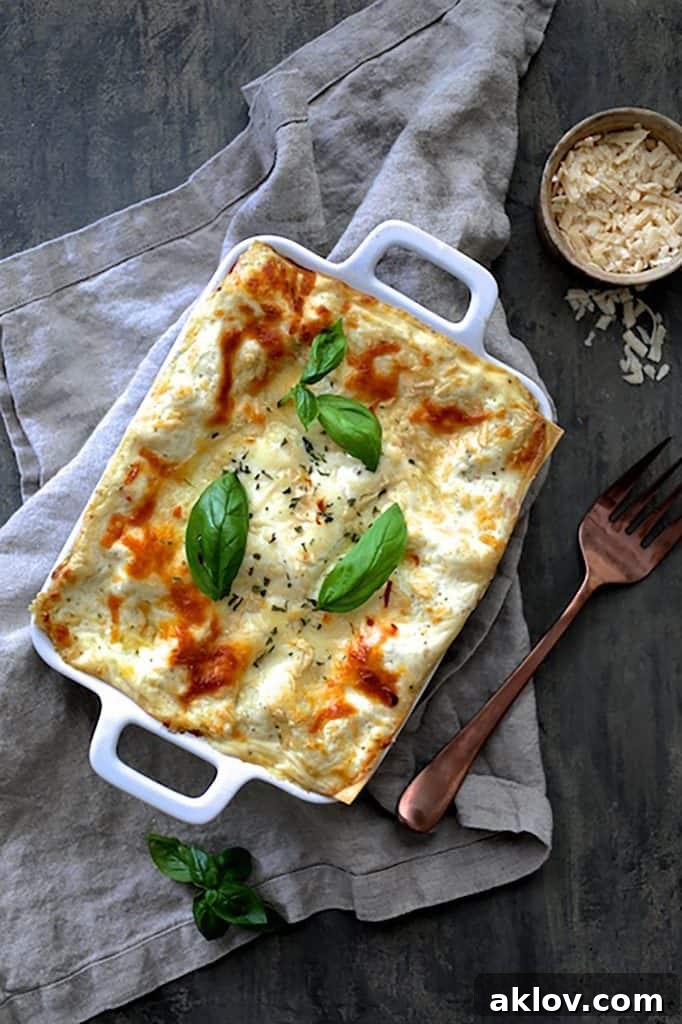
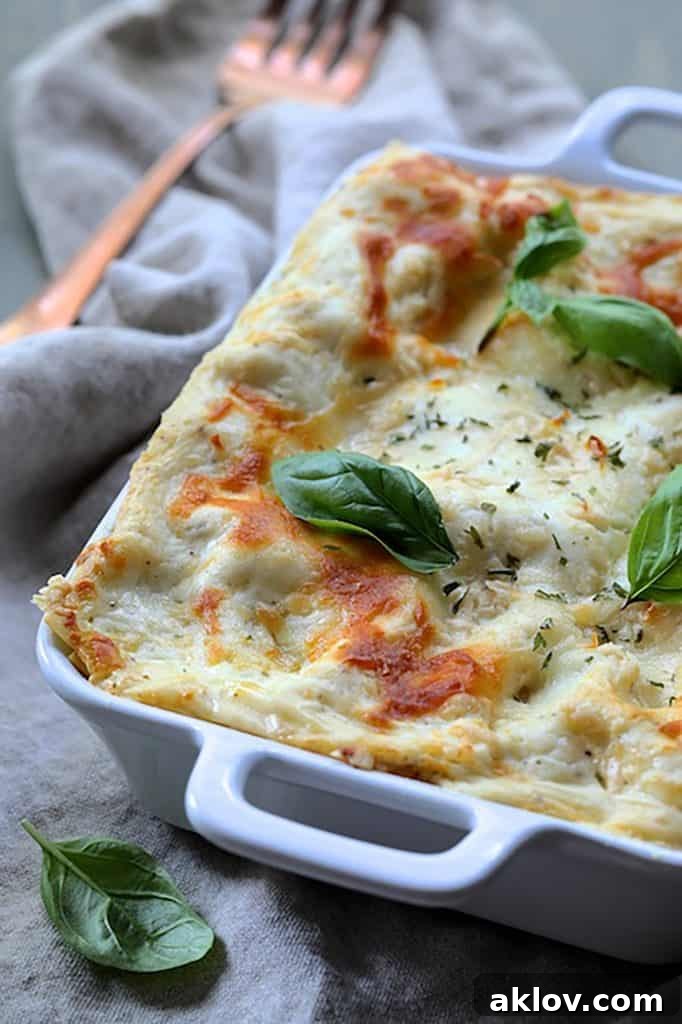
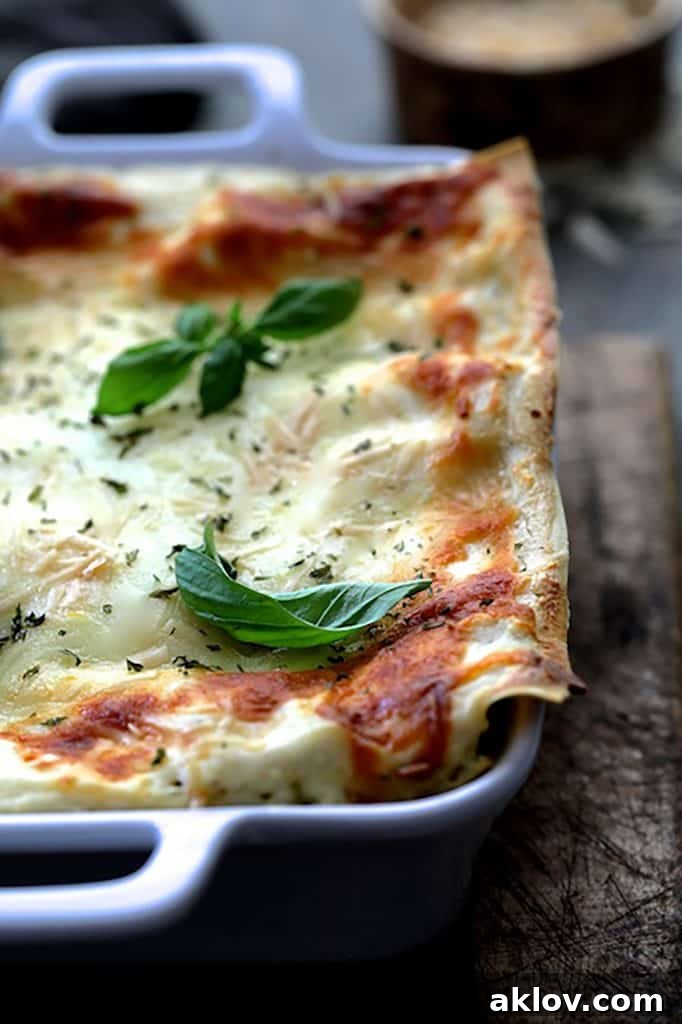
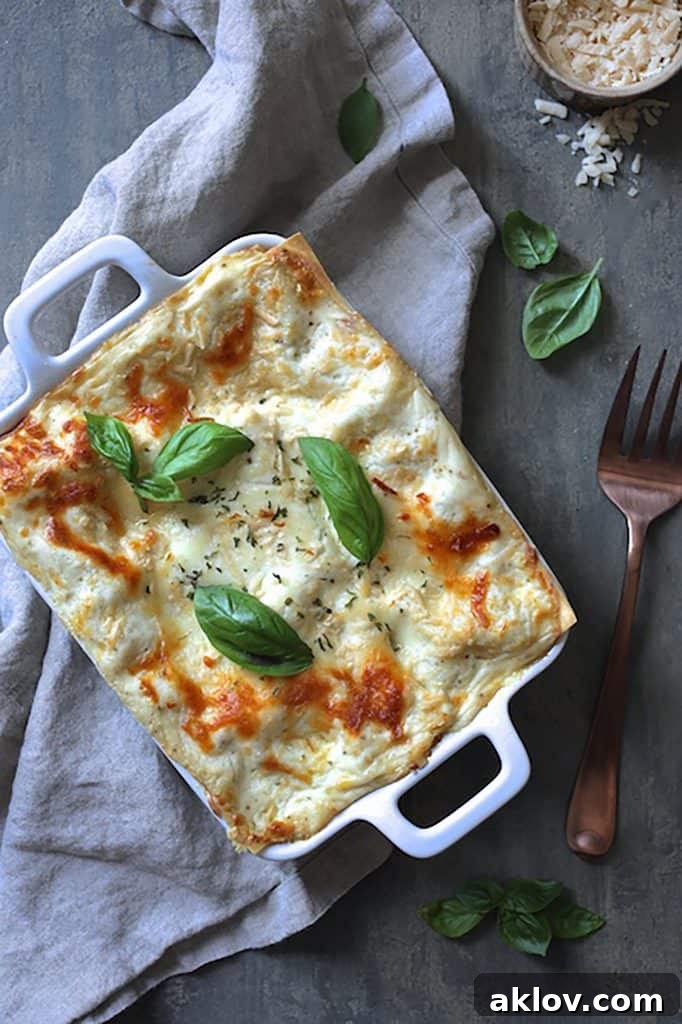
Welcome to a culinary journey that celebrates the vibrant flavors of summer basil, transforming them into a hearty and incredibly satisfying dish: Lasagna with Pesto, Green Beans, and Potatoes. This isn’t just any lasagna; it’s a vegetarian masterpiece that promises creamy layers of deliciousness, making it an ideal choice for both seasoned home cooks and those looking to explore delightful meat-free options. Whether you’re enjoying the abundance of fresh basil from your garden or reaching for that carefully frozen pesto stash, this recipe allows you to capture the essence of summer all year long.
“Indulge in this exquisite veggie lasagna. Its rich, creamy pesto layers are so utterly delicious, you won’t even notice the absence of meat!”
The Culinary Inspiration Behind This Unique Recipe
As the warmth of summer slowly fades, ushering in the cooler seasons, there’s a particular urgency to utilize every last fragrant leaf of basil flourishing in the herb garden. Each year, my basil plants transform from modest seedlings into lush, aromatic “shrubs” by mid to late summer, a testament to their vitality and my passion for fresh ingredients. This Lasagna with Pesto, Green Beans, and Potatoes was born from this annual ritual, a final, glorious celebration of the season’s bounty.
This dish holds a special place in my heart, evoking cherished memories of a trip my husband and I took to Spain and Italy for our tenth wedding anniversary. Rome, with its bustling piazzas and ancient wonders, was a highlight. Eager to escape the tourist traps, we ventured into a quiet alleyway and stumbled upon a charming, unassuming trattoria that seemed to be a local secret. It was a discovery that proved truly memorable. I ordered a pesto lasagna, much like this one, and its sublime flavors practically compelled me to lick the plate clean! That meal ignited an obsession: to recreate that authentic taste of Italy, a perfect blend of rich pesto, tender green beans, and comforting potatoes—a classic Italian trio often found in Ligurian cuisine. This recipe is my loving rendition, a tribute to that unforgettable Roman experience. For those who, like me, indulge in an annual “pesto project” and have a freezer full of this vibrant green sauce, this lasagna offers a magnificent way to enjoy those preserved flavors.
Mastering the Art of Homemade Pesto: From Garden to Freezer
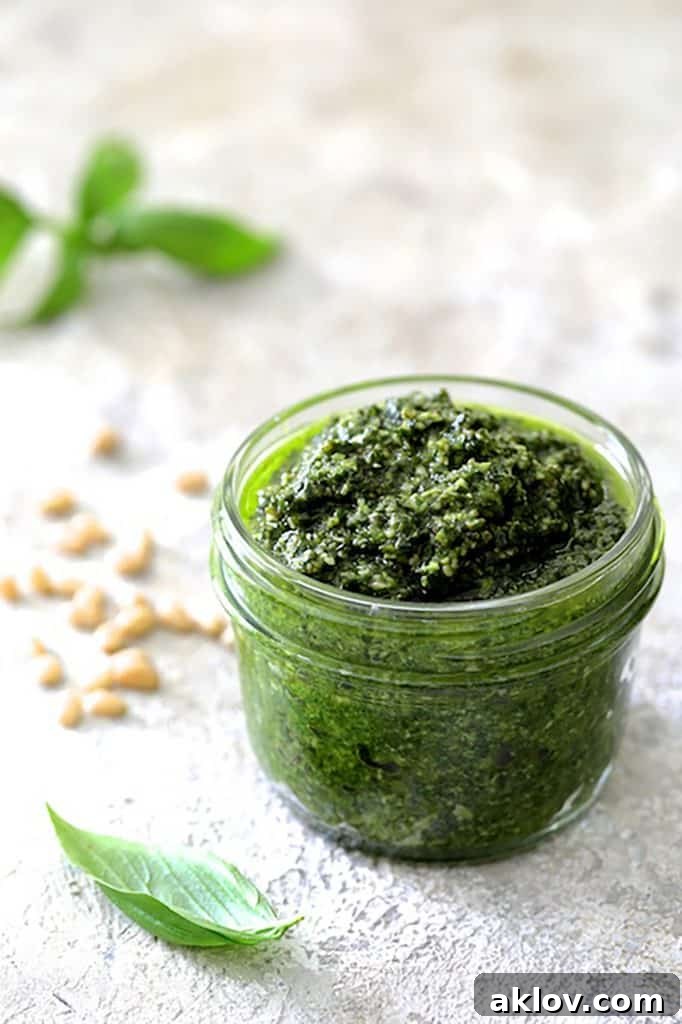
Preparing homemade pesto is a gratifying ritual, one that I fondly refer to as my “pesto project.” While it might take a good part of an afternoon, the reward of having fresh, flavorful pesto on hand is immeasurable. The key to exceptional pesto lies not only in the quality of your basil but also in its proper preparation.
How to Prepare Basil for the Perfect Pesto
Before your basil leaves meet the food processor, a few crucial steps ensure the best possible flavor and texture for your pesto:
- Harvesting and Initial Rinse: Begin by carefully cutting back your basil plants, leaving some foliage to encourage continued growth. Immediately immerse the harvested stems in a sink full of cold water. This allows any clinging dirt or small insects to sink to the bottom, ensuring your basil is clean.
- Leaf Separation: This step requires patience! Gently pick all the leaves from their stems. Depending on the size of your basil “shrubs,” you could be looking at hundreds of leaves, but the effort is well worth it for the concentrated flavor.
- Thorough Washing and Spinning: Repeat the washing process to ensure every leaf is pristine. Then, transfer the basil leaves to a salad spinner and spin them vigorously to remove as much excess water as possible. A good salad spinner is truly one of the most underrated kitchen gadgets, essential for ensuring your pesto isn’t watery.
- Air Drying is Key: Even after spinning, basil has a tendency to retain moisture. Spread the leaves out in a single layer on several clean kitchen towels and allow them to air dry for at least an hour, or even two. This step is critical; any residual water will dilute the vibrant flavor and compromise the texture of your pesto.
Crafting Your Basic Pesto Recipe
Once your basil is perfectly prepped, you’re ready to create the aromatic green sauce. For a small, fresh batch of classic pesto, here’s a fundamental recipe that highlights basil’s natural brightness:
- Approximately 2 cups of tightly packed fresh basil leaves
- ½ cup freshly grated Parmesan cheese (or a blend of Parmesan and Pecorino Romano for a sharper taste)
- Approximately ½ cup high-quality extra-virgin olive oil (adjust as needed for desired consistency)
- ¼ cup lightly toasted pine nuts or walnuts (toasting enhances their flavor)
- 3 cloves of fresh garlic, roughly chopped
- Salt and freshly ground black pepper to taste
Combine all ingredients in a food processor and pulse until smooth, scraping down the sides as necessary. For an even more authentic experience, you can explore traditional recipes such as my Pesto Genovese, which offers a deeper dive into the Ligurian classic.
Essential Tips for Freezing Pesto Safely and Effectively
Freezing pesto is an excellent way to extend its shelf life and enjoy the taste of summer even when snow is falling. However, a few important considerations ensure both flavor preservation and food safety:
- Withholding Cheese and Garlic: When preparing pesto specifically for freezing, I recommend omitting the cheese and garlic. These ingredients are best added just before you plan to use the pesto, ensuring a fresher, more robust flavor, especially with freshly grated cheese.
- Addressing Food Safety Concerns: More importantly, omitting garlic is a critical food safety measure. Garlic stored in oil at improper temperatures, especially if it thaws even slightly during a power outage, can create an anaerobic environment where *Clostridium botulinum* can thrive, leading to botulism. By adding garlic fresh after thawing, you mitigate this risk entirely.
- Portioning for Convenience: Freeze your pesto in small, manageable containers. Ice cube trays are excellent for this, allowing you to pop out individual portions as needed. Once frozen, transfer the cubes to a freezer-safe bag or airtight container.
- Understanding Color Changes: It’s natural for homemade pesto to develop a slightly darker, “funky” color on the surface when frozen and thawed. This is due to the oxidation of the fresh basil. While you could try blanching the basil briefly before making pesto to help retain its bright green hue, this often diminishes the vibrant, fresh flavor that makes pesto so appealing.
- Reviving Thawed Pesto: After thawing a container of pesto, simply scrape off the oxidized top layer to reveal the beautiful, bright green pesto underneath, ready to be enhanced with fresh garlic and cheese.
Crafting the Perfect Lasagna with Pesto, Green Beans, and Potatoes
Assembling this lasagna is a joyous process, bringing together the fresh flavors of pesto, the earthy notes of potatoes, and the crispness of green beans, all bound by creamy béchamel sauce and tender pasta.
Step-by-Step Assembly Guide
- Prepare Your Pesto: Start by preparing your pesto according to the basic recipe provided above, remembering to add garlic and cheese if you’re using a frozen batch.
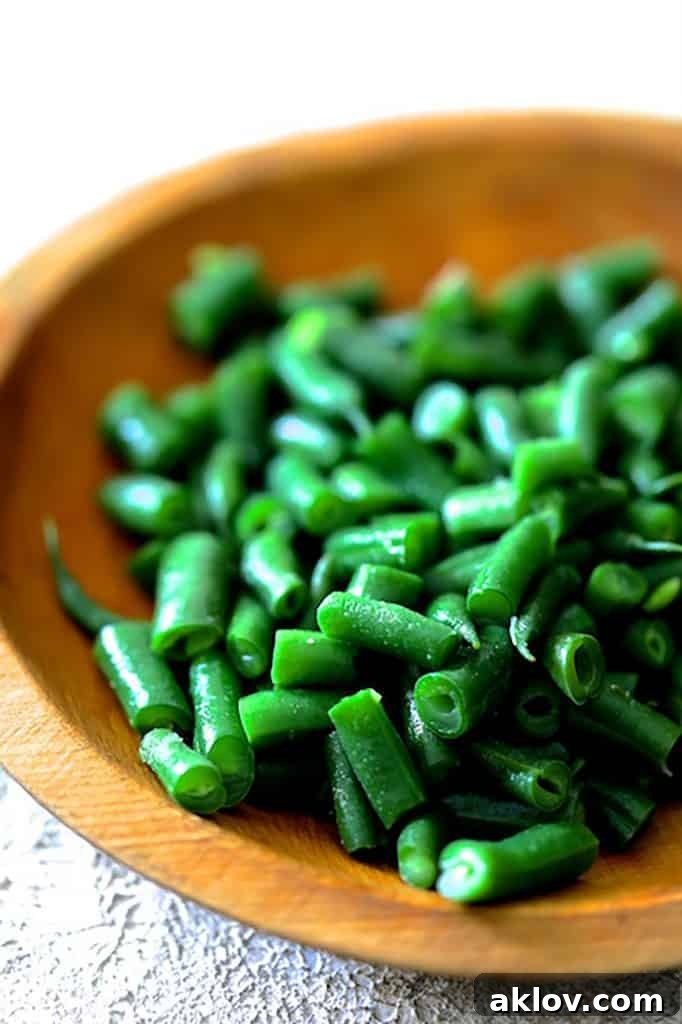
- Cook Potatoes and Green Beans: Cook your diced potatoes and trimmed green beans in salted boiling water until just tender. Crucially, reserve the hot cooking water after straining the vegetables. This water will be used for softening your lasagna noodles. Run cold water over the cooked vegetables to stop the cooking process and preserve their vibrant color and texture.
- Soak the Lasagna Noodles: While traditional Roman lasagna might feature silky, fresh pasta sheets, for convenience without compromising quality, I often opt for dried oven-ready lasagna noodles. Place these noodles in the reserved hot cooking water. Add more hot tap water if needed to ensure they are fully submerged. Soaking the noodles before assembly is vital; it prevents them from absorbing too much moisture from your delicate béchamel and pesto sauces during baking, which could result in a dry lasagna.
- Prep Noodles for Layering: Gently move the noodles around periodically while they soak to prevent them from sticking together. Once they are pliable and flexible, carefully remove them from the water, drain them, and blot them dry on a clean kitchen towel or paper towels.
- Make the Bechamel Sauce: The creamy béchamel is the heart of this lasagna, providing a luxurious counterpoint to the pesto. Melt butter in a saucepan, whisk in flour to create a roux, then slowly incorporate warm milk, whisking constantly until thickened and smooth. Season with a dash of nutmeg, salt, and pepper.
- Layer with Care: With all components ready, it’s time to start layering! This particular recipe is designed for four servings, making it ideal for an intimate dinner party or a cozy family meal without an overwhelming amount of leftovers.
This lasagna is more than just a meal; it’s an experience. Each bite delivers a harmonious blend of flavors and textures—the freshness of basil, the subtle sweetness of green beans, the comforting earthiness of potatoes, all enveloped in rich, creamy sauce and tender pasta. I hope you enjoy every moment of preparing and savoring this delightful dish! Let’s eat!
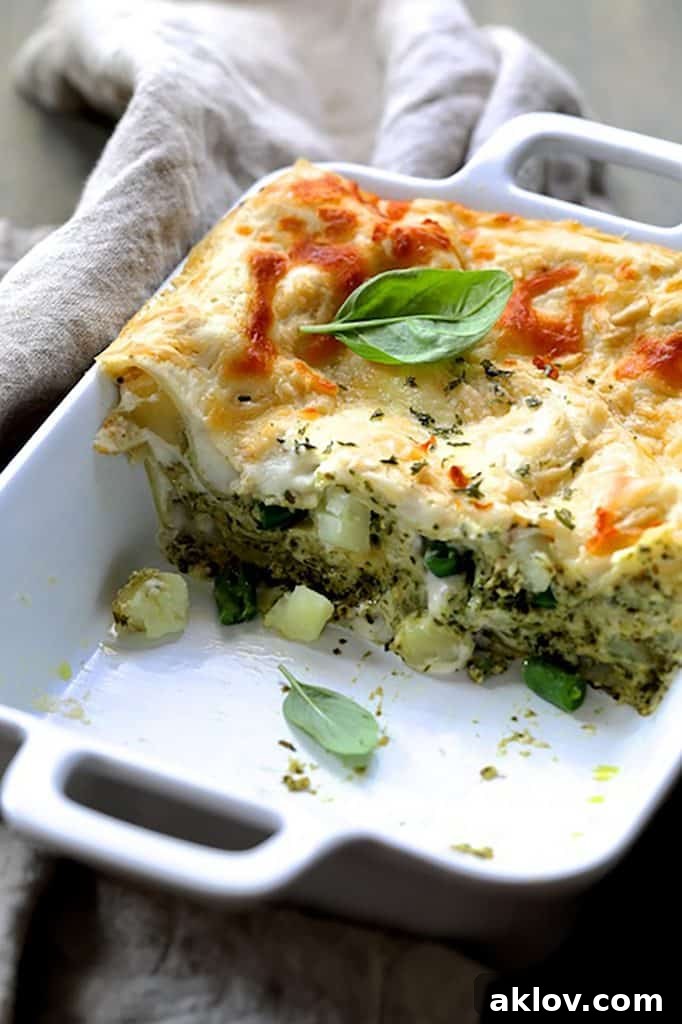
For an adventurous twist, consider preparing this lasagna with my unique Radish Greens Pesto – it offers an exciting depth of flavor that is truly amazing!
More Italian-Inspired Pasta Dishes You’ll Adore!
If this vegetarian lasagna has piqued your interest in Italian-inspired pasta dishes, you’ll be thrilled to explore these other fantastic recipes from my kitchen:
- Cheese-Stuffed Pasta Shells with Vegetarian Pasta Sauce: A comforting classic filled with rich cheeses and smothered in a vibrant marinara.
- Baked Orzo with Pesto, Peas, Prosciutto and Mascarpone: A delightful blend of tiny pasta, sweet peas, savory prosciutto, and creamy mascarpone.
- Baked Orecchiette with Cauliflower, Bacon and Taleggio: A hearty and flavorful dish combining unique pasta with roasted vegetables, crispy bacon, and pungent Taleggio cheese.
- Cannelloni with Chicken, Spinach and Artichoke: Elegant pasta tubes filled with a savory mix of chicken, spinach, and artichoke hearts.
- Gnocchi with Spinach and Avocado Goat Cheese Sauce: Pillowy gnocchi tossed in a creamy, fresh sauce made with spinach, avocado, and tangy goat cheese.
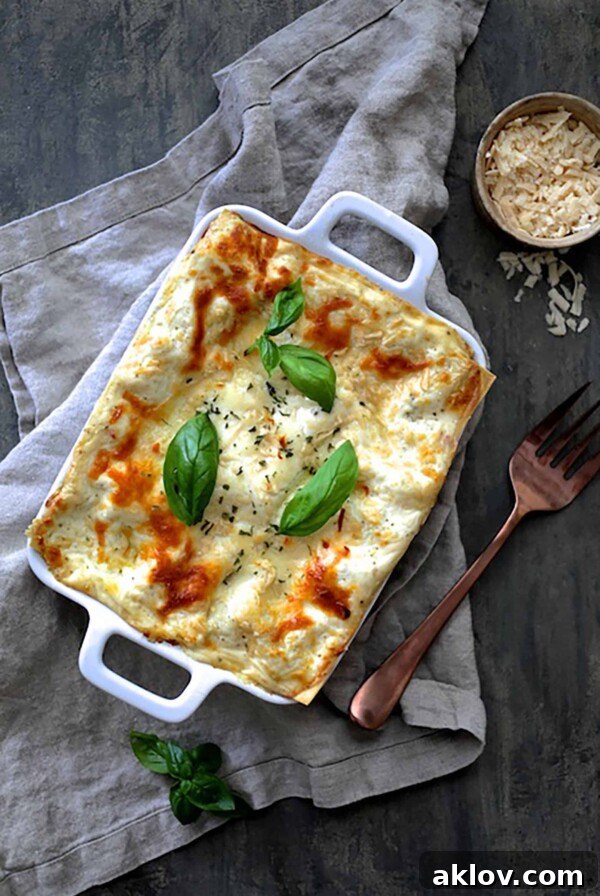
Lasagna with Pesto Green Beans and Potatoes
By Carol | From A Chef’s Kitchen
This lasagna, bursting with fresh pesto, tender green beans, and creamy potatoes, is the perfect way to savor the essence of summer all year long, whether using fresh or frozen basil.
- Prep Time: 30 mins
- Cook Time: 45 mins
- Total Time: 1 hr 15 mins
- Servings: 4
Print Recipe
Equipment
- Wusthof Chef Knife
- Cutting Board
- Food Processor
- Oxo Salad Spinner
- Saucepan
- 8 x 8 Baking Dish
Ingredients
For the Lasagna:
- Cooking spray, or olive oil for baking dish
- 3 small Yukon gold potatoes, cut into 1/2-inch dice (about 1 cup)
- Salt, for cooking potatoes and green beans
- 1 handful green beans, trimmed, cut into ½-inch pieces (about ½ cup)
- 6 flat no-boil lasagna noodles, such as Barilla
- 2/3 cup pesto sauce (homemade is recommended)
- 1/2 cup ricotta cheese
- 3 tablespoons butter
- 3 tablespoons all-purpose flour
- 2 cups whole milk
- Dash of nutmeg
- Freshly ground black pepper, to taste
- 3/4 cup shredded Mozzarella cheese, or Provolone cheese
- 1/2 cup freshly grated Parmesan cheese, or Romano cheese
Instructions
- Preheat oven to 375 degrees F (190 degrees C). Lightly brush or spray a small, shallow rectangular baking dish (an 8×8-inch pan works well) with cooking spray or olive oil. Set aside.
- Fill a medium saucepan halfway with water and add the diced potatoes along with 2 teaspoons of salt. Bring the water to a boil and cook the potatoes for about 5 to 8 minutes, or until they are just starting to become tender.
- Add the trimmed green beans to the saucepan and continue cooking for another 5 minutes, or until both the potatoes and green beans are tender but still retain a slight bite.
- Strain the potatoes and green beans, carefully reserving the hot cooking water in a separate bowl or pan. Run cold tap water over the cooked vegetables to cool them down and stop the cooking process. Set aside.
- Place the no-boil lasagna noodles into the reserved hot cooking water to soften. Add additional hot tap water if necessary to ensure the noodles are fully submerged. Gently move the noodles around periodically to prevent them from sticking together as they soften. Once they are pliable, drain the noodles and pat them dry with paper towels.
- In a separate bowl, whisk together the pesto sauce and ricotta cheese until smooth and well combined. Set this mixture aside.
- Make the Béchamel Sauce: Melt the butter in a clean saucepan over medium-high heat. Add the all-purpose flour and cook for 1-2 minutes, whisking constantly to create a smooth roux. Gradually and slowly stir in the whole milk, continuing to whisk constantly to prevent lumps. Bring the mixture to a boil, then reduce the heat to a simmer and cook until the sauce has thickened, whisking often. Season the béchamel with a dash of nutmeg and salt and freshly ground black pepper to taste.
To Assemble the Lasagna:
- Spread a small amount of the prepared béchamel sauce onto the bottom of your baking dish, just enough to thinly cover it. Then, dollop about 4 tablespoons of the pesto-ricotta mixture over the béchamel.
- Lay two of the softened lasagna noodles over the sauce, arranging them to best fit the baking dish.
- Cover the noodles with one-third of the remaining béchamel sauce, followed by half of the remaining pesto-ricotta mixture. Evenly scatter half of the cooked green beans and potatoes over this layer. Sprinkle with 2-3 tablespoons each of the shredded Mozzarella/Provolone and grated Parmesan/Romano cheeses.
- Repeat the layering process once more: add two more noodles, followed by another third of the béchamel, the remaining pesto-ricotta mixture, the remaining green beans and potatoes, and another sprinkle of both cheeses.
- Place the final two noodles on top, then pour the remaining béchamel sauce over them. Finish by sprinkling the remaining Mozzarella/Provolone and Parmesan/Romano cheeses evenly over the top layer.
- Cover the baking dish loosely with nonstick aluminum foil. Bake in the preheated oven for 30-35 minutes.
- Remove the foil and continue baking for an additional 10-15 minutes, or until the lasagna is bubbling around the edges and the top is lightly browned and golden.
- Allow the lasagna to stand for 5-8 minutes before slicing and serving. This resting time helps the layers set and makes for cleaner cuts.
Notes
- MAKE AHEAD: This lasagna can be assembled 1-2 days in advance. Cover tightly and refrigerate until ready to bake. Bake as directed.
- FREEZER-FRIENDLY: The lasagna can be frozen either baked or unbaked. If freezing unbaked, thaw it completely in the refrigerator before baking as directed. If freezing baked, reheat from frozen or thawed.
- TO REHEAT: Reheat individual portions in the microwave until heated through, or reheat the entire lasagna in a 350-degree F (175 degrees C) oven until warm and bubbly.
Nutrition (Estimated per Serving)
- Serving: 1
- Calories: 630 kcal
- Carbohydrates: 60g
- Protein: 26g
- Fat: 32g
- Saturated Fat: 13g
- Polyunsaturated Fat: 1g
- Monounsaturated Fat: 5g
- Cholesterol: 70mg
- Sodium: 818mg
- Potassium: 897mg
- Fiber: 5g
- Sugar: 11g
- Vitamin A: 1601IU
- Vitamin C: 28mg
- Calcium: 560mg
- Iron: 2mg
Nutritional values are automatically calculated using unbranded products and are estimates only. Actual results may vary based on ingredients used and portion sizes. Adjust as needed for dietary restrictions, allergies, or health concerns.

Enjoyed this recipe? Feel free to leave a comment below and share your thoughts!