

Vegan Ethiopian Red Lentil and Vegetable Stew: A Flavorful Journey to the Horn of Africa
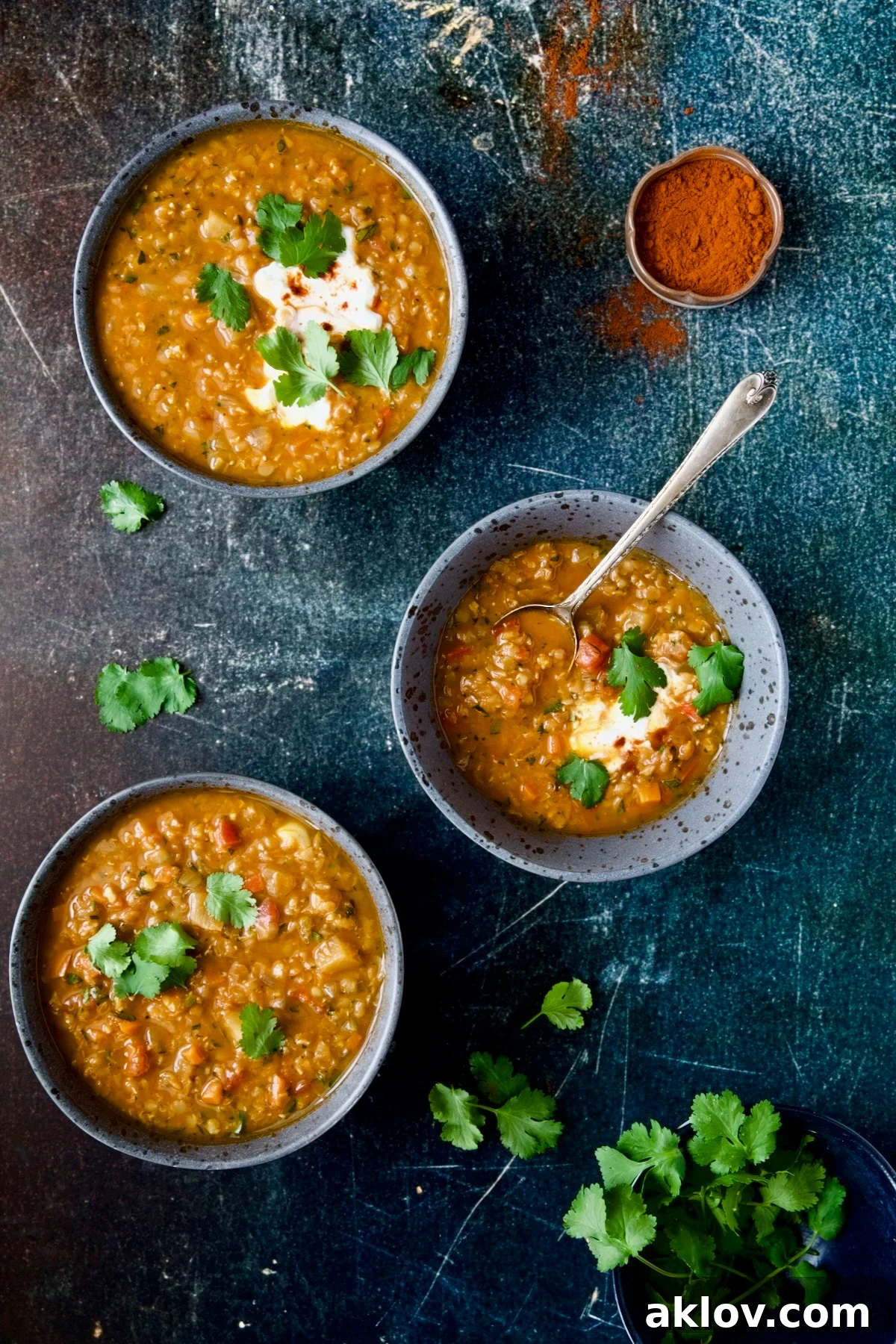
Embark on a culinary adventure with this incredibly flavorful and satisfying Vegan Ethiopian Red Lentil and Vegetable Stew. Each spoonful is a vibrant explosion of spices, a testament to the rich and diverse cuisine of Ethiopia. This hearty yet wonderfully healthful stew is not only packed with nutrients but also incredibly easy to prepare, coming together in just a little over an hour!
“Very easy and tasty. One pot meals with all different color veggies can’t really be beat, can they?”

Why This Recipe is a Keeper!
Our journey into Ethiopian cuisine began several months ago when we had the distinct pleasure of sharing an authentic meal prepared by a family who had emigrated from Ethiopia. The experience was truly unforgettable, and we instantly fell in love with the captivating aromas and bold, intricate flavors of that extraordinary country.
Ethiopian food is renowned for its characteristically spicy meat and vegetable dishes. Interestingly, due to deeply rooted Orthodox Church religious practices, Ethiopia observes numerous fasting periods throughout the year where no animal products are consumed. This tradition has led to the flourishing of an abundance of delicious and diverse vegan dishes within Ethiopian cuisine, making it a fantastic destination for plant-based eaters.
This particular Ethiopian Red Lentil and Vegetable Stew is directly inspired by that savory, spicy, and deeply soulful cuisine. What makes it truly remarkable is its ability to deliver a complex, restaurant-quality flavor profile without demanding hours in the kitchen. The secret lies in using quick-cooking red lentils, which soften beautifully and “melt” into the stew, creating a creamy texture faster than their brown or green counterparts. Coupled with a readily available berbere spice blend, this dish offers an authentic taste experience that is both accessible and deeply rewarding.
This Ethiopian-inspired stew is truly exceptional because it is:
- Spicy and Flavorful: Infused with the iconic berbere spice, delivering a warm, aromatic heat.
- Completely Vegan and Gluten-Free: Perfect for a wide range of dietary preferences and restrictions.
- Remarkably Easy to Prepare: A straightforward one-pot meal that simplifies dinner time.
- Ready in Just Over an Hour: Ideal for busy weeknights when you crave something special yet quick.
- Excellent for Meal Prep: Its flavors deepen beautifully when made ahead, making it perfect for batch cooking.
- Freezer-Friendly: An outstanding option for convenient future meals, retaining its quality after thawing and reheating.
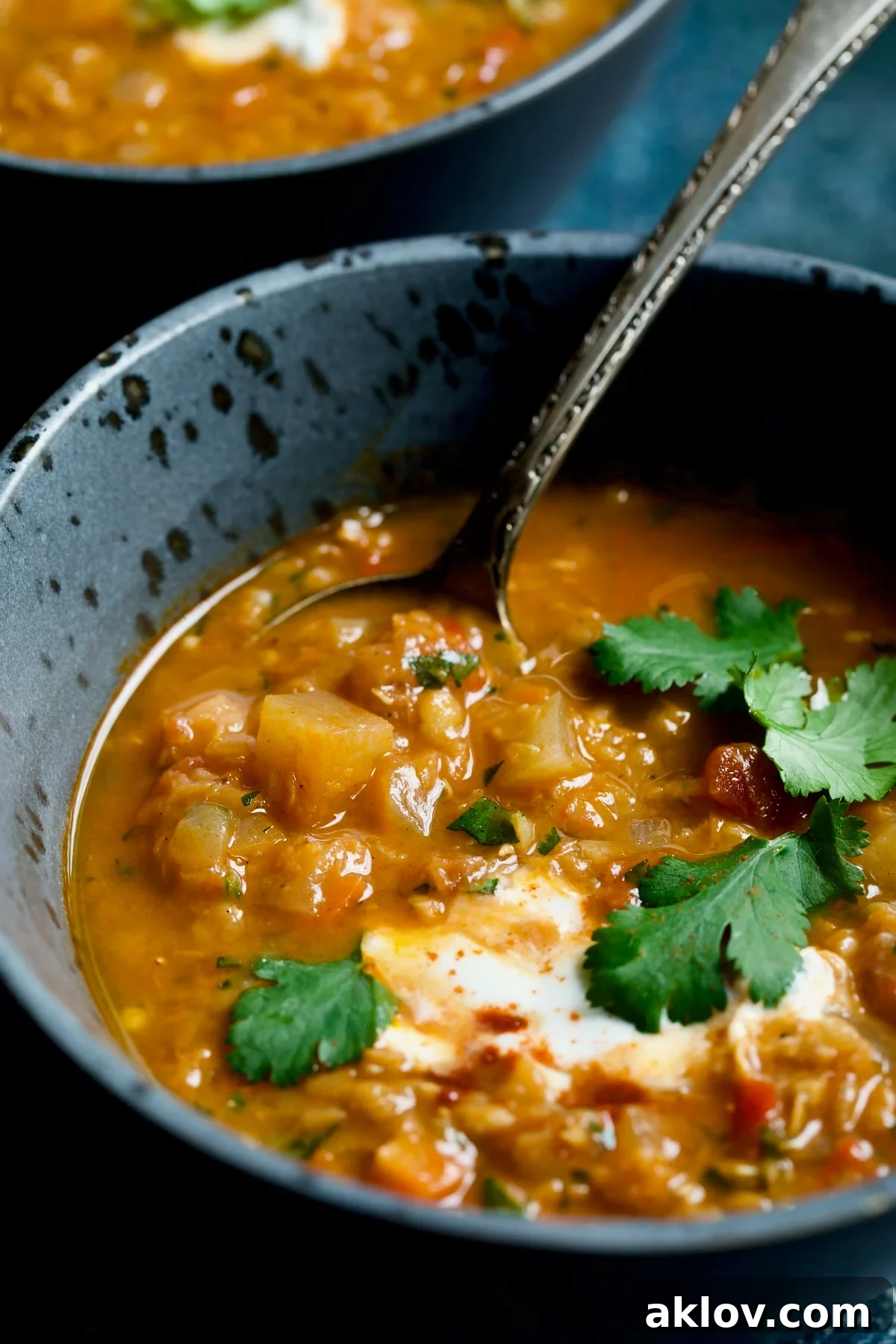
Crafting Your Ethiopian Red Lentil and Vegetable Stew
Creating this aromatic and wholesome stew is a delightful process. Gather your ingredients, and let the magic of Ethiopian flavors unfold in your kitchen.
Recipe Ingredients: What You’ll Need
This section outlines all the essential components for your Ethiopian Red Lentil and Vegetable Stew. Each ingredient plays a vital role in building the stew’s distinctive flavor and hearty texture.
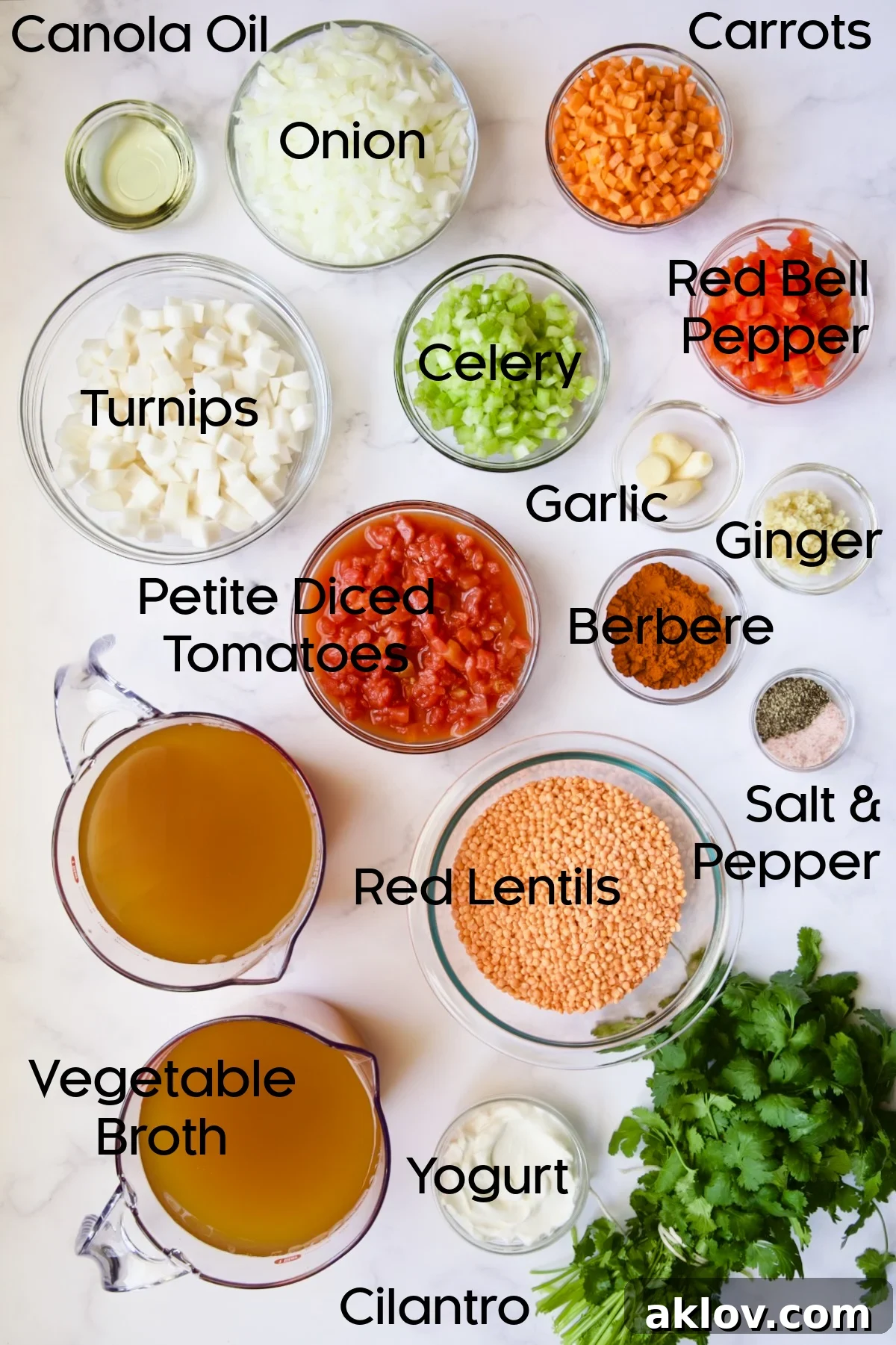
Ingredient Notes and Smart Substitutions:
- Berbere Spice: This is the heart and soul of Ethiopian cuisine. Berbere is a complex blend typically composed of chiles, garlic, fenugreek, and other warm spices like allspice and cinnamon. Its flavor is wonderfully hot and peppery, with underlying notes of earthiness and a slight tang. While you could embark on making your own blend (renowned Ethiopian chef Marcus Samuelsson offers a recipe for berbere spice blend on his website), a high-quality purchased blend is perfectly acceptable and convenient. Look for imported Ethiopian berbere from specialty spice shops or reputable online retailers. You can often find it at stores like Whole Foods.
- Turnips: We’ve opted for turnips in this recipe to introduce an additional layer of texture and a subtle peppery sweetness to the stew. However, this is a versatile component. Feel free to substitute with other root vegetables such as potatoes (Russet or Yukon gold work well), sweet potatoes for a touch of sweetness, or rutabaga for a slightly more robust flavor.
- Red Lentils: These small, quick-cooking legumes are perfect for a weeknight meal. Red lentils break down more readily than brown or green lentils, contributing to a wonderfully creamy and “melted” texture in the stew, characteristic of traditional Ethiopian lentil dishes like Misir Wot (Red Lentil Stew). Before cooking, it’s always a good practice to inspect your lentils carefully for any tiny stones or debris, then rinse them thoroughly under cool running water.
- Vegetable Broth: To keep this stew authentically vegan, a good quality vegetable broth is essential. It forms the flavorful liquid base. If you are not concerned about maintaining the vegan aspect, chicken broth can be used as an alternative, though it will slightly alter the flavor profile. We recommend choosing a low-sodium broth to allow you full control over the final seasoning of your stew.
- Yogurt: An optional but highly recommended addition, a dollop of yogurt provides a delightful cooling contrast to the stew’s rich spices. For a fully vegan rendition, opt for a plant-based Greek-style yogurt (such as almond or coconut yogurt). Otherwise, plain dairy yogurt works beautifully.
- Canola Oil: Used for sautéing the aromatics and vegetables. Olive oil or another neutral-flavored cooking oil can be used interchangeably.
- Aromatics & Vegetables: Large onion, medium carrots, celery stalks, and a small red bell pepper form the savory base, adding sweetness and depth. Fresh garlic and minced ginger are crucial for the aromatic foundation and distinctive Ethiopian flavor.
- Canned Petite Diced Tomatoes: These add a bright, acidic counterpoint to the rich spices, contributing to the stew’s overall balance. No need to drain them!
- Fresh Cilantro: Incorporated at the end and as a garnish, cilantro adds a burst of fresh, herbaceous flavor that brightens the entire dish.
- Salt and Freshly Ground Black Pepper: Essential for seasoning and bringing all the flavors into harmony. Adjust to your personal preference.
Step-by-Step Guide: Preparing Your Ethiopian Red Lentil Stew
Follow these detailed instructions to create a truly memorable meal. Patience in each step will allow the flavors to develop beautifully.
- Prepare Ingredients: Begin by gathering and meticulously prepping all your ingredients. Chop the onion, carrots, celery, and red bell pepper. Mince the garlic and ginger. Peel and cube the turnips. Inspect and rinse your red lentils.
- Heat Oil: In a large Dutch oven or a heavy-bottomed soup pot, heat the canola oil over medium-high heat. A good quality pot will ensure even cooking and prevent sticking.
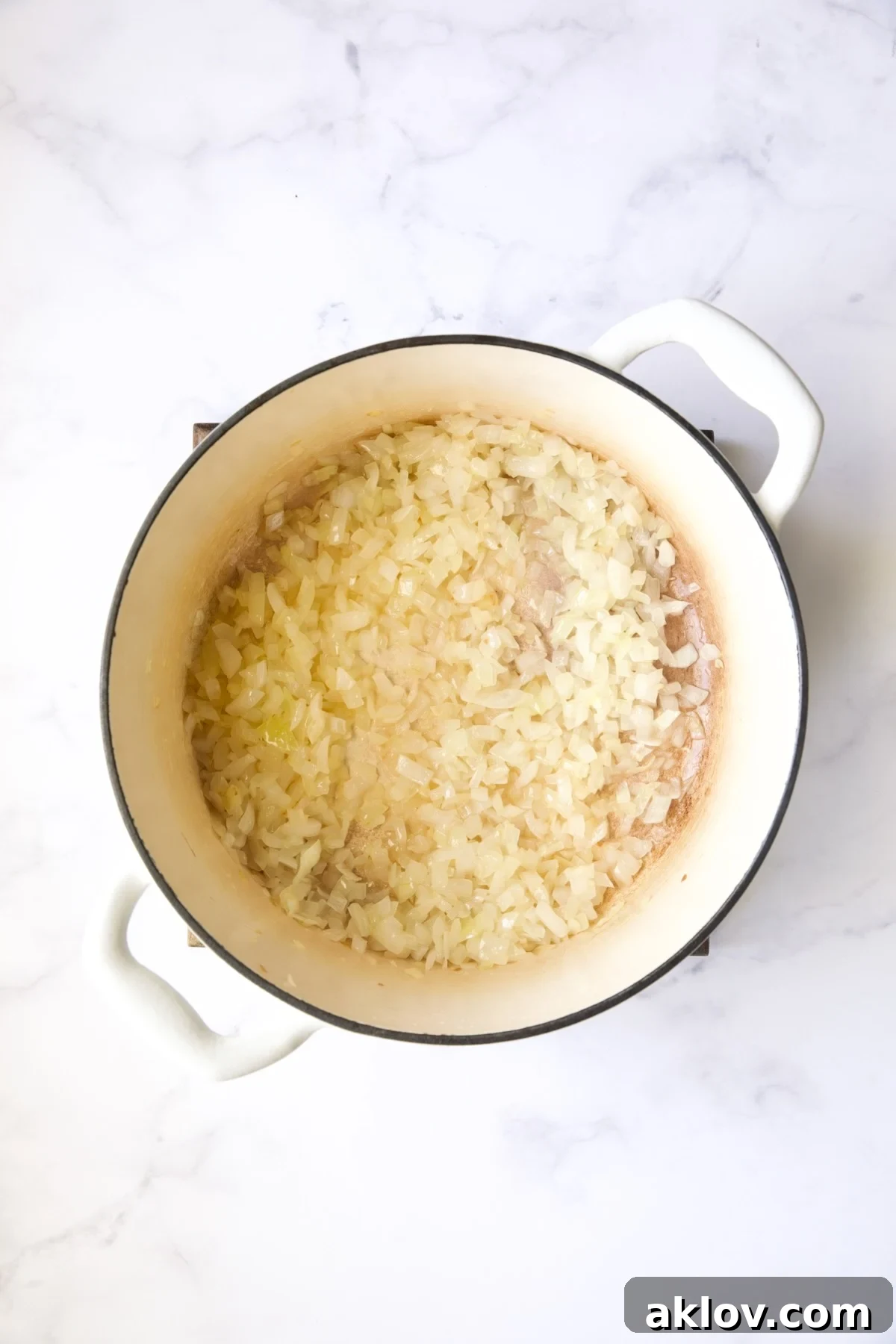
- Sauté Onion: Add the chopped onion to the hot oil. Reduce the heat to medium-low and cook for 5 to 6 minutes, stirring occasionally, until the onion begins to soften and turn translucent. This step is crucial for building the foundational flavor.
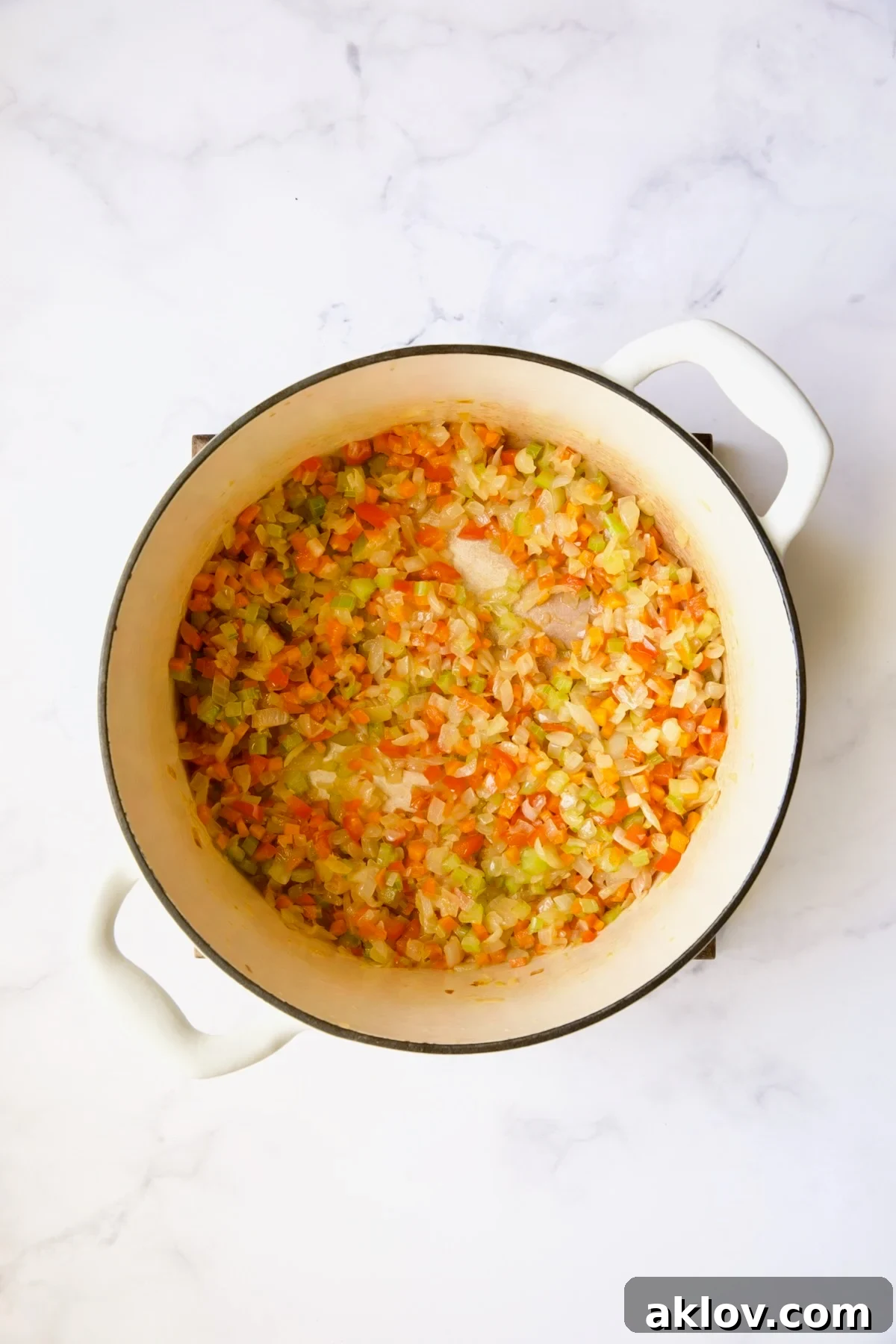
- Add Mirepoix: Incorporate the chopped carrots, celery, and red bell pepper into the pot. Continue to cook, stirring regularly, for another 5 to 6 minutes, until these vegetables have also softened.
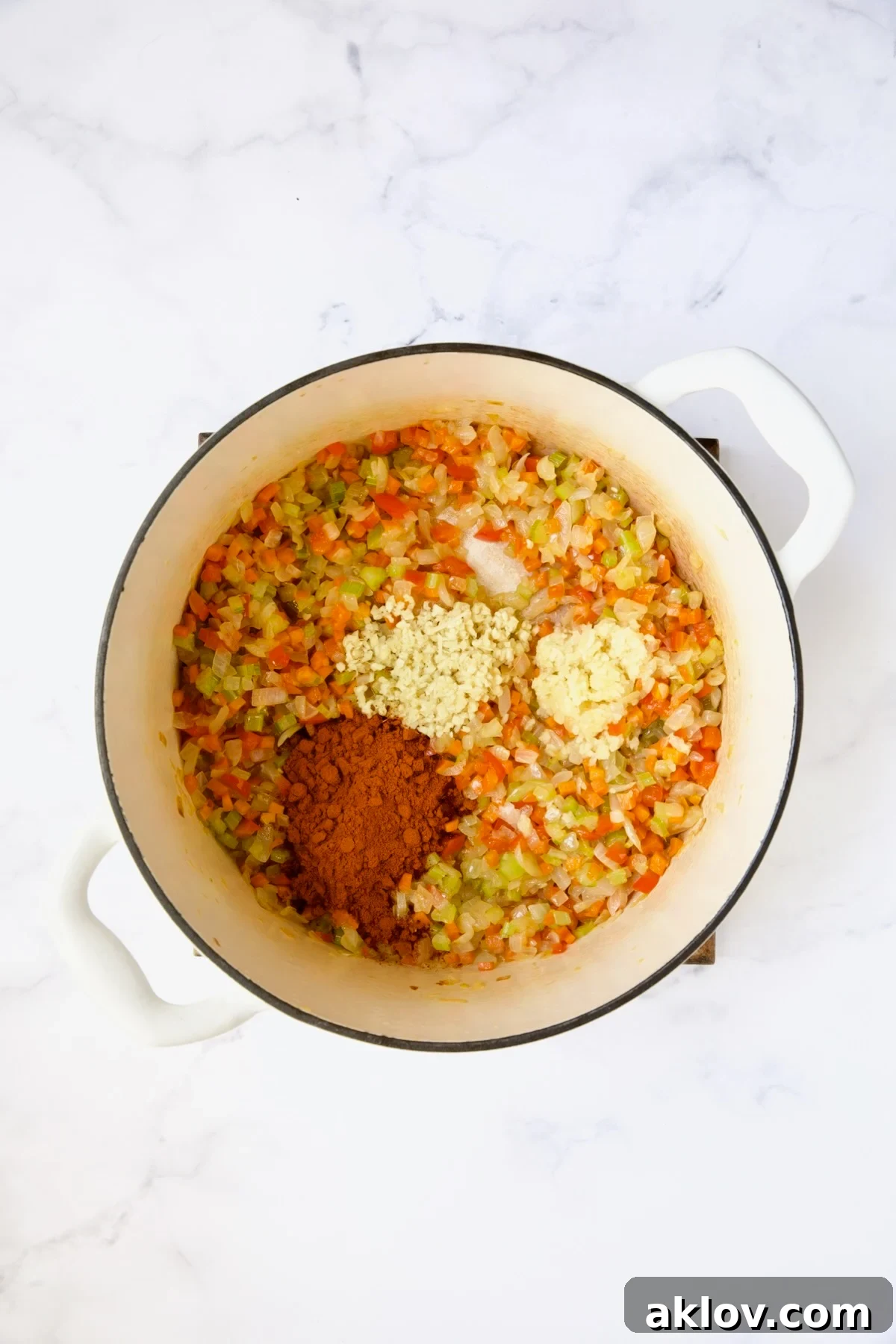
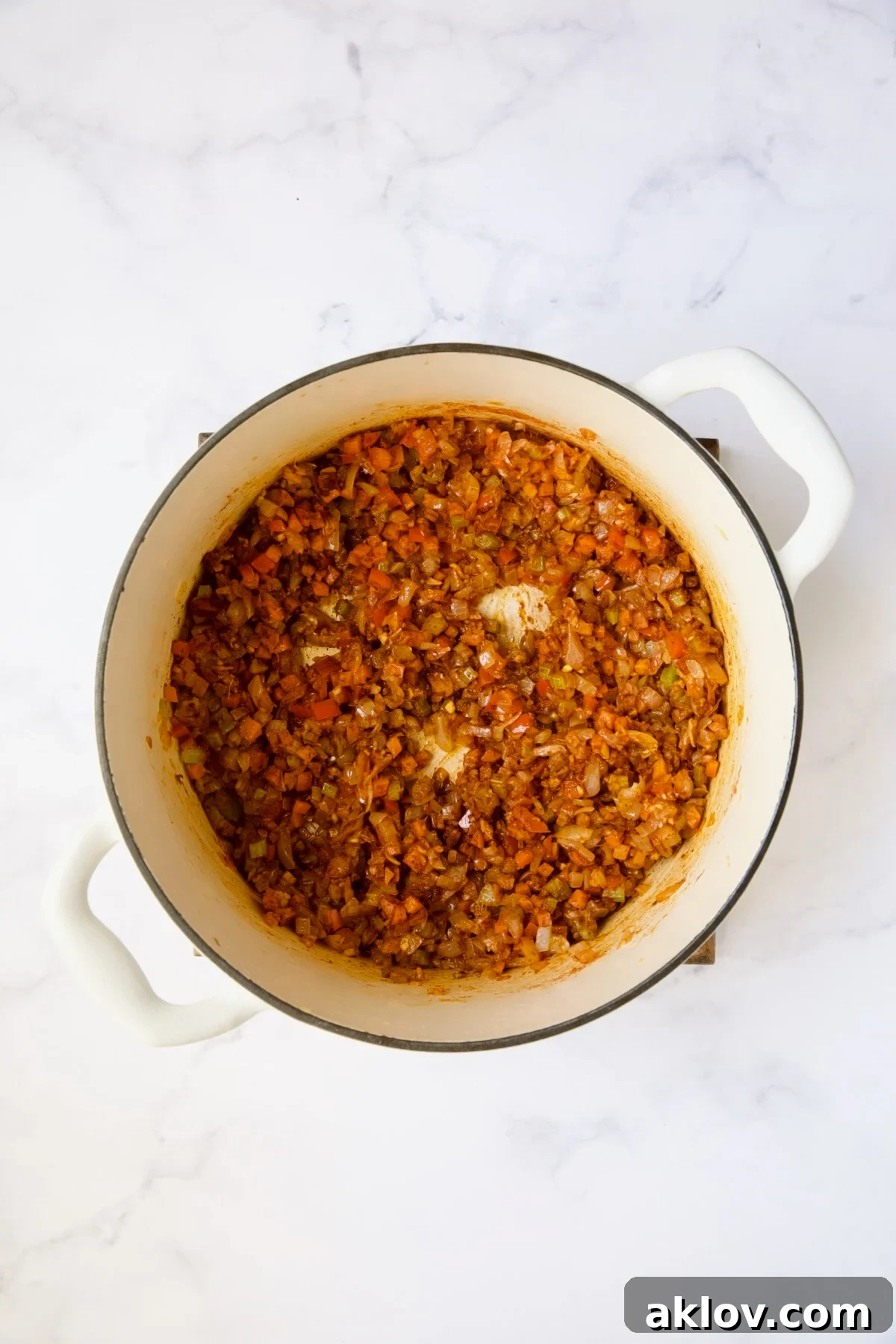
- Bloom Spices: Add the minced garlic, minced ginger, and the star of the show, berbere spice blend, to the softened vegetables. Stir everything together well. Cook briefly, for about 1-2 minutes, until the garlic and ginger become fragrant and the berbere spice releases its incredible aroma. This “blooming” step in hot oil maximizes the spice’s flavor.
- Add Turnips and Broth: Pour in the vegetable broth and add the cubed turnips. Bring the mixture to a boil, then reduce the heat to medium and allow it to simmer for 5 to 6 minutes. This gives the firmer turnips a head start in cooking before the faster-cooking lentils are added.
- Introduce Lentils and Tomatoes: Stir in the rinsed red lentils and the undrained can of petite diced tomatoes.
- Simmer to Perfection: Cover the pot with the lid slightly ajar to allow some steam to escape. Reduce the heat to medium-low and simmer for 25 to 30 minutes, or until both the turnips and lentils are tender. The lentils should have absorbed much of the liquid and become creamy.
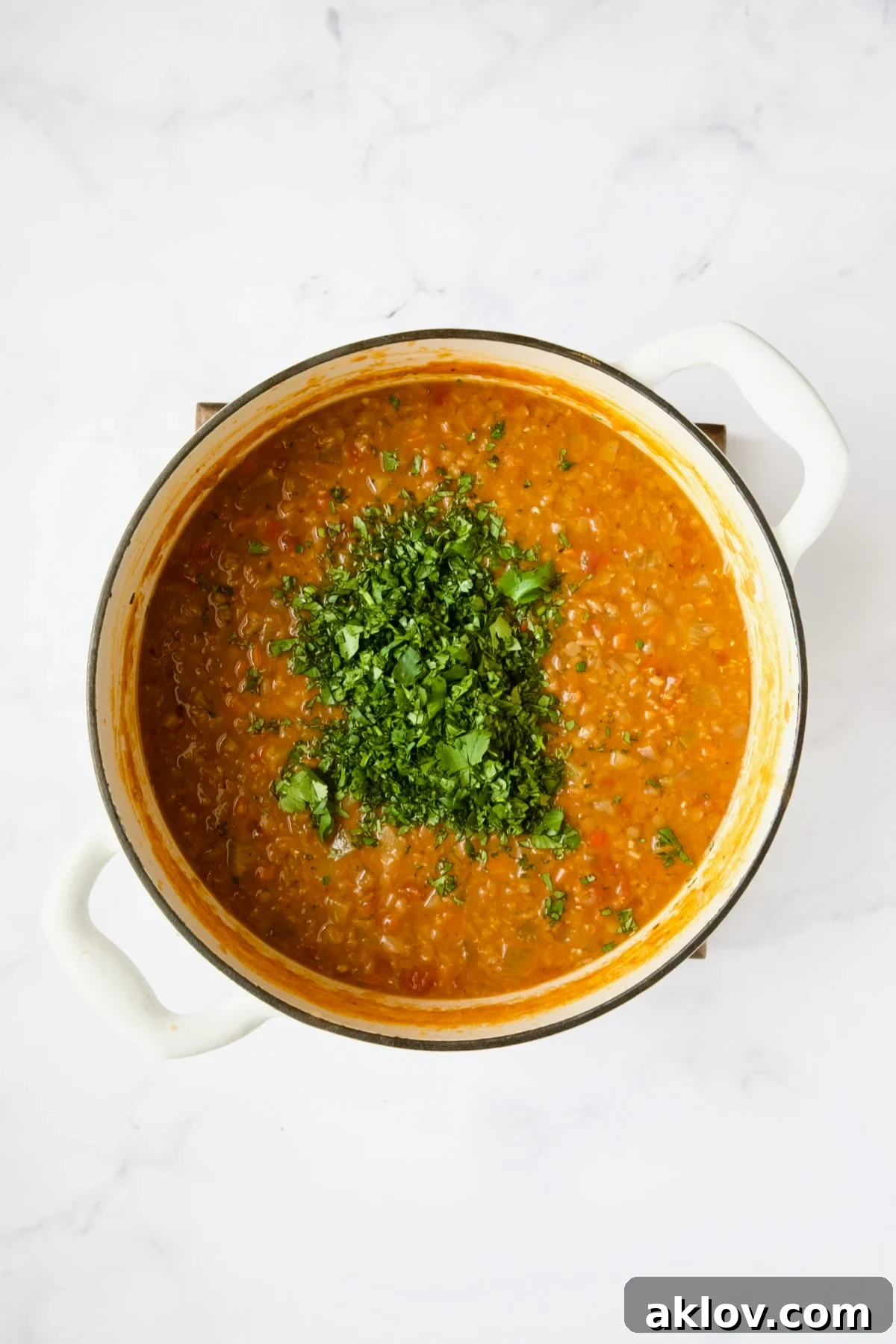
- Season and Finish: Remove from heat. Stir in the chopped cilantro. Taste the stew and adjust the seasoning with salt and freshly ground black pepper as needed.
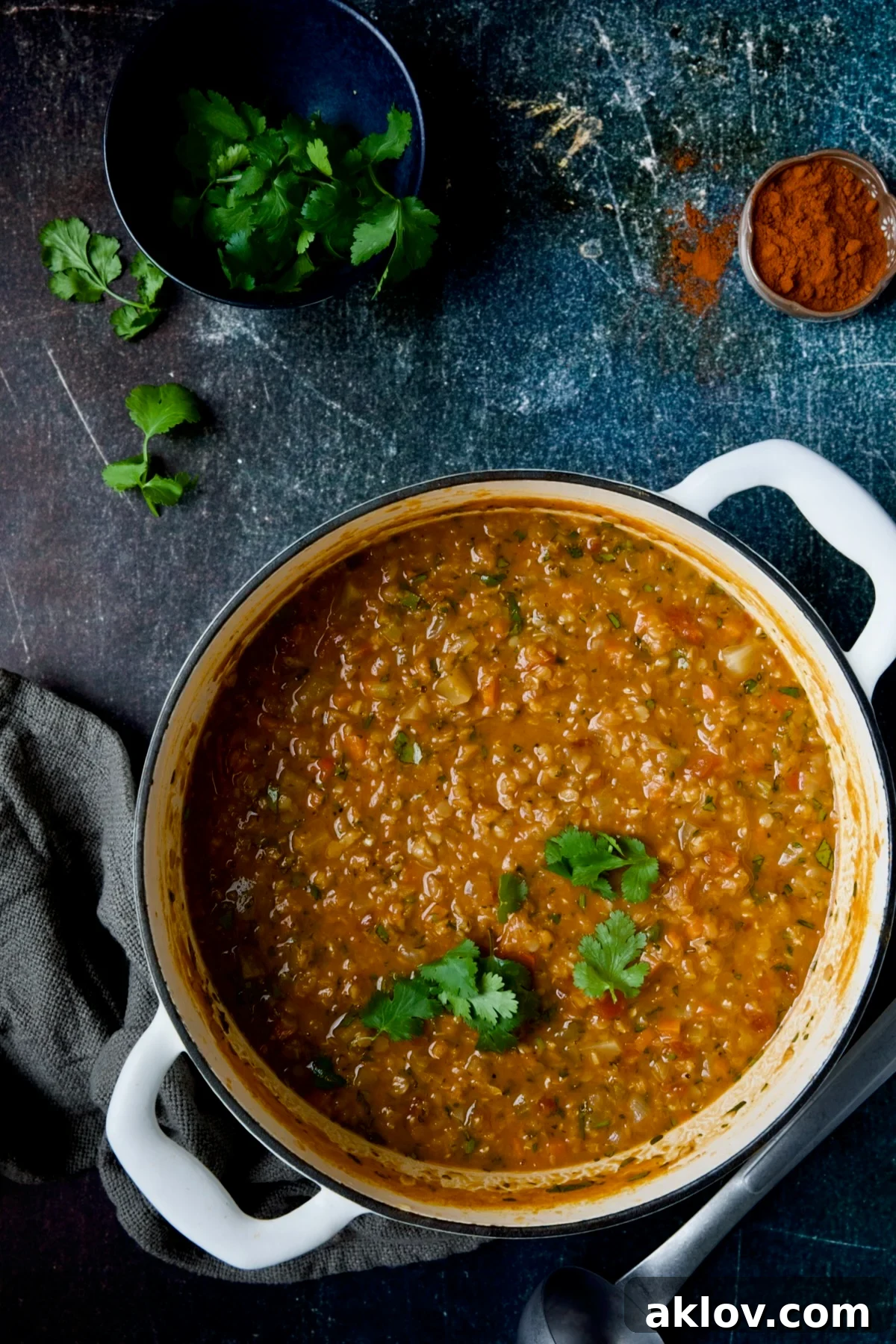
- Serve: Your delicious Ethiopian-Inspired Red Lentil and Vegetable Stew is ready! Ladle it into bowls.
- Optional Garnish: For a delightful cooling and tangy touch, add a dollop of either plant-based or regular yogurt and a sprinkle of extra fresh cilantro before serving.

Chef Tips and Tricks for a Perfect Stew
- Inspecting Lentils for Debris: It’s a small step that makes a big difference. To efficiently check for tiny stones or other foreign particles often found in dry lentils, pour a small amount onto a white paper plate or a light-colored clean surface. Spread them out evenly and visually inspect them. The white background makes any contrasting debris easily visible. Once inspected, you can simply bend the paper plate to create a funnel and easily pour the cleaned lentils into your pot or storage container.
- Blooming Dried Spices: We intentionally add dried spices, like berbere, directly to the hot oil with the aromatics early in the cooking process. This technique, known as “blooming” or “toasting” spices, is crucial. The heat from the oil helps to gently warm the spices, releasing their volatile oils and intensifying their complex aromas and flavors, resulting in a much richer and more profound taste in the final dish.

Recipe FAQs: Your Questions Answered
What exactly is berbere spice?
Berbere is a fundamental and iconic spice blend in Ethiopian and Eritrean cuisine, known for its vibrant red color and complex flavor profile. It is typically composed of a diverse array of ingredients, including sun-dried red chiles, garlic, ginger, fenugreek, coriander, cardamom, allspice, and cinnamon. The flavor is uniquely hot and peppery, but balanced with earthy, sweet, and tangy undertones, providing a remarkable depth to any dish it graces. Traditionally, berbere is made from whole spices that are toasted to enhance their aromatic qualities before being finely ground.
How can I make berbere spice less hot in my dish?
If you find your berbere spice blend too intense, there are a few approaches. If you’re making your own, you can simply reduce the quantity of dried chiles in the blend. For purchased berbere, altering its inherent heat is challenging. However, you can mitigate the heat in your final dish by using less berbere spice in the recipe. Be aware that this might slightly diminish the overall complexity of flavor, as berbere contributes more than just heat. Alternatively, you can balance the spiciness by adding more cooling elements to your dish, such as a generous dollop of plain yogurt (dairy or plant-based) when serving, or incorporating more mild vegetables into the stew.
Do I need to rinse lentils before cooking?
Yes, it is always a good practice to rinse dry legumes like lentils (and grains like rice) before cooking. Rinsing helps to remove any residual dirt, dust, or tiny debris that might be present from the harvesting and packaging process. After inspecting your lentils for larger foreign objects as described in our chef tips, place them in a fine-mesh sieve and rinse them thoroughly under cool running tap water until the water runs clear. This ensures both cleanliness and a purer flavor for your stew.
Perfect Pairings: What to Serve with Your Stew
This Ethiopian Red Lentil and Vegetable Stew is wonderfully satisfying on its own, but it also pairs beautifully with a variety of sides to complete your meal. Here are some suggestions:
- Pumpkin Streusel Muffins: A touch of sweetness and comforting texture to complement the savory stew.
- Zucchini, Red Lentil and Spinach Fritters with Cilantro – Yogurt Sauce: For an extra boost of lentils and vegetables, with a fresh, creamy sauce.
- Black-Eyed Pea Salad: A vibrant, fresh salad offering a different texture and flavor profile.
- Injera: The traditional Ethiopian flatbread, perfect for scooping up every delicious morsel of the stew.
- Steamed Basmati Rice or Quinoa: A simple, neutral base to soak up the rich flavors.
- Simple Green Salad: A light, refreshing side to cut through the richness of the stew.
More Hearty Lentil Soups and Stews to Explore!
If you’ve fallen in love with the versatility and health benefits of lentils, you’ll want to explore these other fantastic recipes:
- Kale Butternut Squash and Lentil Soup with Bacon: A comforting and robust soup for chilly days.
- Thai Red Curry Lentil Soup with Sweet Potatoes: An exotic and aromatic twist on lentil soup.
- Sausage Lentil Soup: A savory and filling option for meat lovers.
- Soupy Spanish Lentils with Chorizo and Manchego Toast: A rustic and flavorful dish inspired by Spanish cuisine.
Discover a wide array of comforting and delicious bowl food by checking out all our soup and stew recipes here: Soups and Stews – From A Chef’s Kitchen.

Ethiopian Red Lentil and Vegetable Stew
By Carol | From A Chef’s Kitchen
One spoonful of this flavor-packed berbere-spiced stew will have you hooked! Vegan Ethiopian Red Lentil and Vegetable Stew is hearty yet loaded with healthful goodness and comes together in a little over an hour!
- Prep Time: 30 mins
- Cook Time: 45 mins
- Total Time: 1 hr 15 mins
- Servings: 8
Equipment
- Wusthof Chef Knife
- Cutting Board
- Dutch Oven
- Berbere Spice Blend
Ingredients
- 3 tablespoons canola oil
- 1 large onion, chopped
- 2 medium carrots, chopped
- 2 stalks celery, chopped
- 1 small red bell pepper, seeds and membranes removed, chopped
- 4 cloves garlic, minced
- 1 tablespoon minced ginger
- 2 tablespoons Berbere spice
- 2 medium turnips, peeled and cut into 1/2-inch cubes
- 8 cups vegetable broth
- 1 1/2 cups red lentils, inspected for debris and rinsed
- 1 can (15-ounce) petite diced tomatoes, undrained
- 1/2 cup chopped cilantro, plus more for garnish
- Salt and freshly ground black pepper, to taste
- Yogurt, plant-based or regular, for garnish (optional)
Instructions
- Heat the oil over medium-high heat in a Dutch oven or other heavy soup pot.
- Add the onion, reduce heat to medium and cook 5-6 minutes or until beginning to soften.
- Add the carrots, celery and red bell pepper. Continue cooking another 5-6 minutes or until softened.
- Add the garlic, ginger and Berbere spice. Give it a stir and cook briefly or until the garlic and ginger are fragrant.
- Add the turnips and the vegetable broth. Bring to a boil, reduce heat to medium and cook 5-6 minutes.
- Add the lentils and petite diced tomatoes.
- Cover with the lid slightly ajar. Simmer over medium-low for 25-30 minutes or until the turnips and lentils are tender.
- Season to taste with salt and black pepper.
- Add the cilantro.
- Serve in bowls garnished with cilantro and a dollop of yogurt if desired.
Notes
- Substitutions: Can use potatoes, sweet potatoes, or rutabaga in place of turnips.
- Tips:
- To inspect lentils for debris, pour a small amount onto a white paper plate, then spread them out. When finished inspecting, bend the plate and easily pour them into the stew.
- Add dried spices directly to the fat early in the cooking process so they can “bloom,” releasing their full flavor.
- Make Ahead: Can be made 1-2 days ahead of time. Cool completely then refrigerate. Reheat on the stovetop or in the microwave.
- Freezer-Friendly: Freeze in small, airtight containers for 2-3 months. Thaw in the refrigerator or microwave. Reheat in the microwave or on the stovetop.
Nutrition Facts
Nutritional values are automatically calculated using unbranded products and are estimates only. Actual results may vary based on ingredients used and portion sizes. Adjust as needed for dietary restrictions, allergies, or health concerns.
- Serving: 1
- Calories: 212 kcal
- Carbohydrates: 31g
- Protein: 10g
- Fat: 6g
- Saturated Fat: 1g
- Polyunsaturated Fat: 2g
- Monounsaturated Fat: 3g
- Trans Fat: 1g
- Sodium: 1098mg
- Potassium: 517mg
- Fiber: 13g
- Sugar: 6g
- Vitamin A: 3474 IU
- Vitamin C: 24mg
- Calcium: 46mg
- Iron: 4mg

Enjoyed this recipe? Share your thoughts and experiences by leaving a comment below!