

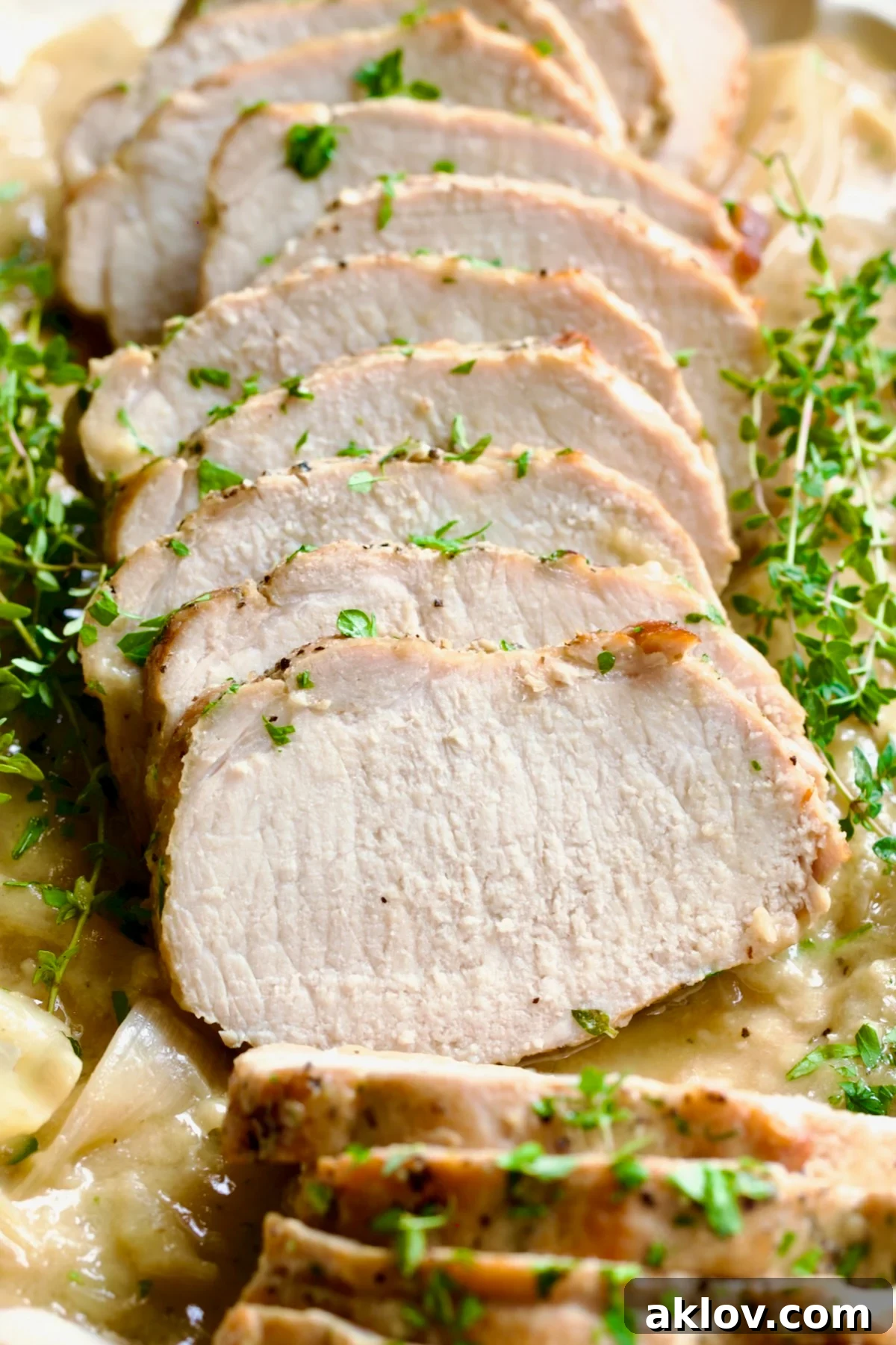
Welcome to a culinary journey where budget-friendly ingredients meet the exquisite charm of French cuisine. This incredibly easy braised pork loin recipe is designed to transform simple components into a melt-in-your-mouth masterpiece that exudes warmth and sophistication. It’s the quintessential comfort food, hearty enough for a blustery evening and elegant enough to impress your most discerning dinner guests, all while requiring minimal effort. Imagine tender pork, slow-cooked in a rich, savory Dijon mustard sauce, infused with aromatic shallots, garlic, and thyme – a truly unforgettable one-pot meal.
“This recipe is EPIC!”
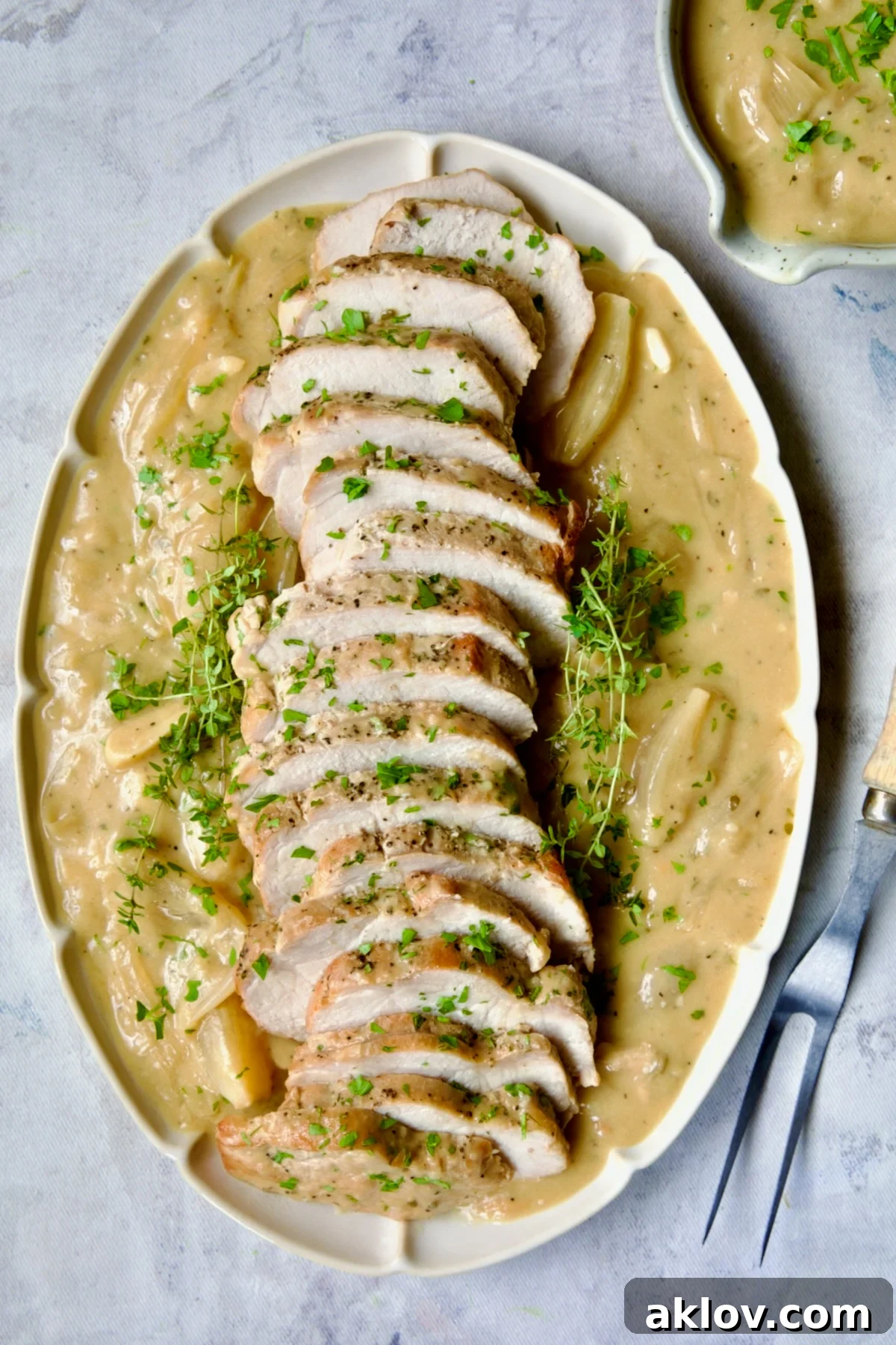
Why This Braised Pork Loin Recipe Belongs in Your Collection
Having personally crafted and refined this recipe for nearly two decades for my private chef clients, I can confidently say it’s a proven winner. This Braised Pork Loin Roast in Dijon Mustard Sauce consistently delivers a delightful dining experience, effortlessly blending ease with elegance.
It masterfully combines everyday pantry staples like rich chicken broth, a splash of dry white wine, and tangy Dijon mustard with fresh, aromatic ingredients such as shallots, garlic, and fragrant herbs. The result is a beautifully balanced, flavorful dish that is guaranteed to please everyone at your table. Here’s why this braised pork loin with Dijon mustard sauce will become a staple in your kitchen:
- French-Inspired Comfort: This dish captures the timeless essence of a classic French bistro meal – rustic yet incredibly elegant, without any unnecessary fuss. It’s a taste of sophisticated European comfort, perfect for bringing a touch of gourmet flair to your home cooking.
- Impressive but Approachable: While it looks and tastes like something you’d savor in a high-end restaurant, the techniques required are surprisingly simple. Any home cook, regardless of experience level, can achieve restaurant-quality results with this straightforward recipe.
- Budget-Friendly with a Big Payoff: Pork loin is a lean and economical cut of meat. However, the slow braising process and the luscious Dijon mustard sauce transform it into an incredibly tender and indulgent experience, making every bite feel like a luxurious treat. It’s proof that you don’t need expensive ingredients to create extraordinary flavor.
- A True One-Pot Wonder: From searing the pork to simmering the sauce, this entire dish comes together in a single Dutch oven. This not only concentrates flavors beautifully but also makes for minimal cleanup, perfect for busy weeknights or relaxed weekend cooking.
- Versatile for Any Occasion: Whether you’re preparing a cozy family dinner or hosting a special gathering, this Dijon mustard pork roast fits the bill. Its robust flavors and elegant presentation make it adaptable for a wide range of culinary occasions.
This braised pork loin roast in Dijon Mustard Sauce is a testament to the fact that elegant, French-inspired cooking doesn’t have to be complicated or time-consuming. It’s a keeper you’ll turn to again and again.
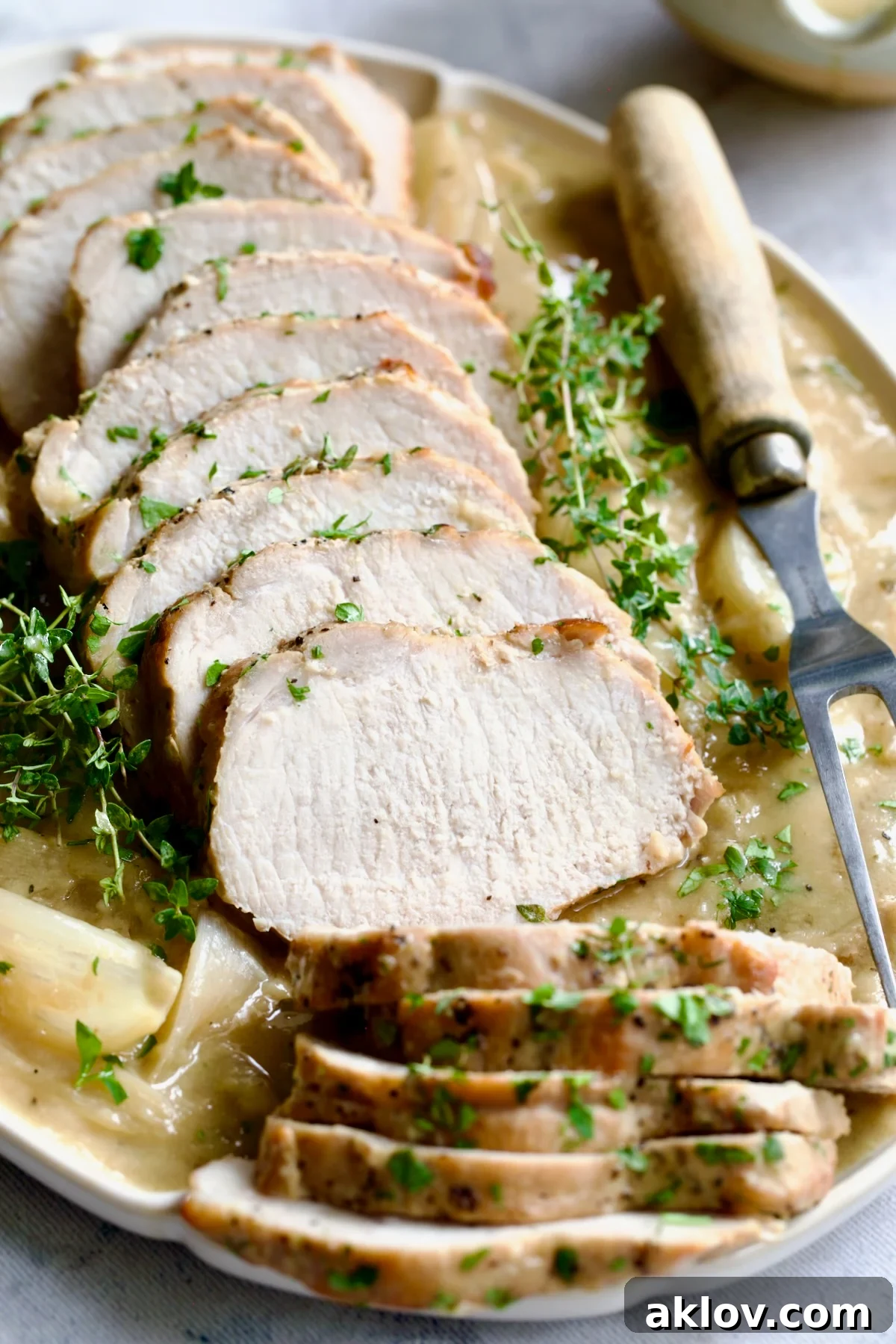
Crafting Your Own Braised Pork Loin in Dijon Mustard Sauce: A Step-by-Step Guide
Essential Ingredients for Your Savory Pork Loin Roast
Gathering your ingredients ahead of time, often called “mise en place” in French culinary terms, is key to a smooth cooking process. Here’s a detailed look at what you’ll need to create this succulent braised pork loin:
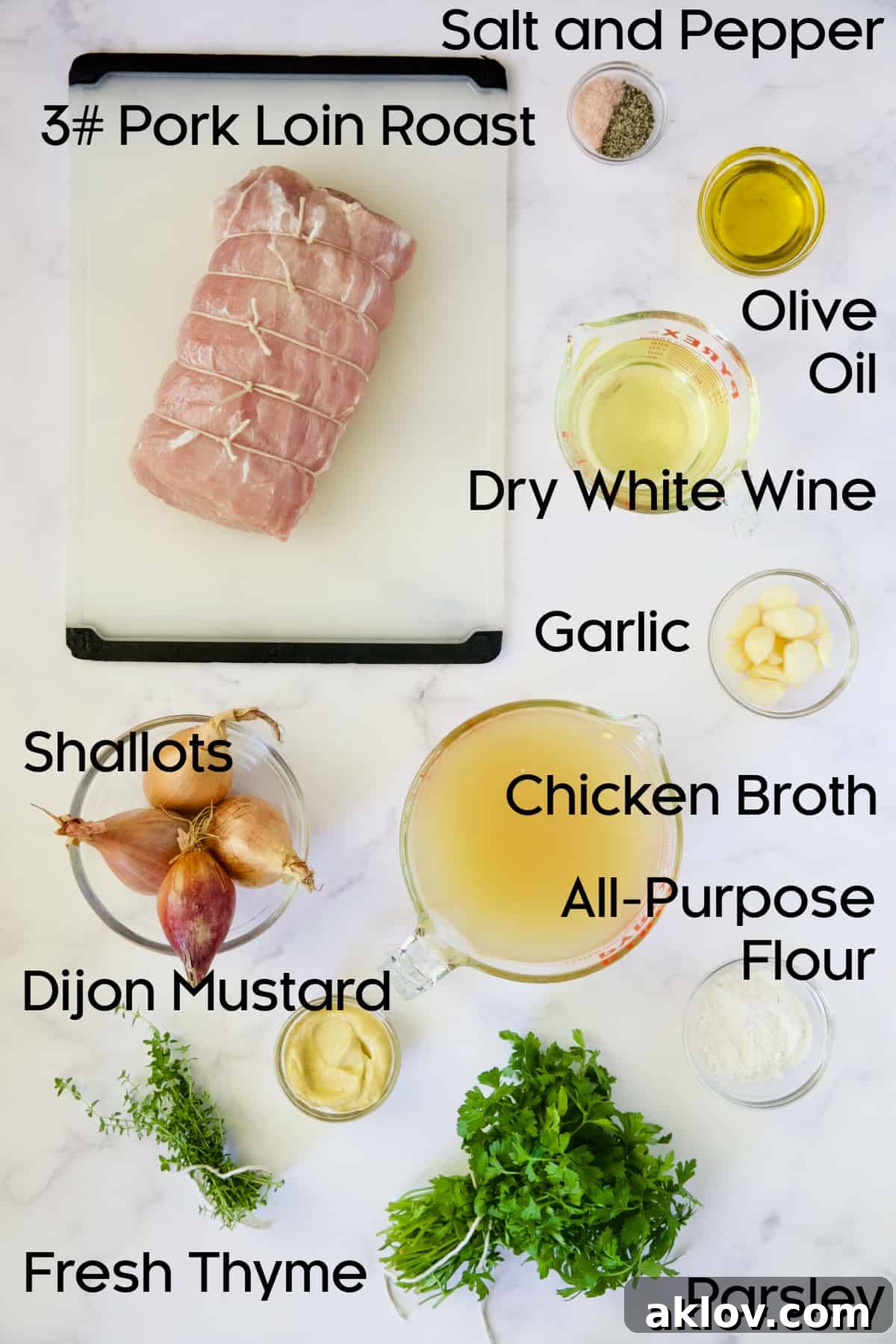
Ingredient Deep Dive: Notes & Smart Substitutions
- Pork Loin: This recipe specifically calls for pork loin, a leaner cut from the animal’s back, available both boneless and bone-in. It’s crucial not to confuse pork loin with pork tenderloin, as they are distinctly different cuts and cannot be used interchangeably in this braised recipe. Pork tenderloin is a long, narrow, and exceptionally lean muscle that cooks very quickly and dries out easily when subjected to long cooking methods like braising. Pork loin, being broader and slightly firmer, benefits immensely from the slow, moist heat of braising, which breaks down its fibers and renders it incredibly tender and juicy.
- Shallots: A staple in French cooking, shallots are part of the onion family but offer a milder, sweeter, and more delicate flavor profile, often described as a subtle blend of onion and garlic. They grow in clusters, similar to garlic, making them easy to peel and prepare. Their nuanced flavor provides a sophisticated aromatic base for the Dijon mustard sauce, enhancing its depth without overpowering the pork.
- Dry White Wine: The choice of wine is paramount here. While you don’t need your finest vintage, always use a dry white wine that you would genuinely enjoy drinking. Wines like Sauvignon Blanc, Pinot Grigio, or an unoaked Chardonnay are excellent choices. Avoid “cooking wine” as its added salt and preservatives can impart an unpleasant, metallic taste that will concentrate as the sauce reduces, potentially ruining the entire dish.
NON-ALCOHOLIC SUBSTITUTE: For an alcohol-free version, substitute the wine with an additional cup of chicken broth and add 1 tablespoon of white wine vinegar. The vinegar provides the necessary acidity to balance the richness of the dish. Alcohol-free cooking wines can also be used, but check their ingredients for added sugars. - Dijon Mustard: The quality of your Dijon mustard directly impacts the final flavor of the sauce. Opt for a good, high-quality brand. Some cheaper Dijon mustards can be overly acidic or harsh. Grey Poupon, originating from Dijon, France in the 1800s, remains a widely available and reliable choice, known for its authentic flavor profile. Maille is another excellent, albeit often pricier, option. The sharp, tangy notes of Dijon are essential for cutting through the richness of the pork and creating that signature French bistro taste.
- Chicken Broth: Use a good quality chicken broth, preferably low-sodium, so you can control the seasoning of the dish. Homemade chicken broth will always yield the best flavor, but a good store-bought brand works perfectly well.
- Fresh Thyme: Fresh herbs are non-negotiable for this recipe. A tied bundle of fresh thyme sprigs infuses the braising liquid with an earthy, aromatic essence that complements the pork and Dijon beautifully. If fresh thyme is unavailable, you can substitute with 1 teaspoon of dried thyme, but be aware the flavor will be less vibrant.
Mastering the Braise: Detailed Step-by-Step Instructions
Achieving a succulent, flavorful braised pork loin is simpler than you might think. Follow these clear, step-by-step instructions for a perfect result that will have everyone asking for seconds:
- Step 1: Prep and Preheat. Begin by gathering all your ingredients and measuring them out. Preheat your oven to a steady 350°F (175°C). This ensures your oven is at the correct temperature when the Dutch oven is ready to go in.
- Step 2: Trim and Tie the Pork. Carefully trim any excessive fat from the pork loin roast. While some fat adds flavor, a very thick fat cap will simply render into the sauce during braising (see FAQ below for more on this). If your butcher hasn’t already done so, tie the pork roast securely in 4 to 5 places with butcher’s twine. Tying a boneless pork loin, or any large cut of meat, helps it maintain a uniform shape, which is crucial for even cooking and a more appealing presentation.

- Step 3: Sear the Pork Loin. Heat the olive oil in a heavy-bottomed Dutch oven or oven-safe pot over medium-high heat. Once the oil shimmers, season the pork loin roast generously on all sides with salt and freshly ground black pepper. Carefully place the seasoned roast into the hot Dutch oven. Sear for 2-3 minutes per side, turning with tongs, until a beautiful, golden-brown crust develops on all surfaces. This searing step is vital as it locks in juices and creates layers of rich flavor (fond) on the bottom of the pot, which will become the foundation of your sauce. Adjust the heat as needed to prevent the oil from smoking excessively.
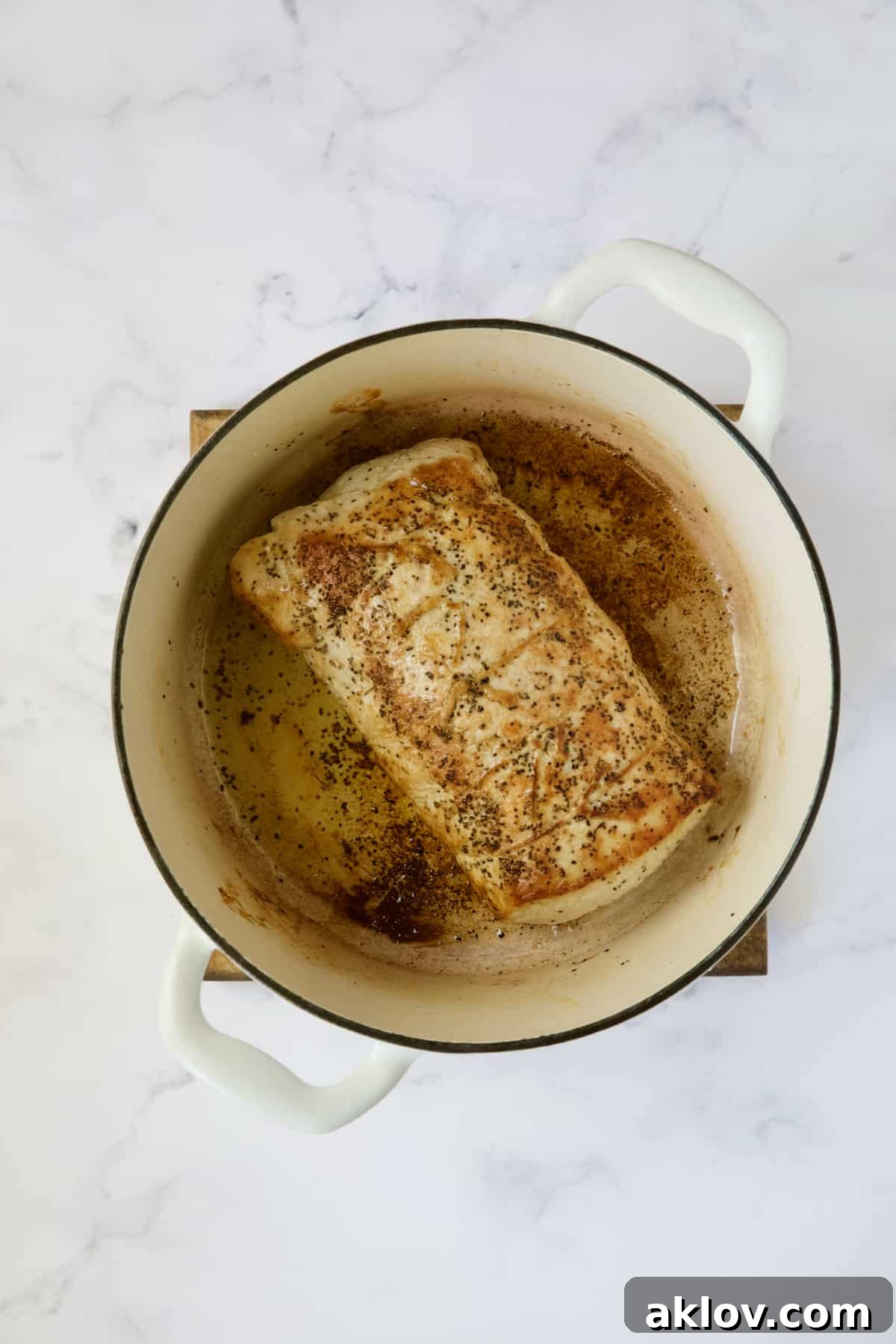
- Step 4: Sauté Aromatics. Once browned, carefully transfer the pork roast to a plate. Add the quartered shallots and sliced garlic to the same Dutch oven. Sauté them over medium heat for 3-4 minutes, stirring occasionally, until they begin to soften and release their fragrant aroma. Be sure to scrape up any browned bits from the bottom of the pot as they cook, integrating that delicious flavor into the aromatics.
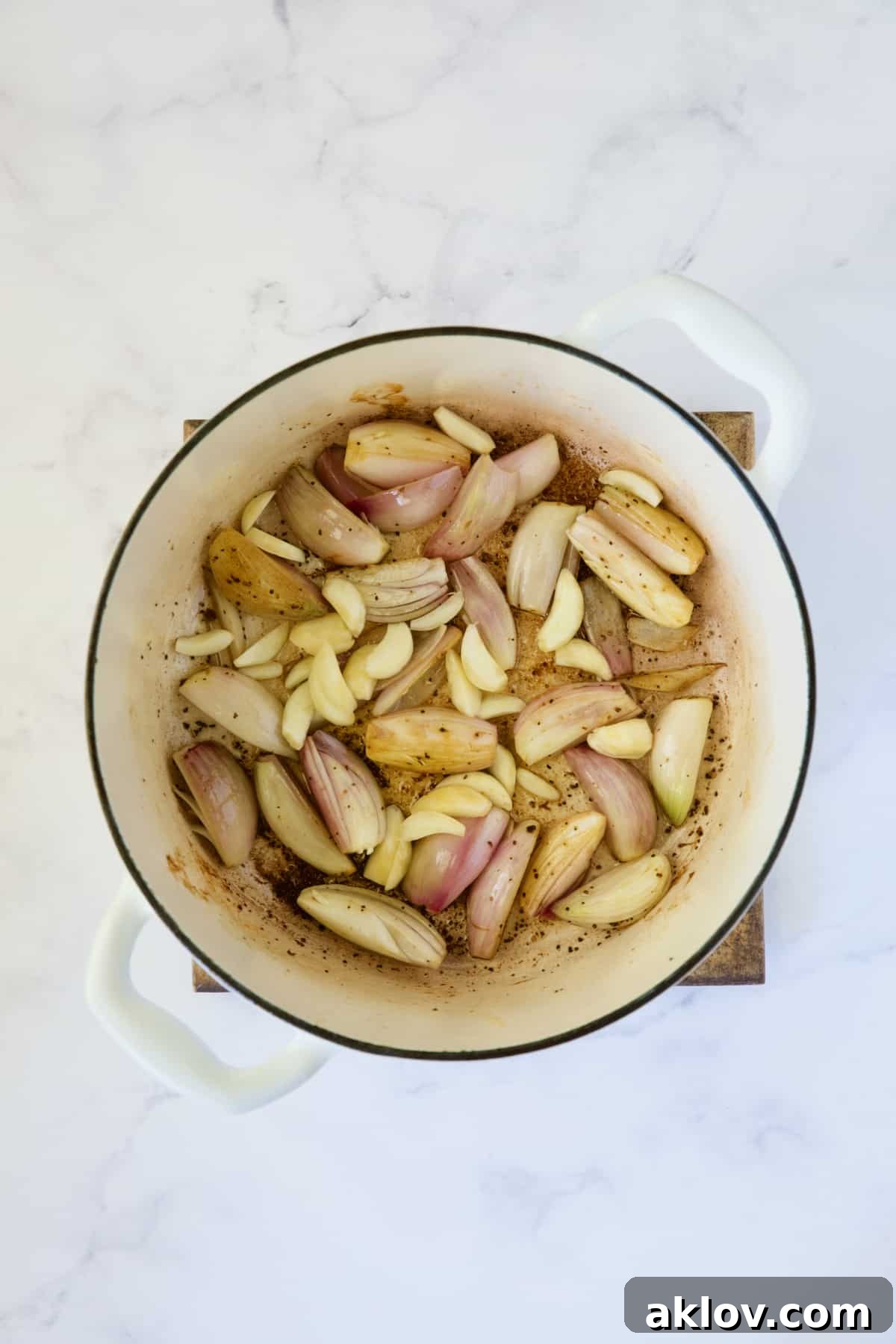
- Step 5: Deglaze with Wine. Pour in the dry white wine and bring it to a vigorous boil. Continue boiling for 1-2 minutes, actively scraping the bottom of the pot with a wooden spoon or spatula. This process, known as deglazing, lifts all the flavorful caramelized bits (fond) from the bottom of the pot, dissolving them into the liquid to create an incredibly rich and complex base for your sauce.
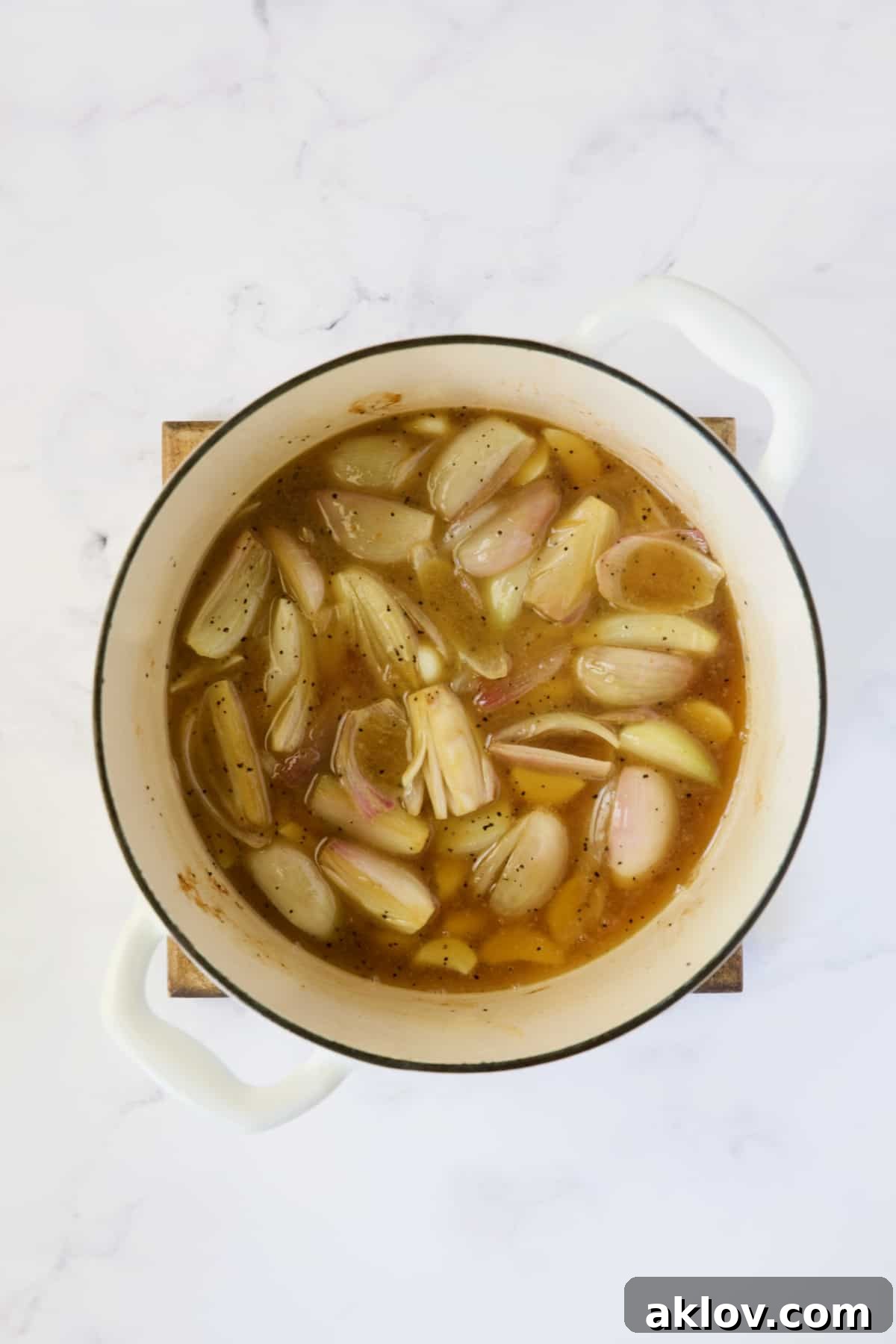
- Step 6: Combine and Braise. Stir in the chicken broth, Dijon mustard, and the tied bundle of fresh thyme. Bring the liquid back to a gentle simmer. Carefully return the seared pork loin roast to the Dutch oven, ensuring it is partially submerged in the aromatic braising liquid. Cover the Dutch oven with its lid, leaving it slightly ajar (see chef’s tip below) to allow some steam to escape and the flavors to concentrate. Transfer the Dutch oven to your preheated oven.
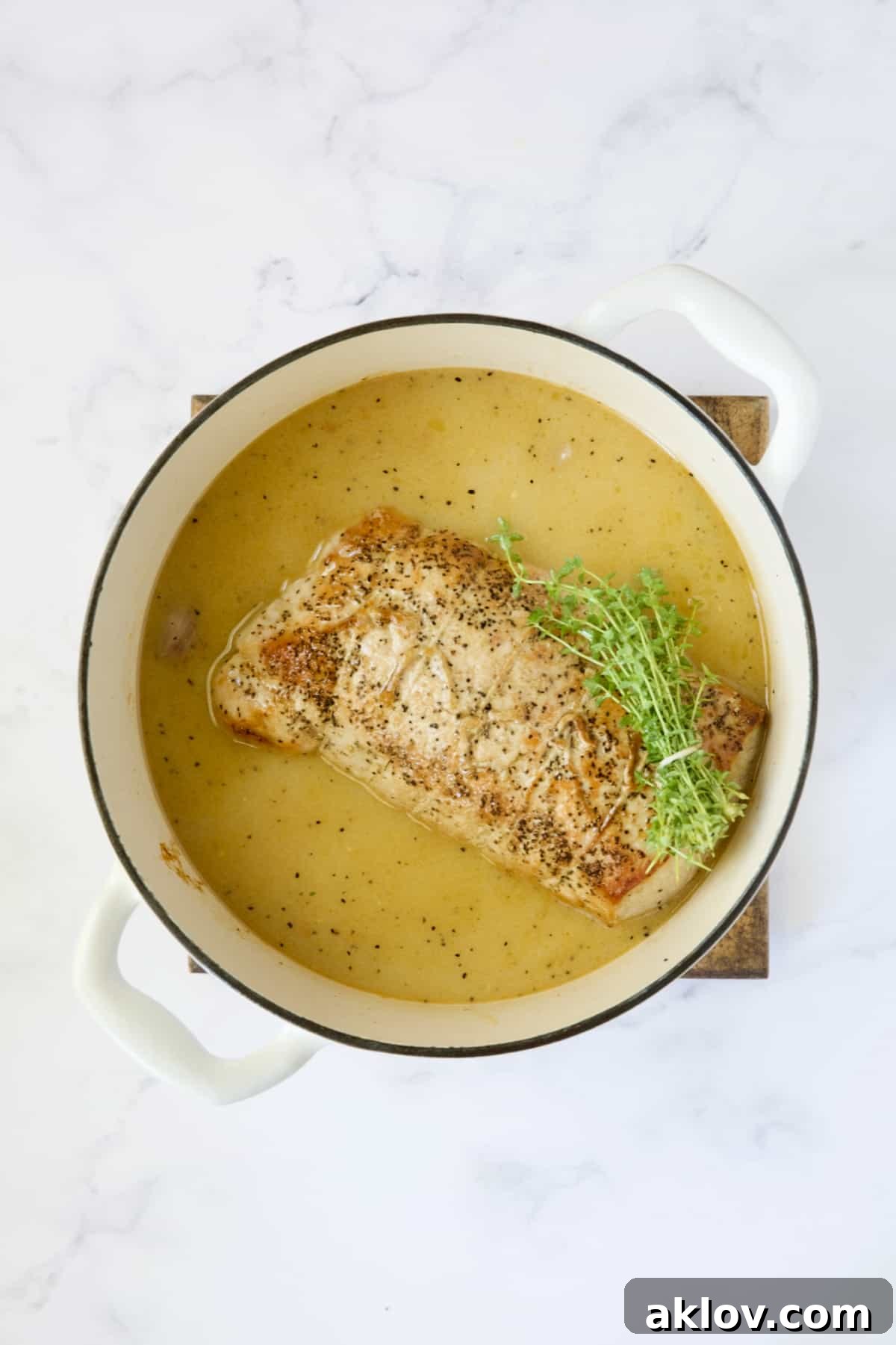
- Step 7: Check and Continue Braising. Cook in the oven for 30 minutes. After this initial cooking time, carefully remove the Dutch oven and check the internal temperature of the pork with a meat thermometer. This helps you gauge its progress. Turn the roast over to ensure even cooking and moisture distribution. Return it to the oven and continue to cook for an additional 20-30 minutes, or until the internal temperature reaches at least 145°F (63°C). The exact time may vary depending on the thickness of your roast and your oven’s calibration.
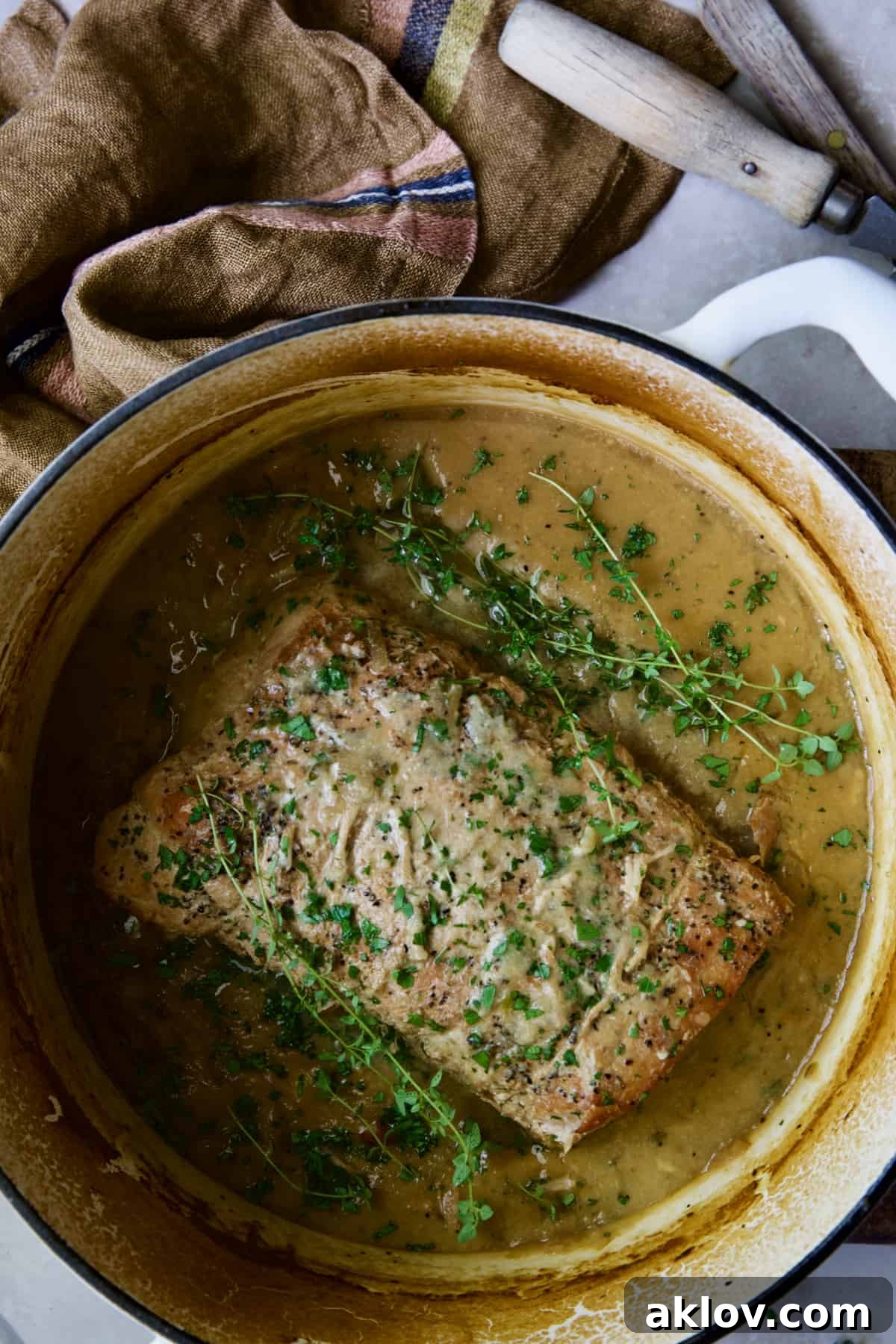
- Step 8: Rest the Pork and Prepare the Sauce. Once the pork is cooked, transfer the roast to a clean serving platter. Tent it loosely with aluminum foil to keep it warm and allow it to rest for at least 10-15 minutes. Resting is crucial as it allows the juices to redistribute throughout the meat, resulting in a more tender and flavorful slice. While the pork rests, discard the thyme bundle from the Dutch oven and place the pot back on the stovetop over medium heat.
- Step 9: Thicken the Sauce. In a small, heat-proof bowl, add the all-purpose flour. Ladle about 1/2 cup of the hot braising liquid from the Dutch oven into the bowl with the flour. Whisk vigorously until you have a smooth, lump-free slurry. Pour this flour mixture into the simmering braising liquid in the Dutch oven, whisking continuously to ensure it incorporates smoothly and thickens evenly. Bring the sauce to a gentle simmer and cook for 3-4 minutes, stirring constantly, until it reaches your desired consistency. Taste the sauce and adjust seasonings with additional salt and freshly ground black pepper if needed. Stir in the chopped fresh parsley for a burst of color and freshness.
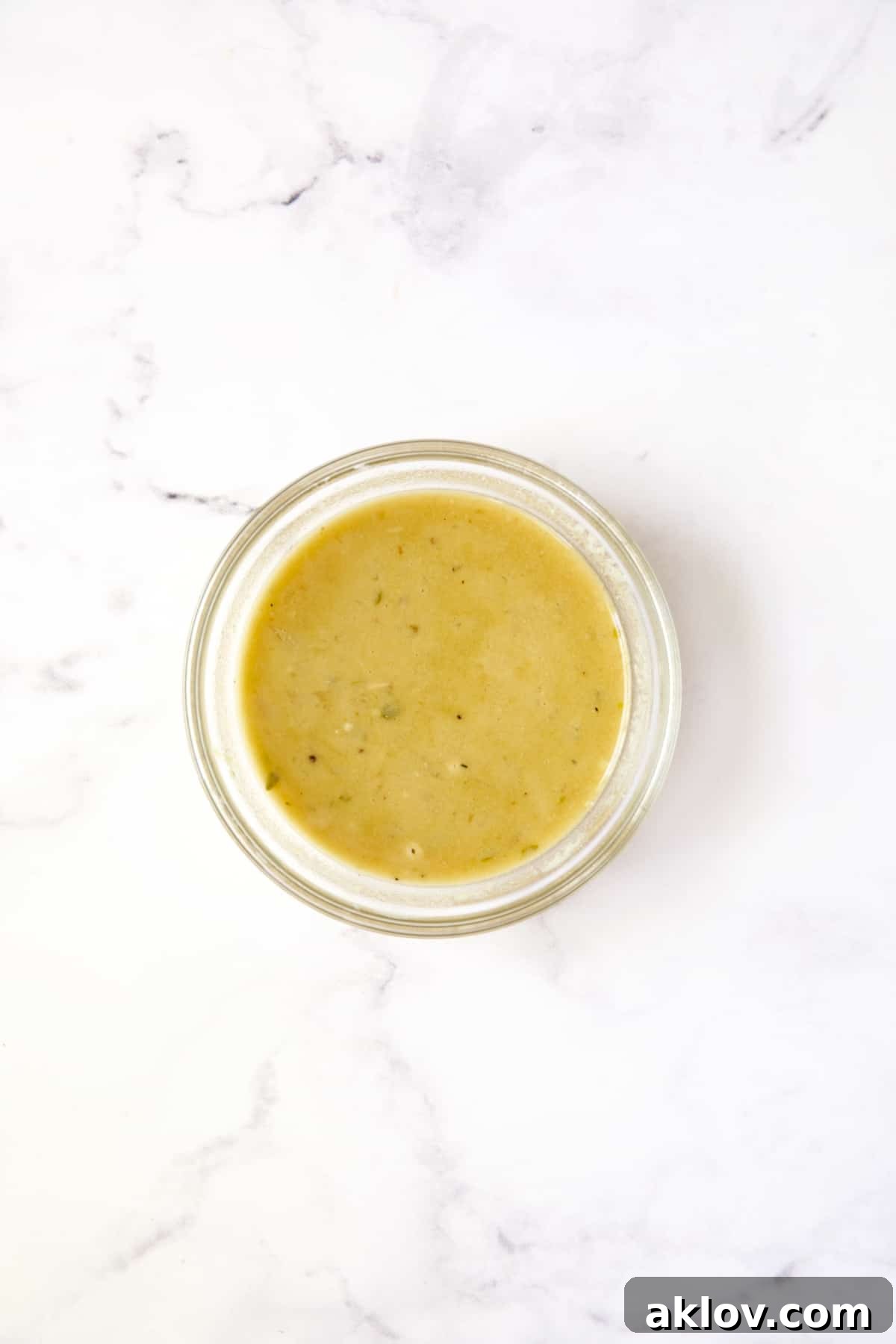
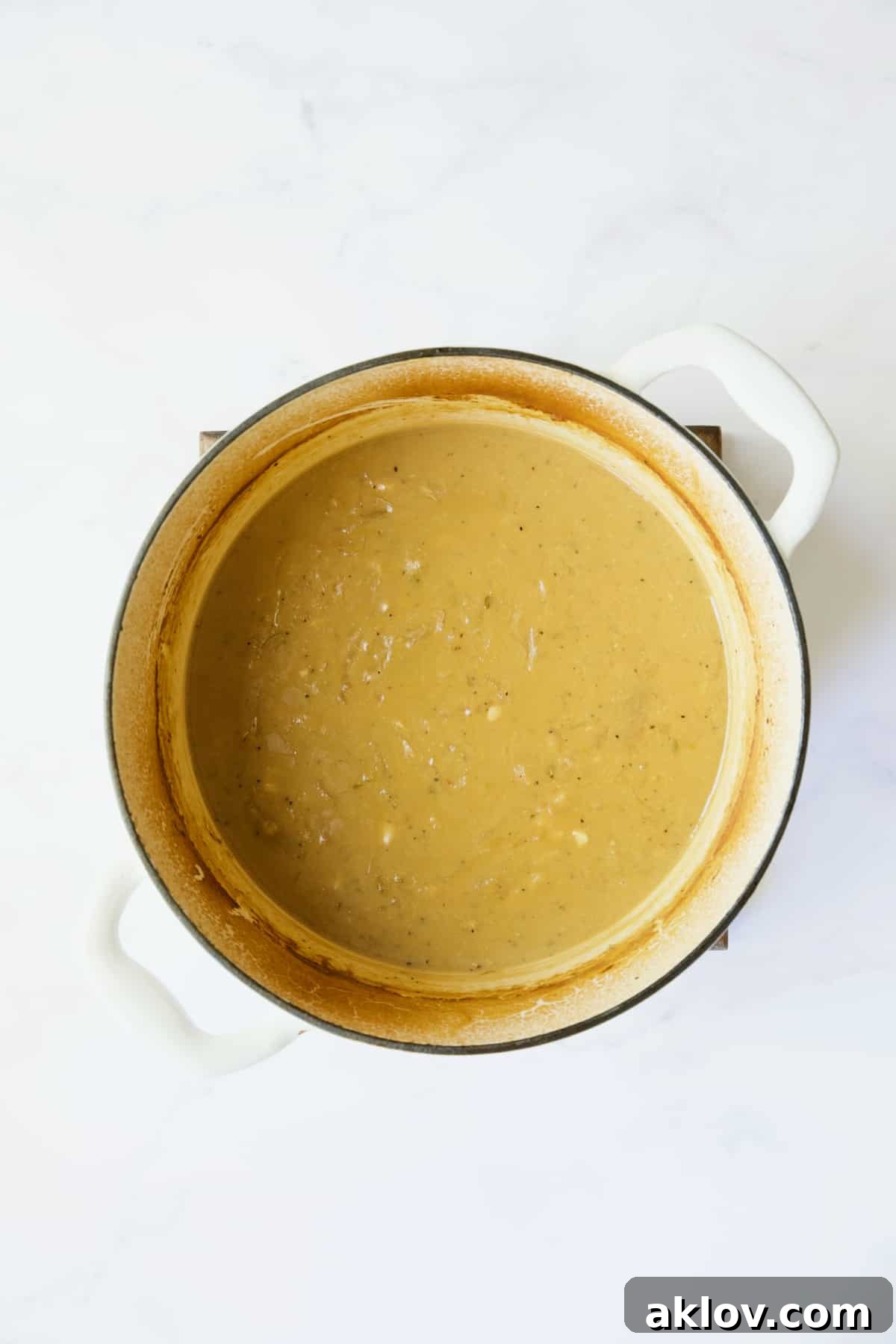
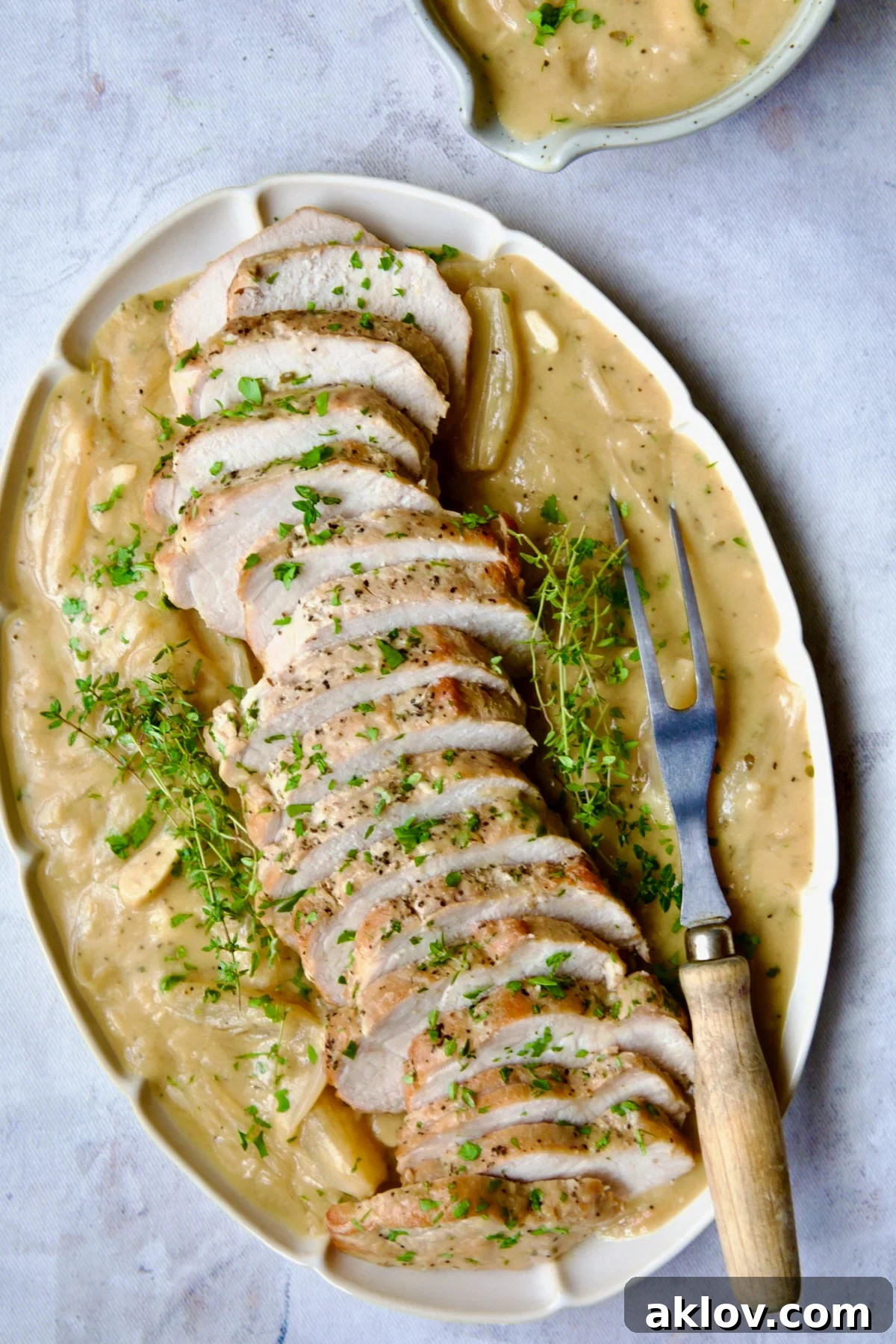
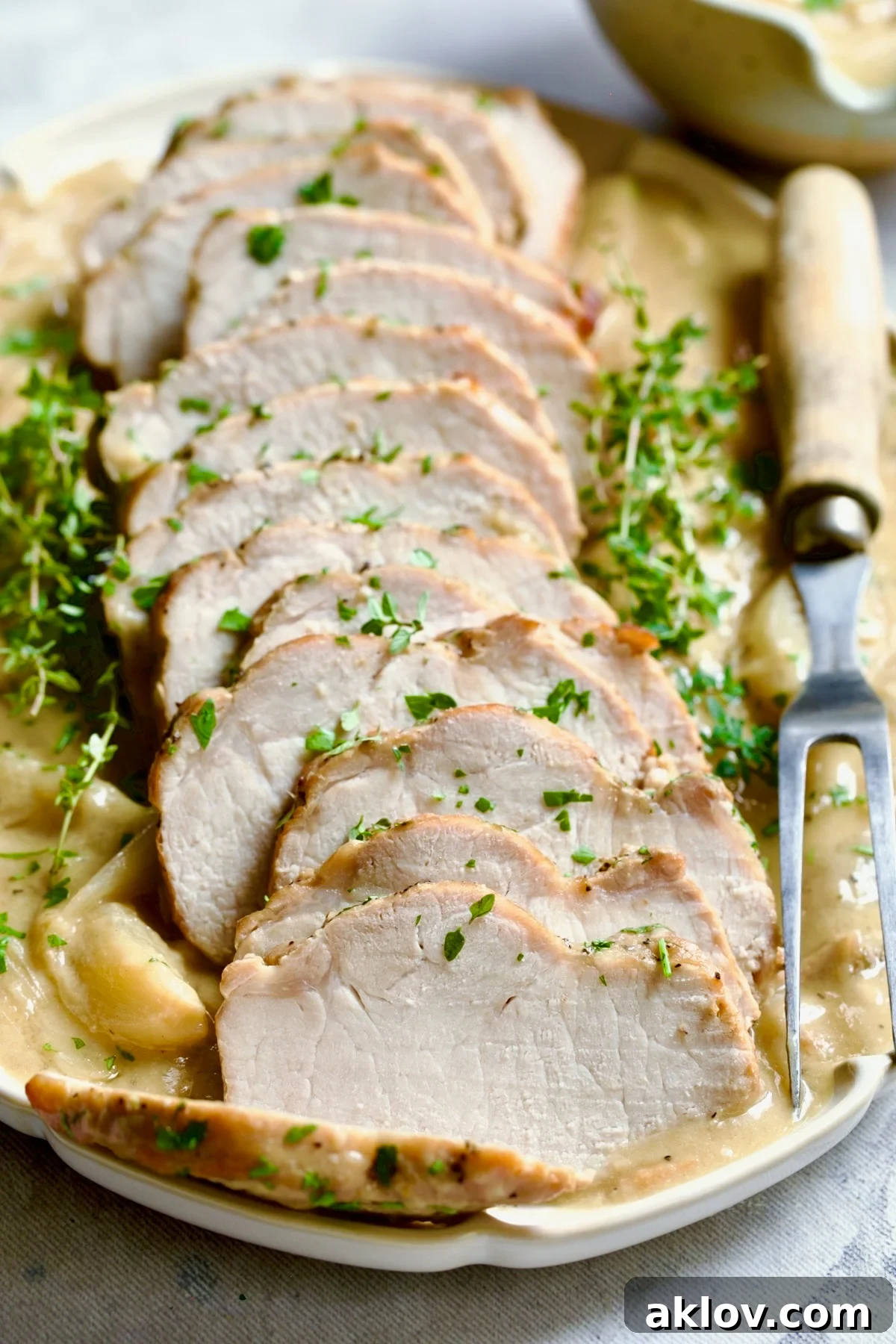
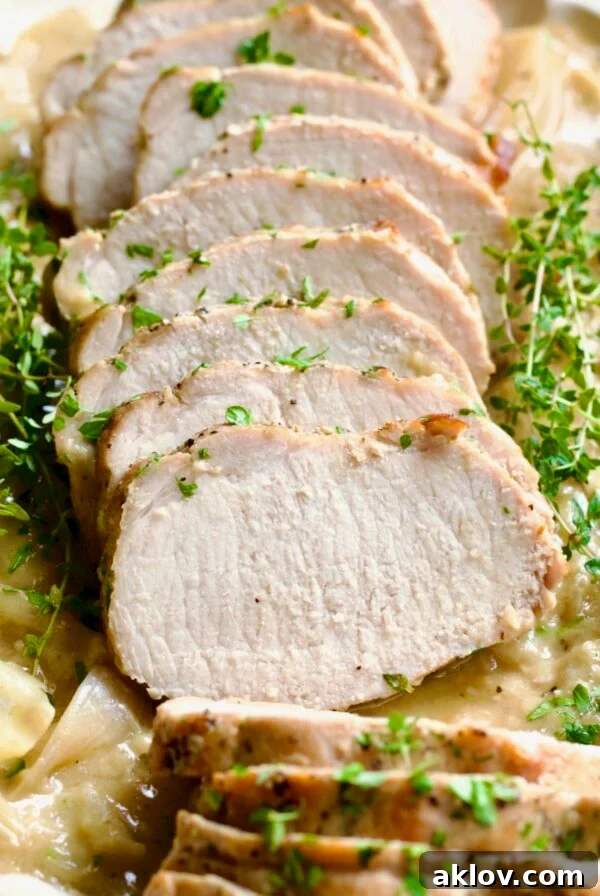
- Step 10: Slice and Serve. Remove the butcher’s twine from the rested pork roast. Using a sharp knife, slice the roast into 1/2-inch thick slices (or your preferred thickness) and arrange them elegantly on a clean serving platter. Generously spoon some of the savory Dijon mustard sauce over the sliced pork, allowing it to bathe each tender piece. Serve the remaining sauce on the side in a gravy boat so guests can add more as they wish. Garnish with a few fresh thyme sprigs or a sprinkle of chopped parsley for a final touch of culinary artistry.
Chef’s Secrets for a Flawless Braised Pork Loin
Elevate your braised pork loin from good to extraordinary with these expert tips and tricks:
- The Clever Dutch Oven Lid Trick: Instead of dirtying an extra plate when transferring the seared roast, simply turn the lid of your Dutch oven upside down (if its handle has a flat top). The inverted lid creates a perfect, sturdy surface to rest the pork while you sauté the shallots and garlic and deglaze the pot. This small trick saves on cleanup and keeps your workflow seamless.
- Lid Ajar for Flavor Concentration: You might notice a subtle instruction to keep the Dutch oven lid “slightly ajar” during the braising process. This isn’t an oversight; it’s a deliberate technique! By allowing a small amount of steam to escape, the braising liquid can slowly reduce and concentrate its flavors over time. This results in a more intense, rich, and cohesive Dijon mustard sauce that perfectly complements the tender pork.
- Adjusting Sauce Thickness: Don’t fret if your sauce isn’t exactly the desired consistency after the first round of thickening. Cooking is an art, not a precise science. If you prefer a thicker sauce, simply repeat the thickening process: whisk 1 additional tablespoon of all-purpose flour with a small amount of the hot braising liquid to form another smooth slurry, then stir it into the simmering sauce. Remember that the sauce will naturally thicken a bit more as it stands and cools.
- Use a Meat Thermometer: The key to perfectly cooked, juicy pork is a reliable meat thermometer. While cooking times are estimates, aiming for an internal temperature of 145°F (63°C) for pork loin will ensure it is safe to eat while remaining incredibly tender and moist. Always insert the thermometer into the thickest part of the roast, avoiding the bone if present.
- Don’t Overcrowd the Pot: When searing your pork, ensure you have enough space in the Dutch oven. If your roast is particularly large or you’re cooking multiple pieces, sear them in batches. Overcrowding the pot will lower the temperature, steam the meat instead of searing it, and prevent that desirable golden-brown crust from forming.
Frequently Asked Questions About Braised Pork Loin
While fat generally adds flavor, for a braised pork loin, removing the fat cap is often recommended. In dry roasting, the fat cap renders over the meat, keeping it moist. However, in a braising liquid, the fat will simply melt into the sauce, potentially making it overly greasy. If you prefer a leaner sauce and meat, trim most of the fat cap. If you enjoy richer flavors and don’t mind a slightly fattier sauce, a thinner fat layer can be left on for added richness, which can always be skimmed from the sauce later.
Tying a pork roast (or any large cut of meat) with butcher’s twine before cooking serves a crucial purpose: it helps the meat maintain a uniform shape. This uniform shape ensures that the roast cooks evenly throughout. Without tying, irregularly shaped roasts can cook unevenly, leading to dry spots in thinner areas and undercooked spots in thicker ones. Tying also creates a more aesthetically pleasing presentation when sliced.
Absolutely! A pork shoulder roast (also known as pork butt or Boston butt) is an excellent alternative for braising. It contains more connective tissue and fat than pork loin, which breaks down beautifully during the slow braising process, resulting in incredibly rich, buttery, and fall-apart tender meat. Just be aware that pork shoulder will require significantly longer cooking times – typically an additional 1-2 hours, depending on its size – to achieve that desired tenderness. The sauce will also be richer due to the rendered fat.
Yes, this recipe adapts wonderfully to a slow cooker! To prepare it, follow steps 1 through 6 in the instructions: preheat your oven, season and sear the pork loin, then sauté the shallots and garlic, deglaze with wine, and finally add the broth, mustard, and thyme. Once these initial steps are complete, transfer everything from the Dutch oven to your slow cooker. Cook on HIGH for 4-5 hours or on LOW for 7-8 hours, or until the pork is fork-tender. Then, remove the pork to rest and proceed with thickening the sauce directly in the slow cooker or transfer the liquid back to a saucepan on the stove.
This braised pork loin is fantastic for meal prepping! You can complete the initial steps (prepping and browning the pork and aromatics) up to one day in advance. Store the seared pork and sautéed aromatics separately in airtight containers in the refrigerator. When you’re ready to cook, simply combine them in the Dutch oven with the braising liquid and proceed with the oven braising. Keep in mind that starting with cold ingredients might slightly increase the overall cooking time in the oven.
Indeed, this recipe freezes beautifully, making it perfect for convenient future meals. Once cooked and sliced, generously coat the pork slices with the Dijon mustard sauce. You can freeze the entire roast or individual portions in airtight, freezer-safe containers or heavy-duty freezer bags. To reheat, thaw overnight in the refrigerator, then gently warm in a 350°F (175°C) oven until heated through, or reheat smaller portions on the stovetop over low heat.
Exciting Variations to Explore
While this braised pork loin with Dijon mustard sauce is perfect as written, don’t hesitate to experiment with variations to suit your taste or what you have on hand:
- Pork Butt Roast: As mentioned in the FAQs, a pork butt roast is an excellent alternative. Its higher fat content and abundance of connective tissue break down beautifully during braising, yielding super tender, almost buttery results. Just be prepared to add an extra hour or two to the cooking time, depending on the size of the roast. You’ll also have more rendered fat to skim from the sauce, but the flavor payoff is immense.
- Beef Eye-of-Round: For those who prefer beef or wish for a different flavor profile, a beef eye-of-round roast can be successfully braised using this same method. It’s a lean cut that benefits greatly from low and slow cooking, similar to pork loin.
- Herb Enhancements: Feel free to experiment with other fresh herbs. A sprig or two of fresh rosemary or a bay leaf added to the braising liquid can introduce additional layers of aromatic complexity.
- Creamy Finish: For an extra touch of richness, stir in a quarter cup of heavy cream or crème fraîche into the finished sauce just before serving. This will create a luscious, velvety sauce that pairs beautifully with the tangy Dijon.
- Mushrooms or Root Vegetables: Add sliced mushrooms, carrots, or pearl onions to the Dutch oven along with the shallots and garlic for extra texture and flavor. They will soften and meld with the braising liquid, adding delightful depth to the final dish.
Perfect Pairings for Your Braised Pork Loin
This rich and savory braised pork loin pairs wonderfully with a variety of side dishes that complement its French-inspired flavors. The robust Dijon mustard sauce is perfect for spooning over absorbent accompaniments. Here are some excellent choices:
- Make-Ahead Mashed Potatoes (Mashed Potato Casserole): Creamy mashed potatoes are a classic pairing, offering a soft texture that soaks up every drop of the delicious sauce. Their simple richness perfectly balances the pork and tangy sauce.
- Cheesy Brussels Sprouts and Wild Rice Casserole: For a more substantial and flavorful side, this casserole provides a nutty texture from the wild rice and a savory depth from the Brussels sprouts and cheese, complementing the pork beautifully.
- Cauliflower White Bean Puree: A lighter, yet still creamy and satisfying alternative to mashed potatoes, this puree offers a subtle earthiness that harmonizes well with the pork and sauce, adding a healthy touch.
- Celery Root Puree (Celeriac): For a truly French-inspired side, celeriac puree offers a delicate, slightly nutty flavor and a smooth texture that is both elegant and delicious with braised meats.
- Cider Vinegar Braised Cabbage Wedges: The slight tartness and tender texture of braised cabbage cut through the richness of the pork, providing a refreshing contrast that brightens the entire meal.
- Sweet and Sour Red Cabbage: This vibrant side dish adds both color and a lovely tangy-sweet balance that beautifully complements the savory pork and mustard notes.
Discover More Delectable Pork Recipes
If you’re a fan of succulent pork dishes and appreciate the versatility of this protein, you’ll love exploring these other incredible recipes that showcase pork in various flavorful ways:
- Sicilian Stuffed Pork Chops with White Wine and Caper Sauce
- Pecan-Crusted Pork Tenderloin with Bourbon Mustard Sauce
- Cuban Pork Tenderloin
- Cajun-Smothered Pork Medallions
- Asian Pork Chops
For a comprehensive collection of diverse and inspiring dishes, browse all my Pork Recipes at From A Chef’s Kitchen.
Braised Pork Loin Roast in Dijon Mustard Sauce – Detailed Recipe
This comprehensive recipe card provides all the essential information for successfully preparing this elegant and flavorful dish.
Recipe Details
- Prep Time: 20 minutes
- Cook Time: 2 hours 40 minutes
- Total Time: 3 hours
- Yields: 6 generous servings
Equipment You’ll Need
- Wusthof Chef Knife (or similar high-quality chef’s knife)
- Cutting Board
- Butcher’s Twine
- Dutch Oven (or other heavy-bottomed, oven-safe pot with a lid)
- Tongs
- Whisk
- Meat Thermometer
Ingredients
- 1 (3 to 3 1/2 pound) pork loin roast, trimmed and tied
- Salt and freshly ground black pepper, to taste
- 3 tablespoons olive oil
- 8 large shallots, quartered
- 12 cloves garlic, sliced
- 1 cup dry white wine (e.g., Sauvignon Blanc, Pinot Grigio)
- 4 cups chicken broth (preferably low-sodium)
- 1/4 cup Dijon mustard, plus more to taste if desired
- 1 bunch fresh thyme, tied together with twine
- 3 tablespoons all-purpose flour
- 2 tablespoons chopped fresh parsley, for garnish
Instructions
- Preheat your oven to 350°F (175°C).
- Season the pork loin roast generously on all sides with salt and freshly ground black pepper. Ensure it is well-coated for optimal flavor development.
- Heat the olive oil in a large Dutch oven or oven-safe pot over medium-high heat until shimmering.
- Carefully place the seasoned pork roast into the hot Dutch oven. Sear for 2-3 minutes per side, turning with tongs, until a beautiful golden-brown crust forms on all surfaces. Adjust heat as necessary to prevent the oil from smoking. Once browned, transfer the roast to a clean plate or an inverted Dutch oven lid (see chef’s tips).
- Add the quartered shallots and sliced garlic to the same Dutch oven, scraping up any browned bits from the bottom of the pot. Cook for 3-4 minutes, stirring occasionally, until the shallots soften slightly and become fragrant.
- Pour in the dry white wine and bring it to a vigorous boil. Allow it to boil for 1-2 minutes, actively scraping the bottom of the pot with a wooden spoon to deglaze and release all the flavorful fond.
- Stir in the chicken broth, Dijon mustard, and the tied bundle of fresh thyme. Bring the liquid to a gentle simmer. Carefully return the seared pork roast to the Dutch oven, ensuring it is partially submerged in the braising liquid. Cover the Dutch oven with its lid, leaving it slightly ajar to allow some steam to escape and the sauce to concentrate its flavors. Place the Dutch oven in the preheated oven.
- Braise for 30 minutes. After this initial cooking time, carefully remove the Dutch oven from the oven. Check the internal temperature of the pork with a meat thermometer to gauge its progress. Turn the roast over to ensure even cooking and moisture distribution. Return to the oven and continue to cook for an additional 20-30 minutes, or until the internal temperature reaches at least 145°F (63°C).
- Once cooked, transfer the pork roast to a serving platter. Tent it loosely with aluminum foil to keep it warm and allow it to rest for at least 10-15 minutes. This resting period is crucial for juicy, tender pork. Discard the thyme bundle from the Dutch oven. Place the Dutch oven back on the stovetop over medium heat.
- In a small, heat-proof bowl, combine the all-purpose flour. Ladle about 1/2 cup of the hot braising liquid from the Dutch oven into the bowl with the flour. Whisk vigorously until a smooth, lump-free slurry forms.
- Pour the prepared flour slurry into the simmering braising liquid in the Dutch oven. Whisk continuously as it heats to ensure it incorporates smoothly and thickens evenly. Bring the sauce to a gentle simmer and cook for 3-4 minutes, stirring, until it reaches your desired consistency. Taste the sauce and adjust seasonings with salt and freshly ground black pepper if needed. Stir in the chopped fresh parsley.
- Remove the butcher’s twine from the rested pork roast. Slice the roast into 1/2-inch thick slices (or your preferred thickness) and arrange them elegantly on a serving platter. Generously spoon some of the savory Dijon mustard sauce over the sliced pork, and serve the remaining sauce on the side for guests to add as they wish. Garnish with a few fresh thyme sprigs if desired.
Notes & Tips for Success
- Variations: For a richer, more connective tissue-rich cut, consider using a pork butt roast. This will yield incredibly buttery results but will require an additional 1-2 hours of cooking time. You can also experiment with other meats like beef eye-of-round for a similar braising experience.
- Non-Alcoholic Substitute: If you prefer to avoid alcohol, replace the dry white wine with an extra cup of chicken broth and add 1 tablespoon of white wine vinegar for a subtle acidic lift. Alcohol-free cooking wine is also an option, though flavor profiles vary.
- Chef’s Dutch Oven Lid Trick: To avoid dirtying an extra plate after searing, invert the lid of your Dutch oven (if it has a flat handle) and place the seared roast on it while you sauté the aromatics and deglaze the pot.
- Sauce Reduction: Leaving the lid slightly ajar during braising allows some steam to escape, helping the sauce to reduce and its flavors to become more concentrated and intense.
- Thickening Control: If your sauce isn’t as thick as you’d like after adding the initial slurry, simply repeat the thickening process with an additional tablespoon of flour mixed with a small amount of braising liquid. Remember that the sauce will continue to thicken slightly as it cools.
- Make Ahead: You can prepare and brown the pork roast and aromatics a day in advance. Store them separately in the refrigerator. When ready to braise, simply combine them in the Dutch oven and proceed with step 7. Be aware that you might need to increase the cooking time slightly if starting with cold ingredients.
- Freezer-Friendly: This braised pork loin freezes exceptionally well. Slice the pork and coat it generously with the Dijon mustard sauce. Freeze in airtight containers or freezer bags, either as a whole roast or in individual portions. Thaw overnight in the refrigerator and reheat gently in a 350°F (175°C) oven until thoroughly warmed.
- Reheating Leftovers: For individual portions, reheat in a 350°F (175°C) oven until heated through, or gently warm on the stovetop over low heat. Ensure the meat reaches a safe internal temperature before serving.
Nutrition Information (Estimated Per Serving)
(Based on 6 servings)
- Serving: 1
- Calories: 641 kcal
- Carbohydrates: 13g
- Protein: 85g
- Fat: 23g
- Saturated Fat: 6g
- Polyunsaturated Fat: 2g
- Monounsaturated Fat: 11g
- Trans Fat: 0.002g
- Cholesterol: 234mg
- Sodium: 883mg
- Potassium: 1591mg
- Fiber: 2g
- Sugar: 4g
- Vitamin A: 156IU
- Vitamin C: 7mg
- Calcium: 63mg
- Iron: 3mg
Nutritional values are automatically calculated using unbranded products and are estimates only. Actual results may vary based on ingredients used and portion sizes. Please adjust as needed for dietary restrictions, allergies, or personal health concerns.
Enjoy this exquisite Braised Pork Loin in Dijon Mustard Sauce! We’d love to hear about your experience. Please consider leaving a comment below to share your thoughts, tips, or any variations you’ve tried.