
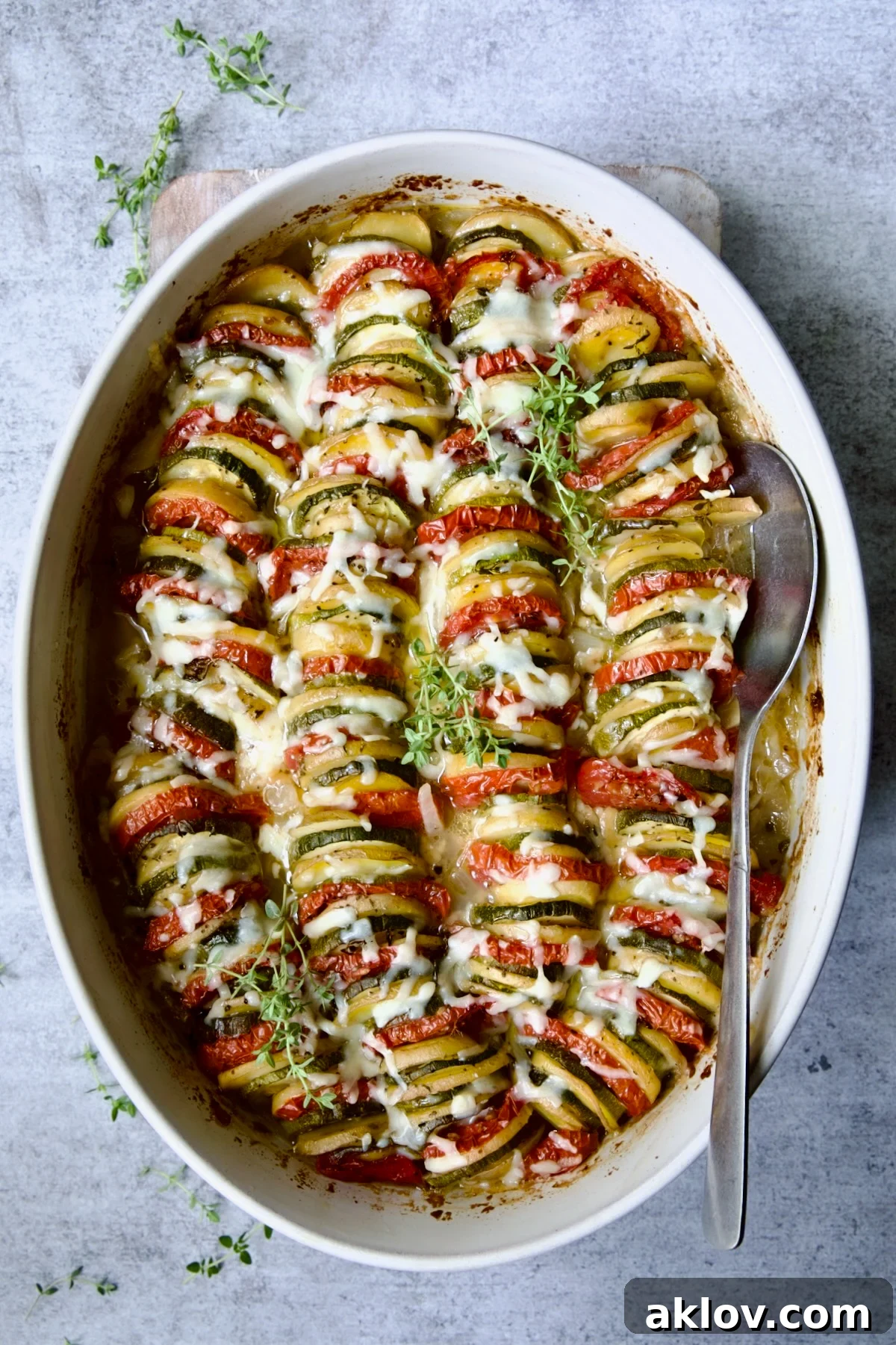
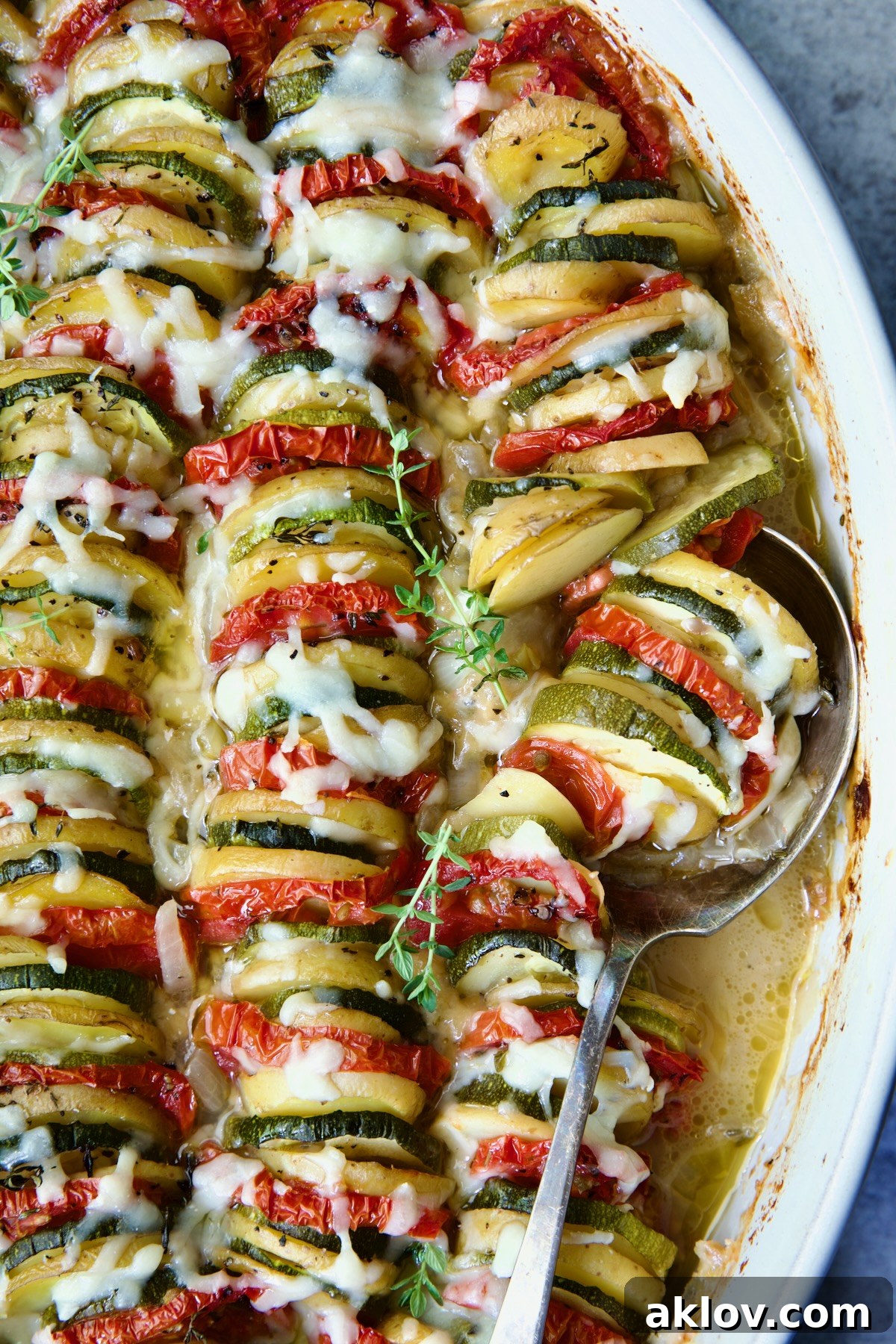
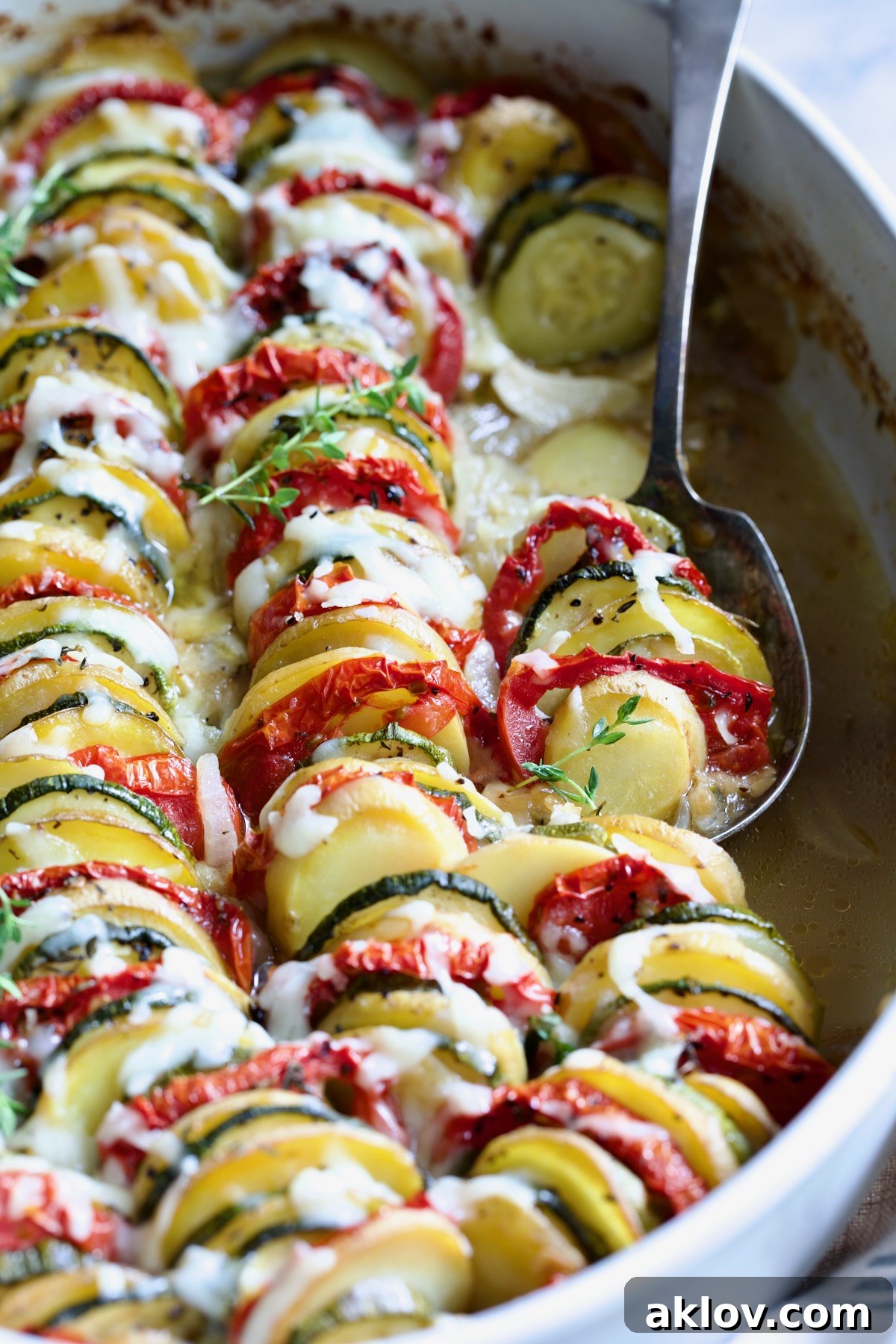
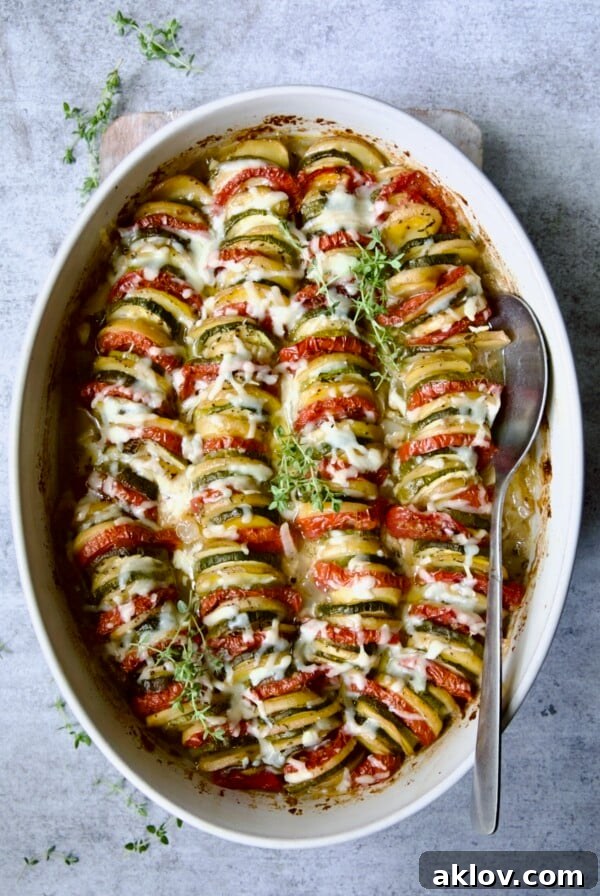
If there’s one dish that truly embodies the rustic elegance and sun-drenched flavors of Southern France, it is undoubtedly the Provençal Vegetable Tian. This exquisite, layered medley of fresh zucchini, ripe tomatoes, and tender potatoes is as visually stunning as it is incredibly delicious. It’s often described as capturing the very essence of summer in a single baking dish, making it an ideal choice for a variety of meals. Whether served as a vibrant and satisfying side dish alongside succulent roast chicken or presented as a hearty and complete vegetarian entrée, this tian promises a delightful culinary experience that transports you straight to the heart of Provence.
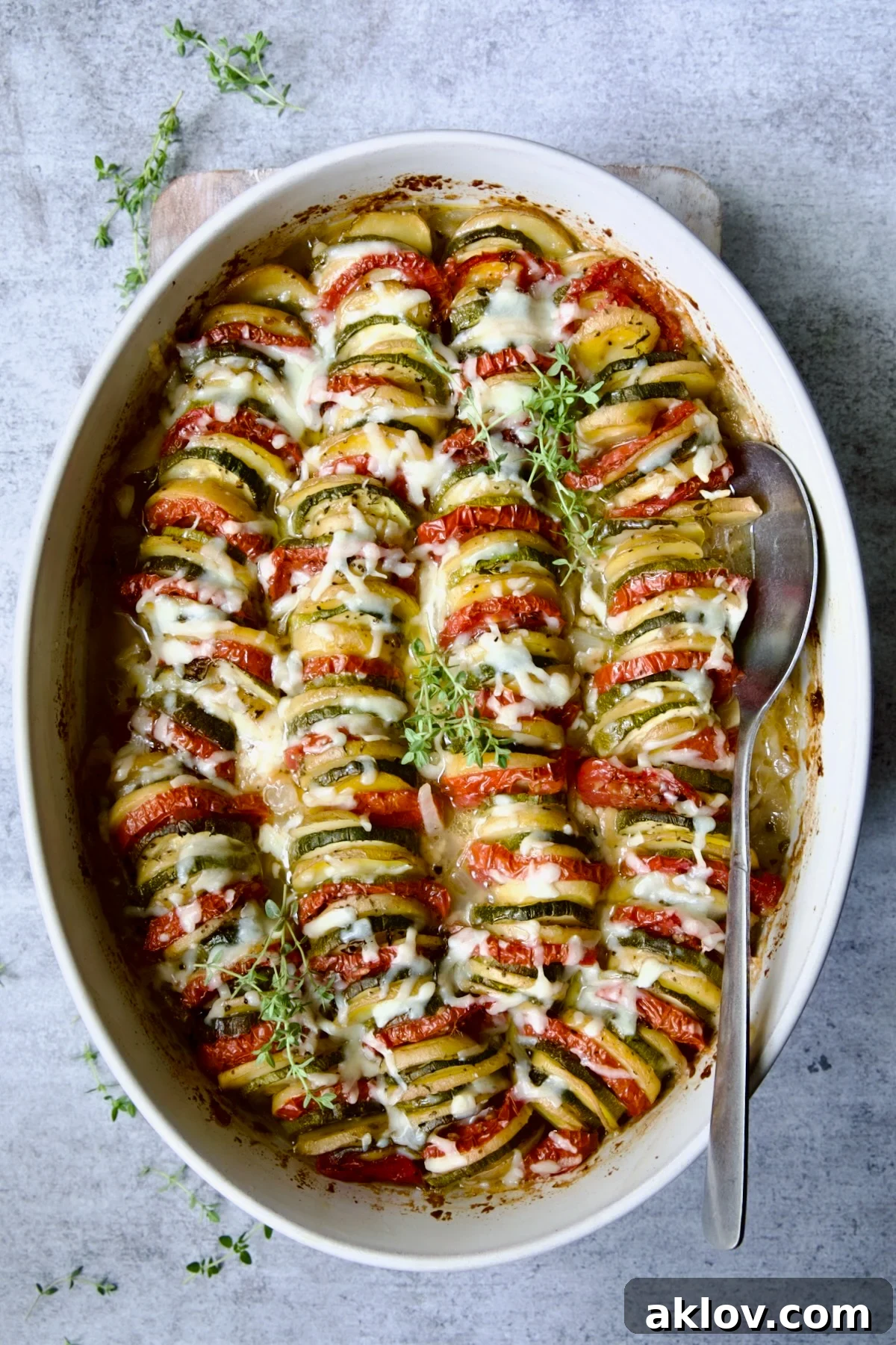
Unveiling the Tian: What is This Classic Provençal Dish?
The term “tian” (pronounced “tyan”) refers to both a specific type of shallow, usually earthenware, baking dish and the delectable food prepared within it. In French culinary tradition, a tian represents one of the most classic and cherished vegetable casserole recipes. While the original cooking vessel lends its name to the dish, you can successfully prepare a tian in any shallow baking dish, such as a standard 9×13-inch gratin or casserole dish.
What sets a French tian apart is its distinctive cooking method: the vegetables are gently cooked in their own natural juices, minimizing the need for additional liquids. A simple drizzle of high-quality olive oil is typically all that’s required to enhance their flavors and facilitate even cooking. When using plump, peak-of-summer tomatoes, their inherent moisture contributes significantly to the dish, making extra liquid entirely unnecessary.
It’s interesting to note a common misconception: the beautifully arranged vegetable dish famously featured in the popular animated movie Ratatouille is, in fact, a tian, not a traditional ratatouille. True ratatouille is a rustic vegetable stew where ingredients are typically sautéed and simmered together, resulting in a more homogenous texture. A tian, by contrast, celebrates the individual beauty and texture of each vegetable through its elegant, layered presentation.
Why This Provençal Vegetable Tian Recipe is a Must-Try
This particular Provençal-inspired Vegetable Tian, adapted from the renowned Ina Garten’s Barefoot in Paris cookbook, is more than just a recipe; it’s a culinary triumph. Ina Garten’s recipes are celebrated for their reliability, ease, and consistently fabulous results, and this tian is no exception. It offers the perfect opportunity to utilize the bounty of late-summer produce, transforming fresh vegetables into an impressive yet effortlessly casual dish.
One of the key reasons this recipe stands out is the inclusion of potatoes, which lend a satisfying heartiness to the dish. This makes it an incredibly substantial side dish capable of complementing a wide array of main courses, from succulent roasted meats and poultry to delicate grilled fish. Furthermore, its robust flavor and nourishing ingredients also make it an ideal and fulfilling entrée for vegetarian guests, ensuring everyone at your table enjoys a truly memorable meal.
Beyond its versatility and deliciousness, this French vegetable tian recipe offers several compelling advantages:
- Effortlessly Elegant: It’s surprisingly easy to prepare, requiring no complicated techniques, yet its artful arrangement of colorful vegetables and aromatic herbs makes it visually stunning and sure to impress.
- Flavorful Simplicity: The beauty of this dish lies in its ability to let the natural flavors of fresh ingredients shine through, enhanced by simple seasonings and a hint of cheese.
- Highly Adaptable: While zucchini, tomatoes, and potatoes are classic, the recipe encourages creativity. Feel free to vary the vegetables with what’s in season or what you have on hand, incorporating options like thinly sliced eggplant, earthy mushrooms, or vibrant bell peppers for unique twists.
- Healthy & Wholesome: Packed with fresh vegetables, this tian is a nutritious addition to any meal, providing essential vitamins and fiber.
- Perfect for Any Occasion: From casual weeknight dinners to elegant dinner parties, its adaptability makes it suitable for diverse settings.
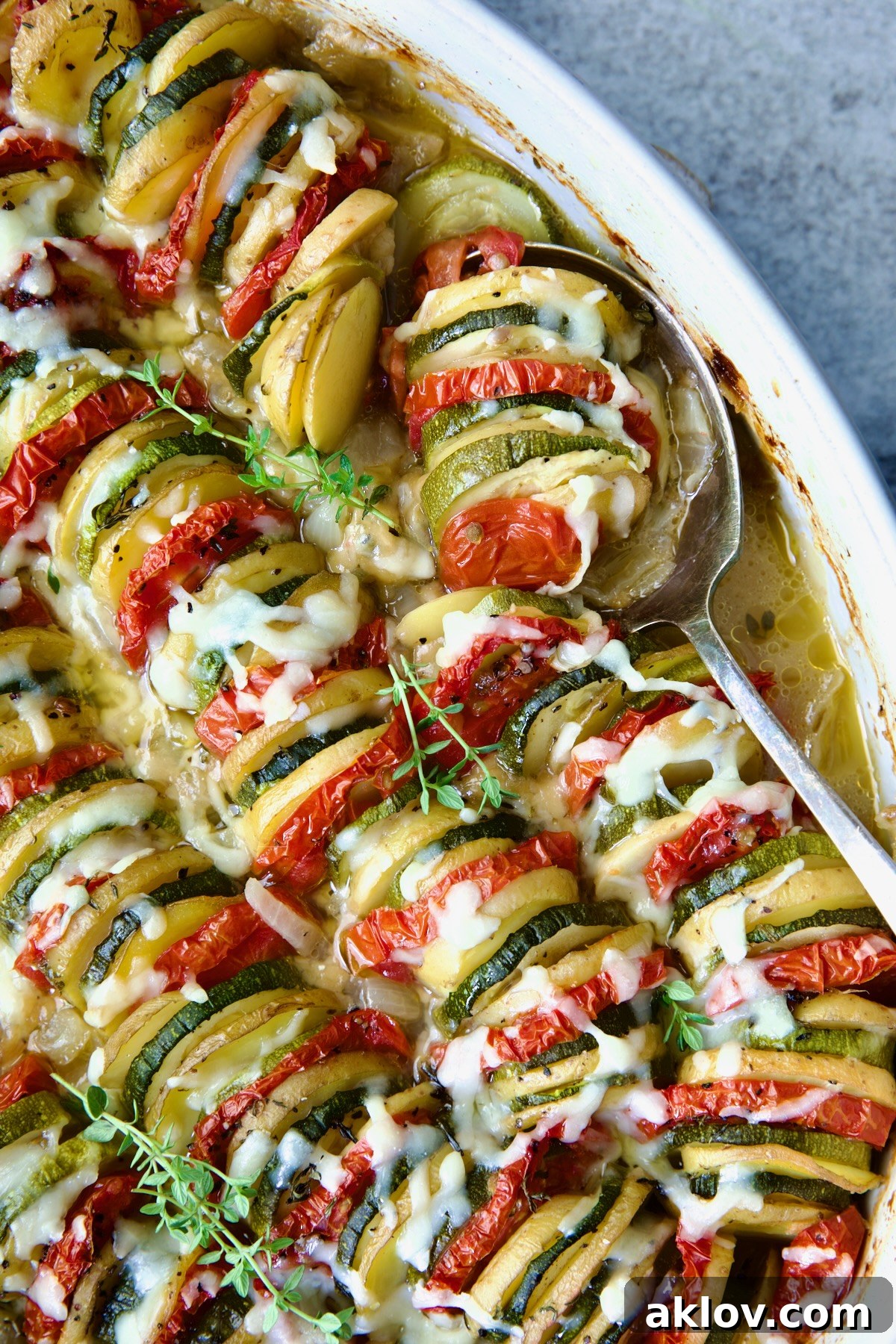
Mastering the Art of French Vegetable Tian: A Step-by-Step Guide
Essential Ingredients for Your Tian
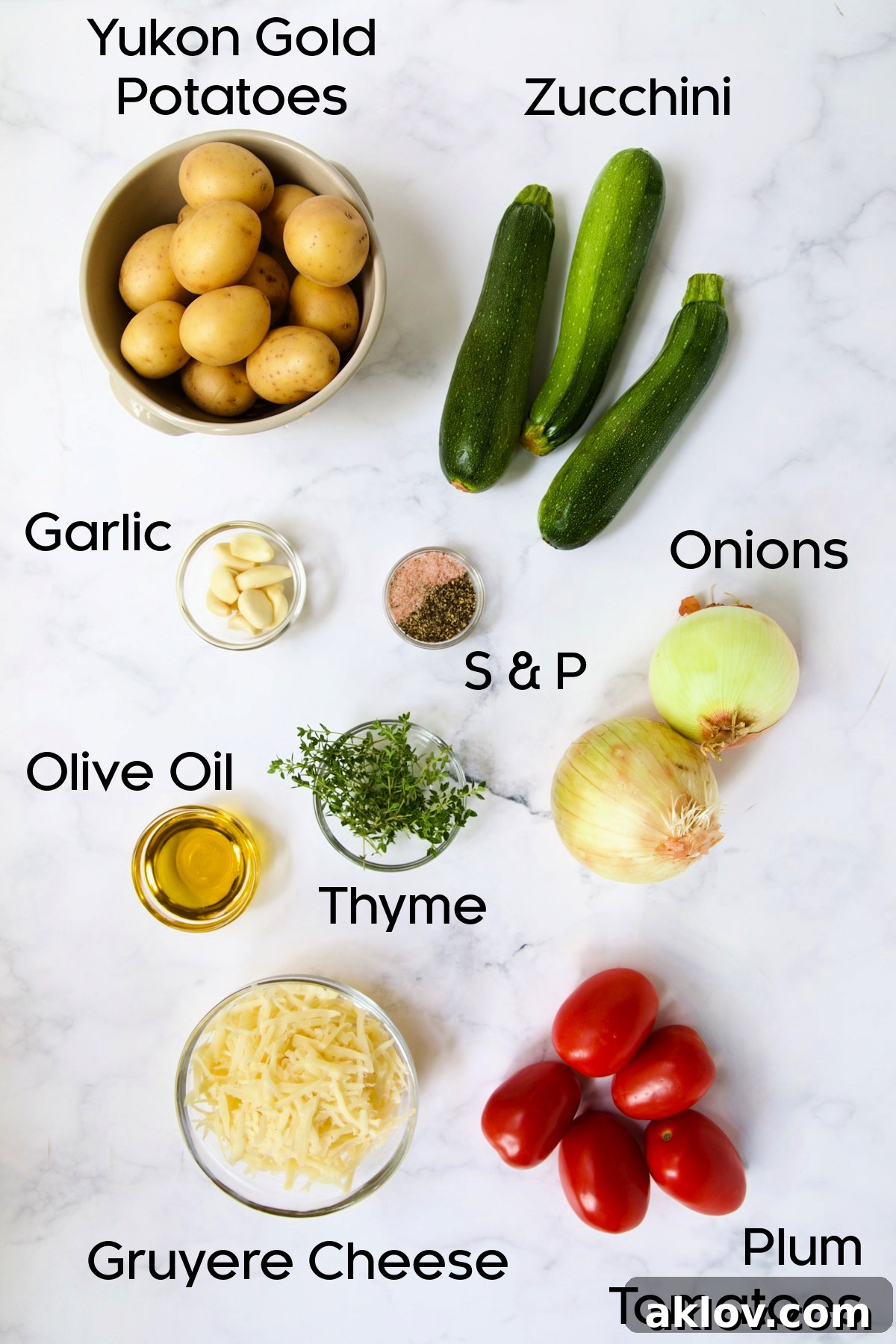
Crafting this delightful French vegetable tian begins with selecting the freshest, highest-quality ingredients. Here’s a comprehensive list of what you’ll need, along with specific recommendations to ensure the best possible flavor and texture. For precise quantities, please refer to the detailed recipe card at the end of this article.
Ingredient Notes and Expert Substitutions
- Yukon Gold Potatoes: These potatoes are a medium-starch variety, renowned for their creamy, firm, and moist texture. They hold their shape beautifully after cooking, making them ideal for the layered structure of a tian. While starchy potatoes like Russets can be used, be aware they might become a bit crumbly. I particularly favor Yukon Golds for their thin, delicate skin, which doesn’t require peeling and adds a lovely visual contrast to the green zucchini and red tomatoes. For a delicious low-carb alternative, consider replacing the potatoes with thinly sliced eggplant.
- Zucchini: Opt for two medium or three smaller zucchini to avoid the large, seedy varieties that can be watery and less flavorful. Yellow squash makes an excellent substitute, offering a slightly sweeter profile and vibrant color.
- Olive Oil: The quality of your olive oil significantly impacts the overall flavor of the tian. Use your favorite extra-virgin olive oil for both cooking and drizzling. Brands like California Olive Ranch are excellent choices for their balanced flavor.
- Thyme: Fresh thyme is highly recommended for its bright, aromatic qualities. If fresh is unavailable, dried thyme can be used, but be mindful that prolonged cooking can sometimes impart a slightly bitter note. Adjust quantities accordingly when substituting (typically 1 teaspoon of dried thyme for 1 tablespoon of fresh).
- Gruyere Cheese: This hard Swiss cheese, originating from Gruyères in Switzerland, offers a complex flavor profile that is sweet, slightly salty, and distinctively nutty. Its flavor deepens with age. While Gruyere can be a bit on the pricier side, Grand Cru cheese, a Wisconsin-made artisanal cheese, is a fantastic and often more accessible substitute. White cheddar also works well as an alternative. It’s important to note that substituting Parmesan cheese will not result in a vegetarian tian, as most authentic Parmesan contains animal rennet.
- Plum Tomatoes: Also known as Roma tomatoes, these are the preferred choice for this vegetarian tian. Their firm flesh and lower water content make them less likely to release excess liquid during baking, ensuring your tian isn’t watery. Round tomatoes can be used, but ensure they are very firm and ripe.
Detailed Step-by-Step Instructions for a Perfect Tian
Follow these instructions carefully to create a beautiful and delicious Provençal Vegetable Tian:
- Step 1: Prepare Your Workspace and Oven. Begin by gathering and carefully prepping all the ingredients. This includes slicing, grating, and measuring to ensure a smooth cooking process. Preheat your oven to 375°F (190°C). Lightly brush a large, shallow baking dish with olive oil to prevent sticking and add a foundational layer of flavor.
- Step 2: Sauté the Onions. In a large sauté pan, heat 2 tablespoons of olive oil over medium-high heat. Add the thinly sliced onions and cook for 8-10 minutes, stirring occasionally, until they begin to soften and develop a beautiful golden-brown color. This caramelization adds a deep, sweet base flavor to your tian.
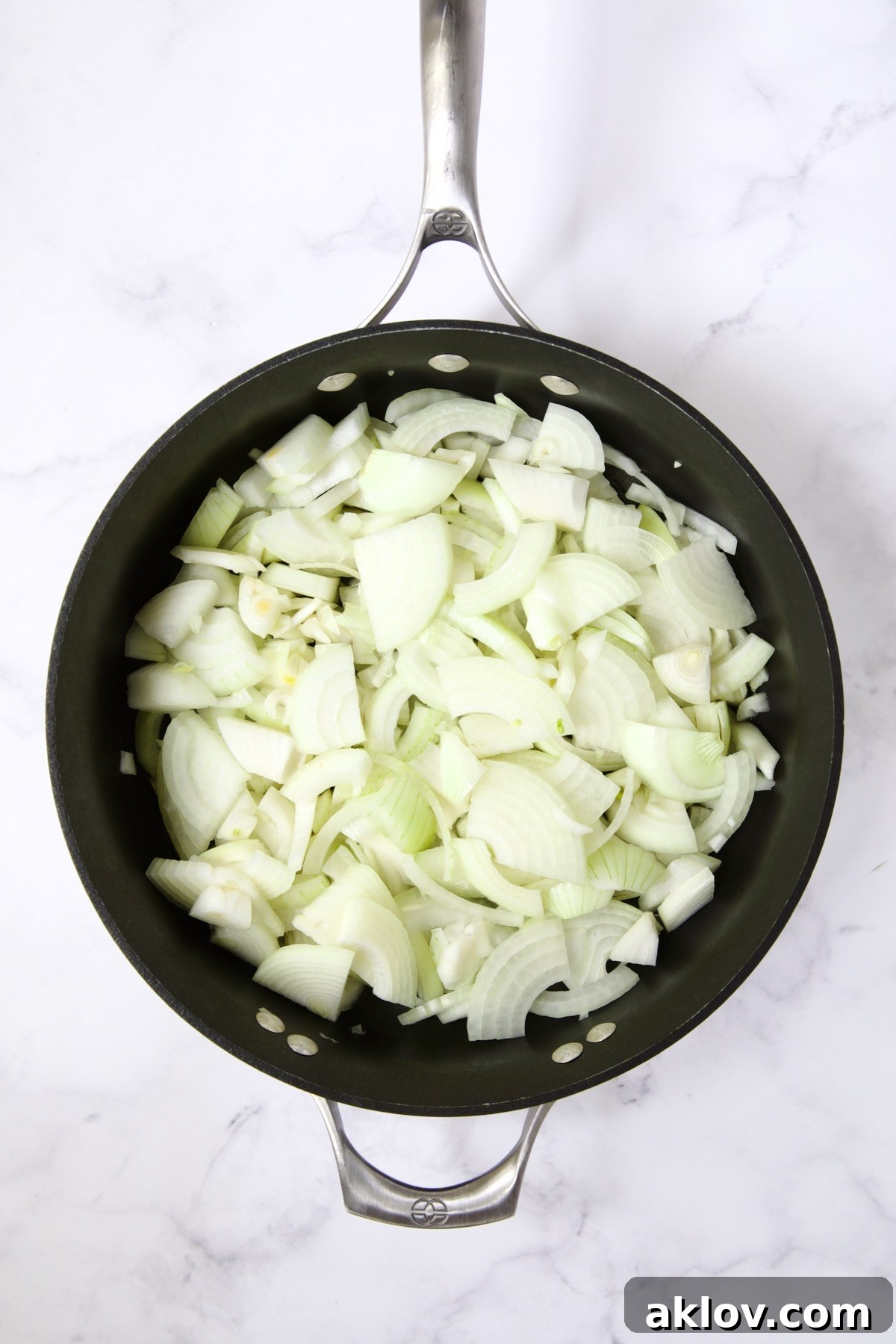
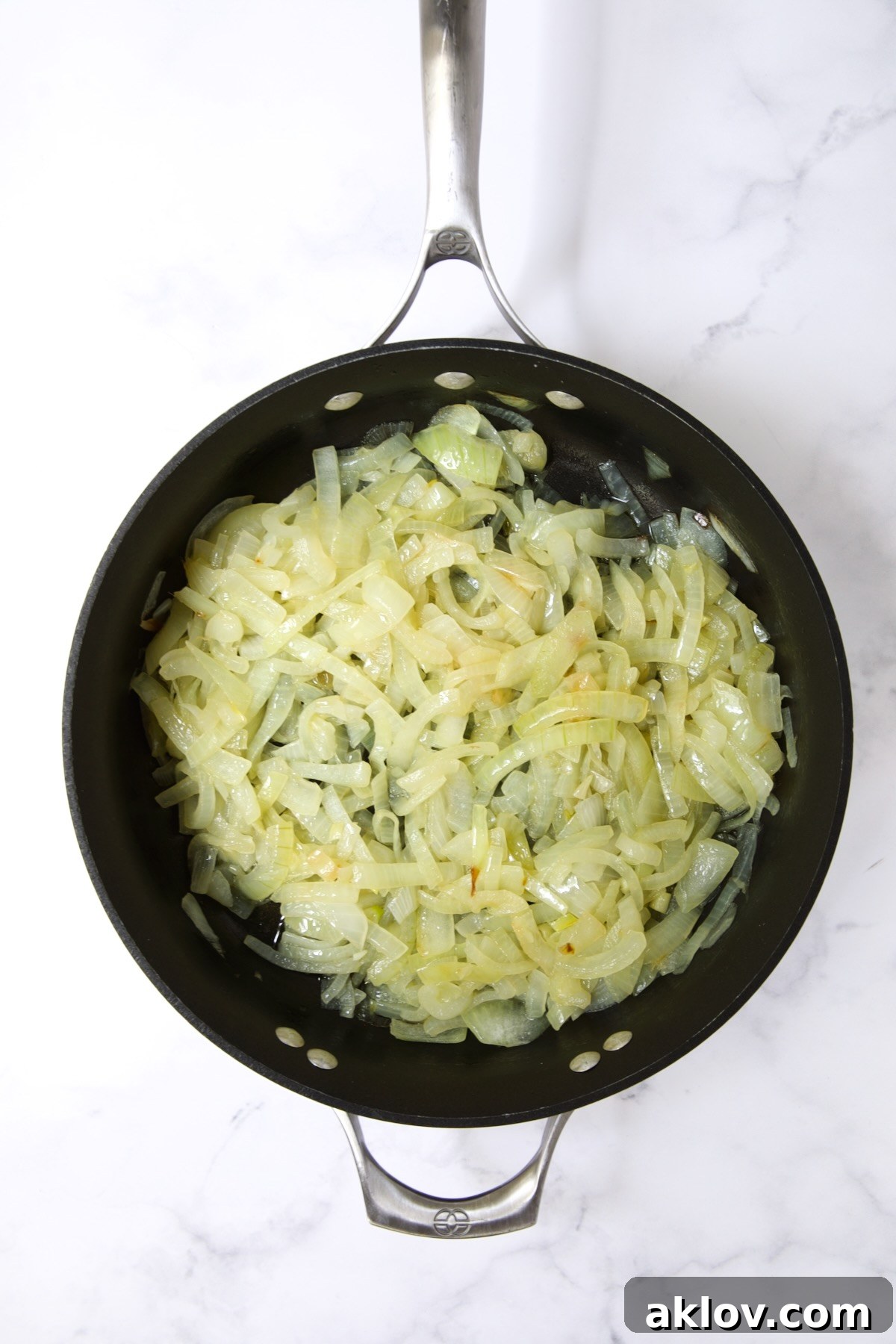
- Step 3: Infuse with Garlic and Thyme. Add the thinly sliced garlic to the pan with the softened onions and cook for just 1 minute more, until the garlic becomes wonderfully fragrant. Be careful not to burn it. Stir in half of the fresh chopped thyme, then season generously with salt and freshly ground black pepper to taste.
- Step 4: Drain and Transfer. Carefully tilt the skillet to one side, allowing any excess oil to collect. Gently push the onions to the side and drain off any accumulated oil. Transfer the flavorful onion, garlic, and thyme mixture to your prepared baking dish, spreading it evenly across the bottom. Allow it to cool slightly while you prepare the remaining vegetables.
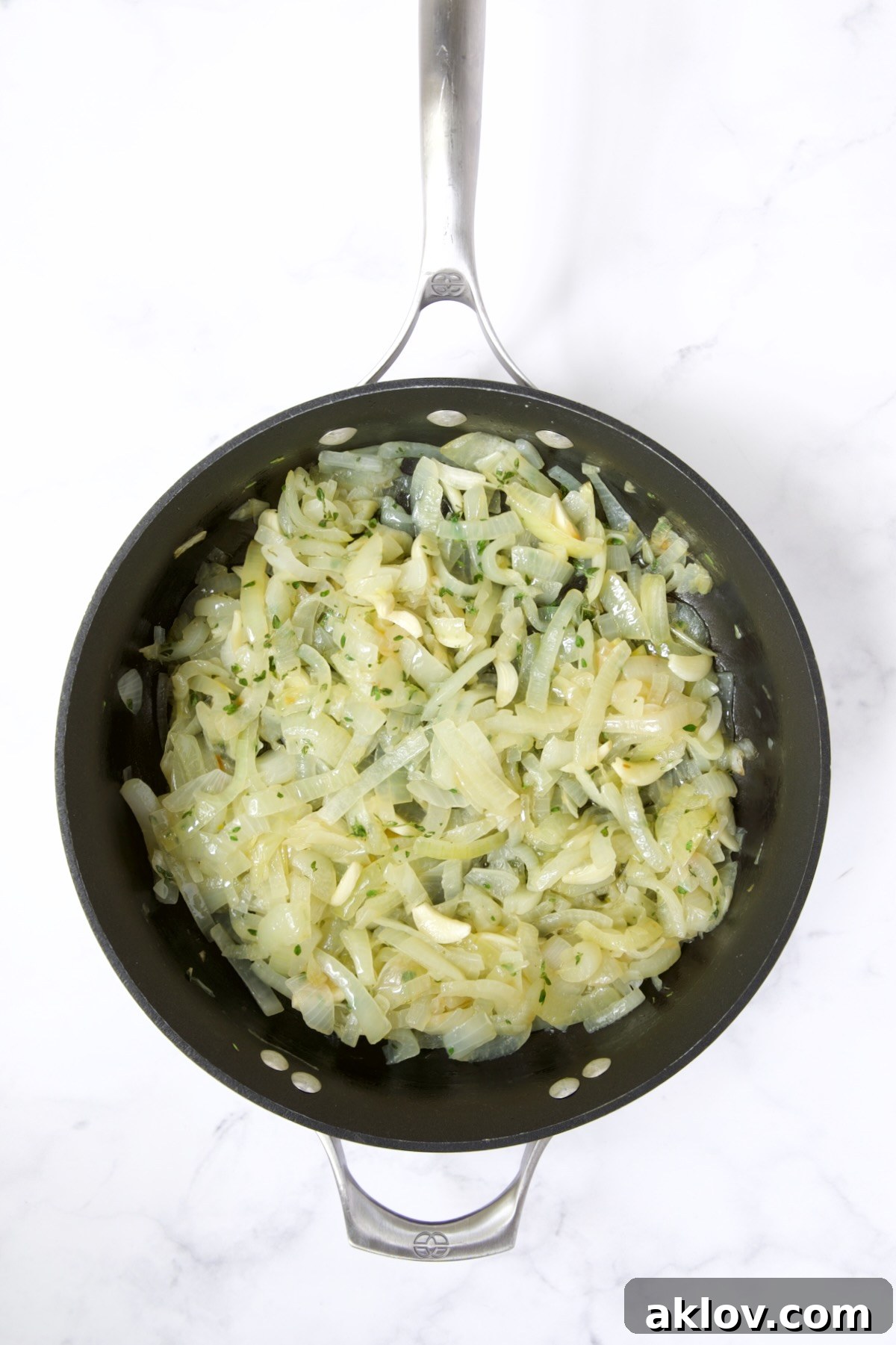
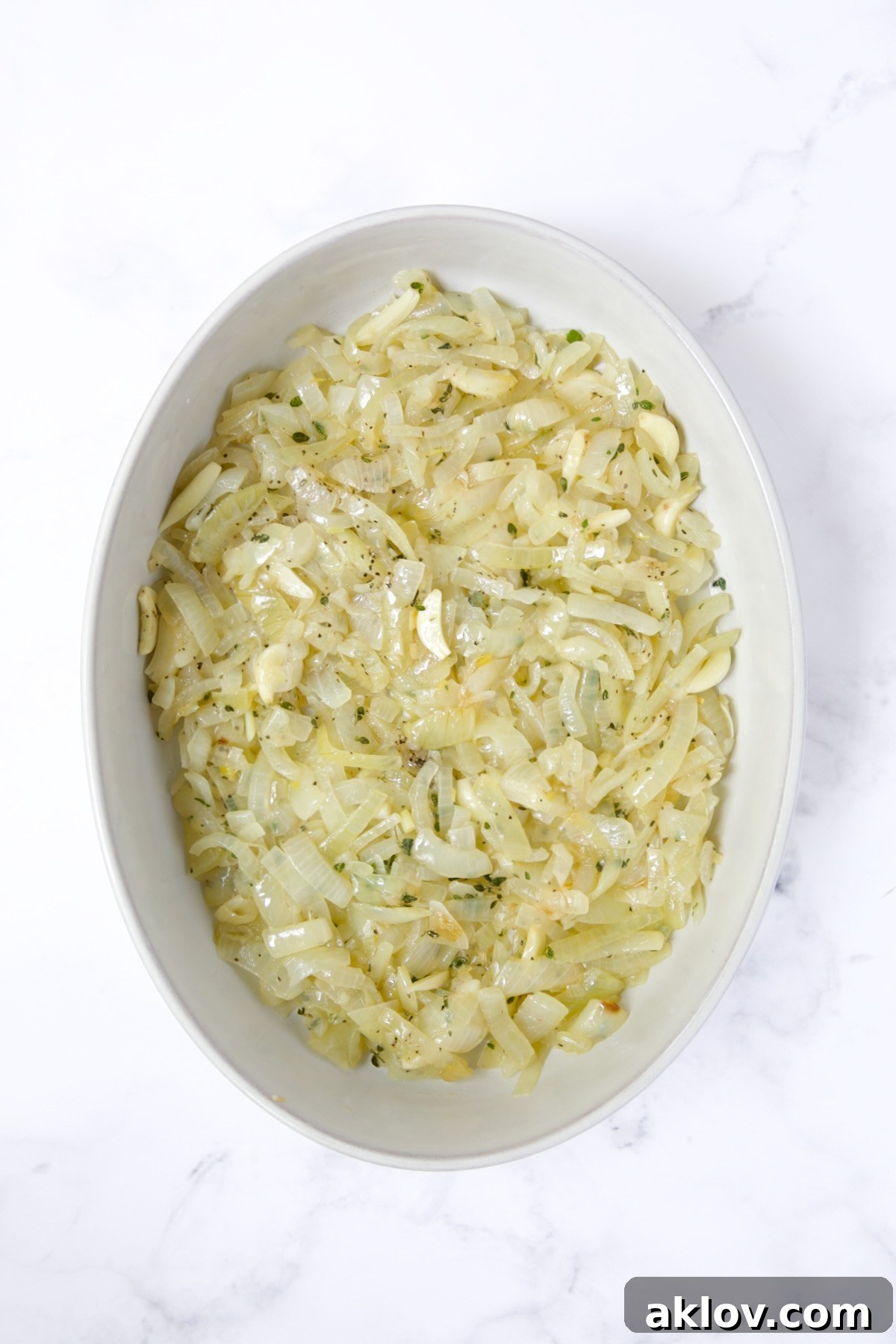
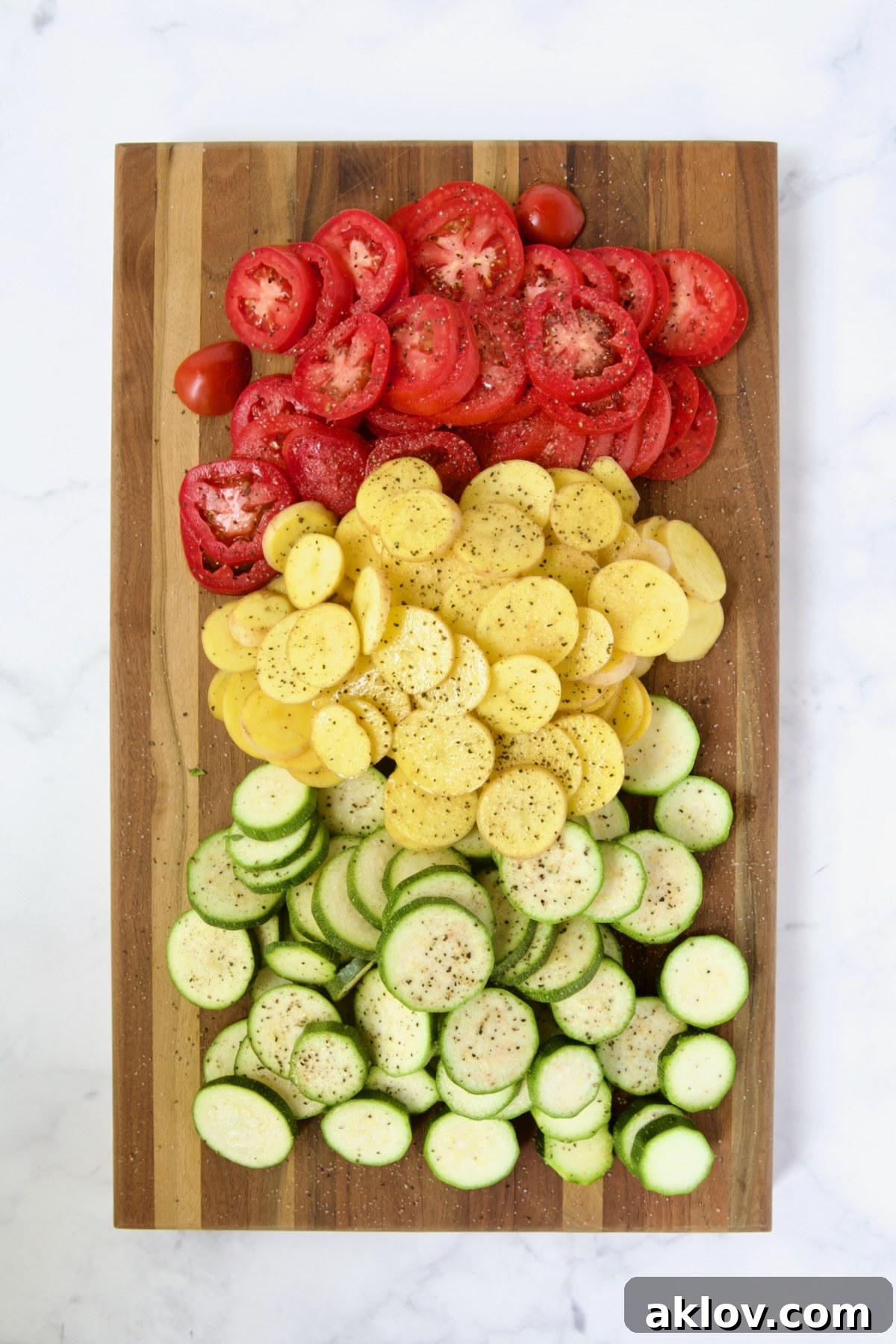
- Step 5: Slice and Season Vegetables. Carefully slice the zucchini, tomatoes, and potatoes into uniform ¼-inch thick rounds. Consistency in thickness is key for even cooking and a beautiful presentation. As you slice the vegetables, generously season them on your cutting board with salt and freshly ground black pepper. This ensures each layer is flavorful.
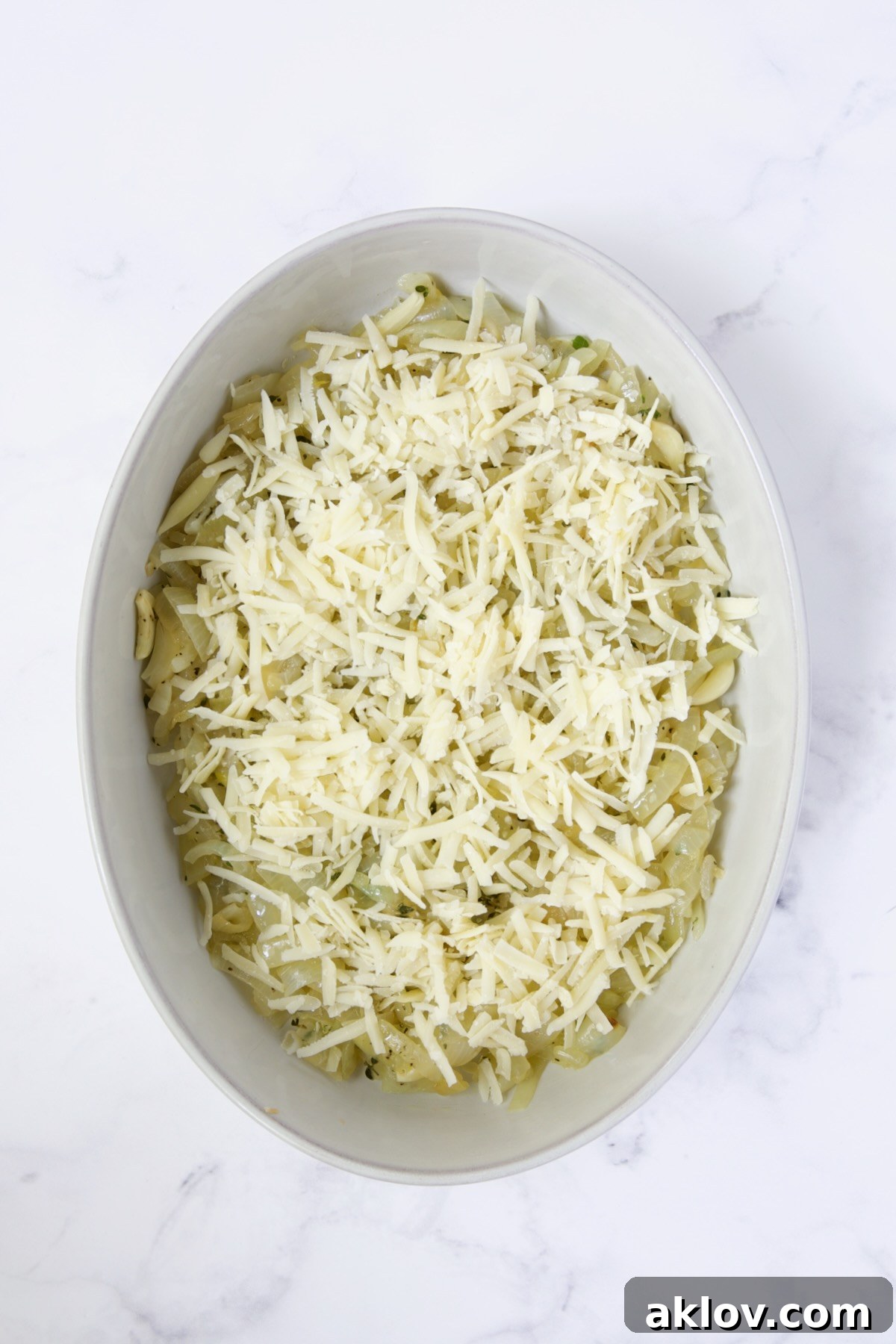
- Step 6: Add First Layer of Cheese. Sprinkle half of the grated Gruyere cheese over the cooled onion mixture in the baking dish. This initial layer of cheese will melt into the onions, creating a rich, flavorful base for the vegetables.
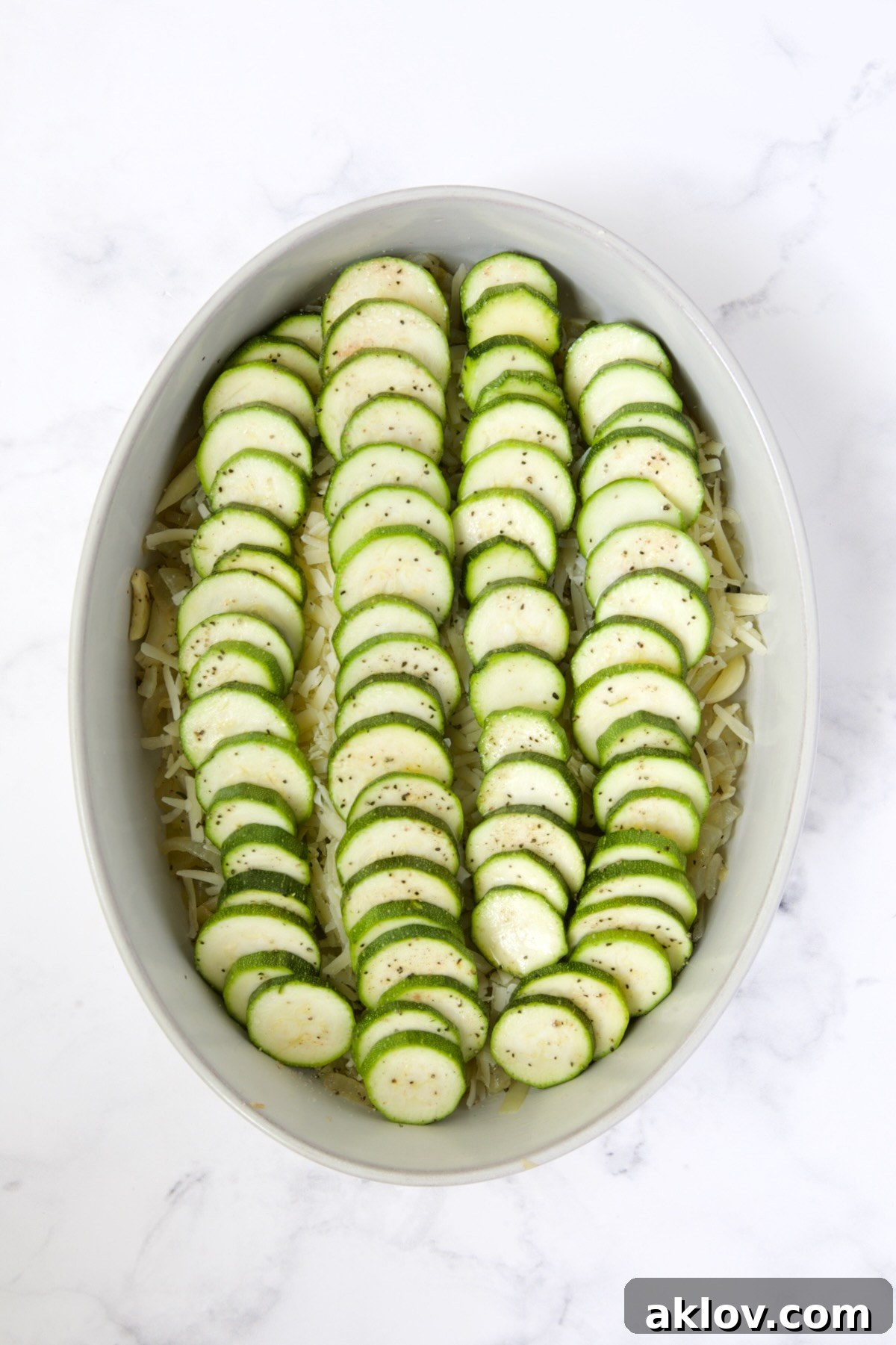
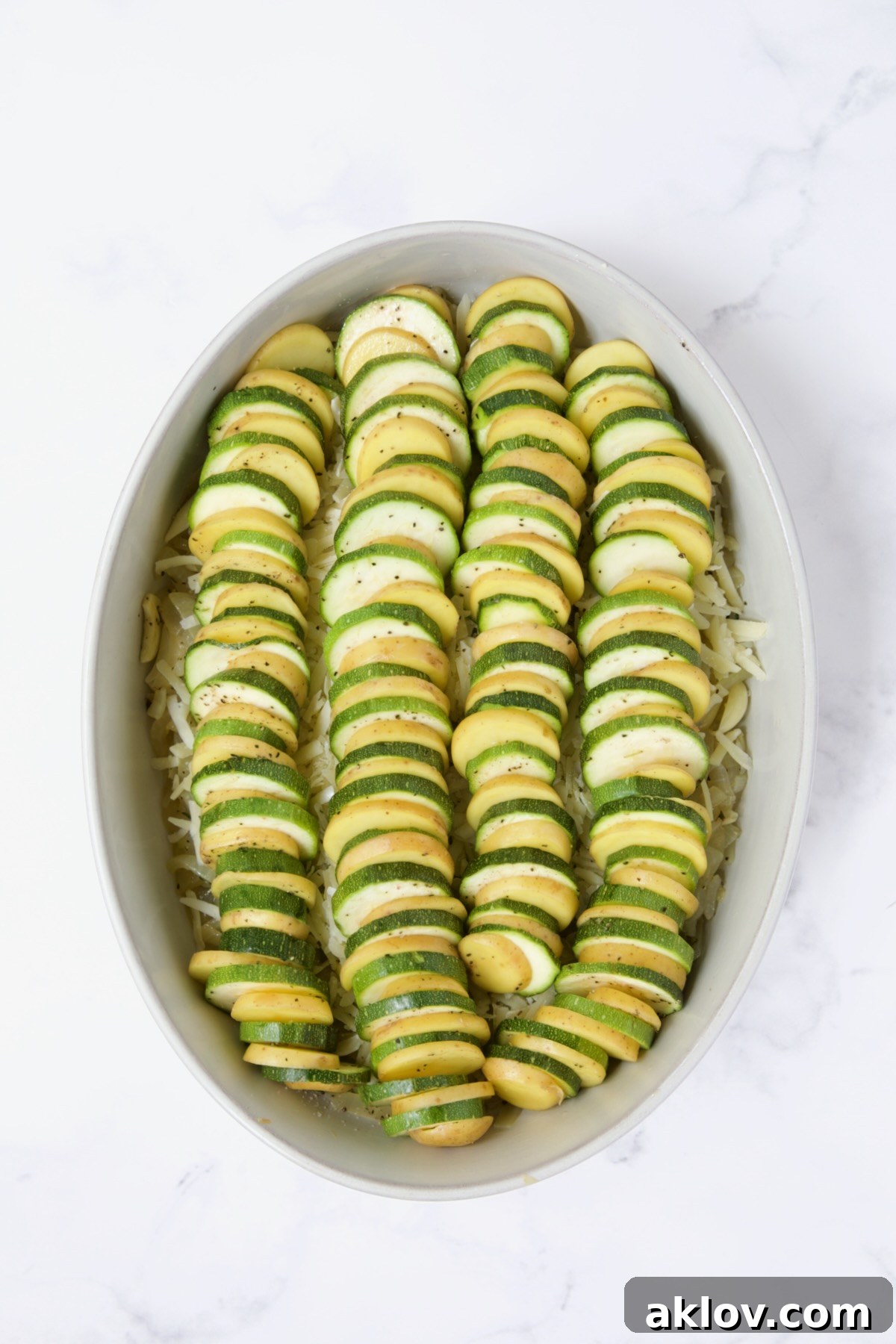
- Step 7: Arrange the Vegetables. Begin arranging the sliced vegetables in an alternating pattern over the cheesy onion base. Start with the zucchini, fanning the slices out into neat rows. Next, intersperse the potato slices evenly between the zucchini, followed by the tomato slices. Continue this layering, creating an aesthetically pleasing and colorful mosaic. If you have any leftover vegetable slices, tuck them into any gaps to maximize the deliciousness.
- Step 8: Final Seasoning. Once all the vegetables are artfully arranged in the dish, sprinkle them with a little more salt, freshly ground black pepper, and the remaining fresh thyme. This final seasoning ensures every bite is perfectly balanced.
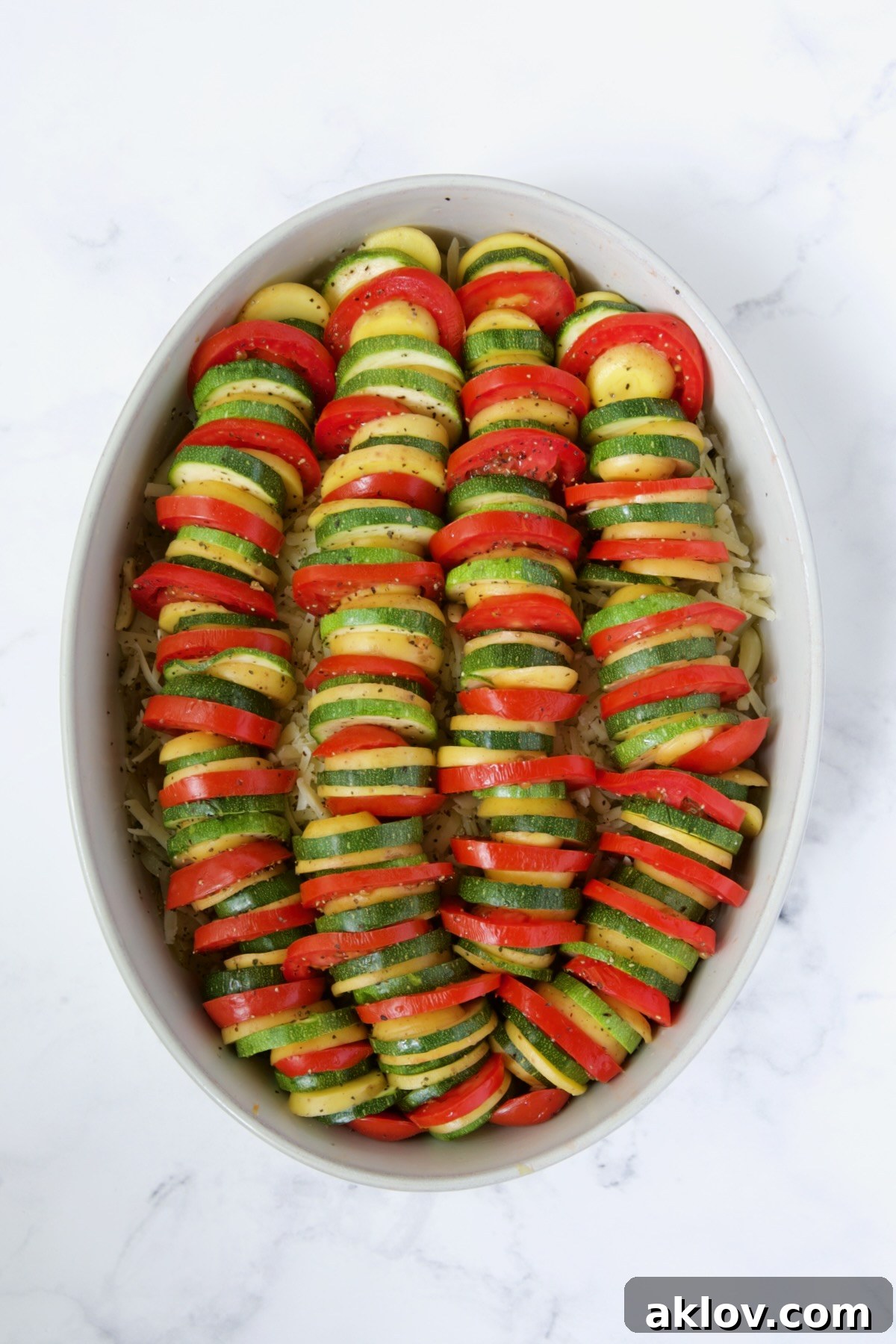
- Step 9: First Bake (Covered). Cover the baking dish tightly with aluminum foil. This helps to steam the vegetables and ensures the potatoes become tender without drying out. Bake for 40 to 45 minutes, or until the potatoes are tender when pierced with a fork.
- Step 10: Second Bake (Uncovered with Cheese). Carefully remove the foil from the dish. Sprinkle the remaining grated Gruyere cheese evenly over the top of the vegetables. Return the uncovered dish to the oven and bake for another 15 to 20 minutes, or until the cheese is melted, bubbly, and beautifully golden brown. This step creates a delicious, slightly crispy crust.
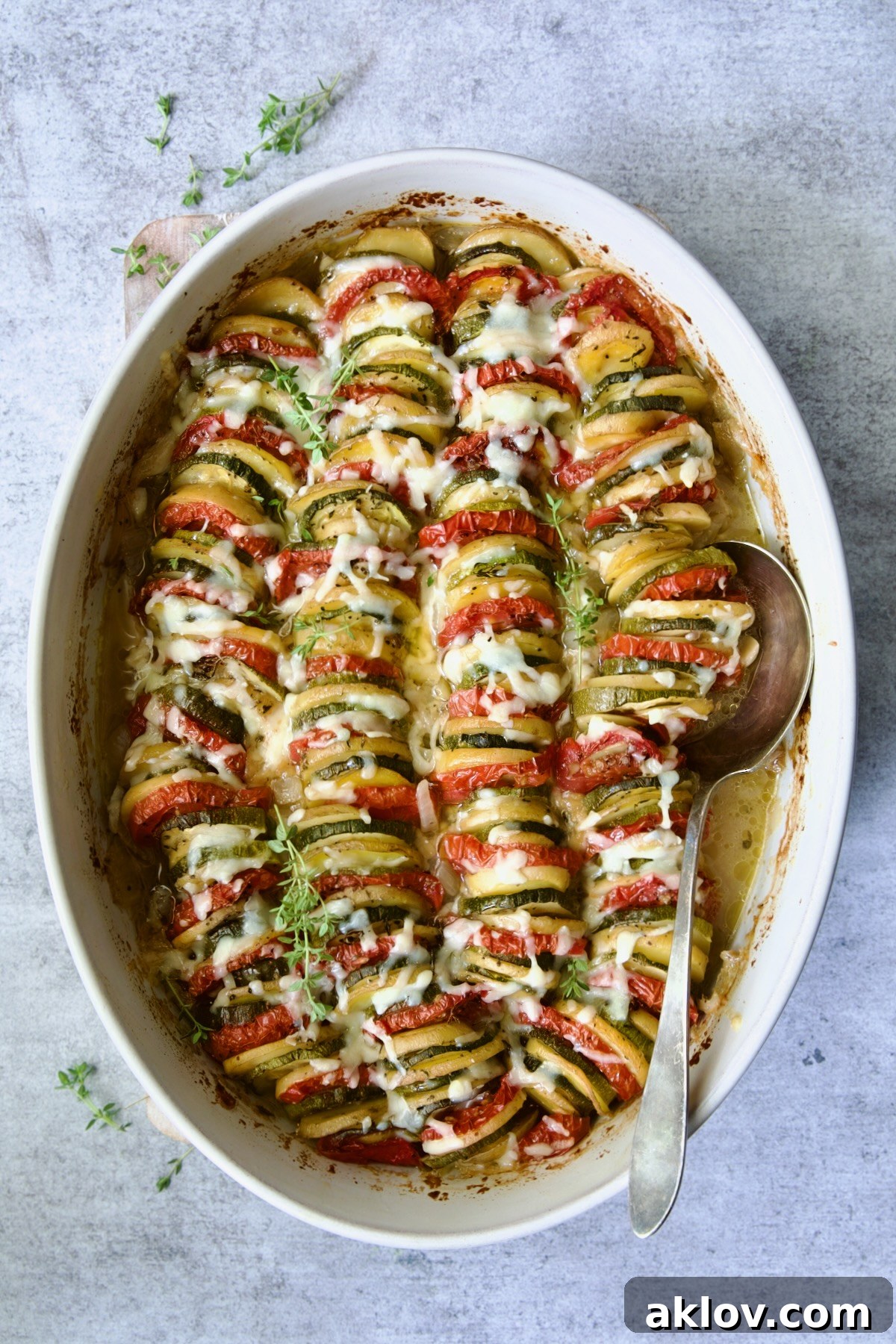
- Step 11: Rest and Serve. Once baked, remove the tian from the oven and allow it to rest for 10 to 15 minutes before serving. This crucial resting period allows the flavors to meld and the internal juices to settle, making it easier to serve and preventing it from being watery.
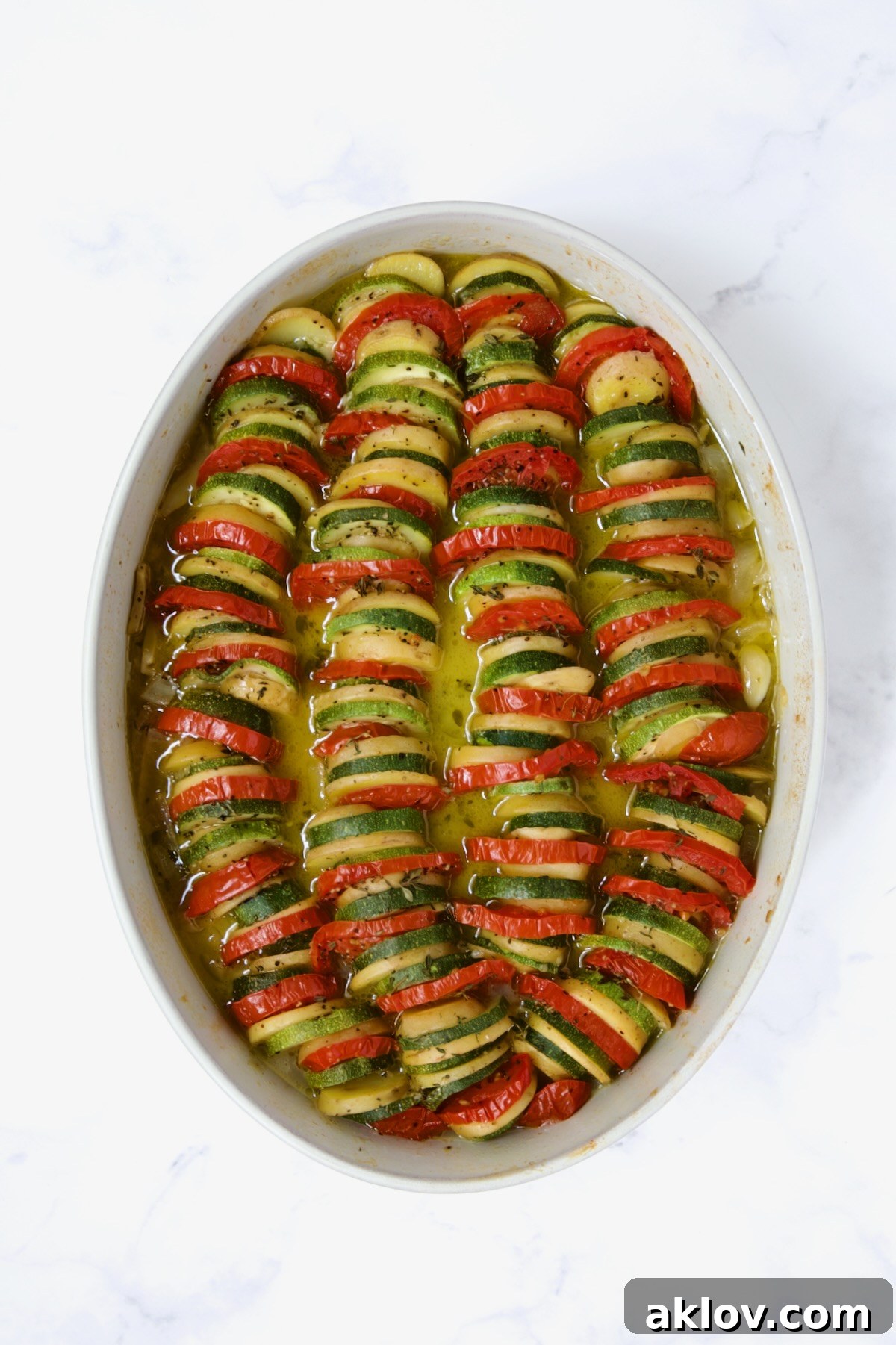
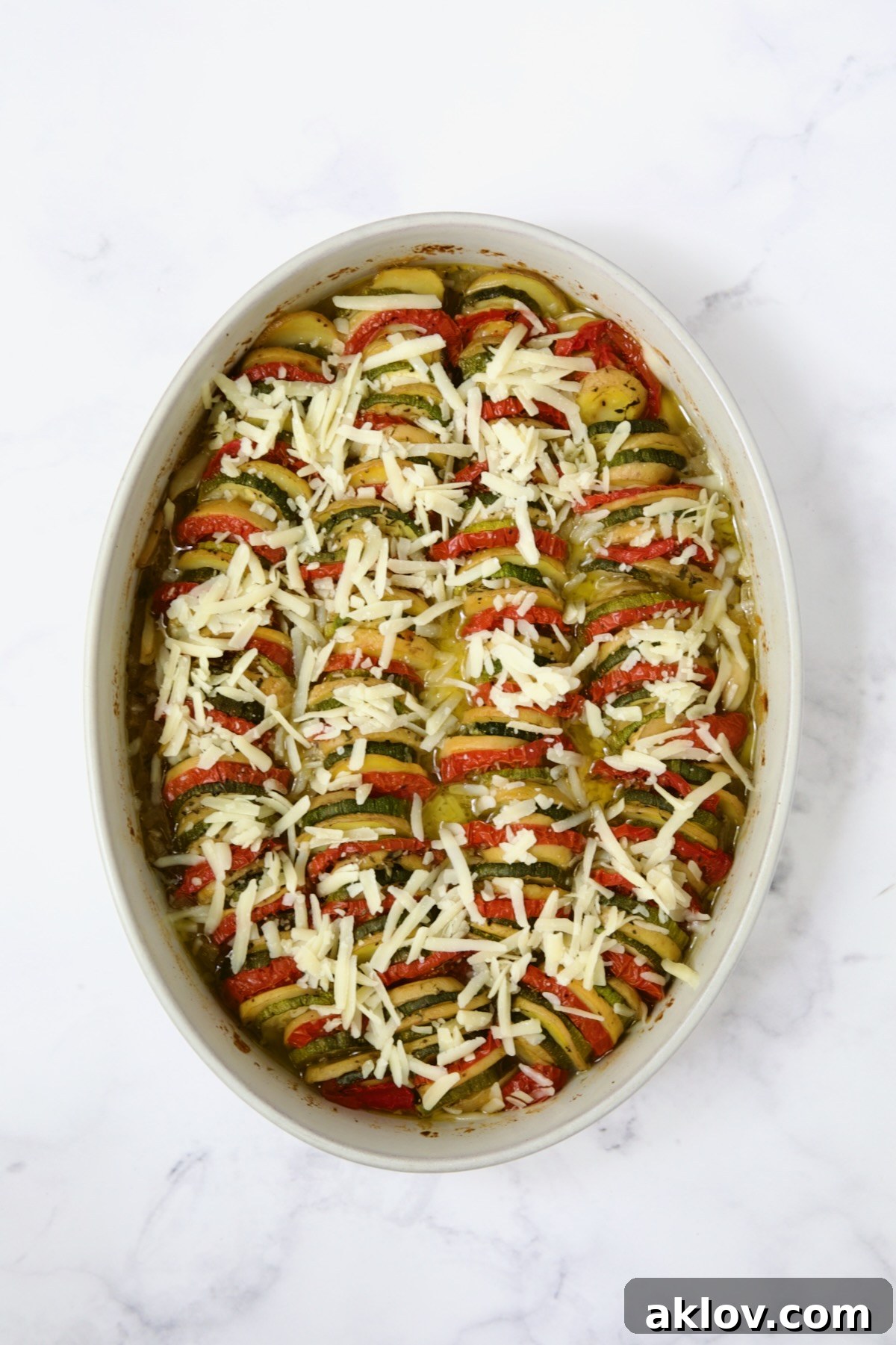
- Step 12: Enjoy Your Masterpiece! Your stunning and flavorful vegetarian tian is now ready to be enjoyed! It’s perfect as a fulfilling side dish or a delightful vegetarian main course.
Chef’s Insider Tips for a Flawless Vegetable Tian
- Individual Servings for Special Occasions: For an exceptionally elegant presentation that’s perfect for dinner parties, consider arranging the vegetables in individual gratin or baking dishes. These personalized portions will undoubtedly be the highlight of your next gathering.
- Crucial Seasoning: It is absolutely essential to season each layer of vegetables generously with salt and pepper *before* arranging them in the baking dish. This ensures that every component of the tian is flavorful throughout, rather than just the surface. Don’t be shy with your seasoning!
- The Secret to a Flavorful Base: While Ina Garten’s original recipe doesn’t call for sprinkling cheese over the onions before layering, I highly recommend this small modification. Adding a portion of the cheese to the cooked onions creates a deeper, richer base. Although the cheese melts down, it infuses the onion layer with incredible flavor, reducing the need for excessive olive oil.
- Managing Moisture for Perfect Texture: A freshly baked tian will naturally be quite juicy, especially if you’re using very ripe, watery tomatoes. Baking the dish uncovered during the final stage, when the cheese melts and browns, allows some of this excess moisture to evaporate, concentrating the flavors. Furthermore, letting the tian rest for at least 10-15 minutes before serving is critical. This resting period allows the juices to redistribute and settle, resulting in a more cohesive and less watery dish. If you plan to reheat portions of the vegetable tian, having a little extra juice is actually beneficial, as it prevents the leftovers from becoming dry upon reheating. For personal chef clients, I always account for this additional liquid to ensure their reheated tian remains moist and delicious.
- Achieving Uniform Slices: Use a sharp knife or a mandoline (with caution!) to ensure all your vegetables are sliced to a consistent ¼-inch thickness. This uniformity is vital not only for the beautiful, fanned appearance but also for guaranteeing that all vegetables cook evenly and reach tender perfection at the same time.
- Herbal Harmony: Don’t limit yourself to just thyme! While classic, experiment with other fresh herbs like oregano, rosemary, or a touch of herbes de Provence to add different aromatic dimensions to your tian.
Frequently Asked Questions About Vegetable Tian
The beauty of a tian lies in its versatility; the vegetables are largely interchangeable, allowing for seasonal adaptation. Typically, Mediterranean-style vegetables are favored. Common choices include yellow squash, zucchini, eggplant, potatoes, mushrooms, and onions. This tian recipe, with its focus on summer produce, works wonderfully. However, you can easily adapt it for cooler seasons by replacing zucchini and tomatoes with heartier fall vegetables like various types of squash (such as butternut or delicata) or earthy beets, sliced thinly.
Absolutely! Vegetable tian is an excellent make-ahead dish, perfect for entertaining or meal prepping. To prepare it in advance, assemble the tian completely and bake it until the potatoes are tender (the first covered baking step). Allow it to cool completely, then refrigerate for up to two days. When you’re ready to serve, reheat the tian in the oven, loosely covered with aluminum foil, until it’s heated through. Then, proceed with adding the remaining cheese and baking uncovered to achieve a beautifully browned, bubbly top. It is not recommended to store the tian fully assembled but unbaked, as the potato slices can discolor. If you prefer to assemble it just before baking, an alternative is to slice the potatoes and add them at the very last minute before layering to prevent oxidation.
While both are delicious French vegetable dishes, a tian and ratatouille are distinctly different. A vegetable or vegetarian tian is characterized by its elegant presentation as an arranged vegetable casserole, typically baked in a shallow dish (often earthenware). Each vegetable retains its individual shape and texture, contributing to the visual appeal. In contrast, ratatouille is a rustic vegetable stew where the vegetables are typically chopped, sautéed, and then simmered together for a longer period, resulting in a softer, more integrated texture. As mentioned, the famous dish from the movie Ratatouille is actually a tian, highlighting this popular culinary confusion.
Yes, transforming this vegetable tian into a vegan dish is quite simple. The primary modification involves replacing the Gruyere cheese with your favorite dairy-free shredded cheese alternative. Look for vegan cheeses specifically designed for melting, as this will help achieve a similar texture and golden-brown top. Ensure your olive oil is animal-product free, which most are. All other ingredients – potatoes, zucchini, tomatoes, onions, garlic, and thyme – are naturally plant-based.
Storage and Reheating Guidelines
- Refrigerator Storage: Any leftover Vegetable Tian should be stored in an airtight container in the refrigerator. It will remain fresh and delicious for up to five days.
- Reheating: To reheat, place the desired portion in an oven-safe dish. Cover it loosely with aluminum foil to prevent drying out and bake in a preheated oven at 350°F (175°C) until thoroughly heated through, typically about 15-20 minutes. You can remove the foil for the last few minutes if you wish to re-crisp the cheese topping.
Perfect Pairings: What to Serve with Your Tian
This versatile Vegetable Tian makes an excellent accompaniment to a variety of main dishes. Here are some inspired pairings:
- Grilled Marinated Skirt Steak with Peperonata
- Parmesan and Herb-Crusted Lamb Chops
- 40 Clove Garlic Chicken
- Roast Chicken Half with Fingerling Potatoes
- Simple grilled fish or shrimp
- A light green salad with a vinaigrette dressing
- Crusty French bread for soaking up the delicious juices
Explore More Summer Vegetable Casseroles
If you’re a fan of the wholesome goodness and ease of vegetable casseroles, especially during the peak of summer, you’ll love these other recipes:
- Yellow Squash and Tomato Gratin with Two Cheeses
- Zucchini, Yellow Squash and Quinoa Casserole
- Healthier Turkish Eggplant Casserole (Imam Bayildi)
- Southwestern Squash, Corn and Poblano Casserole
- Layered Zucchini Corn Casserole
- Southwestern Summer Squash Casserole
- Black Bean and Yellow Squash Enchilada Casserole
- Italian Summer Vegetable Casserole
For a complete collection of inspiring vegetable-focused dishes, visit my Vegetable Recipes – From A Chef’s Kitchen section. Discover new ways to enjoy healthy, flavorful produce all year long!
Print Recipe
Vegetable Tian
Carol | From A Chef’s Kitchen
30 mins
1 hr
1 hr 30 mins
6
Equipment
-
Wusthof Chef Knife
-
Cutting Board
-
13 x 9 Baking Dish
-
Cheese/Box Grater
Ingredients
- 2 tablespoons olive oil, plus more to coat baking dish
- 2 large onions, halved and thinly sliced
- 8 large cloves garlic, or 12 medium cloves, thinly sliced
- 2 teaspoons chopped fresh thyme, divided
- Salt and freshly ground black pepper, to taste
- 1 cup grated Gruyere cheese, divided
- 2 medium zucchini, or 3 small
- 5 medium plum tomatoes
- 1 pound baby potatoes, such as red or Yukon gold
Instructions
- Preheat oven to 375°F (190°C). Brush a large, shallow baking dish with olive oil.
- In a large sauté pan, heat olive oil over medium-high heat. Add the onion and cook 8-10 minutes or until beginning to soften and take on a little color.
- Add the garlic and cook 1 minute or until fragrant. Add half the thyme and salt and black pepper to taste.
- Tilt the skillet, push the onions to one side and drain off any excess oil. Transfer to the prepared baking dish and allow to cool while preparing the vegetables.
- Slice the zucchini, tomatoes and potatoes into 1/4-inch slices.
- While the vegetables are on your cutting board, season with salt and black pepper.
- Sprinkle half of the cheese over the onions.
- Starting with the zucchini, place them in the baking dish over the onions, fanning them out into rows.
- Next, place the potatoes evenly in between the zucchini followed by the tomato slices. If any vegetables are left, tuck them in wherever you can to use them up.
- Once they’re arranged, sprinkle with more salt, black pepper and remaining thyme.
- Cover the dish with aluminum foil and bake 35-40 minutes or until potatoes are tender.
- Uncover the dish, sprinkle the cheese on top, and bake for another 15-20 minutes, or until lightly browned.
- Allow to rest 10 minutes before serving.
Notes
SUBSTITUTIONS:
- Use yellow squash instead of zucchini.
- You can substitute Grand Cru, white cheddar or conventional Swiss cheese for the Gruyere.
- For a low-carb option, replace potatoes with thinly sliced eggplant.
TIPS:
- Seasoning the vegetables with salt and pepper before arranging them in the baking dish is essential for flavor throughout.
- The tian will be juicy. Baking uncovered while the cheese melts on top will allow some of those juices to evaporate, concentrating flavors.
- Letting the tian rest before serving is essential so those juices settle down, resulting in a cleaner slice.
- If you plan to reheat the vegetable tian, having those juices is beneficial to prevent it from becoming dry.
MAKE AHEAD:
- Assemble and bake until the potatoes are tender. Cool, then refrigerate for up to two days.
- When needed, heat in the oven loosely covered with aluminum foil until hot. Then, proceed with adding the remaining cheese and lightly browning the top.
- Do not store fully assembled without baking—the potatoes will discolor. Slicing and tucking the potatoes in at the last minute before baking is an option if preparing components far in advance.
Nutrition Information (Estimated Per Serving)
Serving: 1
Calories: 237kcal
Carbohydrates: 23g
Protein: 10g
Fat: 12g
Saturated Fat: 5g
Polyunsaturated Fat: 1g
Monounsaturated Fat: 6g
Cholesterol: 24mg
Sodium: 172mg
Potassium: 722mg
Fiber: 4g
Sugar: 6g
Vitamin A: 804IU
Vitamin C: 40mg
Calcium: 268mg
Iron: 1mg
Nutritional values are automatically calculated using unbranded products and are estimates only. Actual results may vary based on ingredients used and portion sizes. Adjust as needed for dietary restrictions, allergies, or health concerns.
 Like this? Leave a comment below!