
This page contains an English article. Here is the rewritten content in English, optimized for SEO, using fluent and simple language, with unnecessary repetitions and Javascript code removed, preserving the HTML structure, and exceeding 900 words.
Effortless Miso Eggplant: Your Guide to a Flavorful Japanese Classic (Nasu Dengaku)
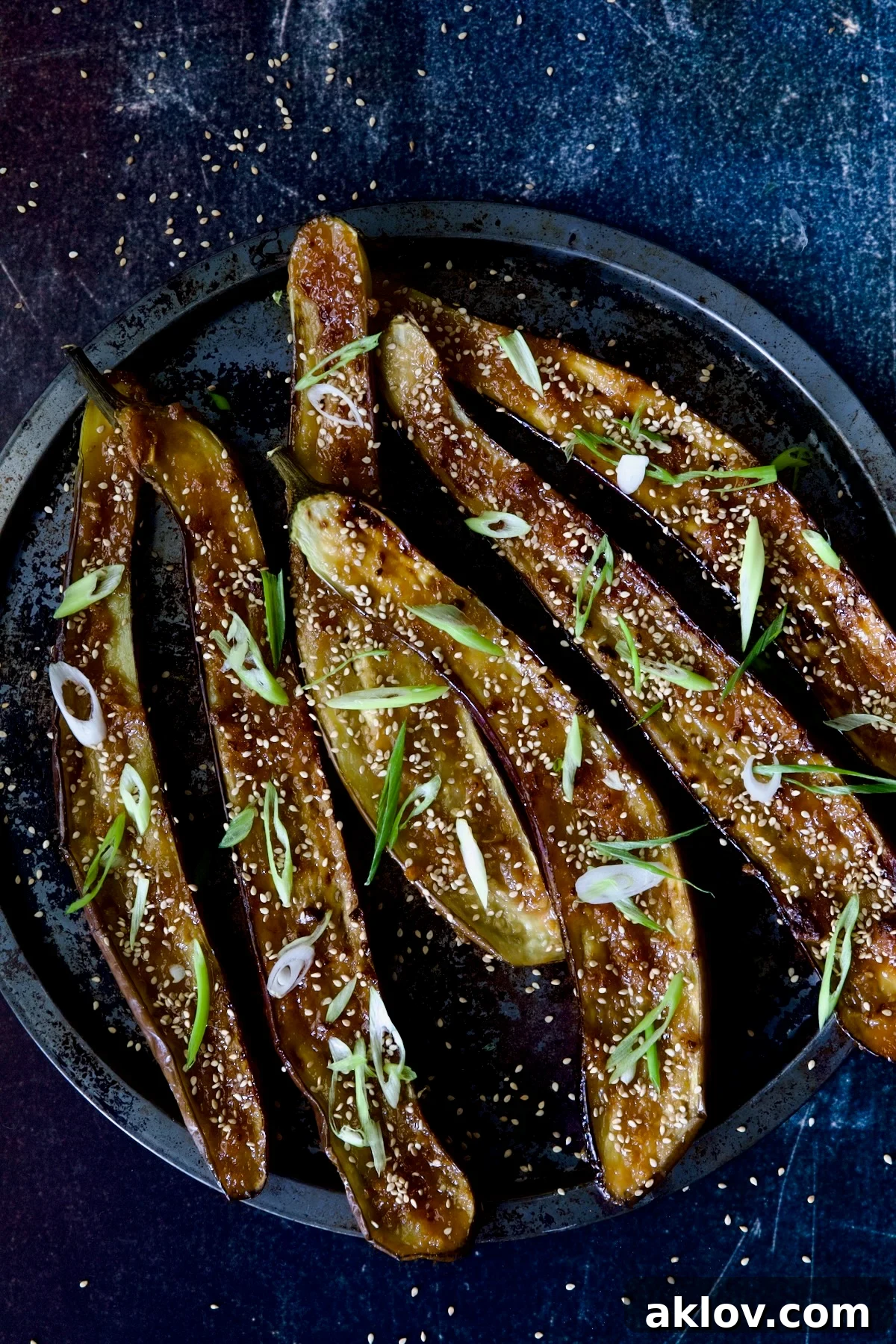
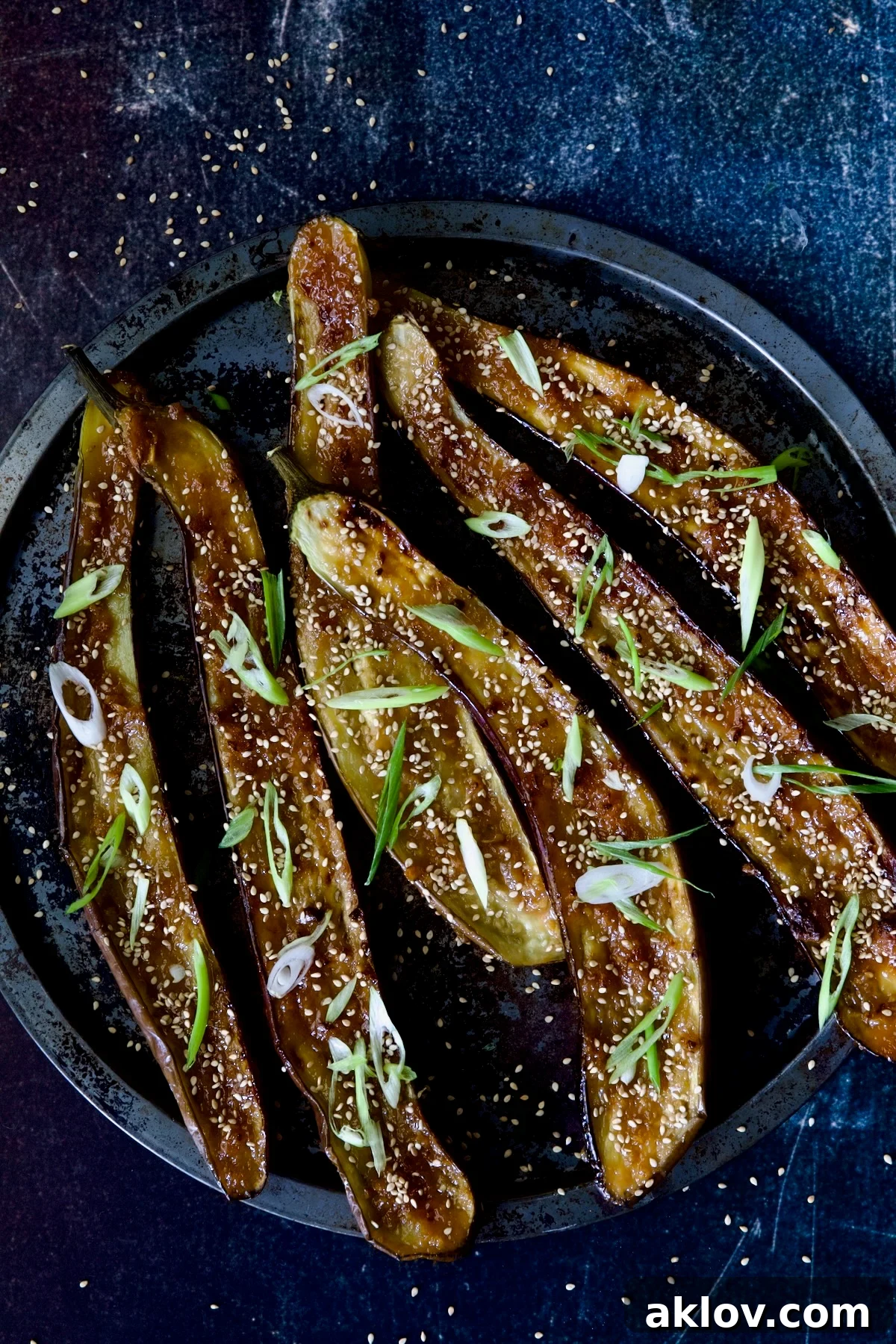
Embark on a culinary journey to Japan with this incredibly easy and deeply flavorful Miso Eggplant recipe, inspired by the revered classic, Nasu Dengaku. This traditional Japanese starter is celebrated for its irresistible combination of tender eggplant and a rich, umami-packed miso glaze. Our simplified version brings that authentic taste right into your kitchen with minimal effort. The luscious miso glaze comes together in minutes, is generously brushed onto perfectly baked eggplant halves, and then briefly caramelized under the broiler for that sought-after golden-brown finish. This dish is not just a side; it’s a star that perfectly complements Asian lettuce wraps, Asian Turkey Meatballs, or stands proudly as a meatless main course.
“We just had this with dinner and paired it with the Asian beef lettuce wraps. These eggplants were extremely easy to make and so packed with flavor.”
Why This Miso Eggplant Recipe Will Become a Favorite
Eggplant often divides opinions – some adore its versatility, while others remain skeptical. However, a single bite of a well-prepared eggplant dish can convert even the staunchest critics. Take my husband, for instance, who was an eggplant skeptic until he tried my Air-Fryer Eggplant Fries. This Miso Eggplant recipe has that same magical power!
What makes this dish a true keeper? Firstly, its captivating blend of authentic Asian flavors. The rich miso glaze is a symphony of umami, sweetness, and a hint of spice, crafted from staple ingredients like miso paste, mirin, soy sauce, fresh ginger, garlic, and a sprinkle of sesame seeds. While these exotic ingredients once required a trip to a specialized international market, they are now conveniently available in most mainstream grocery stores, making this gourmet experience accessible to everyone.
Secondly, its incredible ease and speed. You can prepare this elegant and satisfying side dish or light meal in under 30 minutes, making it perfect for busy weeknights or impromptu gatherings. Pair it effortlessly with Asian Beef and Shishito Pepper Skewers, or serve it alongside a bowl of fluffy rice or quinoa for a delightful Asian-inspired meatless meal. The tender, creamy texture of baked eggplant combined with the sticky, savory-sweet glaze creates a truly unforgettable taste experience that will have you coming back for more.
Mastering Miso Eggplant: A Step-by-Step Guide
Creating this exquisite Miso Eggplant is surprisingly straightforward. Follow these simple steps to achieve a perfectly balanced and deeply satisfying dish.
Essential Ingredients for Miso Eggplant
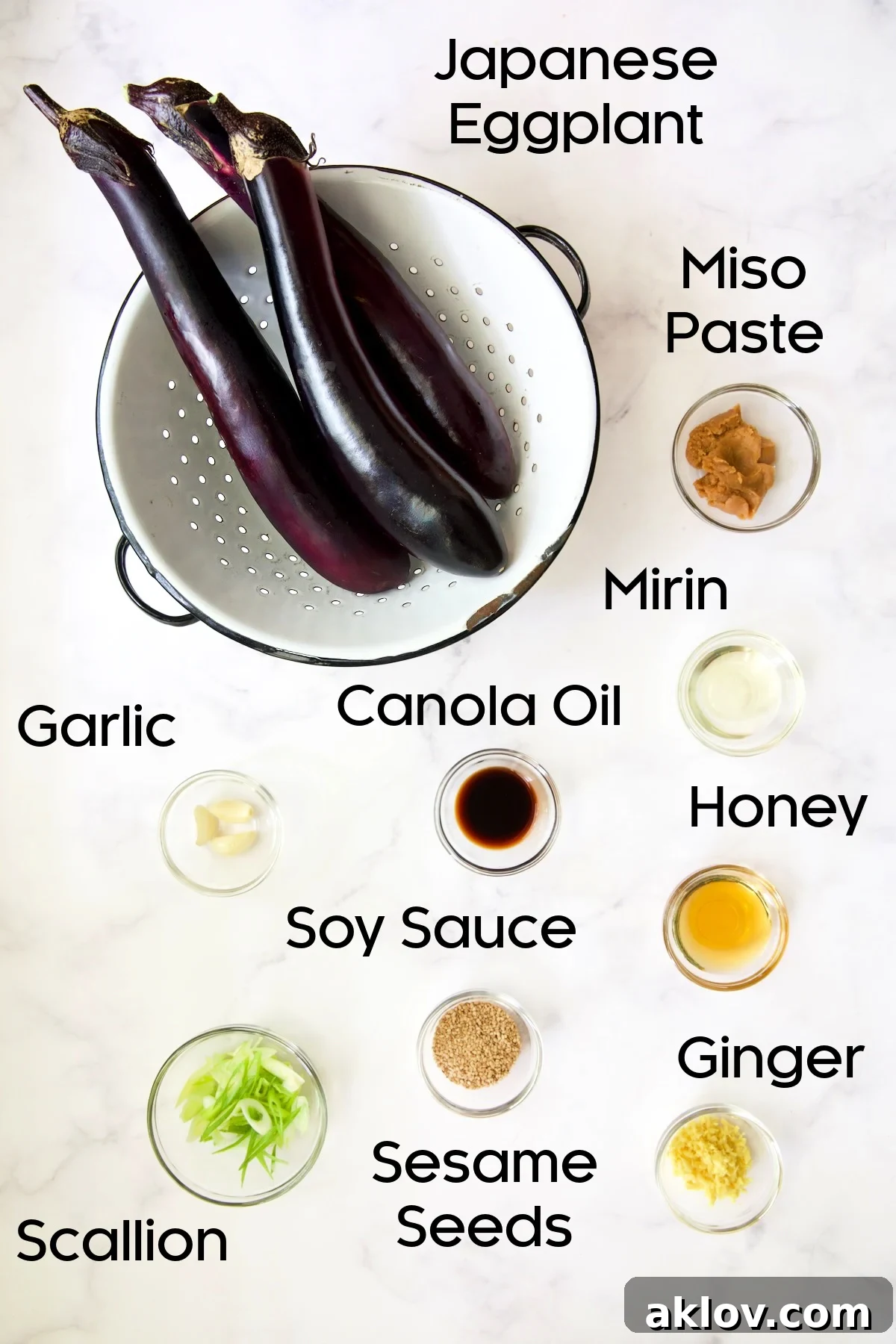
Here’s a detailed look at the ingredients you’ll need to create this delectable miso eggplant. The exact quantities are provided in the recipe card below, but understanding each component will enhance your cooking experience.
Ingredient Notes and Smart Substitutions:
- Eggplant: For this recipe, I’ve chosen slender Japanese eggplant, known for its delicate skin and mild flavor, which requires no peeling. However, almost any type of eggplant can be used! Regular globe (or American) eggplant, readily available in most grocery stores, works wonderfully. When using globe eggplant, opt for smaller to medium-sized varieties, slice them lengthwise, and consider scoring the flesh to help it absorb the glaze and cook more evenly. If you have very large globe eggplant, cutting it into thick slices (½ to ¾-inch) before baking and broiling is recommended.
- Miso Paste: Miso is a cornerstone of Japanese cuisine, a fermented soybean paste that delivers a profound umami richness. There are three primary types:
- White Miso (Shiro Miso): This is what I’ve used in this recipe. It’s made with a higher proportion of rice koji and a shorter fermentation time, resulting in a milder, sweeter, and less salty flavor compared to other types. Its light color and gentle taste make it incredibly versatile.
- Yellow Miso (Shinshu Miso): Fermented for a moderate period, yellow miso offers a balanced flavor that’s slightly more robust than white miso but still versatile for various dishes.
- Red Miso (Aka Miso): Characterized by a longer fermentation period and often a higher soybean content, red miso is the boldest and saltiest of the three. It’s best used when you want a strong, pungent miso flavor.
Miso paste is an excellent ingredient to keep on hand; it lasts a very long time in the refrigerator due to its high salt content and fermentation process. It’s fantastic in dressings, marinades, soups, and glazes.
- Mirin: This sweet rice wine is indispensable in Japanese cooking, adding a subtle sweetness and a beautiful sheen to dishes. You’ll find it alongside other Asian pantry essentials. If mirin is unavailable or you prefer not to purchase it, you can create a suitable substitute: combine 2 tablespoons of dry white wine with 1 teaspoon of granulated sugar. For a **NON-ALCOHOLIC SUBSTITUTE**, mix 2 tablespoons of rice vinegar with 1 teaspoon of granulated sugar.
- Soy Sauce: A key component for savory depth. I often opt for Kikkoman Less Sodium Soy Sauce as I find the flavor of regular soy sauce to be quite intense, allowing the other delicate flavors of the glaze to shine through. Feel free to use your preferred soy sauce; for a gluten-free option, tamari is an excellent choice.
- Fresh Ginger & Garlic: These aromatic powerhouses provide a fresh, zesty kick and essential depth to the miso glaze. Always opt for fresh ginger and garlic for the best flavor.
- Honey: Adds a touch of natural sweetness to balance the savory miso and soy sauce, contributing to the glaze’s perfect caramelization.
Detailed Step-By-Step Instructions:
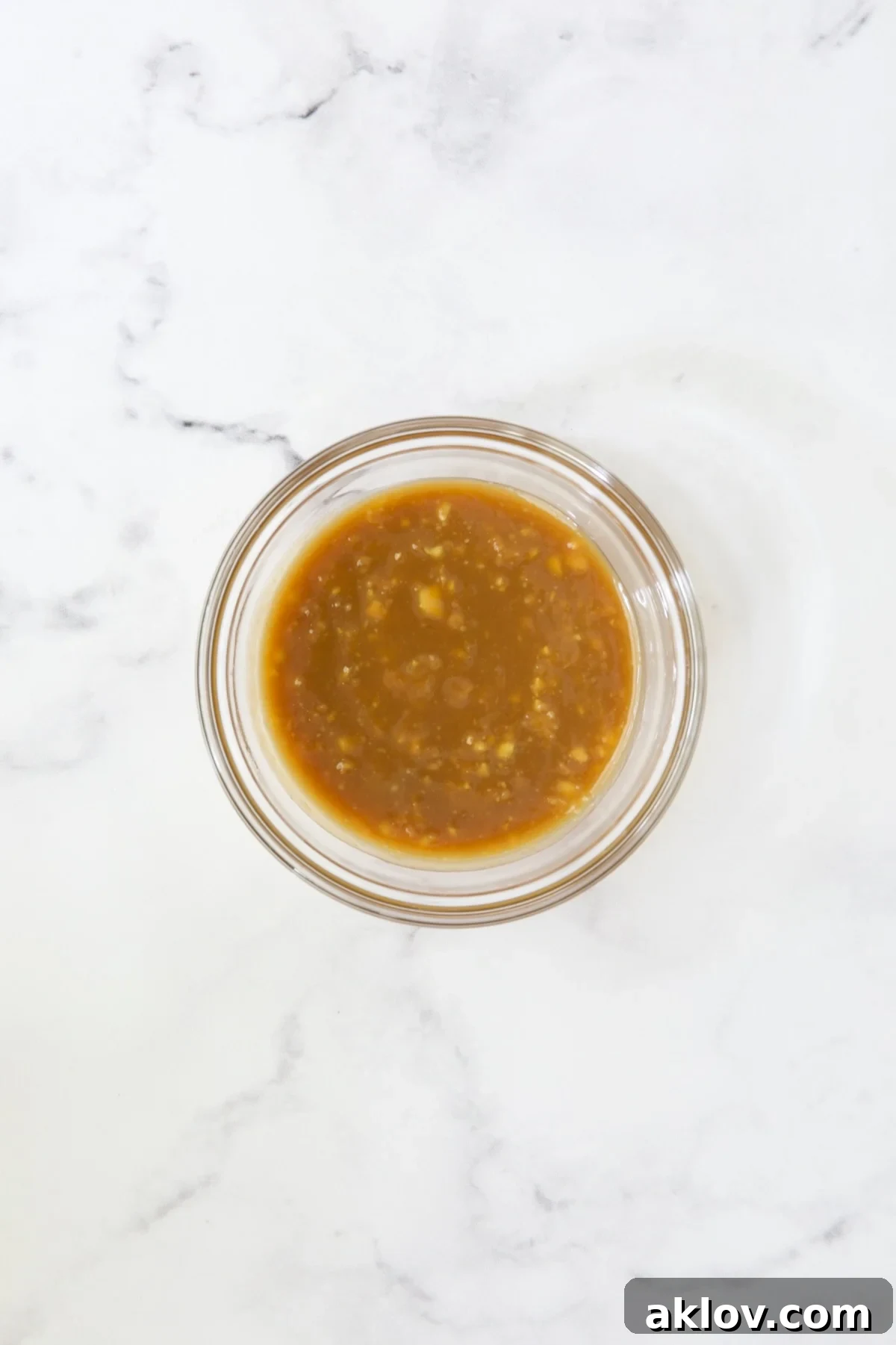
- 1. Prepare Your Glaze: Begin by gathering all your glaze ingredients. In a small bowl, thoroughly whisk together the white miso paste, mirin, soy sauce, honey, minced fresh ginger, and crushed garlic until smooth and well combined. Set this fragrant, umami-rich mixture aside.
- 2. Preheat Oven & Prepare Baking Sheet: Preheat your oven to 400 degrees Fahrenheit (200 degrees Celsius). This initial baking step will tenderize the eggplant. You’ll be using your broiler briefly later to caramelize the glaze. For easy cleanup, use a nonstick baking sheet or line a regular baking sheet with aluminum foil (regular or nonstick). Avoid parchment paper if you intend to broil on the same sheet, as parchment can burn under direct broiler heat. If you must use parchment, remove it before broiling.
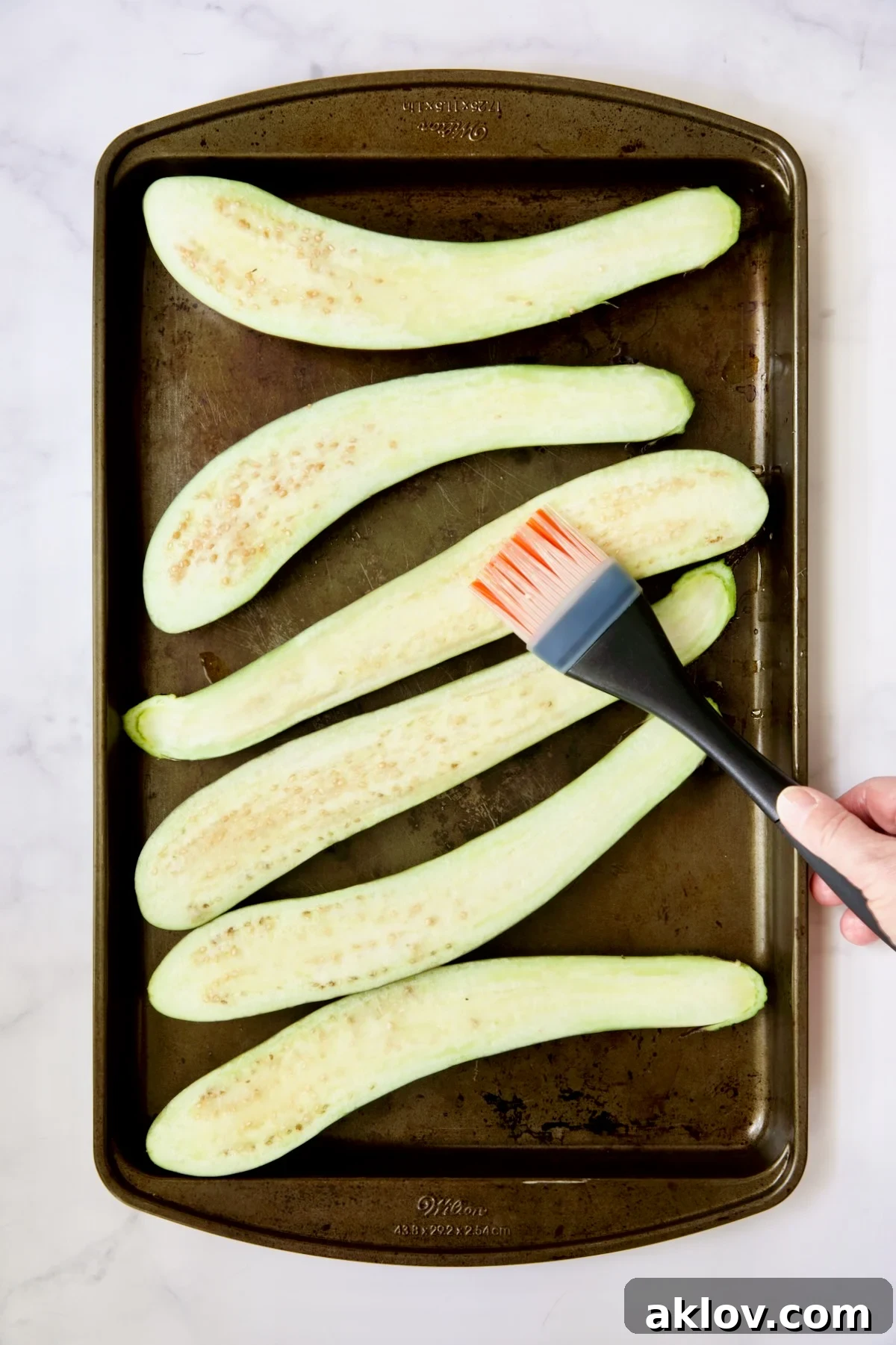
- 3. Prepare Eggplant: Wash the Japanese eggplants and cut them in half lengthwise. No need to peel Japanese eggplant as their skin is thin and tender. Lightly brush the cut sides of the eggplant with canola or vegetable oil. This helps them achieve a nice roasted texture and prevents sticking.
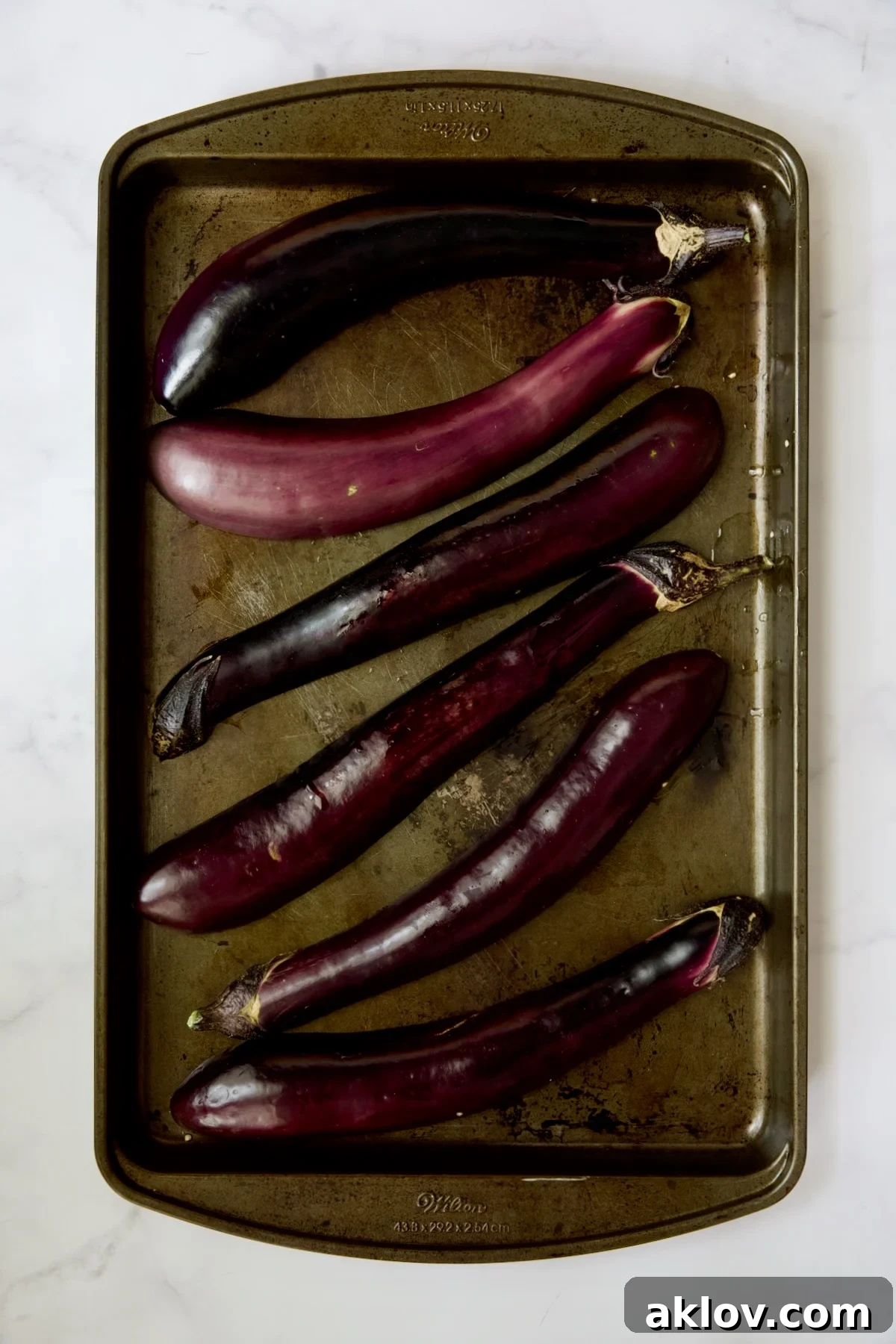
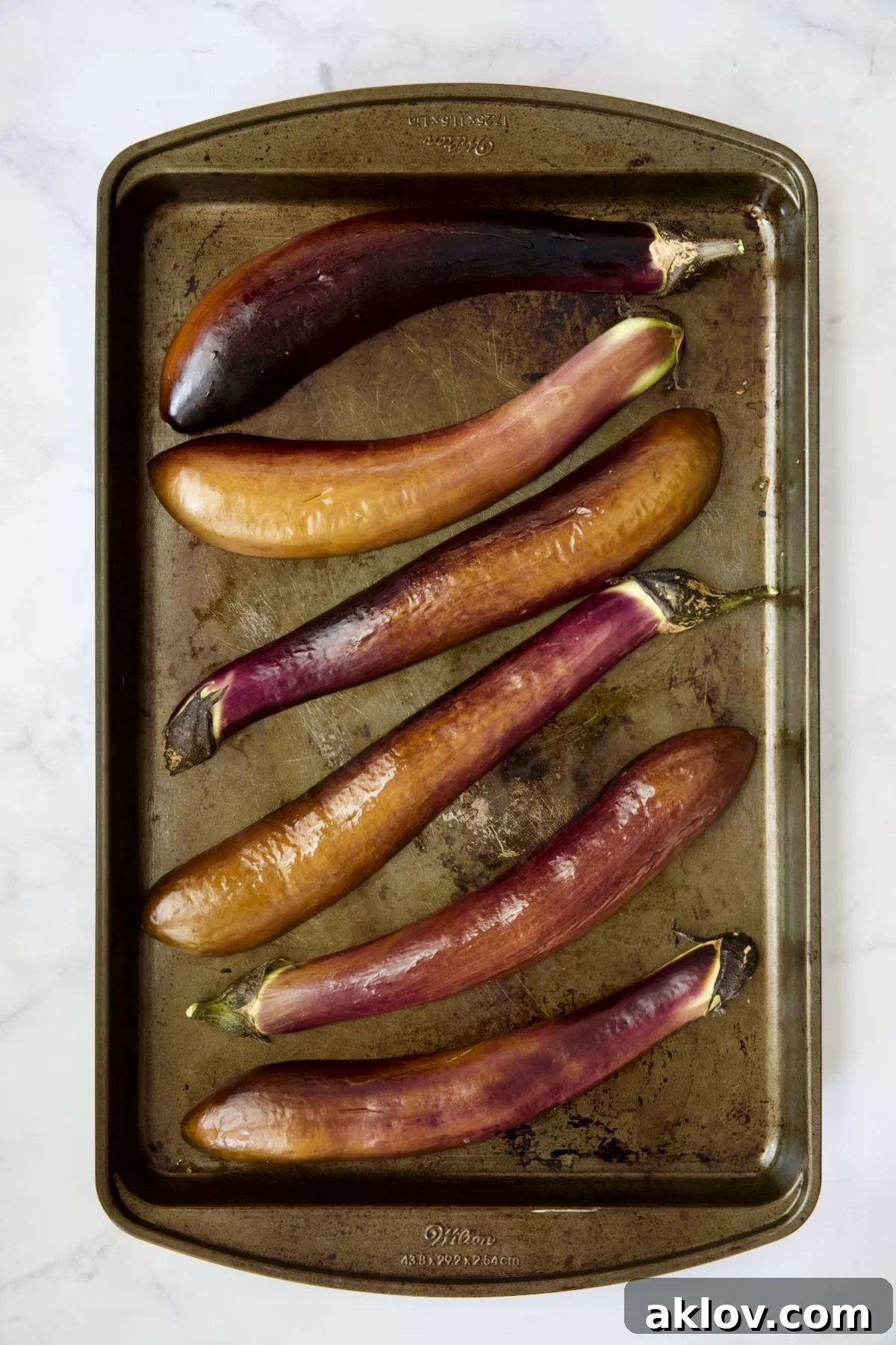
- 4. Bake Until Tender: Place the oiled eggplant halves cut-side down on your prepared baking sheet. Bake for approximately 15 minutes, or until the eggplant is fork-tender and can be easily pierced with a paring knife. The goal here is to soften the eggplant thoroughly before glazing.
- 5. Prepare for Broiling: Once the eggplant is tender, turn on your broiler. Adjust an oven rack to be approximately 8 inches away from the broiler element. This distance is crucial for achieving a beautiful caramelization without burning the glaze too quickly.
- 6. Glaze the Eggplant: Flip the baked eggplant halves over so the cut side faces up. Generously brush each piece with the prepared miso glaze, ensuring you use all of it for maximum flavor. The eggplant will soak up the rich, savory-sweet mixture.
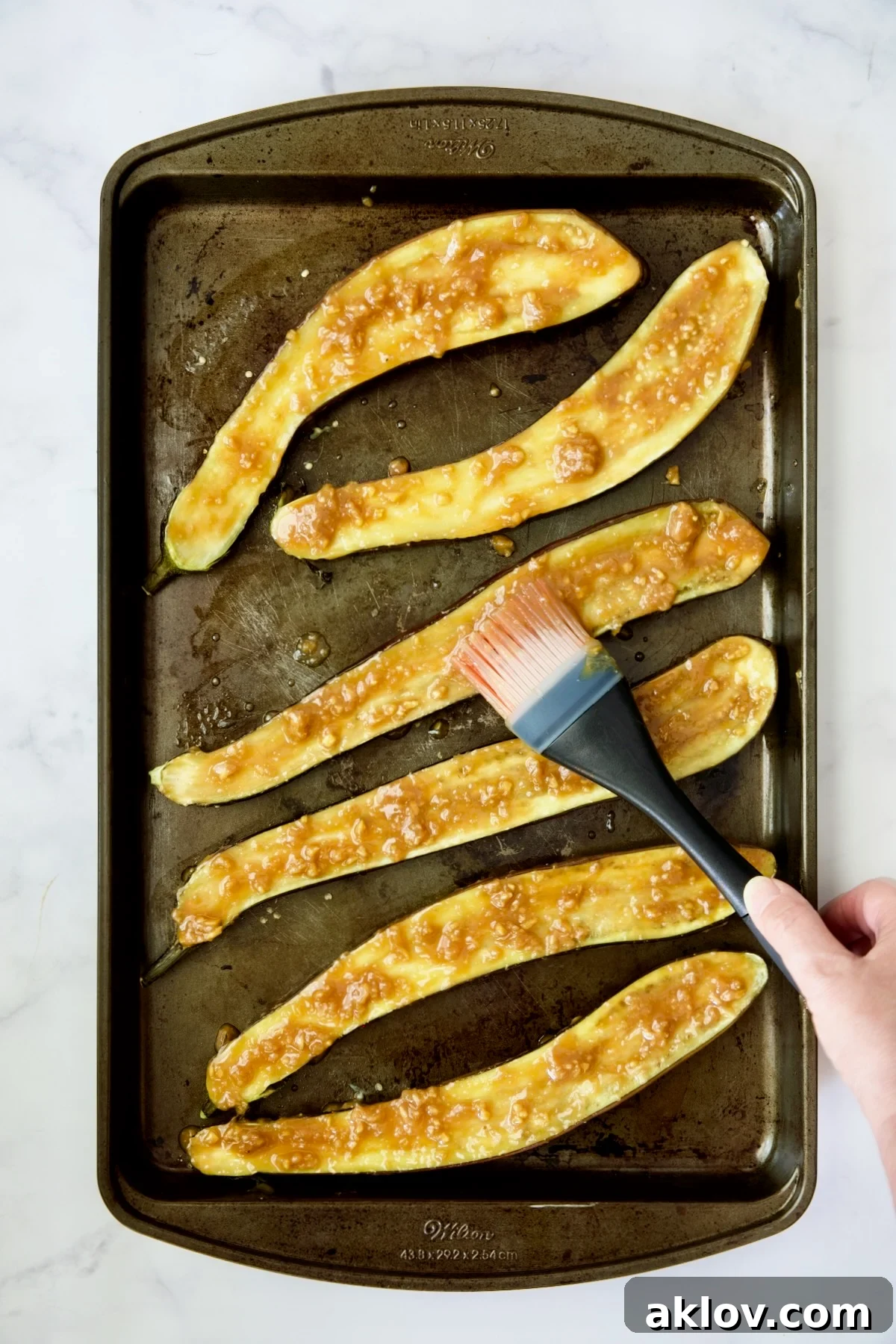
- 7. Broil to Perfection: Carefully transfer the baking sheet with the glazed eggplant to the oven, positioning it under the preheated broiler. Broil for about 3 minutes, or until the miso glaze begins to lightly char and caramelize, developing a beautiful golden-brown color and a sticky texture. Crucially, keep a very close eye on it during this step, as the glaze can brown and burn very quickly under the intense heat!
- 8. Garnish and Serve: And just like that, you have achieved culinary perfection!
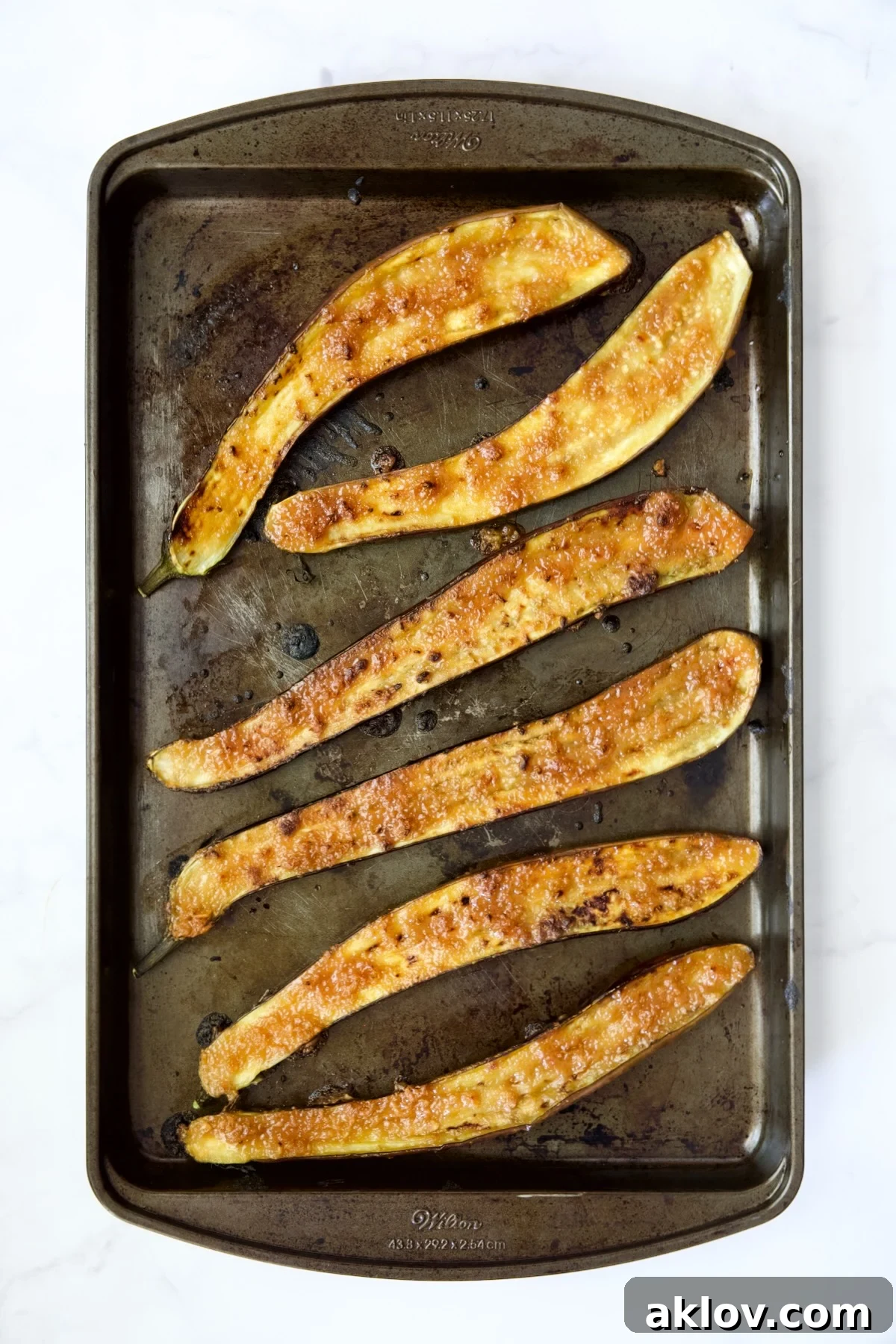
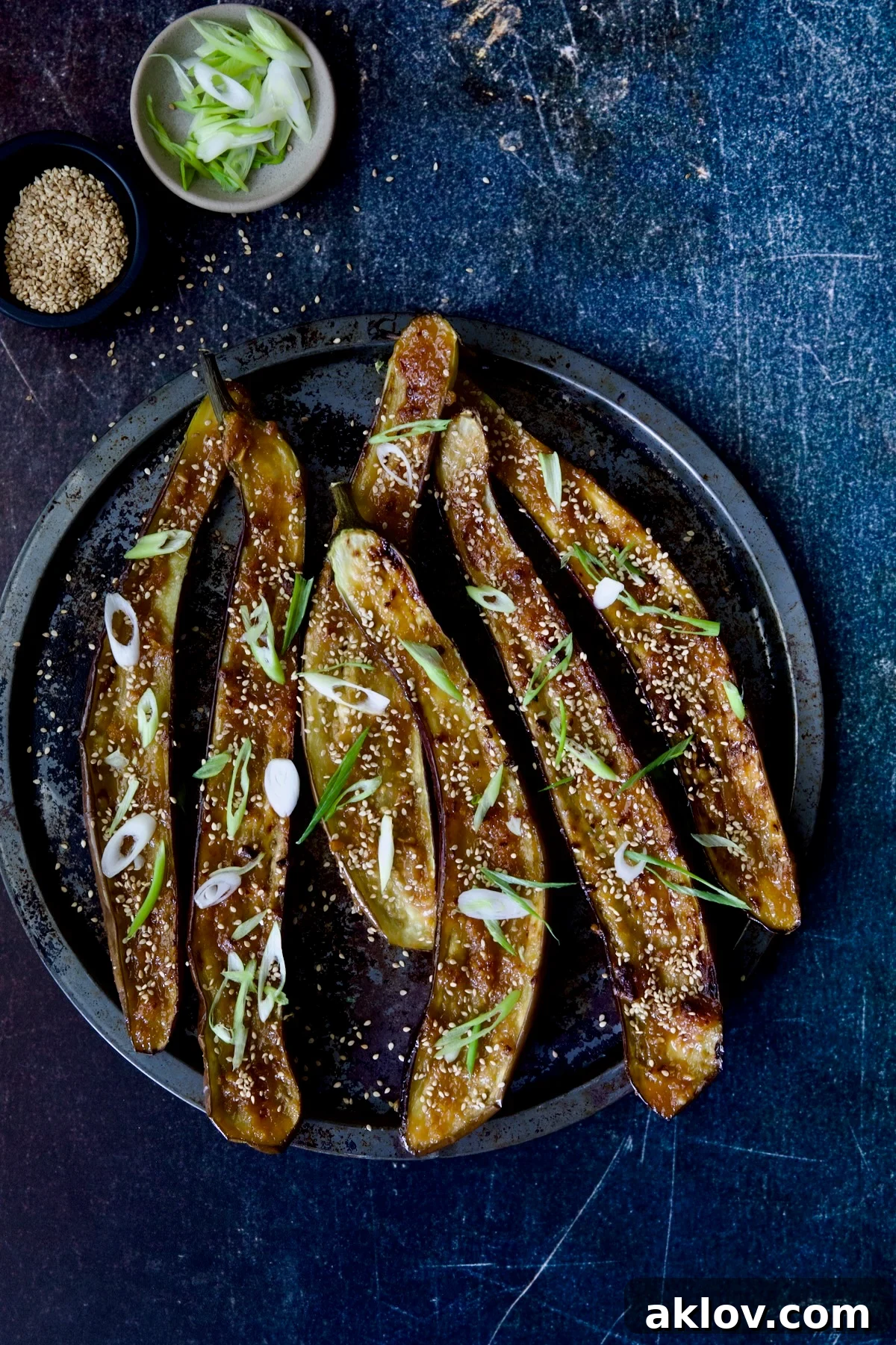
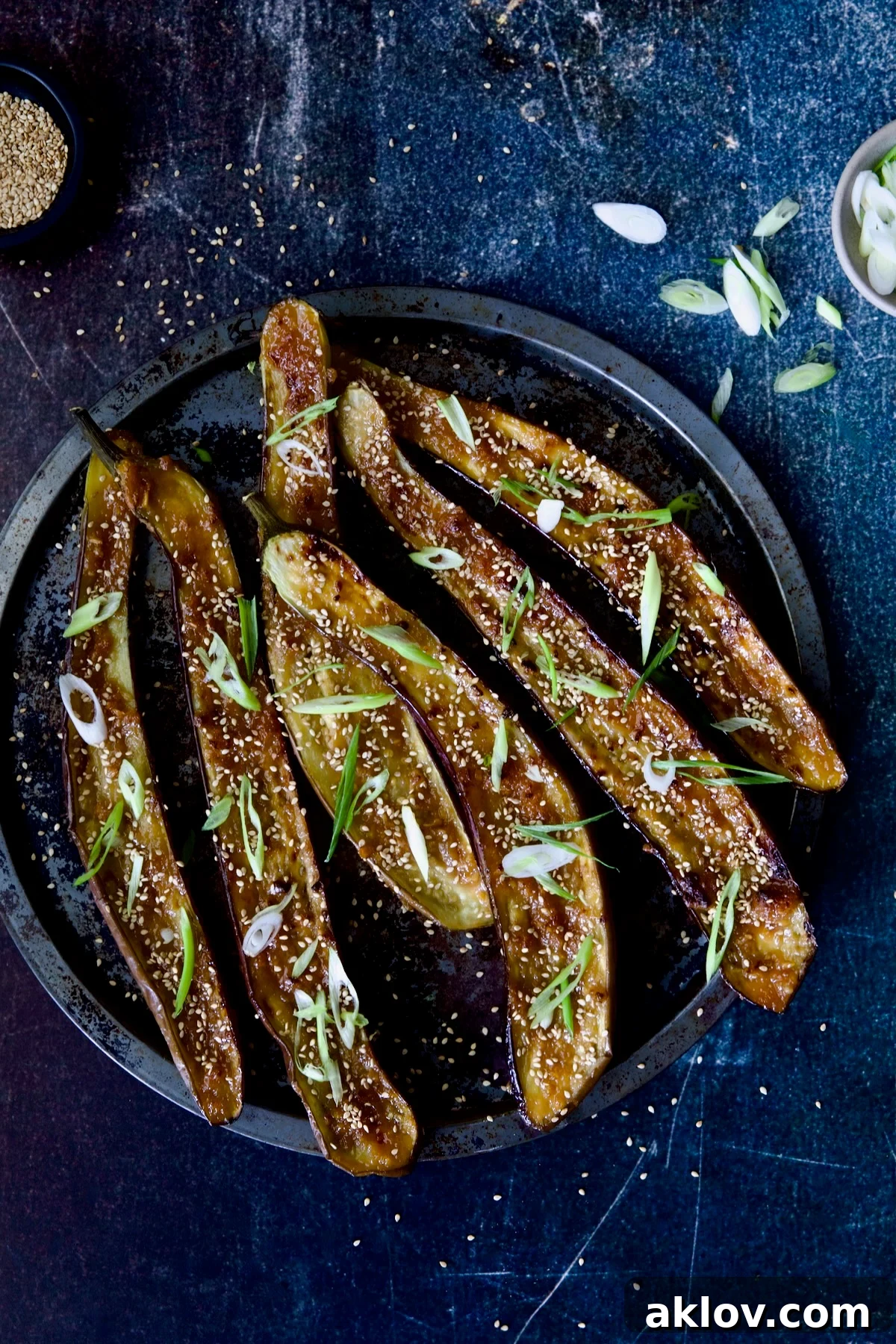
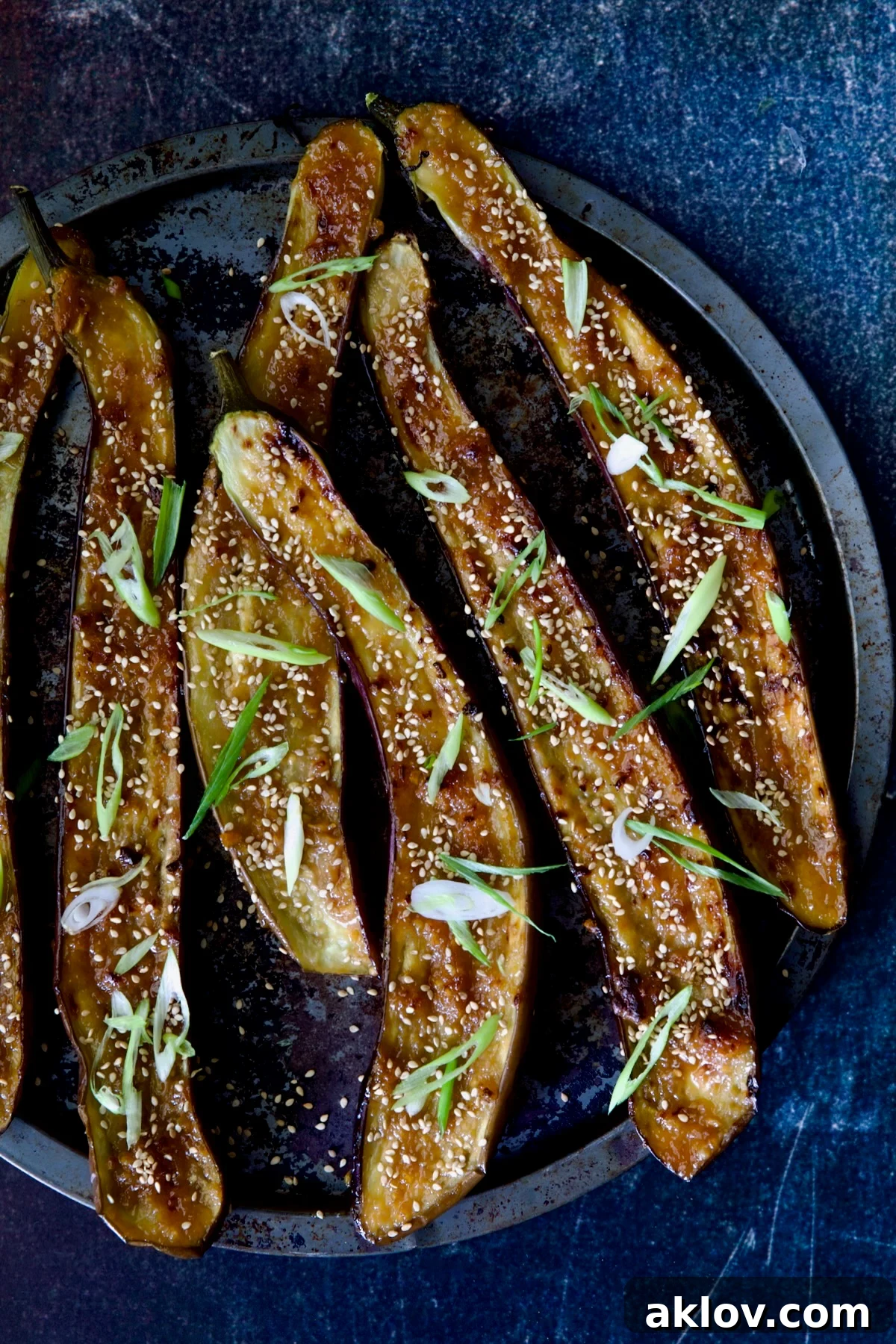
- Sprinkle generously with toasted sesame seeds and thinly sliced scallions (green onions) immediately after removing from the oven. These garnishes add a delightful textural contrast and a fresh burst of flavor. Serve your sensational Miso Eggplant hot and enjoy! I am confident you will absolutely love this easy miso eggplant recipe because it’s truly exceptional!
Chef’s Essential Tips for Success:
- Toasting Sesame Seeds for Maximum Flavor: While pre-toasted sesame seeds are available, toasting them yourself elevates their nutty aroma and flavor considerably. It’s incredibly simple! Place raw sesame seeds in a dry, nonstick skillet over medium heat. Toast for 3-4 minutes, stirring constantly, until they turn a light golden color and become fragrant. They can go from perfect to burnt very quickly, so do not leave them unattended! Immediately transfer them to a plate to cool to prevent further cooking.
- Selecting the Best Eggplant: Choose eggplants that are firm, shiny, and heavy for their size. Avoid those with soft spots or blemishes. Smaller Japanese eggplants tend to be sweeter and less bitter than larger globe varieties.
- Broiler Vigilance: The broiler is your friend for caramelization, but it demands your full attention. Foods can burn in seconds, so stand by the oven and watch carefully as the glaze bubbles and darkens.
- Make Ahead Tip: The miso glaze can be prepared 1-2 days in advance and stored in an airtight container in the refrigerator. This allows the flavors to meld beautifully and makes meal prep even faster!
Frequently Asked Questions About Miso Eggplant:
Absolutely! Select small to medium-sized globe eggplants. Cut them in half lengthwise. To help them absorb the glaze and cook evenly, score the inside flesh diagonally in two directions, creating a criss-cross pattern. Brush the cut sides with oil, then bake at 400 degrees Fahrenheit (200 degrees Celsius) until they are tender and easily pierced with a paring knife. Then, proceed with brushing the cooked eggplant with the miso glaze and broil as directed in the recipe. If you only have very large globe eggplant, cut it into thick slices (1/2 to 3/4-inch), bake, then brush with the miso blend and broil.
Yes, grilling is a fantastic option that adds a lovely smoky char! Cook the eggplant halves cut-side down over medium-low heat on a preheated grill until they are easily pierced with a knife and tender. Then, turn them over, brush generously with the miso glaze, flip them back over, and grill for no more than one minute to caramelize the glaze. Watch closely to prevent burning!
Miso paste boasts an impressive shelf life. Due to its fermentation and high salt content, it can be kept in your refrigerator for an extended period, often up to a year or even longer, without spoiling. However, for optimal flavor quality, it’s best to use it within 6-12 months, as its vibrant taste may subtly diminish over time.
This recipe is naturally vegetarian. To make it vegan, ensure your miso paste is vegan-friendly (most are, but check labels). Substitute honey with maple syrup or agave nectar. For a gluten-free version, simply use tamari instead of regular soy sauce, as tamari is a gluten-free alternative that offers a similar savory flavor profile.
Store any leftover Miso Eggplant in an airtight container in the refrigerator for up to 3-4 days. To reheat, gently warm it in a microwave or a preheated oven (around 300°F/150°C) until heated through. Be careful not to overcook, as eggplant can become mushy. The broiler is generally not recommended for reheating as it can dry out or burn the glaze.
Perfect Pairings: What to Serve with Miso Eggplant
This Miso Eggplant dish is incredibly versatile and pairs wonderfully with a variety of Asian-inspired meals. Here are some fantastic suggestions to complete your culinary experience:
- Spicy Asian Pork Cabbage Rolls
- Sesame Beef and Asparagus Stir-Fry
- Asian Chicken Meatballs
- Asian Beef Lettuce Wraps
Explore More Delicious Eggplant Recipes You’ll Love!
If you’ve fallen in love with the humble eggplant through this miso dish, you’ll be thrilled to discover its incredible potential in a range of other recipes. From crispy fries to hearty casseroles, eggplant offers a unique texture and flavor that adapts beautifully to many cuisines:
- Air Fryer Eggplant Fries Recipe with Garlic Basil Aioli
- Loaded Roasted Eggplant Dip (Baba Ganoush)
- Turkish Eggplant Casserole – Imam Bayildi
- Healthier Eggplant Parmesan Stacks
Find all my delightful vegetable side dish creations at Vegetable Side Dish Recipes – From A Chef’s Kitchen.
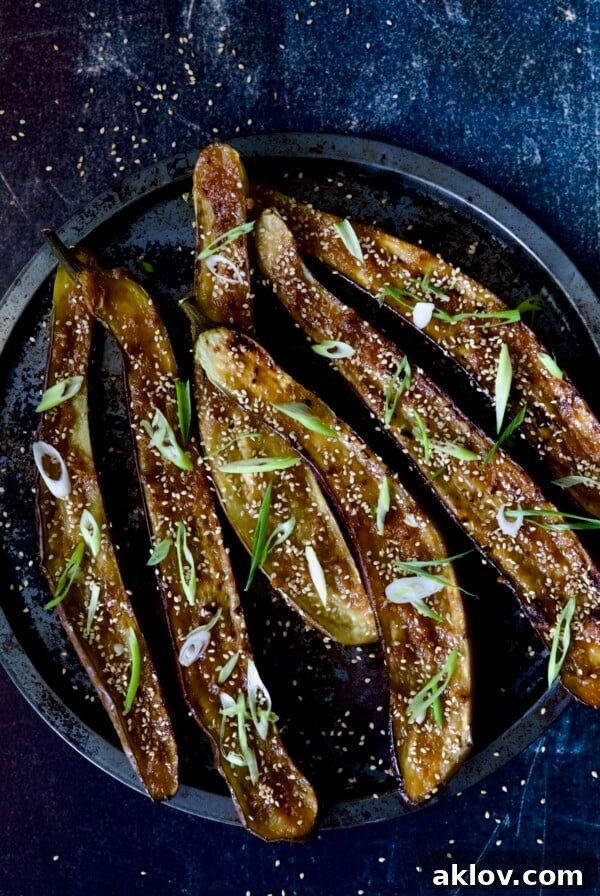
Miso Eggplant
Carol | From A Chef’s Kitchen
5 mins
20 mins
25 mins
6
Equipment
-
Wusthof Chef Knife
-
Cutting Board
-
Glass Mixing Bowls
-
Rimmed Sheet Pan
Ingredients
- 2 tablespoons white miso
- 2 tablespoons mirin
- 2 tablespoons soy sauce, preferably low-sodium
- 1 tablespoon honey
- 1 tablespoon minced ginger
- 3 cloves garlic, crushed through a garlic press
- 3 Japanese eggplants, halved lengthwise
- 2 tablespoons canola oil, for brushing the eggplant
- 1 scallion, thinly sliced diagonally, for garnish
- toasted sesame seeds, for garnish
Instructions
-
Whisk together the first 6 ingredients (miso through garlic) in a small bowl and set aside.
-
Preheat the oven to 400 degrees.
-
Lightly brush the halved eggplant with canola oil and place flesh side down on a nonstick baking sheet or baking sheet lined with regular or nonstick aluminum foil.
-
Bake for 15 minutes or until you can easily pierce the eggplants with a paring knife.
-
Preheat the broiler. Place a rack approximately 8 inches from the broiler.
-
Turn the eggplants over and brush with the miso glaze—using it all up.
-
Place under the broiler and broil for 3 minutes or until the glaze is lightly charred.
-
Sprinkle with sesame seeds and sliced scallion and serve immediately.
Notes
- Can use almost any type of eggplant, such as regular globe eggplant.
- NON-ALCOHOLIC SUBSTITUTION: Use 2 tablespoons of rice vinegar with 1 teaspoon of granulated sugar.
MAKE AHEAD:
- The miso blend can be mixed together 1-2 days ahead of time.
Nutrition
Serving:
1
Calories:
107kcal
Carbohydrates:
14g
Protein:
3g
Fat:
5g
Saturated Fat:
0.4g
Polyunsaturated Fat:
2g
Monounsaturated Fat:
3g
Trans Fat:
0.02g
Sodium:
593mg
Potassium:
302mg
Fiber:
4g
Sugar:
9g
Vitamin A:
51IU
Vitamin C:
3mg
Calcium:
19mg
Iron:
1mg
Nutritional values are automatically calculated using unbranded products and are estimates only. Actual results may vary based on ingredients used and portion sizes. Adjust as needed for dietary restrictions, allergies, or health concerns.
 Like this? Leave a comment below!