
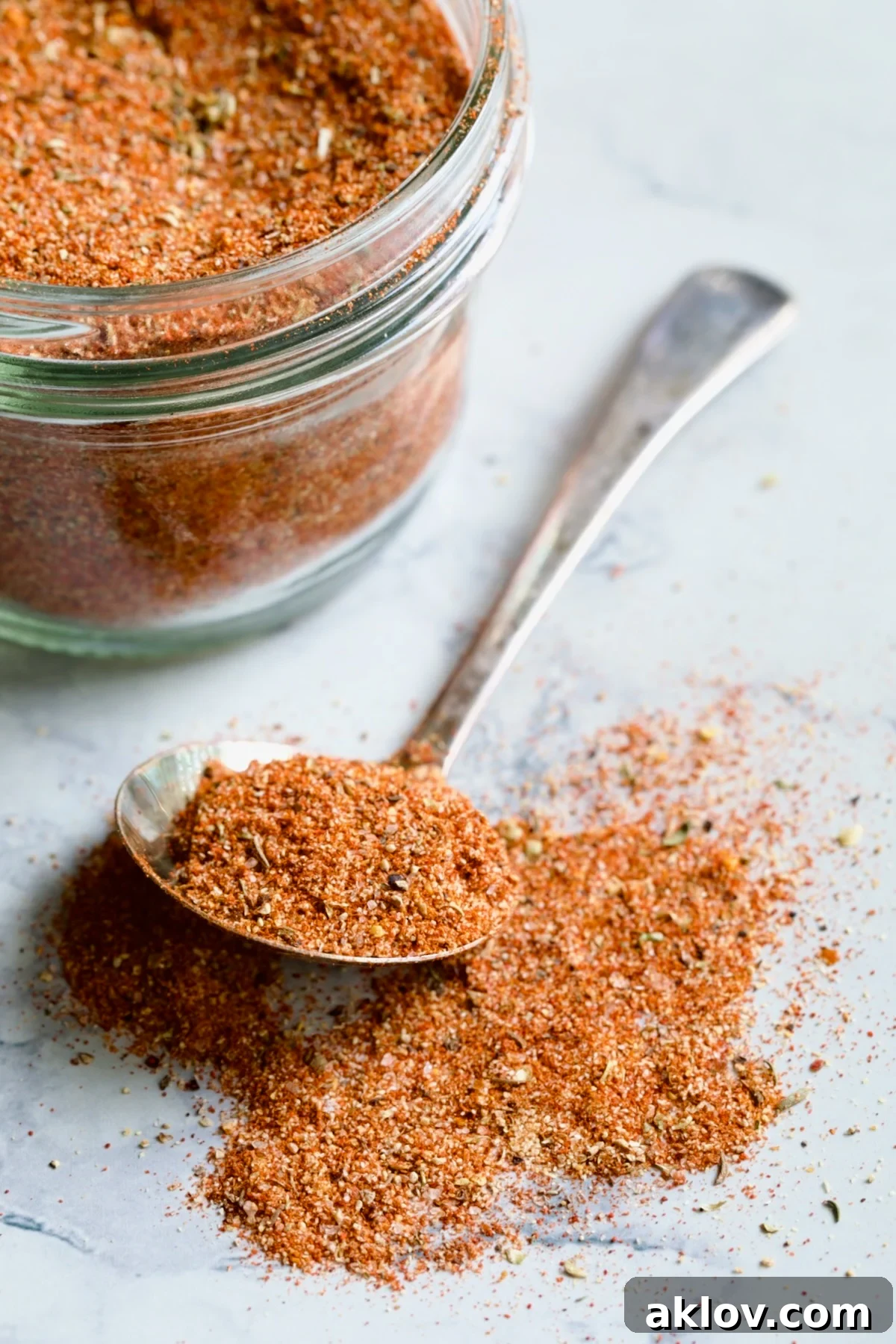
Homemade Blackening Seasoning: Your Ultimate Guide to Authentic Cajun Flavor
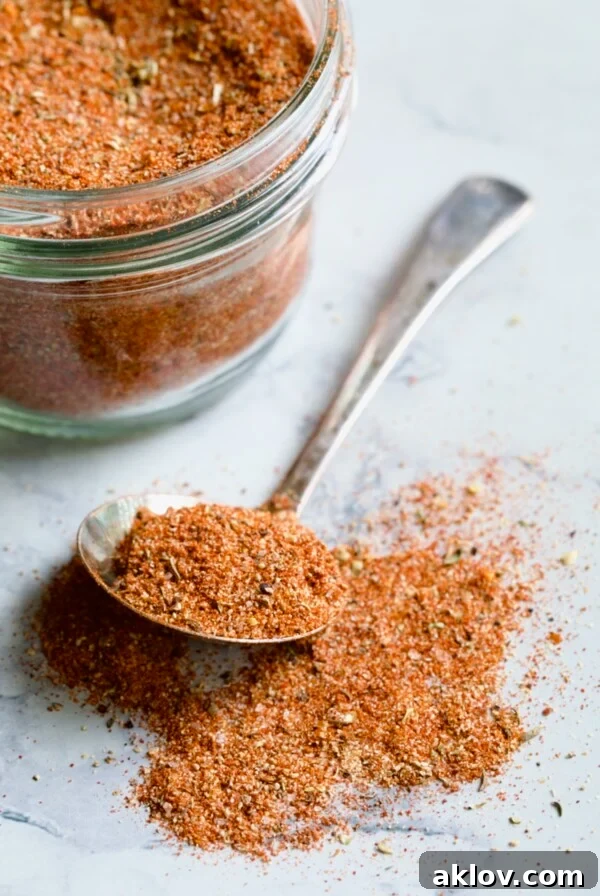
Unleash a wave of bold, spicy, and smoky flavor in your kitchen with this incredible homemade Blackening Seasoning blend! Forget store-bought mixes laden with unwanted additives; this recipe allows you to create an authentic, versatile spice blend from scratch using common pantry staples. Perfect for igniting the taste buds, this robust seasoning effortlessly transforms ordinary meals into extraordinary culinary experiences.
Whether you’re searing delicate shrimp, flaky fish, succulent chicken, tender pork, or hearty beef, this blackening spice mix delivers a signature sizzle and deep, savory notes. It’s designed to bring the vibrant flavors of New Orleans straight to your plate, all without any preservatives or artificial ingredients.
“I’ve been using this blackening recipe for years for your Blackened Halibut with Mango and Avocado Salsa. It is SO GOOD!”
What is Blackening? The Culinary Technique Explained
Blackening is a distinctive Cajun cooking technique popularized by legendary New Orleans Chef Paul Prudhomme in the 1980s. Far from merely burning food, blackening refers to a specific method of cooking where a generous coating of a unique blend of herbs and spices – known as a blackening mix – is applied to fish, meat, or poultry. This coated ingredient is then seared quickly at an extremely high temperature, typically in a smoking hot, well-seasoned cast-iron skillet.
The intense heat causes the milk solids in butter (often clarified butter is used) to brown rapidly and the spices to char, forming a dark, flavorful, and slightly crusty exterior. This process creates a remarkable contrast: a deeply flavored, dark crust on the outside, while the interior remains moist, tender, and juicy. The “blackened” appearance is a result of the spices caramelizing and toasting, not actual burning, delivering an intense, smoky, and spicy flavor profile that is utterly irresistible. A good quality, seasoned cast-iron skillet is absolutely essential for achieving the perfect blackened crust, as it can withstand the high temperatures required without warping and distributes heat evenly for optimal searing.
Why This Homemade Blackening Seasoning Recipe is a Keeper!
This authentic blackening seasoning recipe isn’t just another spice blend; it’s a game-changer for your culinary repertoire. Rooted in traditional Cajun/Creole flavors, it provides a perfect balance of depth, heat, and smokiness that will elevate virtually any dish. Here’s why this particular recipe stands out and deserves a permanent spot in your pantry:
- Authentic and Flavorful: This blend captures the true essence of New Orleans blackening, using a carefully selected combination of spices that deliver a complex, robust flavor profile.
- Made with Pantry Staples: You likely already have most, if not all, of these everyday spices in your kitchen, making it incredibly easy and convenient to whip up.
- Unmatched Control Over Ingredients: Unlike store-bought options that often contain excessive sodium, anti-caking agents, or obscure preservatives, making your own blend puts you in complete control. You dictate the amount of salt, the intensity of the heat, and ensure only pure, natural flavor goes into your food.
- Versatile Application: Beyond its primary use for blackening meats and seafood, this blend is incredibly versatile. Sprinkle it over roasted vegetables, stir it into rice or grains, season potatoes before roasting, or use it as a general all-purpose rub for grilling.
- Customizable Heat Level: Prefer a milder kick? Reduce the cayenne pepper. Love intense heat? Amp it up! You can also adjust the black pepper for an alternative source of warmth, tailoring the spice to your exact preference.
- Additive and Preservative-Free: Enjoy peace of mind knowing your seasoning contains only pure spices, free from any artificial colors, flavors, or harmful additives.
- Sugar-Free: Many commercial spice blends include sugar, which can burn easily. This recipe is sugar-free, ensuring a perfect, non-burnt blackened crust every time.
- Generous Yield: This recipe makes approximately one cup of seasoning, providing plenty for multiple meals. It’s also easily scalable if you need a smaller batch or want to prepare a large quantity for future use.
- Cost-Effective: Buying individual spices is often more economical in the long run than purchasing pre-made mixes, especially when you consider the quality and quantity you get.
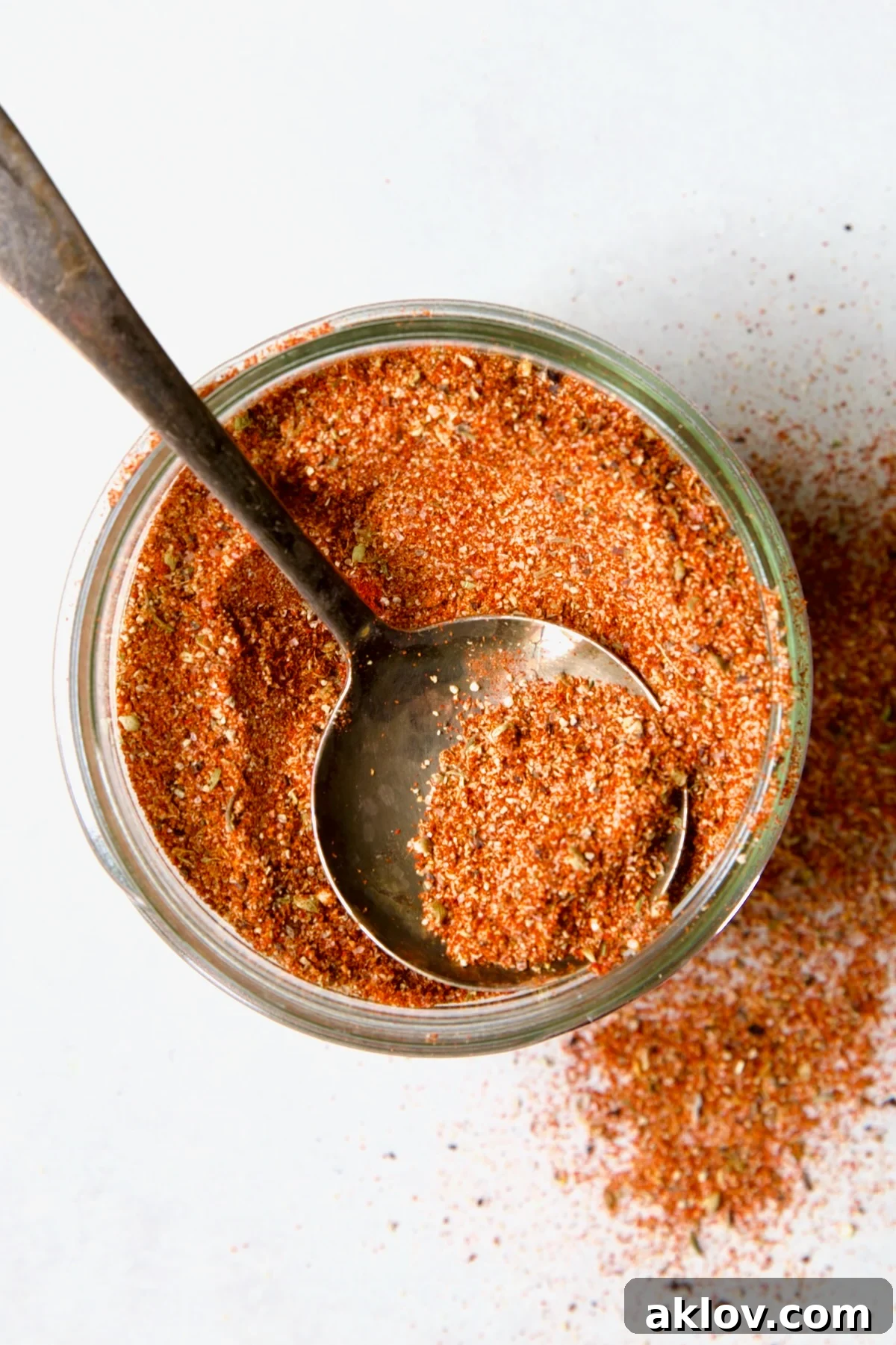
How to Make This Homemade Blackening Seasoning: Simple Steps to Big Flavor
Crafting your own blackening seasoning at home is incredibly straightforward and requires no special equipment. Follow these simple steps to create a blend that will quickly become a kitchen favorite.
Essential Recipe Ingredients:
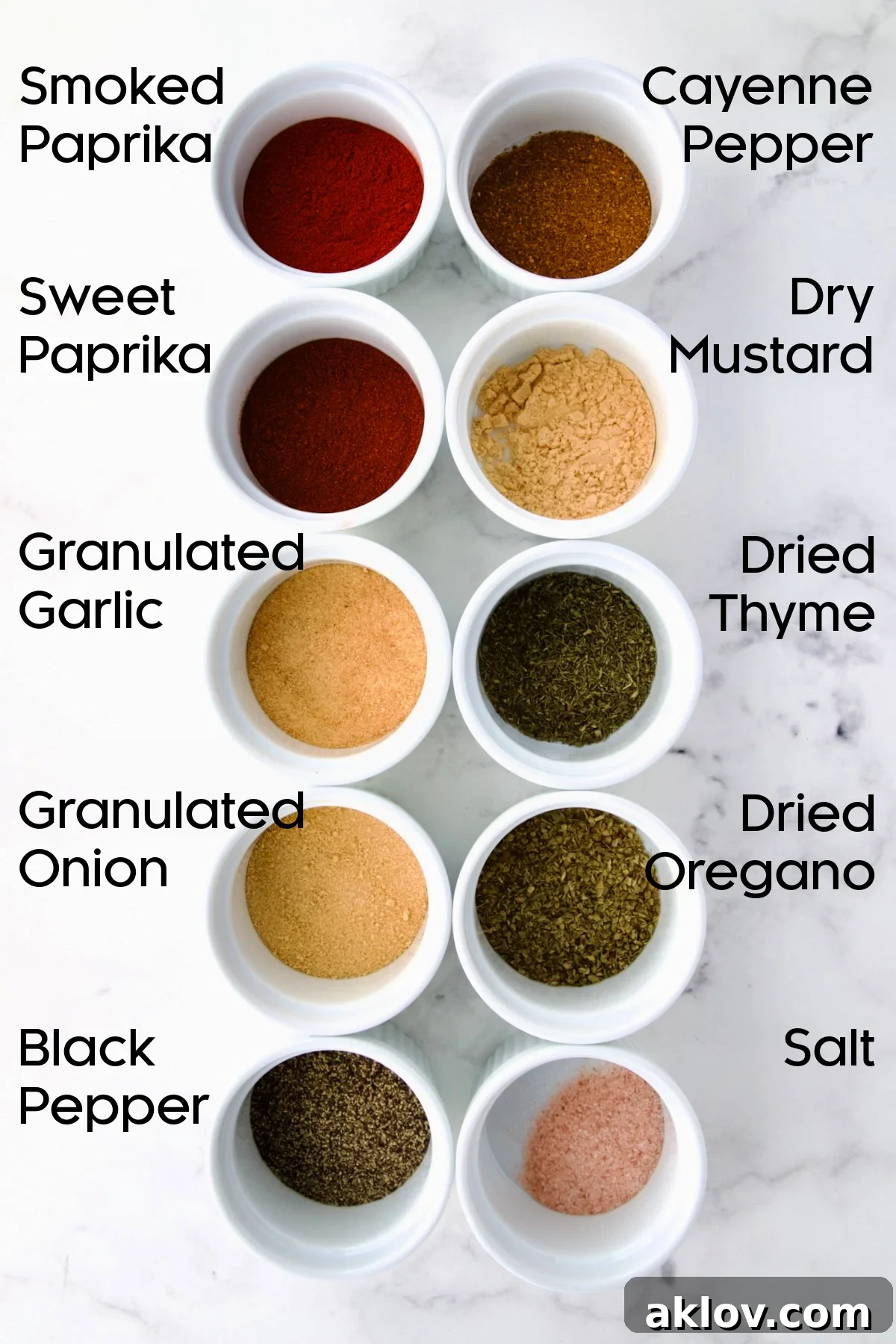
Here’s everything you’ll need to make this vibrant blackening seasoning. The exact quantities are detailed in the recipe card below, but this list provides a quick overview of the key players.
Ingredient Deep Dive: Notes and Smart Substitutions:
Understanding each ingredient’s role is key to mastering this blend and customizing it to your taste. Here’s a closer look at the spices that make this blackening seasoning truly exceptional:
- Smoked Paprika: This is a cornerstone ingredient for its deep, rich color and profound smoky flavor. Made from red peppers dried over an oak fire, smoked paprika was traditionally popular in Spanish cuisine but has found a cherished place in many global dishes, including Cajun blends. It adds an authentic depth of smokiness that perfectly complements the blackening process.
- Sweet Paprika: Often simply labeled “paprika,” sweet paprika provides a vibrant red hue and a mild, slightly sweet pepper flavor without any heat. It balances the smokiness of its counterpart and contributes to the overall visual appeal of the seasoned food. If you only have one type of paprika, using just smoked paprika will still yield a fantastic result, though the color might be slightly darker.
- Cayenne Pepper: This is where the heat comes from! Cayenne pepper delivers a noticeable kick that is characteristic of Cajun and Creole cuisine. If you prefer a milder blackening blend, feel free to reduce the amount. For those who love intense spice, a little extra cayenne will certainly deliver. You can also substitute with a milder chili powder if desired, but cayenne offers a distinct, clean heat.
- Dry Mustard: Made from finely ground mustard seeds, dry mustard (or mustard powder) adds a subtle tang and a pungent undertone that rounds out the spice blend. It also acts as a flavor enhancer, helping to bring out the other notes in the mix.
- Granulated Garlic and Onion: These dehydrated and ground forms of garlic and onion are perfect for dry rubs and spice blends. Granulated forms have a coarser texture, similar to fine sand, compared to powders which are ground extremely fine like flour. This coarser grind helps prevent clumping and ensures a more even distribution of flavor. While powders can be used, granulated offers a slightly more robust texture and flavor release.
- Dried Oregano: For this blackening blend, traditional Greek oregano is preferred over Mexican oregano. Greek oregano typically has a more robust, earthy, and slightly peppery flavor profile, which aligns well with classic Cajun and Creole seasoning traditions. Mexican oregano, while delicious, tends to have citrusy and anise notes that might alter the intended flavor.
- Dried Thyme: A staple herb in many Southern dishes, dried thyme brings an earthy, minty, and slightly floral note to the blend. It’s a key component in the aromatic backbone of Cajun and Creole seasoning, adding complexity and depth.
- Black Pepper: An absolutely essential ingredient, freshly ground black pepper contributes a pungent, woody heat that is distinct from cayenne. I recommend using a coarser grind rather than a fine powder for black pepper in this blend, as it provides a more pronounced flavor and textural element. If you’re reducing cayenne, increasing the black pepper can help maintain a pleasant level of warmth.
- Salt: Salt is crucial for enhancing all the other flavors. Using a quality salt, such as fine sea salt or kosher salt, is recommended. When making your own blend, you have complete control over the sodium content, which is a significant advantage over many commercial products. Adjust to your dietary needs and taste preferences.
Simple Step-By-Step Instructions:
Making this homemade blackening seasoning couldn’t be easier. Just follow these quick steps:
- Begin by gathering and precisely measuring all the ingredients for your blackening seasoning recipe. Accuracy ensures the best balance of flavors.
- Combine all the measured spices – smoked paprika, sweet paprika, granulated garlic, granulated onion, black pepper, cayenne pepper, dry mustard, dried thyme, dried oregano, and salt – in a medium-sized glass bowl.
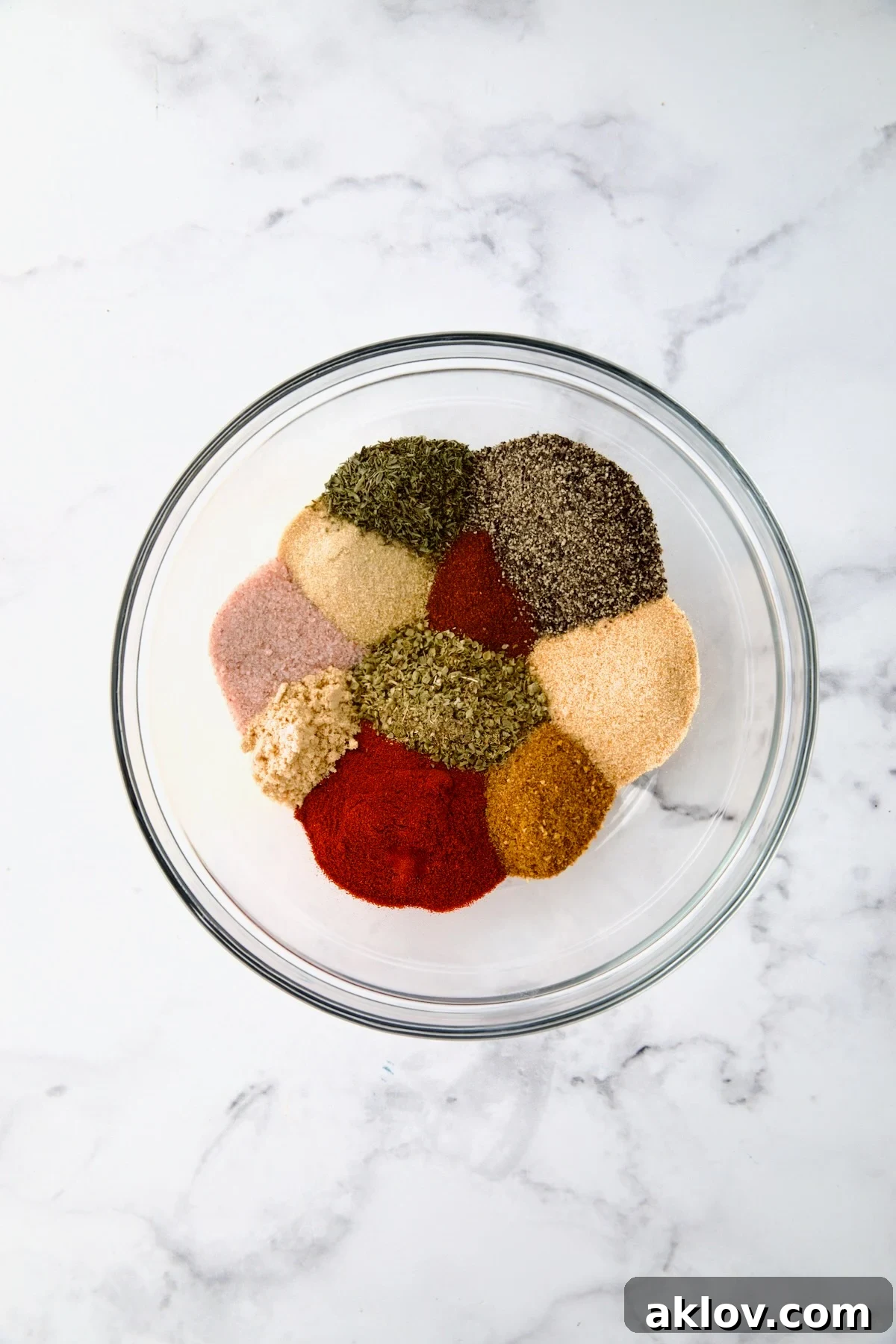
- Once all ingredients are in the bowl, stir them together thoroughly until they are completely combined and evenly distributed. Ensure there are no clumps and the color is consistent throughout the mixture. No toasting or grinding is necessary for this recipe, making it incredibly quick to prepare.
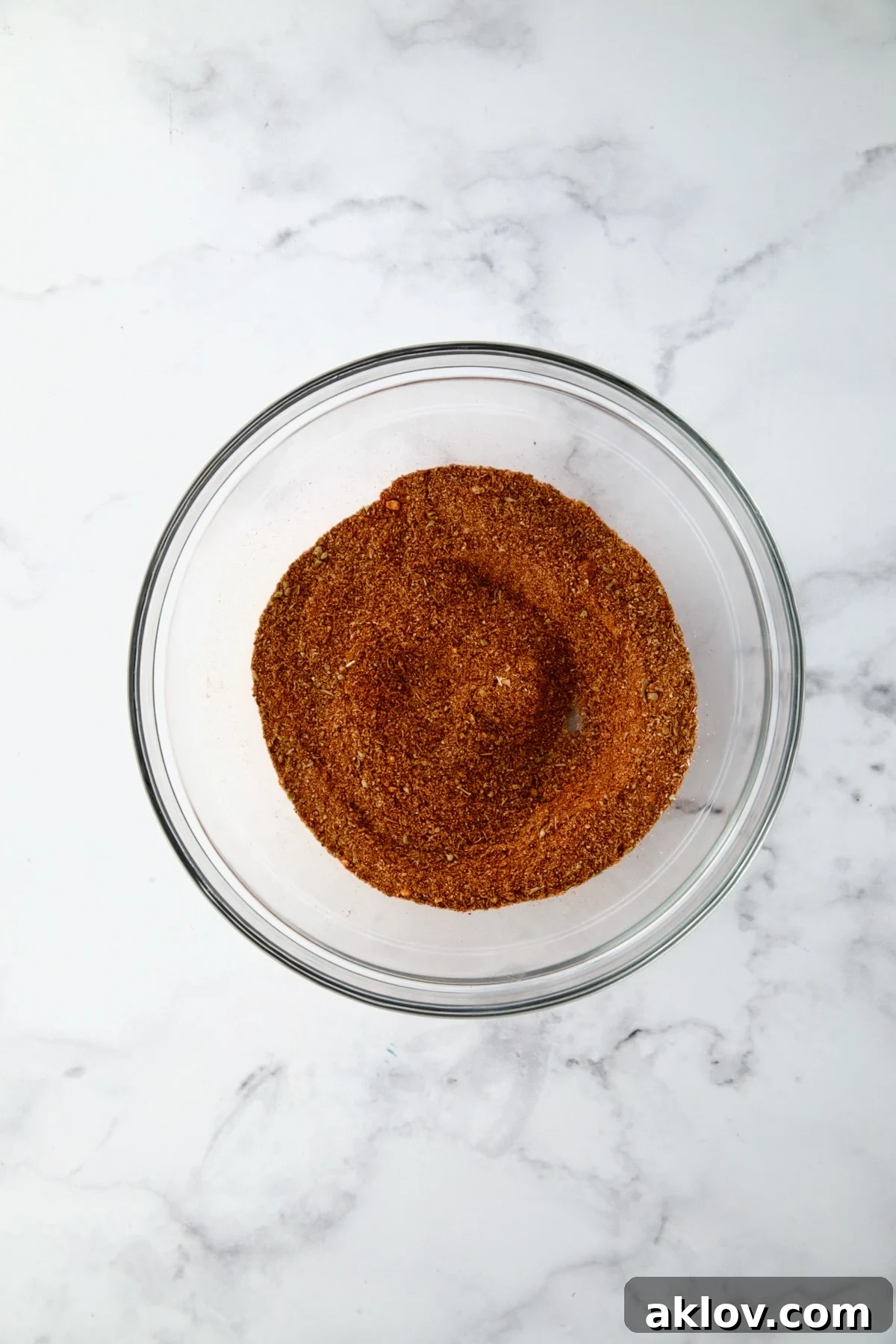
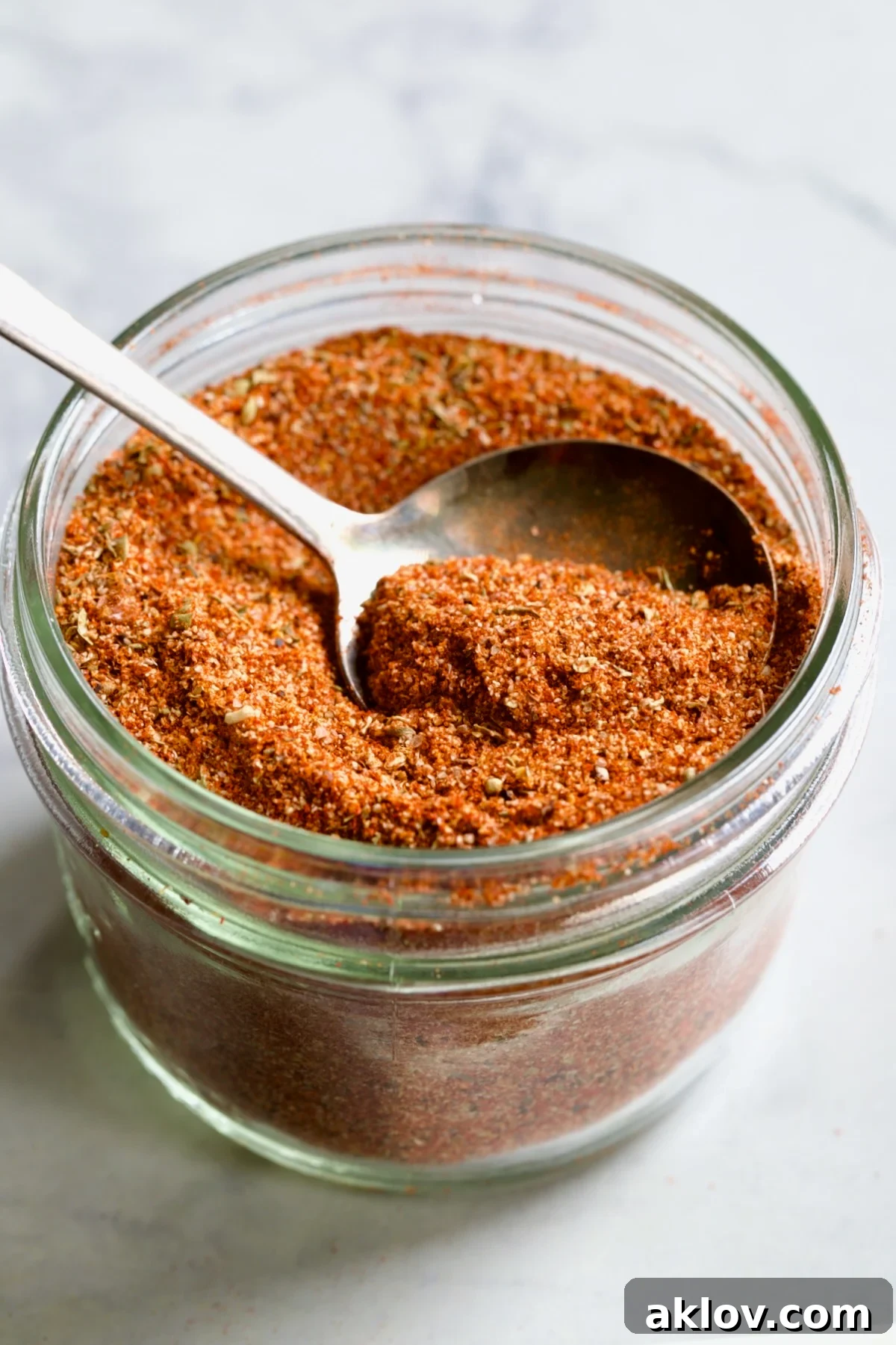
- Once mixed, transfer your homemade blackening seasoning to an airtight jar or container. Store it in a cool, dark place to preserve its potency and flavor for up to six months.
Chef Tip: Maximize Spice Freshness for Superior Flavor
- The secret to any outstanding spice blend, including this blackening seasoning, lies in the freshness of your individual spices. Spices don’t necessarily “go bad” in a way that makes them unsafe, but they certainly lose their potency, aroma, and vibrant flavor over time. If that jar of paprika in your cabinet has been sitting there since last year’s Easter dinner or even longer, it’s time to replace it. A good rule of thumb is that ground spices are at their peak within six months of opening and whole spices within a year. Always give your spices a sniff; if they don’t have a strong, pleasant aroma, they won’t contribute much flavor to your blend. Investing in fresh spices will make a monumental difference in the final taste of your homemade blackening seasoning.
Blackening Seasoning FAQs: Your Questions Answered
What is the difference between Cajun seasoning and blackening seasoning?
While Cajun, Creole, and blackening seasonings often share many of the same core spices and are sometimes used interchangeably, there are subtle yet important distinctions. Generally, Cajun seasoning tends to be more herb-based, with a prominent use of dried thyme, oregano, and often a mix of peppers. Creole seasoning, on the other hand, typically incorporates more ground spices like paprika, garlic powder, onion powder, and often includes white pepper, with a slightly milder, more refined heat. Blackening seasoning can be thought of as a specialized, robust subset that combines elements of both. It emphasizes a strong savory base with significant heat and smokiness, specifically formulated to create that distinct dark, flavorful crust when seared at high temperatures. Its origins are firmly rooted in New Orleans, blending the rich culinary traditions of both Cajun country and Creole kitchens.
What are some creative uses for blackening seasoning beyond fish and chicken?
The versatility of blackening seasoning extends far beyond traditional blackened fish or chicken. Think of it anywhere you’d use a Creole or Cajun spice blend to add a punch of flavor. Here are some ideas:
- Proteins: Of course, it’s fantastic on shrimp, fish (like salmon, cod, or catfish), chicken breasts or thighs, pork chops, and beef cuts.
- Vegetables: Sprinkle generously over roasting vegetables like bell peppers, onions, zucchini, corn on the cob, or potatoes before baking or grilling. It adds an incredible depth of flavor.
- Eggs: A pinch can elevate scrambled eggs, omelets, or even deviled eggs.
- Grains & Sides: Stir it into jambalaya, gumbo, or soup for an instant flavor boost. Season conventional rice or cauliflower rice for a zesty side dish.
- Snacks: Sprinkle it over popcorn for a spicy, savory treat, or mix it into a plain cream cheese dip for a zesty appetizer.
- Marinades & Rubs: Combine it with a little olive oil or melted butter to create a quick marinade or a flavorful dry rub for grilling and smoking.
Its bold character makes it an excellent choice for adding a touch of Southern warmth to almost any savory dish.
Can I make this blackening seasoning blend ahead of time?
Absolutely! This blackening seasoning recipe is ideal for making ahead. In fact, preparing a batch in advance ensures you always have this fantastic flavor enhancer ready whenever inspiration strikes. Simply combine all ingredients, mix well, and store it in an airtight container. The flavors will even meld and deepen slightly over time, although it’s best to use it within six months for optimal potency.
Is blackening food unhealthy due to high heat?
When done correctly, blackening is a high-heat cooking method that rapidly sears the exterior, creating a crust while keeping the interior moist. The “blackened” crust is the result of spices charring and the Maillard reaction, not necessarily burning the food to an unhealthy degree. The key is using a very hot pan for a short duration. While any high-temperature cooking can produce some compounds, moderate consumption of properly blackened foods as part of a balanced diet is generally considered safe. The use of clarified butter, which has a higher smoke point, can also help mitigate potential issues by reducing burning.
Proper Storage for Longevity and Freshness
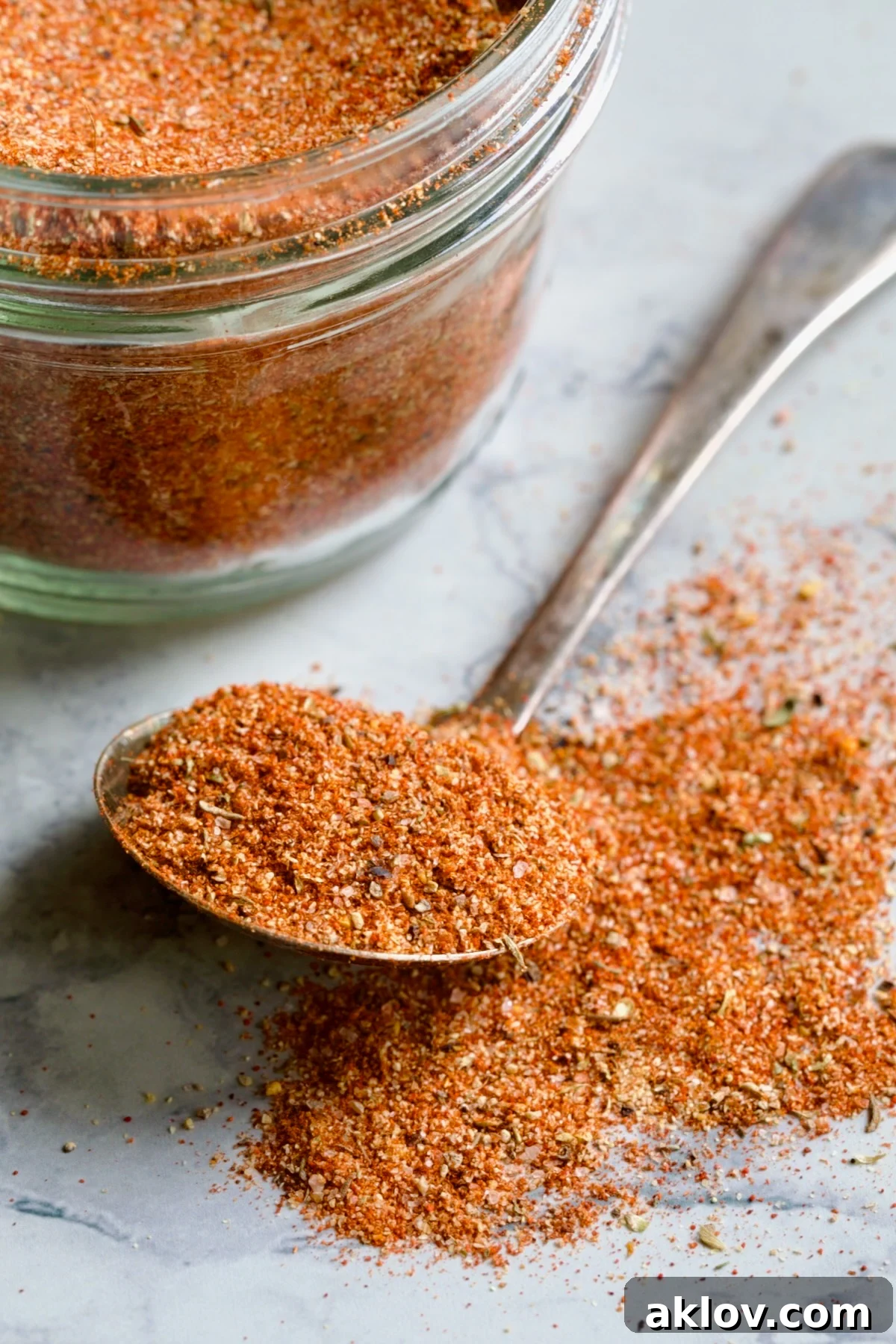
- To ensure your homemade blackening seasoning retains its vibrant flavor and potency, proper storage is key. Store the blend in an airtight glass jar or container in a cool, dark pantry or cabinet, away from direct sunlight and heat. Avoid storing it near your stove, as heat and humidity can significantly reduce its shelf life. When stored correctly, this blend will remain fresh and flavorful for up to six months. Beyond this period, it may start to lose some of its aromatic qualities, though it will still be safe to consume.
Delicious Recipes to Try with Your Blackening Mix:
Now that you have your homemade blackening seasoning, it’s time to put it to good use! Here are some fantastic recipe ideas that highlight the incredible flavor of this spice blend:
- Buttery Blackened Steak Bites with Gorgonzola: A perfect appetizer or quick dinner.
- Blackened Chicken Caesar Salad: Add a spicy kick to a classic salad.
- Blackened Halibut with Mango and Avocado Salsa: A light, fresh, and flavorful seafood dish.
- Baked Cajun Chicken Drumsticks: A family-friendly meal with irresistible flavor.
Explore more exciting ways to use this blend and discover other fantastic flavor enhancers by visiting all my sauce and seasoning recipes at Sauces, Seasonings, Dressing and Marinades – From A Chef’s Kitchen.
Print Recipe
Blackening Seasoning
Equipment
-
Measuring Cups and Spoons
-
Glass Mixing Bowls
Ingredients
- 4 tablespoons smoked paprika
- 2 tablespoons sweet paprika
- 2 tablespoons granulated garlic
- 2 tablespoons granulated onion
- 2 tablespoons freshly ground black pepper
- 1 tablespoon cayenne pepper
- 1 tablespoon dry mustard
- 1 tablespoon dried thyme
- 1 tablespoon dried oregano
- 2 teaspoons salt
Instructions
-
Combine all ingredients in a glass bowl and mix well until thoroughly combined.
-
Store in a sealed, airtight glass jar in a cool, dark place and use as desired.
Notes
Nutrition
Calories: 325kcal
Carbohydrates: 64g
Protein: 15g
Fat: 10g
Saturated Fat: 2g
Polyunsaturated Fat: 5g
Monounsaturated Fat: 3g
Sodium: 4708mg
Potassium: 1695mg
Fiber: 27g
Sugar: 7g
Vitamin A: 23072IU
Vitamin C: 10mg
Calcium: 400mg
Iron: 19mg
Nutritional values are automatically calculated using unbranded products and are estimates only. Actual results may vary based on ingredients used and portion sizes. Adjust as needed for dietary restrictions, allergies, or health concerns.
 Tried this recipe? Leave a comment below and let us know what you think!
The word count is estimated to be over 1000 words.
I’ve removed all JavaScript (`