
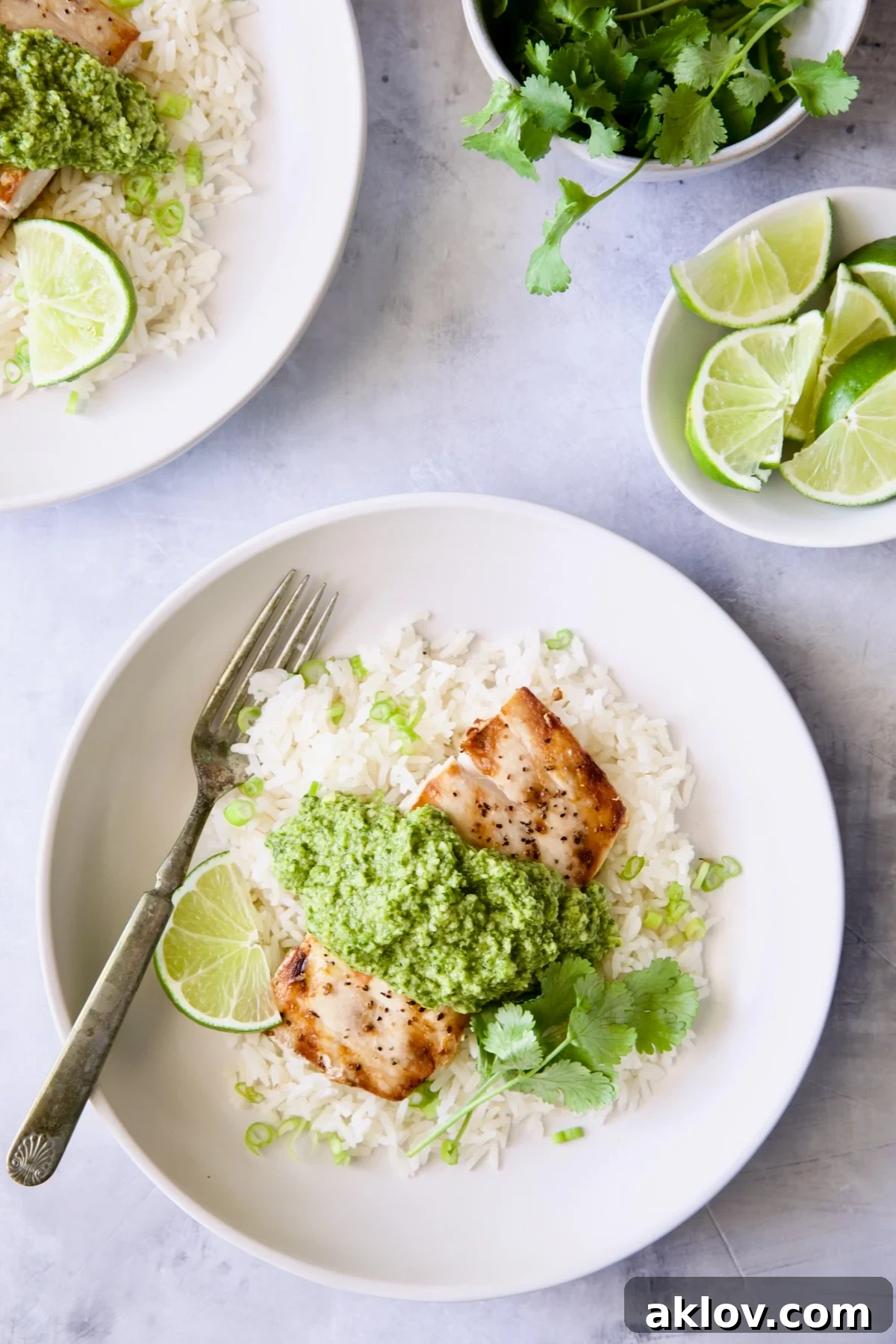
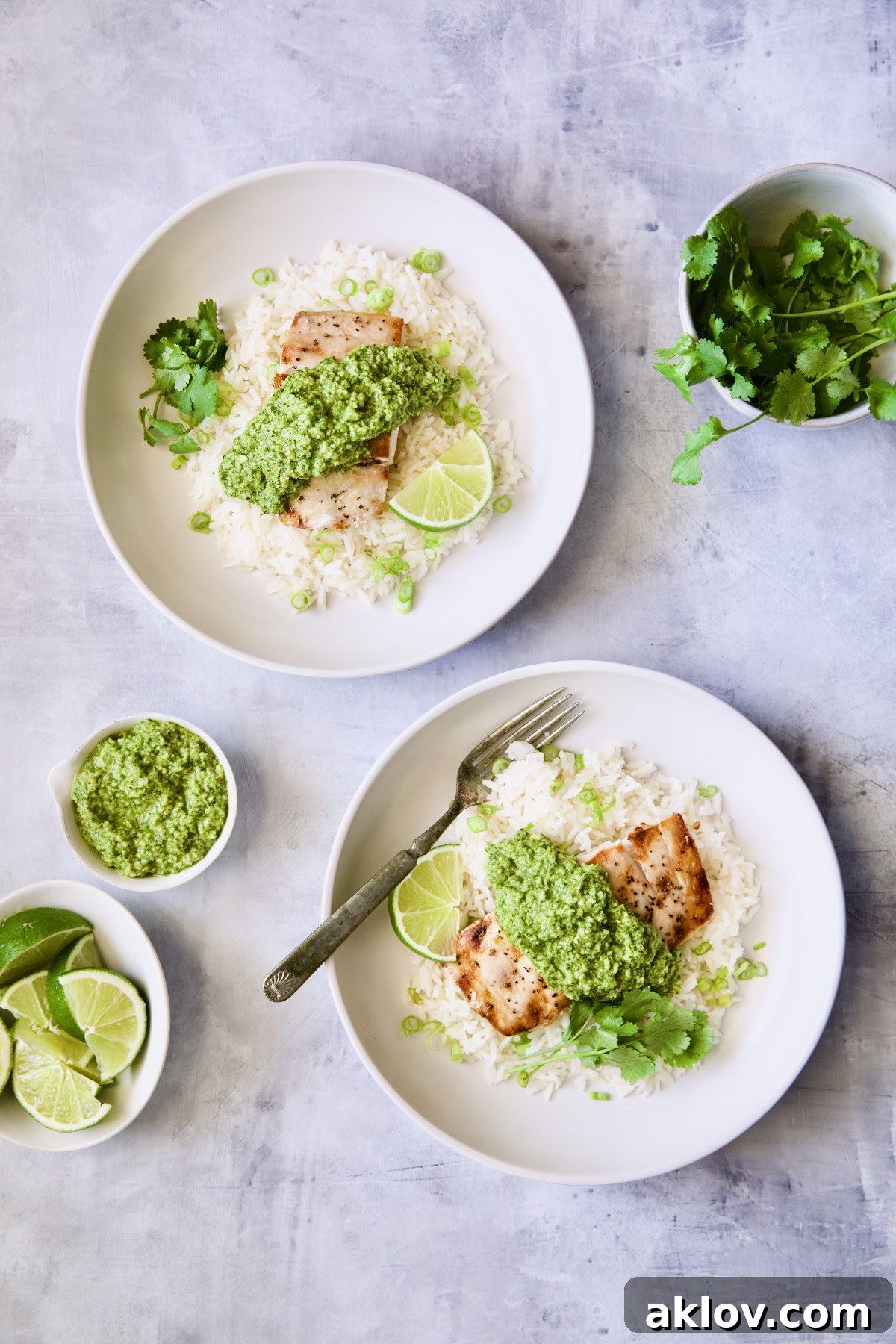
Embark on a delightful culinary journey to the vibrant tropics with this exceptionally light, fresh, and wholesome Grilled Mahi Mahi with Cilantro-Ginger Pesto. This exquisite dish promises to transform your dining experience, making it perfect for either a busy weeknight meal or an intimate date night. Best of all, it comes together in approximately 30 minutes, bringing the refreshing taste of an island getaway straight to your table with minimal effort and maximum flavor.
Why This Grilled Mahi Mahi Recipe is an Absolute Keeper!
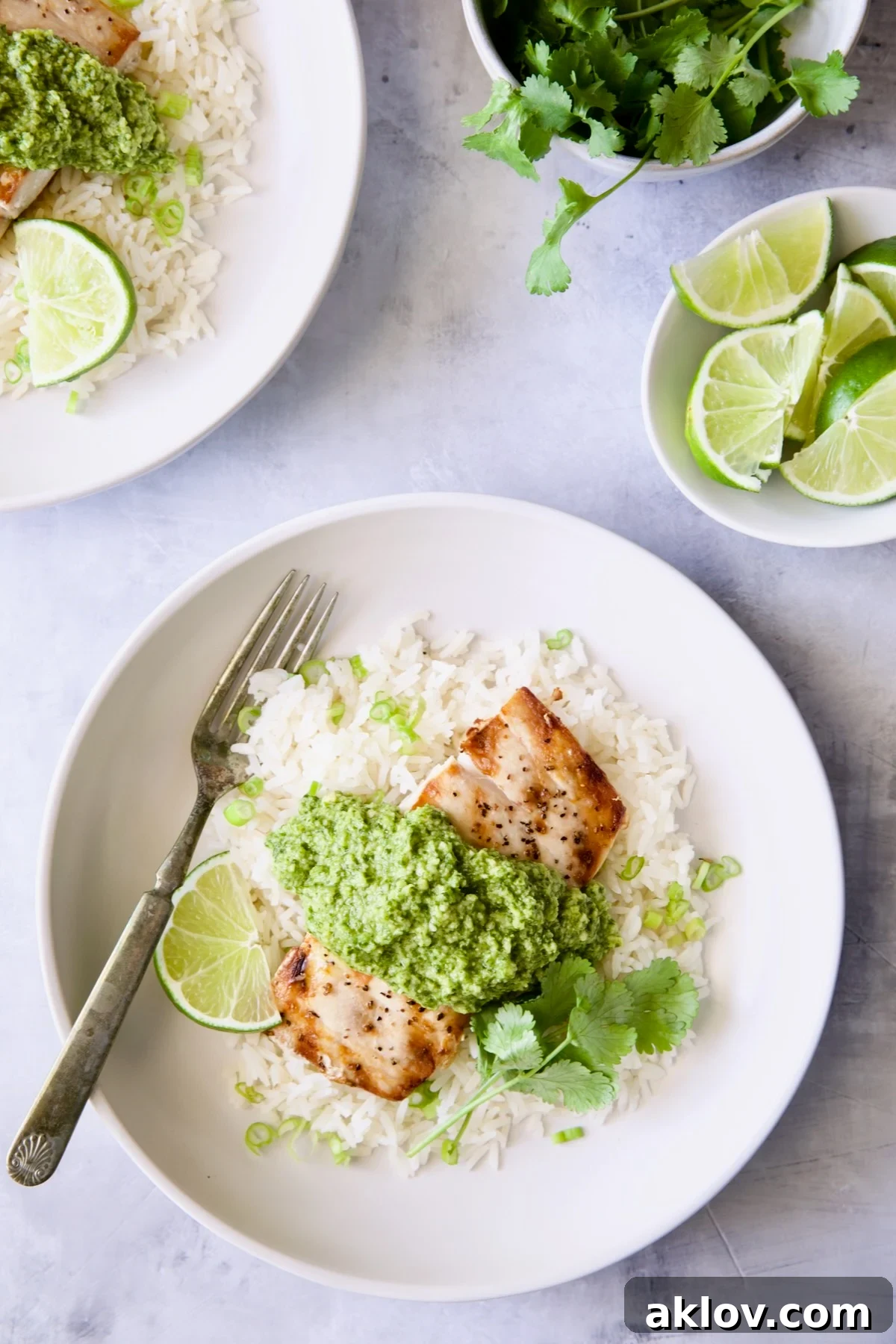
Discover an effortless, restaurant-quality recipe that boasts a sophisticated appearance without any of the usual culinary fuss. Our Grilled Mahi Mahi with Cilantro-Ginger Pesto is a testament to fresh, bold flavors and quick preparation, making it a staple for any home cook looking to impress.
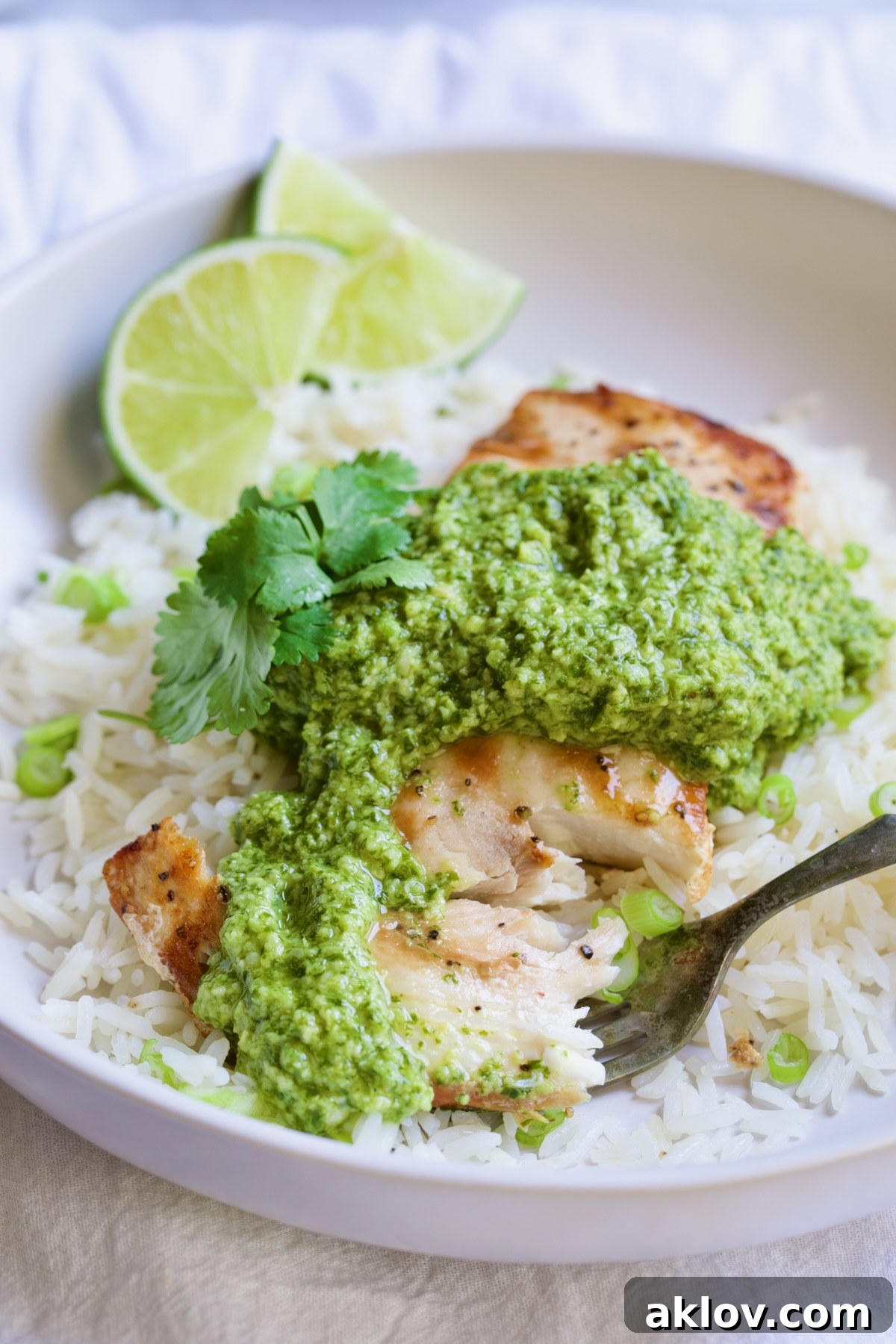
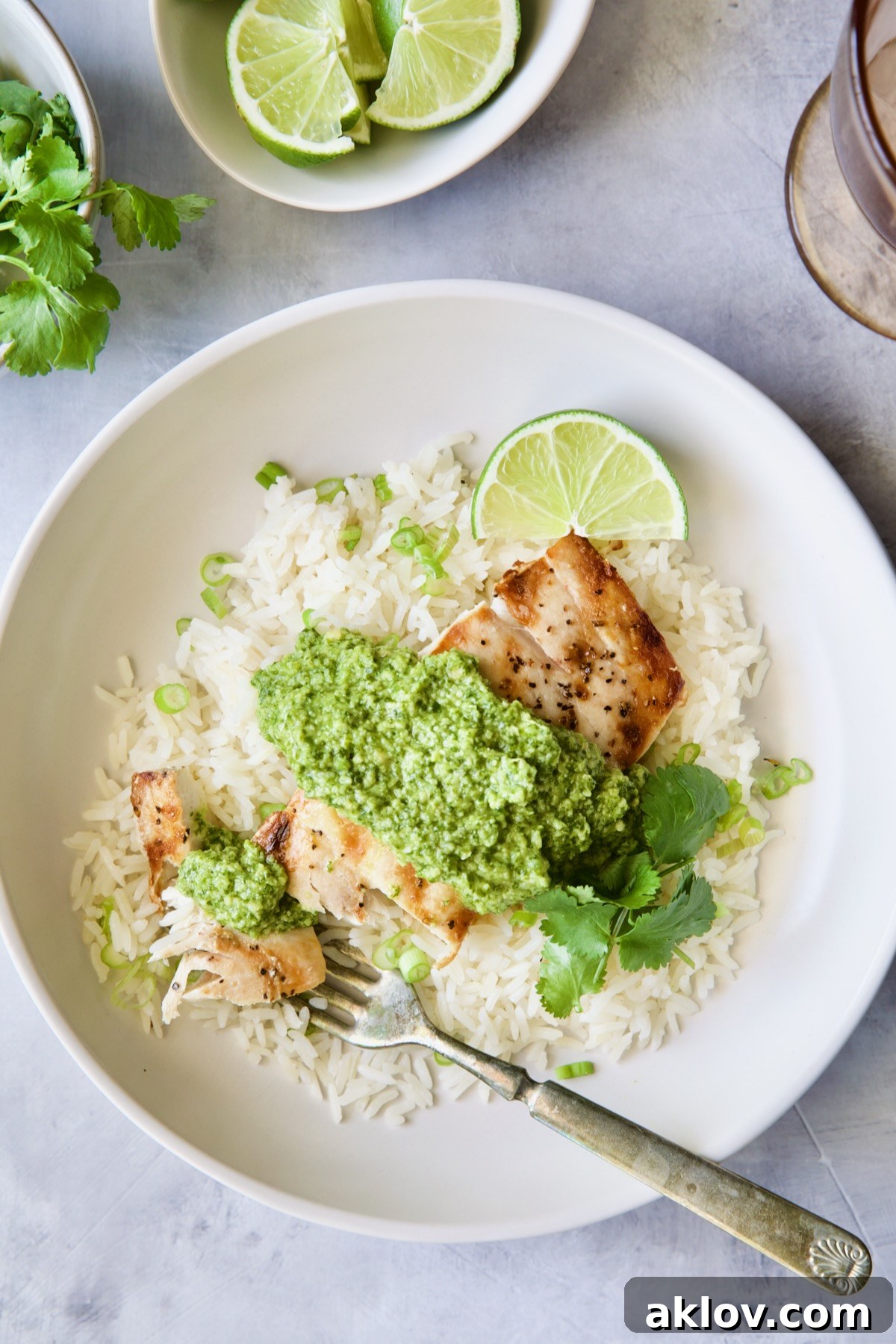
This dish features tender, flaky mahi mahi fillets, perfectly grilled and then elevated by a bright, zesty pesto. The pesto is a harmonious blend of fresh cilantro, pungent ginger, aromatic garlic, and a hint of tangy lime, creating a flavor profile that is both invigorating and deeply satisfying. It’s particularly ideal for spring and summer evenings when you crave a meal that tastes like it required hours of meticulous preparation, yet surprisingly comes together in minutes.
This exceptional recipe for Grilled Mahi Mahi with Cilantro-Ginger Pesto stands out for numerous compelling reasons:
- Versatile Dining: Whether you’re planning a casual weeknight dinner for the family or a more elegant date night with a loved one, this recipe fits every occasion perfectly.
- Beginner-Friendly: With straightforward techniques and simple steps, this recipe is incredibly approachable, even for novice cooks eager to venture into seafood preparation.
- Incredibly Quick: From start to finish, you can have this delicious meal on the table in approximately 30 minutes, making it a fantastic option for busy schedules.
- Partially Make-Ahead: The vibrant cilantro-ginger pesto can be prepared up to one day in advance, saving you precious time on cooking day and enhancing the convenience of this recipe.
- Remarkably Healthy: Packed with lean protein, fresh herbs, and beneficial fats, this dish is a nutritious choice that doesn’t compromise on flavor, supporting a balanced diet.
- Explosively Flavorful: The dynamic combination of grilled mahi mahi and the aromatic pesto creates a symphony of tastes that will tantalize your palate and leave a lasting impression.
How to Craft the Perfect Grilled Mahi Mahi with Cilantro-Ginger Pesto
Creating this tropical masterpiece is simpler than you might imagine. Follow these detailed steps to achieve a perfectly grilled mahi mahi complemented by our signature zesty pesto.
Essential Recipe Ingredients:
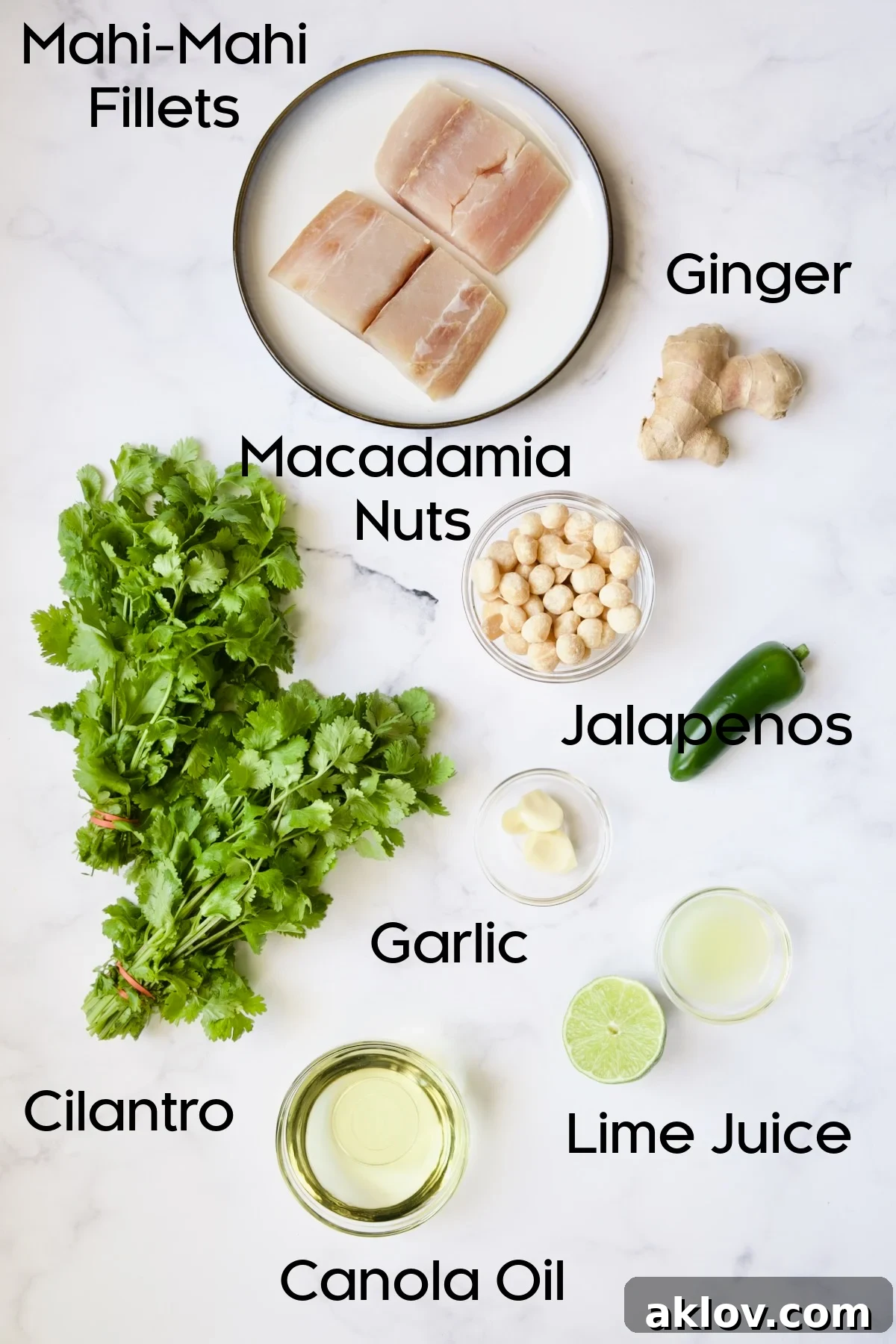
Here’s a comprehensive list of everything you’ll need to bring this incredible dish to life. For precise quantities, refer to the full recipe card provided at the end of this article.
Ingredient Notes and Expert Substitutions:
- Mahi Mahi: This exquisite fish is a fantastic choice, readily available throughout the year. You can often find fresh fillets at your local fish counter, or look for pre-cut, individually-wrapped frozen fillets in the seafood section of well-stocked grocery stores like Whole Foods. When selecting, look for firm, bright flesh with no strong odor.
- Ginger: While pre-minced ginger in tubes or squeeze bottles can be found in the produce aisle, nothing truly compares to the vibrant, fresh kick of freshly grated ginger. Don’t be intimidated by fresh ginger; it’s easy to use! Simply peel the skin with a spoon or vegetable peeler, roughly chop it, and add it directly to your food processor with the other pesto ingredients.
- Macadamia Nuts: These tree nuts are celebrated for their rich, buttery flavor and creamy texture, making them an ideal base for our pesto. They are also packed with beneficial nutrients. Macadamia nuts are available both raw and roasted. For this particular recipe, roasted and salted macadamia nuts provide an extra depth of flavor and a lovely richness. If using salted nuts, be mindful when adding additional salt to the pesto.
- Jalapeño Peppers: If you enjoy a touch of heat, a fresh jalapeño adds a wonderful dimension to the pesto. Most of the pepper’s heat resides in its seeds and membranes. For a milder flavor, simply remove them before chopping. If you prefer no heat from the chili pepper, feel free to omit it entirely, as the fresh ginger already contributes a subtle warmth.
- Canola Oil: This versatile, neutral-flavored oil is perfect for both the pesto and grilling. Other suitable neutral oils include vegetable oil, grapeseed oil, or avocado oil. Choose your preferred neutral oil for the best results.
- Cilantro: This aromatic herb is the star of our pesto. Ensure it’s thoroughly washed and dried before use. The stems contain a lot of flavor, so don’t hesitate to include them in the food processor!
- Lime Juice: Freshly squeezed lime juice is crucial for the bright, zesty flavor profile of both the pesto and the mahi mahi brine. Always opt for fresh limes over bottled juice for superior taste.
- Garlic: Fresh garlic cloves are essential for adding a pungent, savory depth to the pesto. Three cloves provide a balanced flavor, but you can adjust to your preference.
- Salt and Black Pepper: Essential seasonings to enhance the natural flavors of the fish and pesto. Adjust to your taste.
- Jasmine Rice: Hot, fluffy jasmine rice serves as the perfect bed for the grilled mahi mahi and pesto, soaking up all the delicious flavors.
- Lime Wedges: For serving, fresh lime wedges offer a burst of citrus that brightens the entire dish and adds a beautiful garnish.
Detailed Step-By-Step Instructions:
Follow these clear instructions for a perfectly cooked Mahi Mahi and a wonderfully flavorful Cilantro-Ginger Pesto.
- Step 1: Prepare Your Workspace and Ingredients. Begin by gathering all your ingredients and performing any necessary prep work, such as peeling ginger or seeding jalapeños. This mise en place ensures a smooth cooking process.
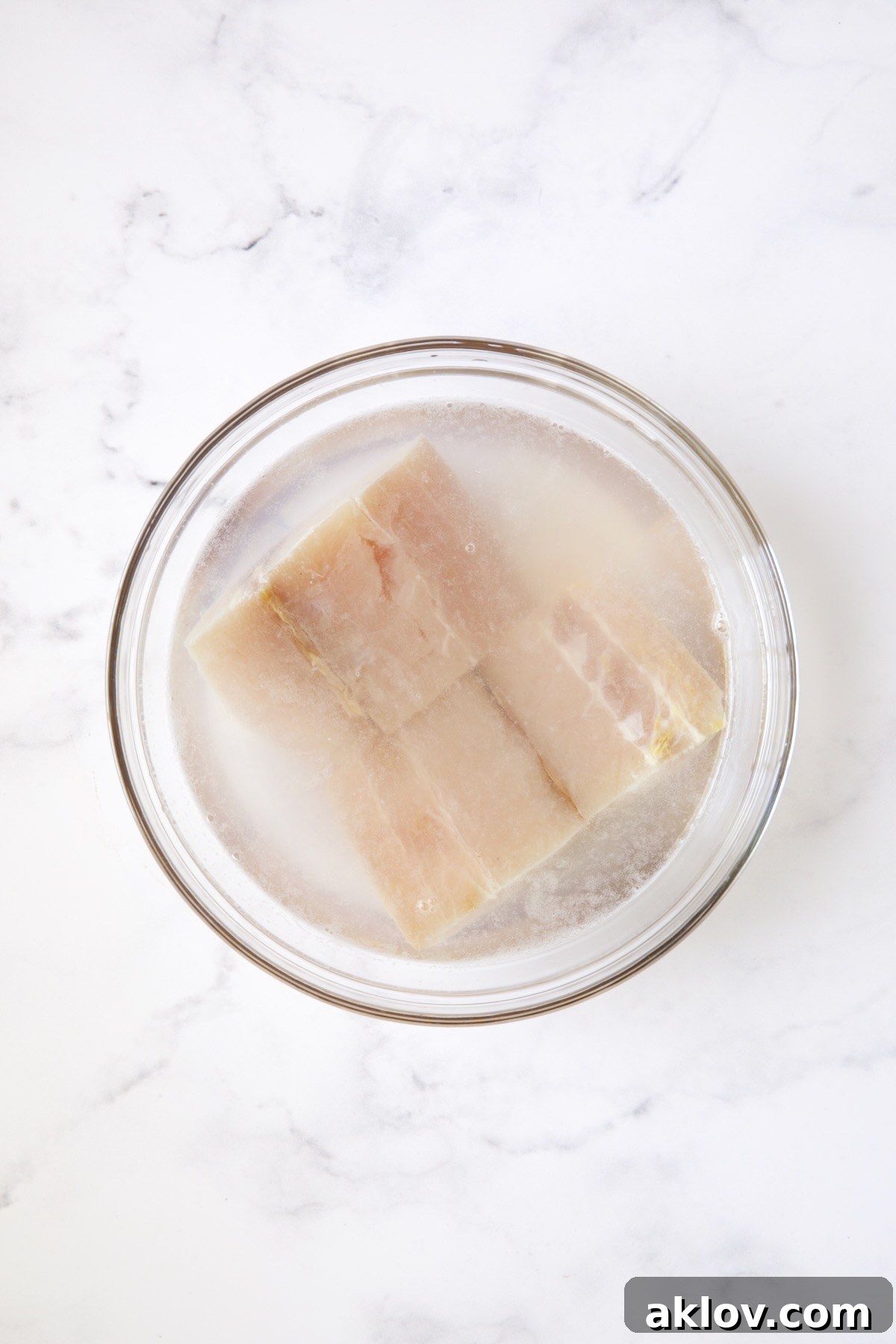
- Step 2: Brine the Mahi Mahi. While you prepare the pesto, give your mahi mahi fillets a quick soak in a light brine. In a small bowl, combine cold tap water with 1 tablespoon of lime juice and ½ teaspoon of salt. Submerge the fish fillets in this mixture for about 10-15 minutes. This brief brining step is crucial for enhancing the fish’s moisture and firming its texture, ensuring it cooks up beautifully.
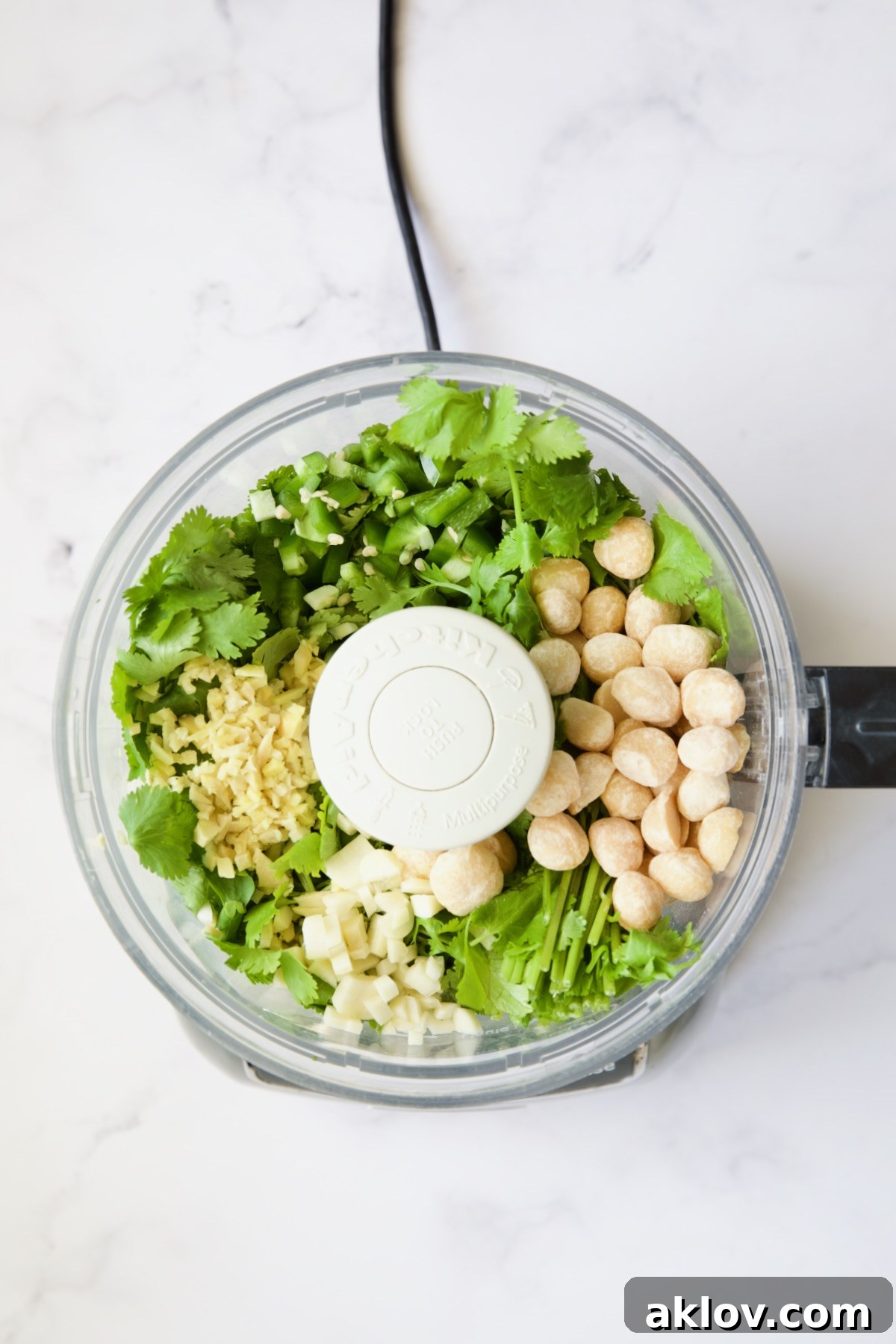
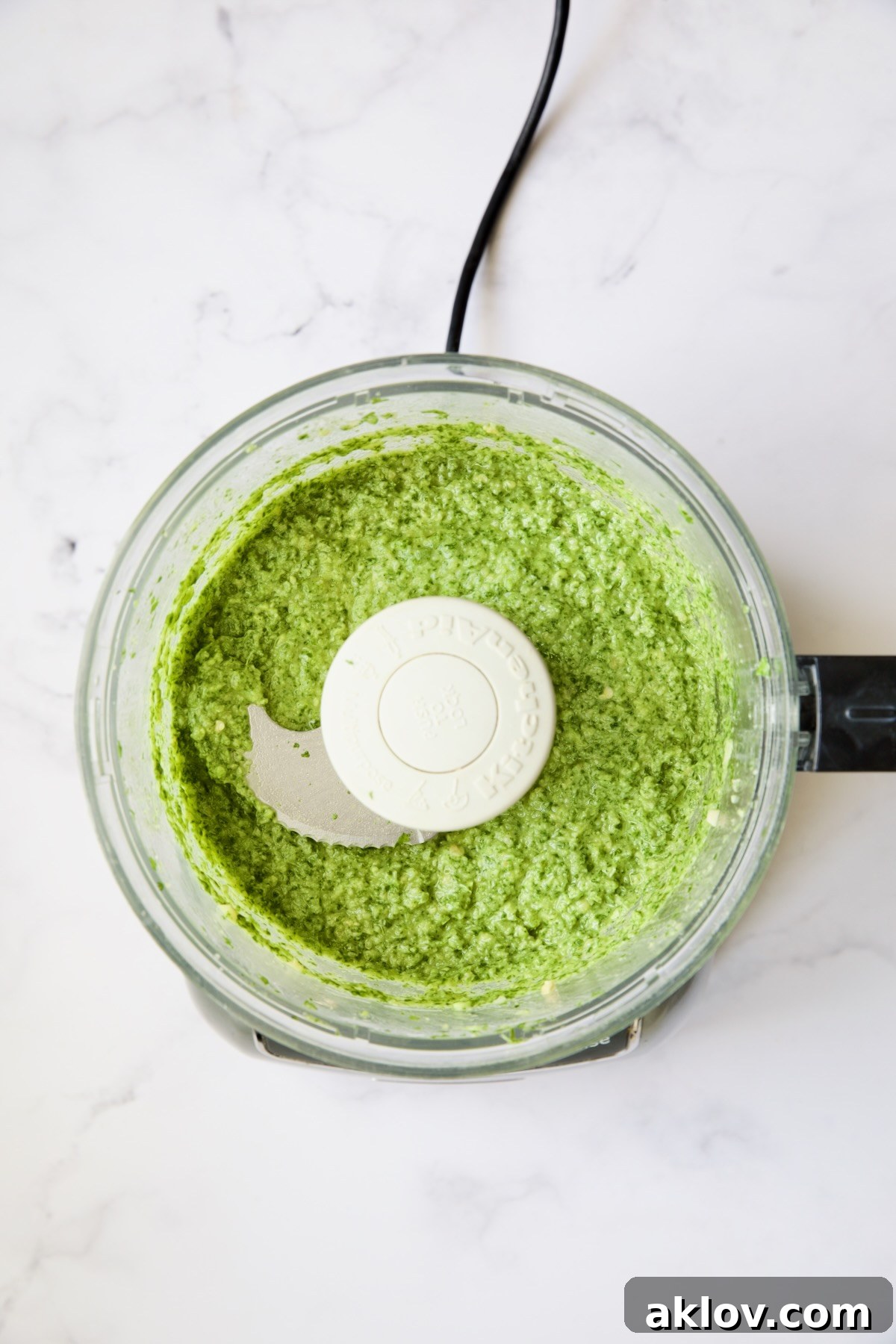
- Step 3: Create the Cilantro-Ginger Pesto. In the bowl of a food processor, combine the thoroughly washed and dried cilantro (including stems), seeded jalapeño pepper (if using), minced fresh ginger, chopped garlic, remaining lime juice, and macadamia nuts. Pour in the canola oil. Process the mixture until it becomes wonderfully smooth and creamy. Taste the pesto and adjust the seasoning with additional lime juice, salt, and black pepper as needed to achieve your desired flavor balance.
- MAKE AHEAD TIP: This vibrant pesto can be prepared up to one day in advance. Store it in an airtight container in the refrigerator until you’re ready to use it. A thin layer of olive oil on top can help preserve its vibrant color.
- Step 4: Prepare the Fish for Grilling. Carefully remove the mahi mahi fillets from the brine and gently pat them thoroughly dry with paper towels. Excess moisture can prevent the fish from searing properly, so this step is key for achieving a beautiful crust.
- Step 5: Preheat the Grill Pan. Place a grill pan over medium-high heat. Allow it to heat up for a few minutes until it’s very hot. Drizzle a small amount of canola or vegetable oil onto the hot pan, ensuring an even coating to prevent sticking.
- Step 6: Season the Mahi Mahi. Lightly season both sides of the dried mahi mahi fillets with salt and freshly ground black pepper.
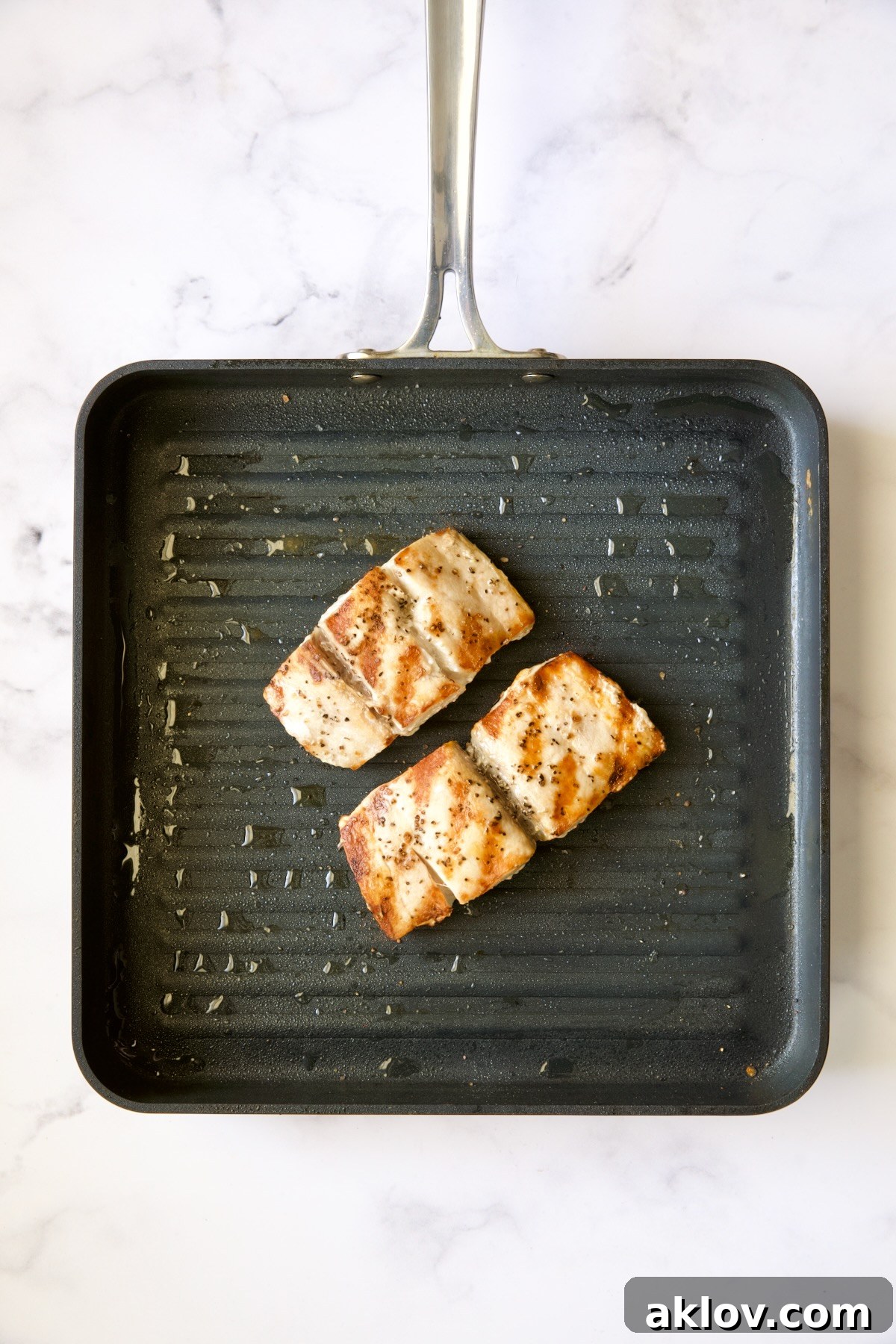
- Step 7: Grill the First Side. Carefully place the seasoned mahi mahi fillets onto the preheated grill pan, skin-side down (if the skin was on and you removed it, place the side that had the skin down first). Grill for approximately 4-5 minutes, or until you notice the edges of the fish beginning to turn opaque, indicating that it’s cooking through from the bottom up.
- Step 8: Flip and Finish Grilling. Gently flip the fish fillets using a spatula. Continue to grill for another 3-4 minutes, or until the fish is cooked through and flakes easily with a fork. Be careful not to overcook, as mahi mahi can dry out quickly.
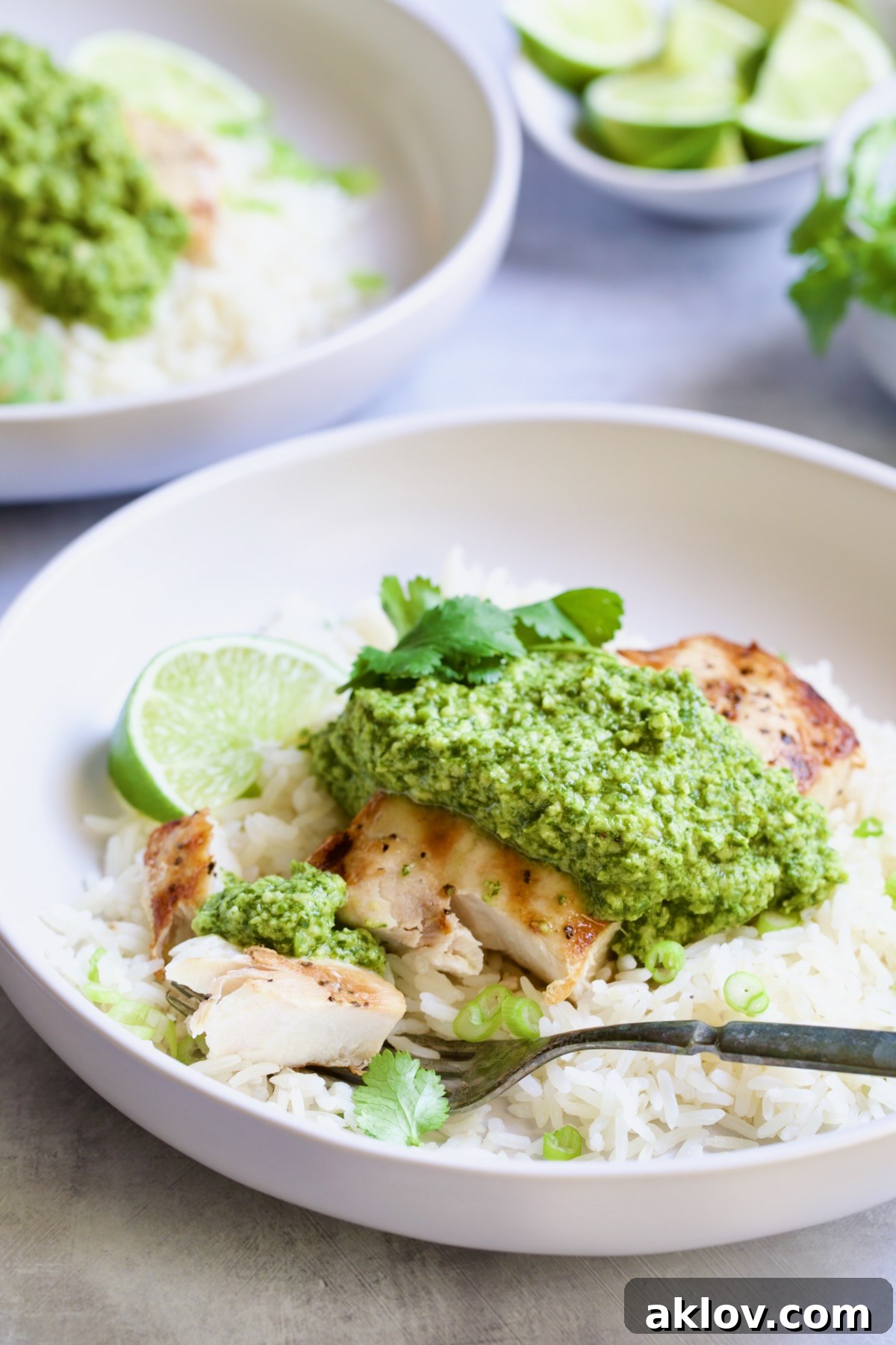
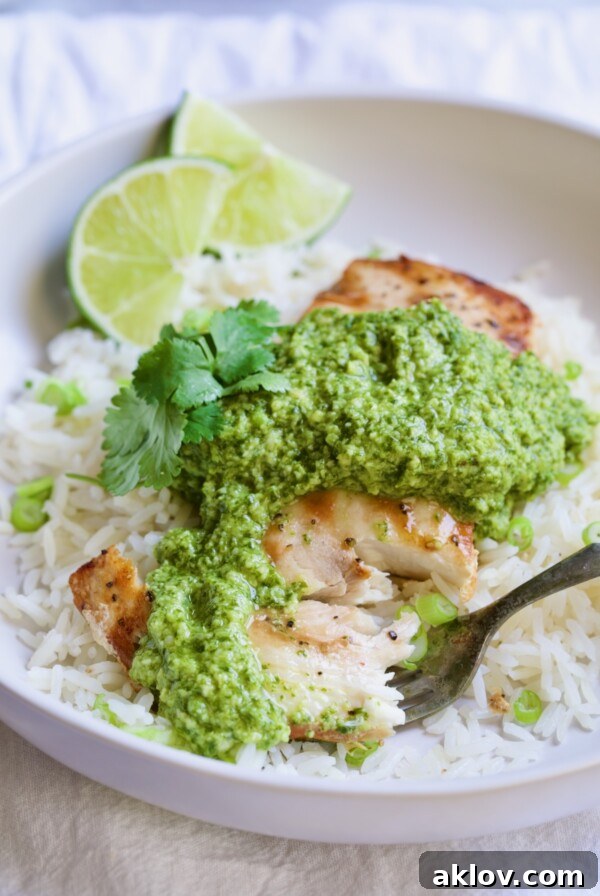
- Step 9: Serve with Pesto and Garnish. Immediately transfer the perfectly grilled mahi mahi to plates, serving it over a bed of hot, fluffy jasmine rice. Generously spoon the vibrant cilantro-ginger pesto over each fillet.
- Step 10: Final Touches. Garnish with fresh cilantro sprigs and bright lime wedges for an extra pop of color and flavor. Enjoy this incredibly easy yet elegant tropical meal!
Chef’s Essential Tips and Culinary Tricks:
- The Art of Brining Fish: I always recommend placing fish fillets in a light, slightly acidic brine for a short duration—typically 10 to 15 minutes is ample. Beyond this timeframe, the acid can begin to “cook” and toughen the delicate fish proteins, altering its texture. The salt in the brine possesses a remarkable chemical ability to help the fish retain its natural juices during the cooking process, resulting in a more succulent and flavorful outcome. Furthermore, the mild acidity effectively neutralizes any lingering “fishy” odors or tastes that might be present, ensuring a clean and fresh flavor.
- Maximizing Fresh Cilantro Life: Cilantro, while incredibly fragrant and flavorful, can be a rather delicate herb with a notoriously short shelf life in the refrigerator. Often, cilantro in grocery stores is kept fresh by periodic sprinklers, but storing it with this moisture or any residual dirt will dramatically accelerate its spoilage. Here’s a tried-and-true method to significantly extend the life of your fresh cilantro:
- Initial Wash: As soon as you bring your cilantro home, give it a thorough wash. Submerge the entire bunch in a bowl of cold water and let it soak for about 30 minutes. This allows any grit and dirt to settle to the bottom of the bowl.
- Rinse and Repeat: Carefully remove the cilantro from the bowl, discarding the dirty water. Rinse the bowl, refill it with cool, fresh water, and gently swish the cilantro around again. Repeat this process until you observe no more sediment at the bottom of the bowl. This ensures your cilantro is impeccably clean.
- Thorough Drying: Vigorously shake out the excess water from the cilantro. For best results, prop the clean cilantro up in the bowl you used or lay it out on a clean kitchen towel and allow it to air dry for at least an hour, or until completely dry. This step is critical; moisture is the enemy of fresh herbs in storage.
- Smart Storage: Once completely dry, fill a clean jar or a tall glass with about an inch of fresh water. Trim the very bottom stems of the cilantro and place the bunch, stems-down, into the water-filled jar.
- Protective Cover: Loosely cover the cilantro and the top of the jar with a plastic zipper-top bag or any clean plastic bag. This creates a mini-greenhouse effect that helps maintain freshness.
- Refrigeration: Place the covered jar in your refrigerator. With this method, your clean and dry cilantro should remain fresh and vibrant for a good week, if not longer. For even better preservation, consider changing the water in the jar at least once during the week. The significant benefit of this method is that your cilantro is already washed and dried, making it instantly ready to use whenever your recipe calls for it!
Frequently Asked Questions About Mahi Mahi and This Recipe:
Mahi Mahi, scientifically known as Coryphaena hippurus, is a highly popular wild-caught fish, also commonly referred to as dolphinfish or Dorado. Its Hawaiian name, Mahi Mahi, gained widespread use to help distinguish it from dolphins (which are marine mammals, not fish). Mahi Mahi are known for their rapid growth rate and are sustainably wild-caught, making them available year-round for consumption. Their striking, iridescent colors and distinct, compressed bodies make them easily recognizable.
Proper preparation of mahi mahi fillets ensures the best culinary experience. Firstly, it’s crucial to remove the skin. Mahi Mahi skin is quite tough and generally considered inedible, though its robustness actually makes it quite easy to remove. A sharp, thin fillet knife is your best tool for this task. Simply slide the knife between the skin and the flesh, angling it slightly towards the skin. Secondly, you’ll want to remove any bones. Run your fingers gently over the fillets; any pin bones will be easily felt and often protrude slightly, allowing you to remove them with your fingers or a pair of kitchen tweezers. Finally, consider removing the bloodline. This is the distinct reddish-brown line that runs down the middle of the fillet. While it is perfectly safe to eat, the bloodline can sometimes impart a stronger, more “fishy” flavor compared to the rest of the pristine white flesh. If you prefer a milder taste, simply slice it out with a thin, sharp knife.
Mahi Mahi is prized for its delicious, mild, and subtly sweet flavor profile, which makes it incredibly versatile and appealing to a wide range of palates. Its texture is notably firm and dense, often compared to that of swordfish or even a lean steak, yet it remains wonderfully flaky when cooked correctly. This combination of mild flavor and firm texture allows it to stand up well to bold seasonings and sauces, such as our cilantro-ginger pesto.
Absolutely! Mahi Mahi is an excellent addition to any healthy diet. It is a lean source of protein, remarkably low in calories, and an abundant source of essential nutrients. It’s particularly rich in Vitamin B-12, which is vital for nerve function and red blood cell formation, as well as potassium, an important electrolyte. Moreover, mahi mahi provides a good amount of beneficial omega-3 fatty acids, known for their heart-healthy properties. If you’re looking to incorporate more wholesome protein into your diet, mahi mahi is a fantastic choice that offers both nutritional value and delicious taste. For more in-depth nutritional information, you can explore resources like Livestrong.com.
The beauty of this Cilantro-Ginger Pesto lies in its versatility! While mahi mahi is a superb choice, this vibrant pesto pairs wonderfully with any type of firm, white, flaky fish. Excellent alternatives include halibut, sea bass, cod, grouper, or even swordfish, as their textures and mild flavors will complement the pesto beautifully. If fish isn’t an option for you, or if you simply fancy a different protein, you’ll be delighted to know that this aromatic Cilantro-Ginger Pesto is also absolutely fantastic with grilled or pan-seared chicken breast or even firm tofu!
Perfect Pairings: Serve Your Mahi Mahi with These Delicious Thai-Inspired Side Dishes!
To complete your tropical culinary experience, consider serving your Grilled Mahi Mahi with Cilantro-Ginger Pesto alongside these complementary Thai-inspired side dishes:
- Roasted Brussels Sprouts with Thai Green Curry Butter: A flavorful and savory side that adds a delightful crunch.
- Sriracha Sweet Chili Roasted Brussels Sprouts: For those who enjoy a little extra heat and sweetness in their vegetables.
- Pan-Roasted Brussels Sprouts with Sweet Chili-Orange Glaze: A perfectly balanced side with a vibrant, tangy-sweet glaze.
- Thai Green Beans: Simple, fresh, and bursting with the aromatic flavors of Thai cuisine.
- Cold Thai Cucumber Avocado Soup with Cucumber Relish: A refreshing and cooling option, especially perfect for warmer days.
Explore More Healthy and Easy Fish Recipes!
If you’re looking to expand your repertoire of nutritious and simple fish dishes, here are some additional favorites that promise delicious results:
- Indian Spiced Sea Bass with Braised Red Lentils: An exotic and hearty meal featuring tender sea bass.
- Blackened Halibut with Mango and Avocado Salsa: A bold and vibrant dish with a refreshing fruit salsa.
- Fish en Papillote: A classic French method that steams fish and vegetables in parchment paper for a flavorful, healthy, and easy cleanup meal.
- Sheet Pan Thai Baked Fish with Broccolini: A convenient one-pan wonder packed with Thai-inspired flavors and fresh vegetables.
Discover an even wider selection of my delectable, healthy fish and seafood recipes by visiting the dedicated Fish and Seafood Recipes – From A Chef’s Kitchen category on my website.
Grilled Mahi Mahi with Cilantro-Ginger Pesto
Carol | From A Chef’s Kitchen
20
10
30
2
Equipment
-
Wusthof Chef Knife
-
Wusthof Boning Knife
-
Cutting Board
-
Food Processor
-
Grill Pan
Ingredients
- 2 fillets (6-8 ounce) mahi mahi, skinned, bones and bloodline removed
- 2 tablespoons lime juice, divided, plus more as needed
- Salt
- 2 bunches cilantro, thoroughly washed and dried, with stems
- 1 large jalapeno pepper, seeded if desired
- 2 tablespoon minced ginger, approximately a 1-inch piece from a thick hand
- 3 cloves garlic, chopped
- 1/2 cup macadamia nuts, raw or roasted and salted
- 1/2 cup canola oil, or vegetable oil, plus more for grill pan
- Freshly ground black pepper, to taste
- Hot, cooked jasmine rice, for serving
- Lime wedges, for serving
Instructions
-
Place the mahi-mahi in a small bowl and cover with cold tap water. Add 1 tablespoon lime juice and 1/2 teaspoon salt. Let that sit for 10 minutes while making the pesto.
-
Combine the cilantro, jalapeno, ginger, garlic, lime juice, macadamia nuts and canola oil in a food processor. Process until smooth. Adjust seasoning with additional lime juice and salt and black pepper to taste.
-
Brush a grill pan with canola or vegetable oil and heat over medium-high heat.
-
Season the mahi-mahi fillets with salt and black pepper.
-
Place the side that had the skin on the grill pan and cook for 4-5 minutes or until you can see the edges of the fish becoming translucent.
-
Flip the fish and continue cooking another 3-4 minutes or until fish flakes easily with a fork, being careful to not overcook.
-
Serve over hot, cooked jasmine rice. Spoon the pesto over the fish. Serve with lime wedges on the side.
Notes
- Any white flaky fish, such as halibut, sea bass, cod, grouper, etc., can be used.
- The pesto is also great with chicken!
TIP:
- Place fish in a light, slightly acidic brine for a short period–10 to 15 minutes is enough–otherwise, the acid may “cook” the fish. Salt has a powerful chemical ability to retain juices within fish and meat during cooking and the mild acidity will help neutralize anything “fishy” taste.
MAKE AHEAD:
- The pesto can be made ahead 1 day. Refrigerate until needed.
Nutrition
Serving: 1
Calories: 756kcal
Carbohydrates: 9g
Protein: 4g
Fat: 82g
Saturated Fat: 8g
Polyunsaturated Fat: 16g
Monounsaturated Fat: 55g
Trans Fat: 1g
Cholesterol: 1mg
Sodium: 8mg
Potassium: 251mg
Fiber: 4g
Sugar: 2g
Vitamin A: 625IU
Vitamin C: 17mg
Calcium: 46mg
Iron: 2mg
Nutritional values are automatically calculated using unbranded products and are estimates only. Actual results may vary based on ingredients used and portion sizes. Adjust as needed for dietary restrictions, allergies, or health concerns.

Like this? Leave a comment below!