
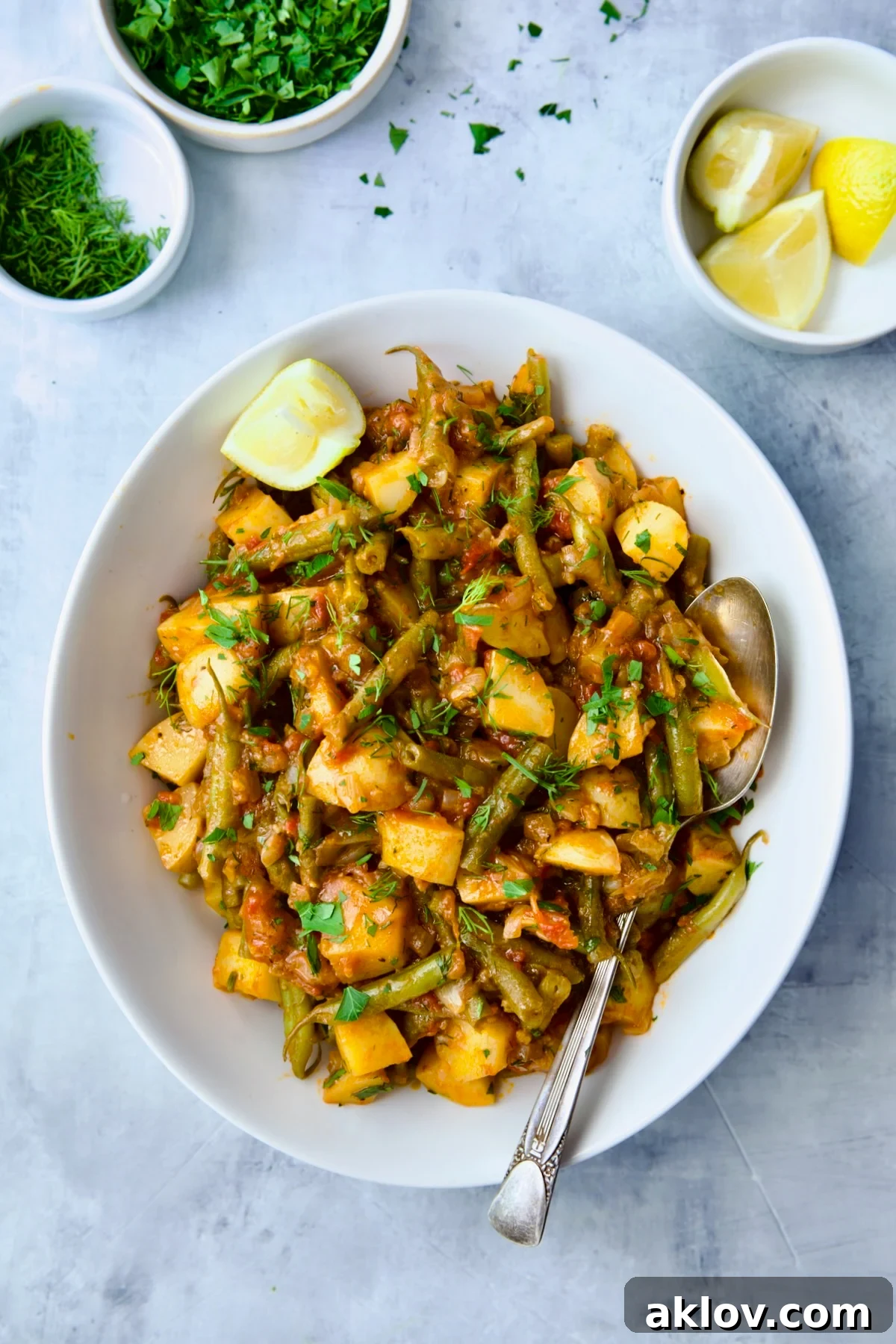
The Best Fasolakia Recipe: Traditional Greek Green Beans and Potatoes
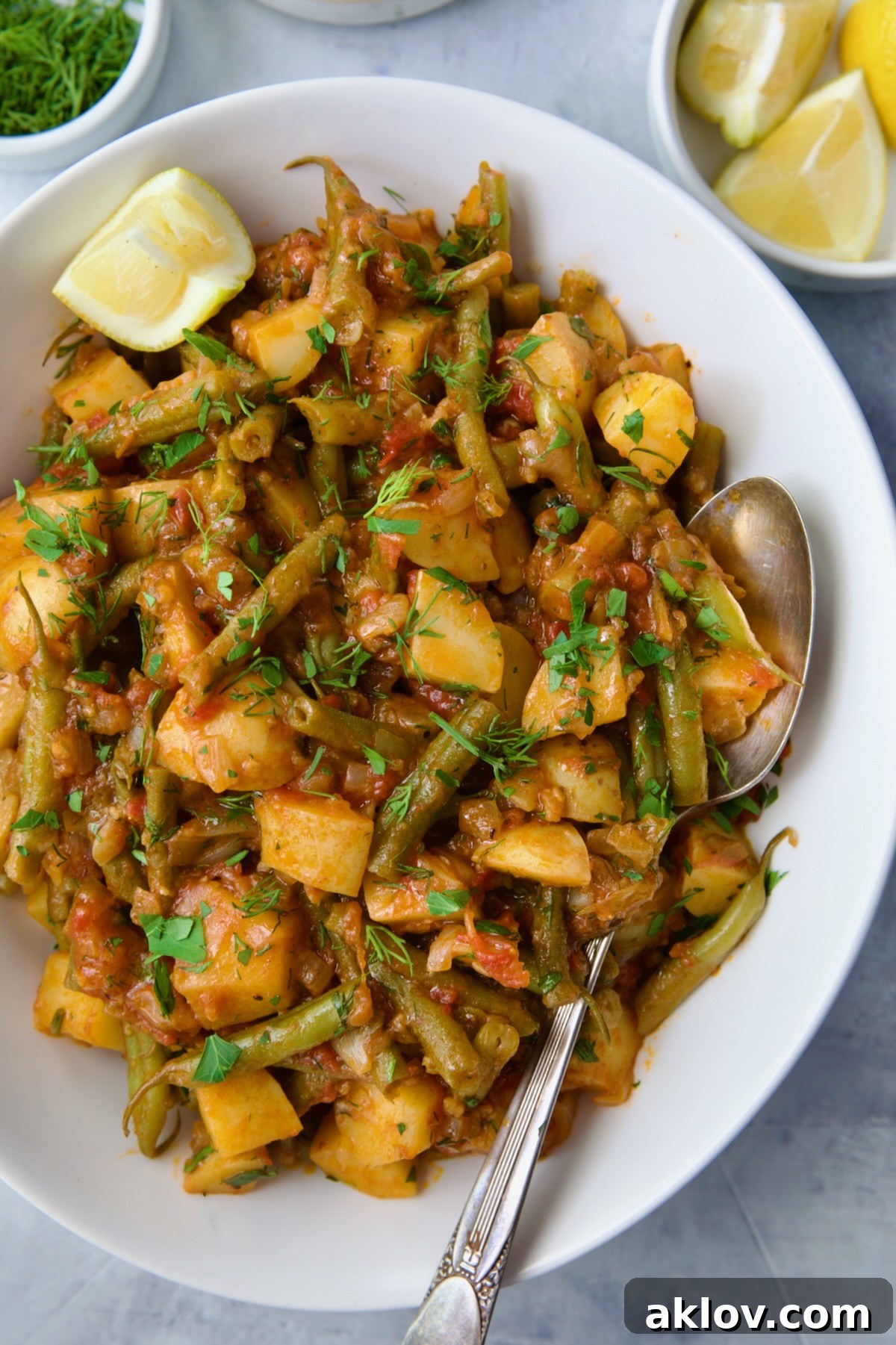
Fasolakia is a cherished traditional Greek dish that perfectly encapsulates the simplicity, robust flavors, and wholesome nature of Mediterranean cuisine. This delightful stew features tender, buttery green beans and soft, yielding potatoes, all lovingly braised in a rich, sun-kissed tomato sauce infused with the finest extra-virgin olive oil. More than just a simple side dish, Fasolakia offers a deeply comforting and surprisingly light meal that transports you straight to the heart of a Greek home. It’s a versatile, naturally vegan, and gluten-free dish that shines in any season, making it an ideal choice for a rustic family dinner, a healthy plant-based option, or whenever you crave a meal packed with fresh, authentic flavors.
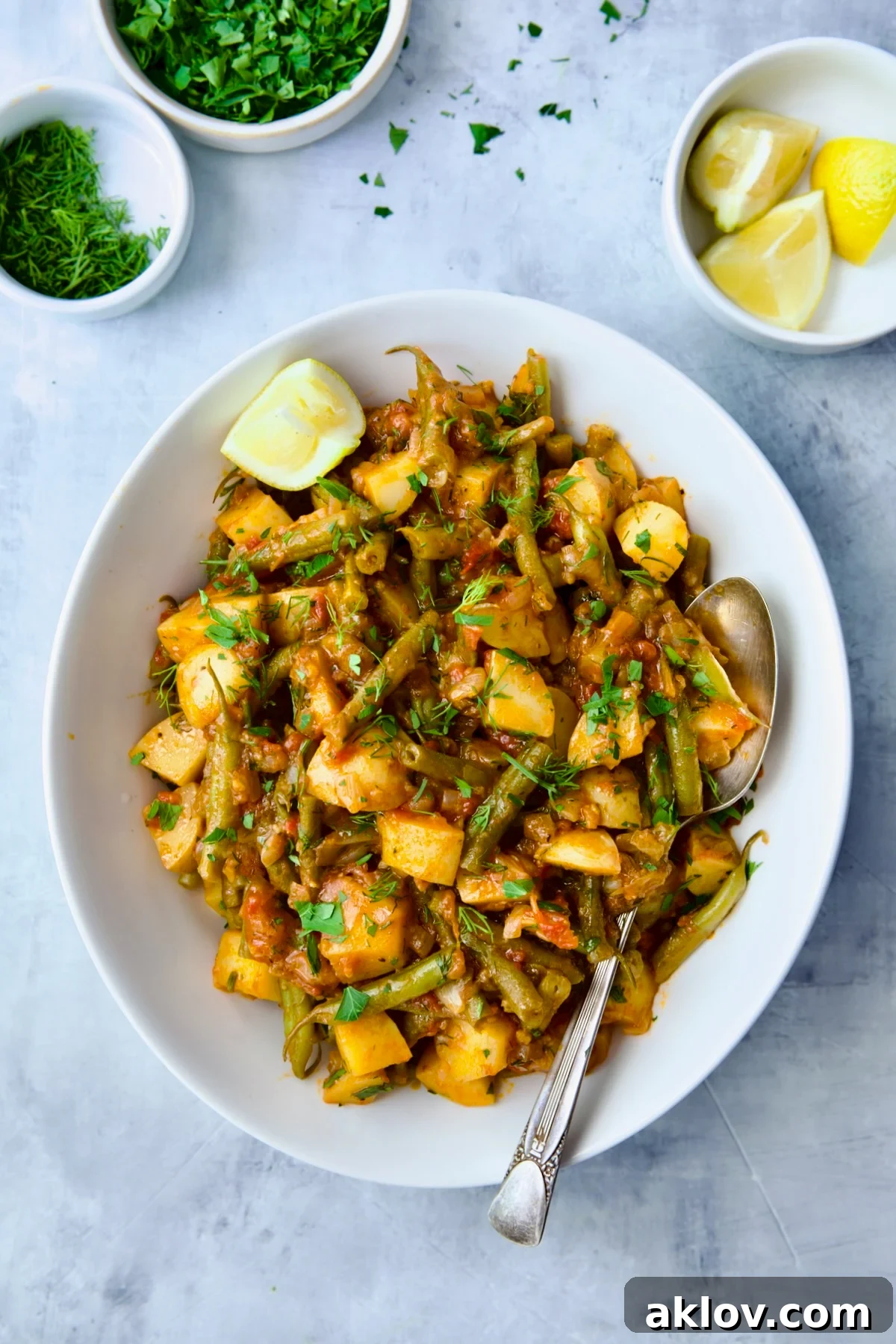
Why This Fasolakia Recipe is a Culinary Treasure
Fasolakia is more than just a recipe; it’s a celebration of fresh produce and slow cooking, deeply rooted in Greek kitchens. This particular rendition stands out as a true “keeper” for several compelling reasons, highlighting its versatility and irresistible appeal:
- Effortless Preparation, Profound Flavor: Despite its rich and complex taste, this Fasolakia recipe is incredibly easy to make. Its rustic appearance is part of its charm, requiring minimal fuss for maximum flavor. It’s perfect for both novice cooks and seasoned chefs alike, proving that extraordinary meals don’t need complicated steps.
- A Complete One-Pan Meal: Unlike simpler Greek green bean preparations that might exclude potatoes, this Fasolakia recipe incorporates tender potatoes. This crucial addition transforms it into a more filling, robust, and satisfying one-pan meal, making it an ideal main course for any day of the week, reducing both cooking time and cleanup.
- Perfectly Balanced: Light Yet Comforting: This dish strikes an exquisite balance, offering a delightful richness without ever feeling heavy. The slow braising process allows the green beans and potatoes to absorb the deep flavors of the olive oil and tomatoes, creating a comforting experience that is surprisingly light and wholesome. It’s perfect for a transitional season or whenever you desire nourishing sustenance.
- Embracing the Mediterranean Diet: Fasolakia is naturally vegan and gluten-free, making it an excellent choice for a wide range of dietary preferences. It exemplifies the healthy principles of the Mediterranean diet, featuring abundant fresh vegetables, heart-healthy extra-virgin olive oil, and aromatic herbs. It’s a beautiful way to enjoy a plant-based meal or to serve as a versatile side dish.
- Layers of Flavor Development: The magic of Fasolakia unfolds as green beans and potatoes slowly simmer, absorbing the aromatic essences of sautéed onion, a hint of mild green chile (or bell pepper), fragrant garlic, and a generous blend of fresh herbs. Each ingredient contributes to a harmonious medley of flavors that deepens with every spoonful.
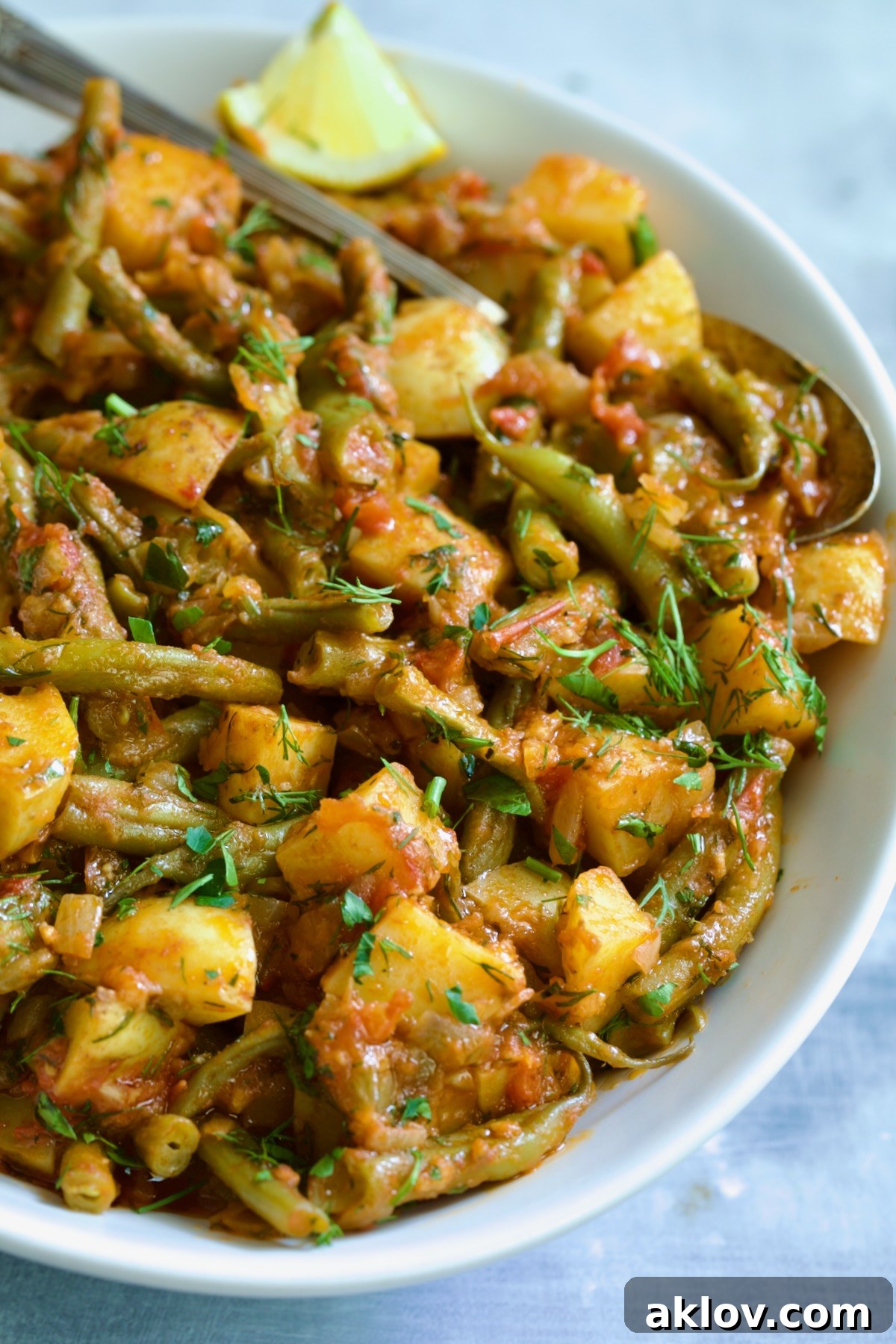
Mastering Fasolakia: A Step-by-Step Culinary Journey
Embarking on the creation of Fasolakia is a rewarding and straightforward process. Each step is designed to build layers of authentic Greek flavor, leading to a truly memorable dish. Here’s how to bring this traditional recipe to life in your kitchen.
Essential Recipe Ingredients:
Before you begin cooking, it’s always best to have all your ingredients measured and prepared. This “mise en place” ensures a smooth and enjoyable cooking experience. Below is a comprehensive list of what you’ll need for this delicious Fasolakia. For precise quantities, please refer to the detailed recipe card at the end of this article.
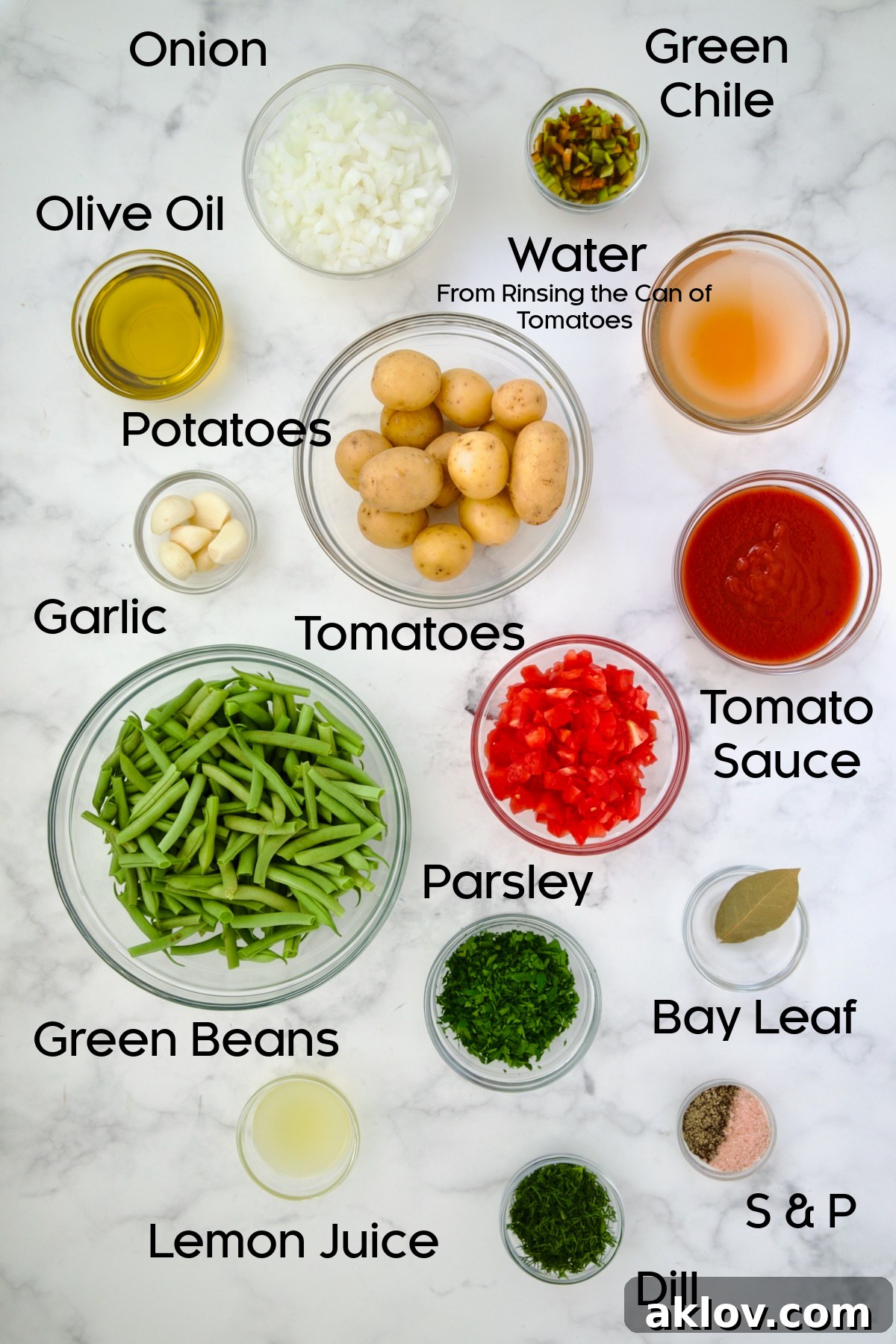
Ingredient Notes and Smart Substitutions:
Understanding your ingredients and their potential variations is key to adapting recipes to your taste and what’s available.
- Olive Oil: The quality of your olive oil is paramount in Greek cooking. Opt for a good, flavorful extra-virgin olive oil, preferably one from Greece if possible, for that authentic taste. There’s no need for an excessively expensive “top-shelf” oil, but a robust, fruity variety will significantly impact the dish’s depth. As an alternative, avocado oil can also be used, offering a neutral flavor and high smoke point.
- Green Chile: While not a ubiquitous ingredient in every traditional Fasolakia, a mild green Anaheim chile was a delightful discovery during recipe development. Its subtle heat and fresh, grassy flavor beautifully complemented the tomatoes. If you prefer to omit the heat, or if Anaheim chiles are hard to find, a small green bell pepper, seeded and chopped, makes an excellent and classic substitute, lending a fresh, mild sweetness.
- Water: As a practical tip from a chef’s kitchen, always rinse out your canned tomato product with a bit of water to extract every last drop of flavor. This minimizes waste and adds essential liquid to the stew. For an even more intense and layered flavor, consider substituting vegetable broth, chicken broth, or even beef broth for the water, especially if serving alongside meat.
- Potatoes: I highly recommend using buttery Yukon gold baby potatoes for their creamy texture and ability to maintain their shape beautifully during the slow braising process. Red potatoes, another “waxy” variety, will also work wonderfully. If you opt for “starchy” Russet potatoes, be aware they may absorb more liquid and tend to break down a bit, creating a thicker, more rustic sauce. Choose the type that best suits your desired texture.
- Tomatoes: The success of your Fasolakia relies heavily on the quality of your tomatoes. If it’s summer and fresh, juicy tomatoes are abundant, by all means, use them! Their vibrant, sweet-tart flavor is unbeatable. During off-seasons, however, high-quality canned diced tomatoes are a fantastic and convenient substitute, providing consistent flavor and texture.
- Green Beans: Fresh, crisp green beans are always preferred for their superior texture and bright flavor. Look for beans that snap easily when bent. If fresh beans are unavailable or out of season, frozen green beans (thawed thoroughly before use) can be a suitable alternative, maintaining much of their nutritional value and taste.
- Dill: Fresh dill is a hallmark herb in Greek cuisine, bringing a distinctive aromatic and tangy note that is crucial for authentic Fasolakia. Its bright flavor truly elevates the dish. If fresh dill is not accessible, you can use dried dill, remembering to use approximately one-third of the amount of fresh (e.g., 2 teaspoons dried for 2 tablespoons fresh).
- Parsley: Fresh flat-leaf parsley adds a touch of peppery brightness and a beautiful visual garnish. It’s best added at the end of cooking to preserve its fresh flavor.
Step-By-Step Instructions for Perfect Fasolakia:
Follow these detailed steps to effortlessly create your own rich and flavorful Fasolakia. Precision and patience are your best tools here.
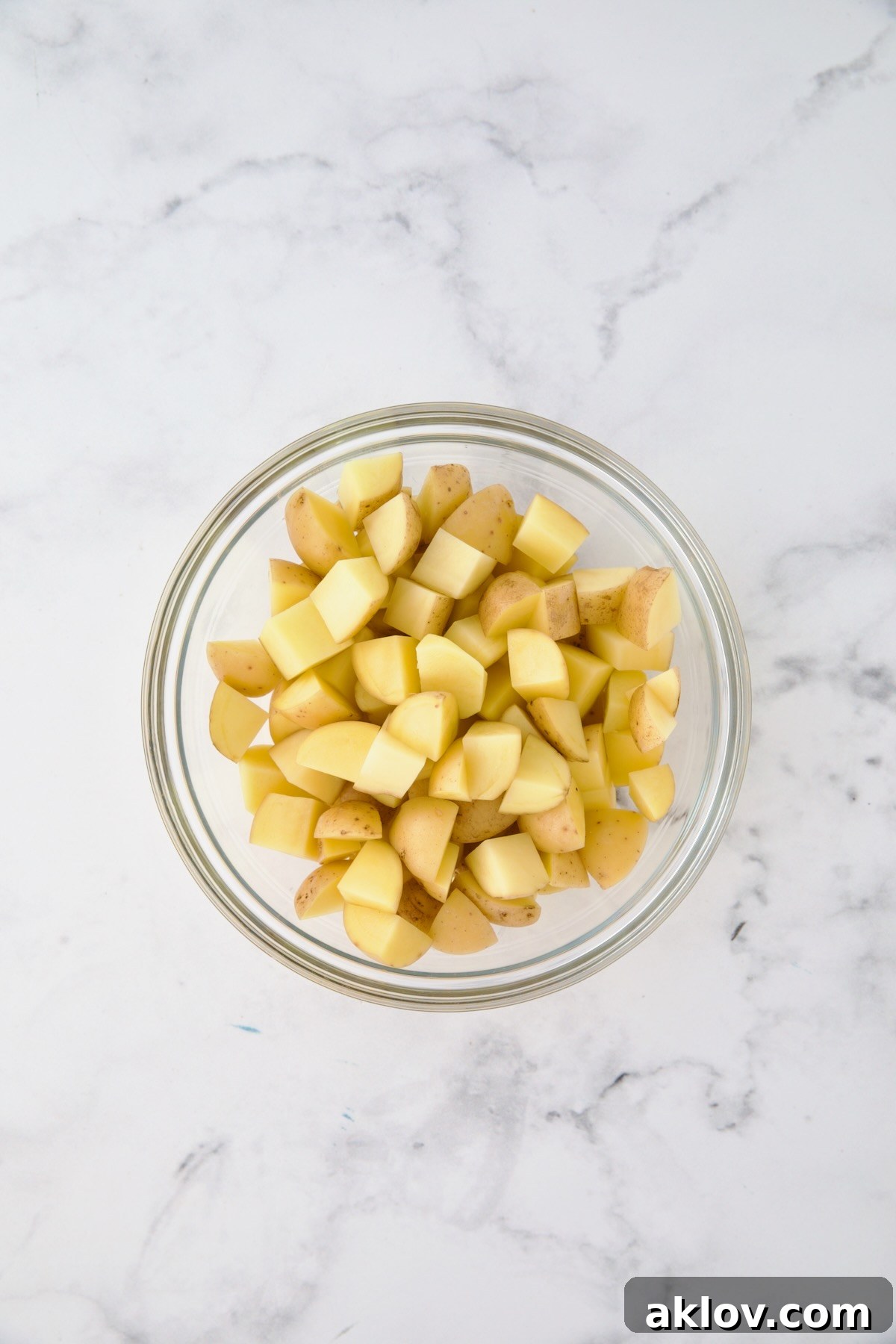
- Prepare Your Ingredients: Start by gathering and thoroughly prepping all your ingredients. This includes washing the green beans, trimming off their woody stem ends, and cutting the potatoes into uniform cubes so they cook evenly. A little preparation now saves time later.
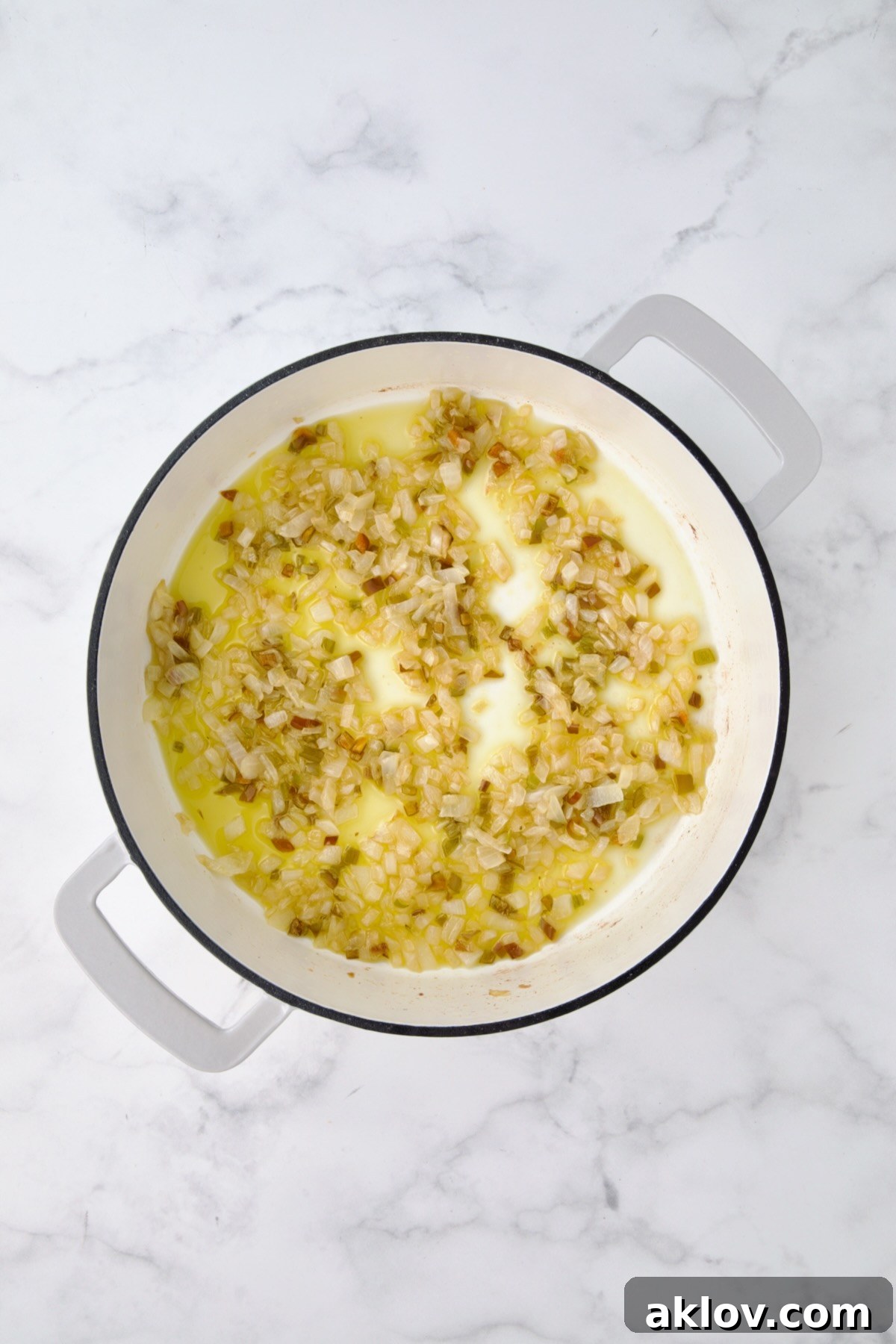
- Sauté the Aromatics: In a large, heavy-bottomed skillet or a spacious sauté pan, heat the extra-virgin olive oil over medium-high heat. Once the oil is shimmering, add the chopped onion and the green chile (or green bell pepper). Reduce the heat to medium and cook, stirring occasionally, until the vegetables have softened and become translucent, typically taking about 3 to 4 minutes. This step creates a fragrant base for the stew.
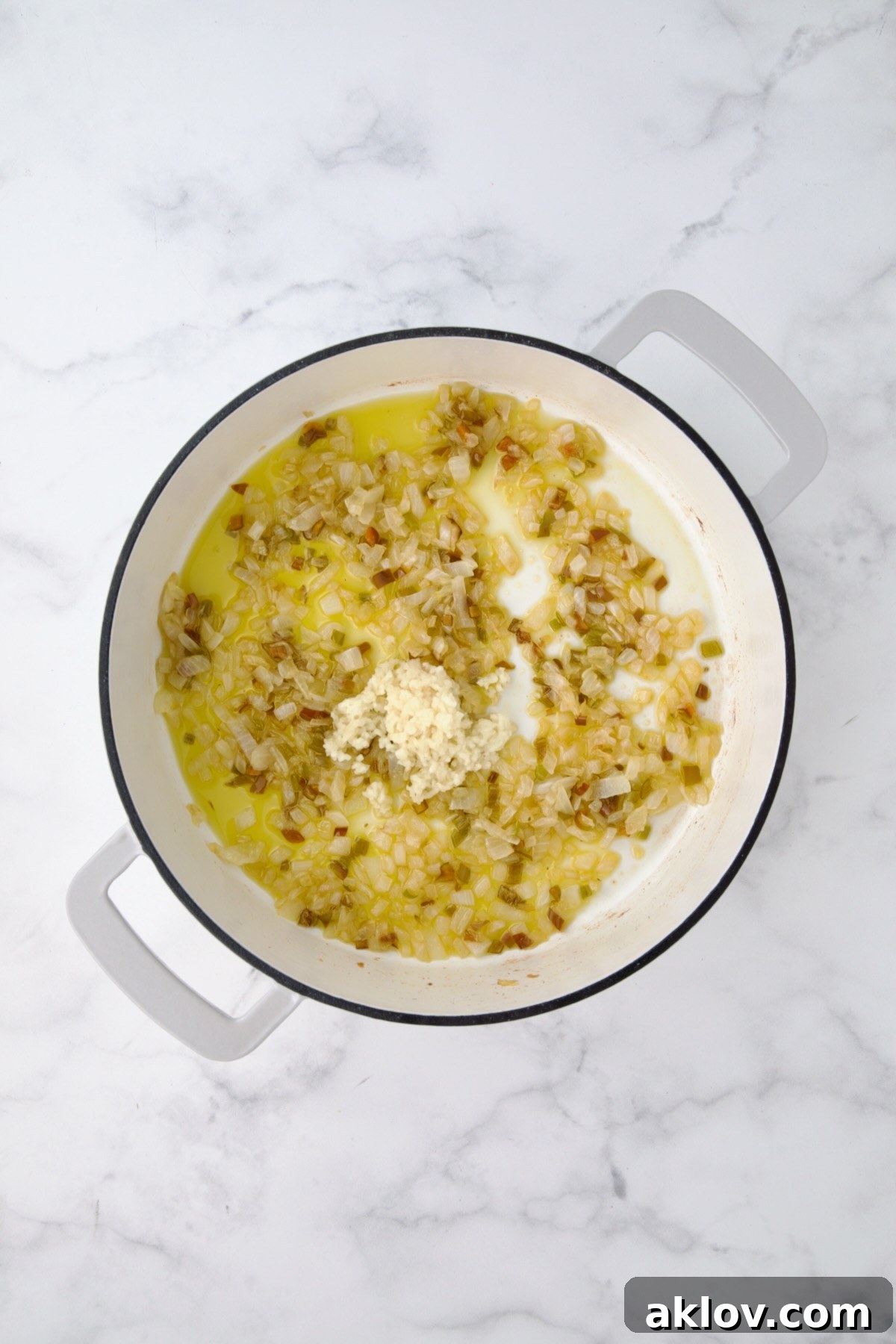
- Add the Garlic: Stir in the minced garlic with the softened onions and peppers. Cook for a brief 10 seconds, or just until it becomes intensely fragrant. Be careful not to let the garlic brown, as it can quickly turn bitter and alter the flavor of your dish.
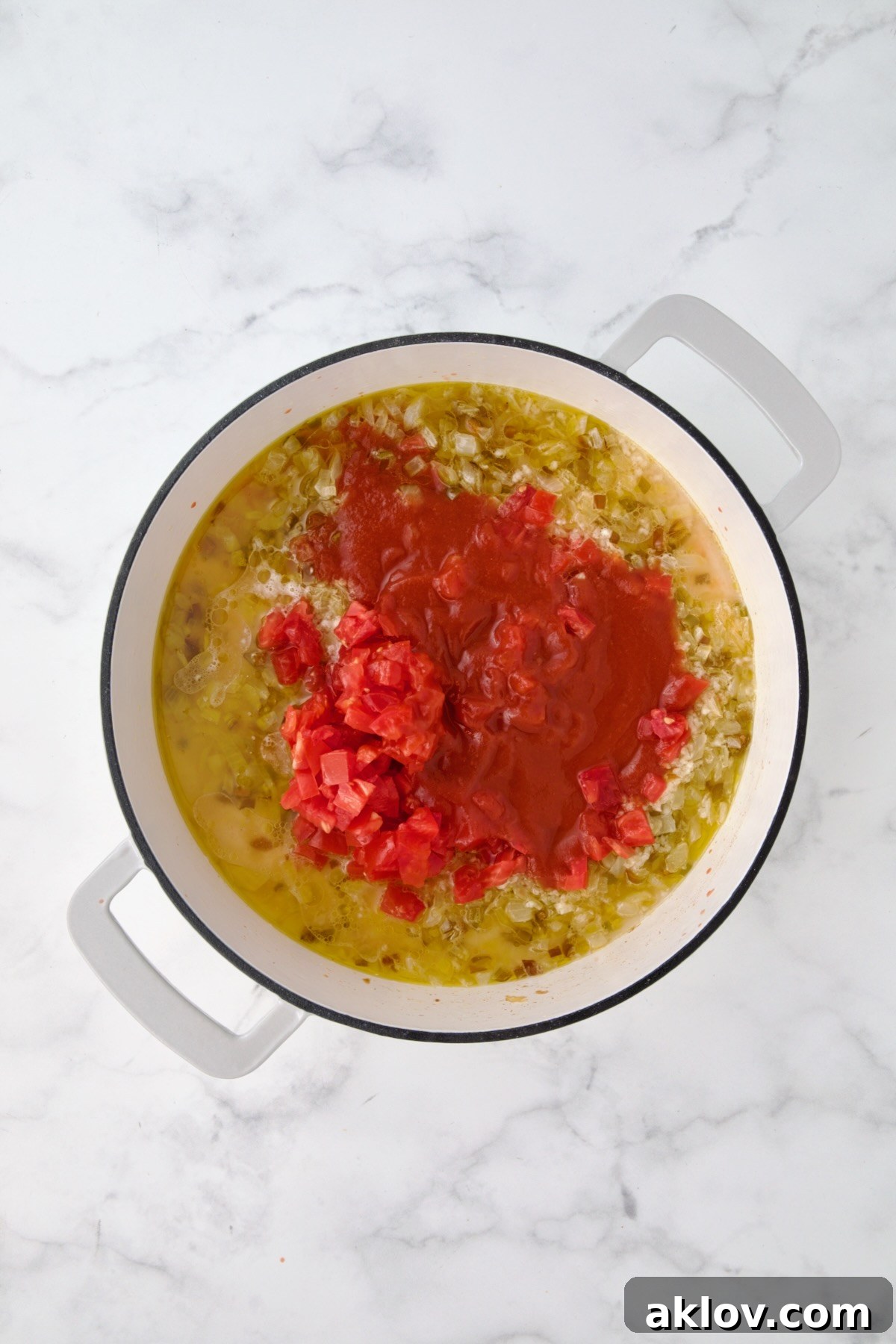
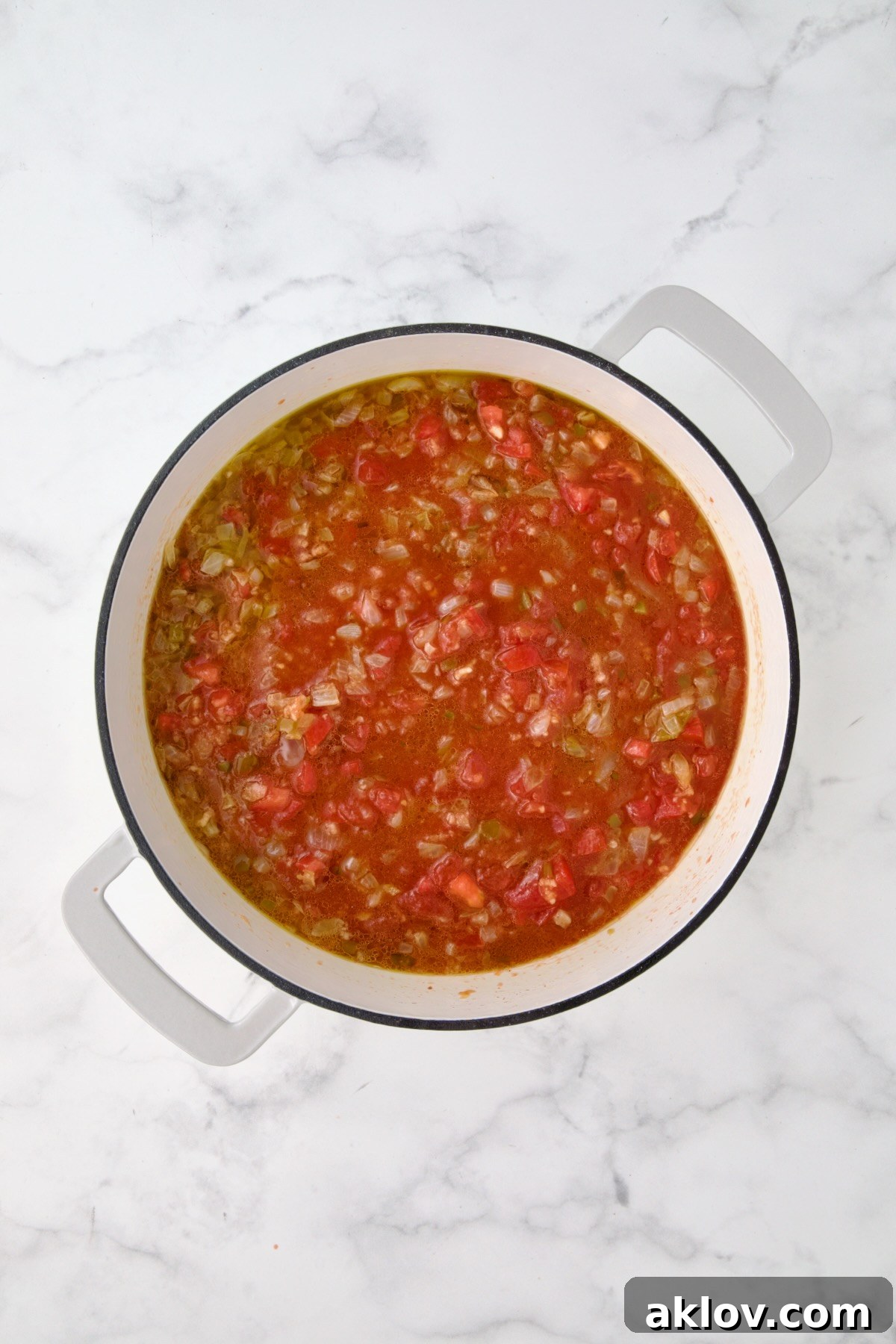
- Build the Tomato Base: Pour in the canned tomato sauce, followed by the water (or broth—remember to rinse out the tomato can for extra flavor!). Then, add the chopped fresh or canned tomatoes. Stir all these ingredients together thoroughly to create a rich and inviting tomato base for your Fasolakia.
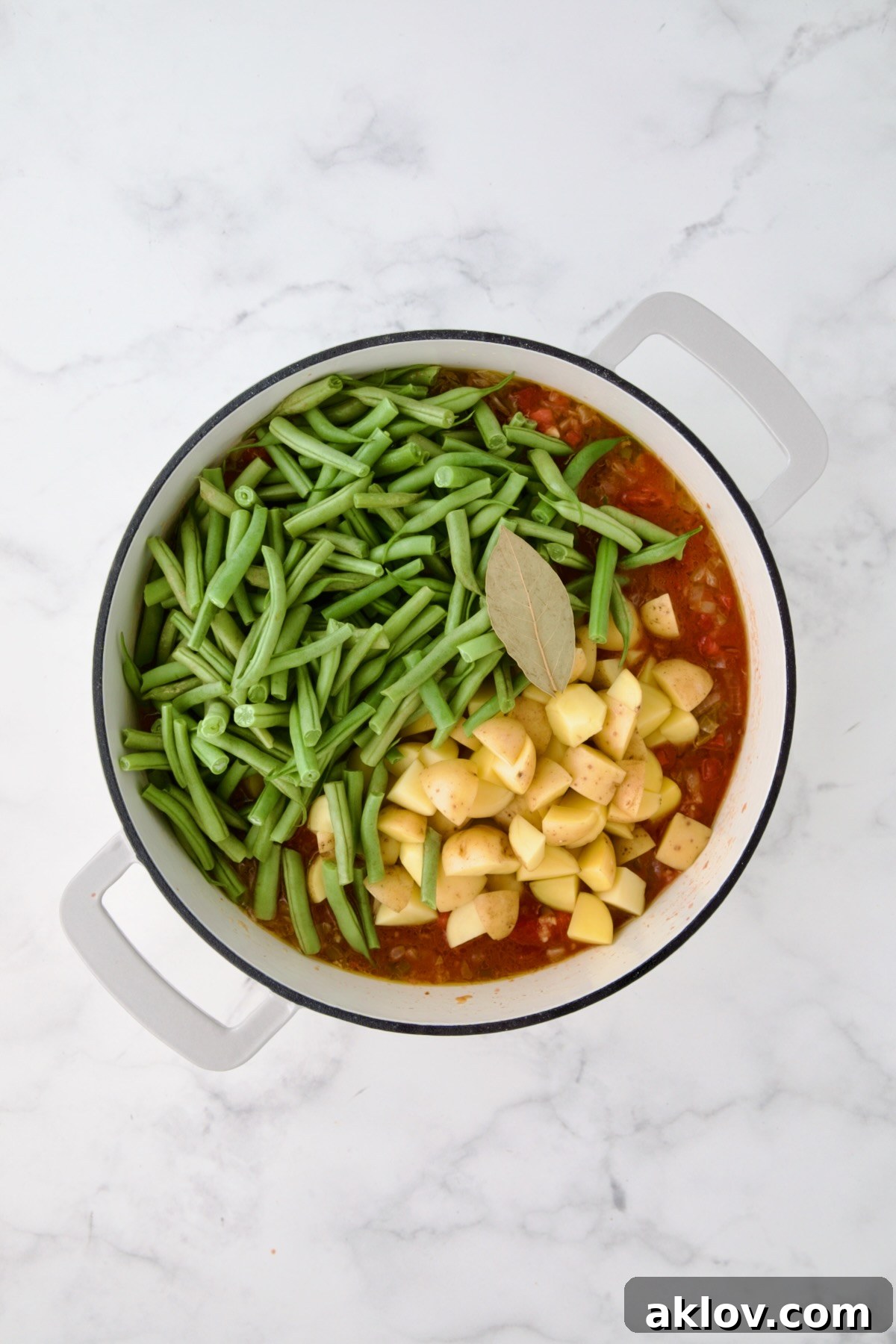
- Add Vegetables and Bring to a Boil: Gently incorporate the cubed potatoes, the prepared green beans, and a single bay leaf into the tomato mixture. Stir everything well to ensure all the vegetables are coated in the rich sauce. Increase the heat slightly and bring the entire mixture to a gentle boil.
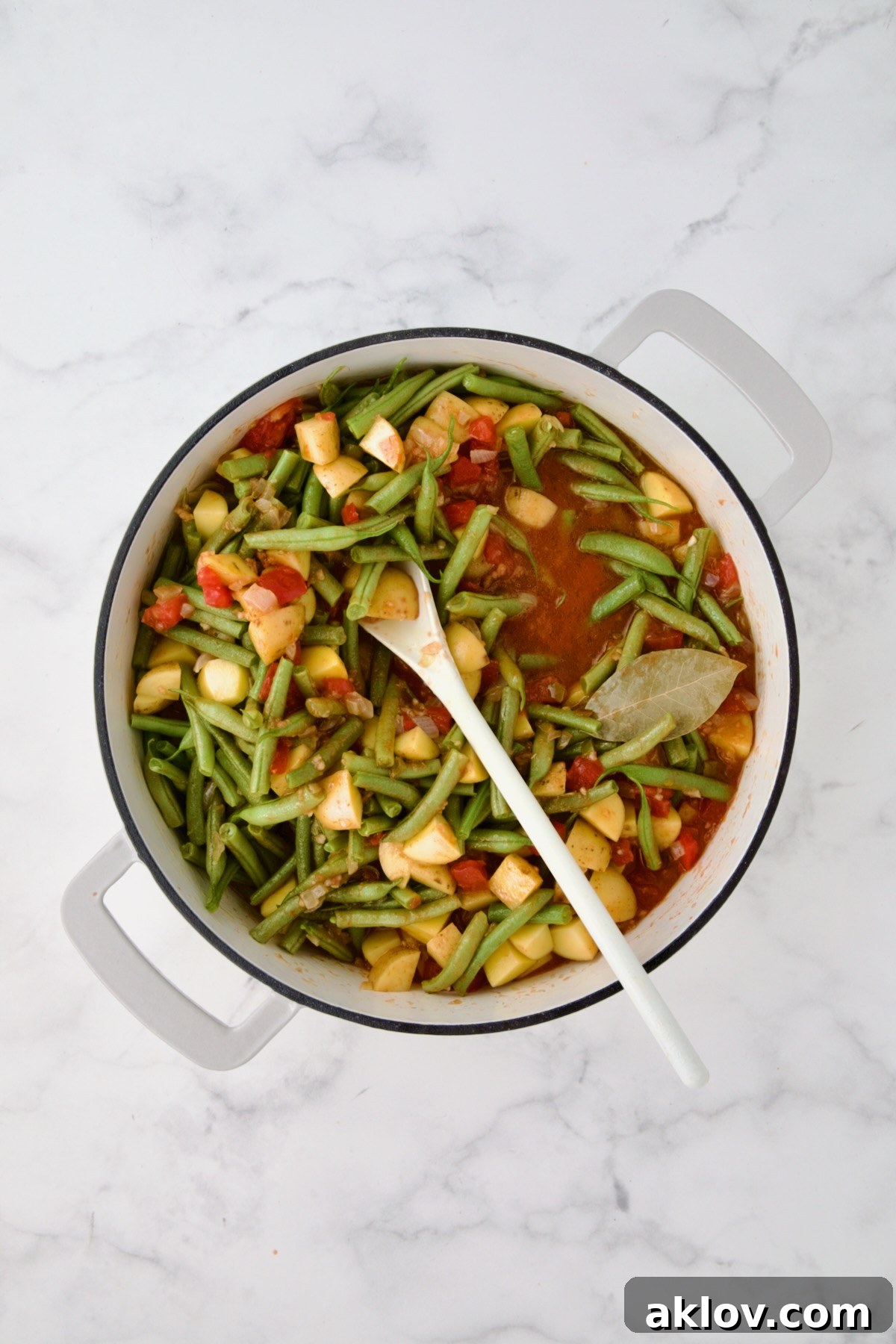
- Slow Simmer and Thicken: Once boiling, reduce the heat to medium-low, cover the skillet tightly, and allow the Fasolakia to simmer gently for approximately 25 minutes. This crucial slow braise softens the vegetables and allows them to absorb all the delicious flavors. Stir the pot once or twice during simmering to prevent sticking and ensure even cooking.
- For the final 5 minutes of cooking, remove the cover from the skillet. This allows any excess liquid to evaporate, helping the sauce to naturally thicken to a beautiful, luscious consistency.
- Add Fresh Herbs: Stir in all but 1 tablespoon of the chopped fresh parsley (set that small amount aside for a final garnish) and all of the chopped fresh dill. These vibrant herbs are added at the end to maximize their fresh flavor and aroma, imparting that unmistakable Greek essence.
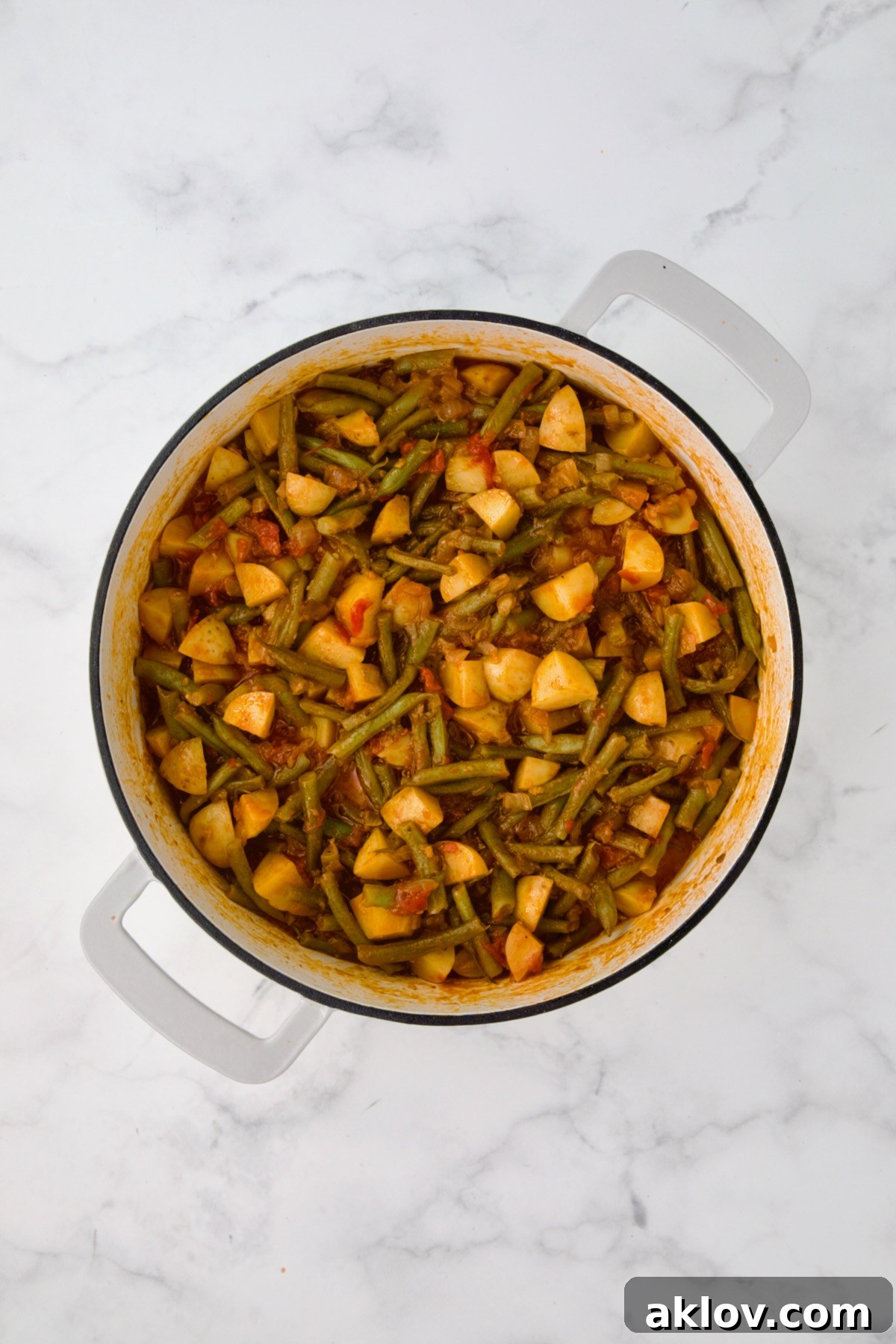
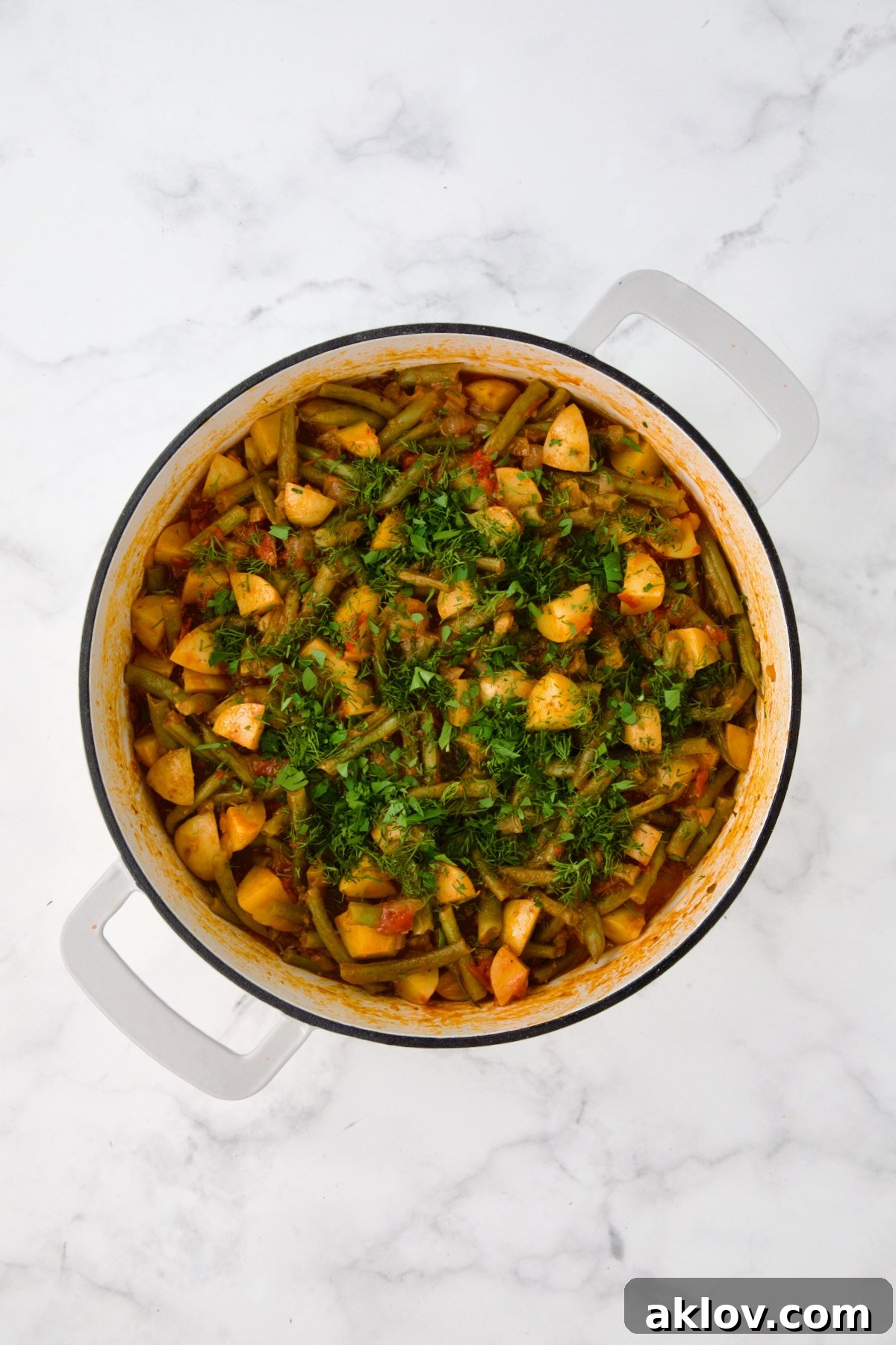
- Final Seasoning: Squeeze in 1 tablespoon of fresh lemon juice. This bright, acidic touch will cut through the richness and elevate all the other flavors. Season generously with salt and freshly ground black pepper to taste. Feel free to add more lemon juice if you prefer a tangier finish.
- Give it one last gentle stir, and your authentic Fasolakia is ready to be served!
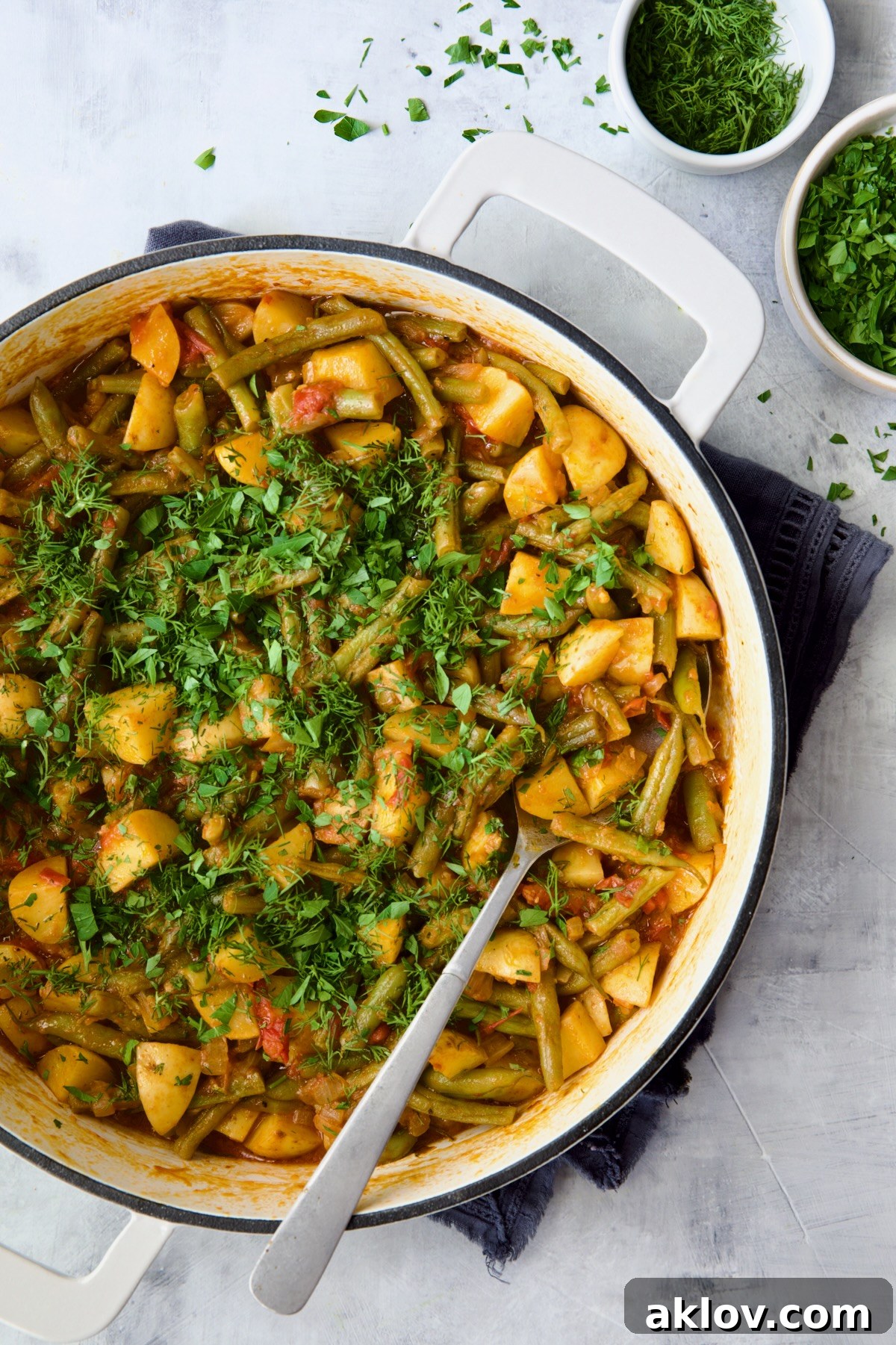
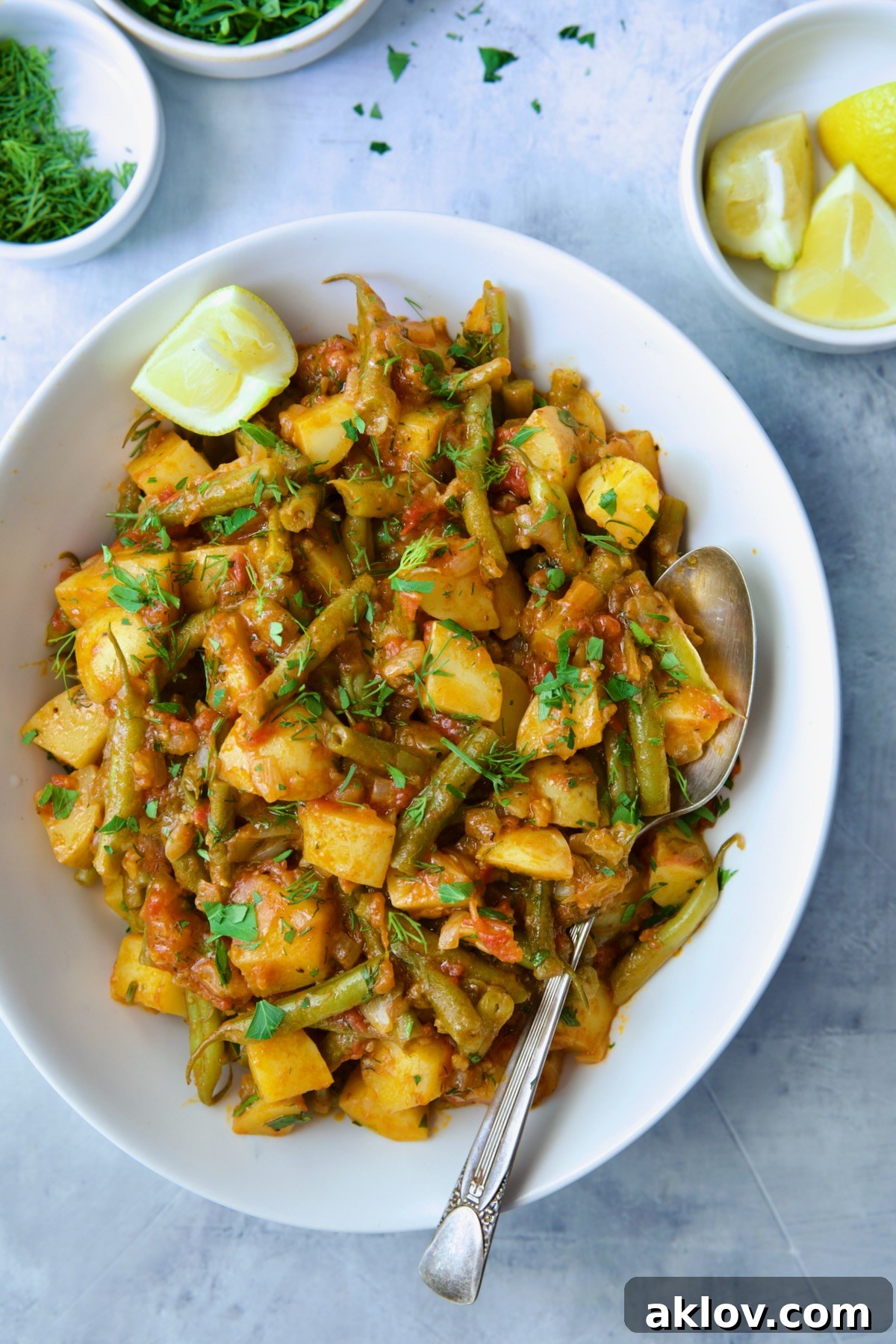
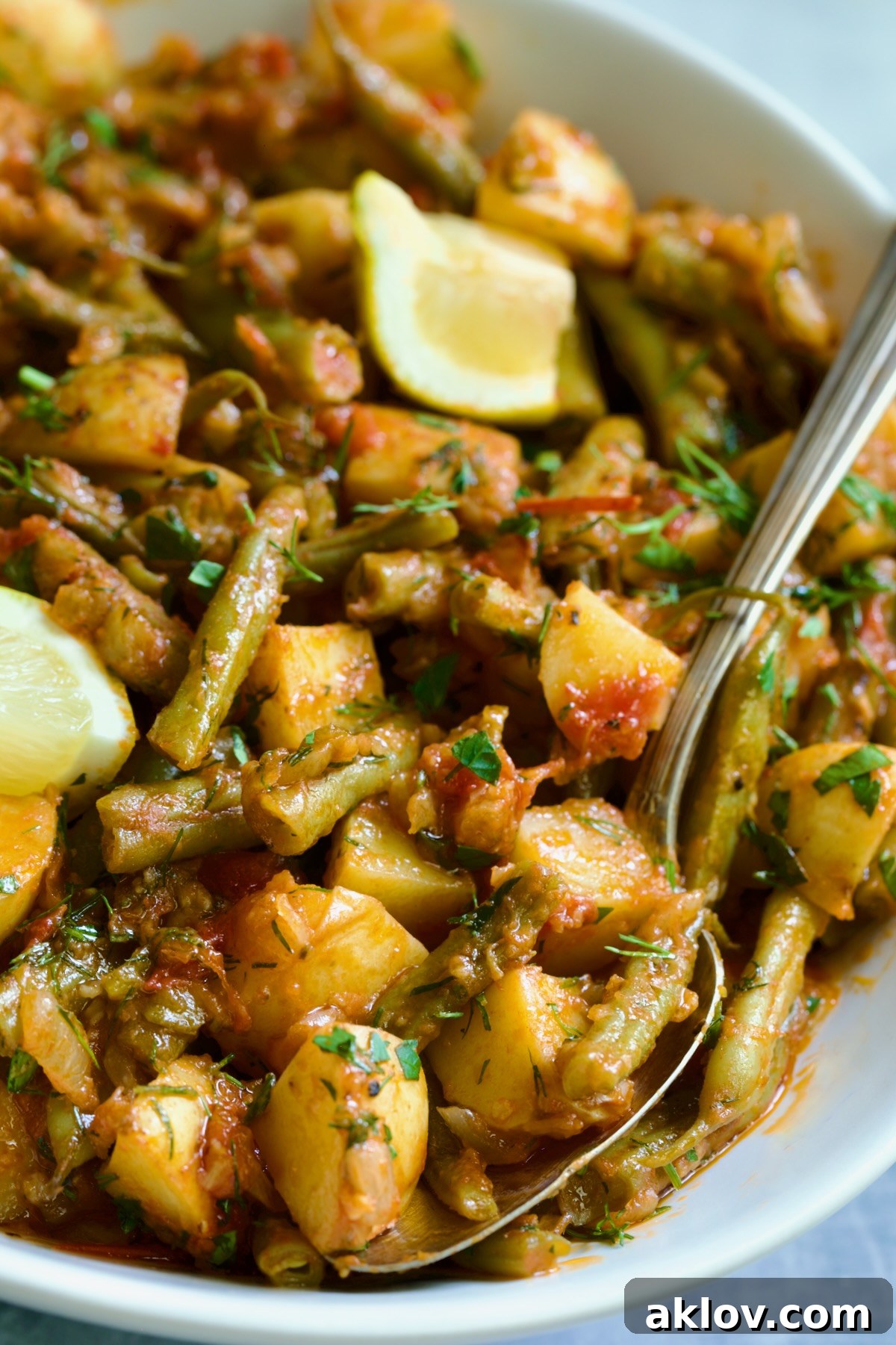
- Serve and Enjoy: Transfer the warm Fasolakia to serving bowls. Garnish with the reserved tablespoon of fresh parsley and, if desired, a few lemon wedges. It’s absolutely delightful on its own, but also pairs beautifully with crusty bread for soaking up the rich tomato sauce, and a sprinkle of authentic Greek feta cheese adds a lovely salty tang. Kali Orexi! (Bon Appétit!)
Chef’s Secrets for Perfect Fasolakia
Drawing from years of experience in professional kitchens, here are some invaluable tips and tricks to help you achieve the best possible Fasolakia, ensuring tender vegetables, a flavorful sauce, and an unforgettable dining experience:
- Efficient Green Bean Trimming Techniques: Trimming green beans can feel tedious, but a few methods can make it more efficient. Remember, only the tough stem end needs removal; the bottom tip is perfectly edible and tender.
- The Mindful Approach: Trim them one by one. This allows for precision and can be a surprisingly meditative task.
- The Batch Cut: Line up several green beans of similar length on your cutting board. Use a sharp chef’s knife to slice off all the stem ends in a single, clean motion. While arranging them takes a moment, the cutting itself is quick.
- The Snap-Off Method: For a more tactile approach, grab two or three beans in one hand and use your other hand to simply snap off the stem ends. This is often the quickest for larger quantities.
- Kitchen Shears for Precision: Keep a pair of clean kitchen shears handy. They offer excellent control and speed for snipping off individual stem ends, especially if you have an uneven batch of beans.
- Embrace the Slow Braise: The true magic of Fasolakia lies in the slow, gentle simmering. Avoid the temptation to rush the cooking process by cranking up the heat. A low, consistent simmer ensures the green beans and potatoes become incredibly tender and fully absorb the rich flavors of the tomato and olive oil sauce without turning mushy or burning.
- The Unmistakable Power of Good Olive Oil: Since olive oil is such a central ingredient in this dish, investing in a good quality extra-virgin olive oil will make a remarkable difference. It provides the foundational flavor and a silken texture to the sauce, embodying the essence of Mediterranean cooking.
- Adjusting Sauce Consistency: After the simmering phase, if you find your sauce is thinner than desired, simply leave the lid off for an additional 5-10 minutes, allowing more liquid to evaporate. Conversely, if the sauce becomes too thick, a splash of hot water or vegetable broth can easily bring it back to your preferred consistency.
- Fresh Herbs are Non-Negotiable: While dried herbs can be used in a pinch, the vibrant, pungent flavors of fresh dill and parsley are truly transformative in Fasolakia. They provide an aromatic lift and a fresh finish that dried alternatives simply cannot replicate. Aim for fresh whenever possible for the most authentic taste.
- Taste as You Go: Always taste your Fasolakia before serving. Adjust the seasoning – particularly salt, pepper, and lemon juice – to your personal preference. A final squeeze of lemon juice often brightens all the flavors and adds a perfect zesty finish.
Fasolakia FAQs: Your Common Questions Answered
Can Fasolakia be made ahead of time?
Absolutely! Fasolakia is one of those fantastic dishes that often tastes even better the day after it’s cooked, as the flavors have more time to meld and deepen. You can easily prepare it up to two days in advance. Once cooked, allow it to cool completely to room temperature before transferring it to an airtight container and refrigerating. To reheat, gently warm it in the microwave or return it to a saucepan over low heat on the stovetop. It’s often beneficial to add a small splash of water or vegetable broth during reheating, as the potatoes tend to absorb liquid, helping to maintain its desired saucy consistency.
Can you freeze Fasolakia?
Yes, Fasolakia can be frozen for future convenience, though it’s important to note a potential textural change. While the flavors hold up beautifully, the potatoes may become slightly softer after thawing and reheating. To freeze, ensure the dish is completely cool, then place it in a freezer-safe, airtight container. It can be stored in the freezer for up to two months. When ready to enjoy, thaw it in the refrigerator overnight or use the defrost setting in your microwave. Reheat gently on the stovetop or in the microwave, adding a little water or broth if necessary to restore its ideal consistency.
Is Fasolakia a healthy dish?
Yes, Fasolakia is undeniably a very healthy dish, embodying the core principles of the acclaimed Mediterranean diet. It’s rich in fiber, vitamins, and minerals from the abundance of fresh vegetables like green beans and potatoes. The generous use of extra-virgin olive oil contributes heart-healthy monounsaturated fats. As a naturally vegan and gluten-free recipe, it’s an excellent choice for a wholesome, balanced, and nutritious meal that supports overall well-being.
What distinguishes Fasolakia from other green bean dishes?
The defining feature that sets Fasolakia apart from many other green bean preparations, particularly simpler ones, is the inclusion of potatoes. While many Greek recipes might feature green beans braised in tomato sauce, the addition of potatoes in Fasolakia transforms it into a much more substantial and hearty stew, making it a complete and satisfying vegetarian main course rather than solely a side dish.
Can I add other vegetables to Fasolakia?
While the classic Fasolakia focuses on green beans and potatoes, Greek home cooking often embraces flexibility based on seasonal produce. You can absolutely experiment by adding other complementary vegetables. Thinly sliced carrots would add sweetness and color, while zucchini or even additional bell peppers (beyond the initial aromatic base) would blend in beautifully, adding further nutritional value and flavor dimensions to your delicious stew.
Storage and Reheating Your Fasolakia
- Refrigeration: Any leftover Fasolakia can be stored in an airtight container in the refrigerator for up to five days. Its flavors often continue to develop and improve overnight, making it a fantastic dish for meal prepping.
- Reheating: To reheat, simply warm individual portions in the microwave until heated through. Alternatively, you can gently simmer the stew in a saucepan on the stovetop over low heat. It’s often beneficial to add a small amount of water or vegetable broth during reheating, as potatoes tend to absorb liquid while stored, which helps to restore the dish’s desirable moisture and saucy consistency.
Perfect Pairings: What to Serve with Fasolakia
Fasolakia is incredibly versatile and can be enjoyed as a hearty vegetarian main dish or as a flavorful side. Here are some inspired suggestions for what to serve alongside your delicious Greek green bean and potato stew:
- Baked Greek Chicken: The savory, herb-infused flavors of classic Greek chicken perfectly complement the rich tomato and vegetable notes of Fasolakia, creating a complete and satisfying Mediterranean feast.
- Greek Quinoa Cakes with Tzatziki: For an entirely vegetarian meal, these flavorful quinoa cakes offer a delightful textural contrast and a fresh, creamy counterpoint with a dollop of cool tzatziki.
- Parmesan and Herb-Crusted Lamb Chops: The robust and elegant flavors of lamb are beautifully balanced by the wholesome, saucy Fasolakia, making for a sophisticated and deeply satisfying dinner.
- Zucchini Quiche: A light and fluffy zucchini quiche pairs wonderfully with the hearty vegetable stew, offering a lovely balance of textures and flavors that’s perfect for a brunch or a lighter dinner.
- Crusty Bread: A must-have! Serve with plenty of crusty bread, such as a fresh baguette or a rustic sourdough, to soak up every last drop of the rich, savory tomato-olive oil sauce.
- Greek Feta Cheese: A generous crumble of authentic Greek feta cheese over each serving adds a delightful salty tang and creamy texture that perfectly complements the braised vegetables.
Explore More Delicious Green Bean Recipes
If you’ve enjoyed the wholesome goodness of Fasolakia and are looking for more innovative and delicious ways to incorporate green beans into your meals, here are some other fantastic recipes from our collection that you’re sure to love:
- Mediterranean Braised Green Beans with Tomatoes: A lighter, yet equally flavorful version that focuses solely on green beans, slow-braised in a similar aromatic tomato sauce.
- Thai Sweet Chili Green Beans: For an exciting culinary adventure, these green beans offer a delightful sweet and spicy Asian-inspired twist that’s bursting with flavor.
- Roasted Green Beans with Tomato Caper Relish: A vibrant and elegant side dish featuring perfectly roasted green beans topped with a bright, briny, and fresh tomato-caper relish.
- Green Bean Salad Recipe with Mustard Vinaigrette: A refreshing and crisp salad that showcases blanched green beans paired with crunchy radishes and tossed in a zesty mustard vinaigrette.
For even more inspiring vegetable-focused dishes, be sure to visit my comprehensive collection of Vegetable Side Dish Recipes – From A Chef’s Kitchen.
Fasolakia Recipe: Greek Green Beans and Potatoes
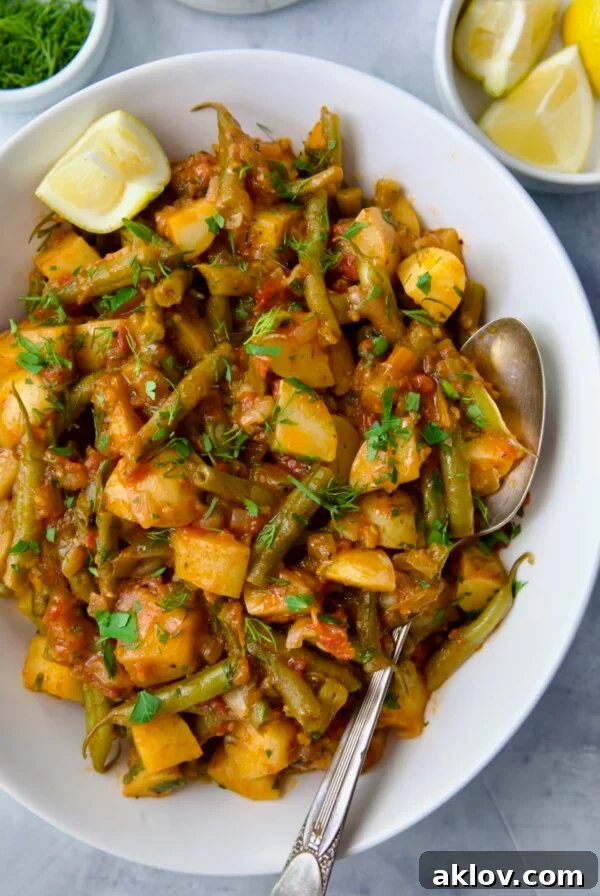
Fasolakia is a traditional Greek stew featuring tender green beans and soft potatoes, braised in a rich sauce of olive oil and tomatoes. It’s a light, comforting, and deeply flavorful dish, perfect as a vegan main or a hearty side.
Prep Time: 20 minutes
Cook Time: 40 minutes
Total Time: 1 hour
Servings: 6
Recipe By: Carol | From A Chef’s Kitchen
Equipment You’ll Need
- Wusthof Chef Knife
- Cutting Board
- Enameled Cast Iron Skillet (or large sauté pan with lid)
- Measuring Cups and Spoons
Ingredients
- 1/3 cup extra-virgin olive oil
- 1 large onion, chopped
- 1 small green chile (e.g., Anaheim) or green bell pepper, seeded and chopped
- 6 cloves garlic, minced
- 1 can (8-ounce) tomato sauce
- 1 1/2 cups water (from rinsing tomato sauce can) or vegetable broth
- 3 large plum or round tomatoes, seeded and chopped (approximately 1 cup), or 1 can (14.5 oz) diced tomatoes
- 12 ounces baby Yukon gold potatoes, scrubbed and cubed (about 1-inch pieces)
- 1 pound fresh green beans, stem ends trimmed and broken into 1 to 2-inch lengths (or thawed frozen green beans)
- 1 bay leaf
- 1/2 cup chopped fresh parsley (reserve 1 tablespoon for garnish)
- 2 tablespoons chopped fresh dill, or 2 teaspoons dried dill
- 1-2 tablespoons fresh lemon juice, to taste
- Salt and freshly ground black pepper, to taste
Instructions
- Sauté Aromatics: In a large skillet or sauté pan, heat the olive oil over medium-high heat. Add the chopped onion and green chile (or green bell pepper). Reduce heat to medium and cook, stirring, until softened and translucent, about 3-4 minutes.
- Add Garlic: Stir in the minced garlic and cook for just 10 seconds, or until fragrant. Do not let it brown.
- Build Tomato Base: Pour in the tomato sauce, water (or broth), and chopped tomatoes. Stir well to combine.
- Add Vegetables & Simmer: Add the cubed potatoes, green beans, and bay leaf. Stir everything together. Bring the mixture to a gentle boil.
- Braise to Perfection: Reduce the heat to medium-low, cover the skillet tightly, and simmer for 25 minutes. Stir once or twice during simmering. For the last 5 minutes of cooking, remove the cover to allow the sauce to thicken slightly.
- Stir in Herbs: Remove the bay leaf. Stir in all but 1 tablespoon of the chopped fresh parsley (reserve for garnish) and all the chopped fresh dill.
- Season & Finish: Add 1 tablespoon of fresh lemon juice, then season generously with salt and freshly ground black pepper to taste. Add more lemon juice if desired for a brighter flavor.
- Serve: Serve your warm Fasolakia immediately, optionally garnished with the reserved parsley, lemon wedges, crusty bread, and crumbled Greek feta cheese.
Notes & Chef’s Tips
- Ingredient Substitutions: Avocado oil is a suitable alternative to olive oil. For a richer flavor, use vegetable, chicken, or beef broth instead of water. While Yukon gold potatoes are ideal, red potatoes work well; Russets can be used but may crumble more. Canned diced tomatoes are an excellent alternative to fresh when out of season. Frozen green beans, thawed, can replace fresh ones.
- Make Ahead: Fasolakia’s flavors deepen overnight, making it perfect for preparing up to two days in advance. Cook, cool, then refrigerate in an airtight container. Reheat gently on the stovetop or in the microwave, adding a little water or broth as needed, as potatoes absorb liquid.
- Freezer-Friendly: This dish can be frozen for up to 2 months. Be aware that potato texture may soften upon freezing and thawing. Cool completely, transfer to an airtight container, and freeze. Thaw in the refrigerator or microwave. Reheat on the stovetop or in the microwave, adding liquid if necessary.
Nutrition Information (Estimated Per Serving)
Serving: 1 |
Calories: 198kcal |
Carbohydrates: 21g |
Protein: 3g |
Fat: 12g |
Saturated Fat: 2g |
Polyunsaturated Fat: 1g |
Monounsaturated Fat: 9g |
Sodium: 43mg |
Potassium: 552mg |
Fiber: 5g |
Sugar: 5g |
Vitamin A: 1,215IU |
Vitamin C: 36mg |
Calcium: 58mg |
Iron: 2mg
Nutritional values are automatically calculated using unbranded products and are estimates only. Actual results may vary based on ingredients used and portion sizes. Please adjust as needed for specific dietary restrictions, allergies, or health concerns.
Loved this authentic Fasolakia recipe? We’d be thrilled to hear from you! Leave a comment below and share your culinary experience!