
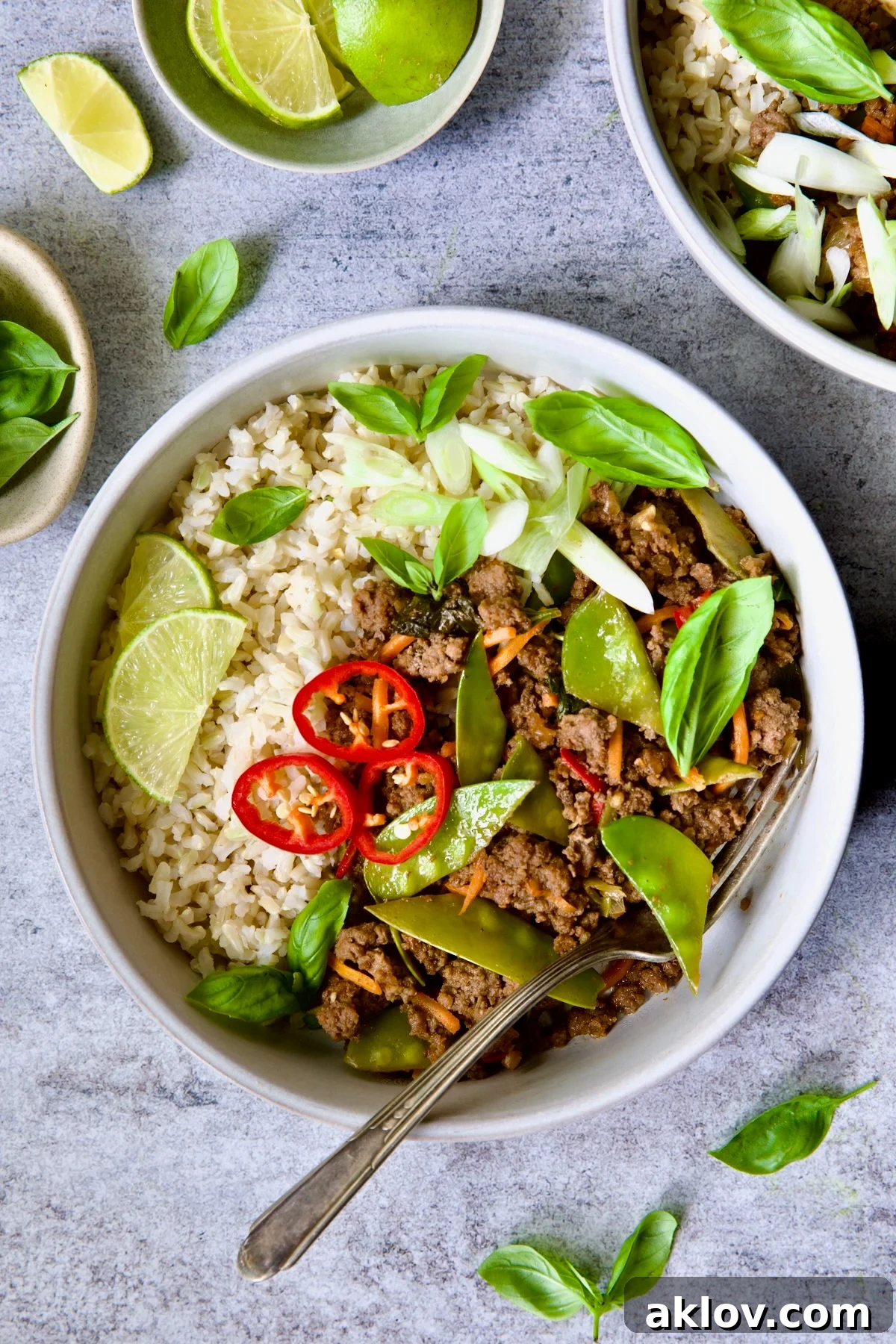
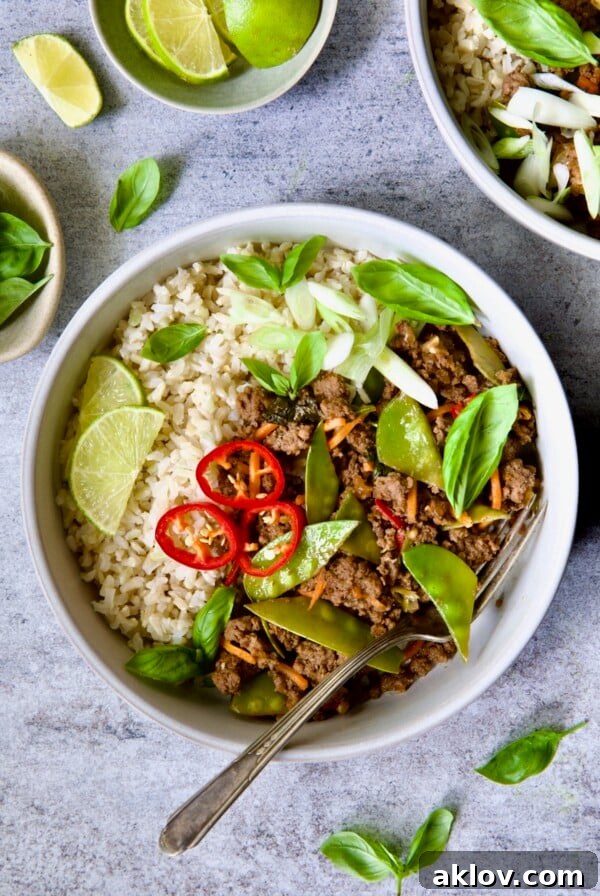
Craving the vibrant, aromatic flavors of Thai cuisine but short on time? Look no further! This incredibly easy and outrageously delicious Thai Basil Beef Stir-Fry recipe is your answer. In approximately 30 minutes, you can transform simple ingredients into a restaurant-quality meal right in your own kitchen. Featuring succulent ground beef, a medley of fresh, crisp vegetables, and a bold, savory-sweet sauce infused with the unmistakable scent of basil, this dish is guaranteed to become a family favorite. It’s the perfect solution for a speedy weeknight dinner that doesn’t compromise on flavor or health.
“Absolutely fantastic! My family devoured this Thai Basil Beef. It’s a true keeper!“
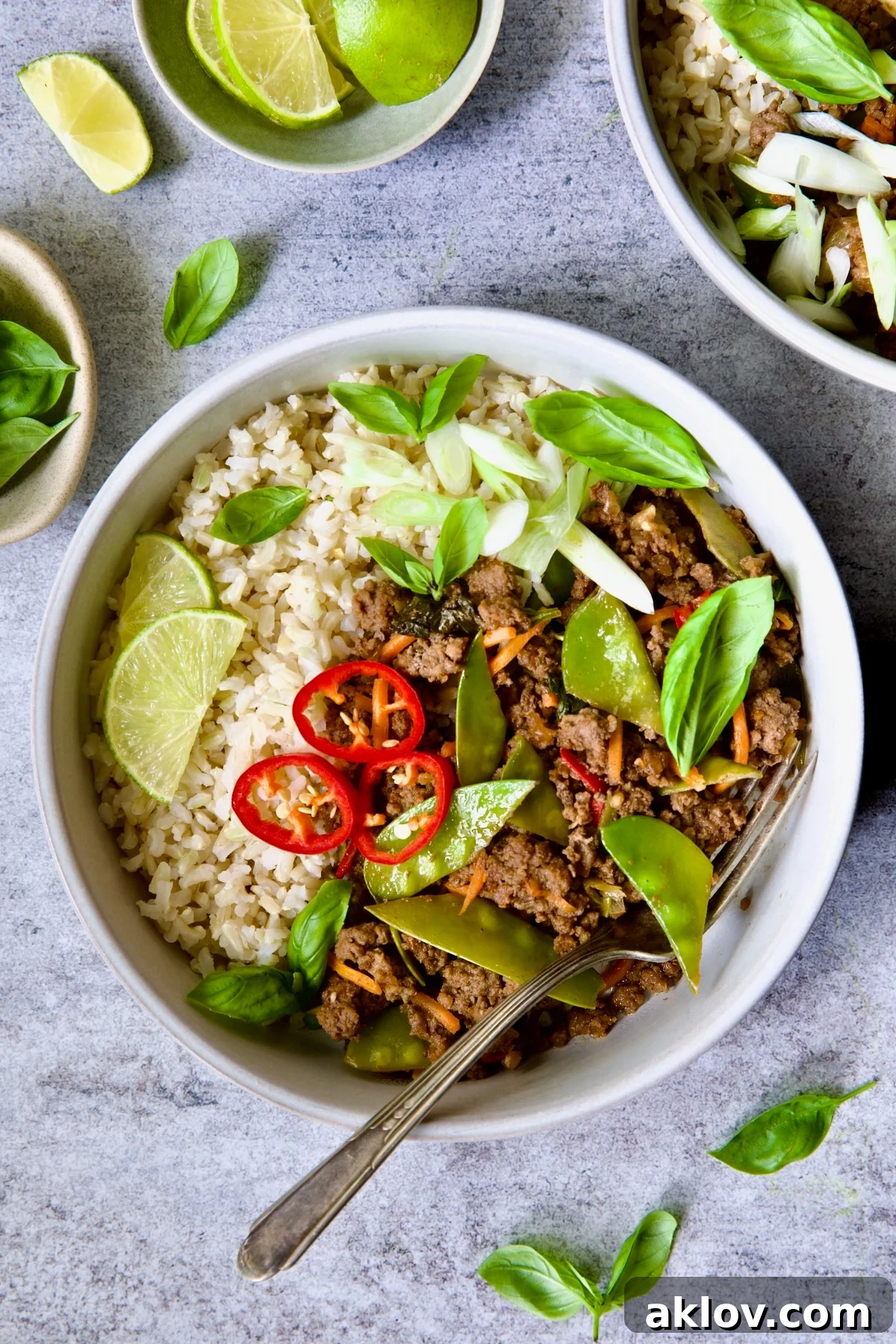
Why This Thai Basil Beef Recipe Deserves a Permanent Spot in Your Meal Rotation
When the irresistible craving for Thai food strikes, but you prefer the comfort and convenience of home dining, this Thai Basil Beef recipe steps up to the plate. It’s not just another meal; it’s an experience that delivers authentic Thai-inspired flavors with remarkable ease. With an abundance of fresh basil, this quick and flavorful ground beef stir-fry shines, particularly as a vibrant summer dish or a comforting cool-weather staple.
While traditional Thai basil beef often calls for thinly sliced cuts of beef, using ground beef in this recipe simplifies the preparation process significantly without sacrificing taste. This strategic choice makes it incredibly accessible for home cooks on busy schedules. We enhance the dish with readily available, healthy ingredients like prepped carrot shreds and crisp snow peas, adding essential crunch and nutritional value. The magic truly happens with the straightforward yet powerful sauce, crafted from mostly pantry staples, which creates an intensely deep and bold flavor profile. Serve this culinary delight with fluffy brown rice for a perfectly balanced, utterly satisfying, and remarkably delicious meal.
This Thai Basil Beef recipe stands out for many reasons:
- Effortless Preparation: Utilizing ground beef and minimal chopping, this recipe is designed for maximum flavor with minimal fuss, making it ideal for novice cooks and seasoned chefs alike.
- Irresistibly Delicious: A masterful blend of savory, sweet, spicy, and umami notes ensures every bite is packed with incredible flavor, satisfying even the most discerning palates.
- Incredibly Fast: From prep to plate, you’ll be enjoying this vibrant stir-fry in just over 30 minutes, making it perfect for busy weeknights when time is of the essence.
- Nutritious & Wholesome: Loaded with lean protein and fresh, crunchy vegetables, this dish offers a healthy and satisfying option for your family, supporting a balanced lifestyle.
- Versatile & Customizable: Easily adaptable to your preferred spice level and choice of vegetables, this recipe encourages culinary creativity and ensures a dish that suits everyone’s tastes.
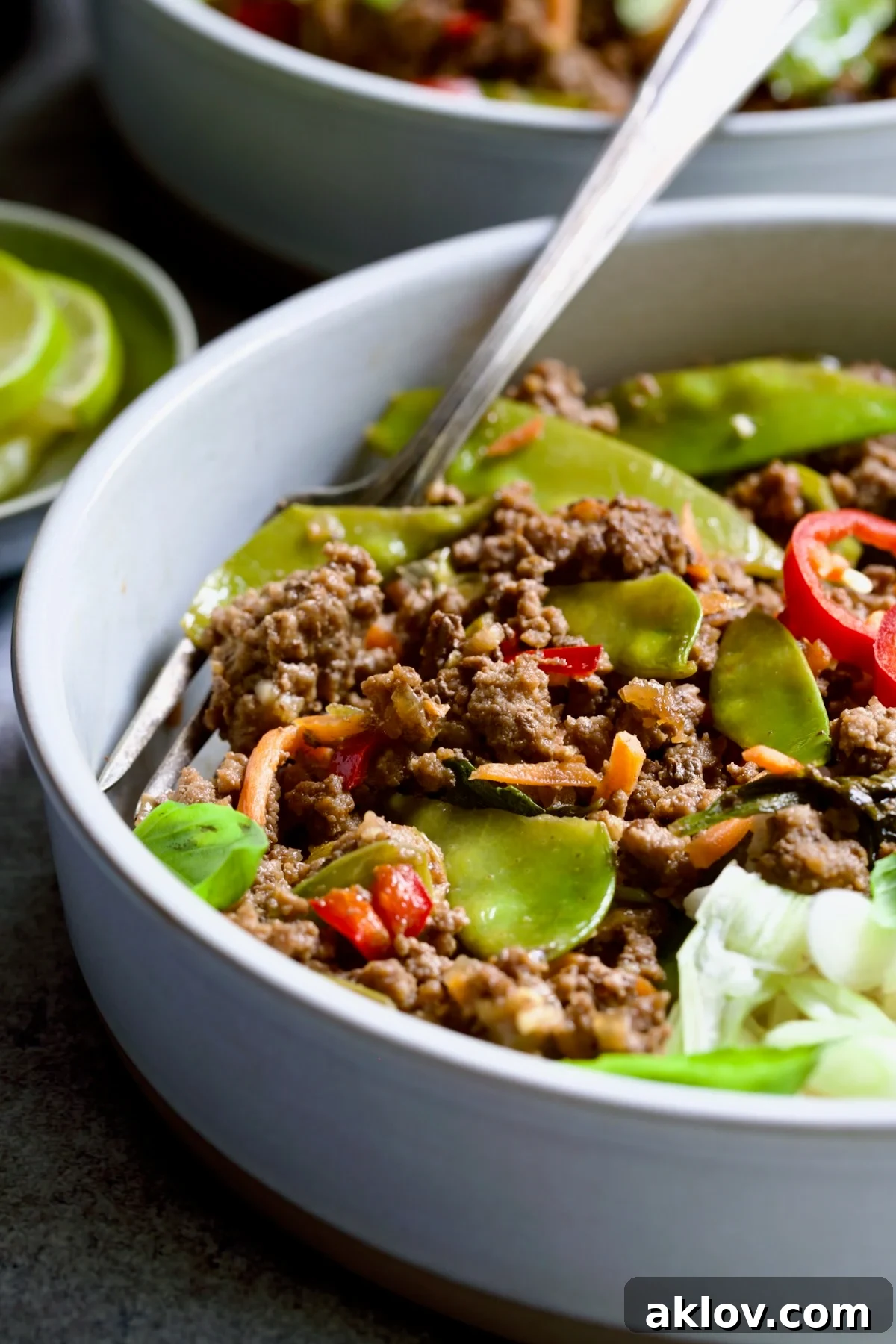
Crafting Your Own Authentic Thai Basil Beef: A Step-by-Step Guide
Embark on a culinary journey to Thailand with this straightforward guide to making a truly memorable Thai Basil Beef. Below, you’ll find all the essential ingredients and clear instructions to create this exquisite stir-fry.
Essential Recipe Ingredients:
To recreate this vibrant Thai Basil Beef at home, you’ll need a selection of fresh and pantry-friendly items. Each ingredient plays a crucial role in building the complex, harmonious flavors that define this dish. For exact quantities, please refer to the detailed recipe card at the end of this post.
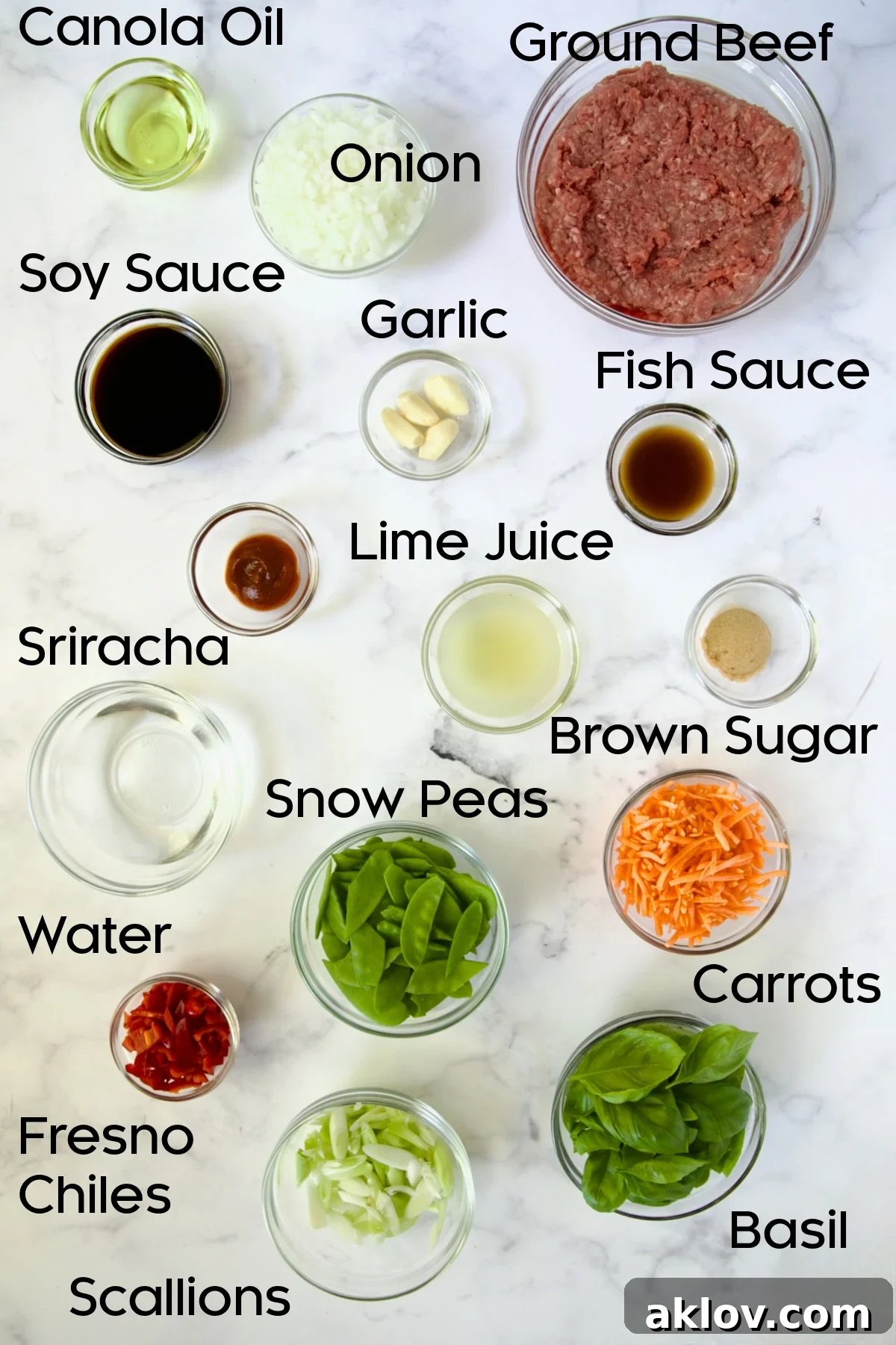
Ingredient Insights and Smart Substitutions:
Understanding your ingredients is key to successful cooking. Here’s a deeper dive into the components of our Thai Basil Beef and how to adapt them to your preferences:
- Ground Beef: For this versatile Thai ground beef recipe, I highly recommend using ground chuck, typically with an 80% lean meat to 20% fat ratio. Ground chuck, sourced from the cow’s shoulder, boasts a higher fat content which is essential for imparting rich flavor, tenderness, and juiciness to your stir-fry. If you’re aiming for a lighter version, a leaner 90/10 ratio can be used, but be aware it might result in a slightly less tender texture. For alternative proteins, ground turkey or chicken also work wonderfully, absorbing the bold flavors of the sauce beautifully.
- Soy Sauce: This staple provides a foundational salty, umami depth. You can confidently use tamari as a gluten-free alternative in this basil beef recipe. I always opt for reduced-sodium soy sauce and tamari because their lighter flavor profile prevents the dish from becoming overly salty, allowing other flavors to shine. Conventional soy sauce contains wheat, whereas tamari contains little to no wheat, making it a safe choice for those with gluten sensitivities. Always check labels to ensure it’s certified wheat and gluten-free if necessary.
- Fish Sauce: An absolute cornerstone of Thai cuisine, Thai fish sauce, known as “nam pla” in Thai (meaning “fish water”), is indispensable. Produced from fermented fish and salt, typically anchovies, it contributes a distinct salty, intensely savory umami depth that cannot be fully replicated. It’s so potent that you often won’t need to add any additional salt to your Thai Basil Beef. Choose a high-quality brand for the best results; its aroma might be strong, but its flavor in cooking is transformative.
- Sriracha: Affectionately dubbed “rooster sauce,” Sriracha has gained global popularity comparable to Tabasco. Its origins trace back to a Thai woman in Si Racha, Thailand. This vibrant hot sauce is a blend of chili peppers, distilled vinegar, garlic, sugar, and salt, offering a balanced sweet, tangy, and spicy kick. Adjust the amount to your personal heat preference, or consider a pinch of red pepper flakes for a different kind of warmth.
- Snow Peas: These crisp, edible pea pods can be enjoyed raw and add a delightful crunch and sweetness to the stir-fry. While often sold pre-cleaned, I recommend taking a moment to remove the tough stem ends and any fibrous strings for a more pleasant eating experience. Green beans make an excellent and equally crunchy substitute if snow peas are unavailable.
- Fresno Chiles: Visually similar to jalapeno peppers, Fresno chiles undergo a fascinating transformation: they start green and progressively turn red as they mature, intensifying in heat. For those who prefer less spice, remember that most of a chile pepper’s heat resides in its seeds and the white fleshy membrane (placenta). Removing these components significantly reduces the heat. If you’re entirely averse to heat, red bell pepper or mini sweet peppers can be substituted to provide color and a mild, sweet crunch. Always wear gloves when handling hot peppers to protect your hands and avoid touching sensitive areas like your eyes.
- Fresh Basil: The heart and soul of this dish, basil infuses the stir-fry with its signature aromatic notes. If you’re fortunate enough to find authentic Thai basil, its slightly spicier, anise-like flavor is wonderfully authentic. However, conventional sweet basil (which is more widely available) works exceptionally well. I’ve personally grown and tasted both, and for most home cooks, sweet basil provides a very similar and satisfying aromatic profile. I used sweet basil in this particular Thai beef recipe to ensure accessibility for everyone.
Mastering the Stir-Fry: Step-By-Step Instructions:
Achieving a perfectly cooked Thai Basil Beef stir-fry is all about efficiency and timing. Follow these steps for best results, ensuring all your ingredients are prepped and ready before you begin cooking.
- Prepare Your Ingredients: Before you even turn on the stove, ensure all your ingredients are gathered, measured, chopped, and prepped. This “mise en place” is critical for stir-fries, which cook quickly.
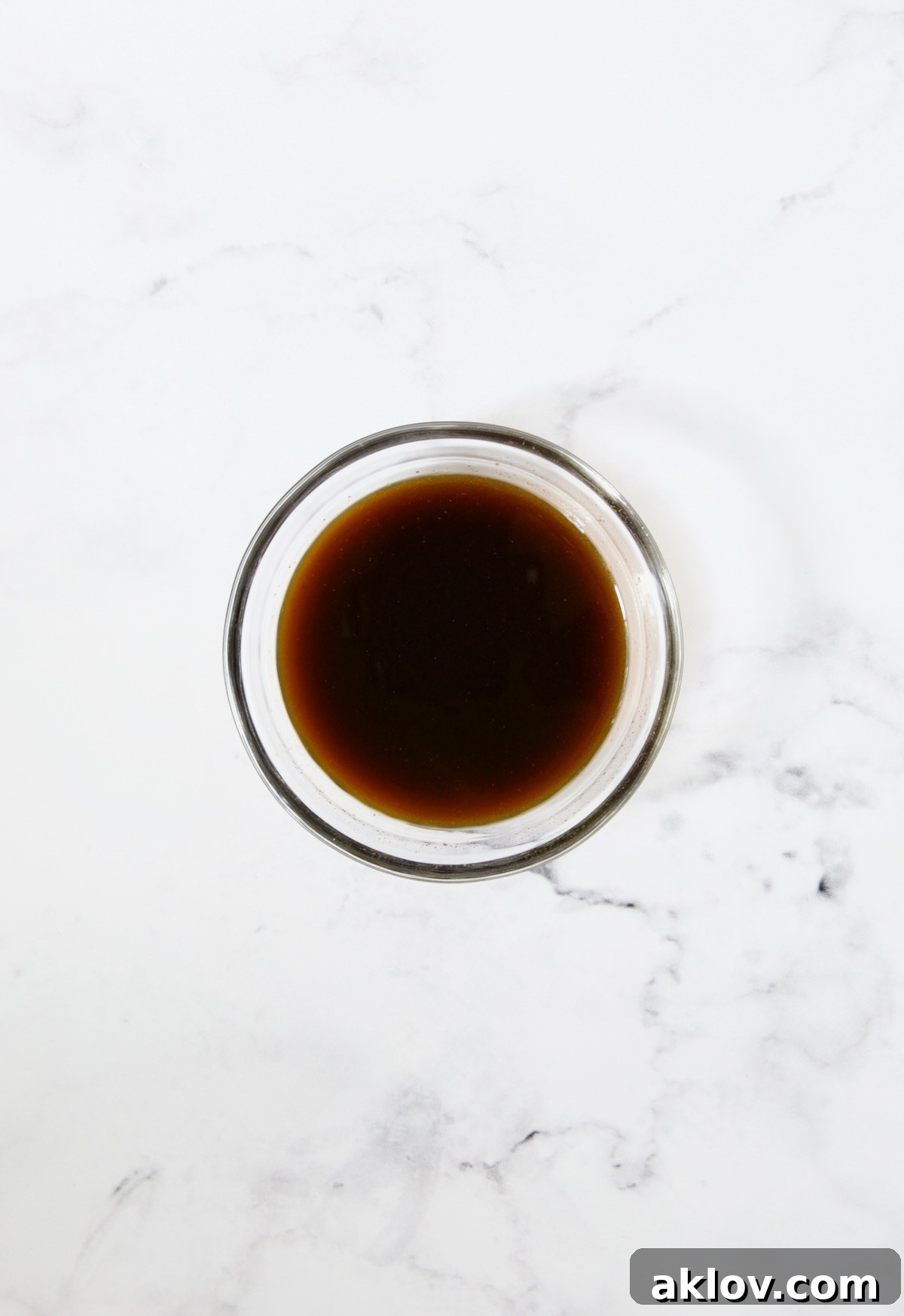
- Whisk the Sauce: In a small bowl, combine the soy sauce (or tamari), fresh lime juice, water (or your choice of broth), fish sauce, Sriracha, and brown sugar. Whisk everything together until the sugar is fully dissolved, creating a well-balanced sauce. Set this vibrant mixture aside.
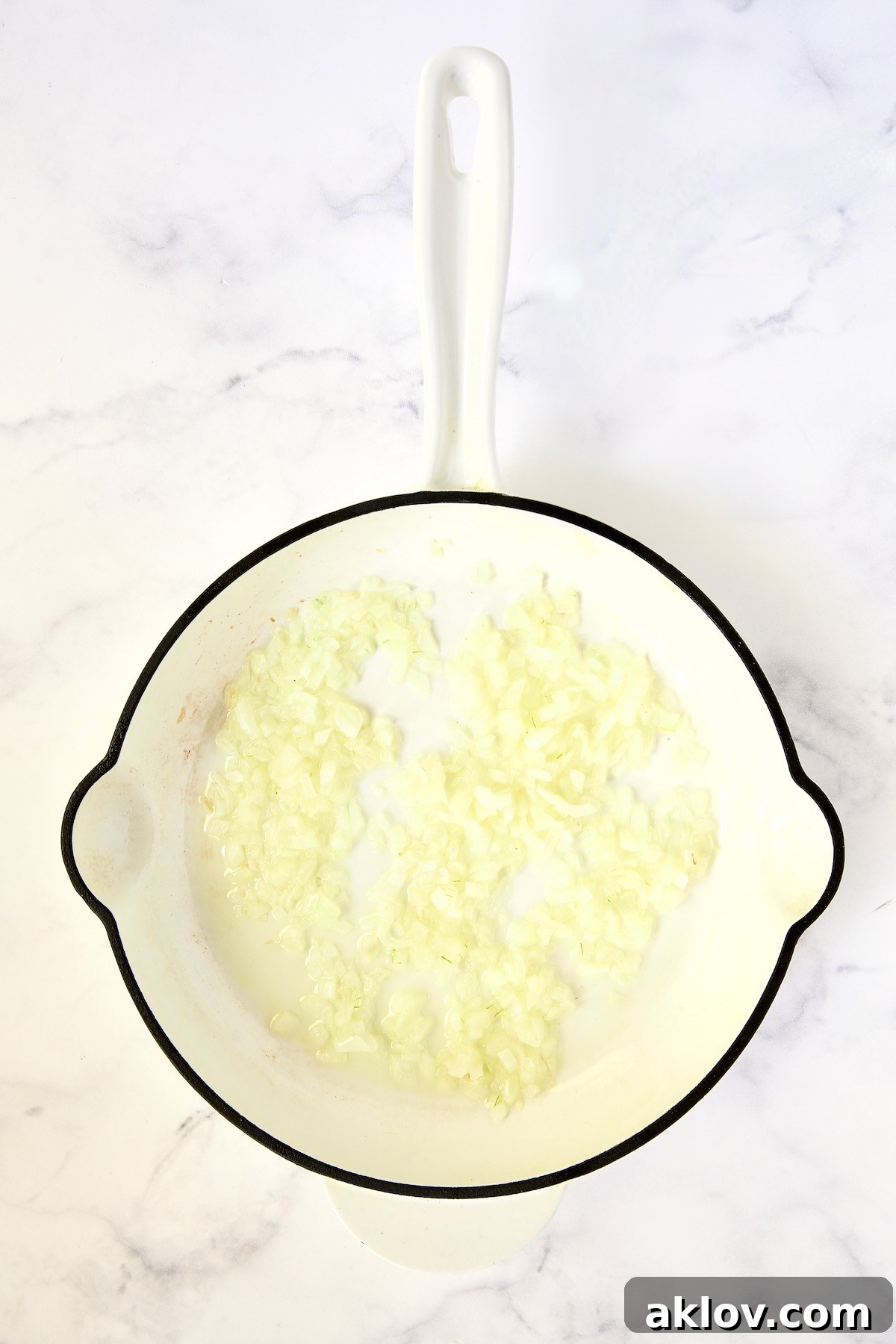
- Sauté the Onion: Heat the canola oil in a large skillet or wok over medium-high heat. Once shimmering, add the chopped onion. Reduce the heat to medium and cook the onion gently for 3 to 4 minutes, or until it begins to soften and become translucent, releasing its sweet aroma.
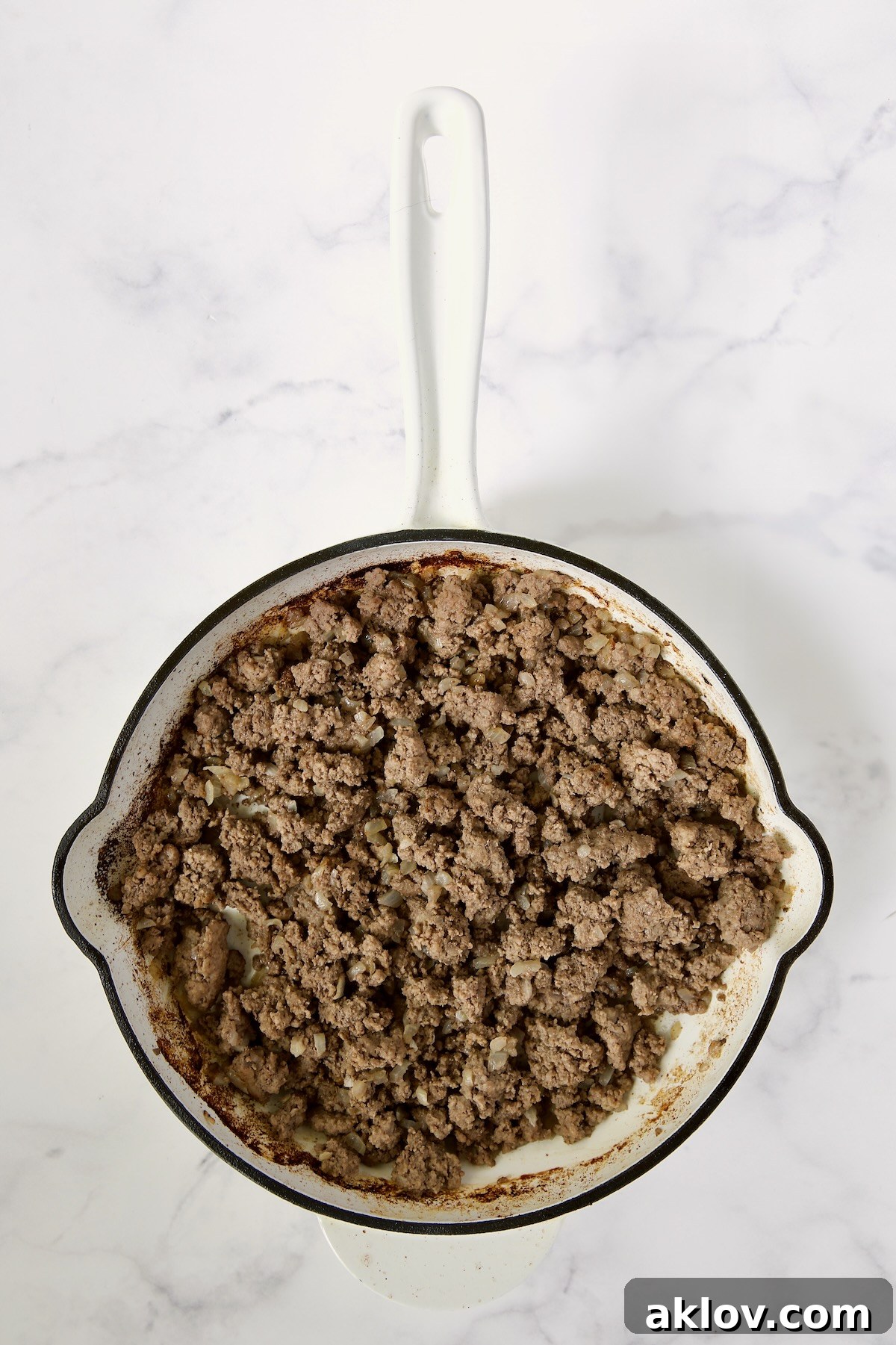
- Brown the Ground Beef: Increase the heat back to medium-high. Crumble the ground beef directly into the hot skillet. Stir the cooked onions into the beef to prevent them from burning while the beef browns. Cook the beef undisturbed for 2 to 3 minutes, allowing it to develop a slightly crispy and browned crust on the bottom – this adds incredible flavor.
- Finish Cooking the Beef: Stir the beef, breaking it up further with a wooden spoon, and continue to cook for another 4 to 5 minutes until it is thoroughly cooked through and no pink remains.
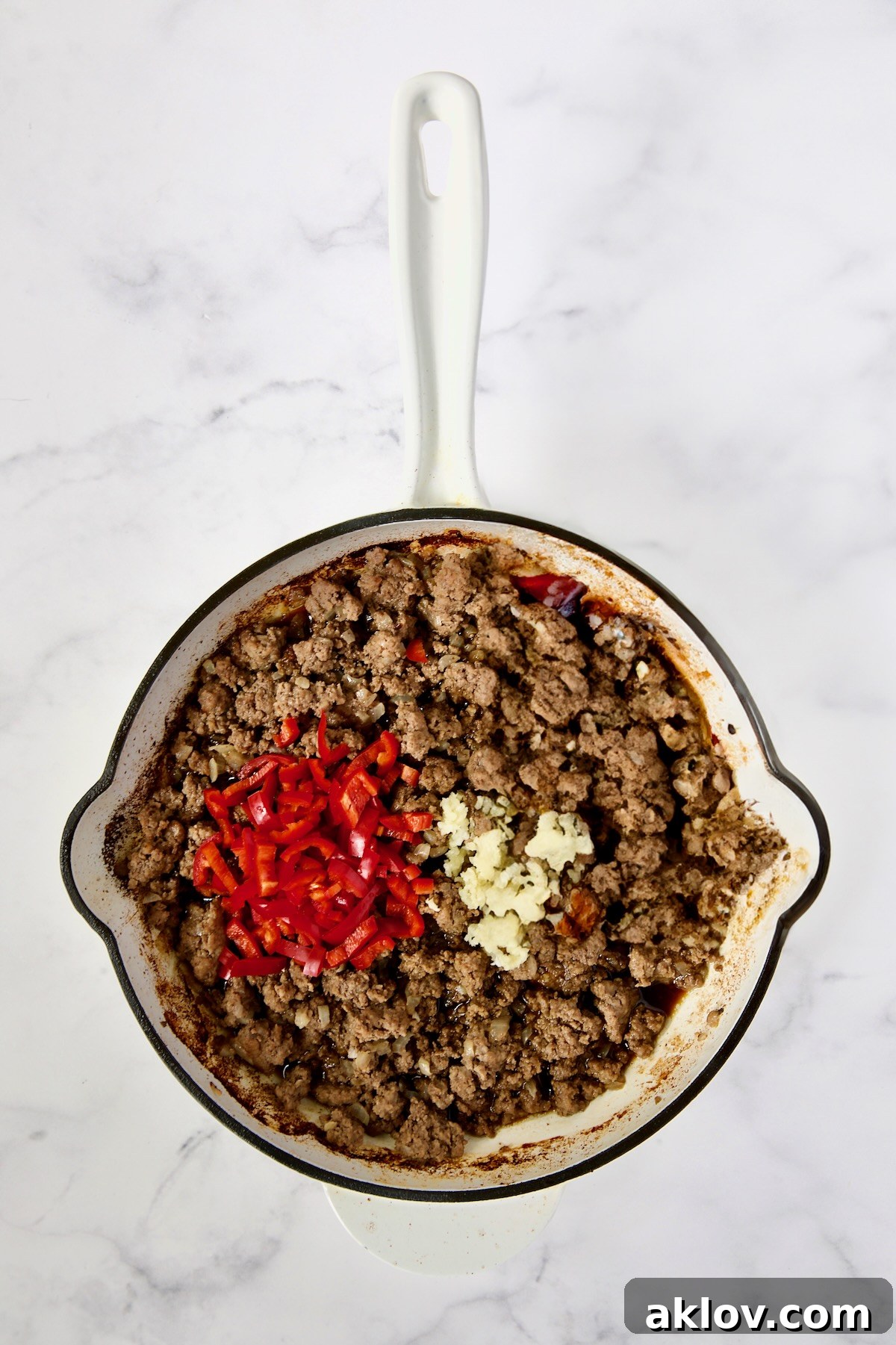
- Add Aromatics and Chilies: Incorporate the minced garlic and thinly sliced Fresno chiles into the skillet. Cook these aromatic ingredients briefly for just 25 to 30 seconds until fragrant, being careful not to burn the garlic.
- Drain Excess Fat: Carefully tilt the skillet and drain off any accumulated excess fat. This step ensures your stir-fry remains light and flavorful, preventing it from becoming greasy.
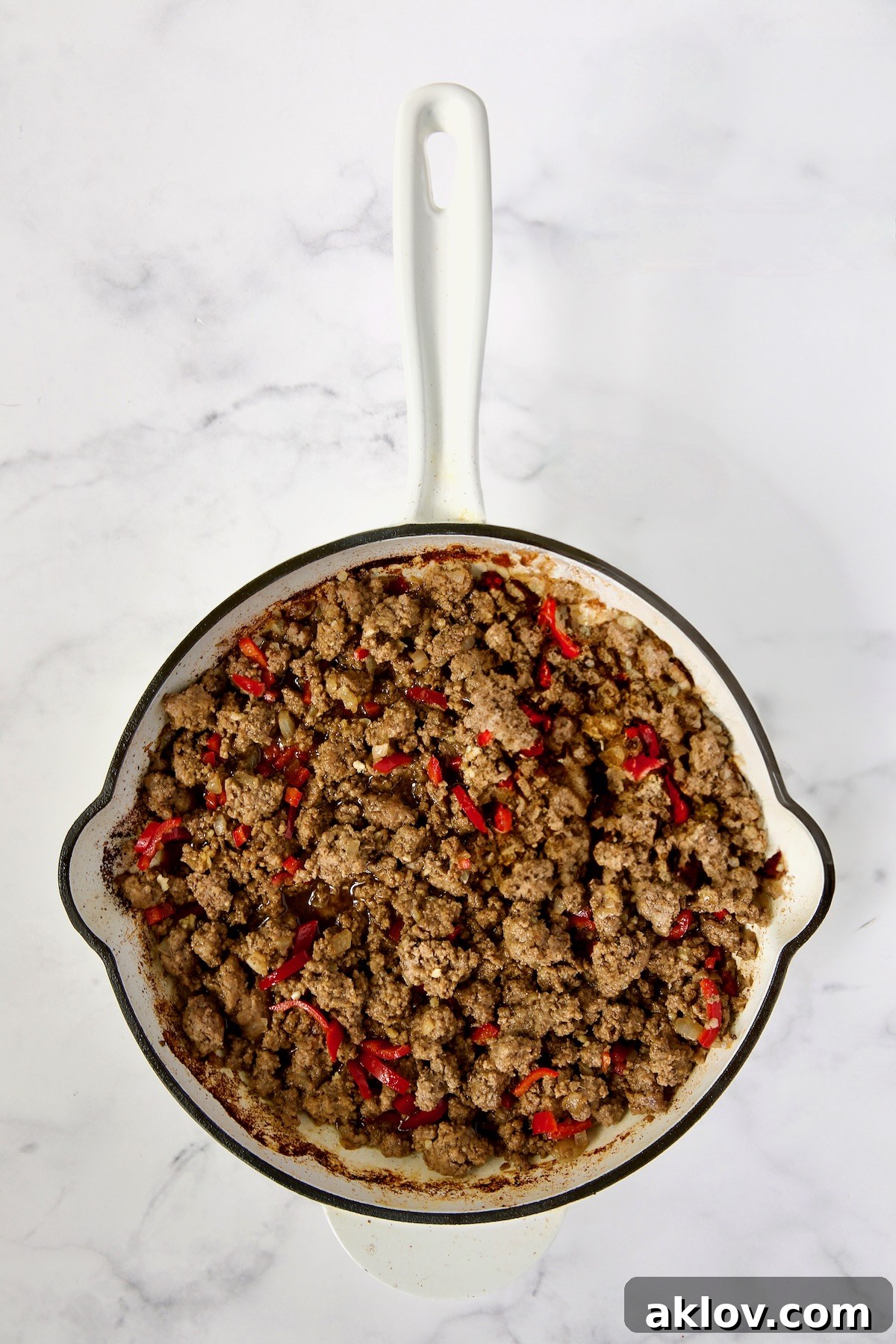
- Introduce the Sauce: Pour the prepared soy sauce mixture into the skillet with the beef and aromatics. Bring the liquid to a gentle boil, allowing the flavors to meld and the sauce to slightly thicken.
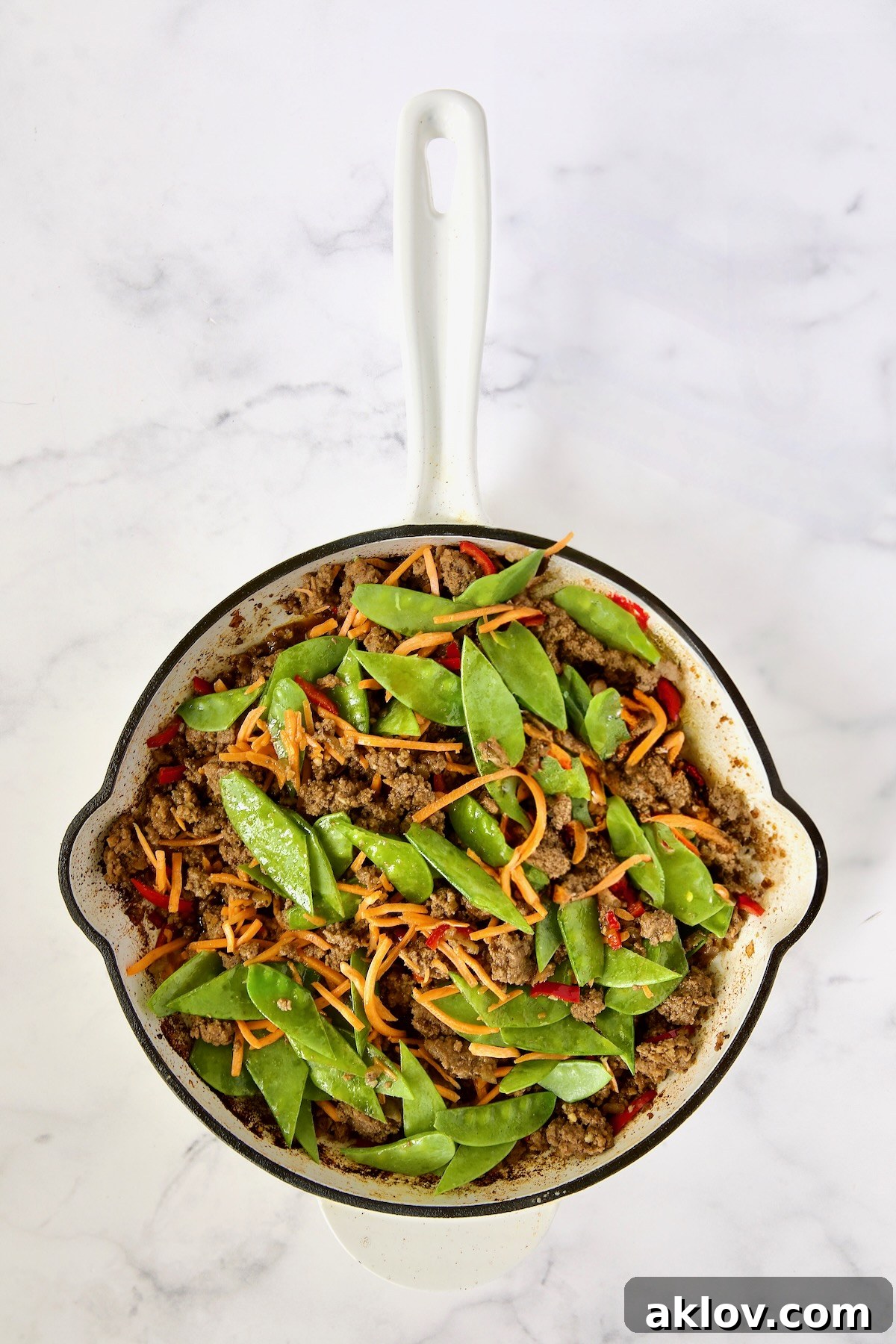
- Add Vegetables: Add the julienned carrots and the halved snow pea pods to the simmering sauce.
- Stir-Fry Vegetables: Cook the vegetables, stirring frequently, for 2 to 3 minutes. The goal is for the vegetables to become crisp-tender, maintaining a slight bite, and for the snow pea pods to turn a vibrant, bright green. Avoid overcooking to preserve their texture and nutrients.
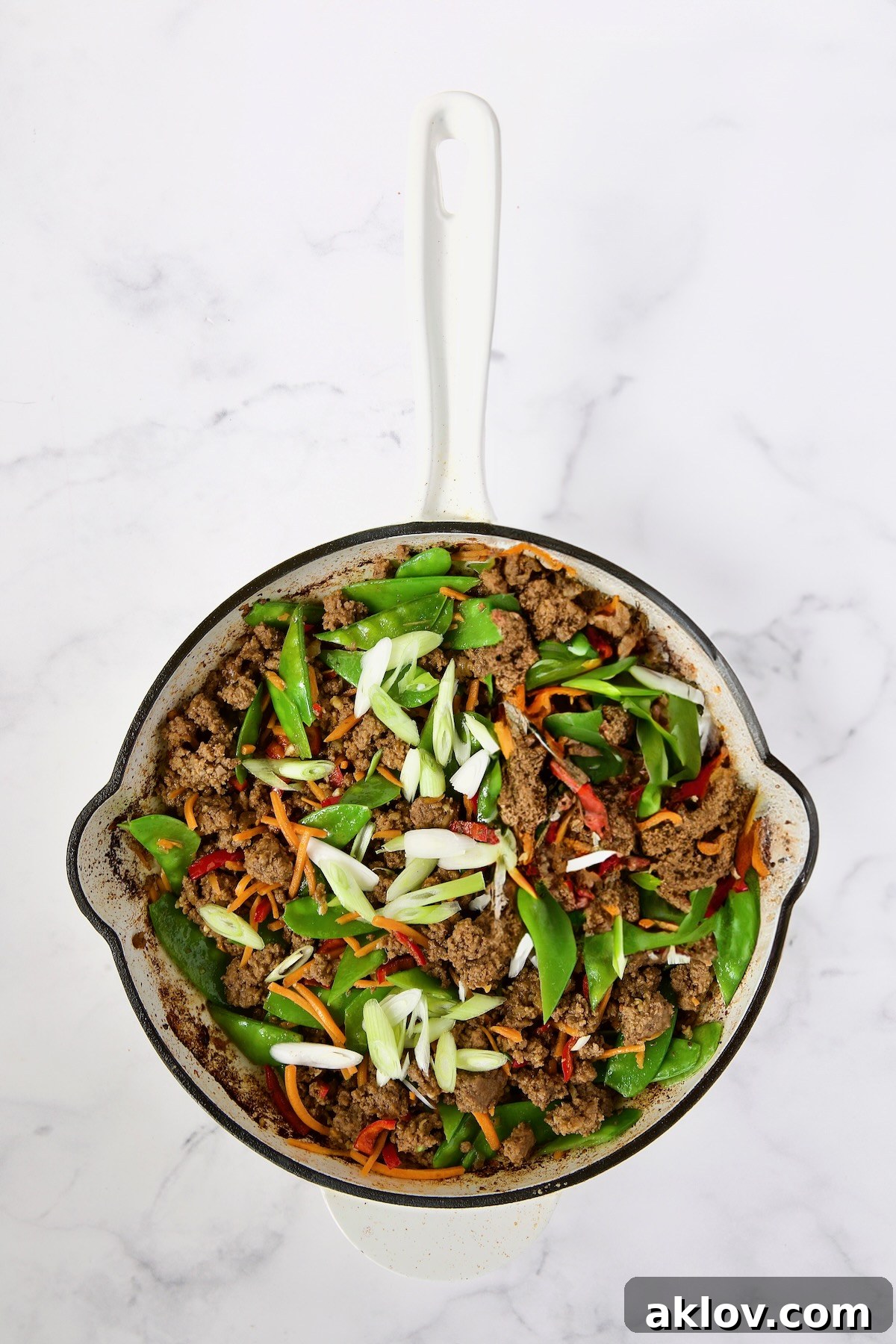
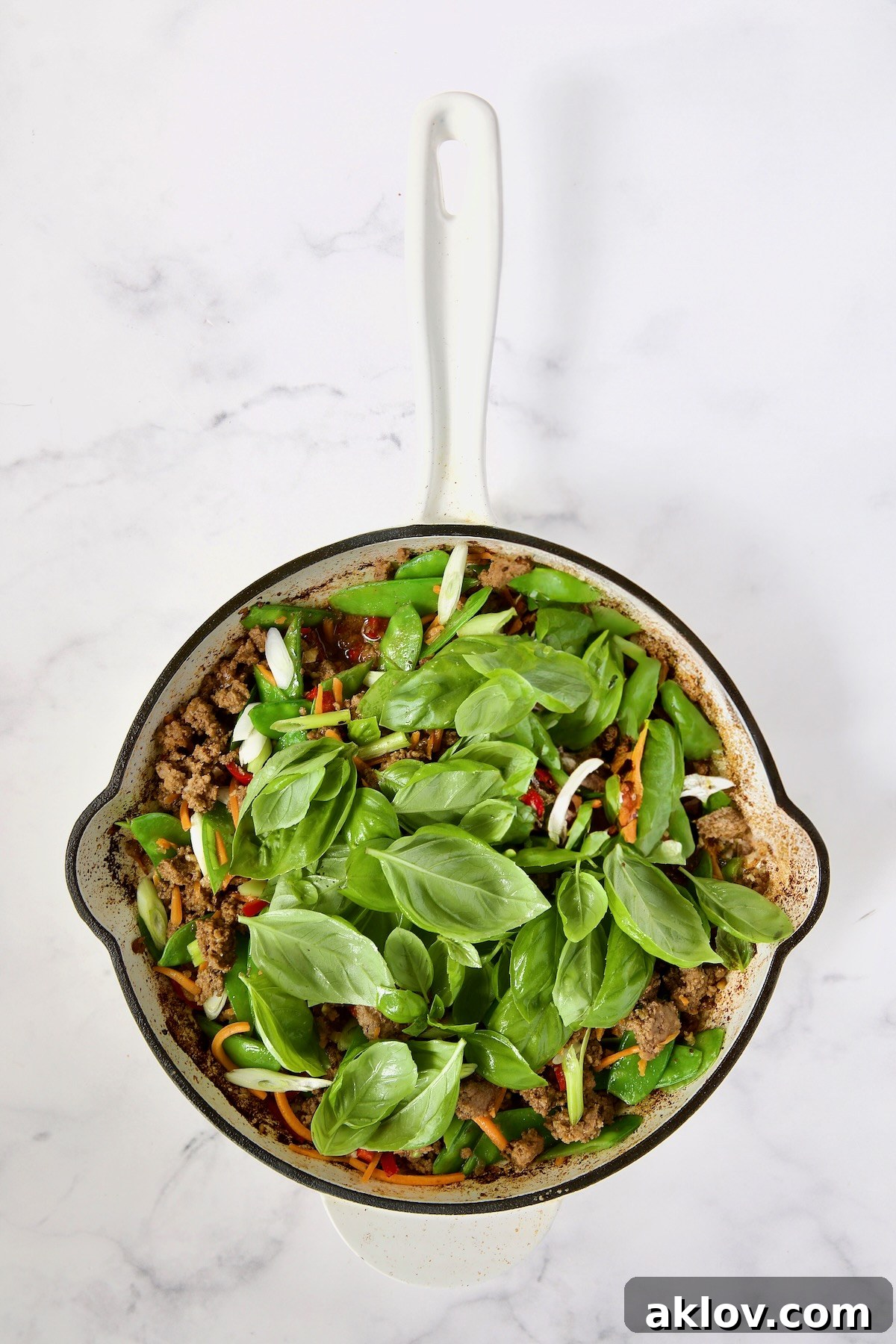
- Stir in Fresh Basil: Remove the skillet from the heat immediately. Add the generous helping of fresh basil leaves and stir them gently into the hot stir-fry until they are just wilted. The residual heat will soften the basil without cooking away its delicate aroma and vibrant color.
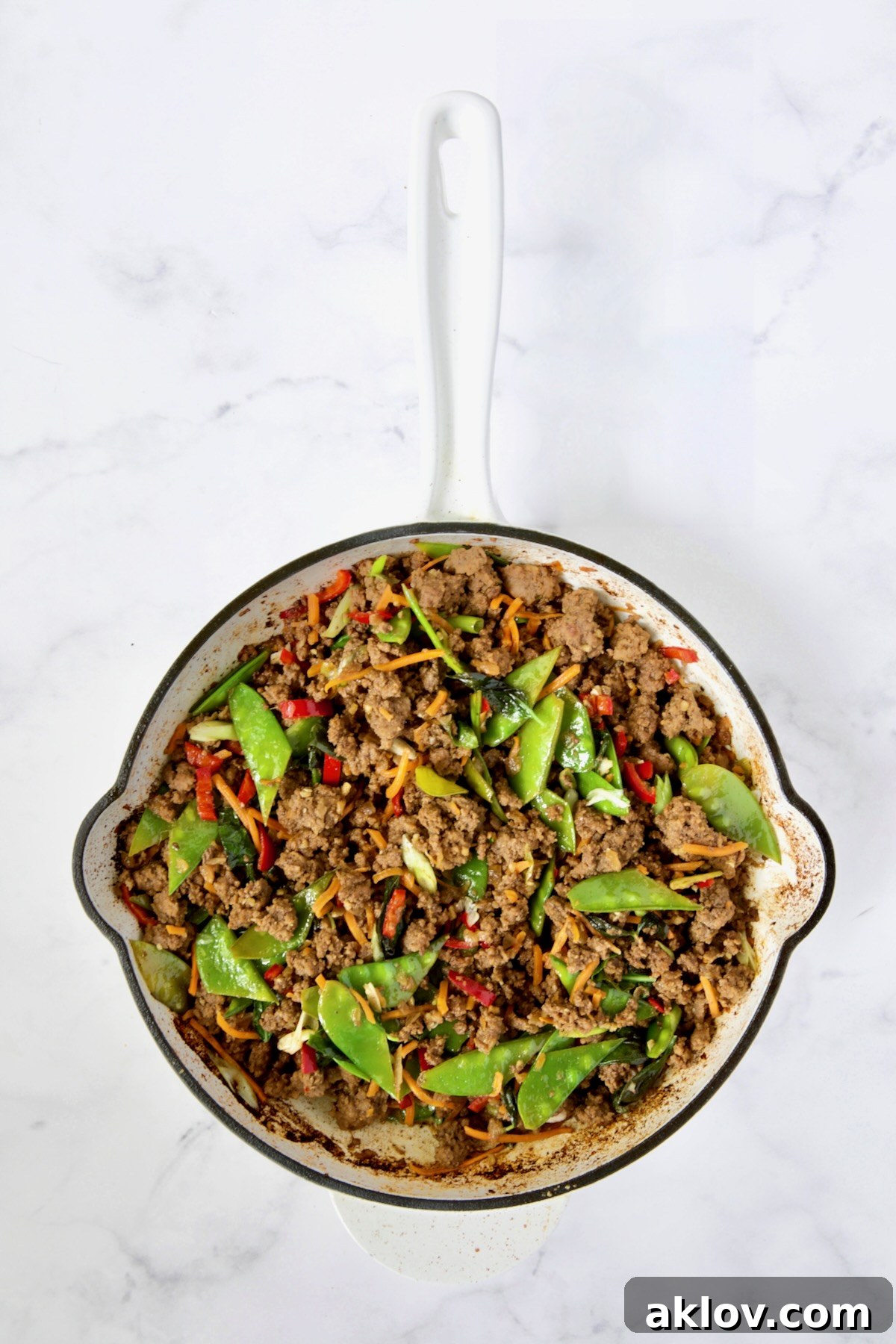
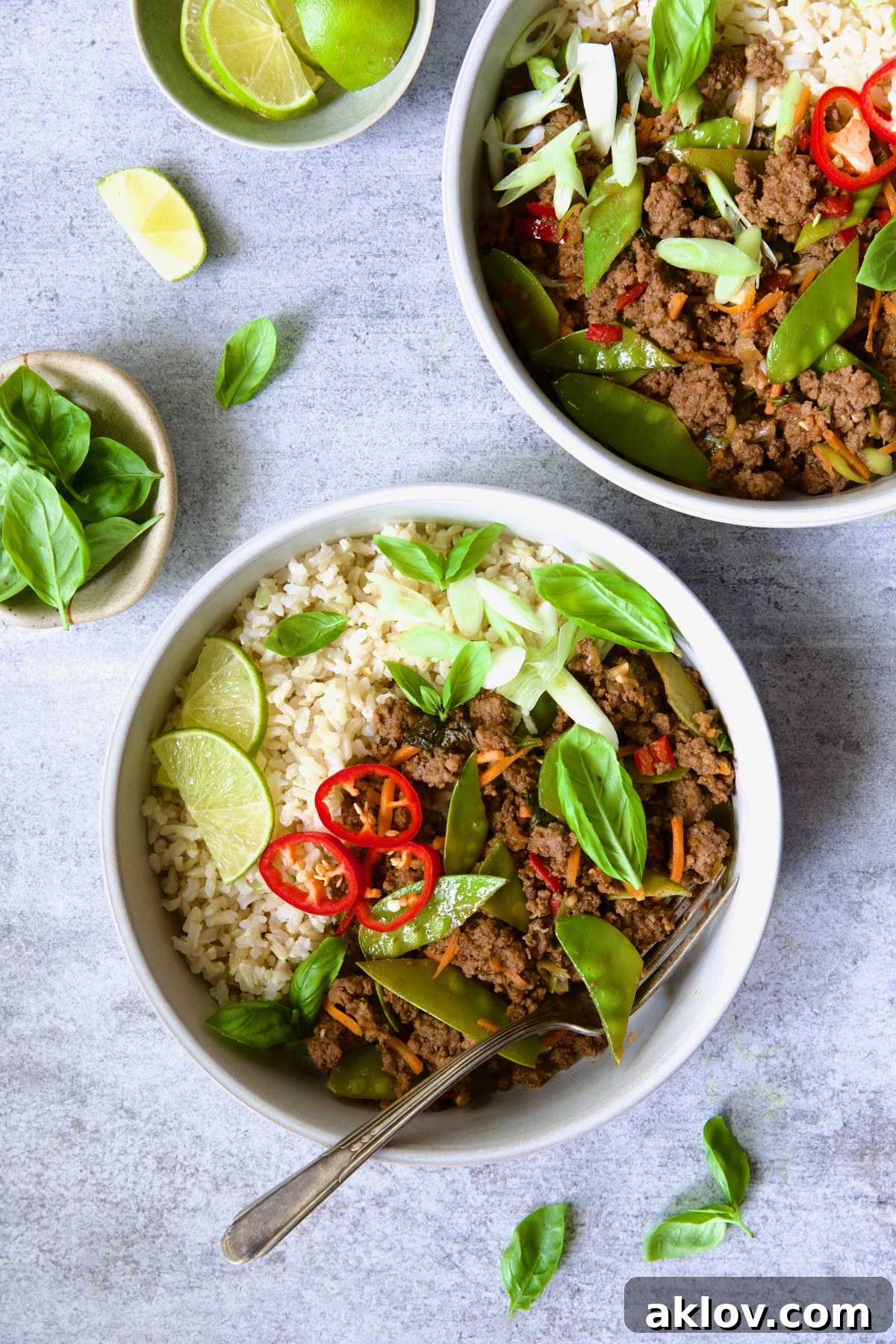
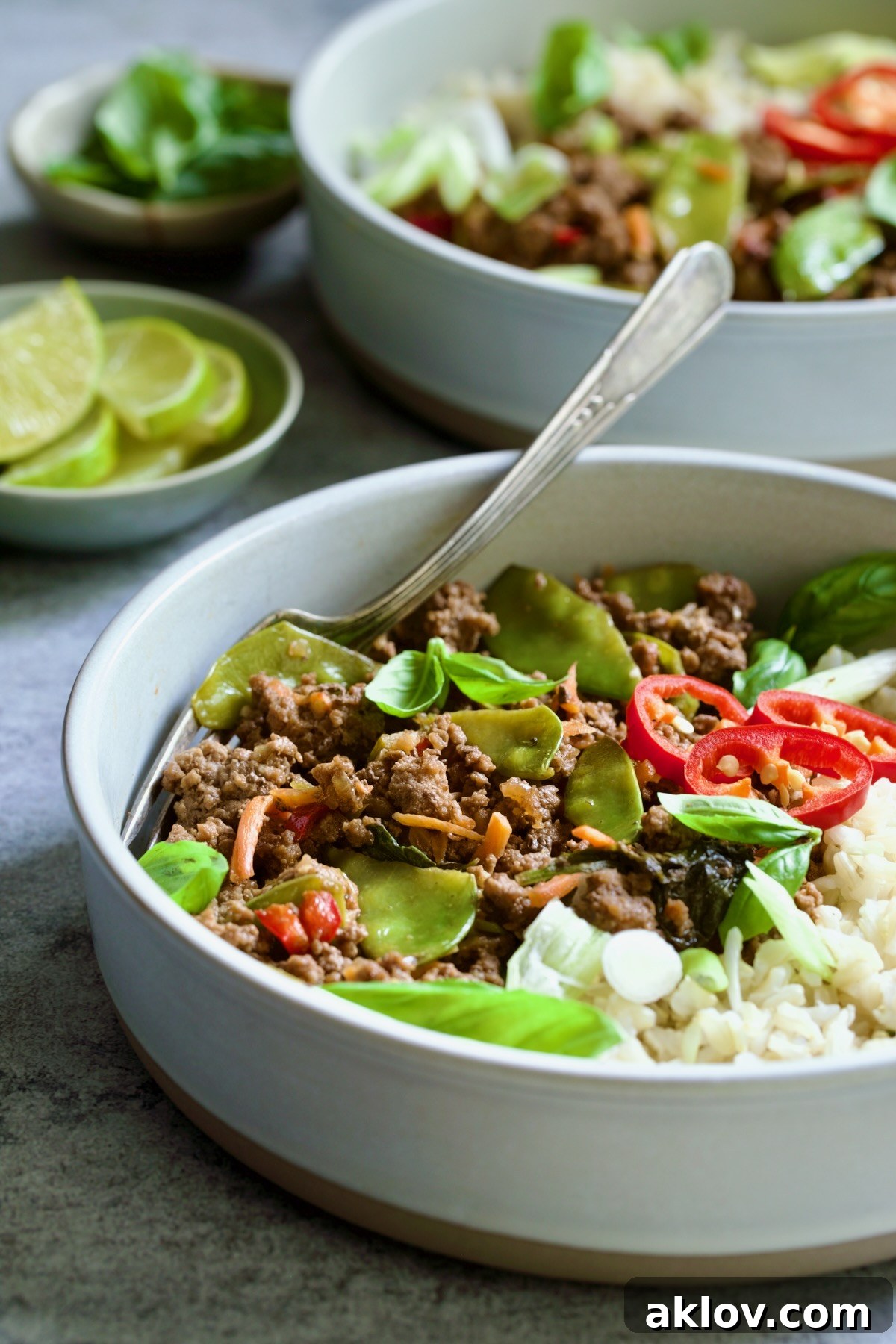
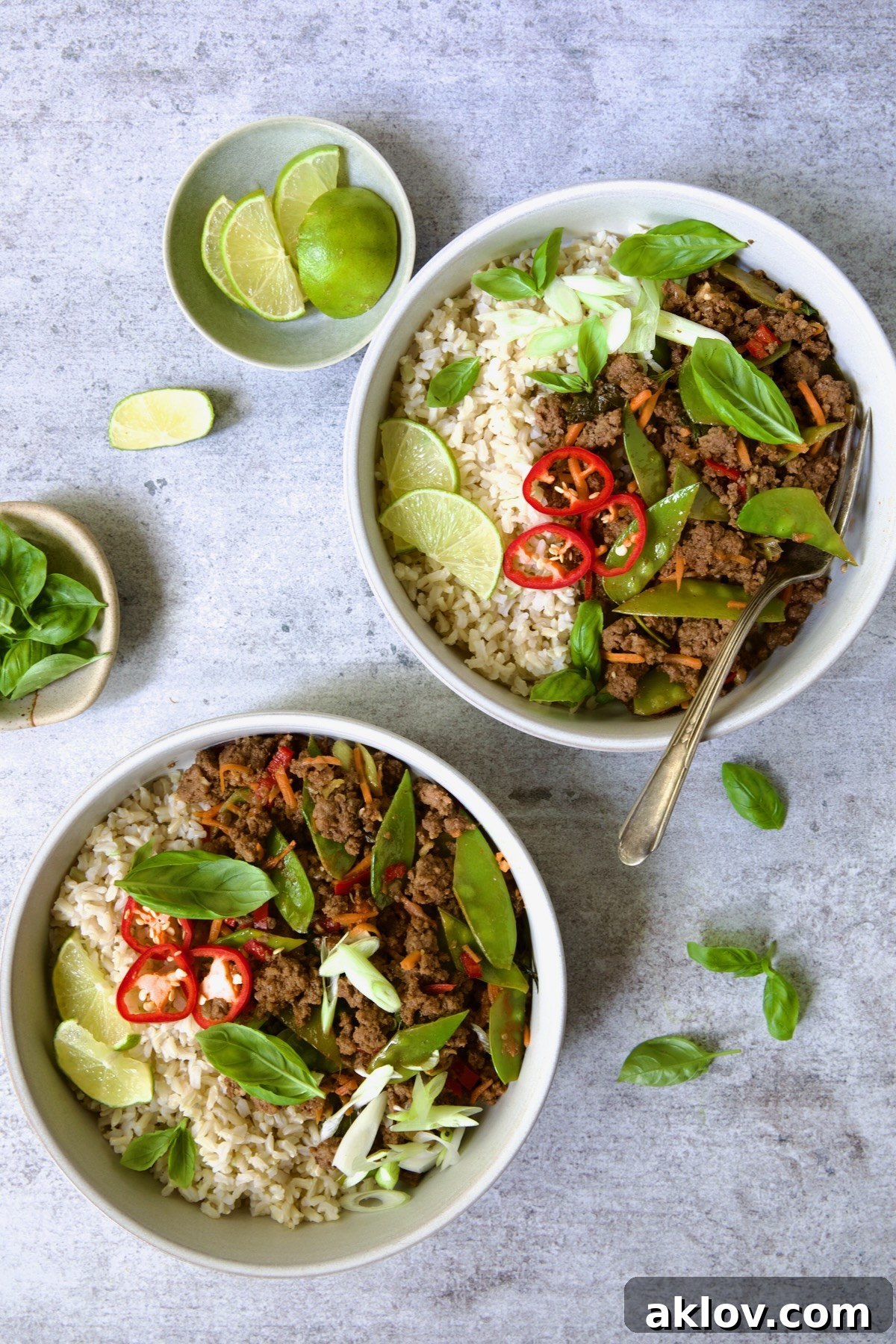
- Serve and Garnish: Spoon the piping hot Thai Basil Beef generously over a bed of fluffy cooked brown rice. Garnish with the remaining thinly sliced scallions and serve alongside fresh lime wedges for an optional burst of citrusy brightness.
And there you have it! A truly delish and satisfying meal. Enjoy every aromatic bite!
Chef’s Secrets: Expert Tips for a Perfect Thai Basil Beef
Elevate your Thai Basil Beef from good to extraordinary with these invaluable chef’s tips and tricks, designed to help you achieve restaurant-quality results every time:
- Mastering the Heat of Chiles: Remember, the most intense heat in any chile pepper, including Fresno chiles, resides primarily in the seeds and the white fleshy membrane (placenta). To significantly reduce the spiciness of your dish, simply remove these components before slicing. When handling hot chile peppers, it’s always a smart practice to wear gloves. Be exceedingly careful not to touch any sensitive areas of your body, especially your eyes, after handling them.
- The Art of “Mise en Place”: Stir-frying is a rapid cooking method that demands precision and speed. The golden rule is to have all your ingredients prepped, measured, and laid out (your “mise en place”) before you even ignite the stove. This ensures a seamless cooking process, preventing anything from burning or overcooking while you’re scrambling for the next ingredient.
- Preserving Basil’s Freshness: Basil is a wonderfully delicate herb whose aromatic oils and vibrant color are best preserved when exposed to heat for the shortest possible duration. Always add your fresh basil leaves to the stir-fry at the very last moment, after removing the pan from the heat. The residual warmth of the dish will gently wilt the basil, releasing its fragrant essence without diminishing its fresh appeal.
- Balancing Sweet, Sour, Salty, and Spicy: Thai cuisine is renowned for its perfect balance of these four core flavors. Taste your sauce before adding it to the pan, and then again at the end of cooking. Adjust according to your preference: a squeeze of extra lime for more tang, a dash of fish sauce for more umami, a pinch of brown sugar for sweetness, or additional Sriracha for heat.
- Achieving Perfect Ground Beef Texture: For ground beef that’s beautifully browned and not steamed, ensure your skillet is hot enough before adding the meat. Don’t overcrowd the pan, as this lowers the temperature and steams the beef instead of searing it. Cook in batches if necessary, and resist the urge to stir constantly during the initial browning phase.
Common Questions About Thai Basil Beef: Answered!
Absolutely! While authentic Thai basil (which has a slightly more pungent, anise-like flavor) can sometimes be challenging to locate if you don’t have access to an international market, conventional sweet basil is a fantastic and widely available substitute. It still provides a wonderfully aromatic and fresh herbaceous note that is crucial for this dish’s signature flavor profile. Don’t let the search for a specific basil deter you from making this delicious meal!
The primary distinction lies in their flavor profiles and aromas. Thai basil is characterized by an intriguing anise-like (licorice) fragrance and a slightly spicier, more robust taste. In contrast, sweet basil, often associated with Italian cuisine and pesto, exhibits a traditional aroma reminiscent of cloves with subtle peppery undertones. Interestingly, in many applications, their flavors are quite complementary, and in my own herb garden, I’ve found them to be quite similar when incorporated into a stir-fry, making sweet basil a perfectly acceptable stand-in.
While you technically can prepare Thai Basil Beef ahead of time, it’s generally not recommended for optimal flavor and appearance. The delicate basil leaves tend to lose their vibrant aroma and can become discolored when stored, and the crisp snow peas may turn a dull green and lose their desirable crunch. For the very best culinary experience, this Thai Basil Beef is truly at its peak when served fresh, straight from the skillet. The freshness of the ingredients is what makes this stir-fry truly shine.
Thai Basil Beef is incredibly versatile and pairs wonderfully with a variety of sides. Beyond the traditional brown or jasmine rice, consider steamed or stir-fried Asian greens like bok choy or gai lan. A simple cucumber salad with a light vinaigrette can offer a refreshing contrast, or even some crispy spring rolls for an added texture and appetizer feel.
The spice level in this Thai Basil Beef recipe is easily customizable. For less heat, you can reduce the amount of Sriracha hot sauce or omit it entirely. You can also remove the seeds and white membrane from the Fresno chiles, as these contain most of the capsaicin. For those who love a fiery kick, feel free to add more Sriracha or even a pinch of dried chili flakes. Always taste and adjust as you go!
Proper Storage for Leftovers
- Should you find yourself with any delicious leftovers, store them in an airtight container in the refrigerator. For the best flavor and texture, aim to consume them within five days. When reheating, you can use a microwave or gently warm the stir-fry in a small saucepan on the stovetop, adding a splash of water or broth to prevent it from drying out. While the basil may not be as vibrant, the flavors will still be wonderfully satisfying.
Elevate Your Meal: What to Serve with Thai Basil Beef
Complete your Thai culinary experience with these delightful accompaniments:
- Cold Thai Cucumber Avocado Soup with Cucumber Relish: A refreshing and cooling starter.
- Sriracha Sweet Chili Brussels Sprouts: A flavorful and slightly spicy vegetable side.
- Thai Green Beans: Simple yet addictive, with a touch of sweet chili.
- Thai Red Curry Lentil Soup with Sweet Potatoes: A hearty and aromatic soup option.
Discover More Irresistible Thai-Inspired Recipes!
If you’ve enjoyed the flavors of this Thai Basil Beef, you’ll love exploring these other fantastic Thai-inspired creations from our kitchen:
- Thai Beef Lettuce Wraps: A light, fresh, and vibrant appetizer or meal.
- Shrimp Pad Thai with Zucchini Noodles: A healthier twist on a classic, perfect for a low-carb option.
- Sheet Pan Thai Baked Fish with Broccolini: Effortless and flavorful, all cooked on one pan.
- Vegan Thai Red Curry: A rich and creamy plant-based curry packed with flavor.
For a complete collection of delicious beef dishes, visit our dedicated section: Beef Recipes – From A Chef’s Kitchen.
Thai Basil Beef
Equipment
-
Wusthof Chef Knife
-
Cutting Board
-
Nonstick Skillet
-
Enameled Cast Iron Skillet
Ingredients
- 1/4 cup soy sauce, preferably low-sodium, regular or gluten-free tamari
- 2 tablespoons fresh lime juice, (from about 1 medium lime)
- 2 tablespoons water, or beef, chicken or vegetable broth
- 1 tablespoon fish sauce, or to taste
- 1 tablespoon Sriracha hot sauce, or to tolerance
- 1 tablespoon brown sugar
- 2 tablespoons canola oil
- 1/2 medium onion, chopped
- 1 1/4 pounds ground chuck, or leaner ground beef, turkey, or chicken
- 4 cloves garlic, minced
- 2 Fresno chiles, halved lengthwise, seeded (for less heat) and thinly sliced, or substitute red bell pepper
- 1/2 cup julienned carrots
- 1 cup snow peas, strings and stem ends removed, cut in half, or substitute green beans
- 1 bunch small/thin scallions, white and light green parts only, thinly sliced diagonally, divided for garnish
- 1 heaping cup fresh basil leaves, sweet or Thai basil
- Cooked brown rice, for serving
- Lime wedges, for serving
Instructions
-
Combine the soy sauce, lime juice, water or broth, fish sauce, Sriracha and brown sugar in a small bowl. Whisk until sugar dissolves. Set aside.
-
Heat the canola oil in a large skillet or wok over medium-high heat. Add the chopped onion, reduce heat to medium and cook for 3-4 minutes until softened.
-
Increase heat to medium-high. Crumble the ground beef into the skillet, stirring in the onions. Cook undisturbed for 2-3 minutes to allow browning and slight crisping on the bottom.
-
Stir and cook the beef for 4-5 minutes, breaking it up with a wooden spoon, until thoroughly cooked. Add the minced garlic and sliced Fresno chiles, cooking briefly for 25-30 seconds until fragrant.
-
Carefully drain off any excess fat from the skillet.
-
Pour the prepared soy sauce mixture into the skillet and bring it to a boil.
-
Add the julienned carrots and snow pea pods. Cook, stirring often, for 2-3 minutes, or until the vegetables are crisp-tender and the pea pods are bright green.
-
Remove the skillet from the heat. Stir in the fresh basil leaves until they are just wilted by the residual heat.
-
Spoon the Thai Basil Beef over cooked brown rice, garnish with the remaining sliced scallions, and serve with lime wedges on the side.
Notes
- For different protein options, feel free to use ground turkey or ground chicken instead of beef.
- If you prefer a milder dish, substitute the Fresno chiles with red bell pepper or mini sweet peppers. You can also reduce the amount of Sriracha hot sauce.
- Green beans make a suitable and delicious substitute for snow pea pods, offering a similar crunch.
TIPS FOR SUCCESS:
- To control the spice level in chile peppers, remove the seeds and the white fleshy membrane, which contain most of the heat. Always wear gloves when handling hot peppers and avoid touching your eyes or other sensitive areas.
- “Mise en Place” is crucial for stir-fries. Have all your ingredients prepped and ready before you start cooking, as the process moves quickly.
- Basil is delicate. Add it to the stir-fry last, after removing from the heat, to retain its fresh aroma and vibrant color.
MAKE AHEAD & STORAGE:
- While this dish can be made ahead, it’s best enjoyed fresh. Basil loses some of its flavor and brightness upon sitting, and snow peas may lose their crisp, vibrant green color.
- Store leftovers in an airtight container in the refrigerator for up to 5 days. Reheat gently in the microwave or on the stovetop with a splash of water or broth.
Nutrition Information
Nutritional values are automatically calculated using unbranded products and are estimates only. Actual results may vary based on ingredients used and portion sizes. Adjust as needed for dietary restrictions, allergies, or health concerns.
 Did you love this recipe? Share your thoughts in the comments below!