
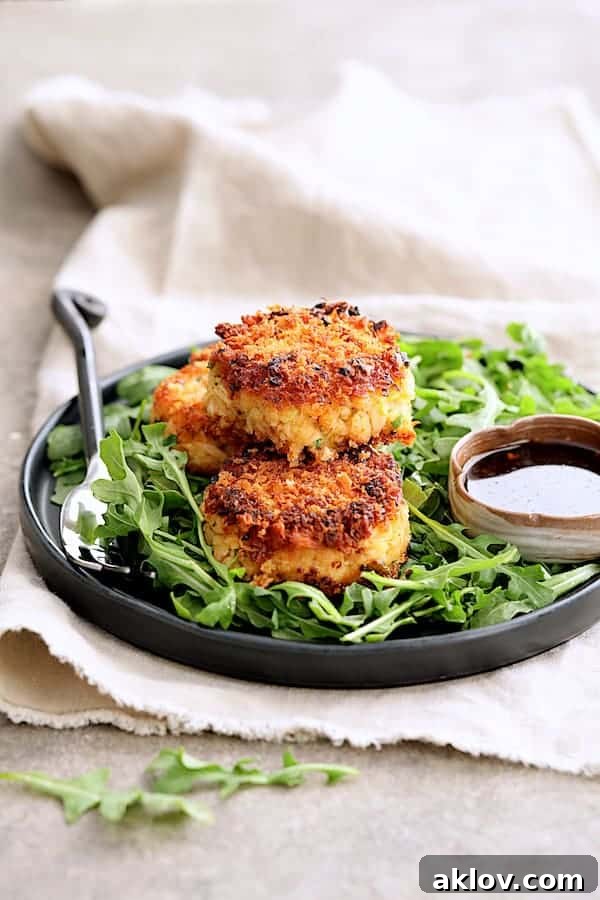
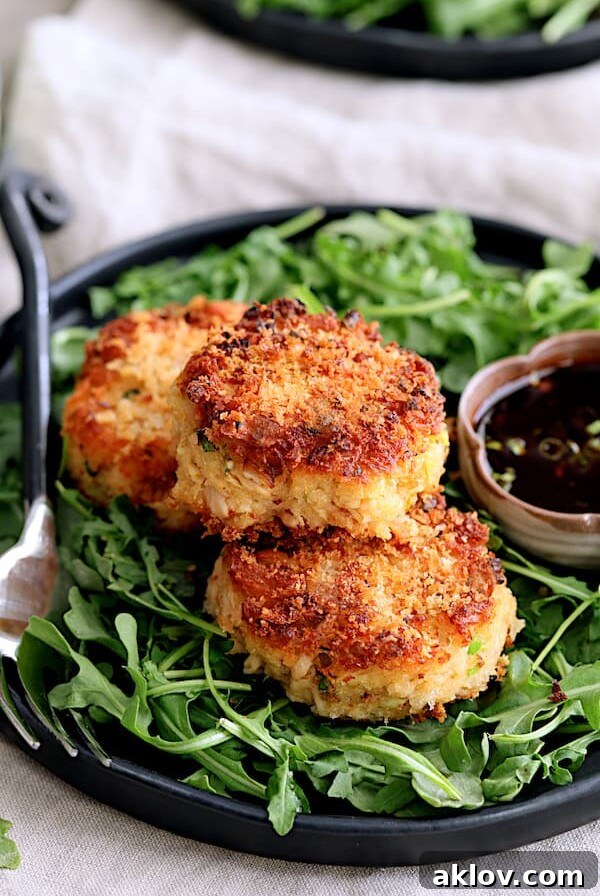
Welcome to a culinary adventure where convenience meets vibrant flavor! Prepare to be captivated by these Crispy Tuna Kimchi Cakes, perfectly complemented by a zesty Soy-Ginger Dipping Sauce. This recipe transforms humble pantry staples like canned tuna and the beloved Korean fermented cabbage, kimchi, into a dish that’s nothing short of extraordinary. Imagine golden-brown exteriors giving way to a savory, umami-rich interior, all brightened by the tangy, spicy kick of kimchi and balanced by a sweet and savory dipping sauce. Whether you’re a seasoned home cook or looking for an easy yet impressive meal, these tuna kimchi cakes are a delicious answer.
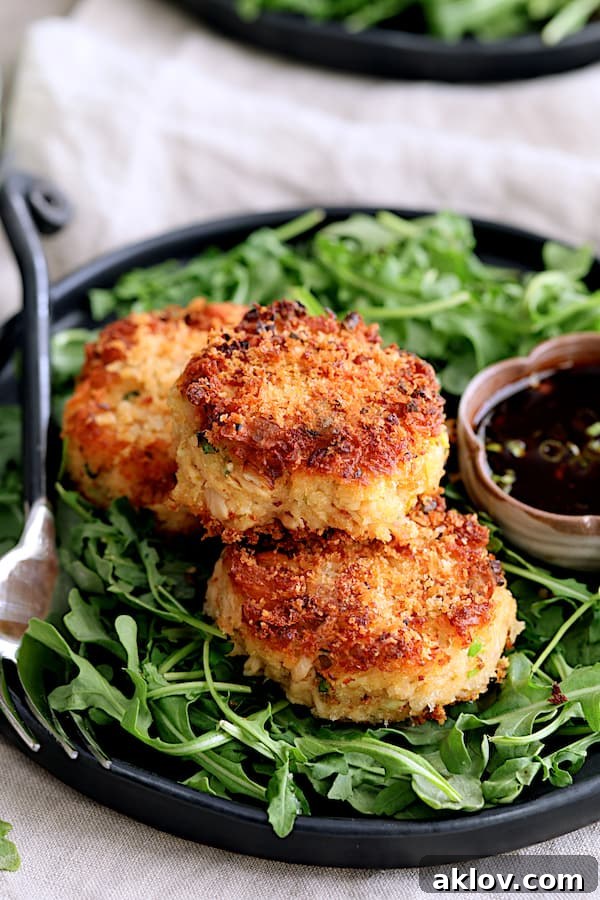
“These fish cakes and dipping sauce are absolutely delicious and easy to make. My family raved and loved them.”
Crispy Tuna Kimchi Cakes with Irresistible Soy-Ginger Dipping Sauce: A Flavorful Journey
In the realm of quick and flavorful meals, canned tuna often plays the role of an unsung hero. But when paired with the increasing global popularity of Korean cuisine, especially the superfood sensation that is kimchi, magic happens. This recipe for Tuna Kimchi Cakes with Soy-Ginger Dipping Sauce offers a delightful fusion of textures and tastes, creating a dish that’s both satisfyingly crispy and profoundly flavorful. It’s an excellent way to elevate everyday ingredients into a gourmet experience, perfect for a light lunch, appetizer, or even a delightful dinner. Plus, they are incredibly versatile and freezer-friendly, making them ideal for meal prep.
Why These Tuna Kimchi Cakes Will Become Your New Favorite
These aren’t just any fish cakes; they are a culinary revelation. Here’s why you’ll fall in love with this recipe:
- Unforgettable Flavor Profile: The pungent, spicy, and sour notes of kimchi beautifully cut through the richness of tuna, creating a dynamic taste sensation. The soy-ginger dipping sauce adds another layer of sweet, savory, and tangy complexity.
- Crispy Perfection: Coated in panko breadcrumbs and pan-fried to a golden crisp, these cakes offer a satisfying crunch with every bite, contrasting wonderfully with the tender interior.
- Pantry Staple Friendly: Most ingredients for this dish, especially canned tuna and common Asian condiments, are likely already in your pantry or easily accessible at your local grocery store.
- Effortless Preparation: With clear, straightforward steps, this recipe is accessible to cooks of all skill levels, delivering impressive results without extensive effort.
- Versatile Serving Options: Enjoy them as a standalone appetizer, nestled in lettuce wraps, or served over a vibrant salad for a complete and healthy meal.
- Freezer-Friendly: Prepare a larger batch and freeze them for quick, delicious meals on busy weeknights, making meal planning a breeze.
Essential Ingredients for Your Tuna Kimchi Cakes
The beauty of this recipe lies in its simplicity and the power of its core ingredients. You’ll need:
For the Tuna Cakes:
- Cabbage Kimchi: The star of the show, providing fermentation, spice, and tang. Ensure it’s well-drained and finely chopped to integrate smoothly into the cakes.
- Scallions: Adds a fresh, mild oniony bite and vibrant color. Use only the white and light green parts.
- Minced Ginger: Offers a warm, pungent aroma and a kick of fresh flavor, essential for balancing the dish.
- Large Egg: Acts as a binder, helping the cakes hold their shape during cooking.
- Panko Breadcrumbs: Crucial for achieving that enviable crispy exterior. You’ll use some in the mixture and more for coating. Gluten-free panko works just as well.
- Canned Tuna in Water: The base of our cakes. Make sure to drain it well, but reserve a small amount of the water – it might be needed for moistening.
- Canola Oil (or corn/vegetable oil): For frying, ensuring the cakes get beautifully golden and crisp.
- Arugula (Optional): For serving, offering a peppery counterpoint to the rich cakes.
For the Soy-Ginger Dipping Sauce:
- Soy Sauce (or Tamari): Provides the savory, umami foundation for the sauce. Use tamari for a gluten-free option.
- Rice Vinegar: Adds a necessary touch of acidity and brightness.
- Gochujang: This Korean chili paste is a powerhouse of flavor – spicy, savory, and slightly sweet. It’s a key ingredient for authentic Korean depth.
- Minced Ginger: Enhances the fresh, zesty notes of the dipping sauce.
- Minced Garlic: Essential for a robust and aromatic sauce that perfectly complements the cakes.
Step-by-Step Guide to Crafting Perfect Tuna Kimchi Cakes
Creating these delightful tuna kimchi cakes is a straightforward process. Follow these detailed steps to ensure crispy, flavorful results every time:
1. Preparing the Tuna Cake Mixture
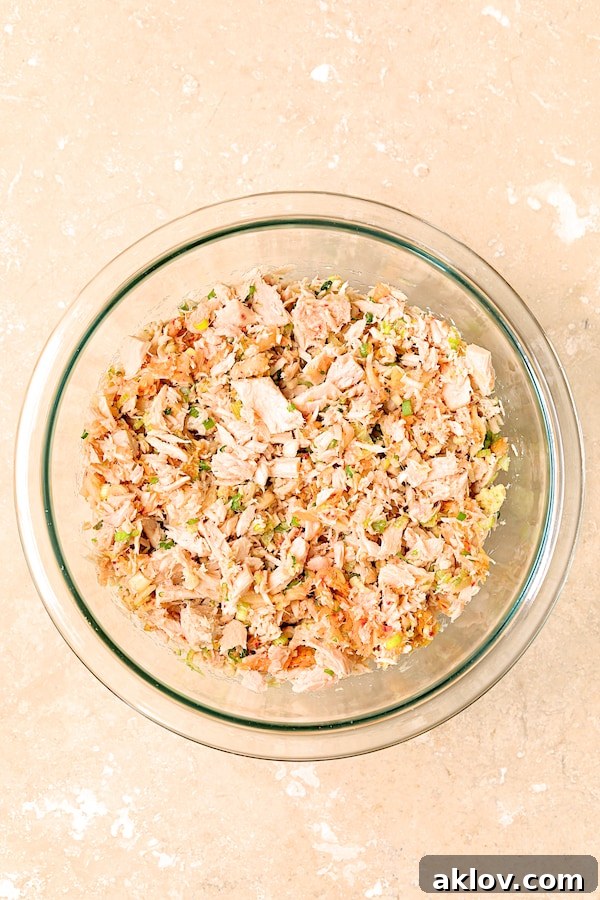
Begin by combining all the flavor-packed ingredients for the cakes, except the tuna itself. In a large mixing bowl, whisk together the finely chopped cabbage kimchi, minced scallions (white and light green parts), 1 tablespoon of minced ginger, the beaten large egg, and 1/2 cup of panko breadcrumbs. Stir thoroughly to ensure everything is evenly incorporated. The panko here helps absorb moisture and contributes to the cake’s internal structure.
Next, add the drained canned tuna to this mixture. Gently flake the tuna with a fork as you stir, making sure it’s well combined with the other ingredients without overmixing, which can make the cakes tough. The mixture should be moist enough to hold together when pressed. If it appears too dry, add a tiny bit (1-2 tablespoons) of the reserved tuna water until it just comes together. This ensures your cakes won’t crumble during frying.
2. Forming and Chilling the Cakes
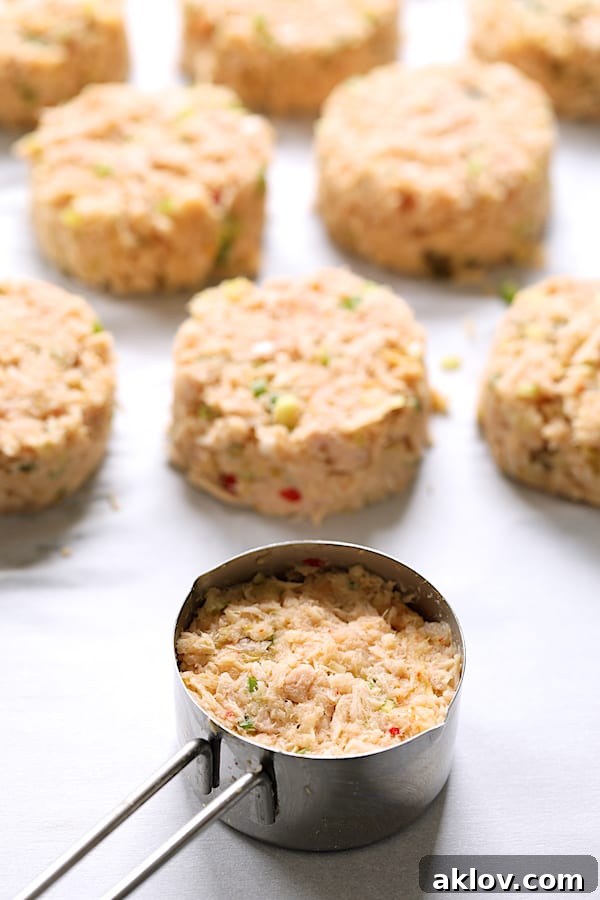
For consistent size and cooking, use a 1/3-cup measuring cup to form your cakes. Lightly pack the tuna mixture into the measuring cup about three-quarters of the way full. Then, invert the cup onto a baking sheet, gently tapping to release the perfectly shaped cake. Repeat this process until all the mixture is used. If you have a small amount of mixture left that doesn’t fill a cup, simply distribute it evenly among the already formed cakes.
Chilling is a critical step for successful frying. Once your cakes are formed, place the baking sheet in the refrigerator for at least 1-2 hours. If you’re short on time, a 30-minute stint in the freezer can also do the trick. This chilling period allows the cakes to firm up, making them much easier to handle and preventing them from falling apart when they hit the hot oil.
3. Mastering the Soy-Ginger Dipping Sauce
While the tuna cakes are chilling, prepare the irresistible dipping sauce. In a small bowl, combine 1/2 cup of soy sauce (or tamari), 2 tablespoons of rice vinegar, 1 tablespoon of gochujang, 1 teaspoon of minced ginger, and 2 cloves of minced garlic. Whisk all the ingredients vigorously until the gochujang is fully dissolved and the sauce is well combined. Taste and adjust to your preference – you might like a bit more spice from gochujang or a touch more sweetness. This sauce perfectly complements the savory cakes with its balance of sweet, salty, spicy, and tangy notes.
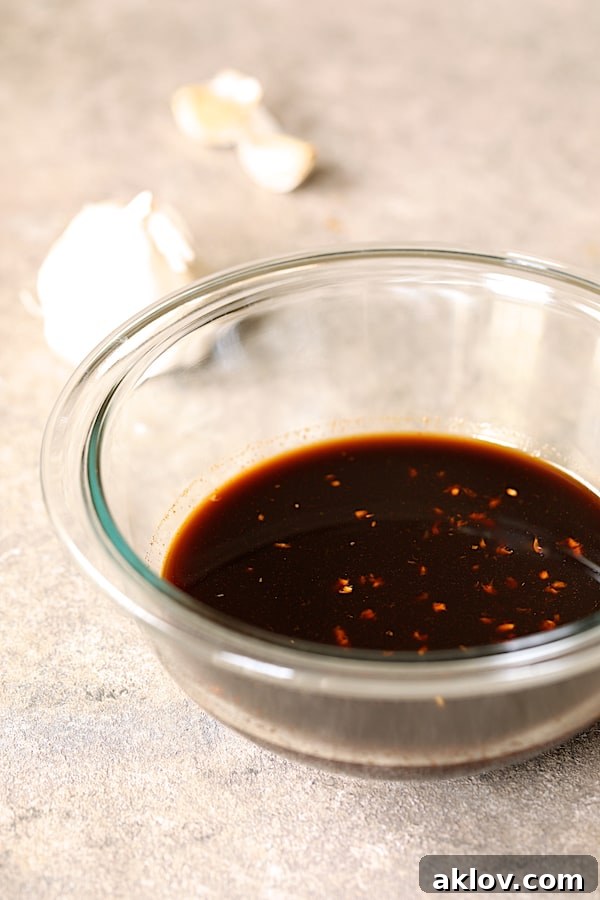
4. Frying for Golden Perfection
Once the cakes are thoroughly chilled, it’s time to achieve that beautiful golden crisp. Heat 3/4 cup of canola oil (or corn or vegetable oil) in a large nonstick skillet or sauté pan over medium-high heat. You’ll know the oil is ready when it shimmers, and a tiny pinch of panko breadcrumbs dropped in sizzles immediately and browns quickly.
Just before placing them in the hot oil, generously sprinkle each side of the chilled tuna cakes with additional panko breadcrumbs, gently pressing them to adhere. This extra coating is key to an extra-crispy exterior. Carefully place the coated cakes into the hot oil, making sure not to overcrowd the pan. Fry for 2-3 minutes per side, or until they turn a beautiful golden brown and are deliciously crispy.
As each batch of cakes finishes frying, transfer them to a wire cooling rack set over a baking sheet or aluminum foil. This setup allows air to circulate, preventing the bottoms from becoming soggy and ensuring maximum crispiness. Avoid placing them directly on paper towels, as this can trap steam and soften the crust. Repeat the frying process with any remaining cakes.
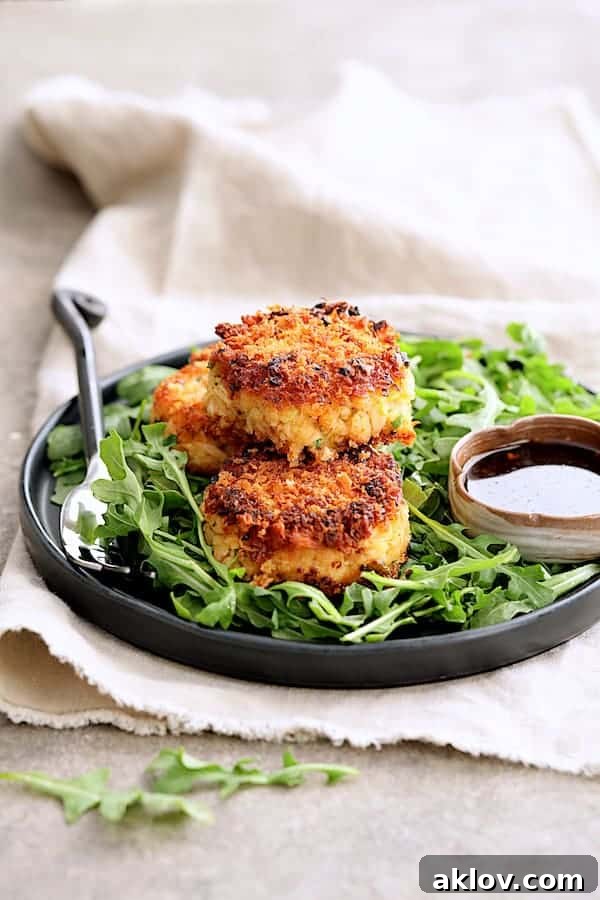
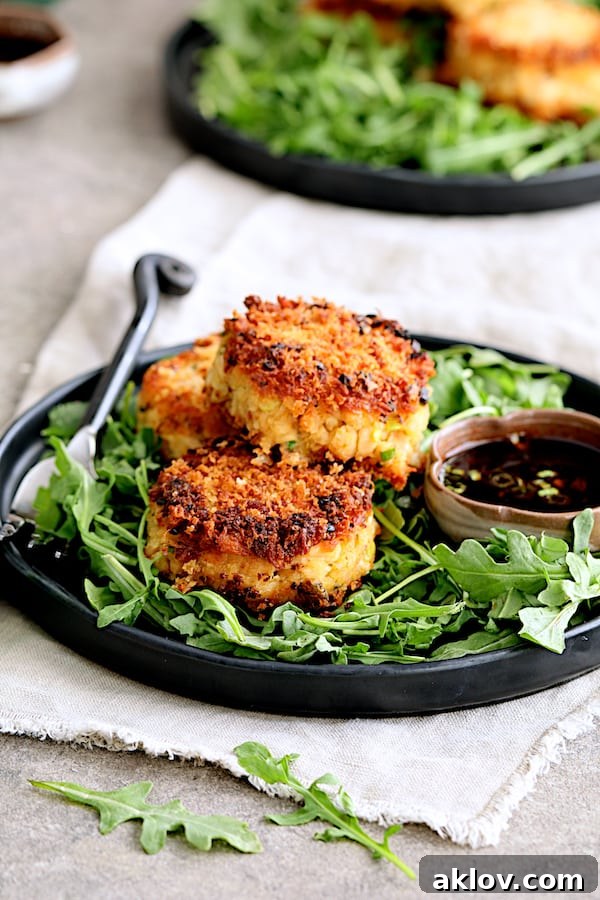
Serve the warm, crispy tuna kimchi cakes immediately with your homemade Soy-Ginger Dipping Sauce. For an added touch of elegance and a peppery flavor, arrange them over a bed of fresh arugula.
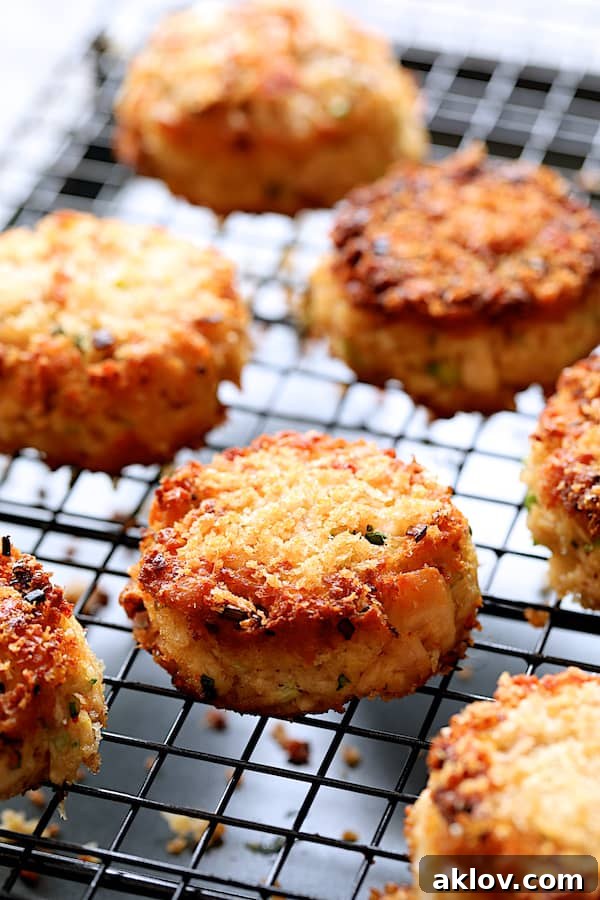
Expert Tips for the Best Tuna Kimchi Cakes
- Don’t Skip the Chilling: This is perhaps the most important tip. Chilled cakes are firm cakes, making them less likely to break apart during frying.
- Evenly Chop Kimchi: Ensure your kimchi is finely chopped for even distribution and a consistent texture in the cakes. Large pieces can make the cakes harder to form and prone to crumbling.
- Moisture Control: Tuna packed in water works best. Drain it thoroughly, but remember to reserve some water. Only add it back a tablespoon at a time if your mixture is too dry to bind. Too much moisture will result in soggy cakes.
- Perfect Panko Coating: Press the panko firmly onto the cakes before frying. This creates a resilient crust that fries up incredibly crisp.
- Don’t Overcrowd the Pan: Fry the cakes in batches if necessary. Overcrowding lowers the oil temperature, leading to less crispy and potentially greasy cakes.
- Maintain Oil Temperature: Keep the oil at a consistent medium-high heat. If it’s too low, cakes will soak up oil; if too high, they’ll burn before cooking through.
- Cooling Rack is Key: Always drain fried foods on a wire rack. This allows air to circulate around them, keeping them crisp on all sides.
Serving Suggestions to Elevate Your Meal
These Tuna Kimchi Cakes are incredibly versatile and can be served in various ways to suit any occasion:
- As an Appetizer: Serve warm with a generous side of the Soy-Ginger Dipping Sauce for an impressive starter.
- Light Lunch or Dinner: Place them atop a bed of peppery arugula or mixed greens. The freshness of the greens complements the richness of the cakes beautifully. You can also add some thinly sliced cucumbers or radishes for extra crunch.
- Asian-Inspired Bowls: Arrange the cakes in a bowl with steamed rice, edamame, and a drizzle of extra dipping sauce for a wholesome meal.
- Lettuce Wraps: Serve the cakes in crisp lettuce cups with shredded carrots, cucumber, and a dollop of sauce for a fresh, hand-held option.
- Alongside Other Korean Delights: Pair these cakes with a fresh batch of your Spicy Asian Cucumber Salad or some savory Gochujang Eggplant for a complete Korean-inspired feast.
Make-Ahead and Freezer-Friendly Options
This recipe is perfect for planning ahead, whether for a party or future weeknight meals:
- Make Ahead: You can prepare the tuna cakes mixture and form them up to 2 days in advance. Store the uncooked, formed cakes on a baking sheet, tightly covered with plastic wrap, in the refrigerator. When ready to serve, simply coat with panko and fry as directed. Cooked cakes can also be prepared 2 days ahead; cool completely, then refrigerate in an airtight container. Reheat in an oven preheated to 350°F (175°C) for 18-22 minutes, or until heated through and crispy again.
- Freezer-Friendly: Cooked Tuna Kimchi Cakes freeze beautifully. Once completely cooled, arrange them in a single layer on a baking sheet and flash freeze for about an hour until solid. Then transfer them to an airtight freezer-safe container or bag, separating layers with parchment paper to prevent sticking. They will keep for up to 3 months. To reheat from frozen, place the cakes on a baking sheet and bake in a preheated oven at 350°F (175°C) for 22-25 minutes, or until thoroughly heated through and the exterior is crisp.
Frequently Asked Questions (FAQs)
- Can I use fresh tuna instead of canned?
- While canned tuna offers convenience and a distinct flavor that works well here, you could experiment with cooked fresh tuna. Ensure it’s flaked well and any excess moisture is removed to maintain the cake’s structure.
- What if I don’t have gochujang for the dipping sauce?
- Gochujang provides unique depth, but if you don’t have it, you can substitute with Sriracha or another chili garlic sauce mixed with a tiny bit of sugar and miso paste for a similar spicy, savory, and slightly sweet profile. The flavor won’t be identical but will still be delicious.
- How do I prevent the cakes from falling apart during frying?
- The key steps are ensuring the mixture isn’t too wet (add reserved tuna water sparingly), chilling the formed cakes thoroughly, and not overcrowding the pan during frying. Gentle handling is also crucial.
- Can I bake these instead of frying?
- Yes, for a healthier option, you can bake them. Lightly coat the cakes in panko, spray with cooking oil, and bake at 400°F (200°C) for 15-20 minutes, flipping halfway, until golden and heated through. They may not be as crispy as fried ones but will still be tasty.
- Is this recipe spicy?
- The spice level can be adjusted. Kimchi has inherent spice, and the gochujang in the dipping sauce adds more. You can use a milder kimchi and reduce or omit the gochujang if you prefer less heat.
More Delicious Fish and Seafood Cake Recipes You’ll Love!
- Maryland-Style Crab Cakes
- Thai Salmon Cakes with Basil – Lime Mayonnaise
- Shrimp Cakes with Roasted Red Bell Pepper Mayonnaise
Explore More Korean-Inspired Dishes!
- Easy Homemade Kimchi
- Korean Braised Chicken Thighs
- Vegan Korean Tofu Lettuce Wraps with Tahini Gochujang Sauce and Spicy Slaw
- Korean Braised Beef Short Ribs
Recipe: Tuna Kimchi Cakes with Soy-Ginger Dipping Sauce
Crispy, flavorful tuna cakes infused with vibrant kimchi, served with a zesty soy-ginger dipping sauce. A perfect appetizer or light meal!
Prep Time: 15 minutes | Cook Time: 10 minutes | Additional Time: 30 minutes (chilling) | Total Time: 55 minutes
Servings: 4
Equipment
- Glass Mixing Bowls
- Measuring Cups and Spoons
- Nonstick Skillet
- Rimmed Sheet Pan
- Cooling Racks
Ingredients
For the Tuna Cakes:
- 3/4 cup cabbage kimchi, drained and chopped
- 1 bunch scallions, white and light green parts only, finely chopped
- 1 tablespoon minced ginger
- 1 large egg, beaten
- 1/2 cup panko, regular or gluten-free, plus more for coating cakes
- 3 cans (5-ounce each) tuna in water, drained with water reserved
- 3/4 cup canola oil, or corn or vegetable oil, for frying
- Arugula, for serving (optional)
For the Soy-Ginger Dipping Sauce:
- 1/2 cup soy sauce, or tamari
- 2 tablespoons rice vinegar
- 1 tablespoon gochujang
- 1 teaspoon minced ginger
- 2 cloves garlic, minced
Instructions
For the Tuna Cakes:
- Combine the chopped kimchi, finely chopped scallions, 1 tablespoon minced ginger, beaten egg, and 1/2 cup panko in a large mixing bowl. Stir thoroughly until all ingredients are well mixed.
- Add the drained tuna to the bowl. Gently flake the tuna as you mix it into the other ingredients. If the mixture appears too dry to hold its shape, add 1-2 tablespoons of the reserved tuna water, just enough to bind the mixture.
- Using a 1/3-cup measuring cup, pack the tuna mixture approximately three-quarters full. Invert the measuring cup onto a baking sheet to form even-sized cakes. Repeat with the remaining mixture.
- Chill the formed cakes on the baking sheet in the refrigerator for 1-2 hours, or in the freezer for 30 minutes. This step helps them firm up and prevents them from falling apart during frying.
- Heat 3/4 cup canola oil in a large nonstick skillet over medium-high heat until shimmering. Sprinkle each tuna cake generously with additional panko breadcrumbs, gently pressing them on.
- Carefully place the panko-coated cakes into the hot oil, ensuring not to overcrowd the pan. Fry for 2-3 minutes per side, or until golden brown and crispy.
- Transfer the fried tuna cakes to a wire cooling rack set over a baking sheet or aluminum foil to drain excess oil and maintain crispiness. Repeat with remaining cakes.
- Serve warm, ideally over fresh arugula, with the Soy-Ginger Dipping Sauce.
For the Soy-Ginger Dipping Sauce:
- In a small bowl, combine the soy sauce (or tamari), rice vinegar, gochujang, 1 teaspoon minced ginger, and minced garlic.
- Whisk vigorously until all ingredients are well combined and the gochujang is fully dissolved. Taste and adjust seasoning as needed.
Notes
- Pro Tip for Forming Cakes: Using a 1/3-cup measuring cup ensures uniformly sized cakes and makes the forming process quick and easy.
- Make Ahead: Prepare and refrigerate uncooked cakes for up to 2 days. Cooked cakes can be refrigerated for up to 2 days; reheat in a 350°F (175°C) oven for 18-22 minutes.
- Freezer-Friendly: Cooked tuna kimchi cakes can be frozen for up to 3 months in an airtight container. Reheat from frozen in a 350°F (175°C) oven for 22-25 minutes.
Nutrition
(Please note: Nutritional values are estimates only and may vary based on specific ingredients and preparation methods.)
- Serving: 1 cake
- Calories: 448 kcal
- Carbohydrates: 10g
- Protein: 6g
- Fat: 44g
- Saturated Fat: 4g
- Polyunsaturated Fat: 12g
- Monounsaturated Fat: 27g
- Trans Fat: 1g
- Cholesterol: 47mg
- Sodium: 1697mg
- Potassium: 142mg
- Fiber: 1g
- Sugar: 2g
- Vitamin A: 136 IU
- Vitamin C: 2mg
- Calcium: 35mg
- Iron: 1mg
Nutritional values are automatically calculated using unbranded products and are estimates only. Actual results may vary based on ingredients used and portion sizes. Adjust as needed for dietary restrictions, allergies, or health concerns.
We hope you enjoy these Crispy Tuna Kimchi Cakes with Soy-Ginger Dipping Sauce as much as we do! Their incredible flavor, satisfying texture, and ease of preparation make them a perfect addition to your culinary repertoire. Don’t forget to leave a comment below and let us know how your family loved them!