
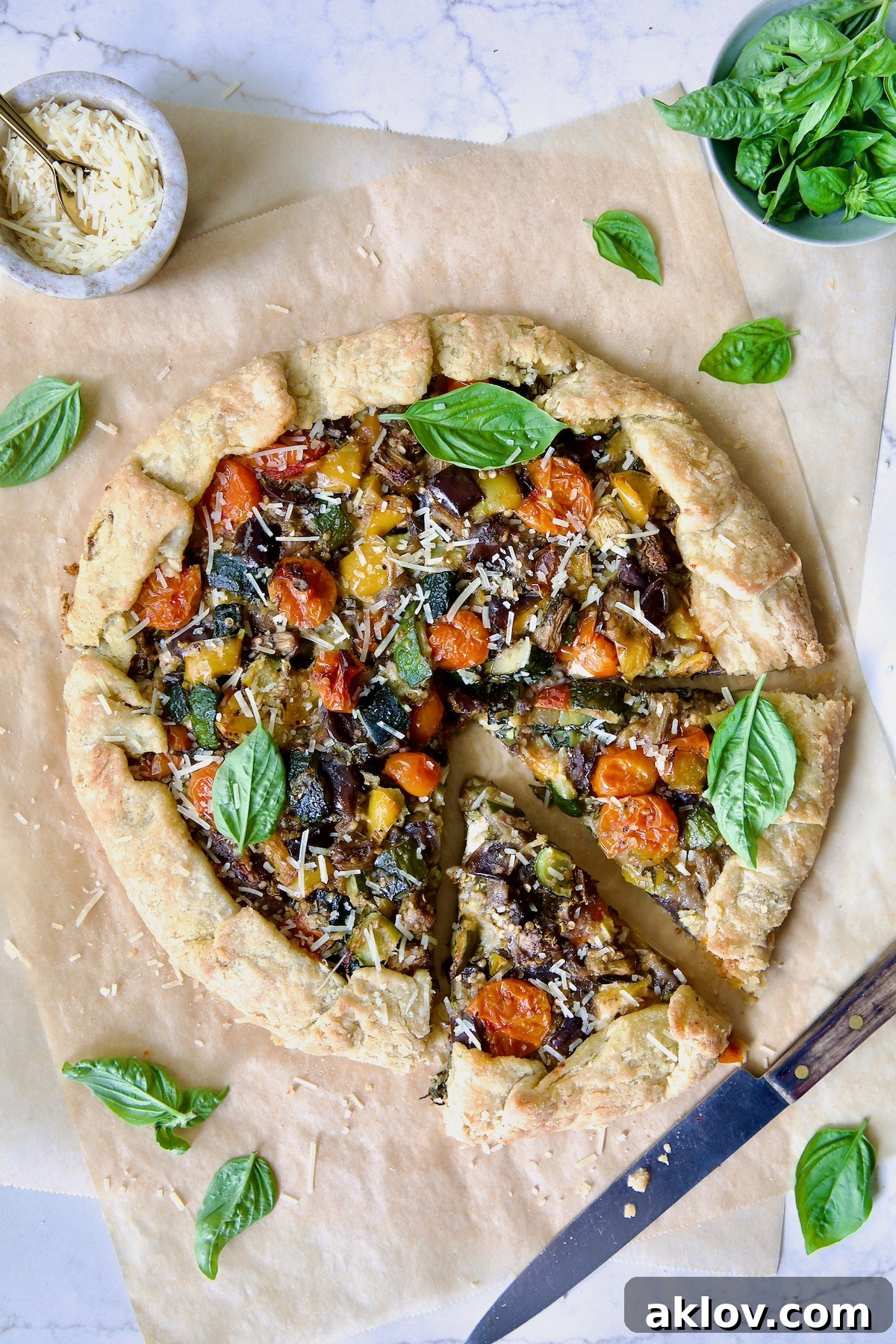
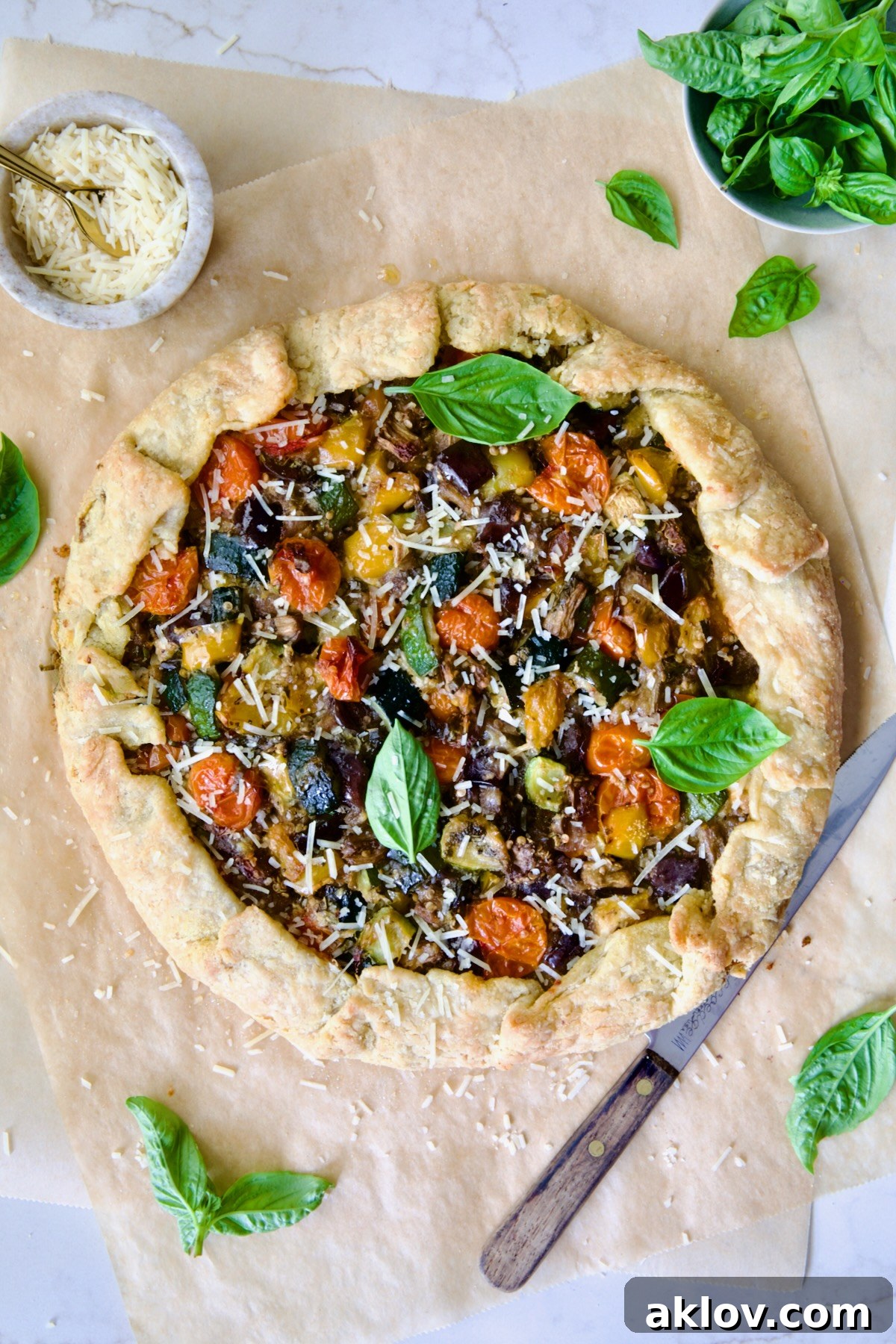
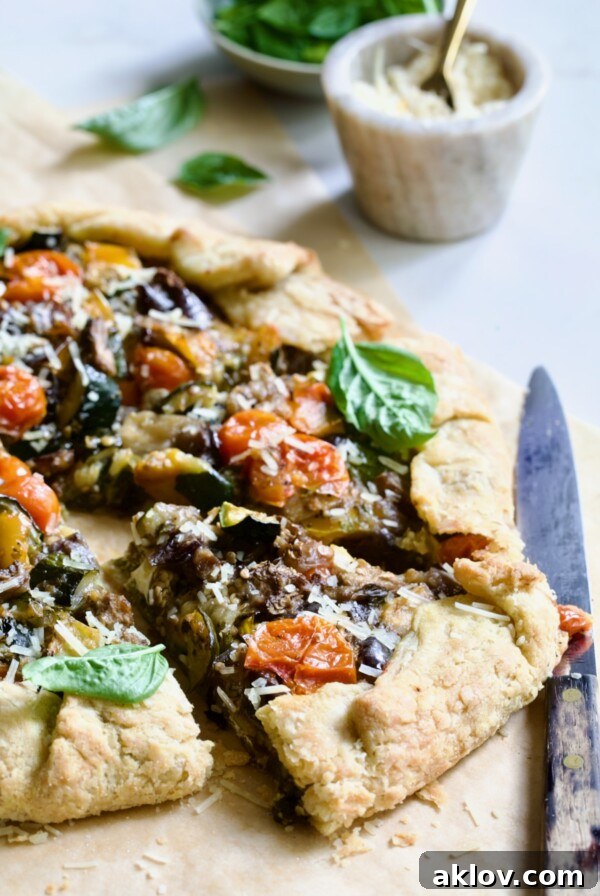
Embark on a culinary journey to the sun-drenched coasts of the Mediterranean with this exquisite Mediterranean Vegetable Galette. This recipe is a vibrant celebration of fresh, seasonal produce, artfully arranged in a golden, flaky crust. It’s an elegant dish that appears sophisticated but is surprisingly simple to create, making it ideal for both seasoned chefs and enthusiastic home cooks alike. Imagine the rich aroma of roasted vegetables mingling with fragrant herbs and creamy goat cheese, all nestled in a perfectly baked, free-form pastry. This galette is more than just a meal; it’s a feast for the senses, delivering robust flavors and a stunning visual appeal that will impress at any gathering, from casual weeknight dinners to special weekend brunches.
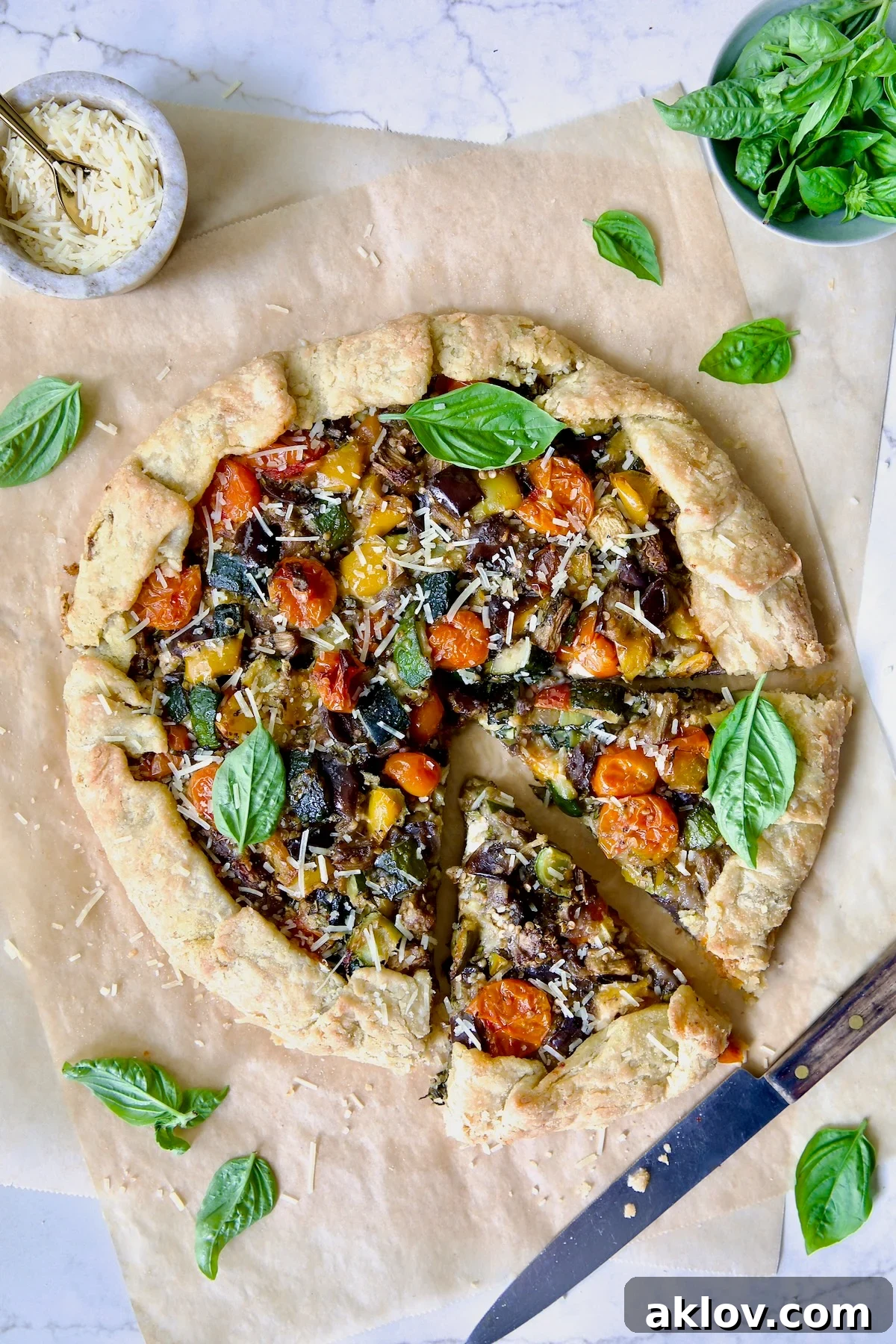
What Exactly is a Galette? Unveiling this Rustic Delight
Often compared to its more structured cousins, the quiche or tart, a galette distinguishes itself with its charmingly rustic and free-form nature. Unlike a quiche, which typically requires a delicate custard filling and specific pie pans for its perfect round shape, or a tart, which often uses a removable bottom pan for a clean finish, a galette embraces imperfection. It’s essentially a flat, round pastry base with its edges folded casually over a filling, creating an open-faced pie that exudes a homely, inviting appeal. This inherent flexibility means there’s no need for special bakeware or precise shaping techniques, making it incredibly approachable for bakers of all skill levels. The beauty of a galette lies in its versatility; it can be filled with an endless array of ingredients, ranging from sweet fruits like apples and berries to savory combinations of meats, cheeses, or, as in this recipe, a bounty of garden-fresh vegetables. Imagine the possibilities! Beyond traditional fillings, some creative variations even feature stacked layers, such as savory potato galettes baked in muffin tins, proving just how adaptable this delightful pastry can be.
Why This Mediterranean Vegetable Galette Will Become Your Go-To Recipe
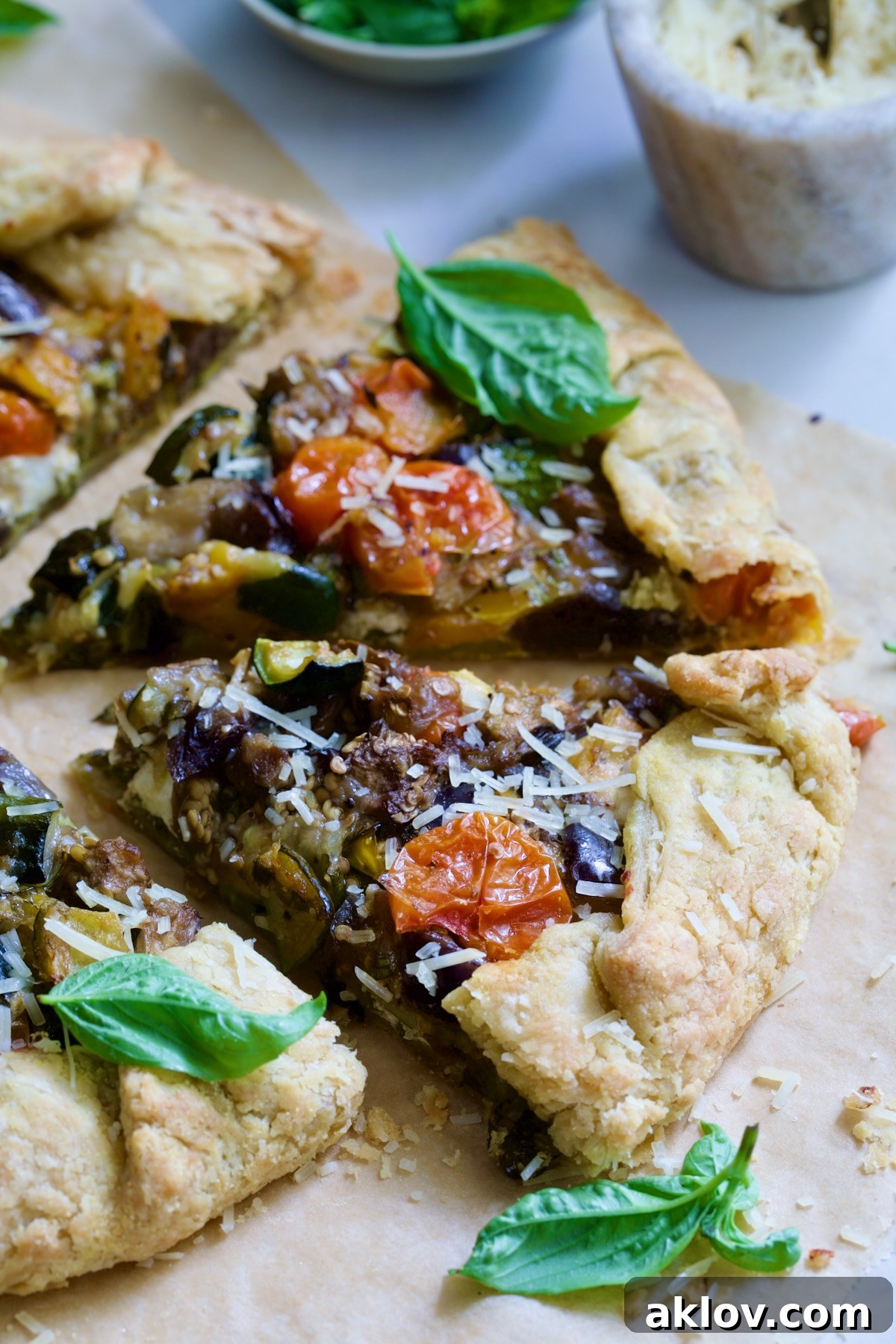
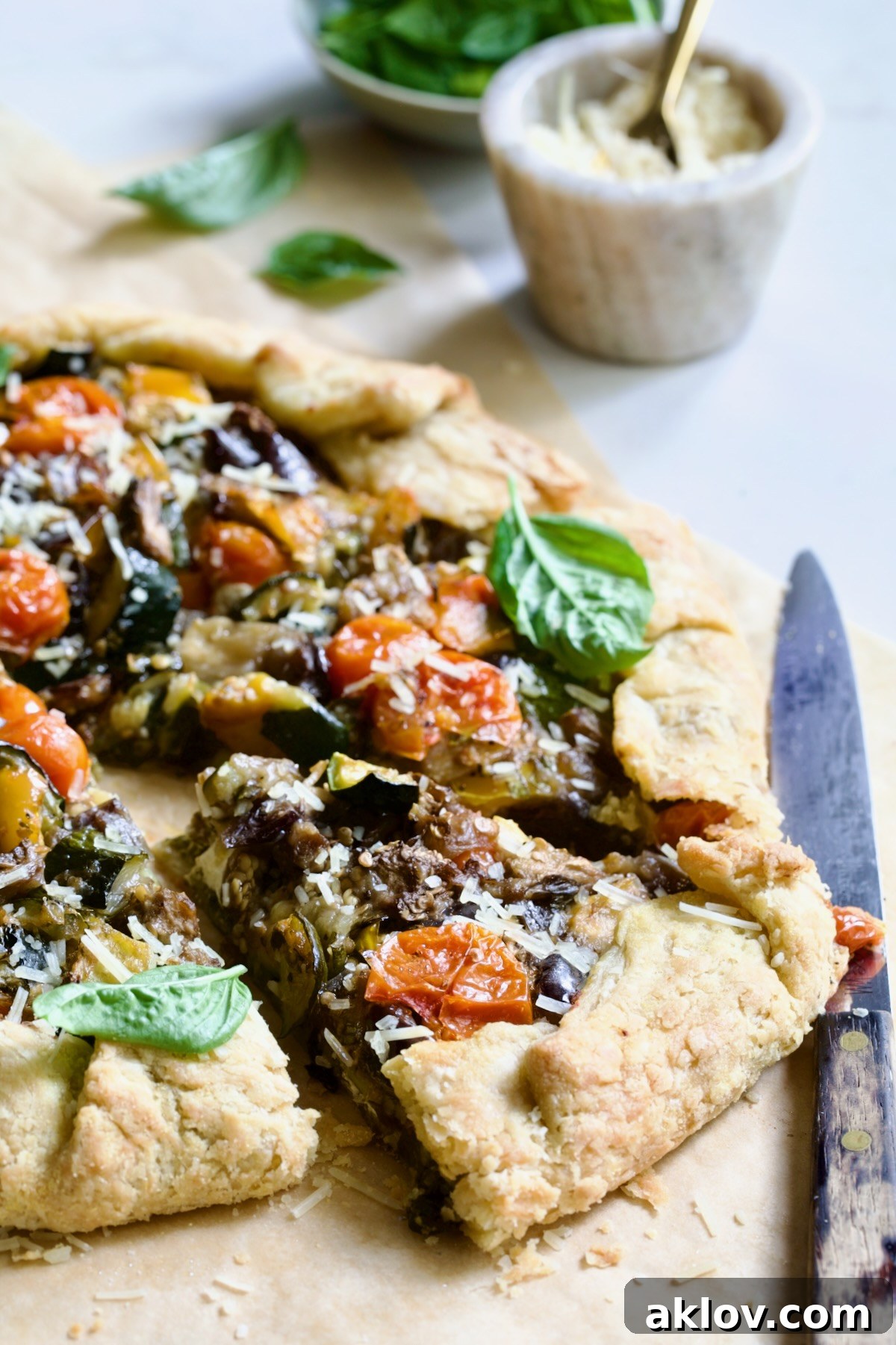
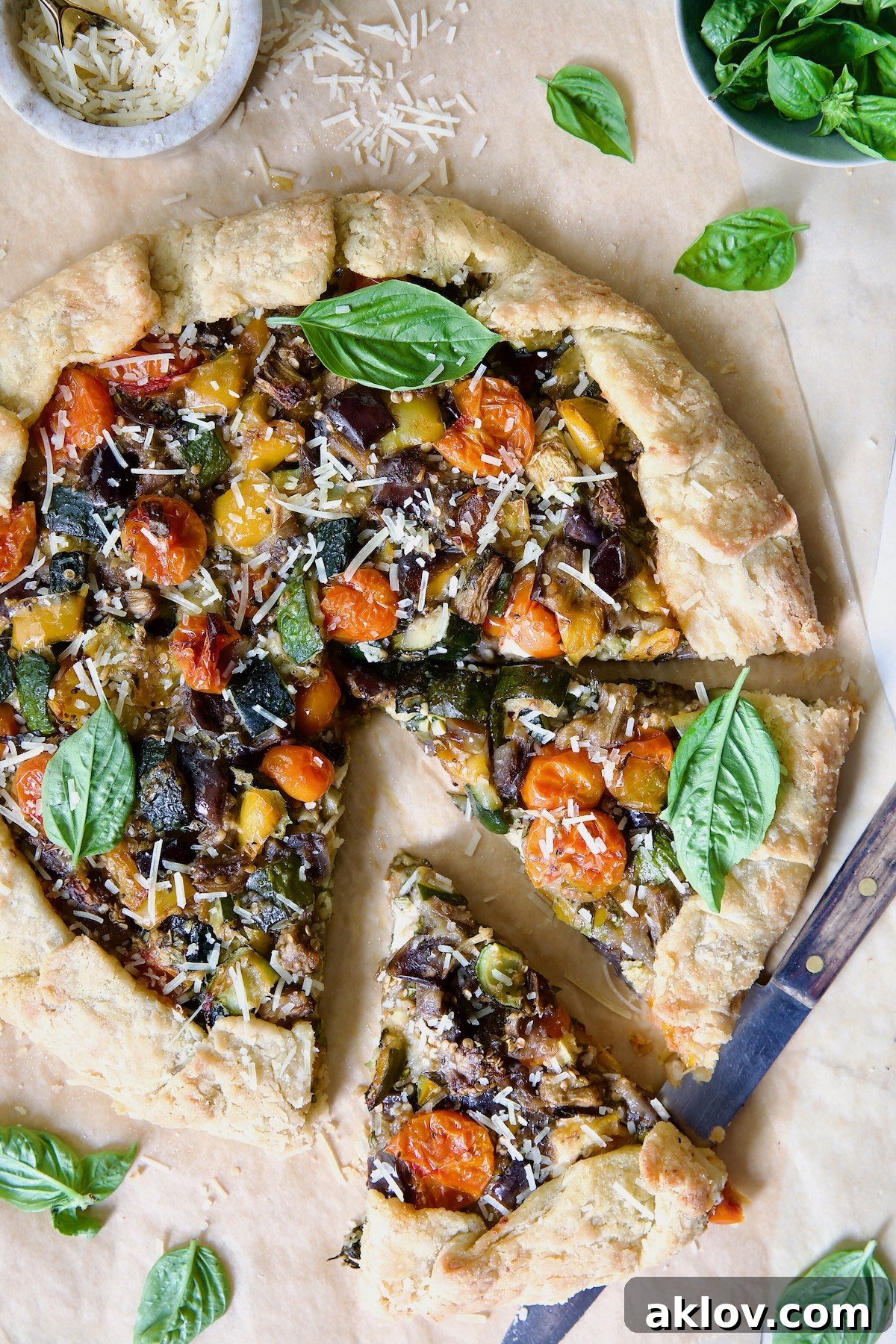
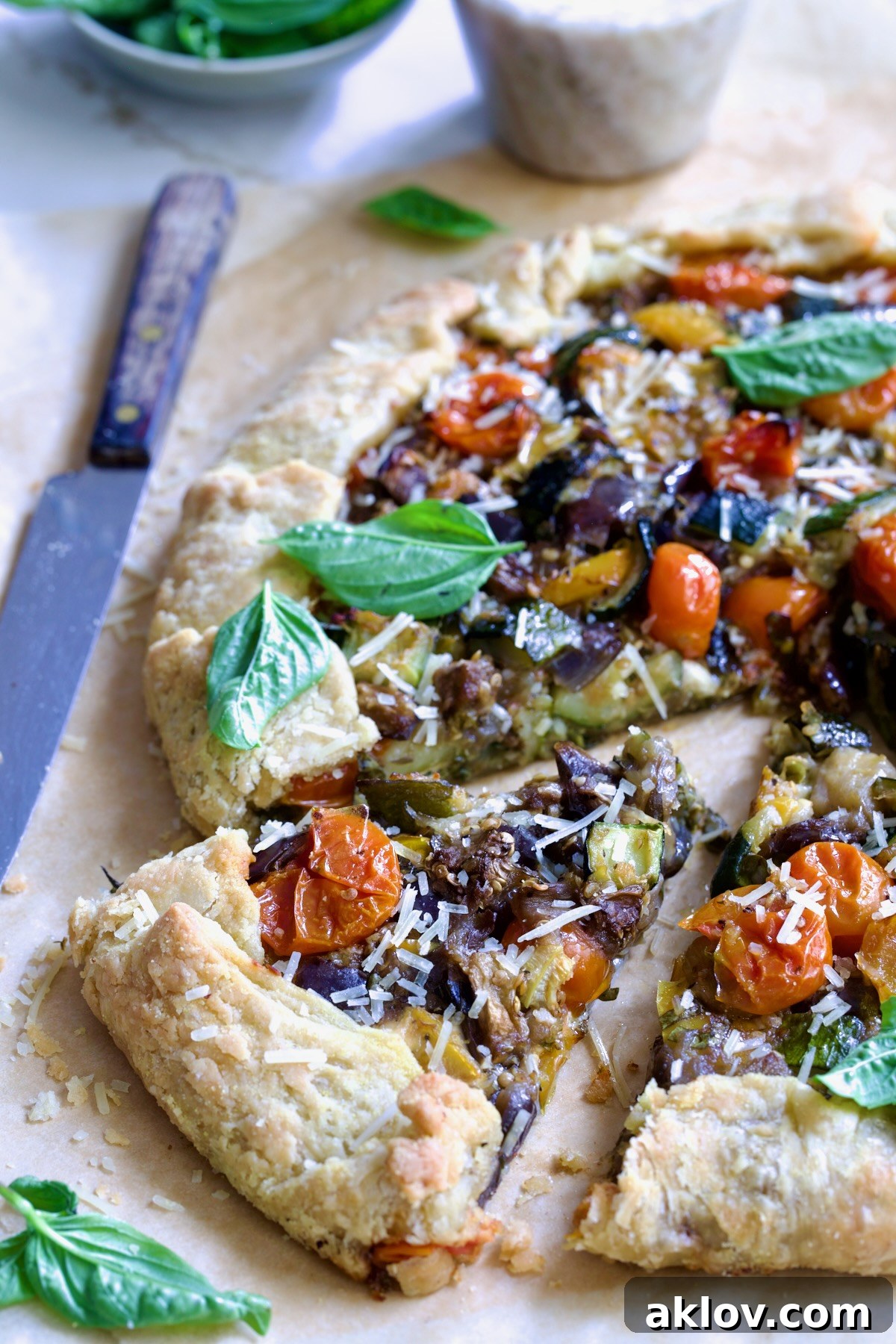
This Mediterranean Vegetable Galette is a true culinary gem, designed to be not just a recipe but a cherished addition to your cooking repertoire. It flawlessly captures the bold, sun-kissed flavors inherent in Mediterranean cuisine, transforming simple ingredients into an extraordinary dish. Each bite is a harmonious blend of textures and tastes: the tender sweetness of roasted tomatoes, the earthy notes of eggplant, the vibrant crunch of bell peppers, and the subtle zest of zucchini. These fresh vegetables are elevated by the creamy tang of goat cheese and the aromatic freshness of basil, all perfectly encased in a buttery, golden, and irresistibly flaky crust. The resulting free-form tart is as stunning to behold as it is delightful to eat, its colorful array of roasted vegetables making it a visually striking centerpiece for any table.
Despite its impressive appearance, one of the greatest appeals of this galette is its inherent ease of preparation. Forget the intimidation of intricate pastry work; the rustic nature of a galette means there’s no need for precise shaping or meticulous crimping. This forgiving quality makes it an excellent choice for both beginner cooks venturing into baking and experienced chefs looking for a fuss-free yet elegant meal. The simplicity doesn’t compromise on flavor or sophistication, proving that exceptional food can indeed be accessible.
This Mediterranean Vegetable Galette recipe stands out for several compelling reasons:
- Explosive Flavor: The secret to its incredible taste lies in roasting the vegetables before assembly. This crucial step deepens their natural sweetness, adding a rich, caramelized layer of flavor that perfectly complements the buttery, flaky crust. The roasting process concentrates their essences, ensuring every bite is packed with Mediterranean goodness.
- Effortless Preparation: From start to finish, this recipe is designed for ease. The galette dough comes together in mere minutes with the help of a food processor, requiring minimal effort. While the dough chills, you can efficiently prepare and roast the vegetables. Once roasted and cooled, simply spread a layer of prepared pesto, dot with creamy goat cheese, arrange your colorful vegetable medley, casually fold the crust, and bake. It’s a streamlined process that yields maximum flavor with minimal fuss.
- Visually Stunning and Naturally Delicious: With its vibrant hues and rustic charm, this galette is simply beautiful. It highlights the natural beauty of seasonal produce, requiring only simple, high-quality ingredients to create a dish that looks as good as it tastes. It’s a testament to the power of fresh ingredients.
- Versatile Serving: Whether served warm straight from the oven, allowing its aromas to fill your kitchen, or enjoyed at room temperature, perhaps for a picnic or a leisurely lunch, this galette maintains its deliciousness. Its versatility makes it perfect for various occasions and easy to prepare ahead.
- A Wholesome Mediterranean Choice: Loaded with fresh vegetables, this galette aligns beautifully with the principles of the Mediterranean diet, offering a healthy and satisfying meal option. It’s an excellent way to incorporate more plant-based goodness into your diet.
How to Craft Your Mediterranean Vegetable Galette: A Step-by-Step Guide
Essential Recipe Ingredients:
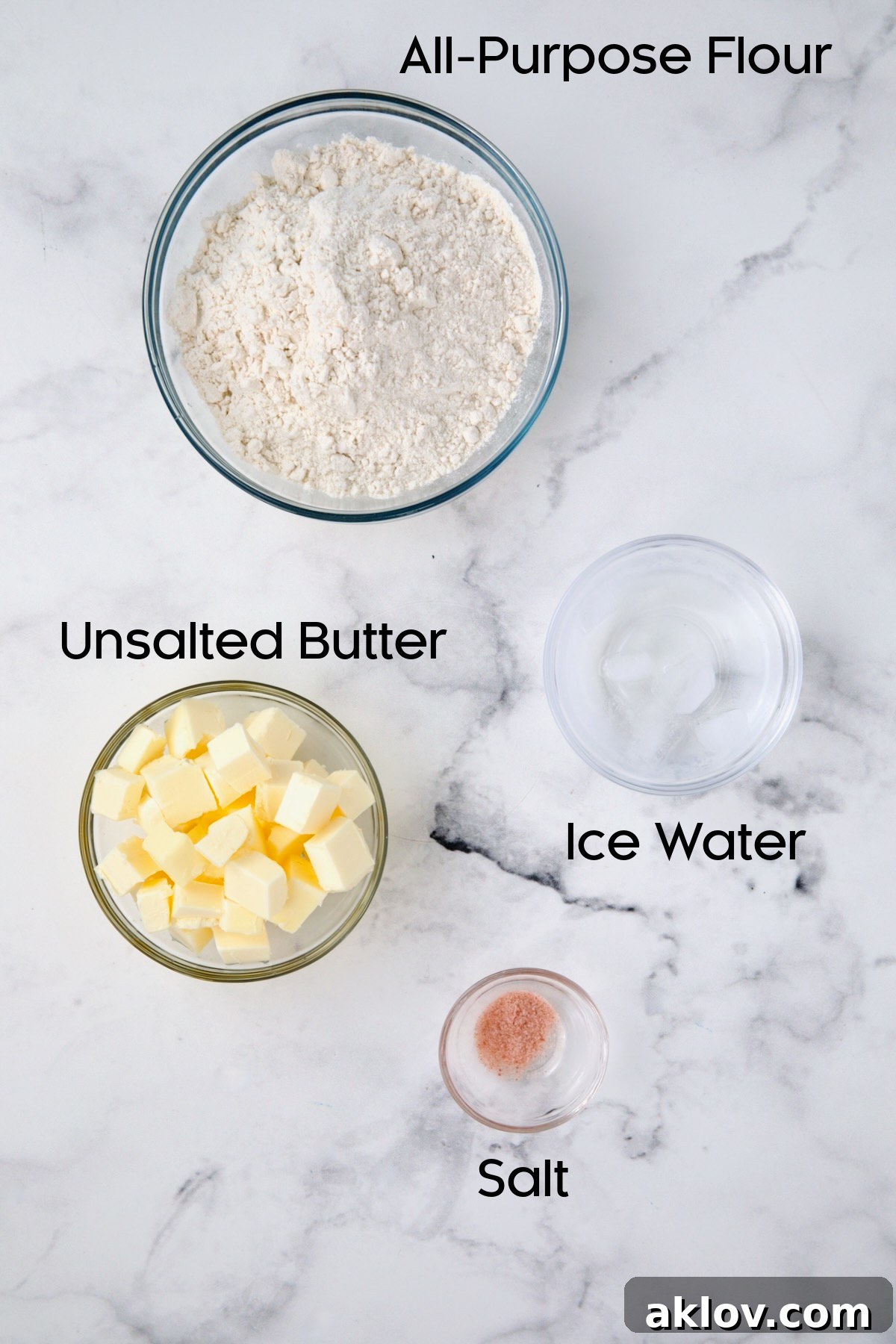
To create this delightful Mediterranean Vegetable Galette, you’ll need a collection of fresh, high-quality ingredients for both the dough and the flavorful filling. Each component plays a vital role in achieving the perfect balance of texture and taste that makes this dish so special. Below is a detailed list of everything you’ll require. For precise measurements, please refer to the comprehensive recipe card that follows the main article.
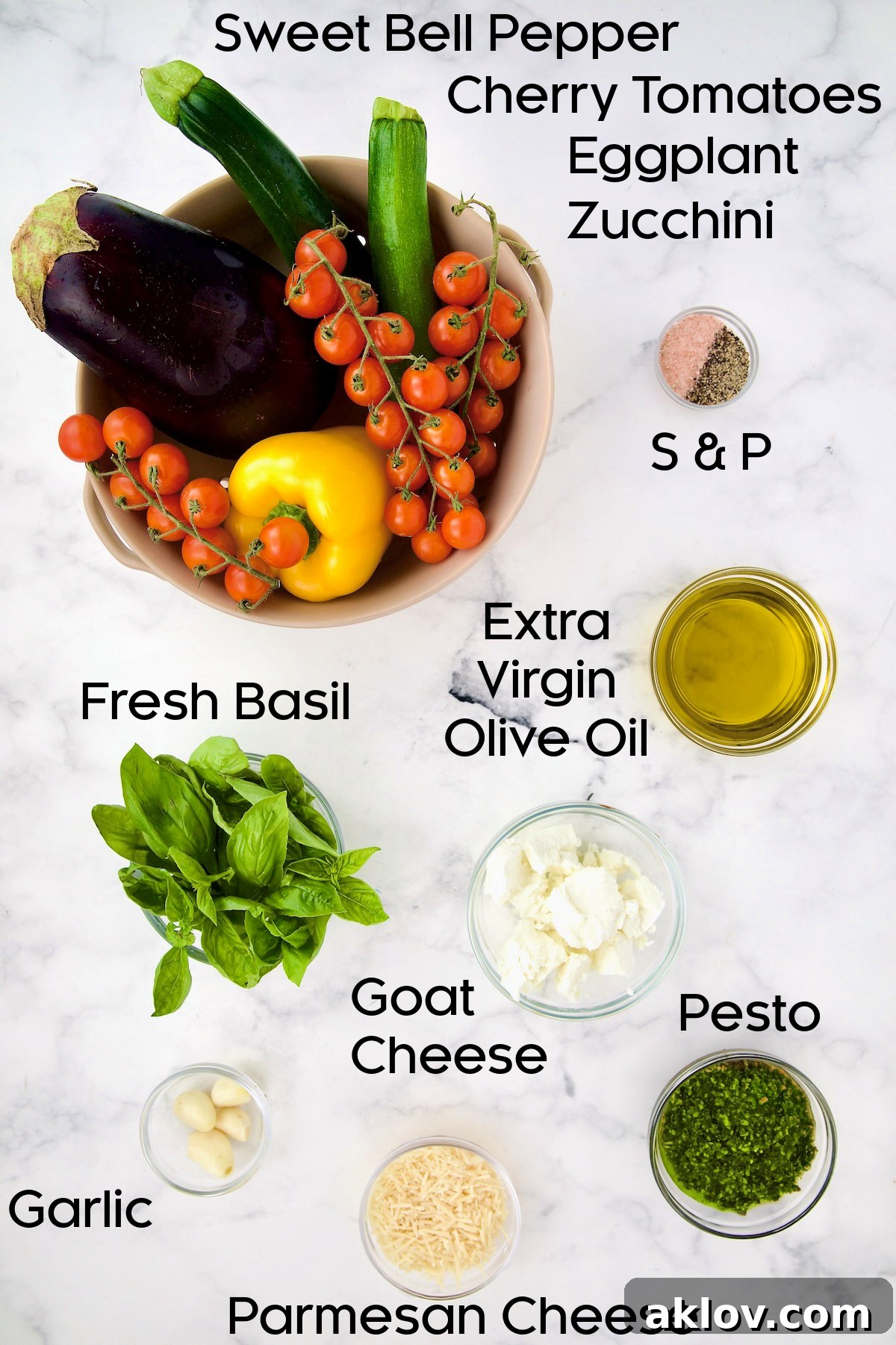
Ingredient Notes & Smart Substitutions:
Understanding your ingredients and their roles can truly elevate your cooking. Here are some detailed notes and potential substitutions to help you perfect your galette:
- All-Purpose Flour: For the best texture and flavor in your crust, unbleached all-purpose flour is highly recommended. It offers a cleaner taste and often a slightly better rise. If unbleached is unavailable, regular all-purpose flour will work perfectly fine.
- Unsalted Butter: We specify unsalted butter to give you precise control over the overall salt content of your dish. Different brands of salted butter can vary widely in their salt levels. If you only have salted butter on hand, simply reduce the amount of added salt in the dough recipe by about ¼ teaspoon to start, and adjust the seasoning for the vegetables to your taste. Ensure your butter is very cold and cut into small pieces for the flakiest crust.
- The Vegetables: The beauty of this galette lies in its adaptability. While this recipe features eggplant, zucchini, red bell peppers, and tomatoes – a classic Mediterranean medley – you are encouraged to experiment! Almost any combination of seasonal Mediterranean vegetables will work wonderfully. Don’t love eggplant? Increase the amount of zucchini, or consider adding yellow squash for extra color and texture. Swap red bell pepper for yellow or orange, or even incorporate thinly sliced red onion for a subtle bite. The goal is to use vegetables that roast well and contribute to a vibrant flavor profile.
- Fresh Basil: This herb is not just a garnish; it’s a cornerstone of the Mediterranean flavor profile in this galette. Its sweet, peppery, and slightly minty notes are essential. Dried basil simply won’t offer the same bright, fresh aroma and taste, so fresh basil is truly a must for an authentic experience.
- Goat Cheese: This ingredient is key for adding a delightful tanginess and a creamy, melt-in-your-mouth texture to the filling. Its distinct flavor provides a wonderful contrast to the roasted vegetables. If goat cheese isn’t to your liking, crumbled feta cheese can offer a similar salty tang, or a soft, mild ricotta can provide creaminess with a milder flavor.
- Pesto: We recommend using a high-quality pesto. If you have homemade Pesto Genovese, it will undoubtedly provide the freshest, most vibrant flavor. If opting for store-bought, look for brands known for their authentic taste. A pro tip: always drain off any excess oil from your pesto before spreading it on the galette. This prevents the oil from leaking out during baking, which can cause smoking in your oven and make the crust soggy.
- Parmesan Cheese: Freshly grated Parmesan adds a salty, umami depth to the vegetable filling and a lovely golden finish when sprinkled on top. If you want to explore other hard Italian cheeses, Asiago or Romano are excellent substitutes, each offering a slightly different but equally delicious flavor profile.
- Olive Oil: A good quality extra virgin olive oil is essential for roasting the vegetables, imparting a rich, fruity flavor and helping them caramelize beautifully. It’s also used for brushing the crust to achieve that perfect golden-brown hue.
- Cornmeal: A light dusting of cornmeal on the parchment paper before transferring the dough provides a subtle crunch to the bottom crust and helps prevent sticking, ensuring your galette lifts easily from the baking sheet.
Detailed Step-By-Step Instructions:
Follow these comprehensive steps to create your perfect Mediterranean Vegetable Galette:
Preparing the Flaky Galette Dough:
- Step 1: Gather and Prep. Begin by measuring out all your ingredients for both the dough and the filling. Having everything ready saves time and ensures a smooth process. Start by making the galette dough first, as it needs chilling time.
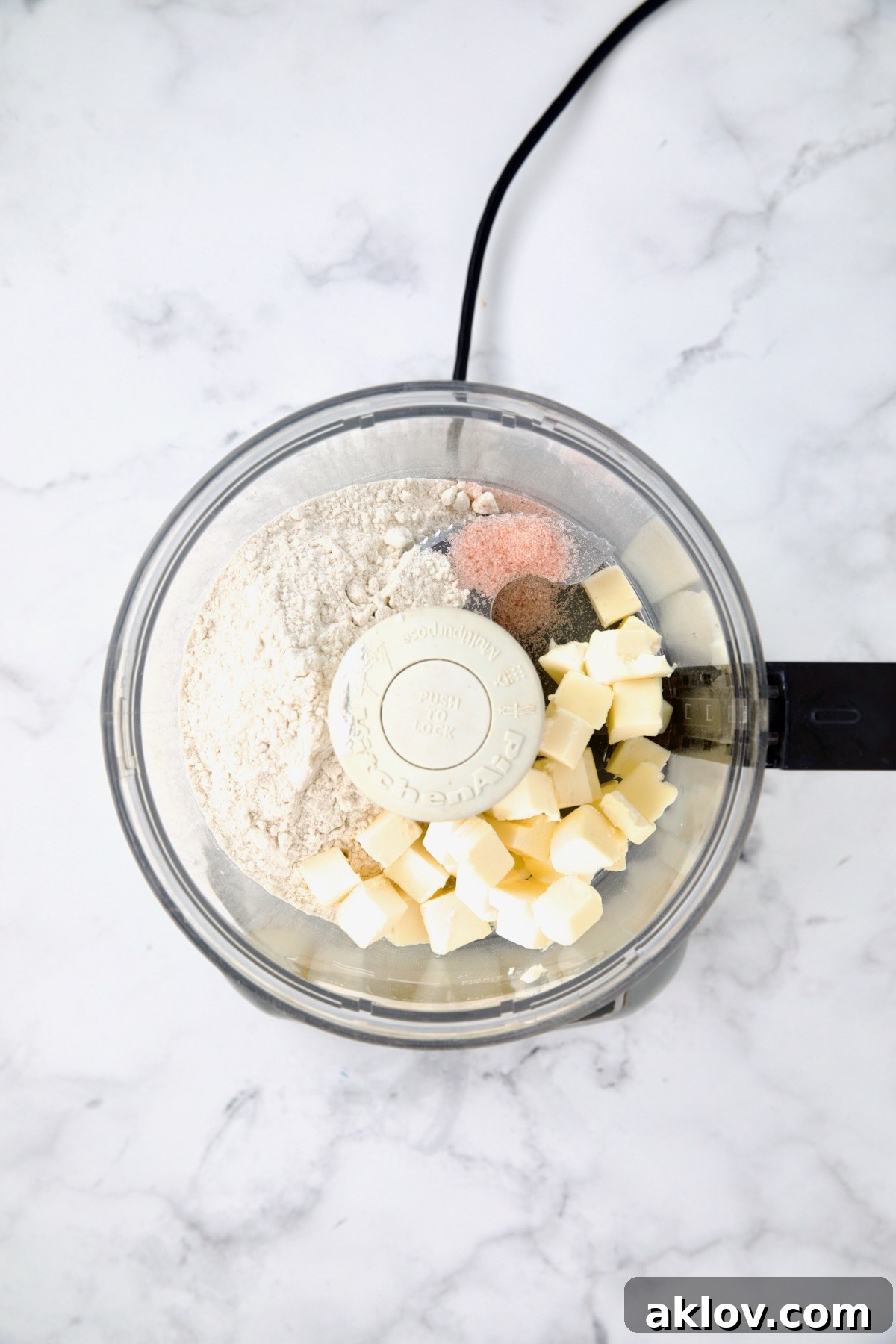
- Step 2: Combine Dry Ingredients. In the bowl of a food processor, combine the all-purpose flour and salt. Pulse briefly to combine these dry ingredients evenly.
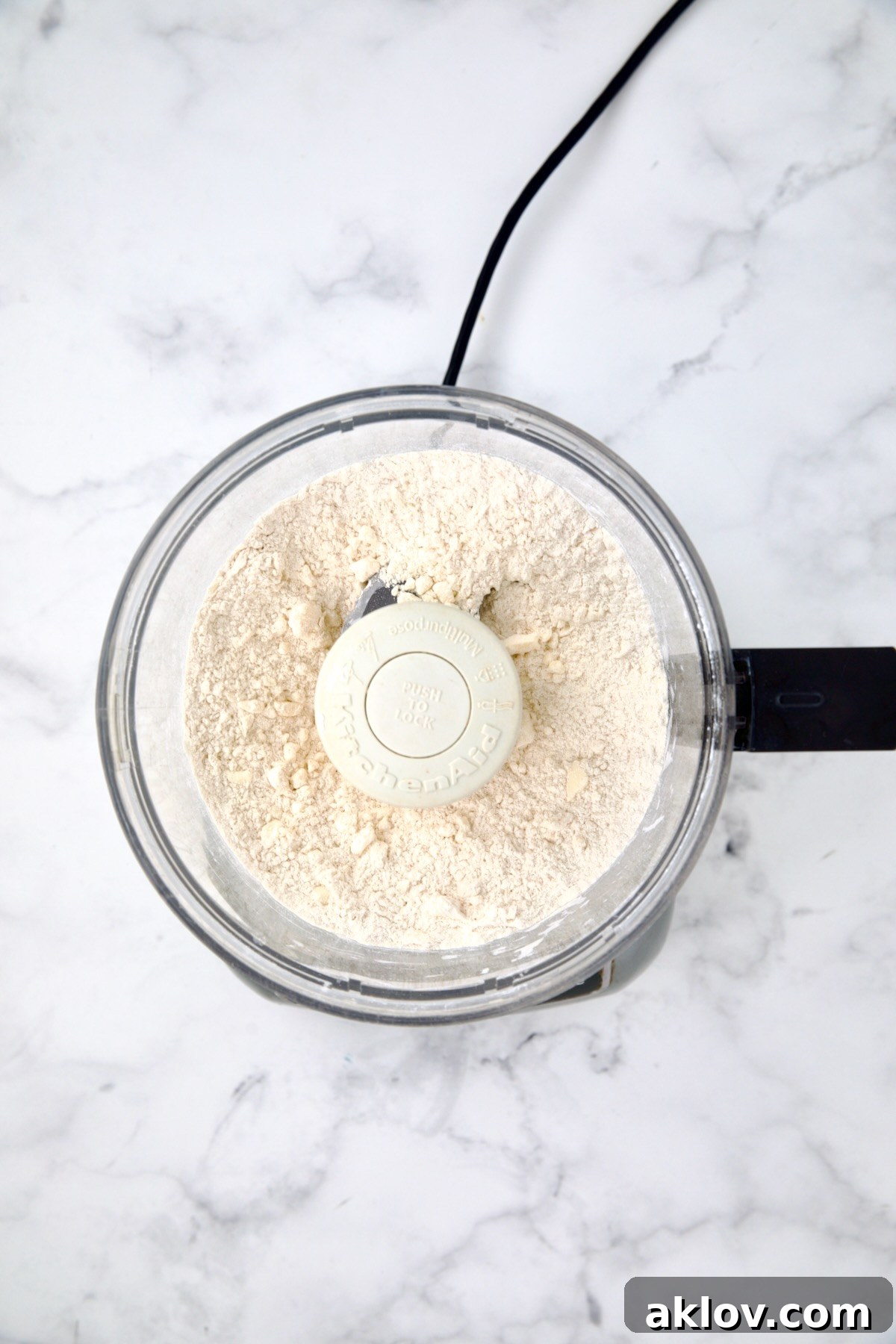
- Step 3: Incorporate Butter. Add the very cold, cubed unsalted butter to the flour mixture. Pulse in short bursts (about 8-10 times) until the mixture resembles coarse crumbs, with some pea-sized pieces of butter still visible. It’s crucial not to over-process, as this develops gluten and can lead to a tough crust.
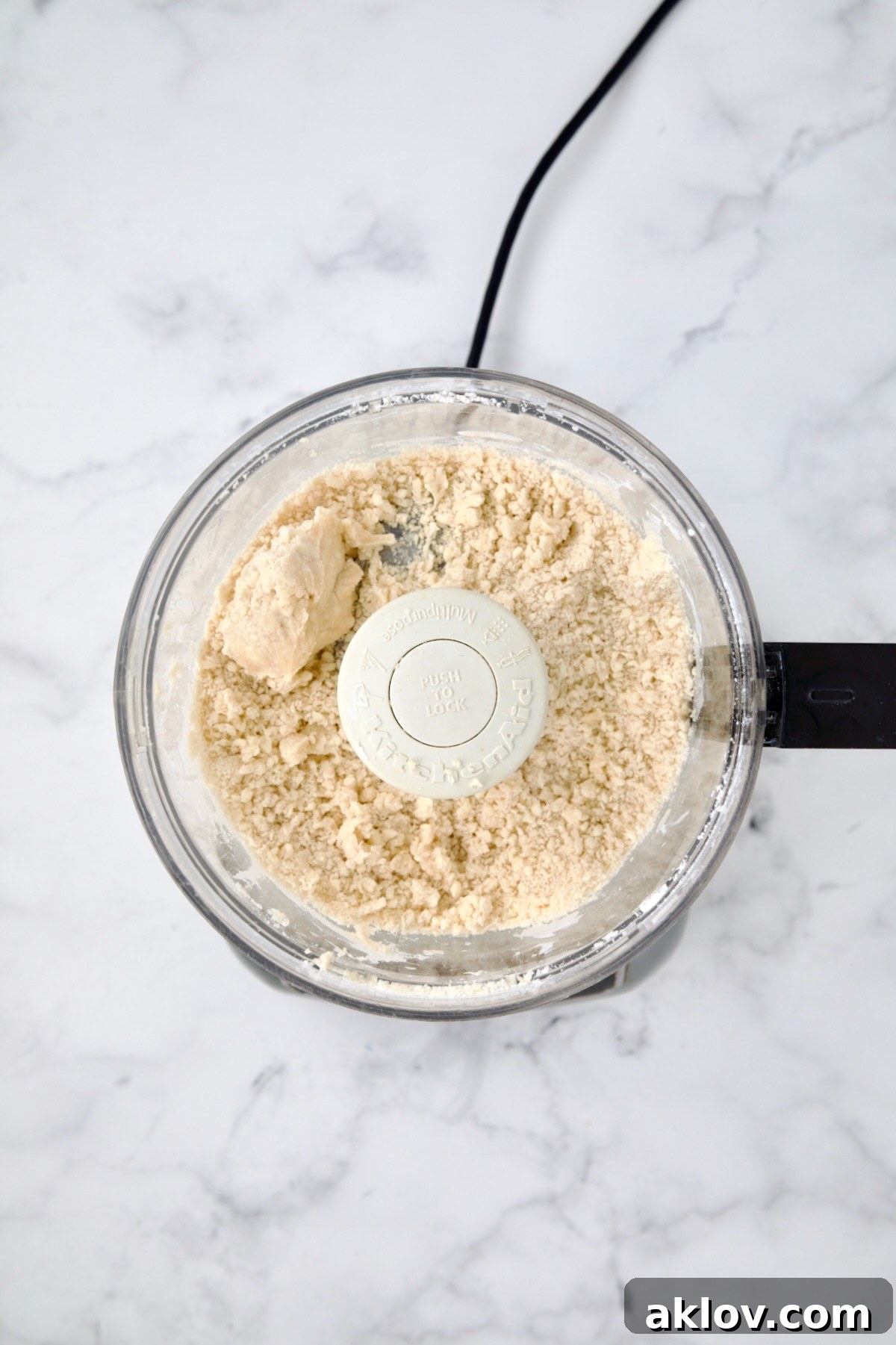
- Step 4: Add Ice Water. With the food processor running, gradually add 3 tablespoons of ice water through the feed tube, pulsing just until the dough begins to come together.
- Step 5: Check Dough Consistency. Stop the processor and pinch a small amount of dough between your fingers. If it holds together easily without crumbling, it’s ready. If it’s too dry and falls apart, add 1 to 2 more tablespoons of ice water, one tablespoon at a time, pulsing briefly after each addition until the desired consistency is reached. Be careful not to add too much water, as this can make the dough sticky and difficult to work with.
Chilling the Dough for Optimal Flakiness:
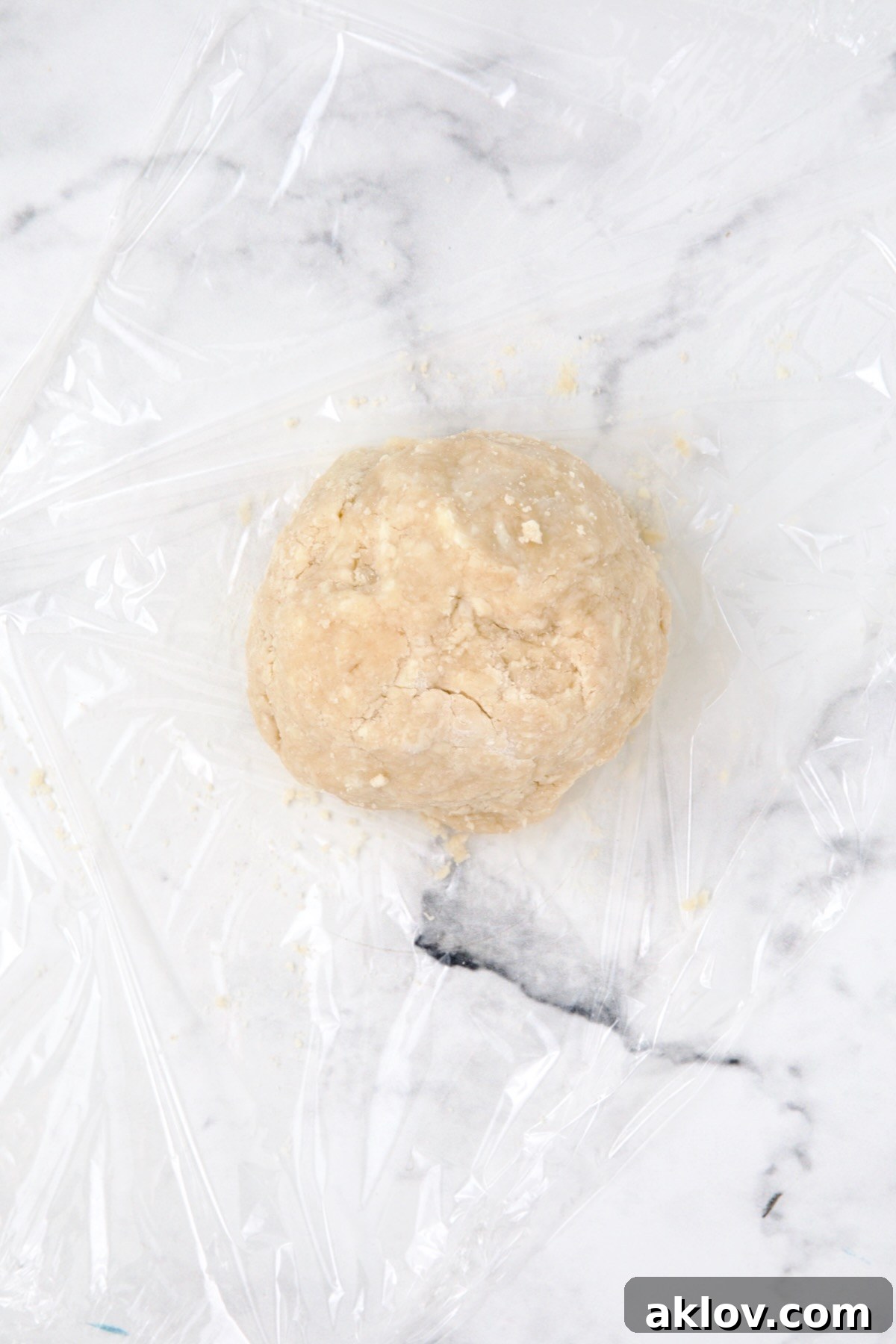
- Step 6: Form the Disk. Turn the unformed dough mixture out onto a piece of plastic wrap on a clean work surface. Gently press and gather the dough into a cohesive disk shape, using the plastic wrap to help you avoid overworking the dough with your hands.
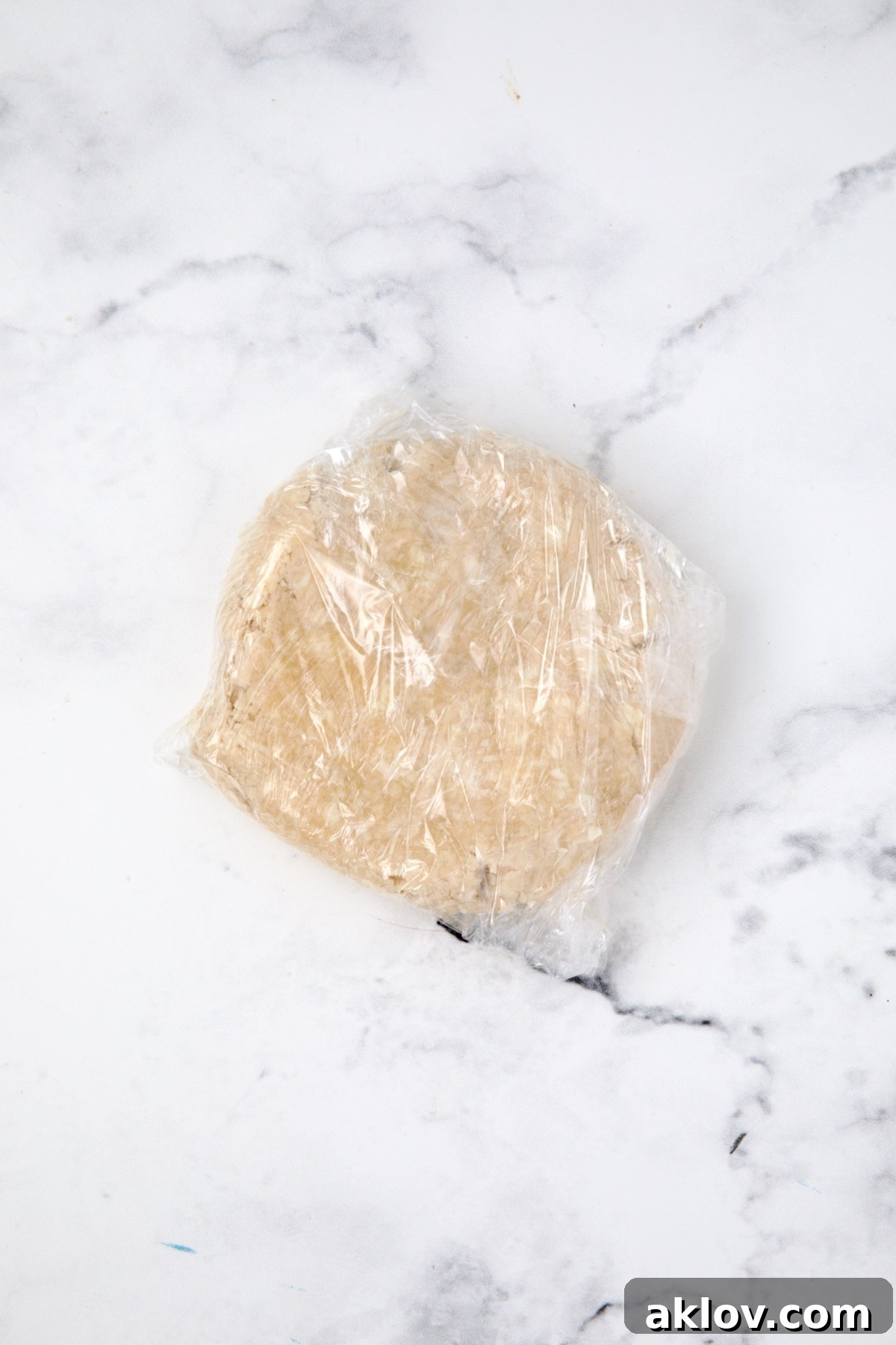
- Step 7: Refrigerate. Wrap the dough disk tightly in the plastic wrap and refrigerate it for at least 30 minutes. This chilling period is crucial as it allows the gluten to relax, making the dough easier to roll out, and firms up the butter, which is essential for achieving a flaky, tender crust.
Prepping the Flavorful Mediterranean Vegetables:
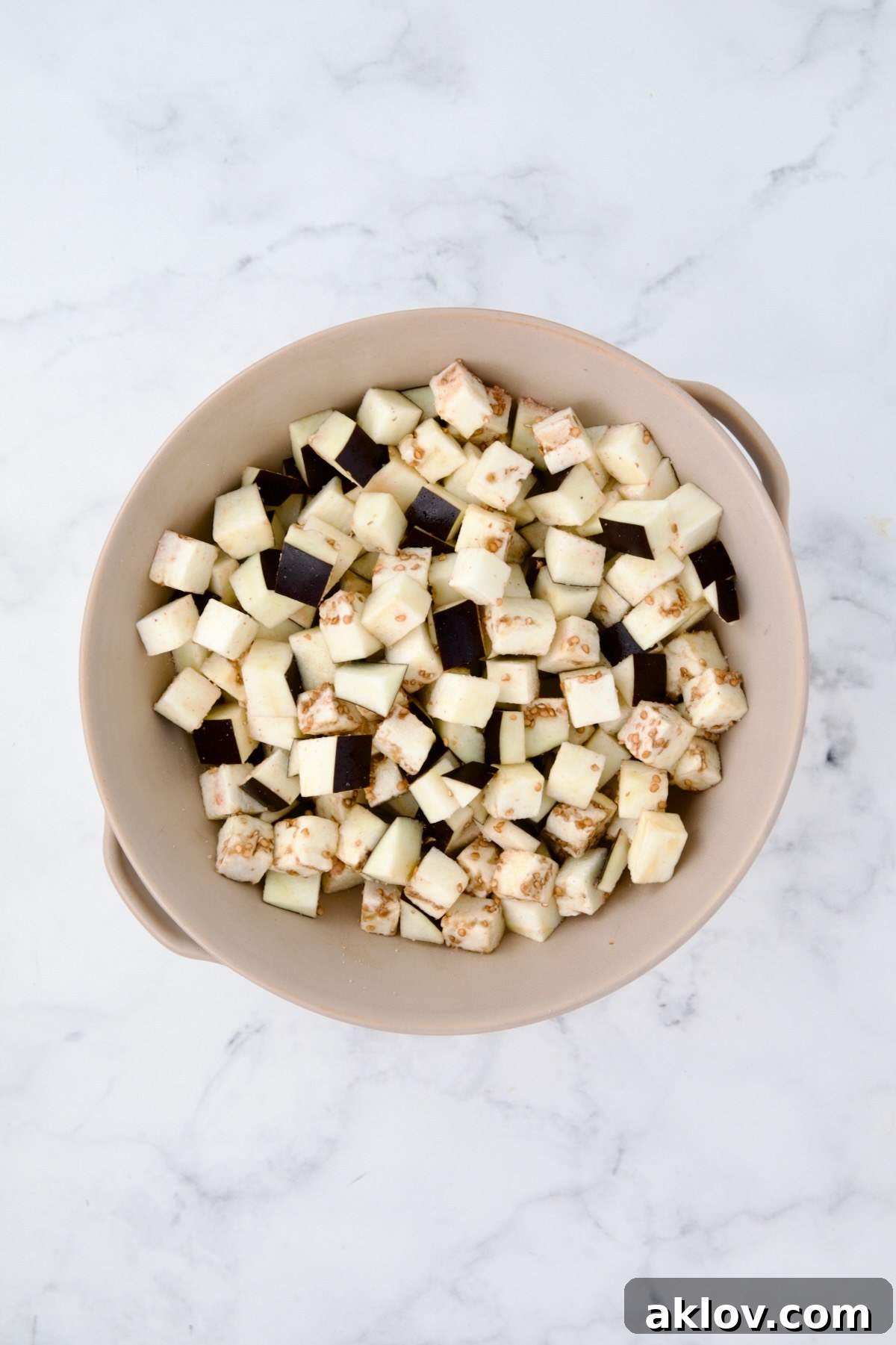
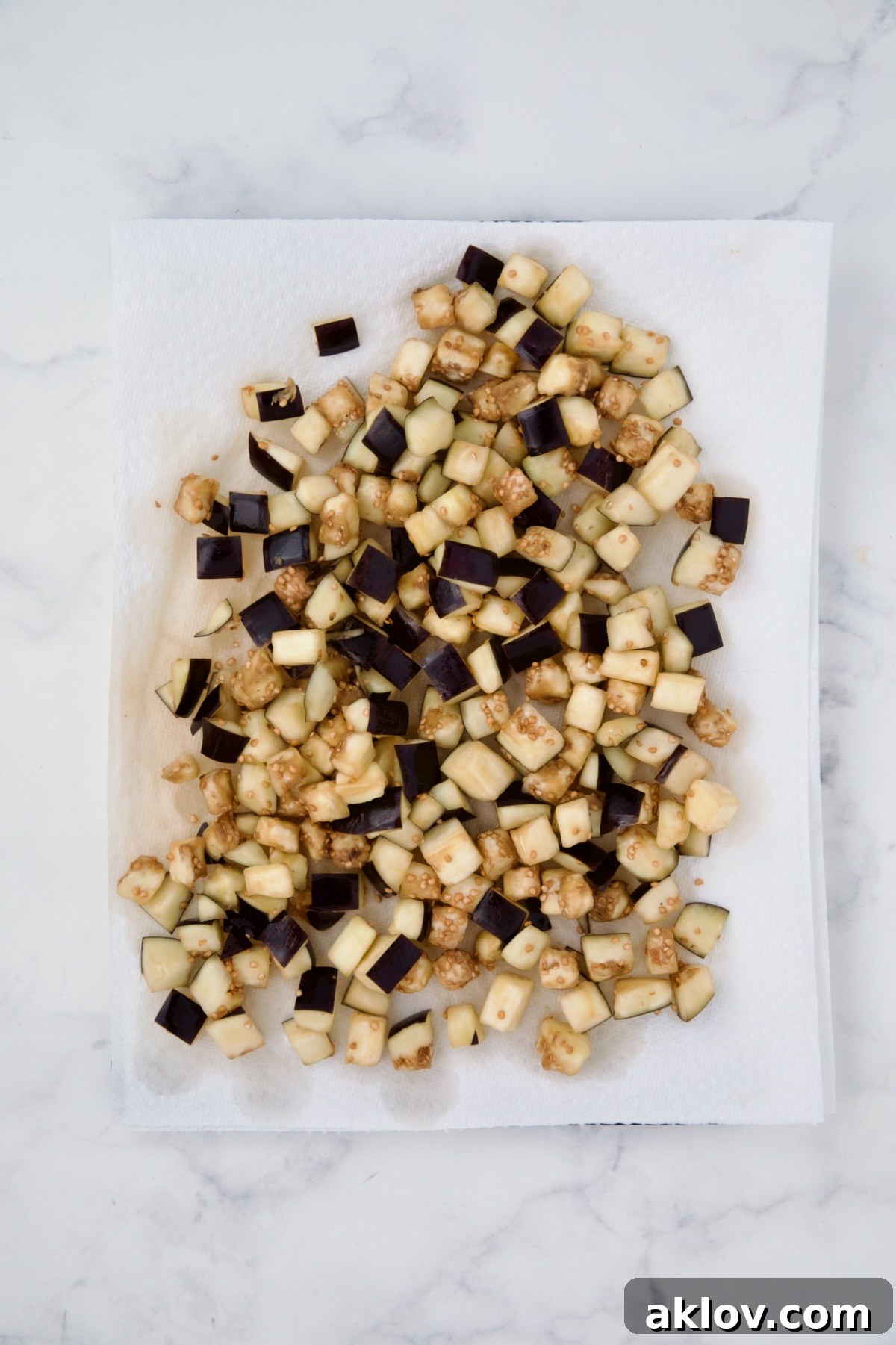
- Step 8: Salt the Eggplant. While the dough is chilling, prepare the vegetables. Place the cubed eggplant in a colander. Toss it thoroughly with approximately 2 teaspoons of salt. This step draws out excess moisture from the eggplant, which helps prevent a soggy galette and concentrates its flavor.
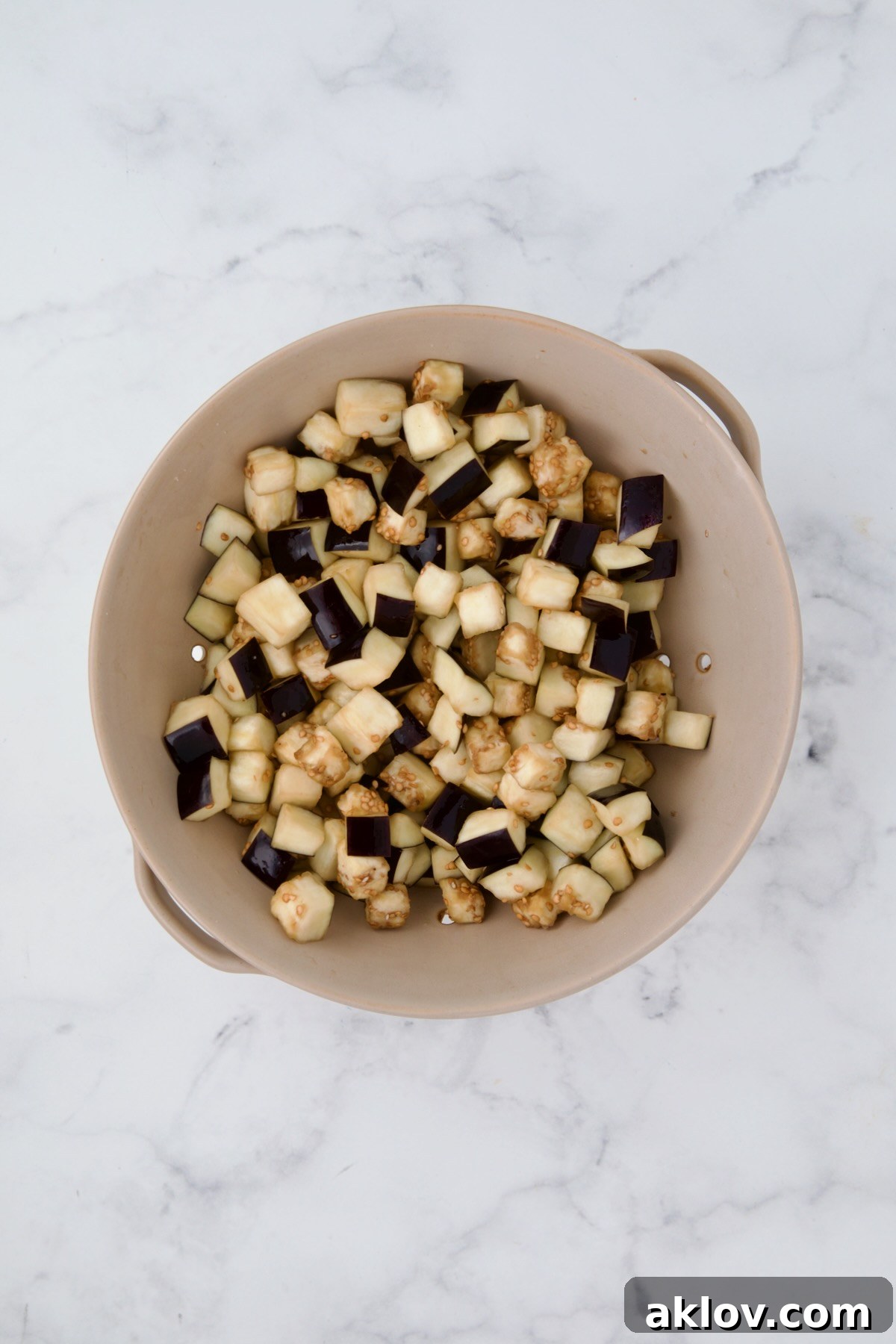
- Step 9: Drain and Dry. Let the salted eggplant drain in the colander for about 30 minutes. You’ll notice liquid accumulating below. After draining, pat the eggplant cubes thoroughly dry with paper towels to remove as much moisture and residual salt as possible.
Roasting the Vegetables to Perfection:
- Step 10: Preheat Oven. Preheat your oven to 425 degrees Fahrenheit (220 degrees Celsius). This higher temperature is ideal for getting a good char and caramelization on the vegetables quickly.
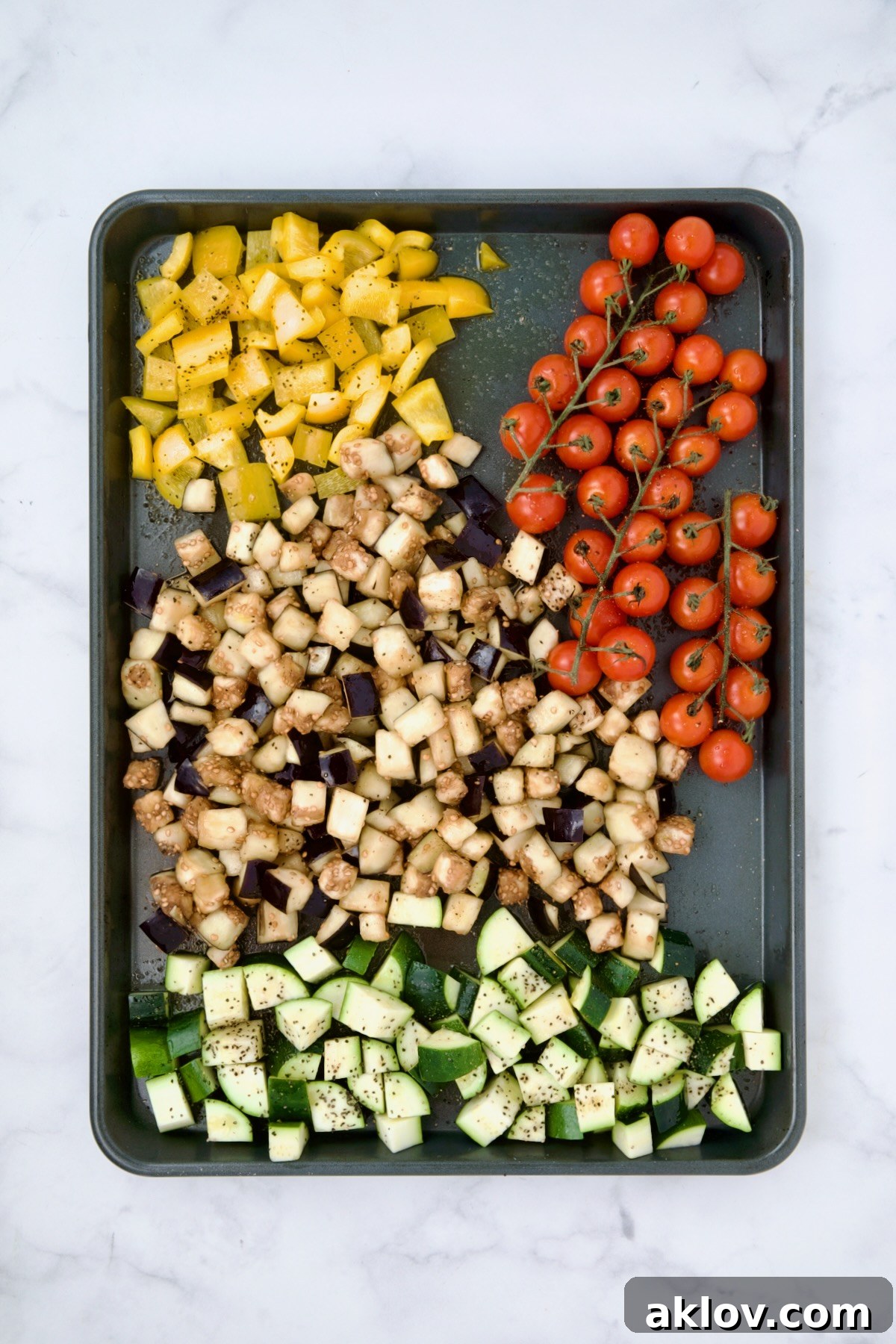
- Step 11: Arrange and Season. Place the dried eggplant, cherry tomatoes, cubed zucchini, and bell pepper pieces on a large baking sheet. Drizzle generously with olive oil and toss everything gently to ensure all vegetables are lightly coated. Season with a pinch of salt and freshly ground black pepper.
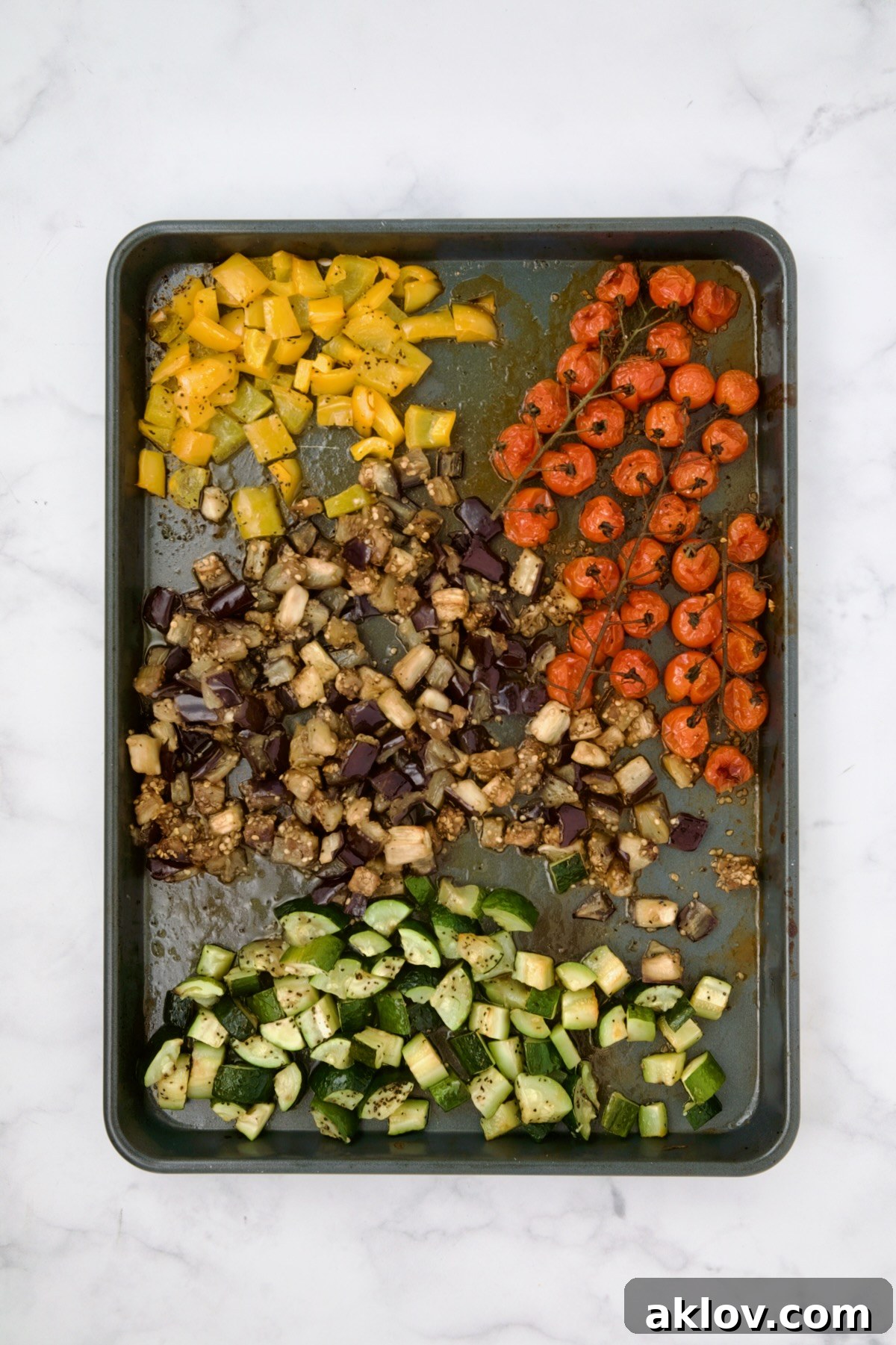
- Step 12: Roast. Roast the vegetables in the preheated oven for approximately 15 minutes, or until they begin to brown slightly at the edges and are just becoming tender. Remember, they will continue to cook inside the galette, so you don’t want them overly soft at this stage.
- Step 13: Drain Excess Liquid. Carefully remove the baking sheet from the oven. Tilt it slightly to allow any excess oil and liquid released by the vegetables to drain away. This step is important for preventing a soggy galette. Let the roasted vegetables cool completely on the baking sheet.
- Step 14: Adjust Oven Temperature. Reduce your oven temperature to 400 degrees Fahrenheit (200 degrees Celsius) in preparation for baking the assembled galette.
Final Vegetable Seasoning and Flavor Infusion:
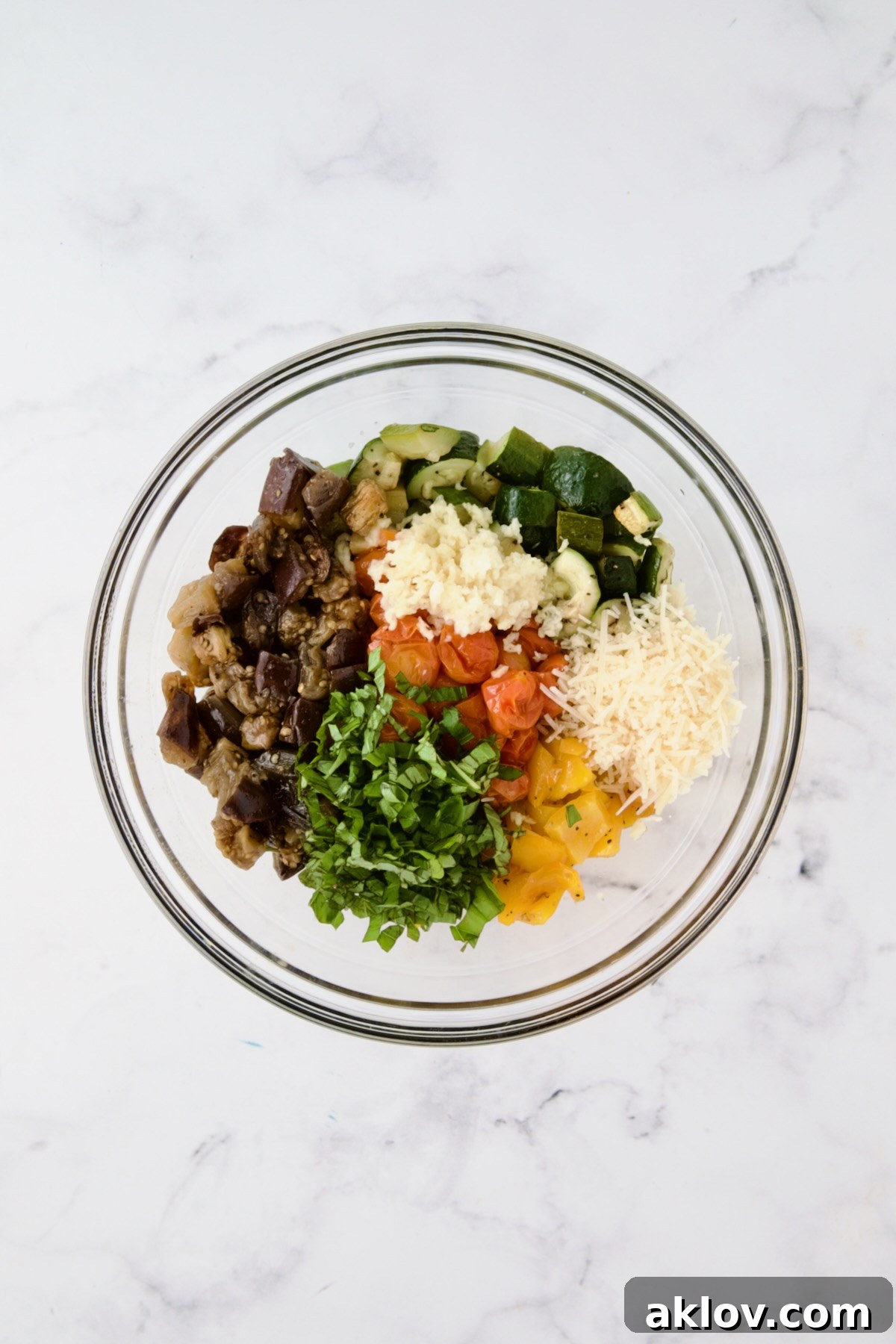
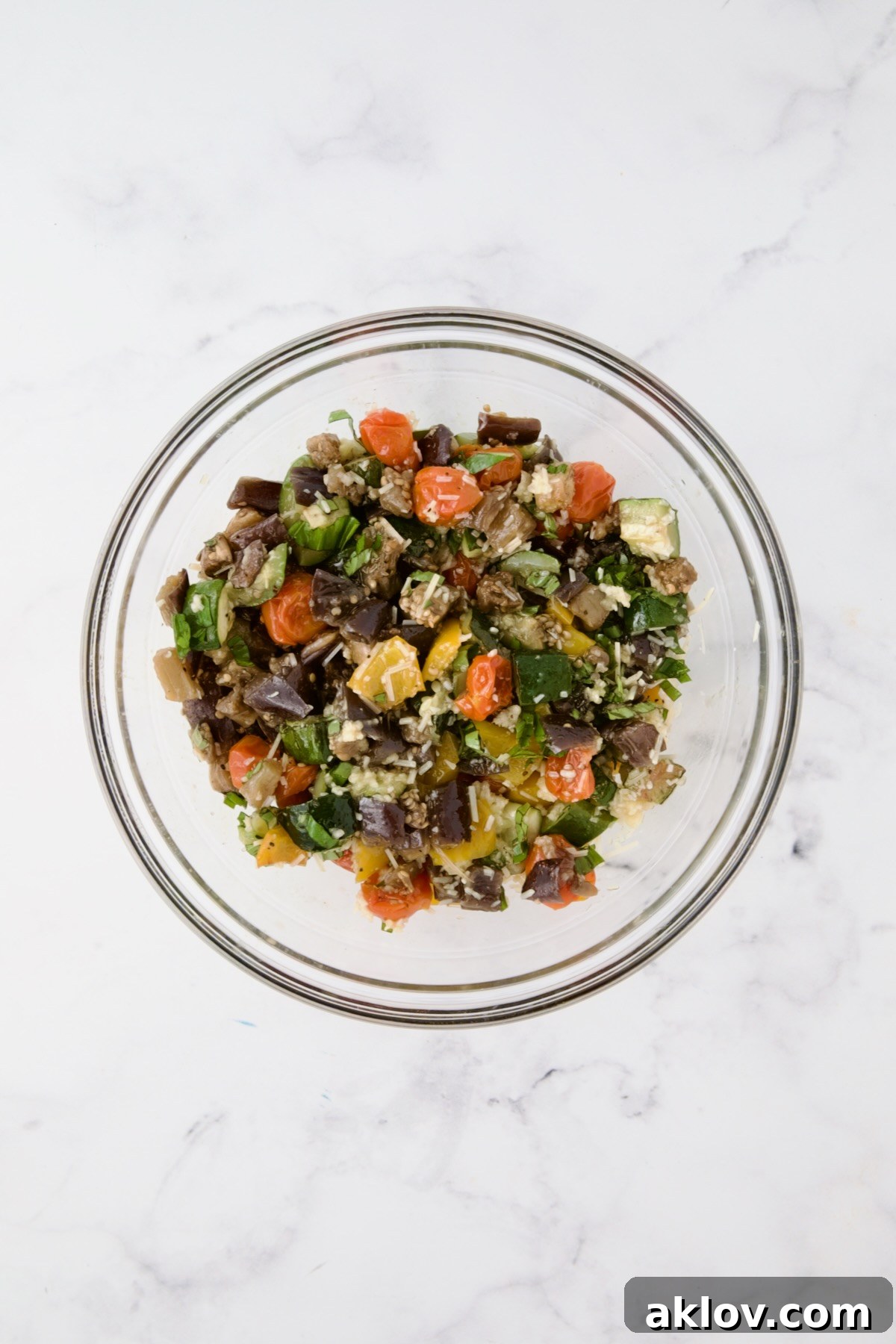
- Step 15: Season and Mix. Once the roasted vegetables have cooled, transfer them to a large mixing bowl. Add the minced garlic, thinly sliced fresh basil, and ½ cup of grated Parmesan cheese. Toss everything together gently to ensure all ingredients are well combined and coated. Taste and adjust seasoning with additional salt and freshly ground black pepper as needed.
Rolling the Dough and Preparing for Assembly:
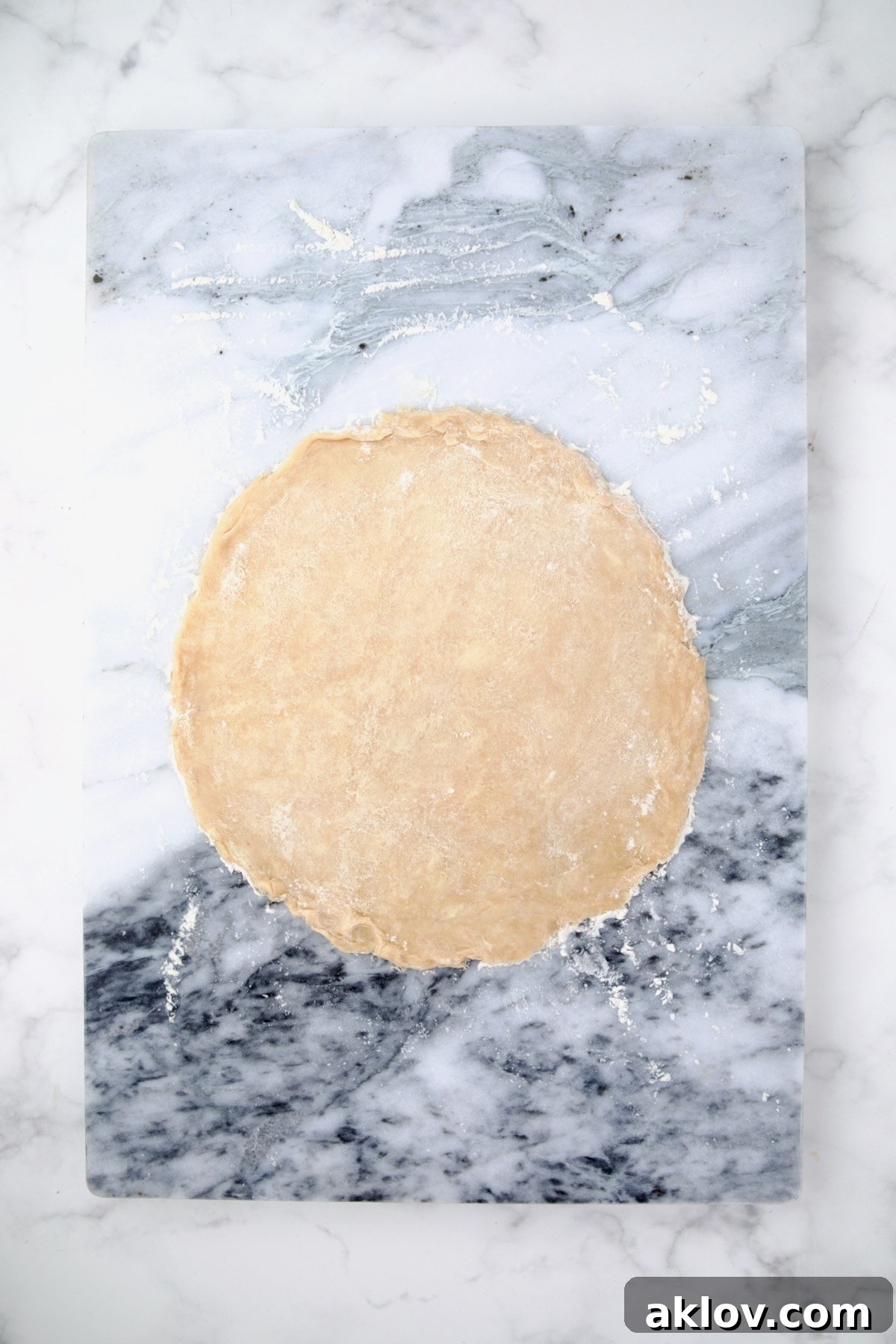
- Step 16: Roll Out Dough. Remove the chilled dough from the refrigerator. Lightly flour a clean work surface and your rolling pin. Roll the dough into a circular shape, aiming for a diameter of 12 to 14 inches and a thickness of about ⅛ inch. Add more flour to your surface and rolling pin as needed to prevent sticking.
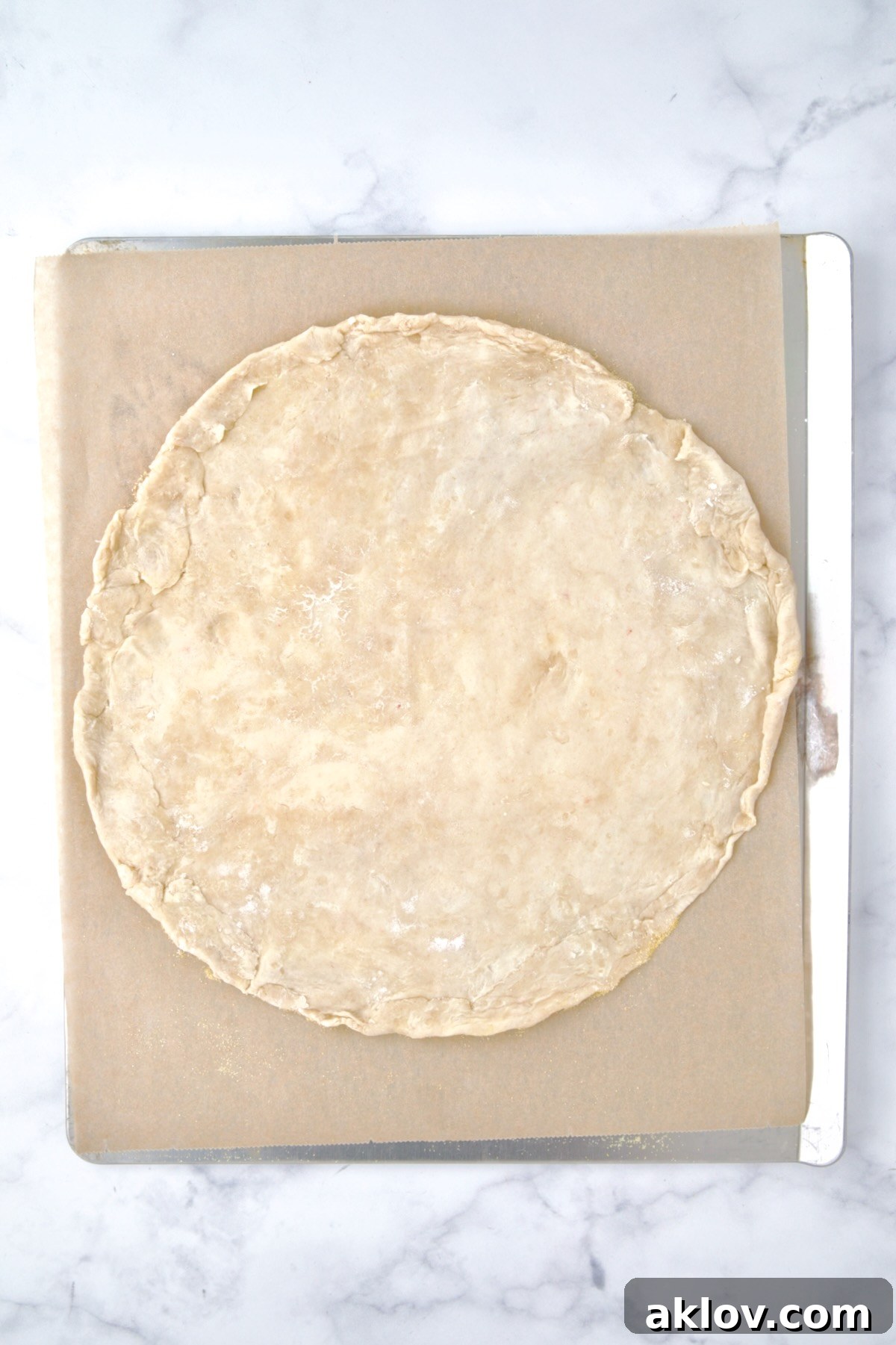
- Step 17: Prep Baking Sheet. Line a large baking sheet with a sheet of parchment paper. This prevents sticking and makes cleanup a breeze. Lightly sprinkle a thin, even layer of cornmeal over the parchment paper. This adds a subtle crunch to the bottom of the crust and helps with moisture absorption.
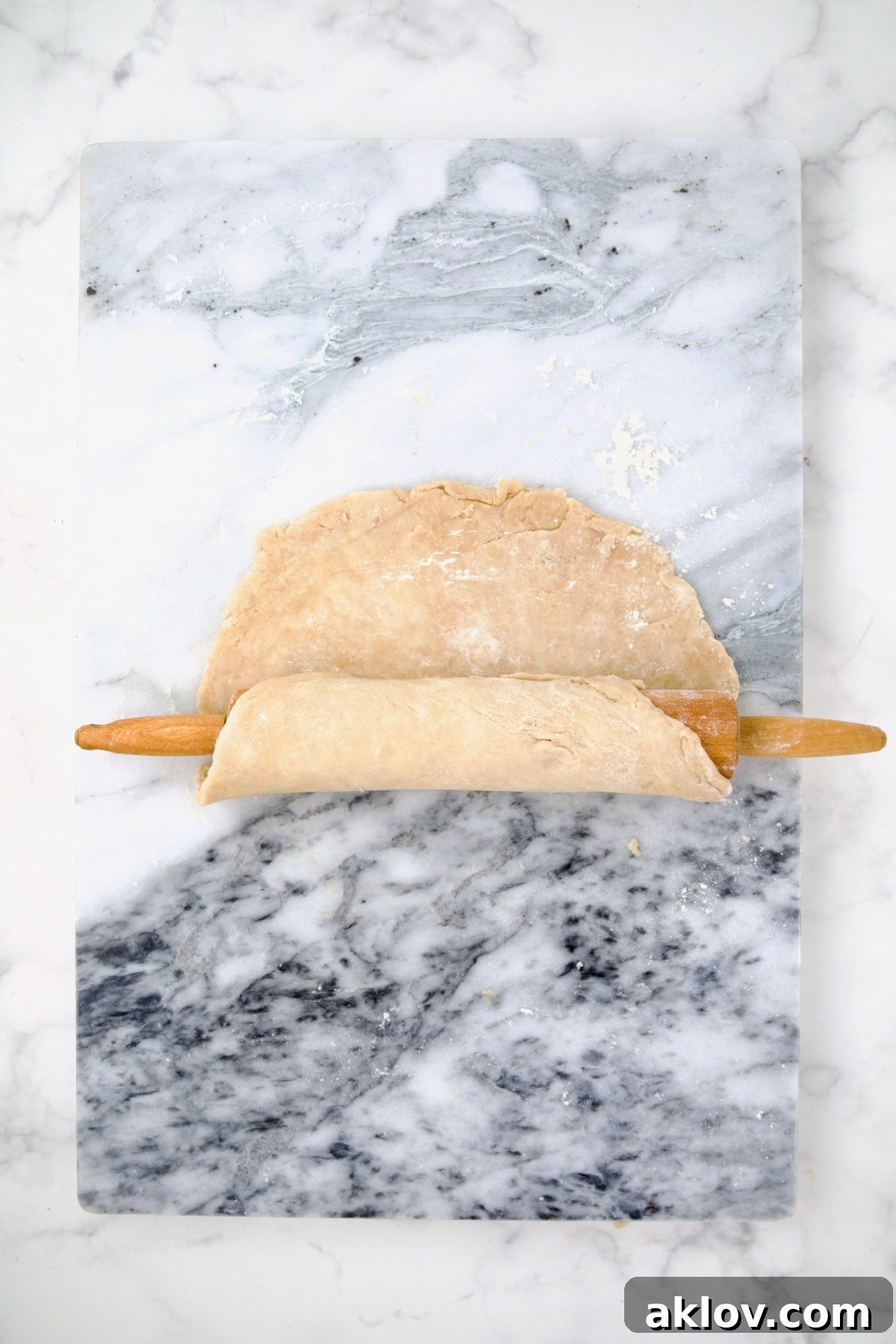
- Step 18: Transfer Dough. Carefully transfer the rolled-out galette dough onto the prepared parchment paper on the baking sheet. A good trick is to gently roll the dough around your rolling pin and then unroll it onto the parchment.
Assembling the Mediterranean Masterpiece:
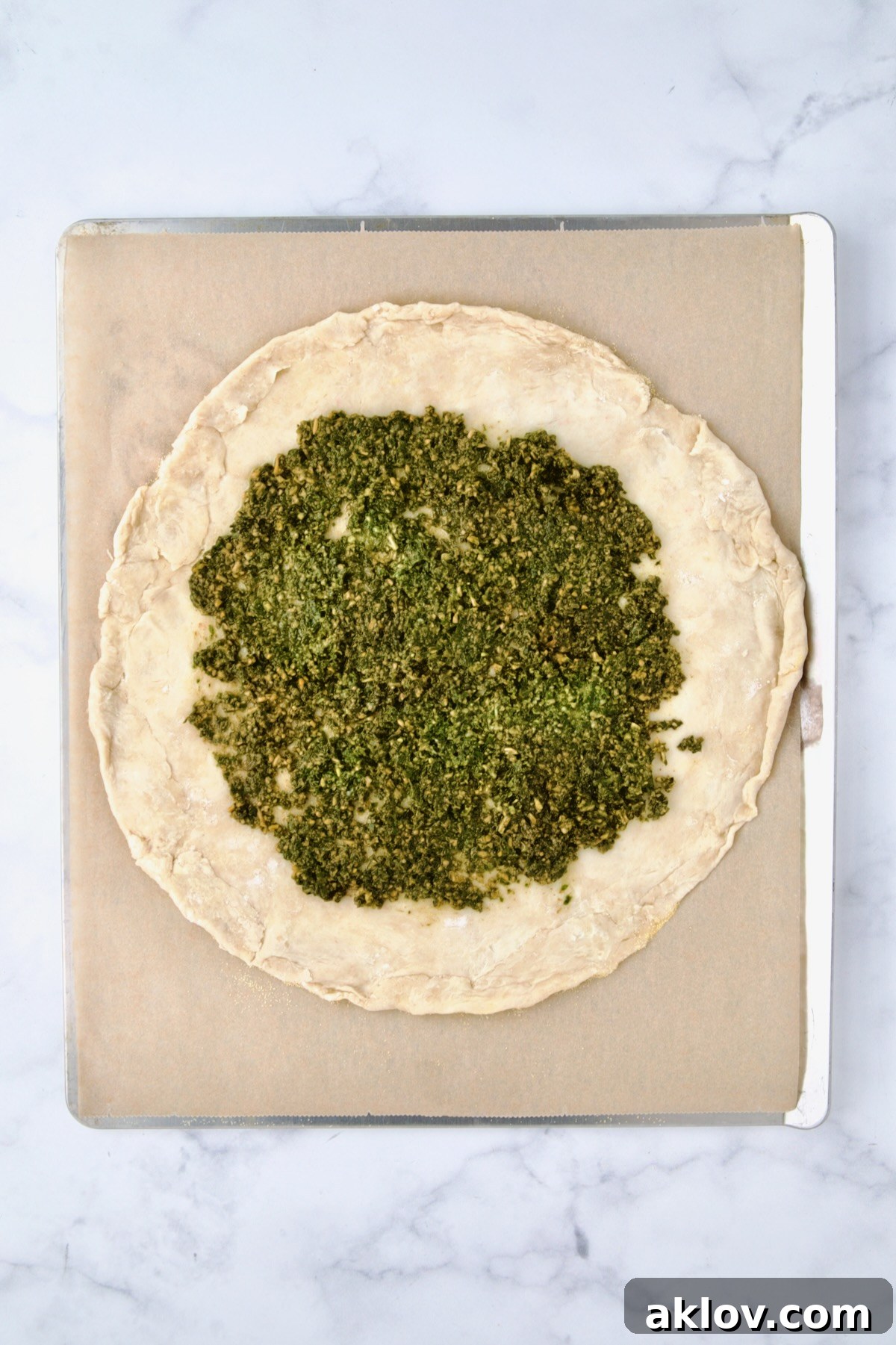
- Step 19: Spread Pesto. Spread the prepared pesto evenly over the rolled-out pastry, leaving a generous 2 to 3-inch border around the edge of the dough. This border will be folded over to form the galette’s rustic crust.
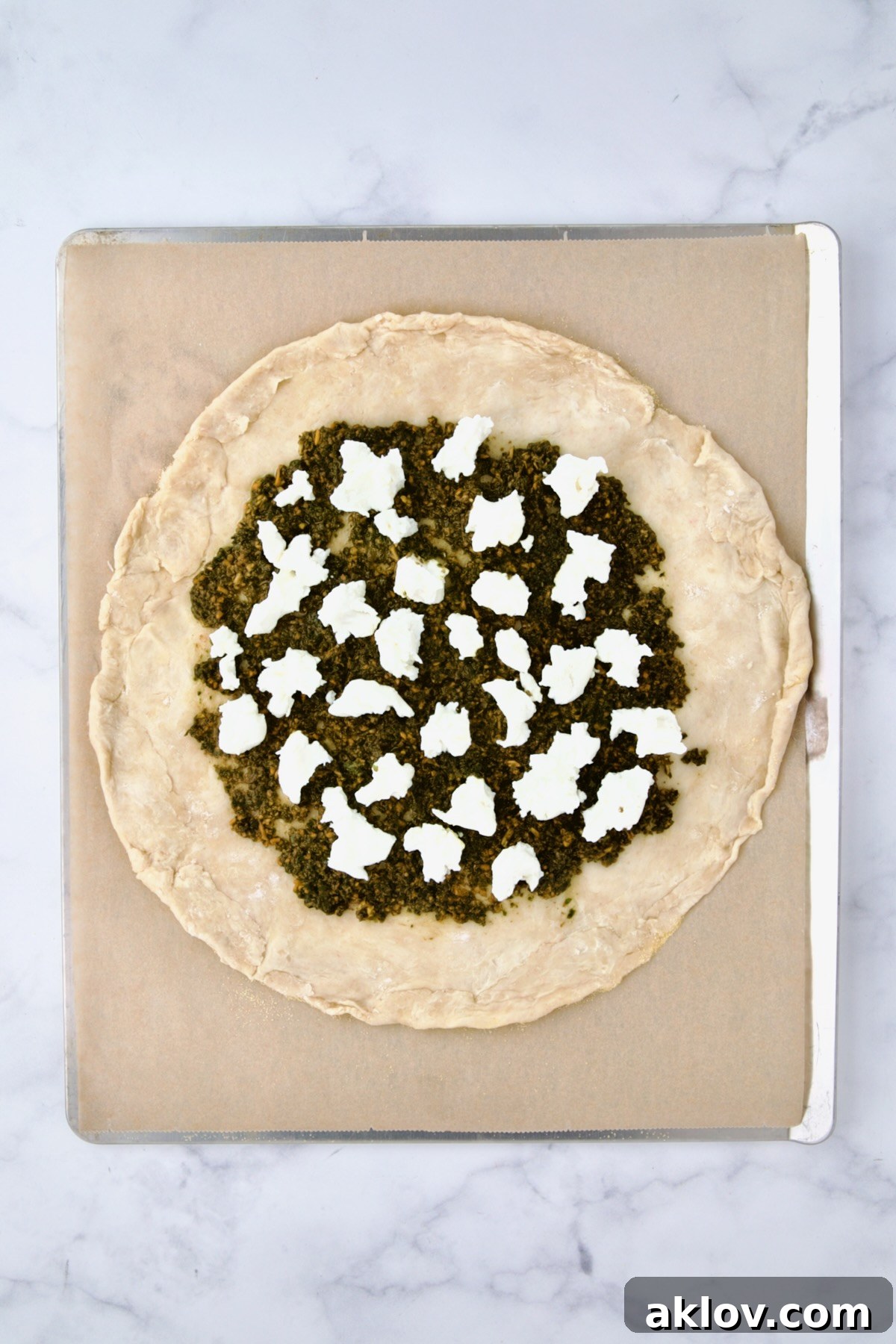
- Step 20: Add Goat Cheese. Break the log of goat cheese into small, irregular pieces and dot them evenly over the pesto layer. The goat cheese will melt into creamy pockets of flavor during baking.
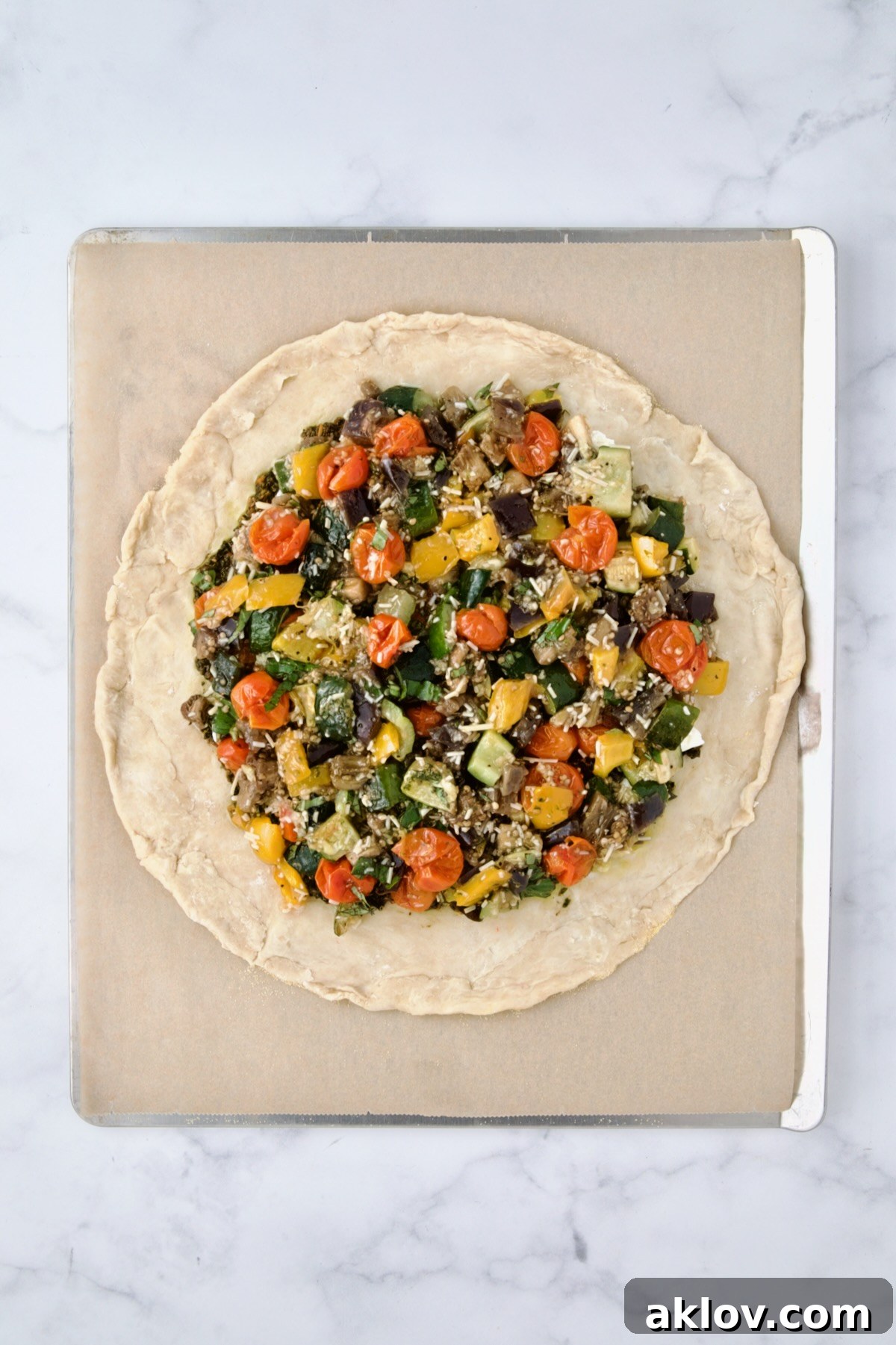
- Step 21: Pile on Vegetables. Spoon the seasoned vegetable mixture onto the center of the pie crust, again leaving a 3-inch border of clear dough around the edge. Arrange the vegetables attractively for a beautiful presentation.
- Step 22: Fold the Edges. Begin folding the dough border over the vegetable filling, working your way around the circle. Overlap the dough as necessary, creating pleats and folds that give the galette its signature rustic and charmingly imperfect appearance. Don’t worry about making it perfect; the free-form style is part of its appeal.
- Step 23: Brush with Olive Oil. Lightly brush the folded pastry edges with a little olive oil. This will help the crust achieve a beautiful golden-brown color and a crisp texture during baking.
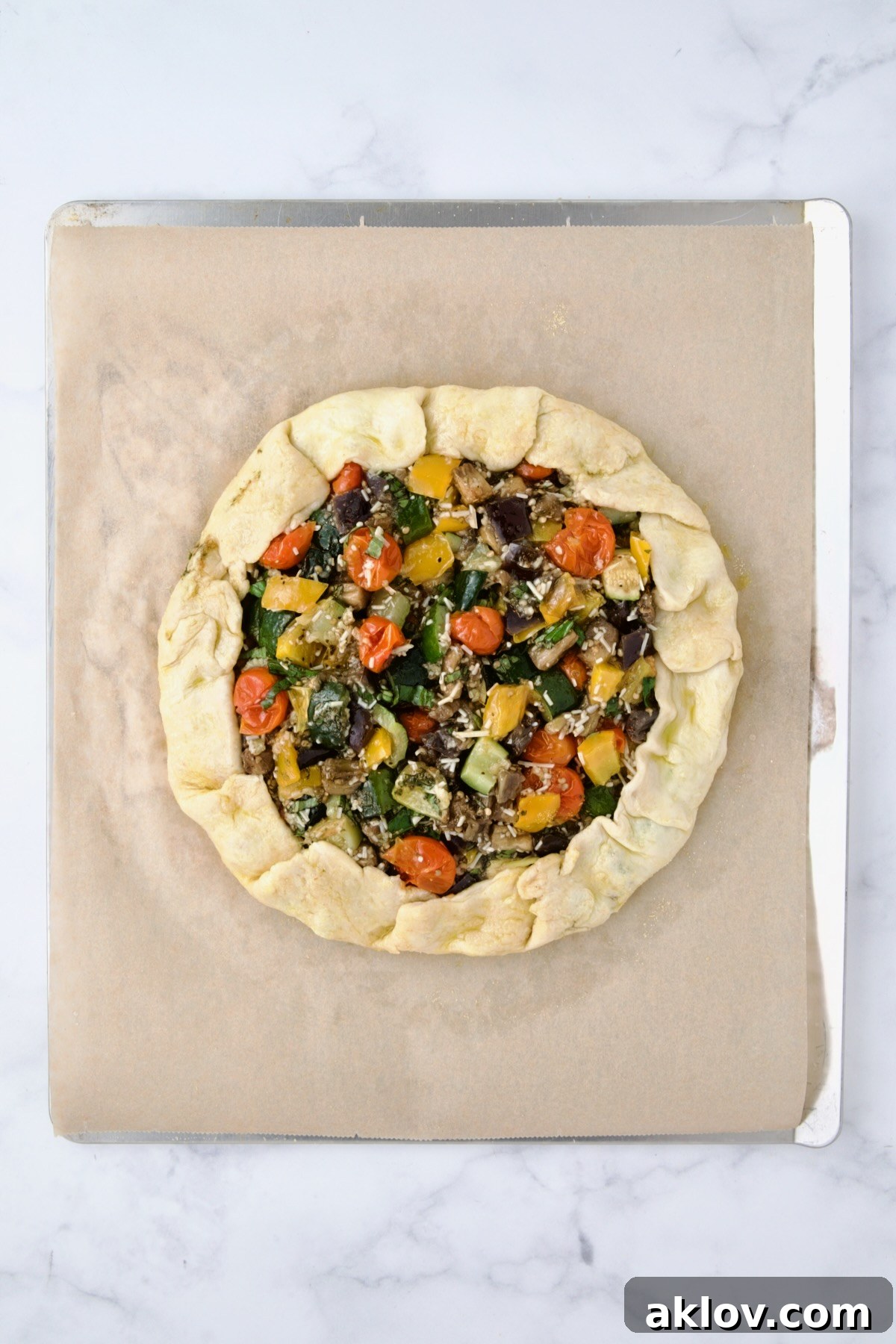
- Step 24: Bake to Golden Perfection. Place the baking sheet with the assembled galette into the preheated 400-degree Fahrenheit (200 degrees Celsius) oven. Bake for approximately 40 to 45 minutes, or until the crust is deeply golden brown and the filling is bubbly and tender.
- Step 25: Garnish and Serve. Once baked, remove the galette from the oven. For an extra touch of flavor and visual appeal, sprinkle with a little more freshly grated Parmesan cheese and perhaps some fresh basil leaves. Let it cool for a few minutes before slicing into wedges. Serve immediately while warm, or allow it to cool to room temperature; it’s delicious either way.
Chef’s Secrets: Expert Tips and Tricks for Your Galette
- Eggplant Peel Debate: Peeling eggplant is entirely optional and a matter of personal preference. I often prefer to leave the skin on for most recipes because it’s a rich source of beneficial antioxidants, contributing to the overall health benefits of the dish. (Source: Healthline) The skin also adds a lovely textural element and depth of color.
- Salting Eggplant for Flavor and Texture: Salting eggplant, as described in the steps, helps draw out some of its natural moisture and can mellow its mildly bitter taste. This process also pre-softens the eggplant slightly, ensuring it cooks more evenly with the other vegetables during roasting and results in a more tender bite in the final galette. However, if you appreciate the slight bitterness of eggplant or are sensitive to salt, you can skip this step. If you do skip salting, consider roasting the eggplant for an additional 5 to 10 minutes before adding the other vegetables to the pan, ensuring it has a head start and cooks sufficiently.
- Optimal Draining for Roasted Vegetables: After roasting the vegetables, effectively draining off any excess oil and liquid is crucial. This step is vital to prevent a soggy bottom crust. To do this efficiently, remove the baking sheet from the oven and carefully tilt one end up, propping it on something sturdy (like a thick cookbook or a second oven mitt). Place a damp kitchen towel or a few layers of paper towels under the lower end to absorb the runoff. Let it drain for a few minutes while the vegetables cool. This simple trick makes a big difference in the final texture of your galette.
- Pesto Oil Management: When using prepared pesto, it often has a layer of excess oil. It is highly recommended to drain off this excess oil before spreading the pesto onto your galette crust. If too much oil is left on the pesto, it can leak out during baking, causing it to smoke in the oven and potentially making your beautiful crust greasy or soggy. A quick drain ensures a cleaner bake and a better-textured galette.
- Don’t Overwork the Dough: When combining ingredients for the dough, especially after adding water, avoid overworking it. Over-mixing develops gluten, which can lead to a tough, less flaky crust. Pulse just until the dough comes together.
- Chill Time is Your Friend: Do not skimp on the chilling time for the dough. This allows the butter to firm up and the gluten to relax, both critical for a tender, flaky crust that’s easy to handle. If your kitchen is warm, you might even consider chilling the assembled galette for 10-15 minutes before baking.
- Temperature Control: Starting with a higher oven temperature for roasting vegetables helps them caramelize quickly. Reducing the temperature for the galette’s final bake ensures the crust cooks through evenly without burning, while the filling warms and melds together.
Recipe FAQs: Your Questions Answered
While a store-bought pie crust can be a time-saver, for this particular Mediterranean Vegetable Galette, I highly recommend making your own crust from scratch. A homemade crust offers superior flakiness, flavor, and allows you to roll out a larger, more accommodating base for all those delicious vegetables. Store-bought pie crusts are often smaller and may not stretch enough to properly encase the generous amount of filling in this recipe. If convenience is paramount and you must use a purchased crust, I suggest dividing the filling and making two smaller galettes to ensure proper cooking and structural integrity.
The beauty of a savory galette, especially one inspired by Mediterranean flavors, is its incredible versatility. While this recipe uses a classic combination, almost any roasted vegetable can find a happy home in a galette. Beyond eggplant, zucchini, bell peppers, and tomatoes, consider additions like thinly sliced red onions or shallots, sautéed mushrooms, asparagus spears, broccoli florets, or even blanched green beans. Root vegetables like finely diced butternut squash or sweet potato, once roasted until tender, also make fantastic fillings. For a heartier option, you could add cooked lentils or chickpeas. Just ensure that any vegetables you choose are pre-cooked or roasted to remove excess moisture and become tender before assembling the galette, preventing a watery filling and ensuring even cooking.
Absolutely! This galette is quite forgiving and can be prepared in stages, making it perfect for entertaining or meal prep. You can make the galette dough up to 2-3 days in advance and keep it tightly wrapped in the refrigerator. The roasted vegetable filling can also be prepared a day ahead and stored in an airtight container in the fridge. When you’re ready to bake, simply roll out the dough, assemble the galette, and bake as directed. This staged approach significantly reduces active cooking time on the day you plan to serve it.
Preventing a soggy bottom is key to a perfect galette! Several steps in this recipe are designed for this purpose: 1) Salting and draining the eggplant removes excess moisture. 2) Roasting all vegetables beforehand evaporates much of their water content and concentrates flavors. 3) Draining the roasted vegetables after cooking is crucial to get rid of any released liquids. 4) Spreading a layer of pesto (drained of excess oil) and goat cheese creates a barrier between the wet filling and the crust. 5) Lastly, sprinkling cornmeal on the parchment-lined baking sheet helps absorb any remaining moisture and creates a slightly crisp barrier.
Storage and Reheating Recommendations:
- Storage: Any leftover Mediterranean Vegetable Galette should be stored in an airtight container in the refrigerator. It will keep well for up to 3-4 days, making it an excellent option for make-ahead lunches or light dinners.
- Reheating: To enjoy the galette at its best, reheat individual wedges in a preheated 350-degree Fahrenheit (175 degrees Celsius) oven for about 10-15 minutes, or until thoroughly heated through and the crust has regained some of its crispness. You can also briefly reheat it in a toaster oven for smaller pieces. Microwaving is not recommended as it can make the crust soggy.
- Freezing: While best enjoyed fresh, a baked galette can be frozen. Wrap individual wedges tightly in plastic wrap, then aluminum foil, and store in a freezer-safe bag for up to 1-2 months. Thaw overnight in the refrigerator before reheating in the oven.
Complementary Serving Suggestions:
This Mediterranean Vegetable Galette is a versatile dish that pairs beautifully with a variety of sides. Here are some suggestions to complete your meal:
- Green Bean Salad Recipe with Mustard Vinaigrette: A crisp and refreshing salad provides a lovely textural contrast and a bright, tangy counterpoint to the rich galette.
- Tuscan Kale Salad with Lemon Tahini Dressing: A hearty, earthy kale salad dressed with a creamy, zesty dressing complements the Mediterranean flavors perfectly, adding nutritional value and a vibrant green element.
- Cream of Celery Leaves Soup: A light, delicate cream soup offers a comforting start or accompaniment, enhancing the sophisticated feel of the meal without overpowering the galette.
- Cream of Green Vegetable Soup: Another excellent soup option, a verdant vegetable soup provides a soothing, healthy addition that highlights the fresh produce in the galette.
- Simple Mixed Green Salad: A simple salad with a light vinaigrette is always a great choice, adding freshness and acidity.
- Crusty Bread: Serve with a good quality crusty baguette or focaccia to sop up any delicious juices.
Explore More Quiche, Tart, and Galette Delights!
If you’ve enjoyed the rustic charm and robust flavors of this Mediterranean Vegetable Galette, you’ll love exploring other variations of quiches, tarts, and galettes. These versatile dishes are perfect for showcasing seasonal ingredients and can be adapted for any meal of the day. Here are some more fantastic recipes to inspire your next baking adventure:
- Tomato Pie Recipe: A classic Southern comfort food, bursting with the sweet flavors of ripe summer tomatoes and fresh basil.
- Puff Pastry Tart: An incredibly easy yet impressive tart made with store-bought puff pastry and your favorite vegetable toppings.
- Zucchini Quiche: A light and fluffy quiche featuring tender zucchini, perfect for breakfast, brunch, or a light dinner.
- Caramelized Onion and Goat Cheese Tart with Thyme: A sophisticated tart with sweet caramelized onions, tangy goat cheese, and fragrant thyme, offering a depth of flavor.
- Butternut Squash, Leek, and Goat Cheese Galette: A delicious autumnal option, highlighting sweet squash and savory leeks with creamy goat cheese.
Discover a wide array of inspiring recipes and hone your baking skills further by visiting my full collection of Quiche and Tart Recipes – From A Chef’s Kitchen.
Mediterranean Vegetable Galette
Carol | From A Chef’s Kitchen
This Mediterranean Vegetable Galette is elegant yet fuss-free, perfect for showcasing the vibrant flavors of summer’s vegetable bounty. With its golden, flaky crust and colorful array of roasted vegetables, this galette is as visually stunning as it is delicious.
30 mins
50 mins
1 hr 20 mins
4
Equipment
-
Wusthof Chef Knife
-
Cutting Board
-
Colander
-
Rimmed Sheet Pan
Ingredients
Galette Dough
- 1 1/2 cups all-purpose flour, plus more for rolling out the dough
- 1/4 teaspoon salt
- 10 tablespoons unsalted butter, (1 stick plus 2 tablespoons), very cold and cubed
- 1/4 cup ice water, or as needed
Galette Filling
- 1 small eggplant, approximately 1 pound, cubed
- Salt, for eggplant and seasoning
- 2 pints cherry tomatoes
- 2 small zucchini, total 12 ounces, cut into ½-inch cubes
- 1 medium red or yellow bell pepper, seeded and cut into 1-inch pieces
- ¼ cup olive oil, plus more for brushing pastry
- Freshly ground black pepper
- 4 cloves garlic, minced
- 1 large sprig fresh basil, thinly sliced
- 1/2 cup prepared pesto, excess oil drained
- 1 log (4-ounce) goat cheese, crumbled or broken into pieces
- Cornmeal, for dusting
- 1/2 cup freshly grated Parmesan cheese, divided
Instructions
Galette Dough Preparation
- Combine flour, salt, and cold, cubed butter in a food processor bowl. Process with short pulses until the mixture resembles coarse crumbs, with some pea-sized pieces of butter remaining.
- Add 3 tablespoons of ice water through the feed tube while pulsing. Continue pulsing until the dough just begins to come together. If it feels too dry, add 1-2 more tablespoons of ice water, one at a time, pulsing briefly after each addition until the dough holds together when pinched.
- Transfer the dough onto a piece of plastic wrap. Gently form it into a disk using the plastic wrap to avoid overworking. Wrap tightly and refrigerate for at least 30 minutes.
Galette Filling Preparation
- While the dough chills, place cubed eggplant in a colander. Toss with approximately 2 teaspoons of salt and let drain for 30 minutes to draw out moisture. Pat dry thoroughly with paper towels.
- Preheat oven to 425 degrees Fahrenheit (220°C).
- On a large baking sheet, combine the dried eggplant, cherry tomatoes, cubed zucchini, and bell pepper. Drizzle generously with ¼ cup olive oil and toss to coat. Season lightly with salt and freshly ground black pepper.
- Roast for about 15 minutes, or until the vegetables begin to brown and are just tender. Remove from the oven and carefully tilt the baking sheet to drain off any excess liquid or oil. Let the vegetables cool completely.
- Reduce oven temperature to 400 degrees Fahrenheit (200°C).
- Once cooled, toss the roasted vegetables in a bowl with the minced garlic, thinly sliced fresh basil, and half of the grated Parmesan cheese. Taste and adjust seasoning as needed.
Assembly and Baking
- On a lightly floured surface, roll out the chilled dough into a 12 to 14-inch circle, adding more flour as needed to prevent sticking.
- Line a large baking sheet with parchment paper and sprinkle a light, even layer of cornmeal over the parchment. Carefully transfer the rolled-out galette dough onto the prepared baking sheet.
- Spread the drained pesto over the dough, leaving a 2 to 3-inch border clean around the edge.
- Break the goat cheese log into small pieces and dot them evenly over the pesto layer.
- Evenly spread the seasoned vegetable mixture over the pesto and goat cheese, again leaving a 3-inch border of dough uncovered.
- Carefully fold the dough border over the vegetables, overlapping as needed to create a rustic, free-form edge.
- Lightly brush the folded pastry edges with a little olive oil.
- Bake in the preheated 400°F (200°C) oven for approximately 40 to 45 minutes, or until the crust is golden brown and the filling is bubbly.
- Remove from oven. Sprinkle with the remaining Parmesan cheese and fresh basil (optional). Allow to cool for a few minutes before slicing into wedges and serving warm or at room temperature.
Notes
SUBSTITUTIONS:
- Almost any combination of Mediterranean vegetables can be used. If you’re not an eggplant fan, use more zucchini, add yellow squash, or use red bell pepper instead of yellow, etc.
- For the Parmesan, you can also use Asiago or Romano cheese.
TIPS:
- If salt-sensitive, skip the salting step for the eggplant. Instead, start roasting the eggplant 5 or 10 minutes ahead of the other vegetables to ensure it softens adequately.
- Always drain off excess oil from your prepared pesto. This crucial step prevents the oil from leaking from the galette during baking, which can lead to smoking in the oven and a soggy crust.
- Ensure all vegetables are patted very dry after washing and draining to avoid a watery filling.
MAKE AHEAD:
- The galette crust can be made up to 2-3 days in advance and stored tightly wrapped in the refrigerator.
- The roasted vegetable filling can be prepared 1 day ahead of time and refrigerated in an airtight container. Assemble the galette just before baking.
Nutrition
Serving: 1 | Calories: 804kcal | Carbohydrates: 60g | Protein: 16g | Fat: 58g | Saturated Fat: 24g | Polyunsaturated Fat: 3g | Monounsaturated Fat: 18g | Trans Fat: 1g | Cholesterol: 86mg | Sodium: 898mg | Potassium: 1079mg | Fiber: 8g | Sugar: 14g | Vitamin A: 3859IU | Vitamin C: 106mg | Calcium: 269mg | Iron: 5mg
Nutritional values are automatically calculated using unbranded products and are estimates only. Actual results may vary based on ingredients used and portion sizes. Adjust as needed for dietary restrictions, allergies, or health concerns.

Like this recipe? Check out the FAQs or leave a comment below to share your thoughts!