
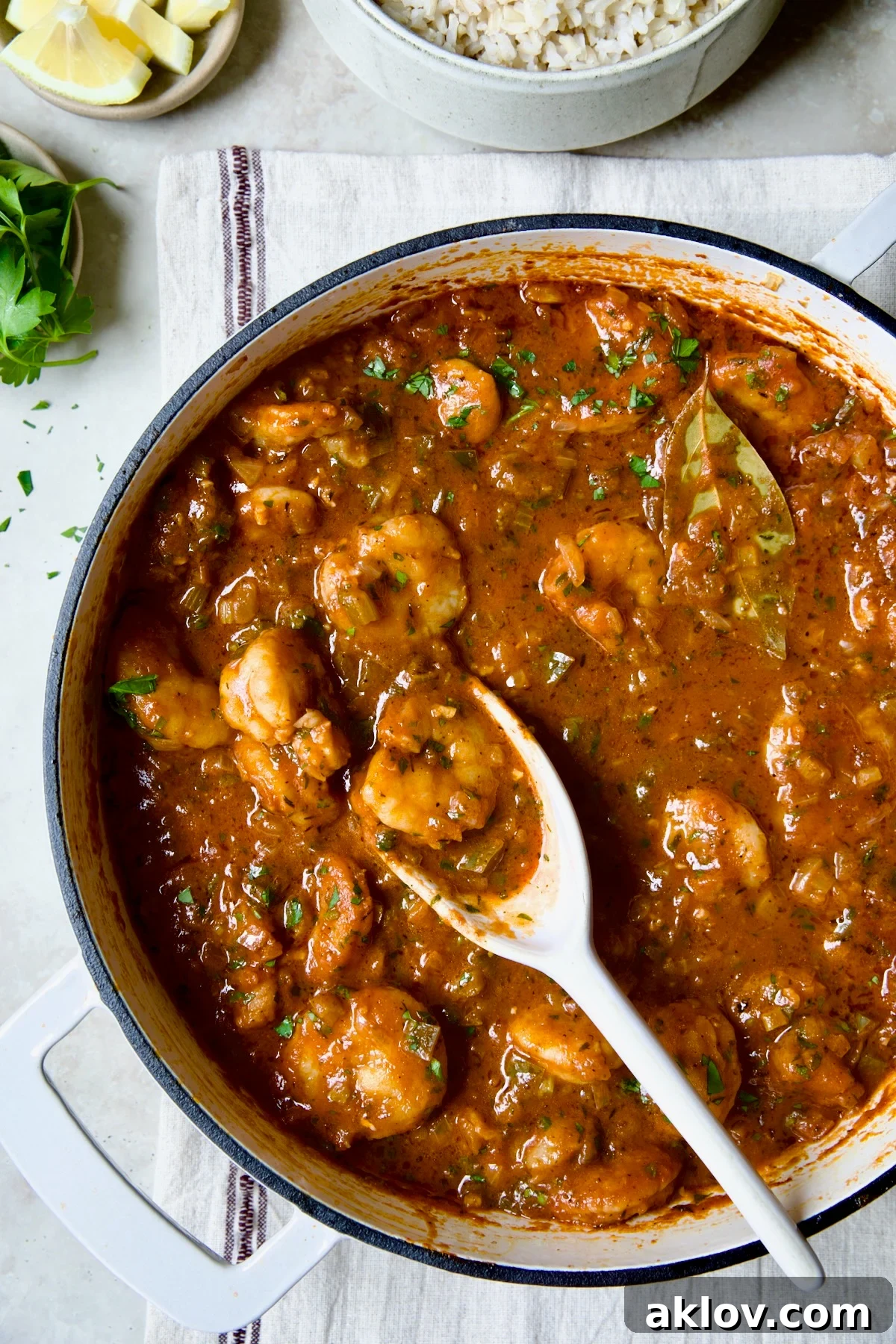
Welcome to the ultimate guide for crafting the Best Shrimp Creole recipe – a vibrant and deeply flavorful dish that brings the soul of New Orleans right into your kitchen! As a personal chef with over two decades of experience, this particular Shrimp Creole recipe has been a consistent showstopper for clients, earning rave reviews every single time. It’s a testament to its irresistible appeal and surprising simplicity. Unlike many traditional Louisiana dishes that rely on a complex roux, this rendition is wonderfully straightforward, allowing you to create an authentic taste of the Big Easy in approximately 45 minutes, making it perfect for any weeknight meal or special occasion.
“Absolutely divine! I followed this recipe to the letter, even using the recommended Creole/Cajun seasoning blend, and the results were phenomenal. This dish is truly exceptional! I’m already looking forward to trying more of your recipes!”
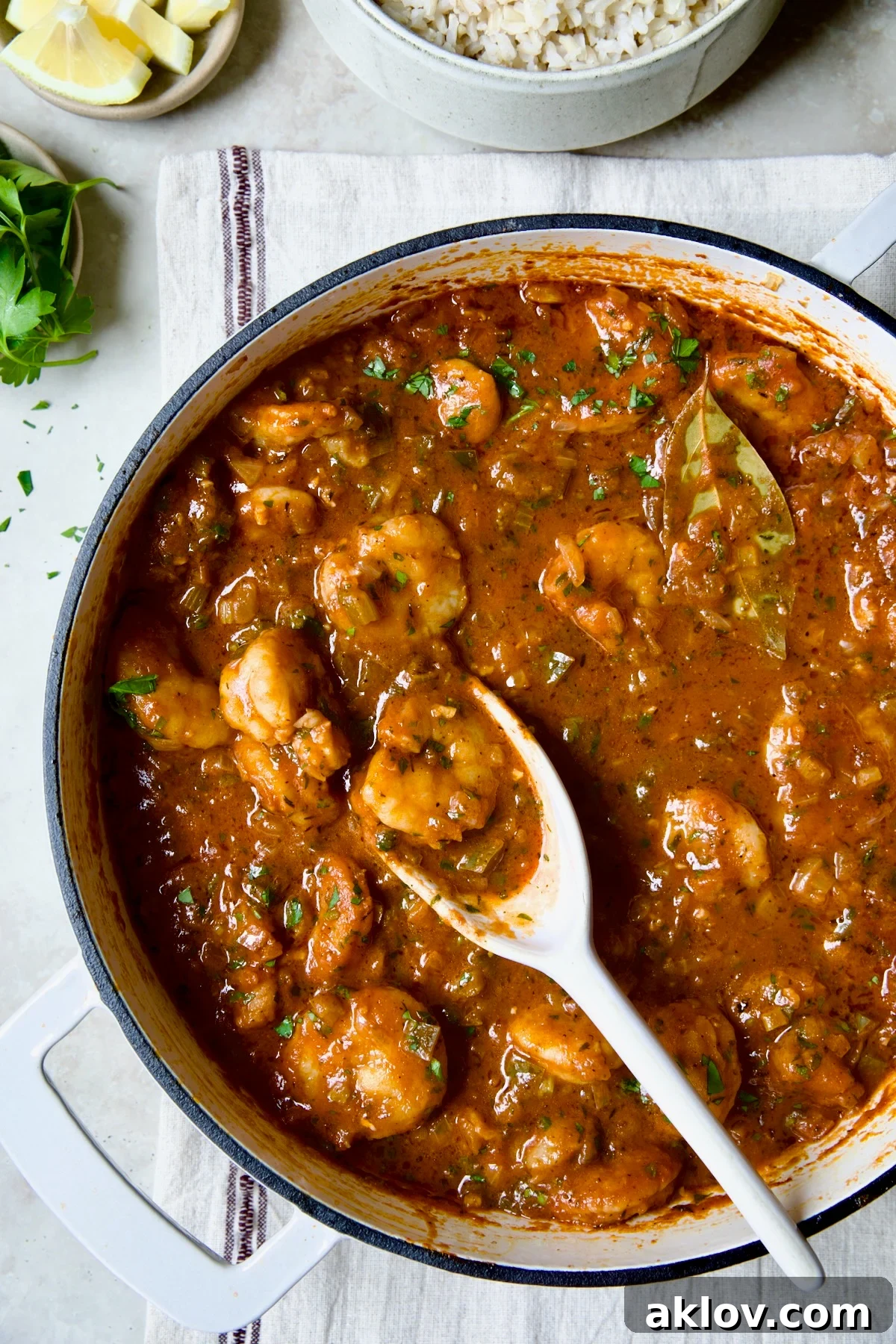
Why This Shrimp Creole Recipe is a Culinary Treasure
Shrimp Creole is more than just a dish; it’s a celebration of Louisiana’s rich cultural fusion, a culinary legacy woven from French, Spanish, African, and Native American influences. This iconic preparation stands distinct from its cousin, Shrimp Etouffee, primarily by its robust tomato-based sauce, as opposed to Etouffee’s roux (a thickening agent made from fat and flour) base. Both, however, share the beloved tradition of being served generously over fluffy white rice, soaking up every drop of their savory goodness.
Declaring any recipe “the best,” especially one so steeped in history and regional pride, can feel daunting. However, after perfecting this New Orleans Creole shrimp recipe through hundreds of preparations over my 22-year career as a personal chef, its consistent success and overwhelming popularity speak for themselves. My first taste of authentic Shrimp Creole in New Orleans left an indelible mark, and I can confidently say this recipe captures that genuine, soul-satisfying flavor, bringing it closer to home than ever before.
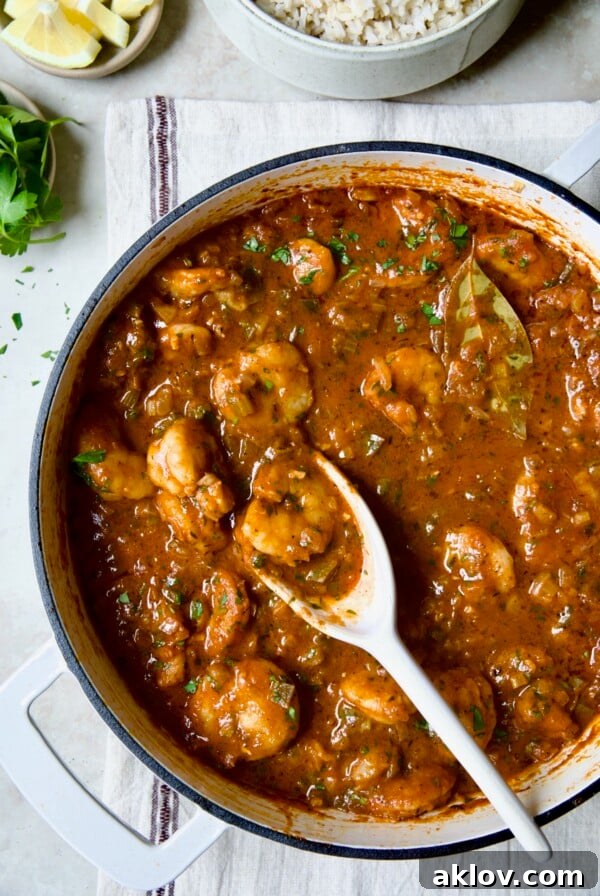
The magic of this Creole classic begins with the aromatic foundation known as the “Holy Trinity” – a harmonious blend of finely chopped onions, celery, and green bell peppers. These vegetables are gently sautéed until they become wonderfully tender and “melty soft,” releasing their sweet and savory essences. This crucial step creates a deep layer of flavor before a generous application of Creole seasoning, alongside additional herbs and spices, elevates the dish to new heights. The rich, savory tomato sauce then simmers to perfection, allowing all these incredible flavors to meld, culminating in the final addition of plump shrimp, which are quickly cooked until tender and succulent.
This exceptional Shrimp Creole recipe offers a trifecta of benefits for any home cook:
- Effortless Preparation: Forget complicated techniques or specialized ingredients. This recipe is designed for maximum flavor with minimal fuss, making it accessible to cooks of all skill levels.
- Rapid Delight: Craving an authentic New Orleans experience but short on time? This classic shrimp creole can be prepared and on your table in approximately 45 minutes, proving that incredible flavor doesn’t have to take all day.
- Authentic Flavor Profile: Don’t just take our word for it! The consistent glowing reviews from individuals who truly understand and appreciate the nuances of genuine Creole cooking affirm the authentic taste of this dish. It truly is a taste of Louisiana in every bite.
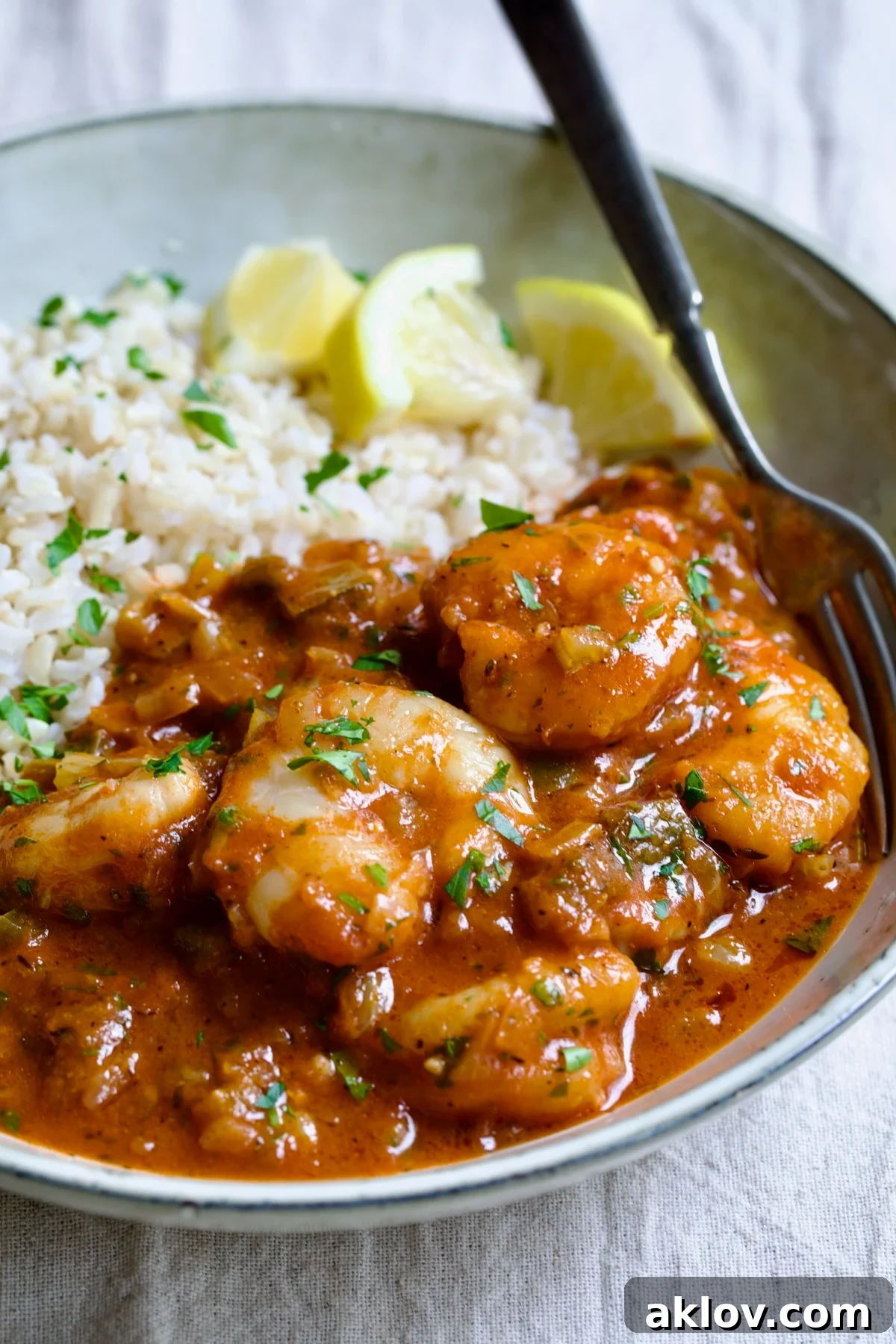
Mastering the Art of Shrimp Creole: A Step-by-Step Culinary Journey
Essential Ingredients for Your Creole Masterpiece
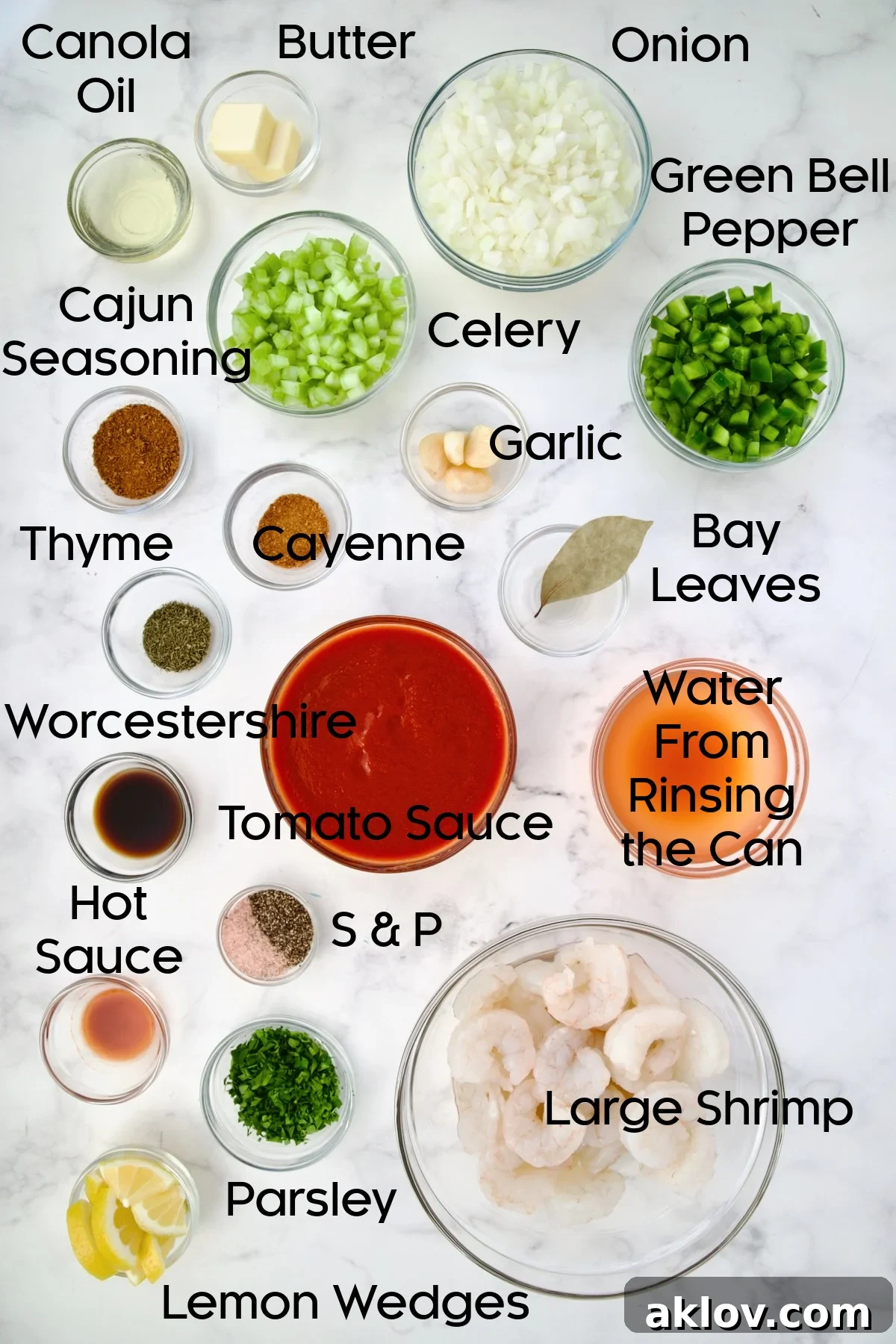
Crafting the perfect Shrimp Creole begins with gathering high-quality ingredients. Here’s a comprehensive look at everything you’ll need to bring this beloved New Orleans dish to life in your own kitchen. For precise quantities, refer to the detailed recipe card at the end of this article.
Ingredient Deep Dive: Tips for Perfect Flavor & Texture
- Oil and Butter: The combination of oil and butter is key to this Shrimp Creole recipe. A touch of butter imparts a luxurious richness and depth of flavor that pure oil alone cannot achieve. However, butter has a lower smoke point and can burn easily, which is why we pair it with a neutral cooking oil like canola. The oil helps to raise the overall smoke point of the fat, allowing the butter to brown gently without scorching. For an even richer, nuttier flavor profile without the risk of burning, consider using ghee (clarified butter), from which the milk solids (the part that burns) have already been removed.
- The Holy Trinity (Onion, Celery, Green Bell Pepper): In Cajun and Creole culinary traditions, this trio is revered as the “Holy Trinity” and forms the fundamental aromatic backbone for countless New Orleans-style dishes. It’s conceptually similar to the French mirepoix (onions, celery, and carrots) but swaps carrots for green bell pepper, lending a distinct, slightly pungent, and fresh herbaceous note. For optimal flavor balance and texture, aim for a ratio of approximately 2 parts onion to 1 part celery and 1 part green bell pepper. Ensure these vegetables are finely chopped to cook down evenly and release their maximum flavor.
- Cajun/Creole Seasoning: While often used interchangeably, Cajun and Creole seasonings possess subtle yet important differences. Cajun seasoning typically emphasizes a bolder, spicier kick with a blend of ground peppers such as cayenne, black pepper, and white pepper. Creole seasoning, on the other hand, tends to be more herb-forward, incorporating ingredients like paprika, oregano, and thyme alongside various peppers. Many commercial blends expertly combine elements of both. Brands like Tony Chachere’s are widely recognized for their “Creole seasoning,” offering a versatile and flavorful option. Feel free to adjust the amount to your personal spice preference.
- Tomato Sauce: For this Shrimp Creole recipe, canned tomato sauce is the preferred choice. It begins with fresh tomatoes or tomato puree that has been cooked, strained, and often lightly seasoned, providing a smooth base. Its pre-seasoned nature and consistent texture make it ideal for a Creole sauce, offering a depth of flavor that might require more doctoring if using plain crushed tomatoes or unseasoned puree.
- Shrimp: While any size shrimp can be used, I highly recommend using large shrimp, specifically those in the 16-20 count range (indicating approximately 16 to 20 shrimp per pound). This size offers a satisfying, meaty bite. Crucially, I always opt for wild-caught shrimp. Farmed shrimp tends to have a rubbery texture and can become tough if even slightly overcooked. Wild-caught shrimp, by contrast, is much more resilient, retaining a superior texture and ensuring a much better result, especially if you plan to reheat any leftovers of this delectable Shrimp Creole. Ensure your shrimp are peeled, deveined, and have the tails removed for the best eating experience.
Step-By-Step Cooking Guide to Flawless Shrimp Creole
- Begin by meticulously gathering and prepping all your ingredients. This mise en place will ensure a smooth and enjoyable cooking process.
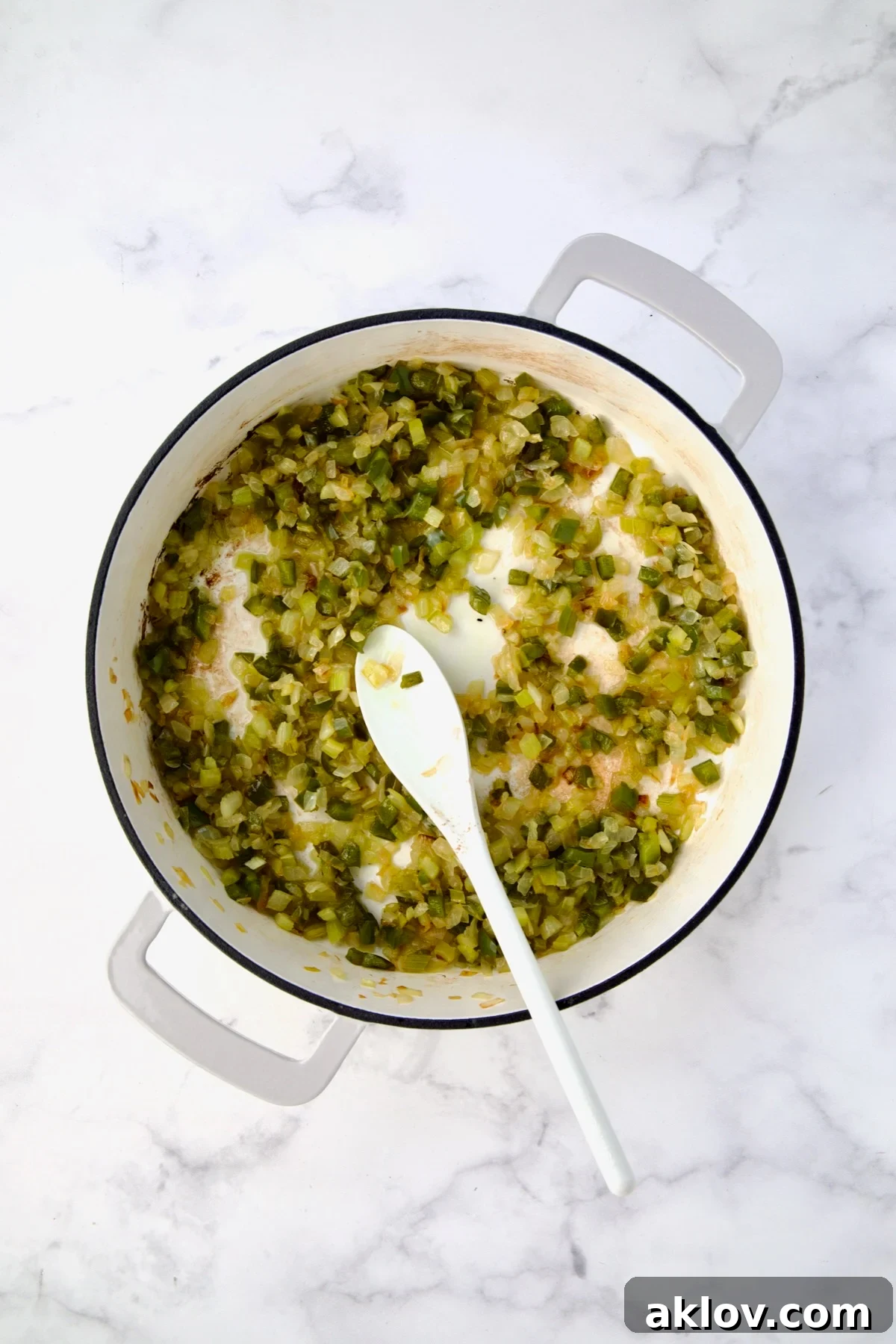
- In a large skillet or sauté pan, heat the canola oil and butter over medium-high heat until the butter is melted and slightly foamy. Add the finely chopped onion, green bell pepper, and celery (the Holy Trinity).
- Reduce the heat to medium and cook the vegetables for approximately 10 to 12 minutes, stirring occasionally. The key here is to allow the vegetables to become very soft and tender, almost “melty,” but not browned. Adjust the heat as necessary to prevent any burning. This step builds the foundational flavor of your Creole sauce.
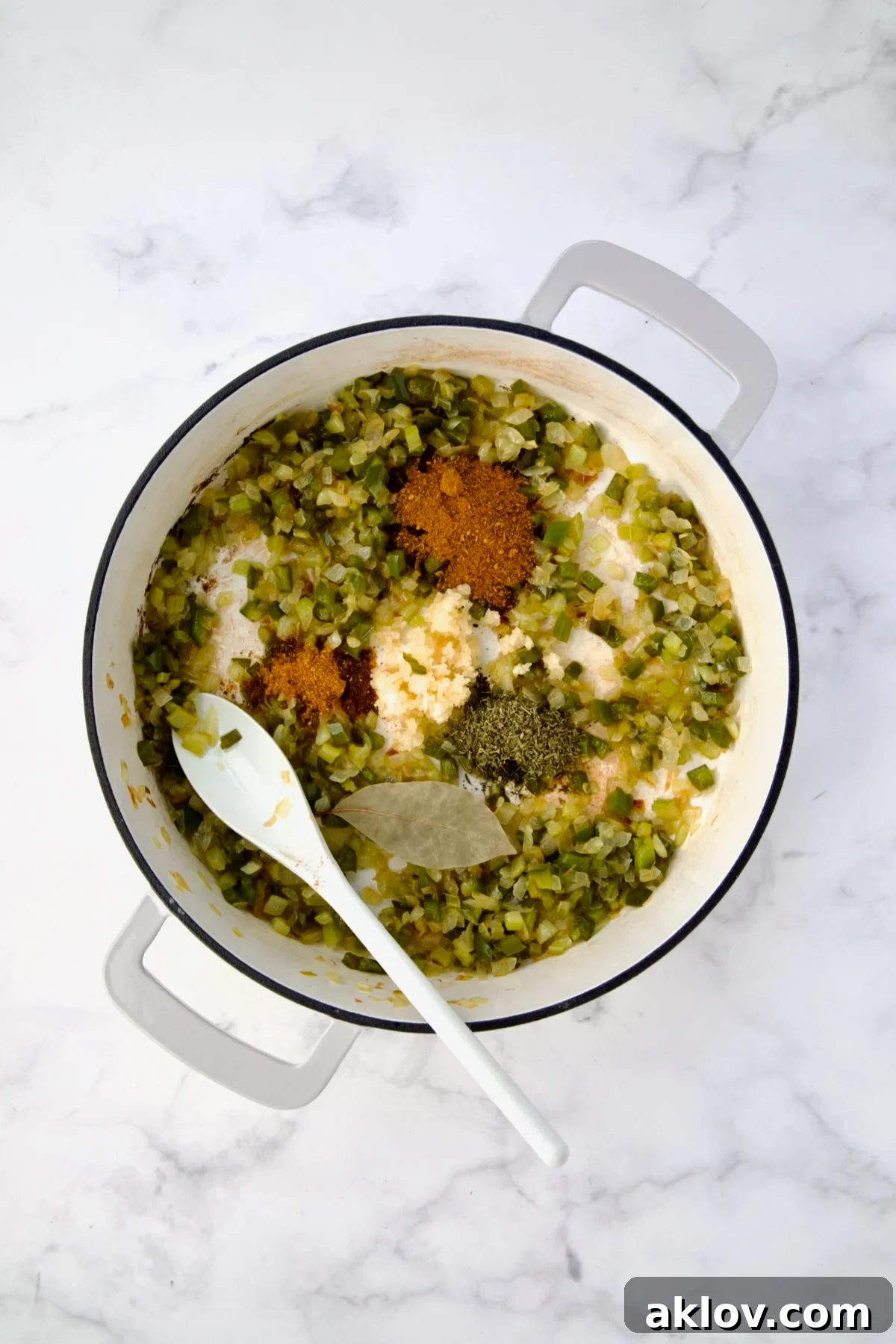
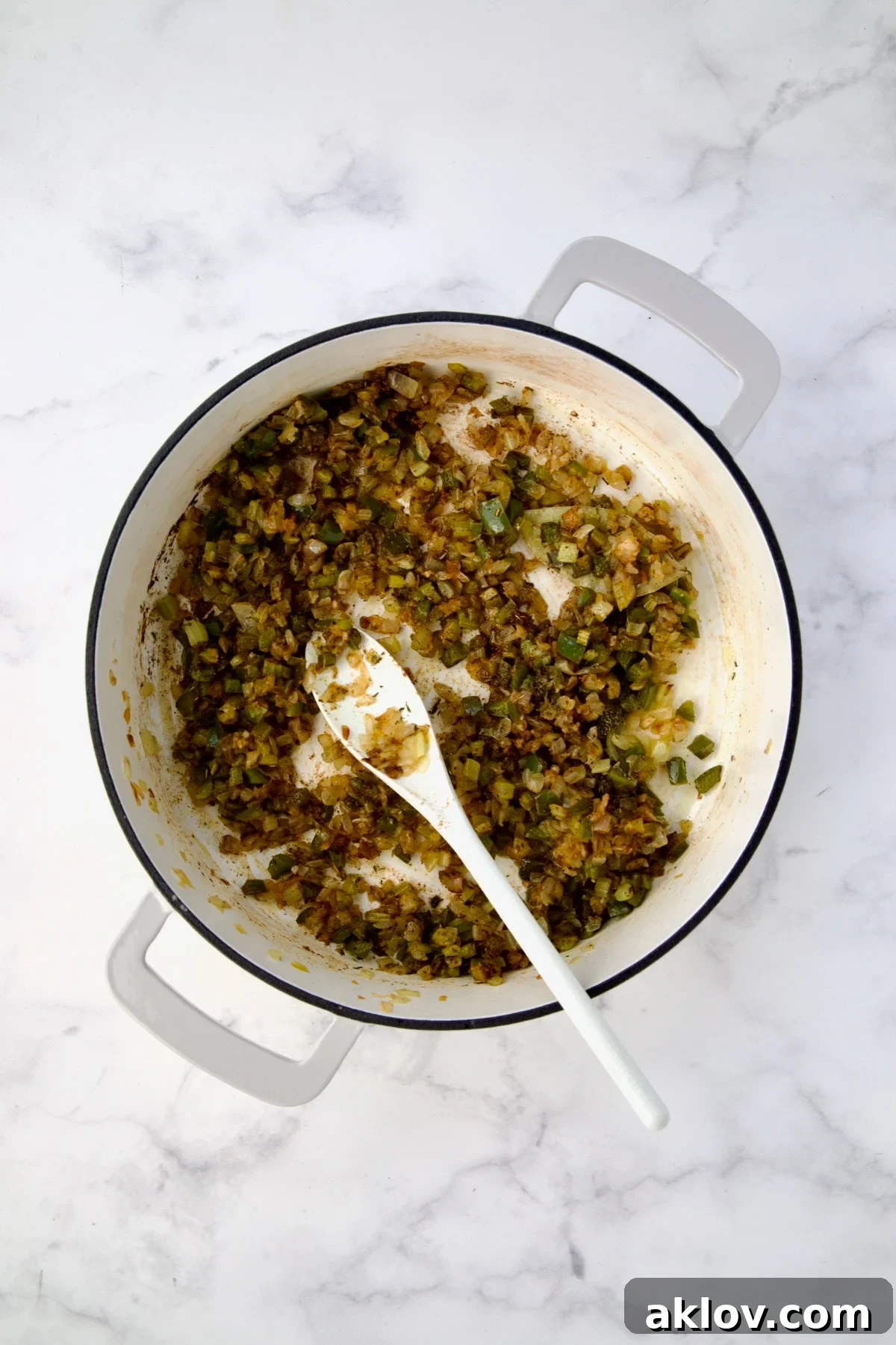
- Once the vegetables are soft, add the minced garlic, Cajun/Creole seasoning, dried thyme, cayenne pepper, and the bay leaf to the pan. Stir these dry spices briefly, for about 30 seconds, allowing them to “bloom” in the hot fat. This quick sauté intensifies their aromatic compounds and deepens their flavor before the liquids are added.
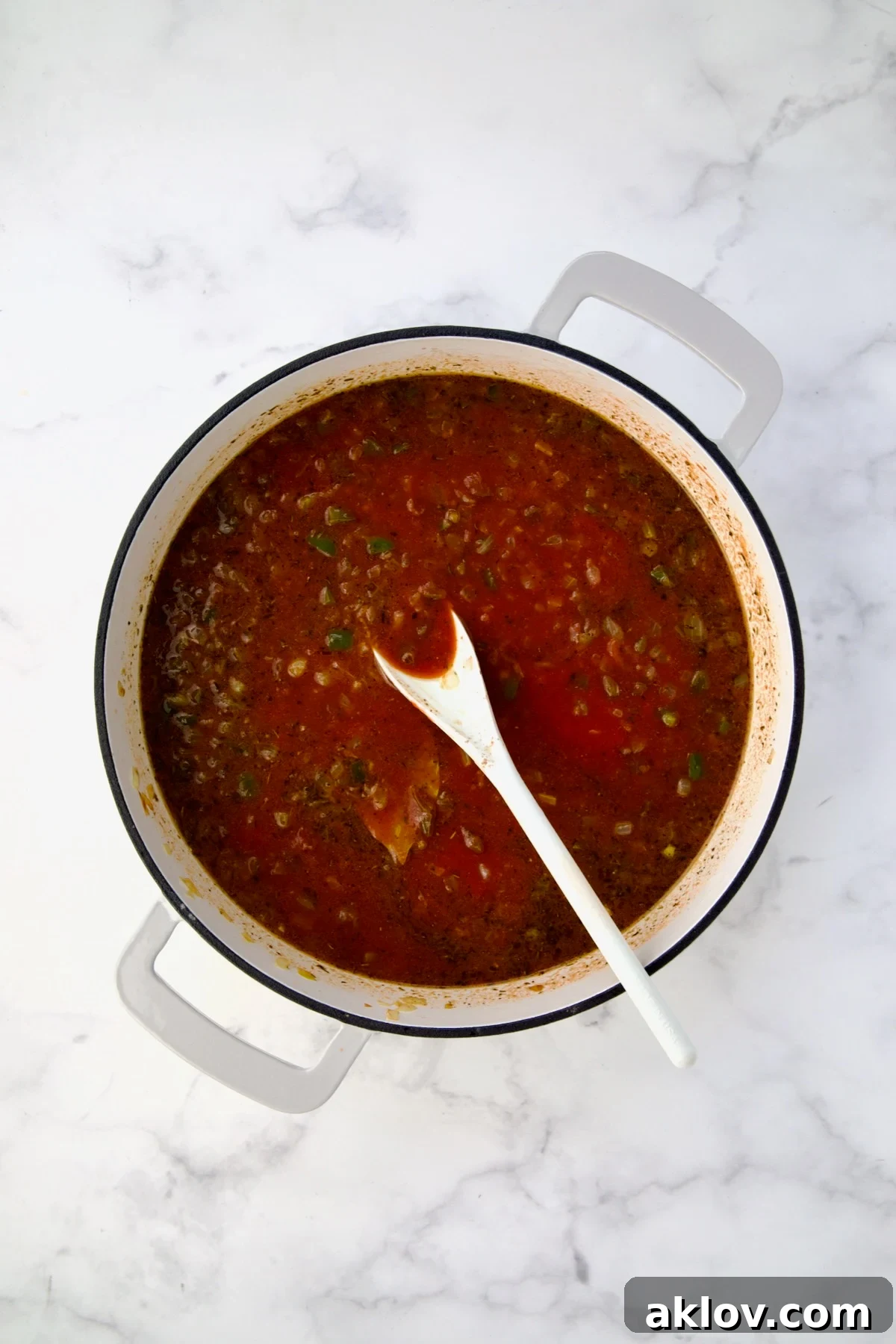
- Pour in the canned tomato sauce, water (which can be used to rinse out the tomato can to capture all its goodness), and Worcestershire sauce. Stir everything thoroughly to combine.
- Increase the heat to bring the mixture to a gentle boil. Once boiling, reduce the heat to low, allowing the sauce to simmer uncovered for 8 to 10 minutes. This simmering period is crucial for the flavors to deepen and meld, and for the sauce to thicken to a rich consistency.
- Gently stir in the peeled and deveined shrimp. Cook for only 1 to 2 minutes, or until the shrimp are just firm, opaque, and pink. It’s important to flip them halfway through cooking to ensure even doneness. Be careful not to overcook the shrimp, as they can become rubbery quickly.
- Taste the Creole, and then add hot sauce (like Tabasco), salt, and freshly ground black pepper to your desired preference. Remember, you can always add more, but you can’t take it away!
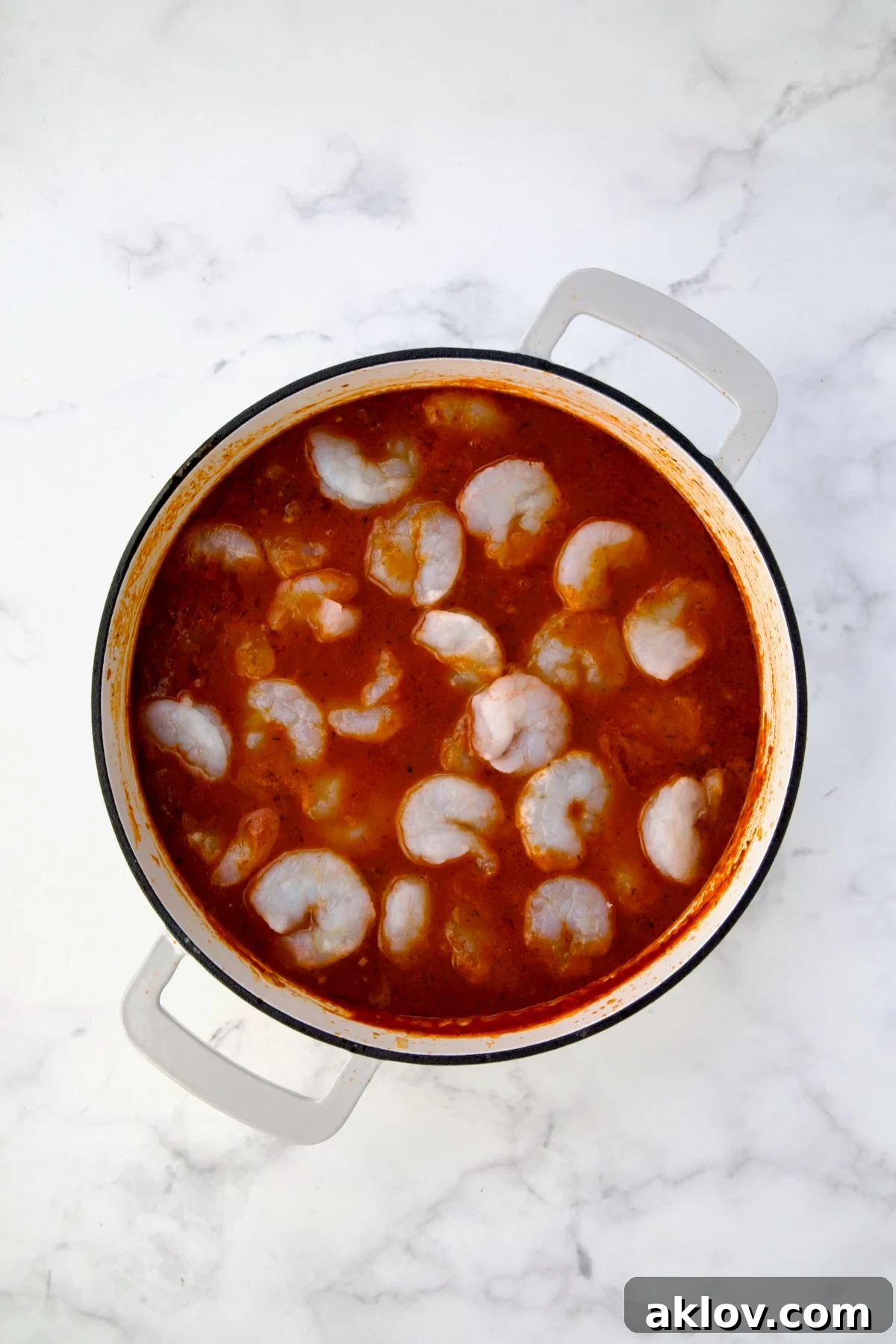
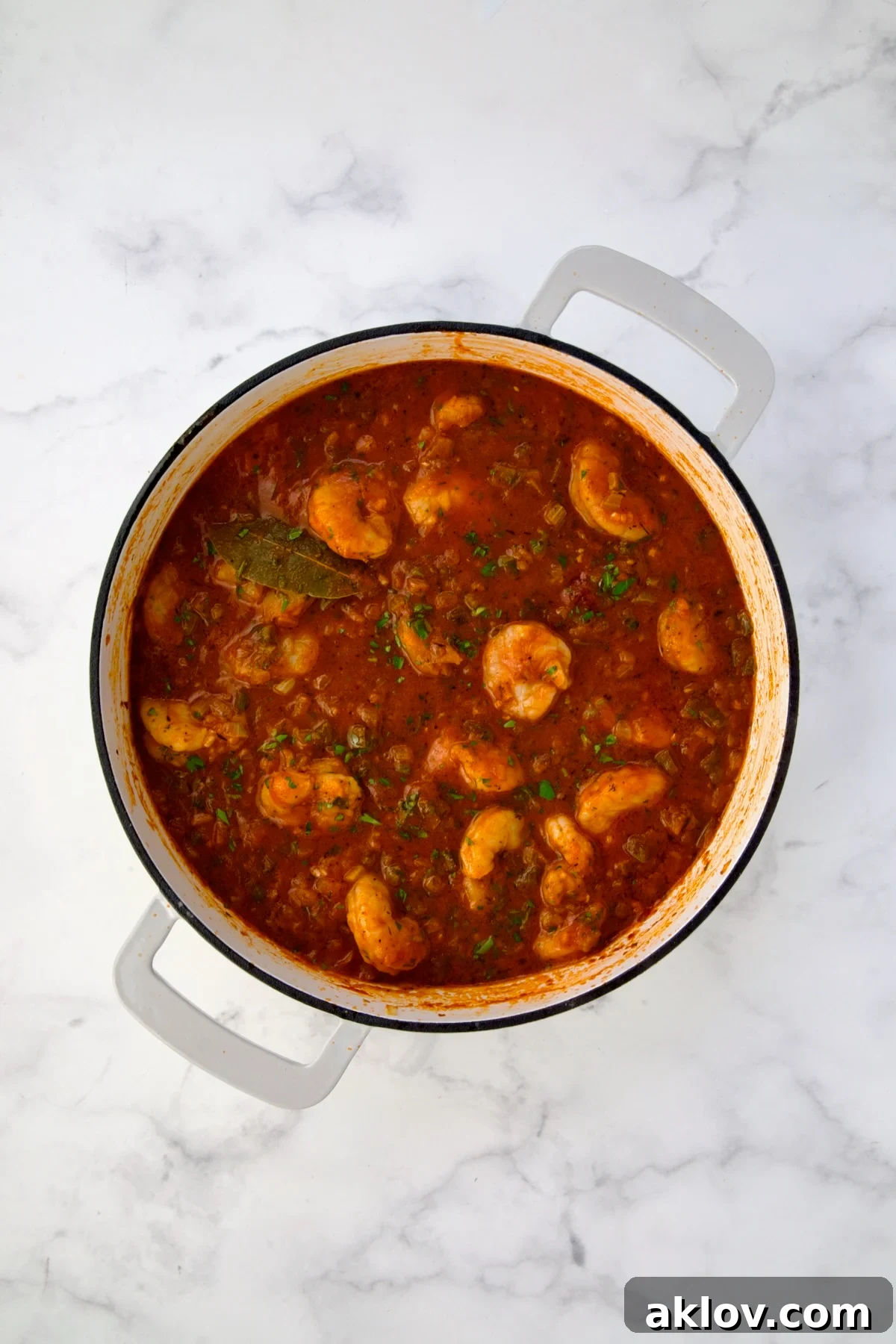
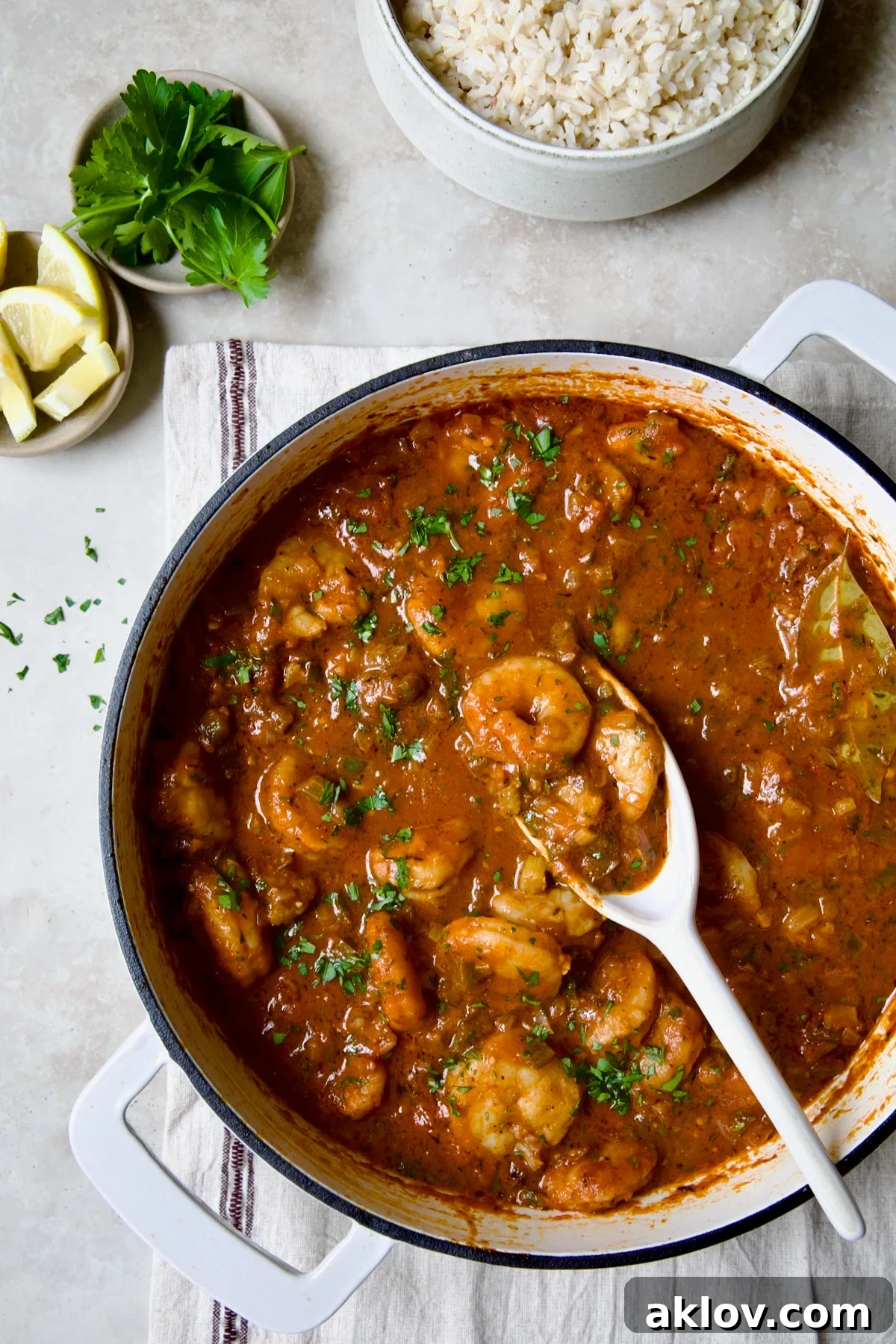
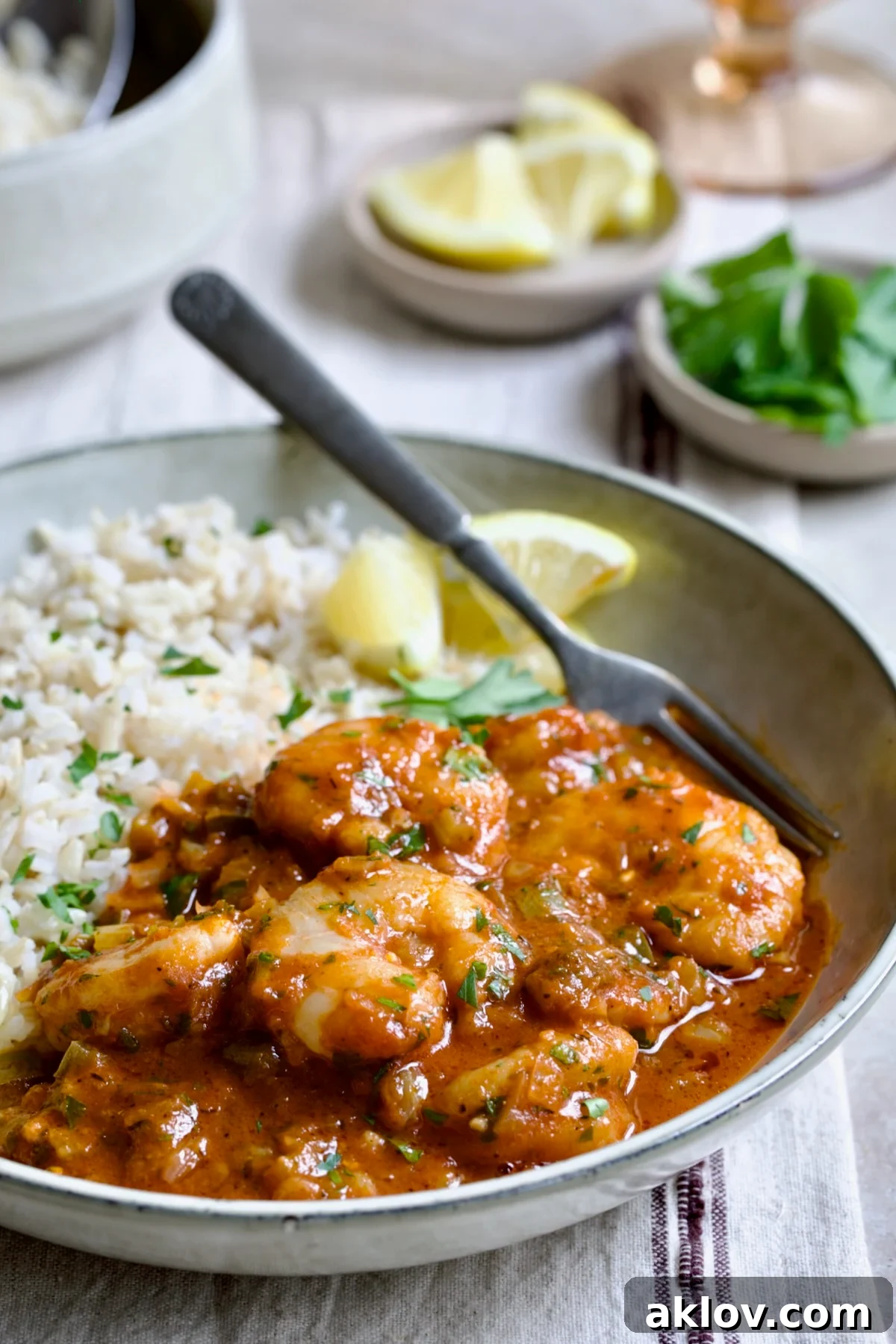
- Carefully remove and discard the bay leaf. Sprinkle generously with fresh chopped parsley, and serve your authentic New Orleans Shrimp Creole immediately, accompanied by steaming hot cooked rice and bright lemon wedges.
- Enjoy! As they say in Louisiana, “Laissez les bon temps rouler!” (Let the good times roll!)
Chef’s Secrets for an Unforgettable Shrimp Creole
- Perfecting the Holy Trinity Sauté: The foundation of any great Creole dish lies in the proper cooking of the “Holy Trinity” – onions, celery, and bell peppers. It’s crucial that these vegetables are sautéed until they are not just soft, but truly “melty soft.” This process takes a good 10-12 minutes over medium heat, allowing their natural sugars to caramelize slightly and their flavors to deepen and sweeten, forming a rich, complex base for the sauce. Don’t rush this step; it’s where much of the dish’s character is built.
- The Power of Blooming Spices: To unlock the full aromatic potential of your dry spices (Creole seasoning, cayenne, thyme, and bay leaf), add them directly to the hot fat in the pan after the Holy Trinity has softened, and stir briefly before introducing any liquids. This technique, known as “blooming,” gently toasts the spices, intensifying their flavors and releasing their fat-soluble compounds into the oil, which then permeates the entire dish. This creates a much more vibrant and integrated spice flavor compared to simply adding them to the simmering sauce.
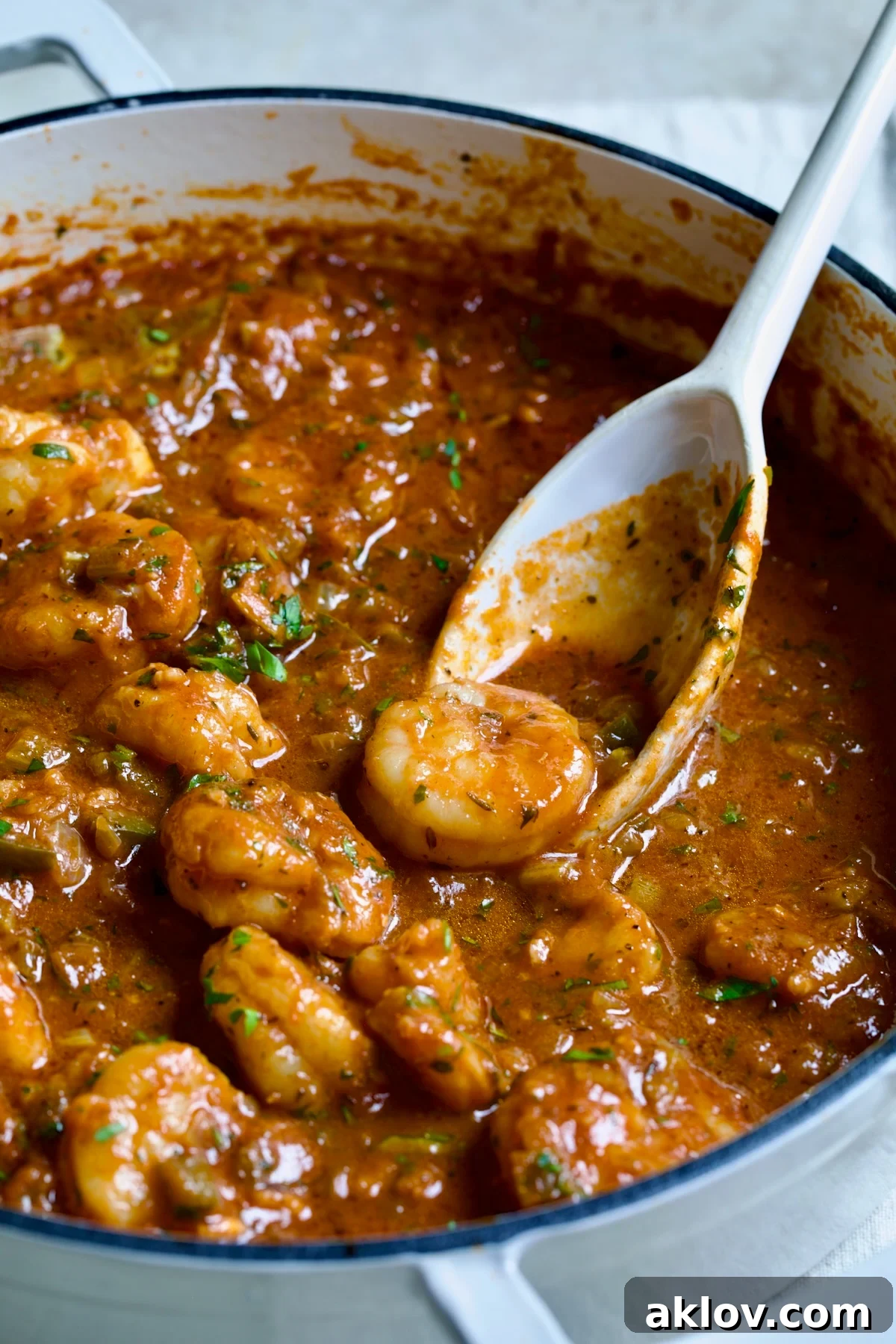
- Avoid Overcooking the Shrimp: Shrimp cook very quickly, and overcooked shrimp can turn rubbery and tough. Once added to the simmering sauce, shrimp typically only need 1-2 minutes of cooking time, or until they turn opaque pink and curl into a C-shape. Keep a close eye on them and remove the pan from the heat as soon as they are done. The residual heat of the sauce will continue to cook them slightly.
Frequently Asked Questions About Shrimp Creole
Yes, with a thoughtful approach. To prepare Shrimp Creole in advance, cook the sauce completely up to the point where the shrimp would be added. Allow the sauce to cool down thoroughly, then transfer it to an airtight container and refrigerate. When you are ready to serve, gently reheat the sauce in a saucepan over low heat until it begins to simmer. Once simmering, add the shrimp as directed in the recipe and cook them through until just pink and firm. This method ensures the shrimp remain perfectly tender and prevents them from becoming rubbery from being reheated multiple times.
While most shrimp dishes are best enjoyed fresh, immediately after preparation, you can certainly freeze leftovers. If freezing the completed dish, thaw it in the refrigerator overnight, then gently reheat it in a saucepan over low heat, adding a splash of water or broth if the sauce has thickened too much. Stir frequently to ensure even heating without overcooking the shrimp. For optimal results and convenience, consider freezing only the sauce. Prepare the Shrimp Creole sauce completely, allowing it to cool entirely before transferring it to an airtight, freezer-safe container. The sauce can be frozen for 1-2 months. When needed, simply thaw the sauce in the refrigerator, bring it to a simmer on the stovetop, and then add fresh shrimp to cook through. This is an excellent strategy to have a delicious meal ready for unexpected guests or busy weeknights!
Storage, Reheating, and Perfect Pairings for Your Creole Feast
Storing and Reheating Leftovers
- Store any leftover Shrimp Creole in an airtight container in the refrigerator for up to 2-3 days.
- To reheat, transfer the desired portion of leftovers to a small saucepan. If the sauce has thickened considerably, add a small amount of water or chicken broth to achieve your desired consistency. Gently reheat over low heat, stirring frequently, until the dish is steaming hot. Be mindful not to boil or vigorously simmer, as this can lead to overcooked, rubbery shrimp.
Perfect Pairings for Your Shrimp Creole Feast
Shrimp Creole is a versatile dish that pairs beautifully with a variety of sides. Here are some classic and complementary suggestions to complete your meal:
- Cooked Rice: Traditionally served over hot, fluffy white rice, which perfectly absorbs the rich, spicy sauce. For a lighter, low-carb option, consider cauliflower rice.
- Sauteed Kale with Andouille Sausage: The smoky, spicy notes of Andouille sausage and the earthy greens provide a fantastic counterpoint to the vibrant Creole sauce. Try this recipe for an authentic Louisiana experience.
- Cream Cheese Corn Casserole: A sweet and creamy corn casserole offers a comforting balance to the spice of the Creole, creating a delightful contrast. Get the recipe here.
- Creamy Cucumber Salad with Yogurt: A cool, refreshing cucumber salad can be a wonderful palate cleanser, providing a light and tangy contrast to the rich and spicy main dish. Find this refreshing recipe.
Explore More Delicious Shrimp Recipes
If you love shrimp, you’re in luck! This versatile seafood shines in countless preparations. Here are a few more shrimp recipes from my kitchen you’re sure to adore:
- Mexican Shrimp Cocktail: A zesty and refreshing appetizer perfect for warm weather.
- Shrimp in Avocado Butter: Succulent shrimp bathed in a rich, buttery, and creamy avocado sauce.
- Shrimp Scampi: A classic Italian-American favorite with garlic, butter, and white wine.
- Spicy Shrimp and Grits Casserole: A comforting Southern staple with a delightful cheesy kick.
Discover all my fish and seafood creations at Fish and Seafood Recipes – From A Chef’s Kitchen.
The Best Shrimp Creole Recipe
Equipment
-
Kitchen Shears
-
Wusthof Chef Knife
-
Nonstick Skillet
Ingredients
- 2 tablespoons canola oil
- 2 tablespoons butter
- 1 medium onion, finely chopped
- 1 medium green bell pepper, seeds and membrane removed, finely chopped
- 2-3 stalks (ribs) celery, chopped (aim for about the same amount as green bell pepper)
- 4 cloves garlic, minced
- 1 tablespoon Cajun/Creole seasoning, or to taste
- 1 teaspoon dried thyme
- 1/2 teaspoon cayenne pepper
- 1 bay leaf
- 1 can (15-ounce) tomato sauce
- 1 cup water, about half the can to rinse it out
- 1 tablespoon Worcestershire sauce
- 1 1/2 pounds large shrimp, 16-20 count, peeled and deveined, tails removed
- Tabasco sauce, to taste
- Salt and freshly ground black pepper, to taste
- 2 tablespoons chopped fresh parsley, plus sprigs for garnish
- Lemon wedges
- Cooked rice, for serving
Instructions
-
Heat oil and butter over medium-high heat in a skillet or sauté pan. Add the onion, pepper, and celery.
-
Reduce heat to medium and cook for approximately 10-12 minutes or until the vegetables are very soft, adjusting heat as necessary to prevent burning.
-
Add the garlic, Cajun/Creole seasoning, thyme, cayenne pepper, and bay leaf. Stir briefly for about 30 seconds to allow spices to bloom.
-
Add the tomato sauce, water, and Worcestershire sauce.
-
Bring to a boil. Reduce heat to low and simmer uncovered for 8-10 minutes or until the sauce thickens to your desired consistency.
-
Stir in the shrimp and cook for 1-2 minutes or until just firm and pink, flipping halfway through to ensure even cooking. Do not overcook.
-
Add Tabasco sauce, salt, and black pepper to taste. Adjust seasoning as needed.
-
Remove the bay leaf, sprinkle with fresh parsley, and serve immediately with hot, cooked rice and lemon wedges.
Notes
SUBSTITUTIONS:
- For a richer flavor and to prevent burning, use ghee (clarified butter) in place of the oil and butter combination.
TIPS:
- To maximize flavor, ensure the “Holy Trinity” (onions, celery, and bell peppers) is cooked until very soft and tender, not just translucent.
- Adding dry spices directly to the hot fat in the pan for a brief moment before liquids are added helps them to “bloom,” intensifying their flavors and aroma.
- Avoid overcooking the shrimp; they cook very quickly and can become rubbery if left on the heat for too long.
MAKE AHEAD:
- Prepare the Shrimp Creole sauce up to the point of adding the shrimp. Cool the sauce completely and refrigerate in an airtight container.
- When ready to serve, gently reheat the sauce on the stovetop until simmering, then add the fresh shrimp and cook through as directed.
TO REHEAT LEFTOVERS:
- Place leftovers in a small saucepan over low heat. If the sauce has thickened, add a little water or broth to loosen it. Gently reheat, stirring frequently, until warm throughout, being careful not to overcook the shrimp.
FREEZER-FRIENDLY:
- While shrimp dishes are best enjoyed fresh, you can freeze leftover Shrimp Creole. Thaw in the refrigerator, then reheat gently as described above.
- For best results when freezing, prepare only the sauce to the point before adding shrimp. Cool completely, transfer to an airtight container, and freeze for 1-2 months. Thaw, then simmer the sauce on the stovetop and add fresh shrimp. This method is excellent for meal prep or unexpected guests.
Nutrition
Serving: 1
Calories: 379kcal
Carbohydrates: 9g
Protein: 17g
Fat: 9g
Saturated Fat: 1g
Polyunsaturated Fat: 2g
Monounsaturated Fat: 5g
Trans Fat: 1g
Cholesterol: 144mg
Sodium: 701mg
Potassium: 337mg
Fiber: 2g
Sugar: 3g
Vitamin A: 1480IU
Vitamin C: 30mg
Calcium: 103mg
Iron: 2mg
Nutritional values are automatically calculated using unbranded products and are estimates only. Actual results may vary based on ingredients used and portion sizes. Adjust as needed for dietary restrictions, allergies, or health concerns.
 Like this? Leave a comment below!