

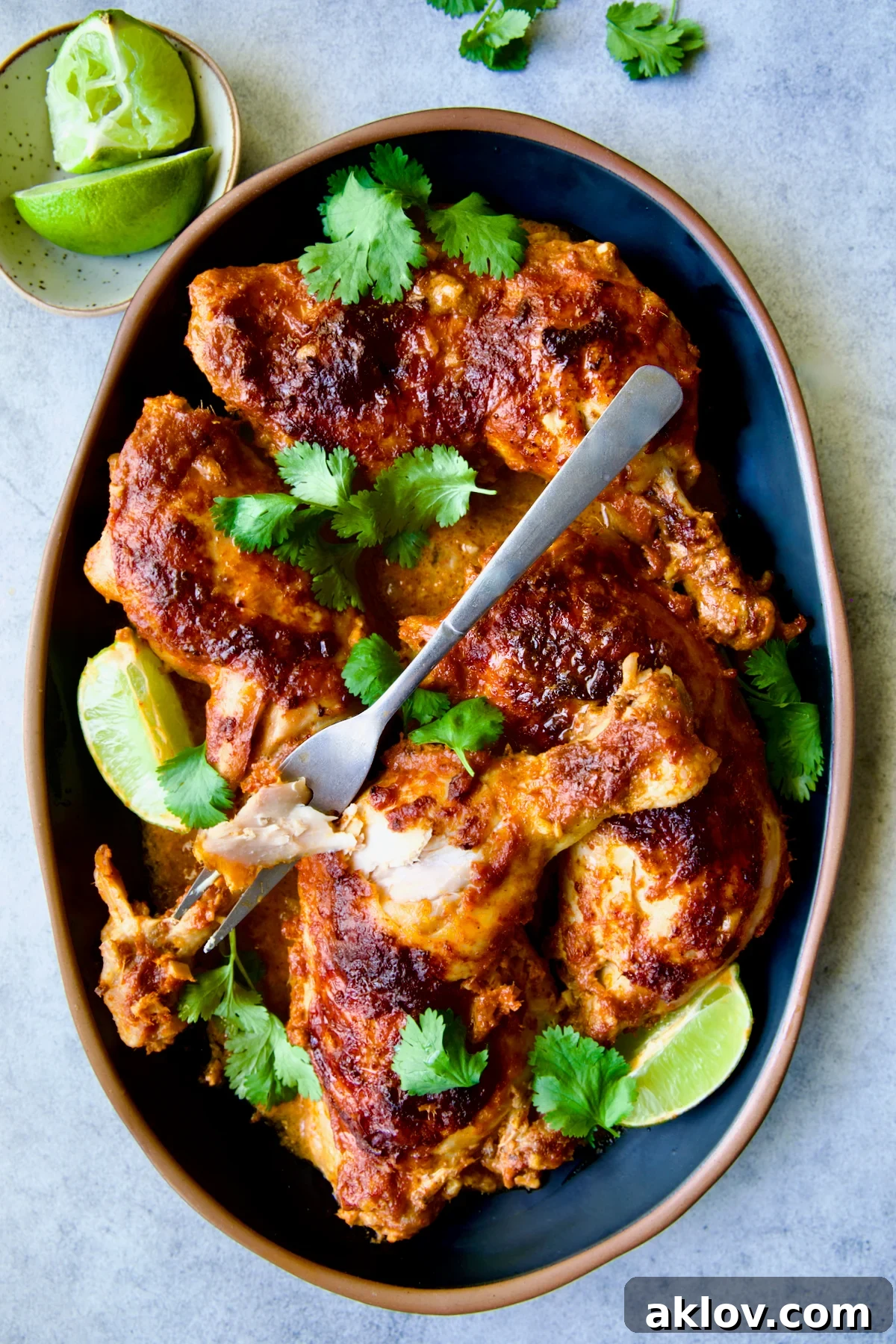
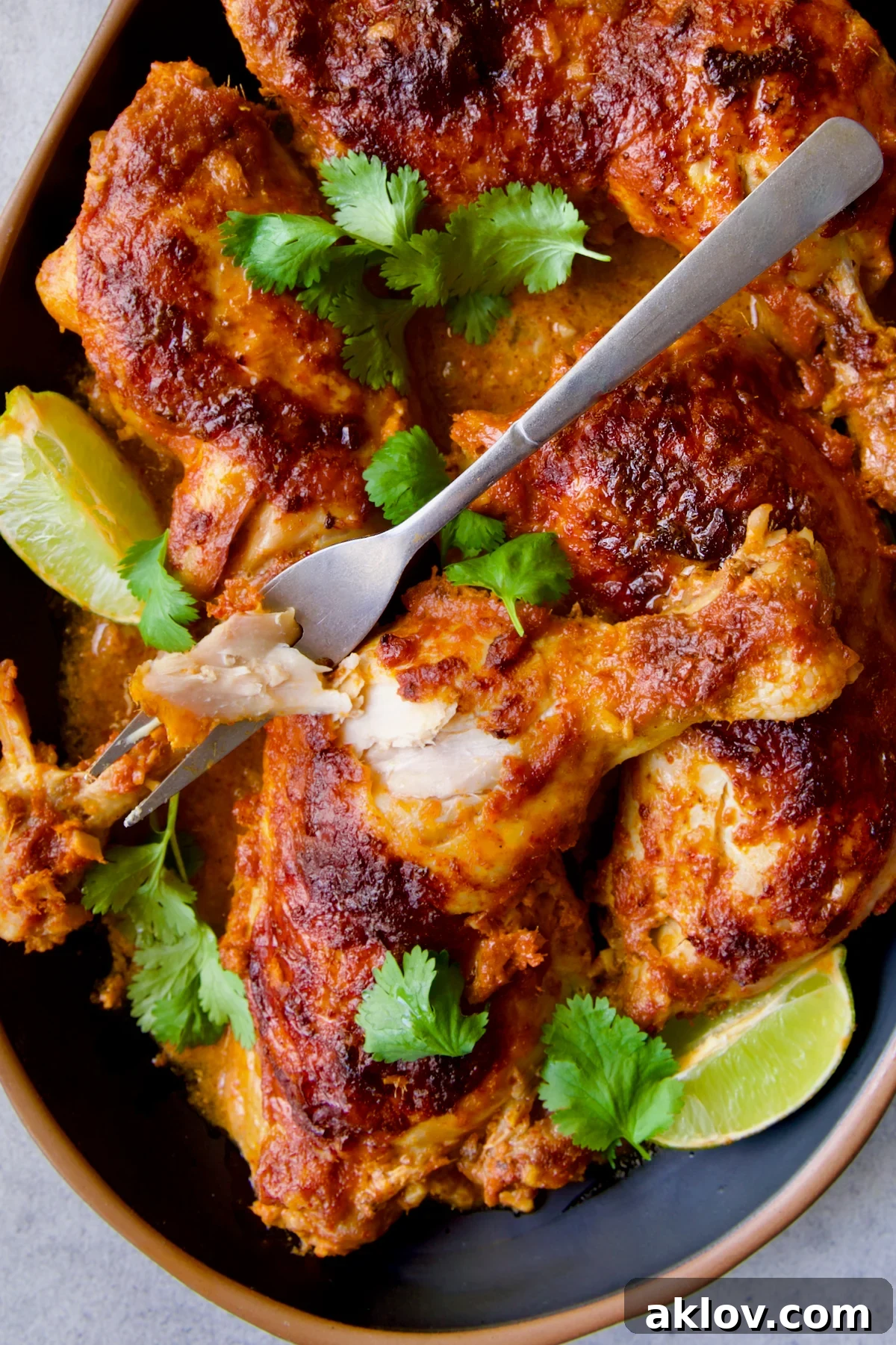
Thai Red Curry Chicken Legs offers an incredible journey into the heart of Thai cuisine, made effortlessly in your own kitchen. This vibrant and aromatic dish is the perfect solution for anyone craving authentic Thai flavors without the complexity often associated with homemade Asian dishes. Featuring tender chicken legs bathed in a rich, spicy, and creamy coconut sauce, this recipe is designed to be largely hands-off, making it ideal for busy weeknights or relaxed weekend cooking. The profound depth of flavor comes from a high-quality red curry paste, beautifully complemented by the velvety texture of coconut milk. Each bite promises a harmonious blend of sweet, sour, salty, and spicy notes that will transport your taste buds straight to Thailand. Serve this delightful creation with fragrant jasmine rice to soak up every last drop of the luscious sauce, or opt for a lighter side like cauliflower rice for a low-carb alternative. This dish isn’t just a meal; it’s an experience, delivering gourmet taste with minimal effort and maximum satisfaction.

Why This Thai Red Curry Chicken Legs Recipe is a Must-Try!
Are you a fan of the exotic and intricate flavors of Thai food but often shy away from preparing it at home, fearing it’s too complicated? Well, put those worries aside! This Thai Red Curry Chicken Legs recipe demystifies the art of Thai cooking, blending the exquisite, nuanced flavors of Southeast Asia with one of the simplest and most forgiving cooking methods available: braising.
Chicken legs, renowned for their rich dark meat and bone-in structure, are the star of this dish. They are not only budget-friendly but also inherently juicy and flavorful, making them perfect for absorbing the complex spices of the red curry. As they slowly braise in the fragrant coconut milk sauce, the meat becomes incredibly moist and tender, practically falling off the bone. What sets this recipe apart is how the chicken skin achieves a wonderfully crisp texture during the cooking process, adding a delightful textural contrast to the succulent meat and creamy sauce. This combination ensures a truly satisfying culinary experience that tastes like it came from your favorite Thai restaurant, yet it’s made effortlessly in your own kitchen.
This fantastic Thai Red Curry Chicken Legs recipe is truly a keeper because it’s:
- Perfect for Flavor Seekers: If you appreciate bold flavors and the satisfying richness of dark chicken meat, this recipe is crafted for you. The chicken legs soak up the aromatic curry, delivering an unparalleled taste experience.
- Incredibly Easy to Prepare: Forget lengthy ingredient lists or complex techniques. This recipe stands out as one of the easiest ways to achieve authentic red curry chicken, requiring minimal prep work. You’ll be amazed at how quickly you can assemble this gourmet meal.
- Virtually Hands-Off: The beauty of braising shines here. Simply combine the straightforward sauce ingredients, pour them over the chicken legs, and let your oven do the heavy lifting. This allows you to focus on other tasks while a spectacular meal cooks itself.
- Bursting with Authentic Flavor: The secret lies in using a high-quality, authentic red curry paste. With a good paste, half the work of creating a truly flavorful dish is already done for you, ensuring a robust and delicious outcome every time.
- Conveniently Make-Ahead & Freezer-Friendly: Life gets busy, and this recipe understands that. It’s perfect for meal prepping; you can prepare it in advance, and it freezes beautifully, allowing you to enjoy a delicious home-cooked Thai meal whenever you desire.
- Versatile and Customizable: Easily add your favorite vegetables like bell peppers, bamboo shoots, or snap peas to make it even heartier and more nutritious.
Crafting Your Own Thai Red Curry Chicken Legs: A Simple Guide
Essential Recipe Ingredients:
Creating this flavorful Thai Red Curry Chicken Legs recipe requires a selection of readily available ingredients that, when combined, produce an authentic and unforgettable taste. Below is a comprehensive list of everything you’ll need. For precise measurements, please refer to the detailed recipe card provided further down the page.
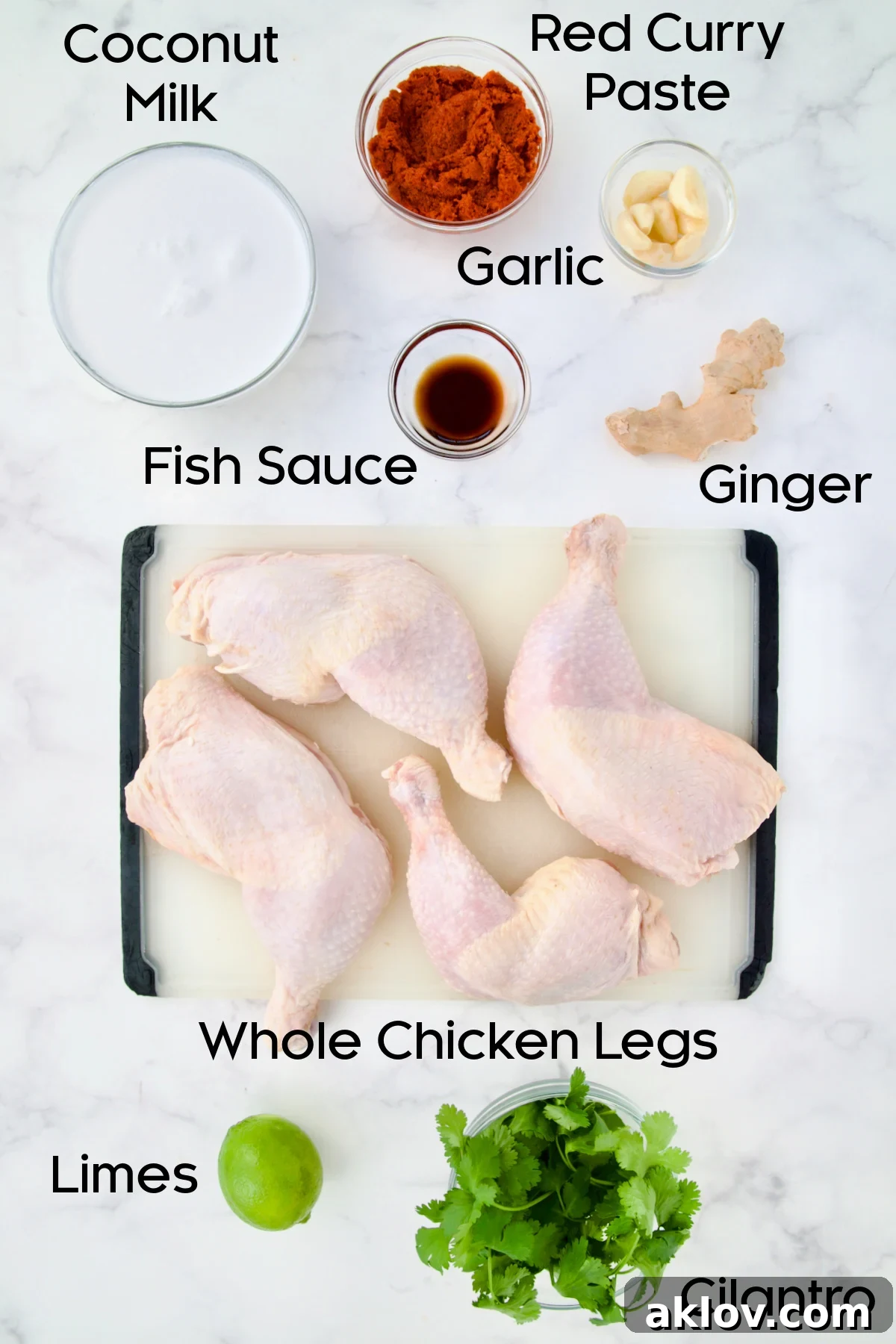
Ingredient Insights and Smart Substitutions:
- Coconut Milk: The foundation of our creamy curry. Always opt for unsweetened coconut milk, and for the richest, most indulgent texture, full-fat is highly recommended. It’s easily found in the international or baking aisle of most grocery stores. The fat content contributes significantly to the sauce’s mouthfeel and ability to carry flavors. While light coconut milk can be used for a lower-calorie option, be aware it will result in a thinner, less creamy sauce.
- Red Curry Paste: This is the heart and soul of your curry. A good red curry paste is a complex blend of aromatic ingredients like various chiles, garlic, ginger (or galangal, a more pungent cousin of ginger), shallots, salt, lemongrass, kaffir lime zest or leaves, and a medley of other spices. After extensive experimentation, I’ve found that Maesri curry pastes offer an authentic and robust flavor that consistently outperforms homemade versions in convenience and taste. Many supermarket brands tend to be quite bland and lack the depth necessary for a truly outstanding curry. My recipe calls for the entire can to deliver a bold, spicy kick, but feel free to scale it back if you prefer a milder curry.
- Fish Sauce: An indispensable ingredient in Southeast Asian cooking, fish sauce provides a unique umami depth and a salty counterpoint that balances the richness of the coconut milk and the spice of the curry paste. Produced across Southeast Asia, with notable varieties from Vietnam (nuoc mam) and Thailand (nam pla), all fish sauces share similar fermentation methods but vary distinctly in flavor and saltiness. For this recipe, I highly recommend using a high-quality Thai fish sauce to ensure authenticity. If you have a fish allergy or are preparing a vegetarian version, excellent vegetarian fish sauce alternatives are widely available and work beautifully.
- Whole Chicken Legs: Also known as hind leg quarters, these consist of the drumstick and thigh attached. This cut is perfect for braising as the dark meat remains incredibly moist and tender throughout the long cooking process, and the bone imparts additional flavor to the sauce. You can certainly use all chicken thighs or all drumsticks if you prefer, but keep in mind that boneless, skinless chicken breasts are not recommended for this braising method as they tend to dry out. The bone and skin are crucial for both flavor and texture.
- Fresh Ginger and Garlic: These aromatic staples provide a pungent and fresh kick, enhancing the overall flavor profile of the curry. Always opt for fresh ingredients for the best results.
- Lime Wedges & Cilantro Sprigs: These are not just garnishes; they are essential for brightening the dish with fresh acidity and herbaceous notes, providing a perfect finish to the rich curry.
Mastering the Steps: Your Guide to Delicious Thai Red Curry Chicken Legs:
Follow these simple, clear steps to create a truly unforgettable Thai Red Curry Chicken Legs dish. Each instruction is designed for ease and maximum flavor:
- Step 1: Prepare Your Workspace. Begin by gathering all your ingredients and performing any necessary chopping or mincing. This practice, known as ‘mise en place,’ ensures a smooth and efficient cooking process.
- Step 2: Preheat the Oven. Position an oven rack in the center of your oven and preheat it to 400 degrees Fahrenheit (200 degrees Celsius). This ensures your oven is at the optimal temperature for even cooking and browning.
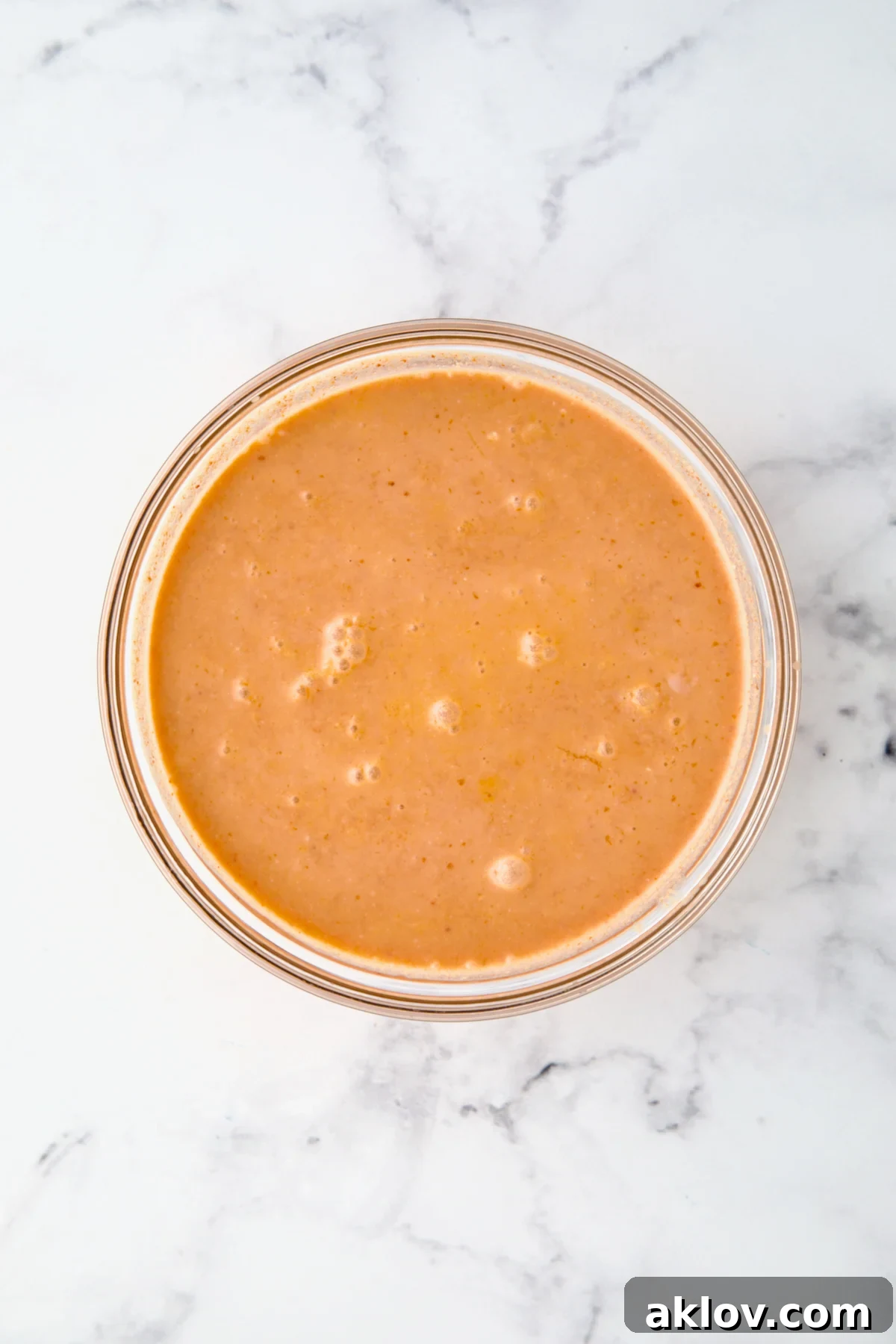
- Step 3: Craft the Curry Sauce. In a large mixing bowl, whisk together the full-fat coconut milk, the entire can of red curry paste, finely chopped fresh ginger, minced garlic, and the fish sauce until thoroughly combined and smooth. Ensure there are no lumps of curry paste. This mixture will become the aromatic base of your dish.
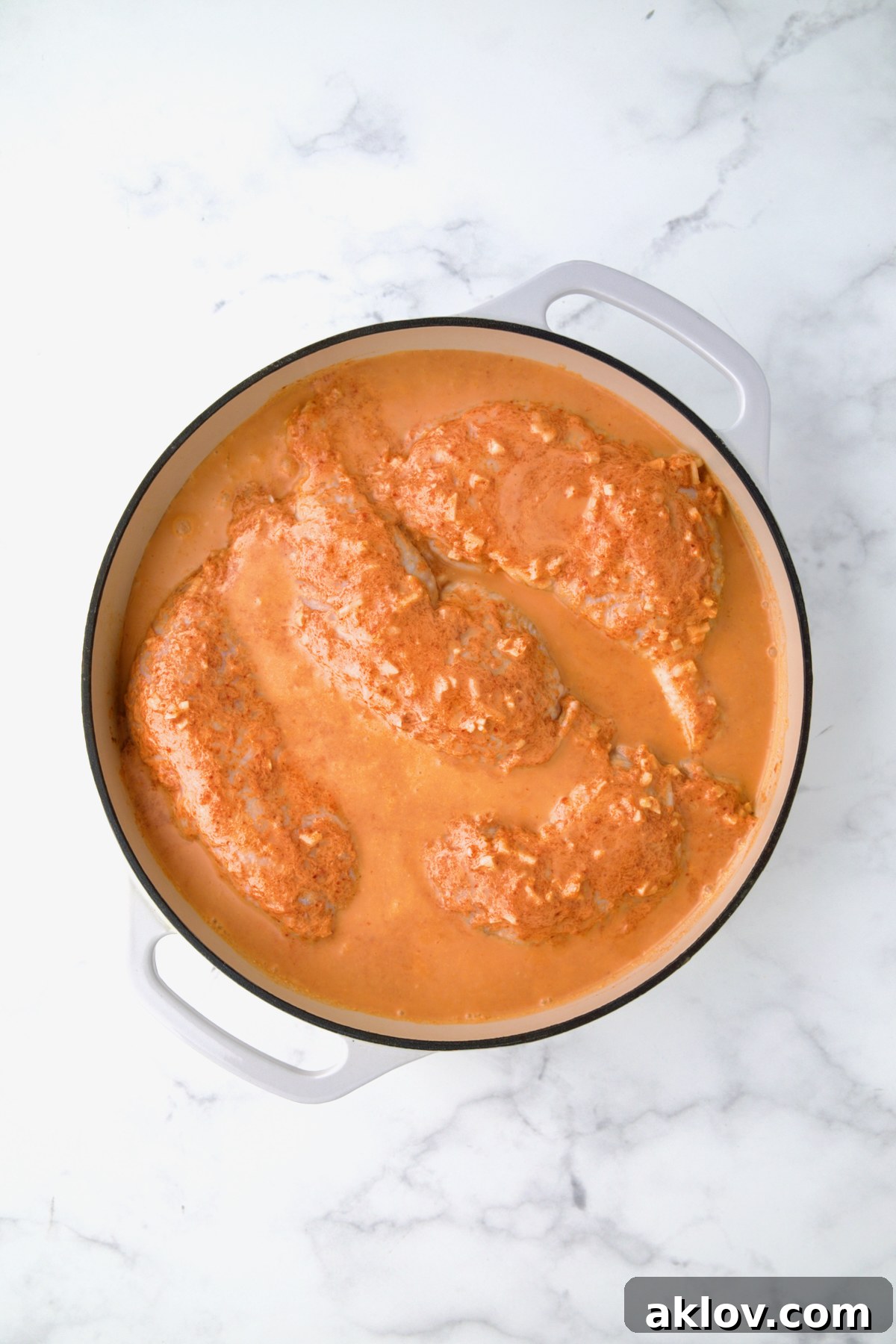
- Step 4: Arrange the Chicken. Carefully place the chicken legs in a single layer within a large, heavy roasting pan or an enameled cast iron skillet. Choose a pan that allows the chicken to fit snugly without overcrowding, ensuring even cooking and browning.
- Step 5: Bathe in Curry. Pour the prepared coconut curry sauce evenly over the chicken legs, making sure each piece is well-coated. For an enhanced flavor experience, consider an optional “brining” step: cover the pan and refrigerate the chicken in the sauce overnight. This allows the flavors to deeply penetrate the meat, resulting in an even more tender and aromatic dish. (Refer to the Chef Tips and Tricks section for more details on this technique.)
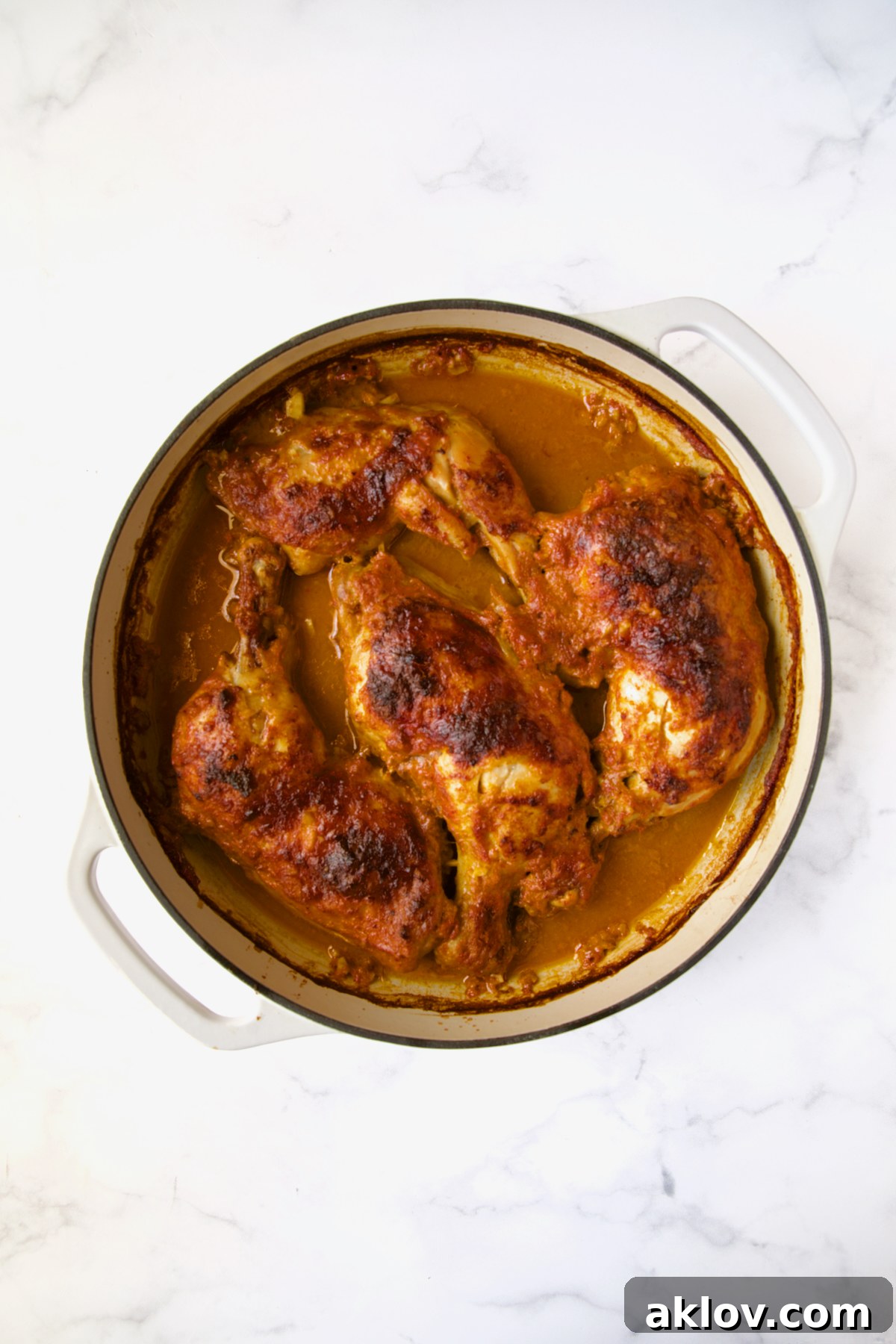
- Step 6: Bake to Perfection. Place the uncovered roasting pan or skillet into the preheated oven. Bake for approximately 60 to 75 minutes. During this time, occasionally spoon some of the rich liquid over the chicken to keep it moist and infuse more flavor. The chicken is perfectly cooked when an instant-read thermometer inserted into the thickest part of the thigh (without touching the bone) registers at least 165 degrees Fahrenheit (74 degrees Celsius). You’ll also notice the skin is beautifully browned and crisp, and the leg joint flexes easily, indicating tender meat.
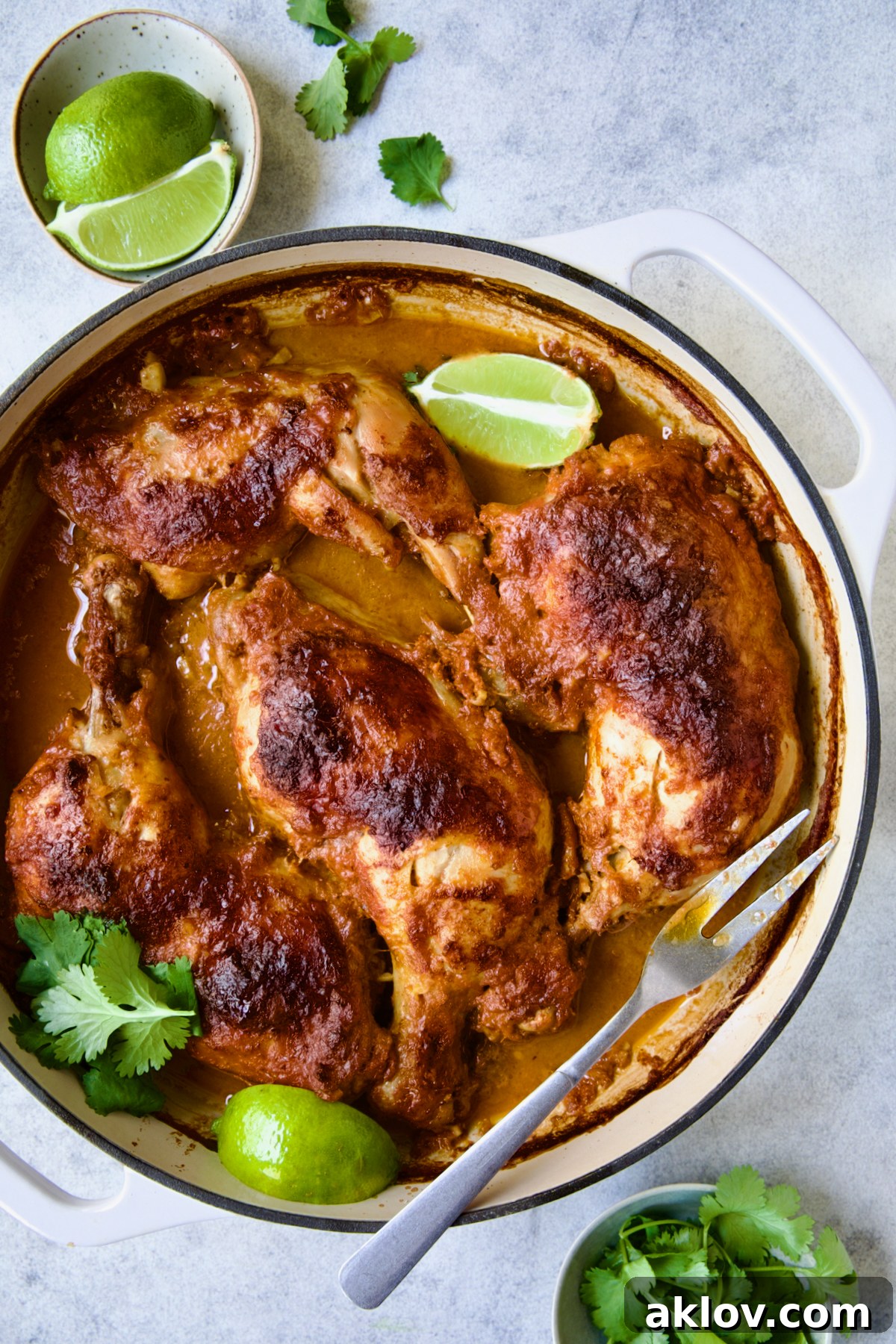
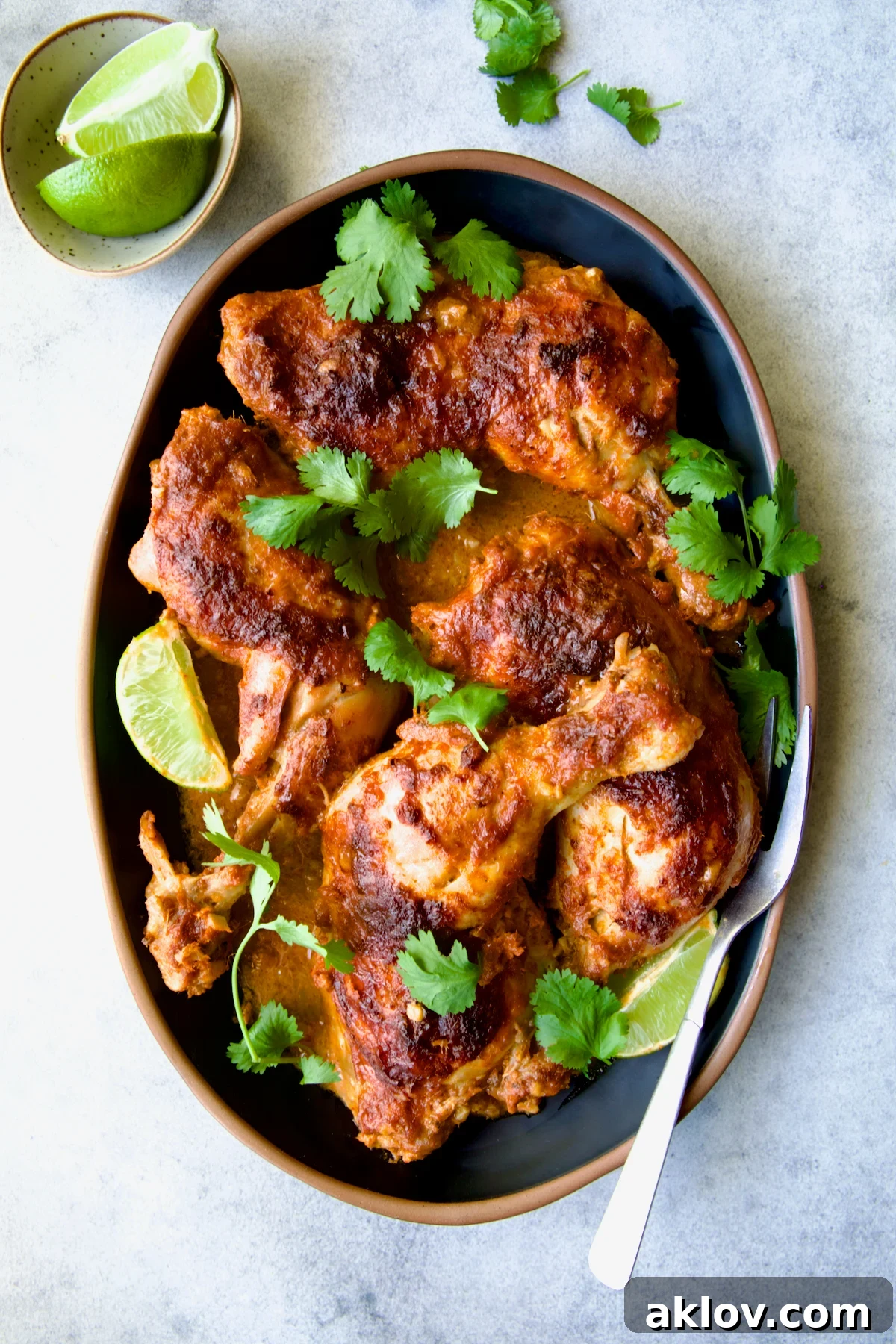
- Step 7: Garnish and Serve. Once cooked, remove the pan from the oven. Arrange the chicken legs on a serving platter, or serve directly from the skillet. Garnish generously with fresh lime wedges for a burst of acidity and vibrant cilantro sprigs for freshness and color.
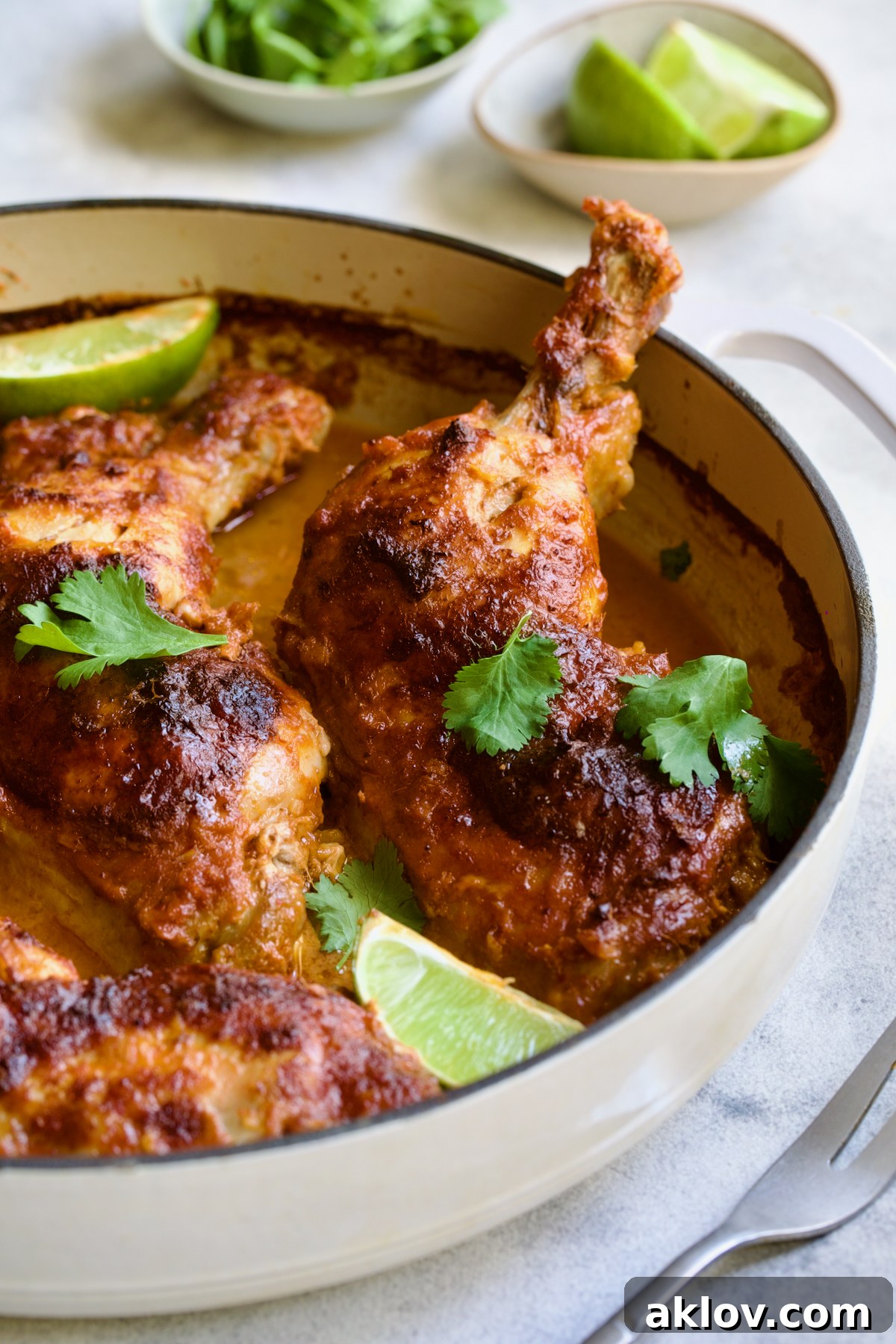
- Step 8: Savor the Flavor! Your exquisite Thai Red Curry Braised Chicken Legs are now ready to be enjoyed. This recipe truly is THAT easy, yet it delivers a complex and satisfying meal that will impress any palate.
Chef Tips and Tricks for Perfect Thai Red Curry Chicken Legs:
- Mind the Salt: When preparing the sauce for your braised chicken legs, you generally shouldn’t need to add any additional salt beyond what is already present in the red curry paste and the fish sauce. These two ingredients are quite potent in their sodium content, and adding more could easily make the dish overly salty. Always taste the sauce after combining all the ingredients, but before pouring it over the chicken, to assess its flavor balance. Adjust if absolutely necessary, but usually, it’s perfect as is.
- The Magic of an Overnight “Brine”: On one occasion, after combining the red curry sauce and pouring it over the chicken legs, an unexpected event required me to refrigerate the entire dish for braising the following day. To my delight, the chicken legs were perfectly “brined” in the flavorful coconut blend, which seemed to permeate the meat far more deeply than usual. This accidental discovery revealed a fantastic make-ahead strategy! So, don’t hesitate to prepare the chicken with the sauce a day in advance. Simply place the chicken legs in your roasting pan, pour the sauce over them, cover, and refrigerate overnight. This simple step can significantly enhance the tenderness and overall flavor of the final dish.
- Making it Heartier and More Nutritious: To transform this Thai Red Curry Chicken Legs recipe into an even more substantial and wholesome meal, consider adding an assortment of fresh vegetables. Sliced onions, colorful bell peppers (red, yellow, or orange), tender bamboo shoots, or snap peas are excellent choices. Add them to the roasting pan during the last 20-30 minutes of baking, ensuring they cook through but retain a slight crispness. This not only boosts the nutritional value but also adds vibrant color and varying textures to your dish.
- Achieving Extra Crispy Skin: If you desire an even crispier skin on your chicken legs, once they are fully cooked and the internal temperature has reached 165°F (74°C), you can briefly broil them. Carefully transfer the pan to the broiler, keeping a close eye on them, for 2-5 minutes, or until the skin reaches your desired level of crispness. Be very careful not to burn the sauce.
- Balancing Spice Levels: If you find the curry too spicy, you can temper the heat by adding a touch more coconut milk or a teaspoon of brown sugar to the sauce. Conversely, for those who love an extra kick, a few slices of fresh bird’s eye chilies added with the ginger and garlic will do the trick.
- Creative Leftovers: Cooked Thai Red Curry Chicken Legs are incredibly versatile. Shred the leftover chicken and use it in sandwiches, wraps, over noodles, or as a flavorful topping for salads. The rich curry sauce can also be reserved and used to flavor rice or other dishes.
Frequently Asked Questions About Thai Red Curry Chicken Legs:
Absolutely! Dark meat chicken is incredibly forgiving and reheats beautifully, often tasting even better the next day as the flavors meld. You have two excellent options for making this dish ahead:
–Option 1 (Prep Ahead): Prepare the sauce, pour it over the chicken legs in the roasting pan, cover it tightly, and refrigerate overnight. Then, simply bake it fresh the following day according to the recipe instructions.
–Option 2 (Cook Ahead and Reheat): Fully cook the Thai Red Curry Chicken Legs as directed. Once done, allow them to cool completely. Carefully transfer the chicken legs to an airtight container and refrigerate, reserving as much of the delicious sauce as possible in a separate container. When you’re ready to reheat, place the chicken in an oven preheated to 350 degrees Fahrenheit (175 degrees Celsius) and bake until an instant-read thermometer registers 165 degrees Fahrenheit (74 degrees Celsius) in the thickest part of the meat (avoiding the bone). Reheat the reserved sauce separately on the stovetop or in the microwave until warm, then drizzle generously over the chicken before serving. This method helps maintain the chicken’s texture.
You might have noticed after the initial cooking that a significant amount of the sauce evaporates, thickening and concentrating its flavors. If you reheat the chicken submerged in the sauce, the chicken skin may become soggy, and the sauce could reduce further, potentially becoming too thick or salty. Keeping them separate allows you to reheat the chicken for crispier skin and then add fresh, perfectly warmed sauce, maintaining the dish’s original appeal and texture. This ensures both components are at their best when serving.
While technically possible, I generally do not recommend using boneless, skinless chicken breasts for this particular braising method. The longer cooking time required for braising can easily cause chicken breasts to dry out and become tough, as they have less fat and no bone to keep them moist. Bone-in, split chicken breasts might work as an alternative, but I haven’t specifically tested this recipe with that cut. If you insist on using chicken breast, consider adjusting the cooking time significantly or adapting a different, faster cooking method more suitable for leaner cuts, such as pan-searing and then simmering briefly in the sauce.
Yes, absolutely! This recipe adapts well to stovetop cooking if you prefer not to use the oven. To prepare it on the stovetop: First, sear the chicken legs in 1-2 tablespoons of oil in a large, heavy-bottomed pot or Dutch oven over medium-high heat until the skin is golden brown and crispy on all sides. This step is crucial for flavor and texture. Once seared, add the whisked coconut milk curry mixture and any additional vegetables you might be using. Bring the sauce to a gentle simmer, then reduce the heat to low to medium-low, cover the pot, and let it simmer until the chicken is fully cooked through to at least 165 degrees Fahrenheit (74 degrees Celsius). Dark meat often benefits from cooking a little longer, to about 175-180 degrees Fahrenheit (79-82 degrees Celsius), which helps it become even more tender and ensures it comes off the bone easily. When there are about 15 minutes left in the cooking process, remove the lid to allow the sauce to simmer and reduce, thickening slightly and concentrating its flavors. Continue cooking until the chicken is done and the sauce has reached your desired consistency.
The spice level largely depends on the red curry paste you use. For a milder curry, start with half the recommended amount of curry paste and taste the sauce before adding more. You can also add a tablespoon of brown sugar to help balance the heat, or simply increase the amount of coconut milk. For those who love a fiery dish, use the full can of curry paste and consider adding 1-2 fresh bird’s eye chilies (minced) along with the ginger and garlic for an extra kick.
This rich and flavorful curry pairs beautifully with a variety of side dishes. Steamed jasmine rice is a classic choice, perfect for soaking up the delicious sauce. For a healthier, low-carb option, cauliflower rice is excellent. Other great accompaniments include steamed or stir-fried green vegetables like broccoli, bok choy, or green beans. A simple cucumber salad or a side of naan bread can also complement the meal wonderfully, adding texture and freshness.
Proper Storage & Reheating for Thai Red Curry Chicken Legs:
Ensuring your delicious leftovers are stored and reheated correctly is key to enjoying them for days to come.
- Refrigeration: Store any leftover braised chicken legs and the accompanying sauce in separate, airtight containers in the refrigerator. Properly stored, they will remain fresh and delicious for up to five days. This separation helps maintain the texture of the chicken, especially the skin.
- Reheating: To reheat, preheat your oven to 350 degrees Fahrenheit (175 degrees Celsius). Place the chicken legs on a baking sheet or in an oven-safe dish. Reheat until the internal temperature of the chicken reaches 165 degrees Fahrenheit (74 degrees Celsius) in the center, ensuring it’s thoroughly warmed. Meanwhile, gently warm the reserved sauce in a small saucepan on the stovetop over low heat, or in the microwave, until hot. Drizzle the warm sauce over the reheated chicken before serving to restore its creamy richness and flavor. This method prevents the chicken from drying out and keeps the skin from becoming soggy.
Enhance Your Meal: What to Serve with These Braised Chicken Legs
These flavorful Thai Red Curry Chicken Legs pair wonderfully with a variety of side dishes, complementing their rich and aromatic profile. Consider these delicious options:
- Thai Red Curry Sweet Potato Lentil Soup: A hearty and flavorful soup that shares similar aromatic notes, perfect for a complete Thai-inspired feast.
- Thai Sesame Noodles with Tofu and Vegetables: A refreshing and savory noodle dish that offers a delightful contrast in texture and flavor.
- Cold Thai Cucumber Avocado Soup with Cucumber Relish: A cool and creamy soup that provides a refreshing balance to the rich curry.
- Fluffy Jasmine Rice: The ultimate classic accompaniment, perfect for soaking up every drop of the luscious curry sauce.
- Steamed Green Beans or Broccoli: Simple, crisp vegetables add a fresh bite and a touch of green to your plate.
Discover More Delicious & Easy Chicken Recipes!
If you loved the simplicity and flavor of this chicken leg recipe, you’re in for a treat! Explore more effortless and delicious chicken dishes that are perfect for any occasion:
- Baked BBQ Chicken Thighs: A timeless favorite, delivering smoky, sweet, and tangy flavors with minimal fuss.
- Southwestern Chicken Skillet: A vibrant, one-pan meal bursting with bold Tex-Mex flavors.
- Easy Skillet Mediterranean Chicken: A light and healthy option featuring sun-drenched Mediterranean ingredients.
- Chicken Pinot Noir with Wild Mushrooms and Fresh Basil: An elegant yet straightforward dish perfect for a cozy dinner.
Find a treasure trove of inspiring chicken recipes to add to your repertoire at Chicken Recipes – From A Chef’s Kitchen.

Thai Red Curry Chicken Legs
Carol | From A Chef’s Kitchen
10 mins
1 hr 20 mins
1 hr 30 mins
4
Equipment
-
Wusthof Chef Knife
-
Cutting Board
-
Glass Mixing Bowls
-
Enameled Cast Iron Skillet
Ingredients
- 1 can (13.5-ounce) coconut milk, unsweetened, preferably full-fat
- 1 can (4-ounce) red curry paste
- 1 piece (2-inch) fresh ginger, peeled and finely chopped
- 8 cloves garlic, finely chopped
- 2 teaspoon fish sauce
- 4 whole chicken legs (thigh and drumstick), (3 to 3 1/2 pounds)
- Lime wedges, for serving
- Cilantro sprigs, for garnish
Instructions
- Place a rack in the center of the oven; preheat to 400 degrees.
- Whisk together coconut milk, red curry paste, ginger, garlic, and fish sauce.
- Place the chicken legs in a large, heavy roasting pan or enameled cast iron skillet.
- Pour it over the chicken legs. OPTIONAL: Place in the refrigerator and let it “brine” overnight.
- Place in the oven and bake uncovered for 60-75 minutes, occasionally spooning some liquid over, until the chicken is cooked throughout to at least 165 degrees, the skin is browned, and the joint flexes easily.
- Serve with lime wedges and garnish with cilantro sprigs.
Notes
SUBSTITUTIONS:
- You can use all chicken thighs or all drumsticks.
TIP:
- Add sliced onion and colorful bell peppers to make this Thai Red Curry Chicken Legs recipe more hearty.
MAKE AHEAD:
- You can do it two ways:
- Prep, pour the sauce over, and refrigerate to braise later.
- If you want to make and reheat it, cool the Thai Red Curry Chicken Legs, then refrigerate, reserving as much sauce as possible, keeping it separate from the chicken. Then, reheat at 350 degrees until an instant-read thermometer registers 165 degrees without touching the bone. Reheat the sauce separately in the microwave or the stovetop, then drizzle around the chicken.
STOVETOP INSTRUCTIONS:
- Sear the chicken legs in 1-2 tablespoons of oil, then add the remaining ingredients. Simmer covered on low to medium-low until the chicken is fully cooked through to at least 165 degrees. Sometimes, dark meat should go a little longer (to 175-180 degrees) so it comes off the bone more easily. When there are about 15 minutes left, remove the lid and let the sauce simmer and reduce.
Nutrition
Serving: 1
Calories: 327kcal
Carbohydrates: 3g
Protein: 24g
Fat: 24g
Saturated Fat: 7g
Polyunsaturated Fat: 5g
Monounsaturated Fat: 10g
Trans Fat: 0.1g
Cholesterol: 142mg
Sodium: 348mg
Potassium: 331mg
Fiber: 0.1g
Sugar: 0.2g
Vitamin A: 153IU
Vitamin C: 2mg
Calcium: 24mg
Iron: 1mg
Nutritional values are automatically calculated using unbranded products and are estimates only. Actual results may vary based on ingredients used and portion sizes. Adjust as needed for dietary restrictions, allergies, or health concerns.
 Like this? Leave a comment below!