
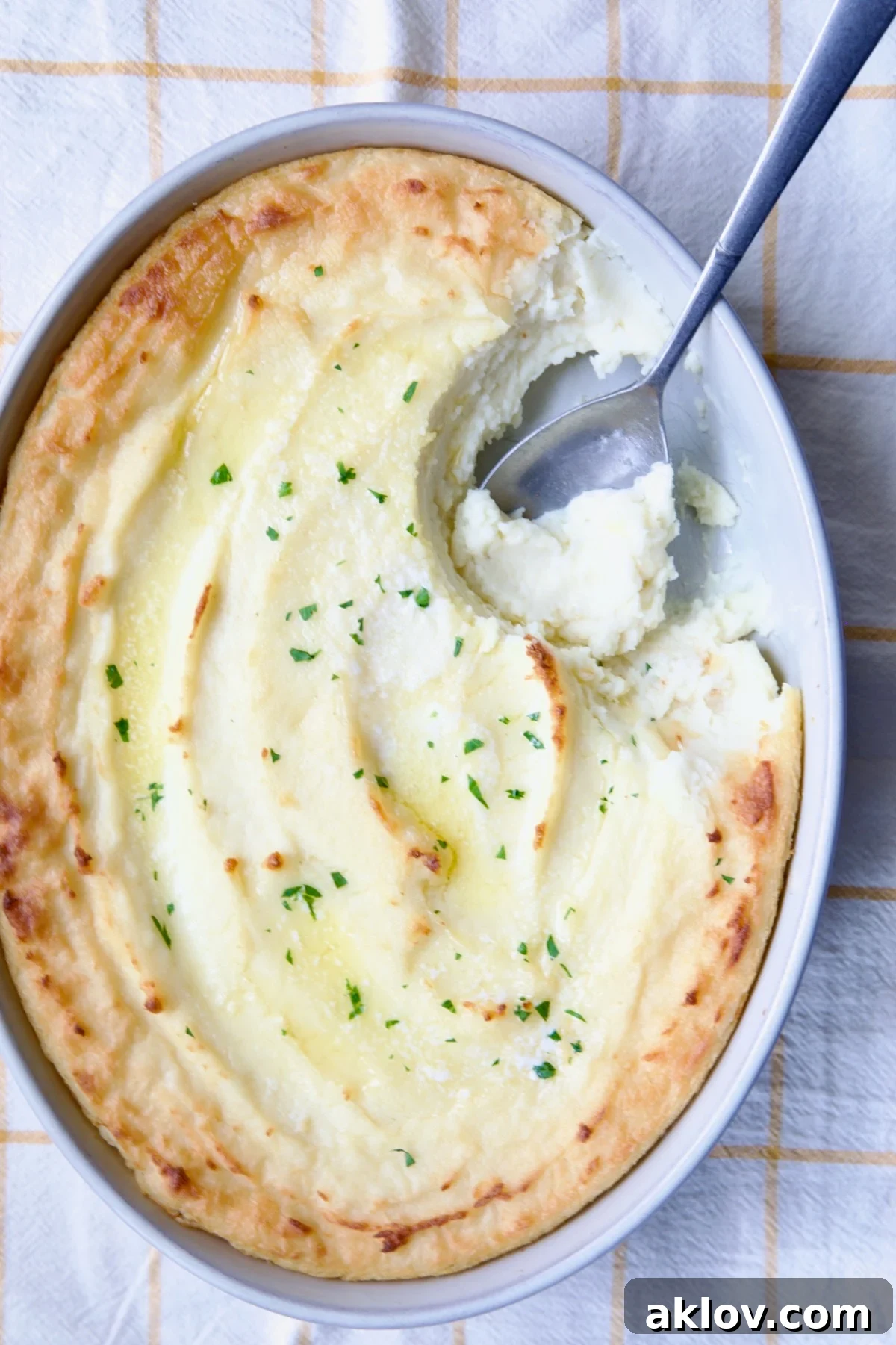
Welcome to my kitchen, where I’m excited to share a treasured secret from my two decades as a personal chef: the art of creating the most exquisite Twice-Baked Mashed Potatoes. This isn’t just any mashed potato recipe; it’s a meticulously developed method for crafting a side dish that’s smooth, creamy, subtly cheesy, rich with garlic, and boasts a delightful hint of tang, all while remaining incredibly light and fluffy. The best part? This recipe is designed to be made ahead, eliminating any last-minute mashing chaos as you juggle other dishes, making it the perfect companion for grand holiday feasts or intimate dinner parties. Imagine serving a perfect side that reheats beautifully, maintaining its ethereal texture and robust flavor, ready to elevate dishes like hearty Beef Braciole, savory Italian Pot Roast, or comforting Meatloaf Muffins.
“These mashed potatoes were a godsend this Thanksgiving. I’ve been taking them off the menu because it’s just too many sides to deal with. … I made this two days in advance and it couldn’t have been more delicious.”
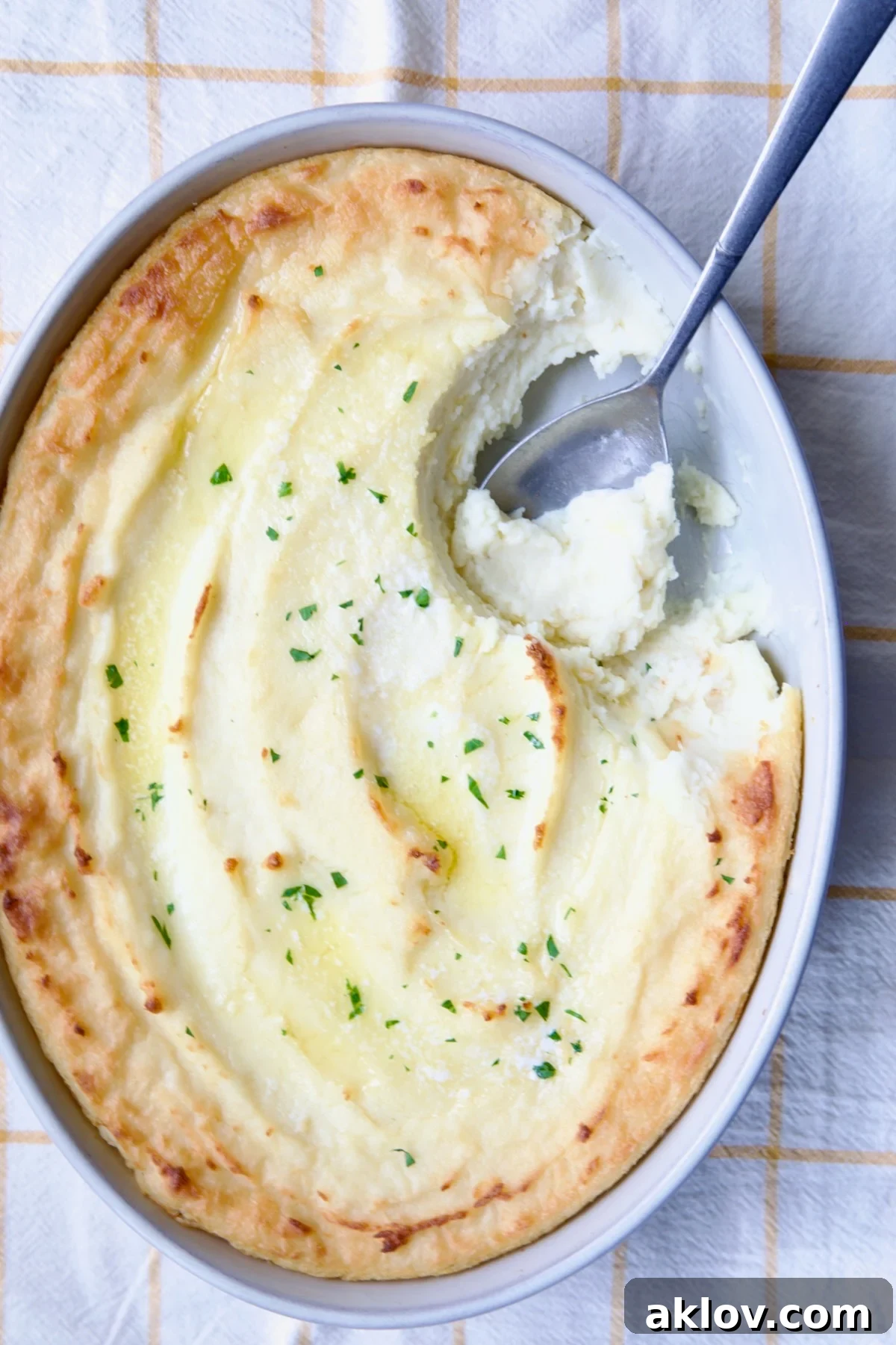
Why These Twice-Baked Mashed Potatoes Are Your New Favorite Side
These Twice-Baked Mashed Potatoes are truly a revelation, a testament to culinary finesse and practical efficiency. Developed and perfected over my 22-year career as a personal chef, this recipe has been rigorously tested and consistently praised by clients seeking both indulgence and convenience. They offer an ideal balance – feeling remarkably special and elevated without demanding intricate techniques or excessive fuss. This mashed potato casserole stands out for numerous compelling reasons, making it a guaranteed keeper in your recipe repertoire.
- The Ultimate Make-Ahead Marvel: One of the most significant advantages of this recipe is its make-ahead capability. You can prepare these potatoes up to two days before your event, refrigerate them, and then simply pop them into the oven when you’re ready to serve. This frees you from the last-minute scramble, allowing you to focus on other aspects of your meal or enjoy your guests. Alternatively, prepare them on the day and keep them warm and ready in a slow cooker for up to two hours, ensuring perfectly hot, fluffy mashed potatoes without stress.
- Endlessly Versatile: The foundational creaminess of this mashed potato casserole provides a blank canvas for customization. Easily adapt it to complement any meal by stirring in a variety of ingredients. Imagine adding sharp cheddar for a comforting classic, fresh chives for a delicate oniony note, roasted garlic for deep, mellow sweetness, or caramelized onions for a rich, savory depth. From tangy blue cheese to herbaceous rosemary, the possibilities are only limited by your imagination and the flavor profile of your main course.
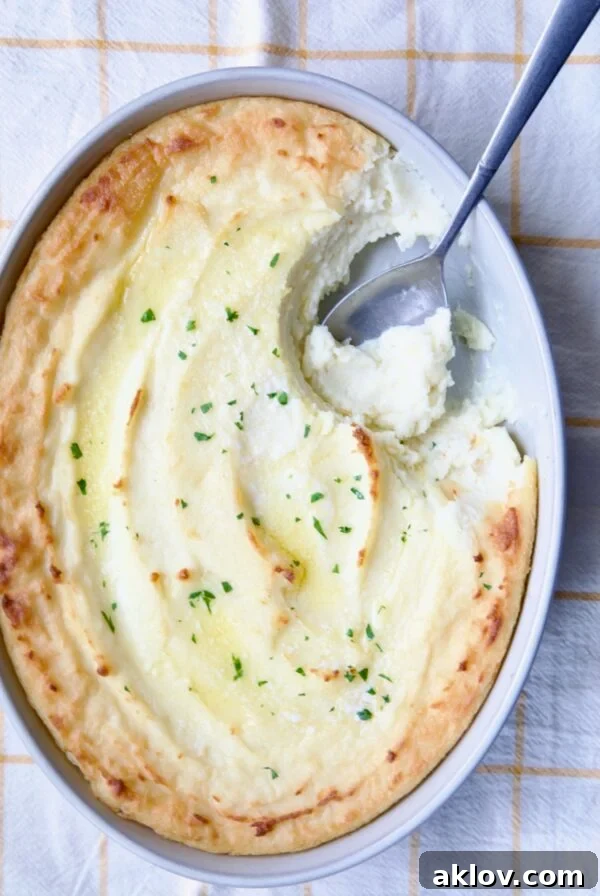
- Effortlessly Impressive: Despite their sophisticated appearance and gourmet taste, these Twice-Baked Mashed Potatoes are surprisingly simple to execute. The “twice-baked” method creates a beautiful golden crust and a soufflé-like interior that will impress your family and guests, all while following a straightforward and reliable process that ensures consistent perfection every time.
- Guaranteed Lumps-Free Smoothness: The secret to achieving an impeccably smooth and uniform texture lies in using a potato ricer. This essential tool gently processes the cooked potatoes, breaking them down into fine, even strands without overworking the starch, which is often the culprit behind gummy mashed potatoes. Say goodbye to frustrating lumps and hello to velvety perfection.
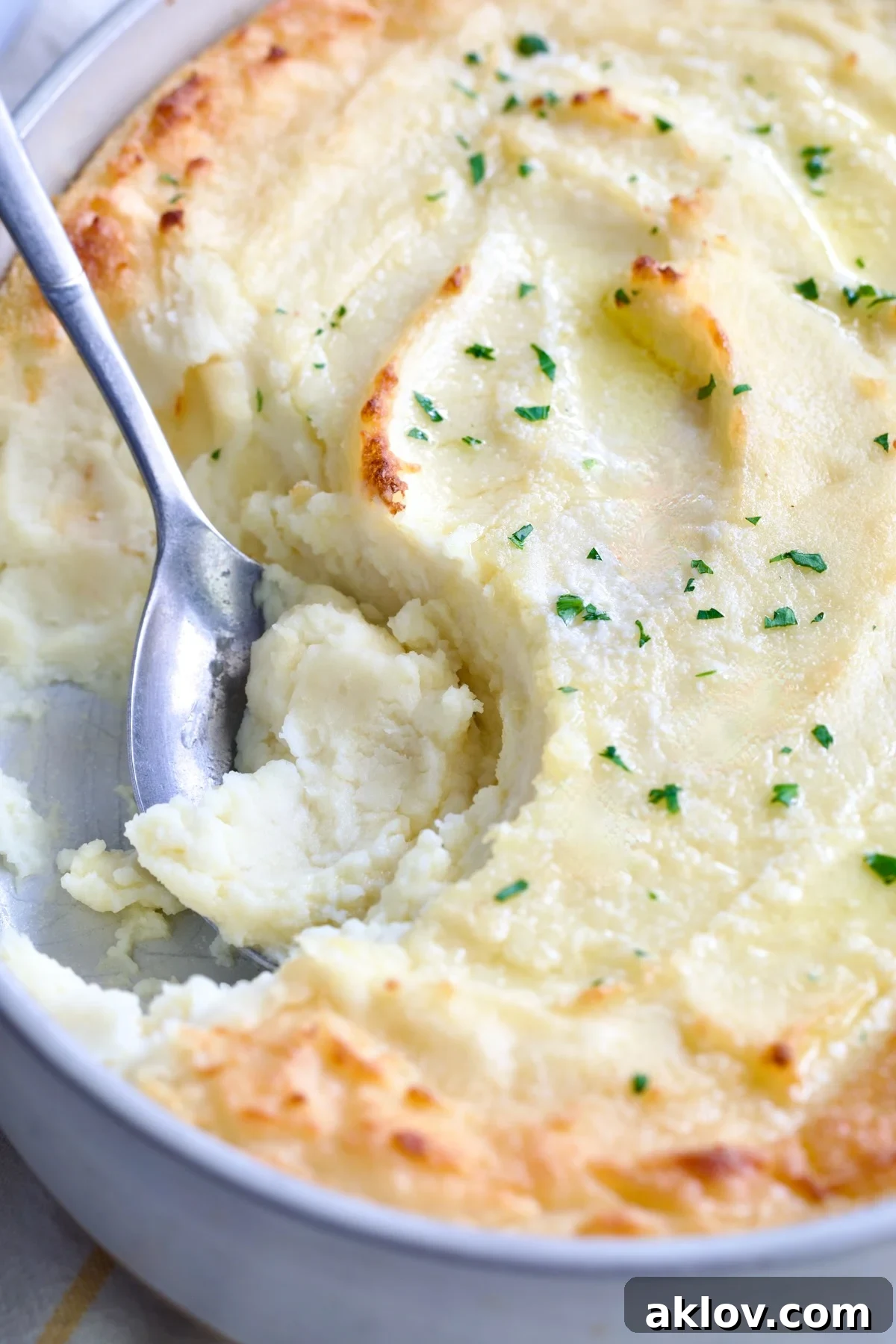
- Exquisitely Light, Fluffy, and Crispy: The unique combination of minimal stirring, careful processing, and the double-baking technique contributes to an extraordinary texture. The initial gentle handling prevents the potatoes from becoming dense, while the second bake in the oven creates a light, airy, almost soufflé-like consistency on the inside and irresistible golden, slightly crispy edges that everyone will eagerly vie for.
- Beyond Delicious – Gravy Optional: These mashed potatoes are so rich in flavor – subtly cheesy, garlicky, and tangy – that they can truly stand on their own. Their creamy texture and well-rounded taste often mean gravy becomes an optional indulgence rather than a necessity. However, if you’re a gravy enthusiast, be sure to pair them with my foolproof No-Drippings Gravy for an unforgettable experience.
In essence, these Twice-Baked Mashed Potatoes check every box: they’re dependable, brilliantly make-ahead friendly, and undeniably delicious. Once you experience the convenience and superior taste of this mashed potato casserole, you’ll find it hard to return to traditional mashed potato methods. Prepare for them to disappear fast!
Crafting Culinary Excellence: How to Make Twice-Baked Mashed Potatoes
Essential Ingredients for Flawless Mashed Potatoes:
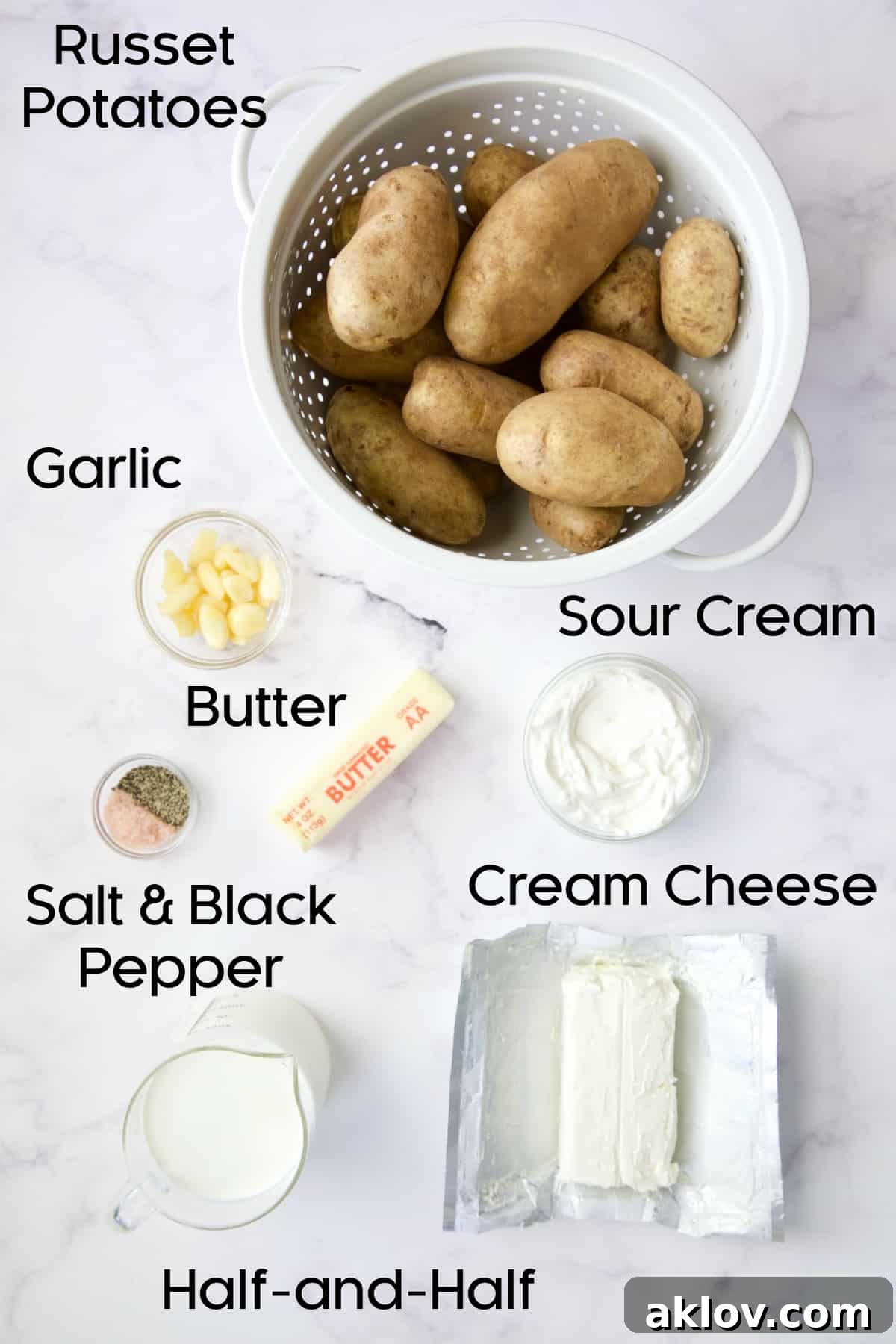
Success in the kitchen often begins with high-quality ingredients. Here’s a detailed look at everything you’ll need to create this exceptional twice-baked mashed potato recipe, ensuring that each component plays its vital role in achieving culinary perfection. For precise measurements, please refer to the comprehensive recipe card provided below.
Ingredient Spotlights & Expert Substitutions:
- Russet Potatoes: My top recommendation for the ultimate mashed potato texture is Russet potatoes. Their high starch content is key to achieving that desirable light and fluffy consistency. When cooked and riced, Russets break down beautifully without becoming gluey. While Yukon Gold or red potatoes can be used, their waxier texture means they contain more moisture and less starch, which can unfortunately lead to a gummier result if over-processed. Stick with Russets for the best outcome.
- Garlic: Fresh garlic is undoubtedly superior, infusing the potatoes with a pungent yet sweet depth of flavor that can’t be replicated. For convenience in a pinch, you can substitute a little garlic powder stirred into the melted butter, but the vibrant taste of fresh cloves boiled with the potatoes is truly unmatched.
- Unsalted Butter: I always opt for unsalted butter in my cooking. This choice gives you complete control over the seasoning of your dish, allowing you to adjust the salt levels precisely to your taste and avoid any unwanted brininess. The richness of good quality butter is fundamental to the luxurious feel of these mashed potatoes.
- Sour Cream: Full-fat sour cream contributes a wonderful tang and richness that balances the other creamy elements. It adds depth and a slight tartness that brightens the overall flavor profile. While light sour cream can be used as a healthier alternative, be aware that it may result in a slightly less rich and creamy texture.
- Cream Cheese: Cream cheese is the secret weapon for ultimate creaminess and stability, ensuring your mashed potatoes reheat beautifully without losing their luxurious texture. Like sour cream, full-fat cream cheese (such as Philadelphia cream cheese) is preferred for its superior texture and flavor. If you’re looking to lighten the dish, Neufchâtel cheese (light cream cheese) works well. Remember to let it soften to room temperature before incorporating it into the potatoes for a smooth, lump-free blend.
- Half-and-Half: This dairy staple, a perfect blend of half cream and half whole milk, provides the ideal richness and liquid content for these mashed potatoes. It creates a velvety consistency without being overly heavy, striking a perfect balance between decadent and delicate. It’s also often a pantry staple for many, including myself, as it’s what I use in my coffee.
Mastering the Process: Step-By-Step Instructions:
Follow these detailed steps to achieve perfect, fluffy, and flavor-packed Twice-Baked Mashed Potatoes every time. Precision and timely execution are key to their superior texture.
- Begin by gathering and precisely measuring all your ingredients. This mise en place ensures a smooth and efficient cooking process.
- Lightly spray a 13 x 9-inch baking dish or two smaller oven-safe dishes with cooking spray. This prevents sticking and aids in easy serving later.
- To prevent peeled potatoes from discoloring, fill a large pot with enough cold water to just cover the potatoes. You can adjust the water level after adding the potatoes.
- Peel the potatoes thoroughly, rinse them under cold water to ensure they are clean, then cut them into uniform 1 to 1½-inch chunks. Place the cut potatoes directly into the cold water. Starting with cold water allows the potatoes to cook evenly from the outside in, preventing mushy exteriors and undercooked centers.
- Add 8 to 10 peeled cloves of fresh garlic to the pot with the potatoes, along with a generous tablespoon of salt. This seasons the potatoes from the start and infuses them with a foundational garlic flavor.
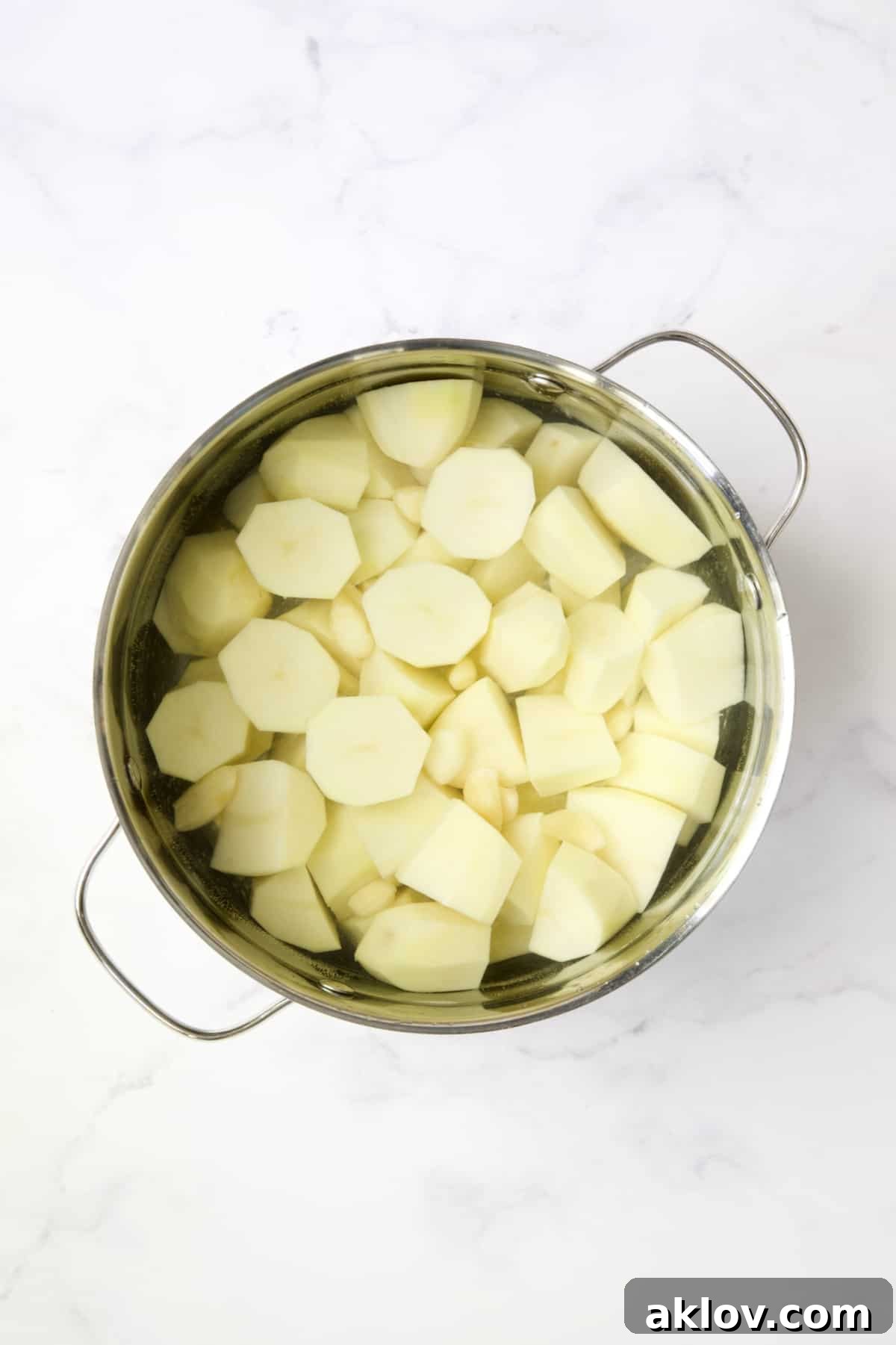
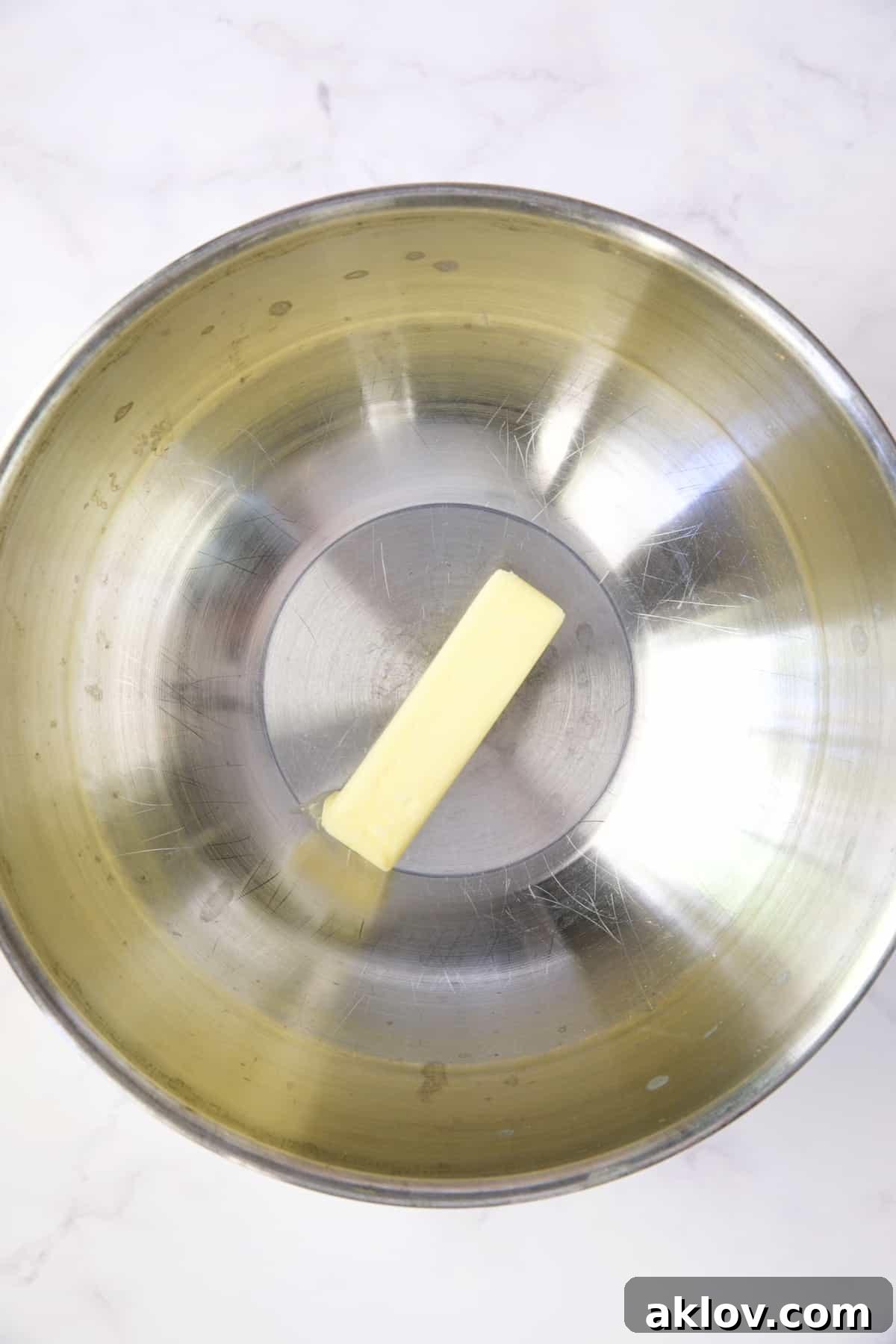
- Place the pot with the potatoes on the stove over HIGH heat. Simultaneously, place an entire stick of unsalted butter in a heat-safe stainless steel bowl and set this bowl directly over the pot of potatoes. The steam from the boiling potatoes will gently melt the butter.
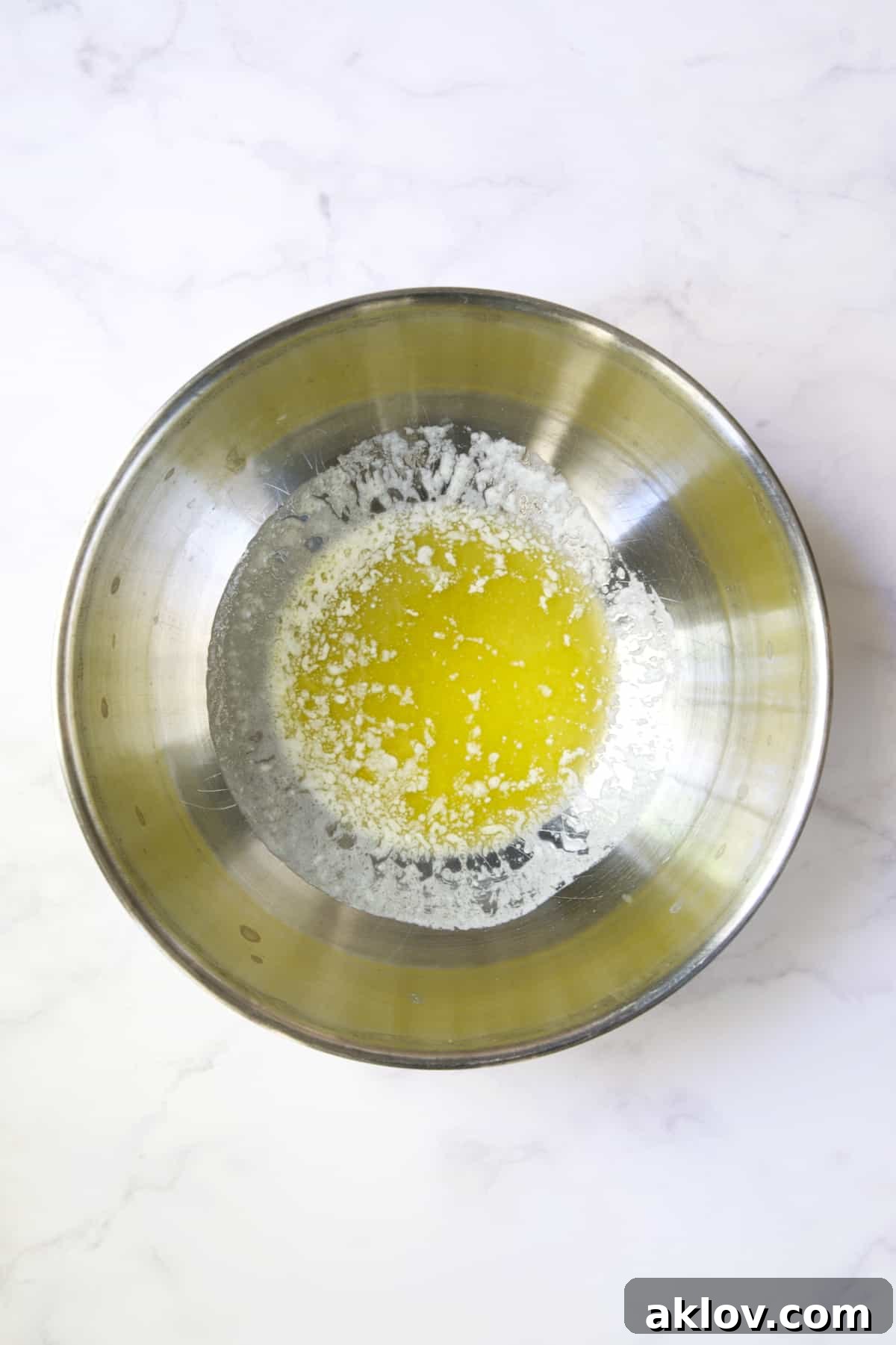
- Crucially, keep a close eye on the butter! Remove the bowl from the top of the pot as soon as the butter is completely melted or nearly melted. Do not allow the pot to boil over while the butter is melting. Once removed, add 1 teaspoon of salt to the melted butter and set it aside to cool slightly. This salted melted butter will be incorporated into the riced potatoes. (Alternatively, you can melt the butter in a small saucepan and set aside.)
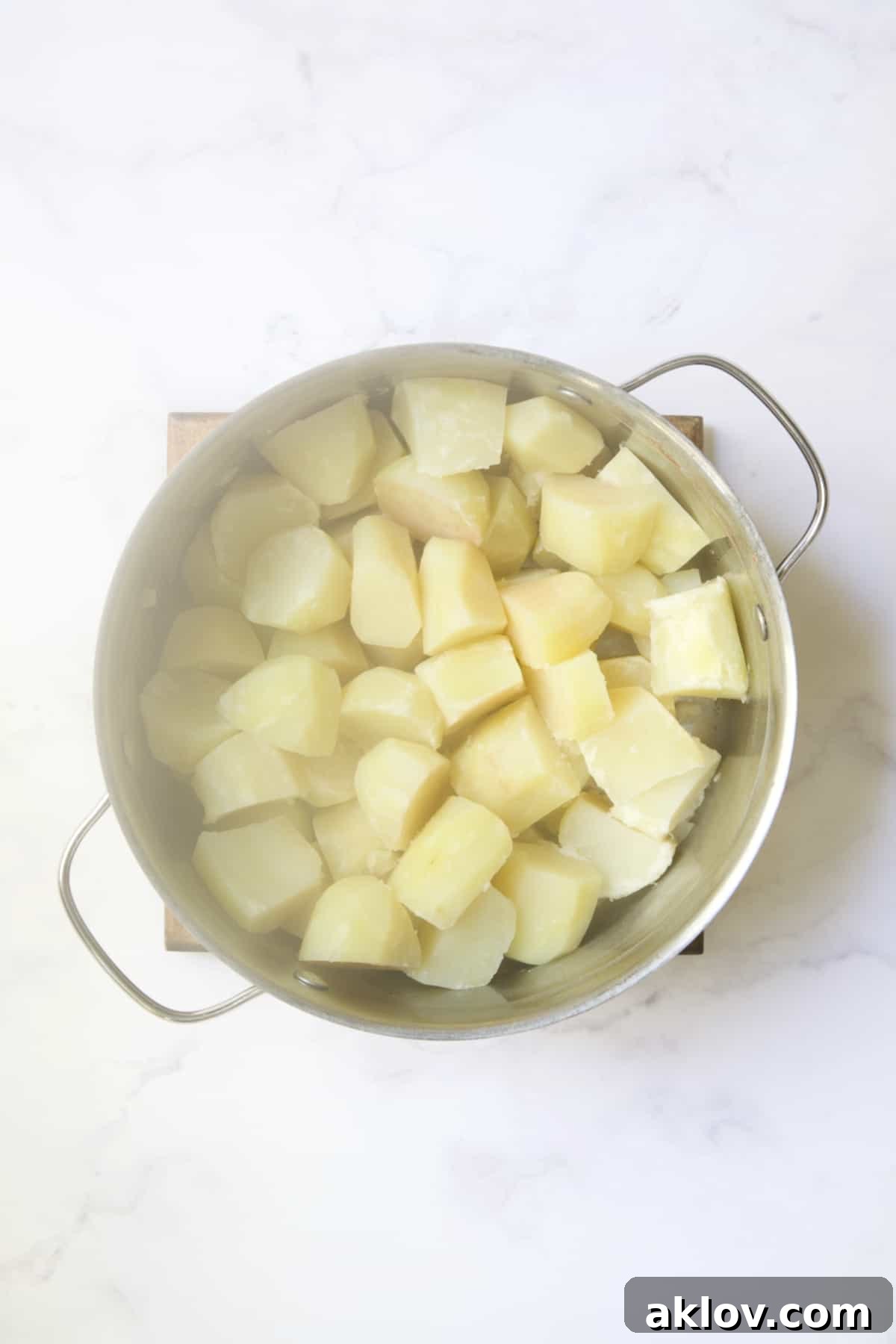
- Continue to cook the potatoes, uncovered, until they are fork-tender and can be easily pierced with a paring knife. Do not overcook, as this can lead to a watery texture.
- Drain the cooked potatoes and garlic thoroughly in a colander. Then, return the empty pot to the hot burner (which is now turned off) for a minute or two. Add the drained potatoes back into the warm pot and allow any residual water to steam away. You’ll notice the edges of the potatoes looking slightly whiter and drier. This crucial step helps to eliminate excess moisture, which is vital for fluffy mashed potatoes.
- Working swiftly while the potatoes and garlic are still hot and steaming, begin pushing them through a potato ricer directly into the bowl of melted, salted butter. The heat of the potatoes is essential for optimal texture. (Wearing disposable gloves can greatly assist in handling the hot potatoes.)
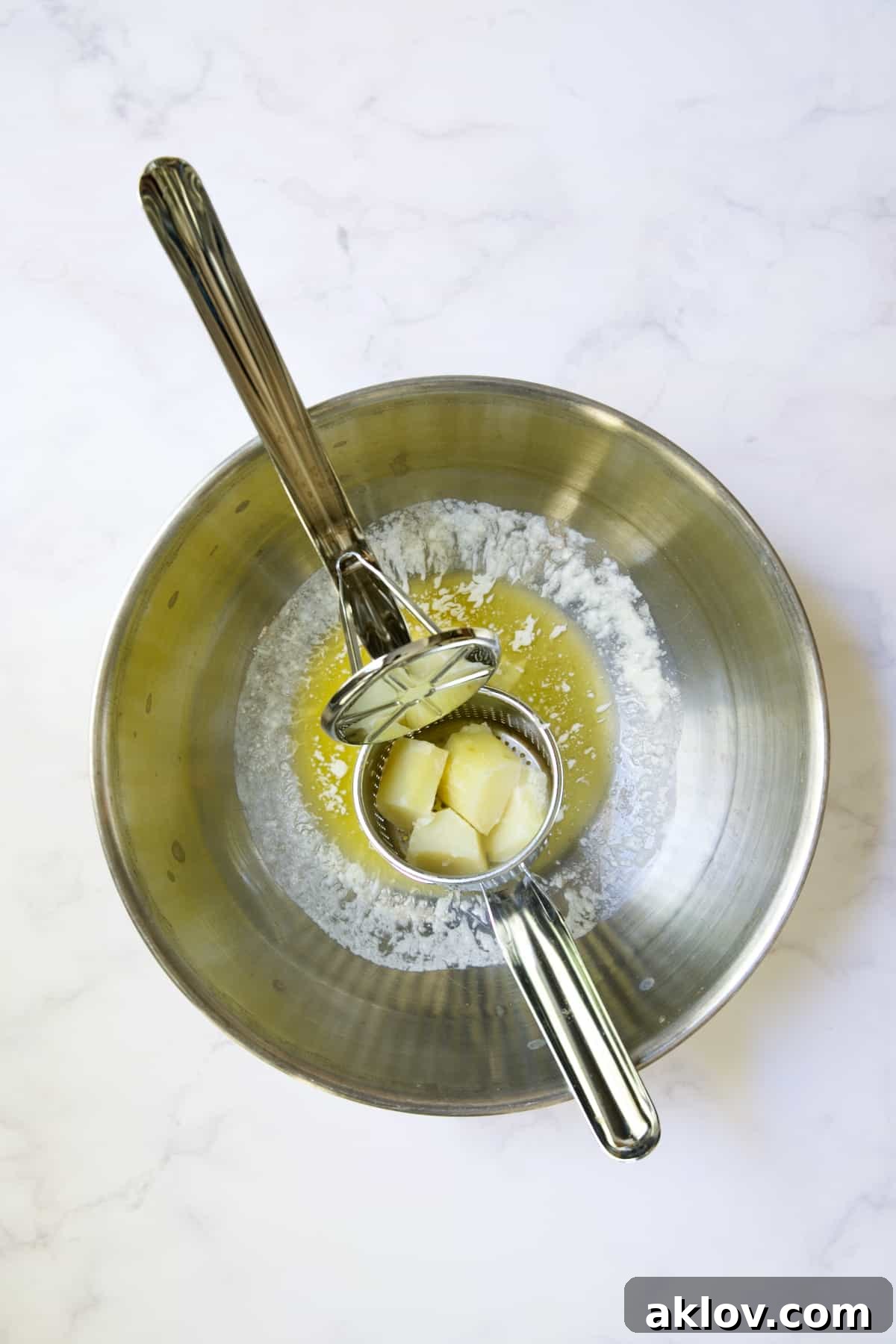
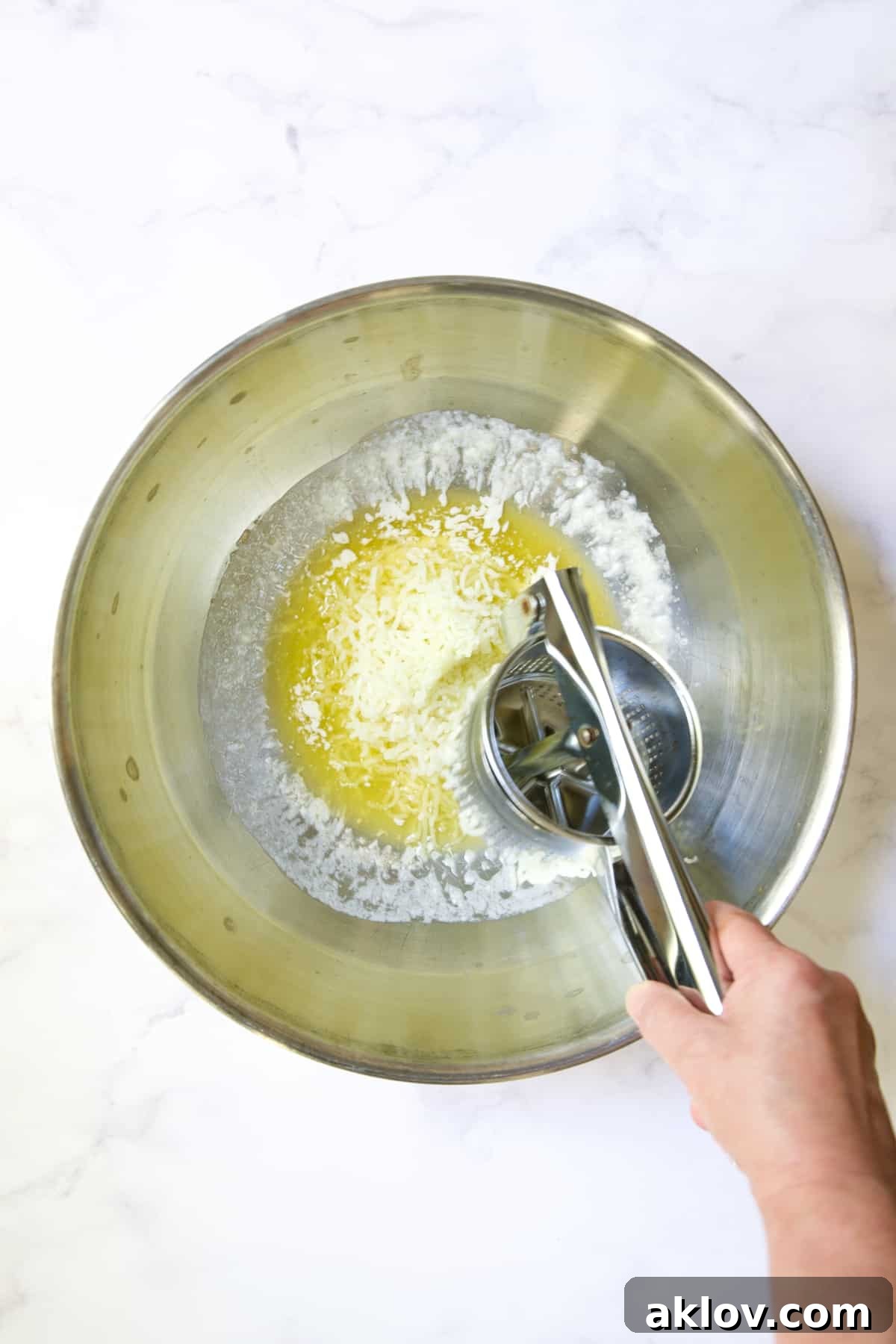
- Continue this process until all the potatoes and garlic have been “riced.”
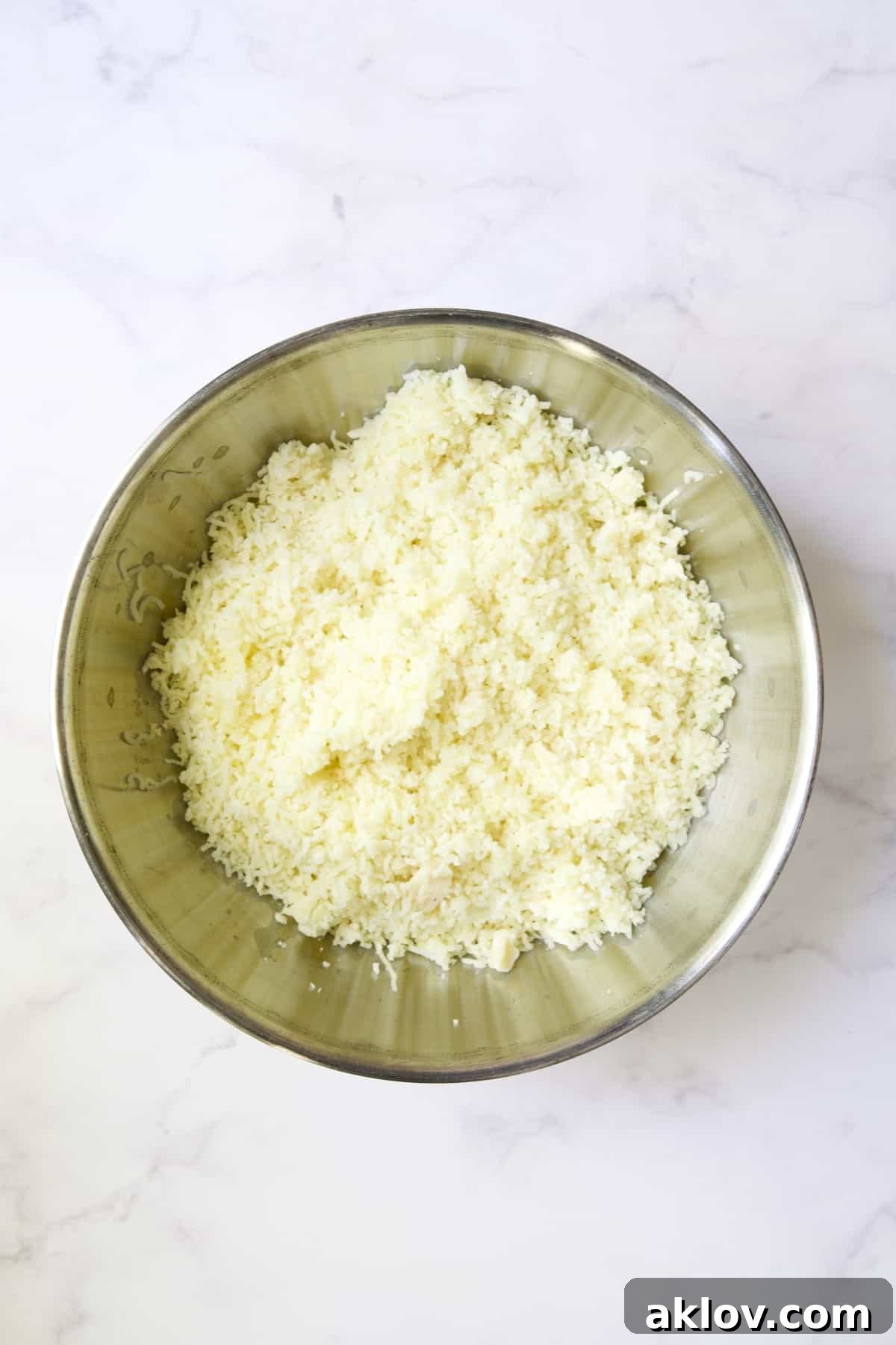
- Maintain your quick pace to ensure the potatoes don’t cool excessively, which could result in a denser texture.
- Immediately stir the riced potatoes to evenly incorporate and distribute the melted butter throughout. This initial butter coating helps prevent the starch from absorbing too much liquid later, a key to avoiding gluey mashed potatoes.
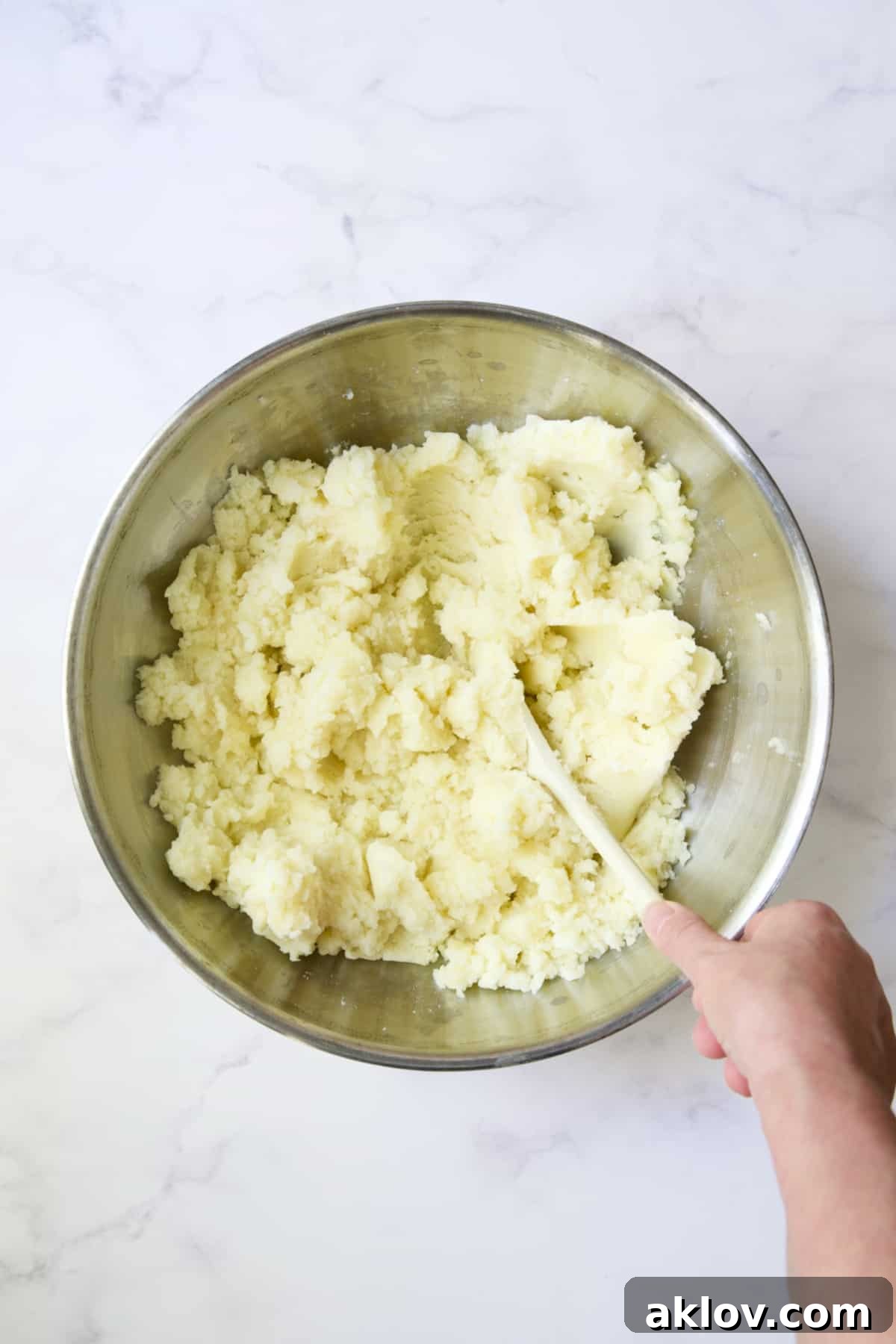
- Push the butter-coated potatoes to one side of the large bowl, creating space on the other side.
- In the empty half of the bowl, place the room-temperature cream cheese, sour cream, and half-and-half.
- Using an immersion blender, carefully puree this dairy mixture until it is completely smooth and lump-free, making sure to avoid blending the potatoes. Blending the potatoes at this stage with an immersion blender or hand mixer can activate too much starch, leading to a gummy consistency. A hand mixer can also be used for the dairy, though it may take a bit longer to achieve perfect smoothness. (This “one-bowl” method is a professional chef’s trick to minimize cleanup, but you can certainly blend the dairy in a separate bowl if preferred.)
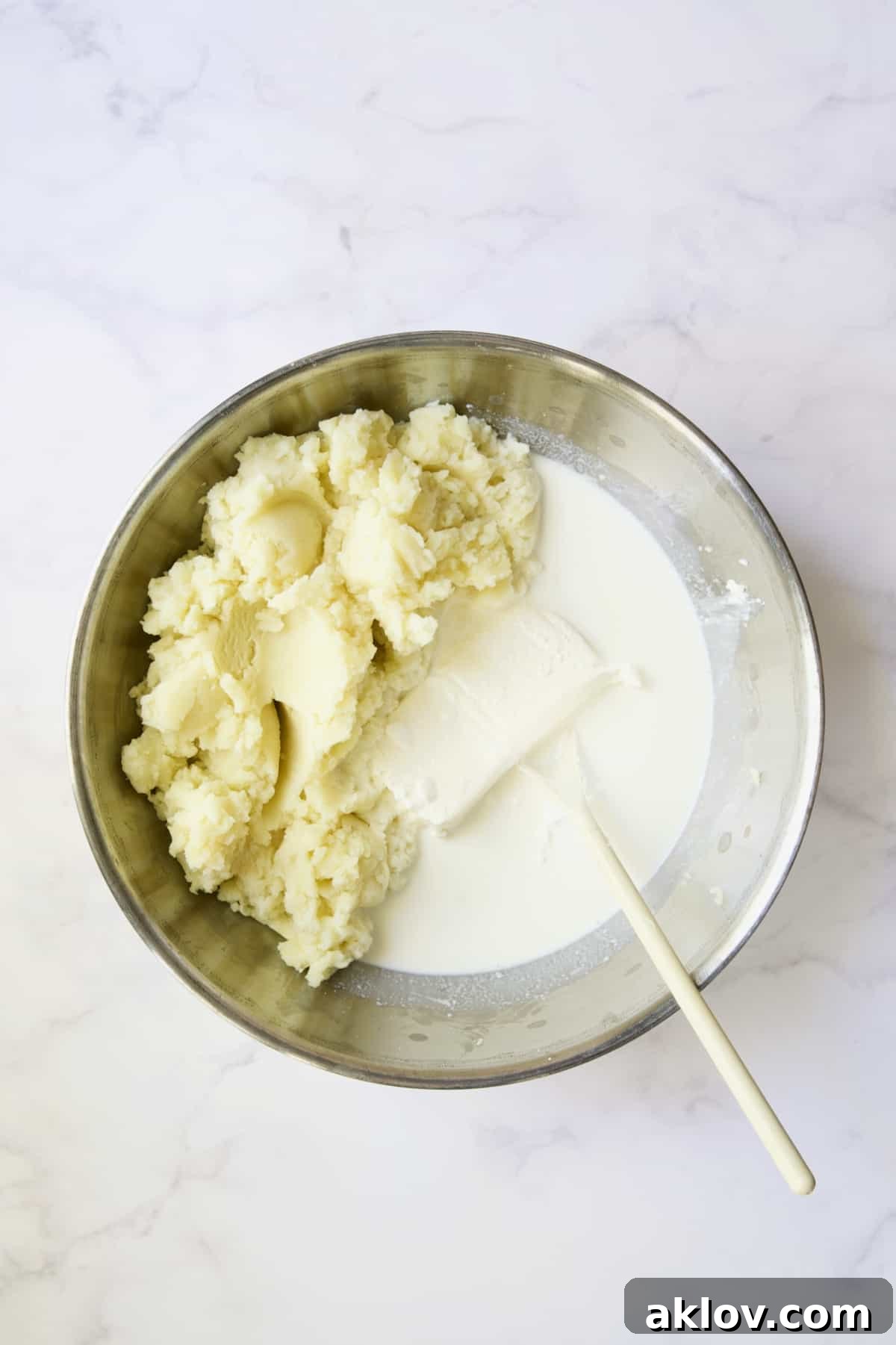
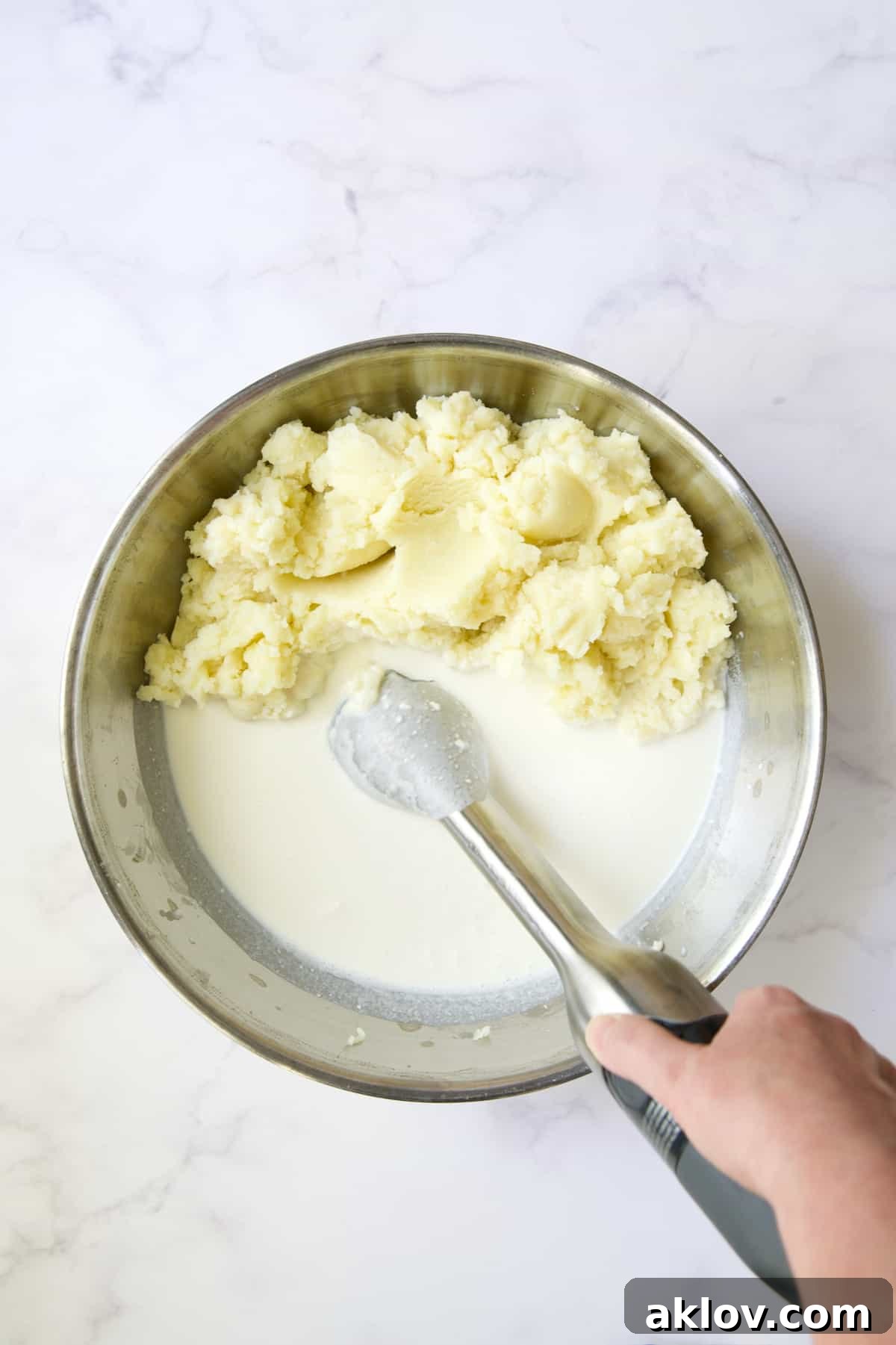
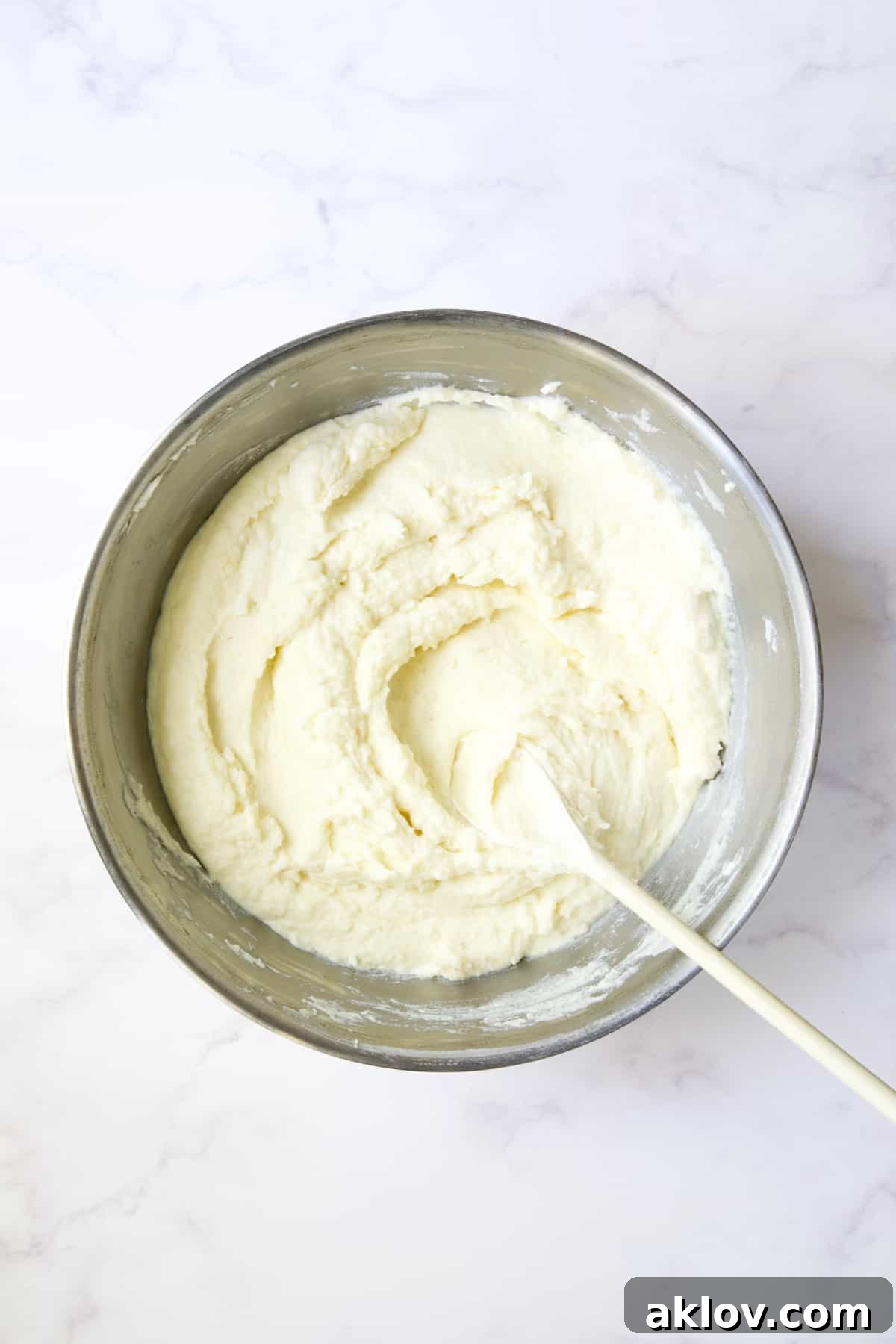
- Gently fold the riced potatoes into the smooth sour cream, cream cheese, and half-and-half blend. Use a spoon or spatula for this step, avoiding vigorous mixing.
- Initially, you might worry the mixture resembles a potato soup, but as you continue to gently combine and the potatoes absorb the creamy blend, it will beautifully come together into a lovely, cohesive, and creamy consistency.
- Transfer the finished mashed potatoes to your prepared baking dish(es). Allow them to cool slightly at room temperature before covering and refrigerating until needed. This cooling period prevents condensation from forming and dripping back onto the potatoes, which could make them watery.
- When you’re ready to bake, preheat your oven to 375 degrees Fahrenheit (190°C). Allow the refrigerated potatoes to sit out at room temperature for about 30 minutes before baking to prevent thermal shock to your dish. Bake uncovered for approximately 45-50 minutes, or until the potatoes are puffy, the top is lightly golden brown, and they are thoroughly heated through to the center.
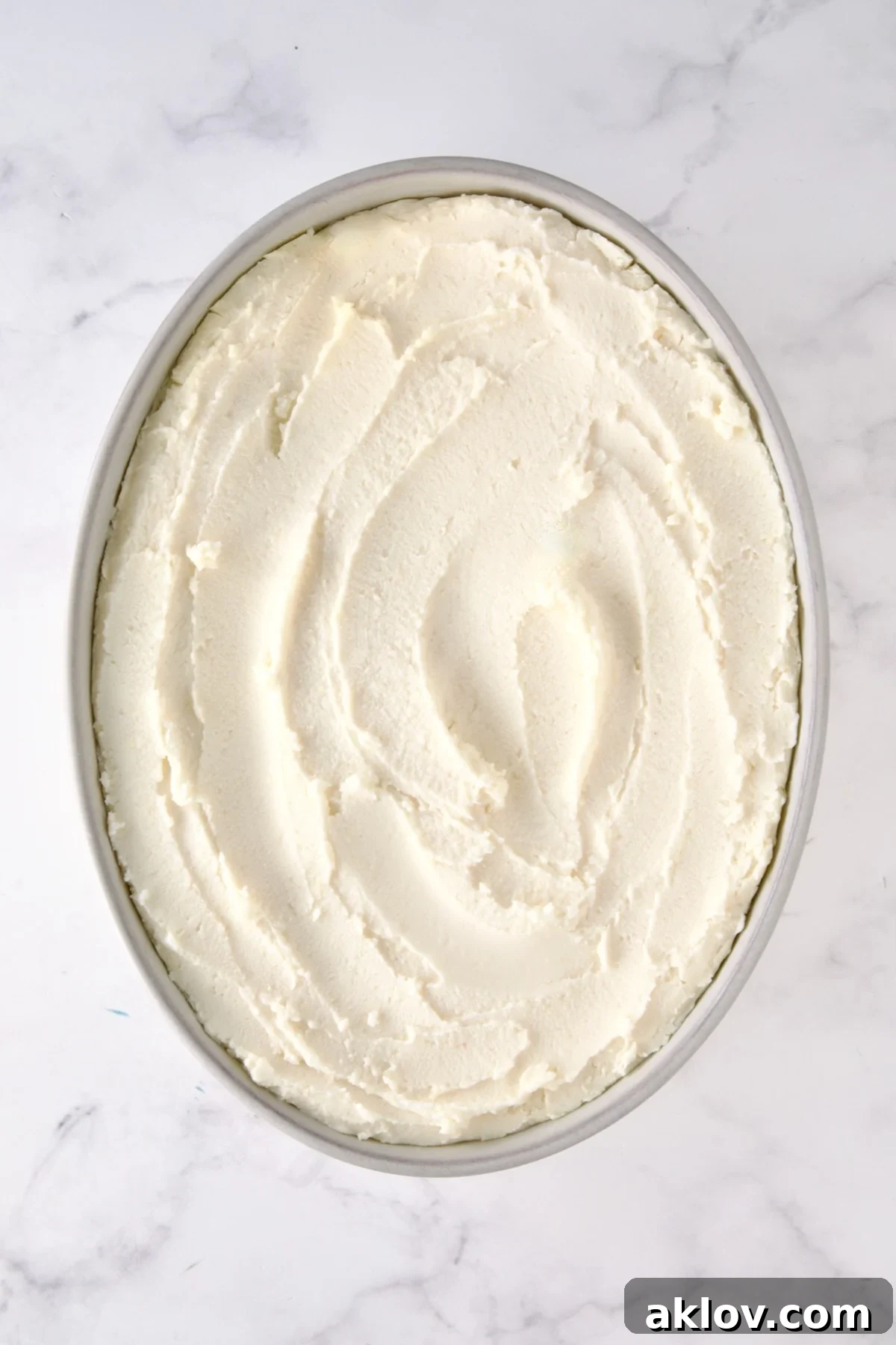
And there you have it – beautiful, magnificently poofy, and irresistibly fluffy Twice-Baked Mashed Potatoes, ready to dazzle and delight!
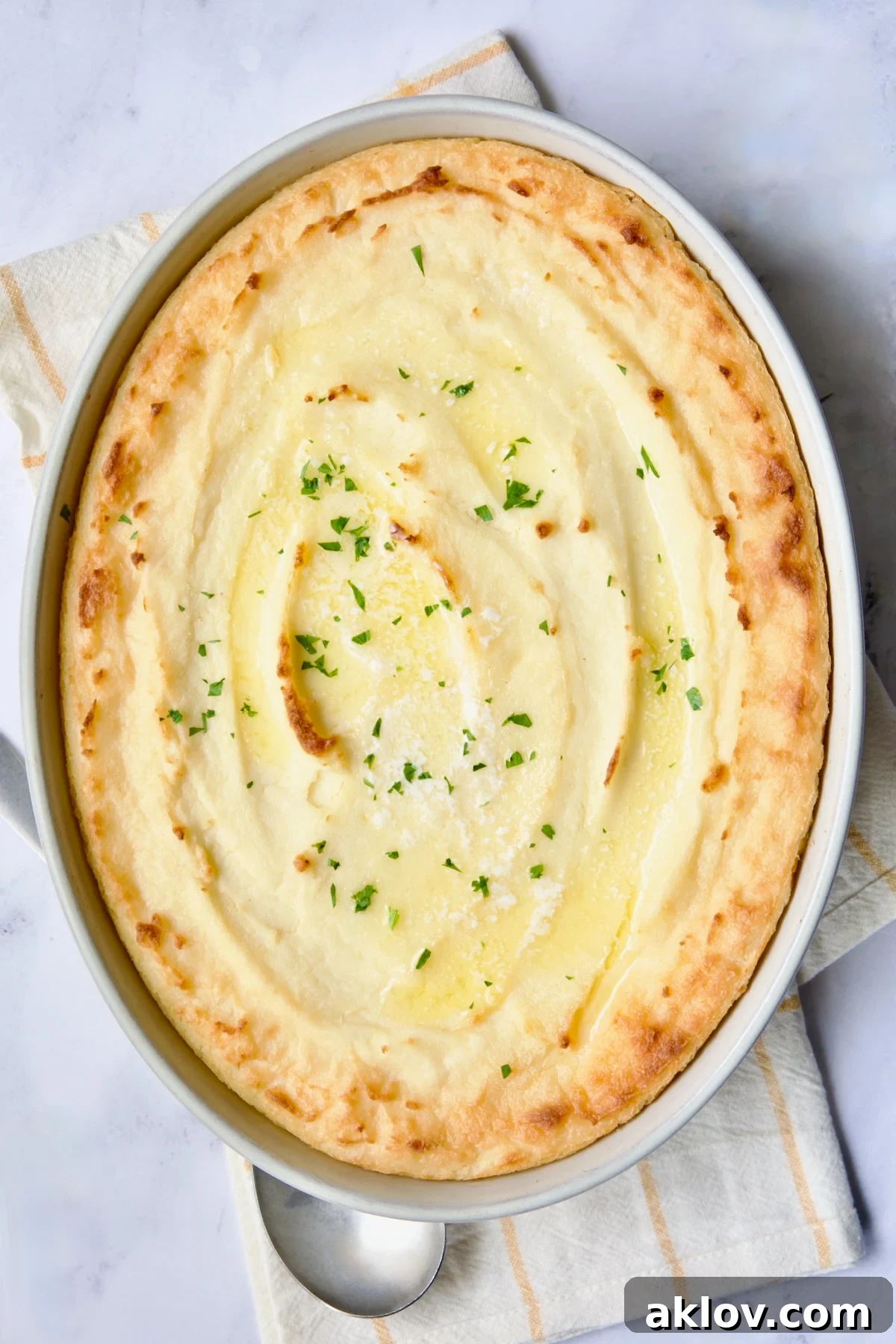
These Twice-Baked Mashed Potatoes, served as a decadent mashed potato casserole, are designed to exceed expectations. They are dependable, incredibly friendly to make-ahead planning, and deliver an unparalleled depth of flavor and creamy texture. Once you experience the convenience and sheer deliciousness of this method, ordinary mashed potatoes will become a distant memory.
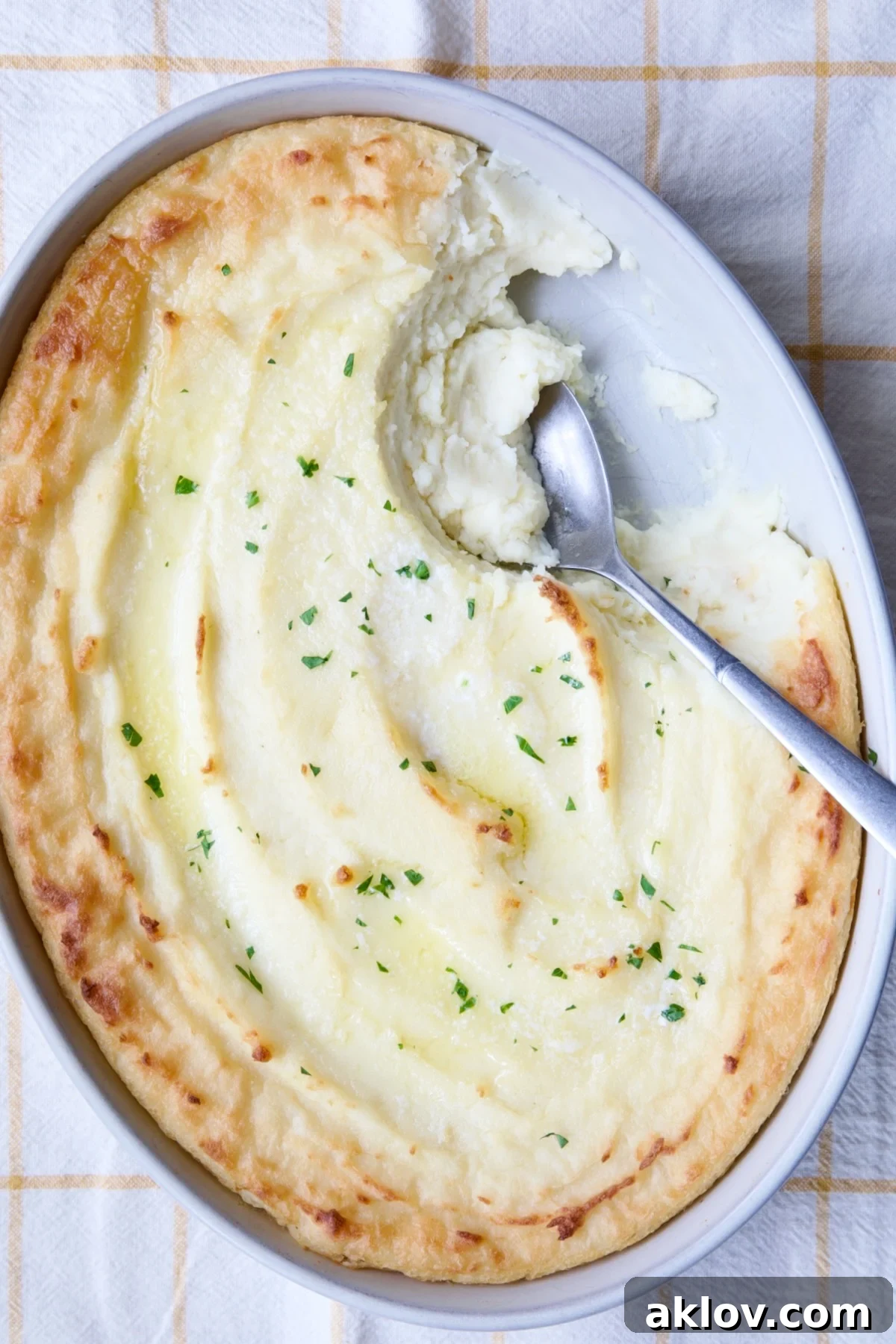
Professional Chef’s Secrets for Mastering Mashed Potatoes
Drawing from years of experience in professional kitchens, I’ve honed several techniques and insights that guarantee perfect mashed potatoes every time. These tips will help you elevate your cooking and troubleshoot common challenges.
- Always Start Potatoes in Cold Water: This is a fundamental rule for cooking potatoes evenly. If you begin with hot or boiling water, the outside of the potatoes will cook much faster than the inside, leading to unevenly textured potatoes – mushy on the exterior and potentially undercooked at the core. Starting in cold water ensures a gentle, consistent cook throughout each piece.
- The Clever Butter Melting Trick: Throughout my career as a personal chef, efficiency and minimizing cleanup have been paramount. Placing a bowl of butter over the pot of boiling potatoes is a brilliant two-in-one maneuver: it melts your butter perfectly with residual heat and can even help the water come to a boil slightly faster. However, always exercise caution: monitor the butter closely to ensure it simply melts without burning, and never let the pot boil over, as this can create a messy situation and potentially ruin the butter.
- Elevate Garlic Flavor with Confit: For an even deeper, sweeter, and more mellow garlic flavor, consider leaving out the fresh garlic in the boiling water and instead incorporating some of my rich Garlic Confit into the mashed potatoes. The slow-cooked garlic cloves from confit offer an incredibly luxurious and less pungent garlic experience.
- Avoid Overmixing for Perfect Texture: A common pitfall when making mashed potatoes is overmixing, especially with electric mixers. Overworking the potatoes releases too much starch, which reacts with the liquid to create a gluey, unappetizing texture. The potato ricer is your best friend here, as it processes potatoes gently. When combining the riced potatoes with the dairy mixture, fold them together carefully rather than vigorously beating them.
- Season Generously and Taste as You Go: Potatoes are notorious for absorbing salt, so seasoning at various stages is crucial. Salt the water generously when boiling, add salt to your melted butter, and then taste and adjust the seasoning after all ingredients are combined. Don’t be shy with salt and freshly ground black pepper – they are essential for bringing out the full flavor of the dish.
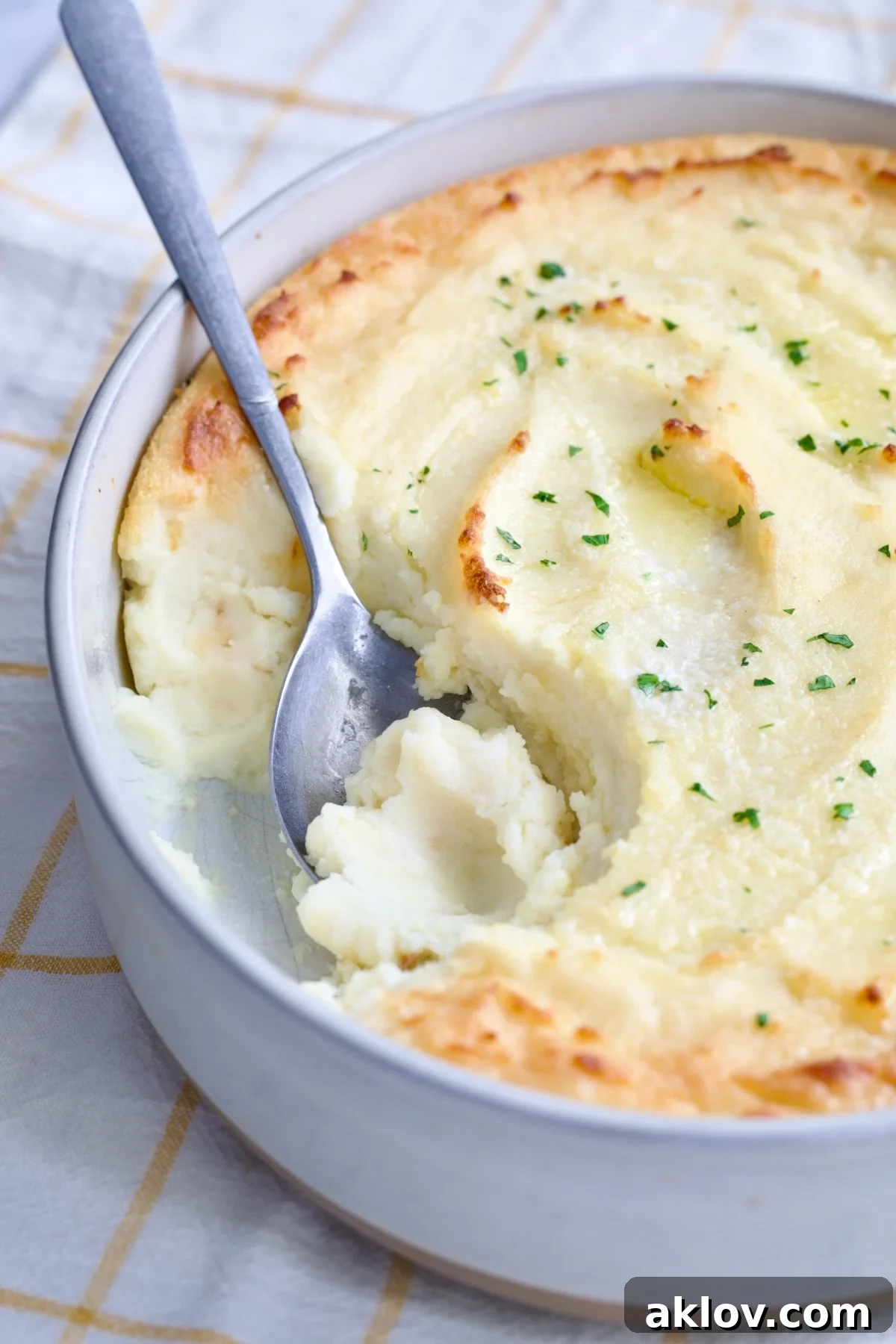
Your Top Questions Answered: Twice-Baked Mashed Potatoes FAQs
If immediate serving is your goal, you can absolutely do so with a minor adjustment. After pureeing or blending the sour cream, cream cheese, and half-and-half, gently warm this mixture in a small saucepan over low heat on the stovetop. Be careful not to scald or boil it. Once warmed, proceed to combine it with the riced potatoes. After transferring to your baking dish, bake immediately. While the initial chilling period for make-ahead purposes enhances texture, serving fresh will still yield delicious results. Allow for a little extra time in the oven for them to heat through completely, as they may cool slightly during assembly.
Yes, keeping them warm in a slow cooker is an excellent option for same-day serving, particularly if you’re preparing for a gathering. Set your slow cooker to LOW and preheat it while you’re boiling and assembling the potatoes. For best results, melt a little extra butter and lightly brush the inside of the slow cooker insert to prevent sticking and add a touch more richness. Once your potatoes are fully stirred and combined, transfer them to the preheated slow cooker, cover, and keep on LOW for up to two hours. Occasionally remove the cover to release any steam and condensation that may build up, preventing the potatoes from becoming watery.
This is a fantastic question and delves into fascinating food science! While traditional wisdom often advises against melted butter to avoid separation, this recipe leverages a specific technique endorsed by culinary experts like Cook’s Illustrated and food scientist Shirley Corriher. The goal here is to get the pure fat from the butter to coat the starch cells of the potatoes *before* any other dairy liquids are introduced. According to this science, adding melted butter first creates a protective layer around the potato starch, preventing it from absorbing excessive liquid, which is the primary cause of gluey mashed potatoes. Shirley Corriher explains that the fat is absorbed into the potato cells first, allowing the subsequent milk (or other dairy) to loosen and flavor the potatoes beautifully without compromising texture. A small amount of separated milk solids from the butter will not negatively impact the quality or texture of these potatoes. You can read more about this genius trick at Food52: A Genius Trick for More Buttery-Tasting Mashed Potatoes.
While an electric mixer can certainly blend ingredients quickly, I generally advise against using it for the potatoes themselves in this recipe. The high speed and vigorous agitation of an electric mixer can very easily over-blend the potatoes, causing the starch to break down too much and react with the liquid. This results in a sticky, gummy, and unappetizing consistency. A potato ricer is specifically designed to create a light, fluffy texture by gently processing the potatoes without overworking them, which is paramount for the success of this dish. If you absolutely must use a mixer, proceed with extreme caution and use it on the lowest speed for only the shortest possible duration to incorporate ingredients.
The make-ahead nature of these mashed potatoes is one of their greatest strengths! You can prepare them completely, transfer them to your baking dish, and refrigerate for up to two to three days in advance. It’s crucial to let the potatoes cool thoroughly at room temperature before covering them and placing them in the refrigerator. If you cover them while they are still warm, condensation will form on the underside of the cover, which can then drip back down onto the potatoes, making them watery or affecting their texture.
Absolutely! These Twice-Baked Mashed Potatoes freeze exceptionally well, making them an ideal option for meal prepping or preparing for future events. After assembling the mashed potato casserole, transfer it into freezer-safe containers, such as Pyrex dishes or aluminum foil pans (if you prefer for convenience). Allow them to cool completely at room temperature, then cover tightly and freeze for 1 to 2 months. When you’re ready to enjoy them, thaw the potatoes in the refrigerator overnight. They might appear a little “soupy” or looser after thawing, but reheating them uncovered in a 375-degree Fahrenheit (190°C) oven is the key to bringing them back to their perfectly fluffy, cohesive state.
For reheating individual portions or smaller amounts, cover them lightly with foil and bake in a preheated oven at 350°F (175°C) for about 20-30 minutes, or until heated through. For larger portions still in the baking dish, cover loosely with foil to prevent excessive browning and bake at 350°F (175°C) for 30-45 minutes, uncovering for the last 10-15 minutes to crisp up the top. Avoid using a microwave for reheating, as it can often lead to an inconsistent, sometimes rubbery texture. The oven method ensures they remain fluffy and creamy with that desirable golden crust.
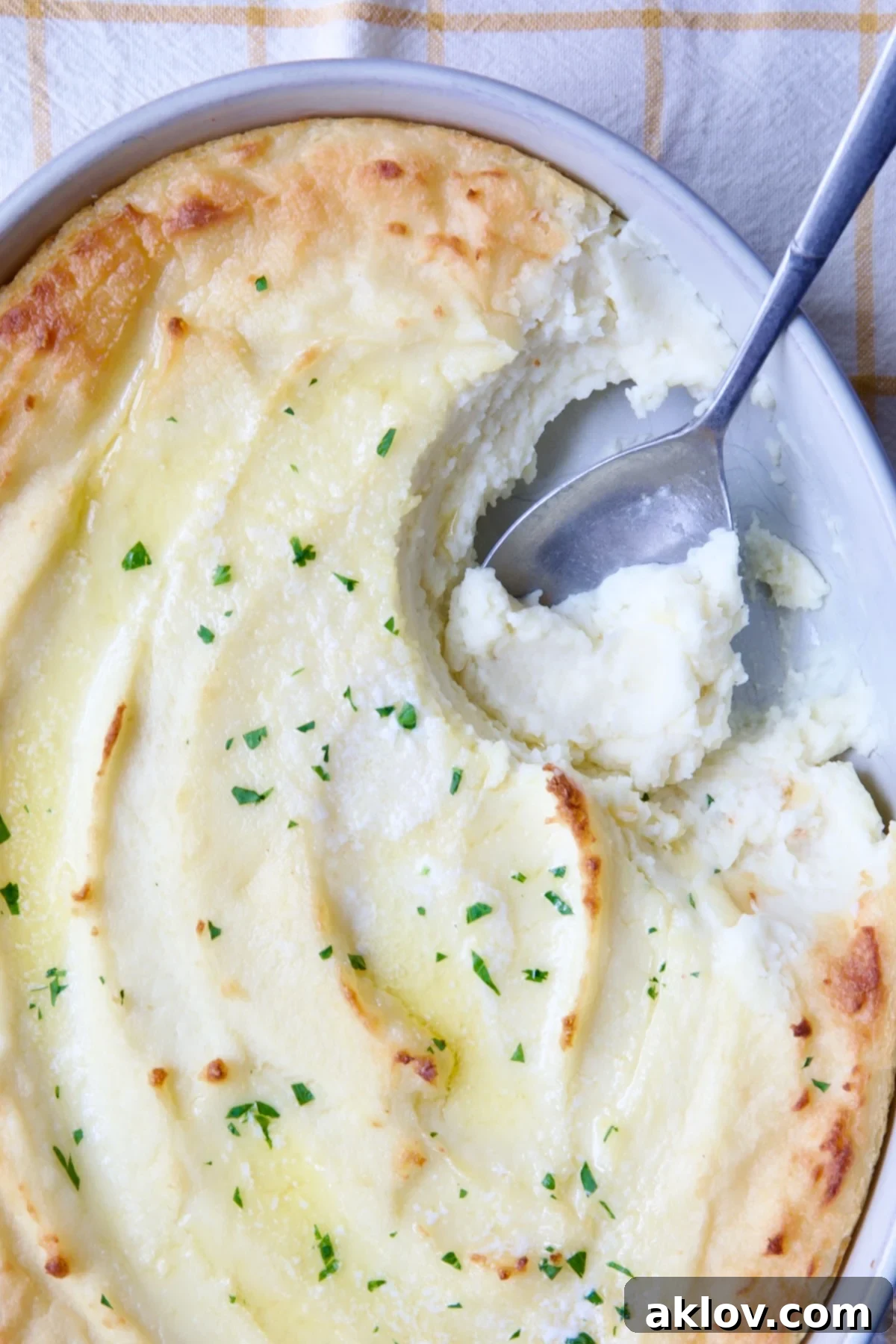
Delicious Variations to Elevate Your Mashed Potato Casserole
The beauty of this mashed potato casserole recipe lies in its incredible adaptability. Once you master the base, the possibilities for customization are endless, allowing you to tailor the flavors to perfectly complement any meal or satisfy any craving. Here are some fantastic ideas to get your culinary creativity flowing:
- Roasted Garlic: Instead of boiling garlic, fold in an entire head of slow-roasted garlic cloves for a sweeter, more nuanced garlic flavor that’s less pungent and wonderfully caramelized.
- Horseradish: Add a zesty kick and a touch of heat by stirring in a tablespoon or two of prepared horseradish. It pairs exceptionally well with beef dishes.
- Mustard: Incorporate a spoonful of Dijon or whole-grain mustard for a subtle tang and a sophisticated, peppery note that beautifully enhances the savory flavors.
- Different Types of Cheese: Experiment with various cheeses for diverse flavor profiles. Sharp Cheddar offers classic comfort, nutty Gruyere provides a gourmet touch, a hint of pungent blue cheese adds boldness, or finely grated Parmesan can bring a salty, umami depth.
- Chipotle Chiles or Hatch Green Chiles: For a smoky heat and Southwestern flair, mix in finely minced chipotle chiles in adobo sauce or roasted, peeled, and chopped Hatch green chiles.
- Crispy Bacon: Fold in crumbled, crispy bacon bits for an irresistible smoky, salty crunch that adds incredible texture and flavor.
- Fresh Herbs: Elevate the aroma and taste with fresh herbs like fragrant rosemary, delicate chives, earthy thyme, or bright parsley. Chop them finely and stir them in just before baking.
- Pesto: Swirl in a couple of tablespoons of your favorite basil pesto for a burst of herbaceous, garlicky, and cheesy Mediterranean flavor.
- Artichoke Hearts: For a touch of tangy, tender vegetable goodness, chop and fold in marinated or canned artichoke hearts (well-drained).
- Caramelized Onions: Slow-cooked, deeply caramelized onions bring a profound sweetness and savory depth that transforms the mashed potatoes into something truly special.
- Truffle Oil or Shavings: For an ultimate luxurious indulgence, drizzle in a tiny amount of high-quality white or black truffle oil, or fold in fresh truffle shavings, adding an earthy, aromatic complexity.
- Sun-Dried Tomatoes: Finely chopped oil-packed sun-dried tomatoes add a concentrated sweet and tangy Mediterranean flavor, along with a beautiful pop of color.
Perfect Pairings: What to Serve with Twice-Baked Mashed Potatoes
These versatile and flavorful mashed potatoes complement a wide array of main courses, enhancing any meal with their creamy texture and rich taste. Here are some ideal companions:
- Boneless Short Rib Recipe (Mississippi-Style)
- Boneless Bourguignon Short Ribs Recipe
- Roast Turkey Breast with Traditional Stuffing
- Turkey Scallopini in Sherry Cream Sauce with Mushrooms and Artichokes
- Braised Pork Loin Roast in Dijon Mustard Sauce
More Irresistible Make-Ahead Potato Recipes
If you love the convenience of make-ahead dishes, especially potato sides, here are more delicious options that promise flavor and ease:
- Green Chile au Gratin Potatoes
- Spinach Parmesan Ranch Twice Baked Potatoes
- Potato Cabbage Casserole with Cheddar and Bacon
- Twice-Baked Mashed Potatoes (Mashed Potato Casserole)
- Potato and Sweet Potato Mash
Discover even more delectable potato side dish recipes tailored for ease and flavor at Potato Side Dishes – From A Chef’s Kitchen.
Twice-Baked Mashed Potatoes
Equipment
-
Wusthof Paring Knife Set
-
Stainless Steel Stockpot
-
Stainless Steel Mixing Bowls
-
Potato Ricer
-
Breville Immersion Blender
Ingredients
- Cooking spray
- 5 pounds Russet potatoes, peeled and cut into 1 to 1 1/2-inch pieces
- 8-10 whole cloves garlic, peeled
- Salt
- 1 stick unsalted butter
- 1 package (8-ounce) cream cheese, room temperature
- 1 cup sour cream
- 2 cups half-and-half
- Freshly ground black pepper, to taste
Instructions
-
Spray a 13 x 9-inch baking dish (or two smaller baking dishes) with cooking spray.
-
Place peeled potatoes and garlic in a pot of cold water to cover. Add a generous amount of salt (approximately 1 tablespoon).
-
Set the pot on the stove burner and set the heat to HIGH. Place the butter in a stainless steel bowl and set it over the potatoes to melt the butter.
-
Bring potatoes and garlic to a boil. KEEP AN EYE ON THE BUTTER and remove the bowl from the pot when the butter JUST melts and before the pot boils over. Add 1 teaspoon salt to the butter.
-
Boil the potatoes uncovered until they can be easily pierced with a knife. Turn the heat off.
-
Drain the potatoes then place the pot back on the OFF–BUT STILL WARM– burner for 1-2 minutes to steam away residual moisture.
-
Working quickly, push the potatoes and garlic through a potato ricer into the melted salted butter. Stir to distribute the butter and smooth out the “riced” potatoes.
-
Push the potatoes to one side of the bowl. Place the cream cheese, sour cream, and half-and-half in the other side of the bowl. Puree the cream cheese/sour cream/half-and-half blend with an immersion blender (DO NOT PUREE THE POTATOES). (Alternatively, use a hand mixer to smooth out the blend.)
-
Stir the potatoes into the cream cheese/sour cream/half-and-half blend. (It will take a little while and you may think you have potato soup, but as the potatoes cool, they’ll blend with the creamy mixture.)
-
Transfer the potatoes to the prepared baking dish. Refrigerate until needed. Ensure they cool thoroughly before covering and chilling.
-
When ready to bake, let potatoes sit out at room temperature for 30 minutes. (Never place a cold ceramic or glass dish directly into a hot oven.) Preheat oven to 375 degrees F (190°C). Bake uncovered for 45-50 minutes or until heated through and the top is lightly golden.
Notes
- Always start with cold water when boiling potatoes to ensure even cooking and prevent unevenly textured results.
- Placing the bowl with the butter over the pot of potatoes both melts the butter efficiently and can help the pot of potatoes boil a bit faster. However, as stated above, keep an eye on the butter so it just melts and remove it before the potatoes boil over.
TO SERVE THE POTATOES RIGHT AWAY:
- Puree or blend the sour cream, cream cheese, and half-and-half.
- Place the potatoes in a saucepan on the stovetop on low and gently warm them to keep them as hot as possible before combining with the dairy.
- Allow a little extra time for the casserole to heat back up in the oven if it has cooled down slightly.
TO KEEP WARM IN A SLOW COOKER:
- Set your slow cooker to LOW and preheat it while boiling and assembling the potatoes.
- Melt a little extra butter and lightly brush the slow cooker insert to prevent sticking and add richness.
- Once the potatoes are stirred together, transfer them to your slow cooker and cover.
- Remove the cover periodically to release any steam and condensation that builds up on it, which can make the potatoes watery.
FREEZER-FRIENDLY:
- After assembling, place the mashed potatoes in oven-safe containers such as Pyrex or aluminum pans.
- Cool completely at room temperature, then cover tightly and freeze for 1-2 months.
- Thaw overnight in the refrigerator, then reheat uncovered in a 375-degree F (190°C) oven. They may appear a little soupy after thawing, but heating uncovered in the oven is crucial to restoring their fluffy texture and consistency.
Nutrition
Calories: 461kcal
Carbohydrates: 55g
Protein: 9g
Fat: 24g
Saturated Fat: 15g
Polyunsaturated Fat: 1g
Monounsaturated Fat: 6g
Trans Fat: 1g
Cholesterol: 68mg
Sodium: 163mg
Potassium: 1309mg
Fiber: 4g
Sugar: 3g
Vitamin A: 751IU
Vitamin C: 17mg
Calcium: 137mg
Iron: 3mg
Nutritional values are automatically calculated using unbranded products and are estimates only. Actual results may vary based on ingredients used and portion sizes. Adjust as needed for dietary restrictions, allergies, or health concerns.
 Like this? Leave a comment below!