
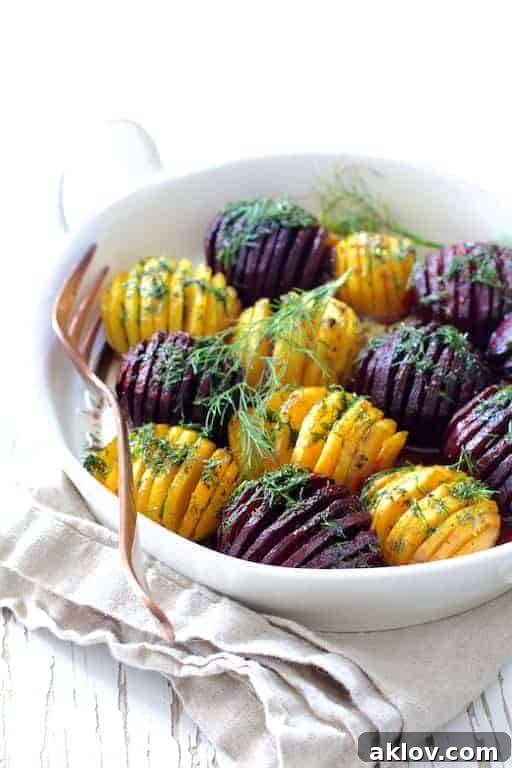
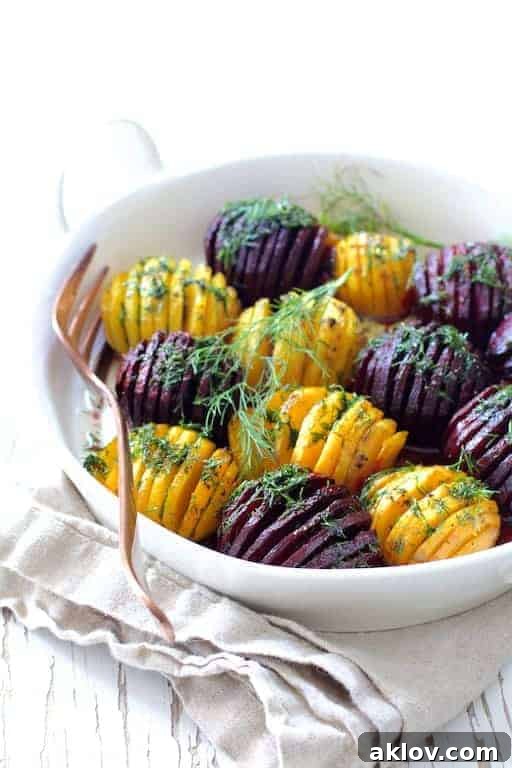
Elevate your culinary experience with our exquisite Scandinavian-inspired Roasted Hasselback Beets with Dill Dressing. This stunning dish is not just visually appealing; it’s a vibrant symphony of earthy sweetness from the beets, bright tanginess from the dressing, and aromatic freshness from the dill. Perfect for entertaining guests or simply transforming a weeknight dinner, these Hasselback beets promise to become a cherished addition to your recipe repertoire. They make an exceptional side, beautifully complementing rich main courses like our traditional goulash recipe.
The Heartwarming Inspiration Behind This Recipe: A Taste of Wisconsin Summers
Our recent visit to family in the picturesque landscapes of Wisconsin during the Independence Day holiday brought back a flood of memories and culinary inspiration. While late August often marks the peak season for a bounty of fresh produce – think bushels of ripe tomatoes, crisp cabbage, juicy cucumbers, tender new potatoes, and sweet corn – early summer in Wisconsin offers its own unique treasures. The season’s chill often lingers well into June, meaning that my father’s impressive vegetable garden, a true labor of love, hadn’t yet reached its full, explosive potential with summer’s warmth.
However, one resilient herb thrives in the cooler temperatures, flourishing with remarkable vigor: dill! This aromatic herb, a true cool-weather crop, is perfectly at home in the northern climate. It’s no wonder then that dill naturally pairs so beautifully with Scandinavian-inspired dishes, bringing a fresh, herbaceous note that echoes the culinary traditions of the region. My father’s garden, much to his delightful surprise each year, was overflowing with this fragrant “volunteer vagrant.” He hadn’t planted it, but it returned faithfully, year after year, offering an abundant harvest.
With such an overflowing supply of fresh, vibrant dill, my father insisted we take some home. How could we possibly refuse such a generous offer of nature’s finest? Carrying bags of freshly picked dill, its unmistakable scent filling the air, the inspiration for this dish began to take root, setting the stage for a delightful creation that perfectly marries homegrown freshness with Scandinavian culinary flair.
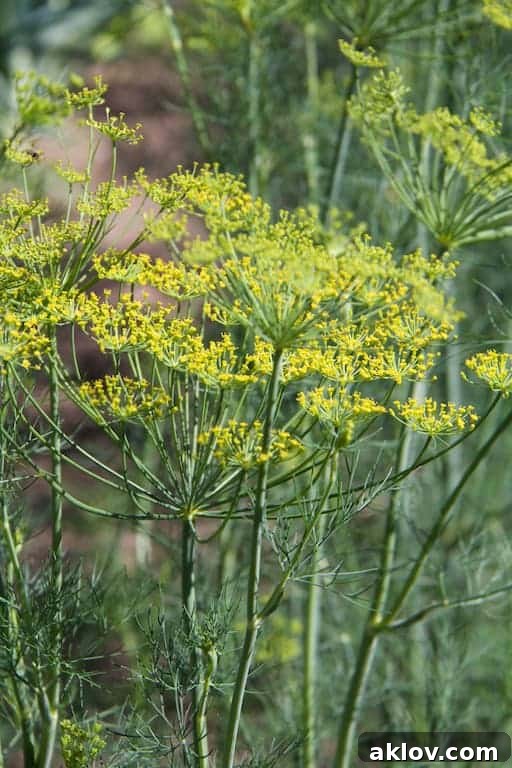
Pairing my dad’s fragrant, homegrown dill with some earthy, sweet beets was an absolute no-brainer. While growing root vegetables like beets can be quite challenging in the heavy clay soils of the South where we reside, good quality beets are readily available year-round at most grocery stores. The synergy between dill and beets is a culinary match truly made in heaven. The sweet, grounding flavor of beets finds its perfect counterpart in the crisp, slightly anise-like notes of fresh dill, creating a balanced and utterly delicious combination that evokes the clean, fresh tastes of Nordic cuisine. This pairing offers both depth and brightness, a delightful contrast that elevates both ingredients.
The Art of Hasselback: Transforming Beets into a Culinary Masterpiece
The Hasselback technique, famously originated in Sweden at the Hasselbacken restaurant, transforms humble vegetables into impressive, visually stunning dishes. By meticulously slicing the beets accordion-style – almost all the way through but leaving the base intact – you create numerous delicate crevices. These incisions are the secret to the Hasselback magic; they become incredibly crispy and caramelized when roasted, while the interior remains wonderfully tender and moist. Moreover, these delicate cuts allow the flavorful dill dressing to seep into every layer, infusing the beets with its vibrant essence. This method not only enhances the texture and flavor profile but also makes for an incredibly elegant presentation, effortlessly elevating the humble beet to a centerpiece dish suitable for any occasion.
Why You’ll Love Hasselback Beets:
- Exceptional Texture: Experience the delightful contrast of beautifully caramelized, slightly crispy edges and a tender, melt-in-your-mouth interior with every bite.
- Unrivaled Flavor Infusion: The accordion-like slices aren’t just for show; they act as tiny pockets, perfectly designed to soak up the richness of the oil, the savory notes of seasonings, and the bright, zesty goodness of the dill dressing.
- Stunning Presentation: This unique slicing technique instantly transforms ordinary beets into an eye-catching side dish that’s sure to impress your guests and garner compliments.
- Remarkable Versatility: The Hasselback method is incredibly adaptable. While we’re focusing on dill, you can easily experiment with various other seasonings and dressings, making it a flexible recipe to suit different palates and meal themes.
- Even Cooking: The uniform slices ensure that the beets cook more evenly, preventing some parts from being overcooked while others remain raw.
Crafting Your Roasted Hasselback Beets with Dill Dressing: A Detailed Step-by-Step Guide
Creating this delightful dish is simpler than you might imagine, despite its sophisticated appearance. Follow these detailed steps to ensure perfect, tender, and flavor-packed results every time:
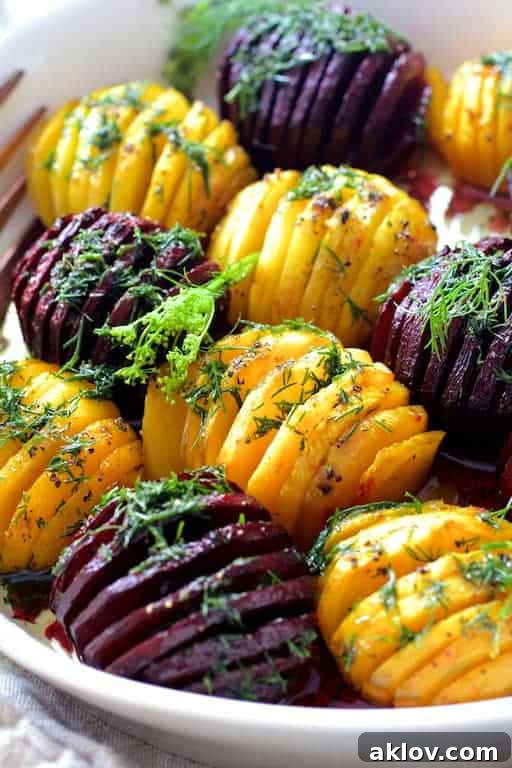
- Choosing Your Beets: The foundation of any great beet dish begins with selection. Start by choosing small to medium-sized beets. These are ideal because they roast more evenly and are significantly easier to handle and slice precisely. For an even more captivating and colorful presentation that will truly stand out on your table, don’t hesitate to use a vibrant combination of red beets and golden yellow beets. When selecting, look for beets that are firm to the touch, have smooth skin, and are free from any major blemishes or soft spots.
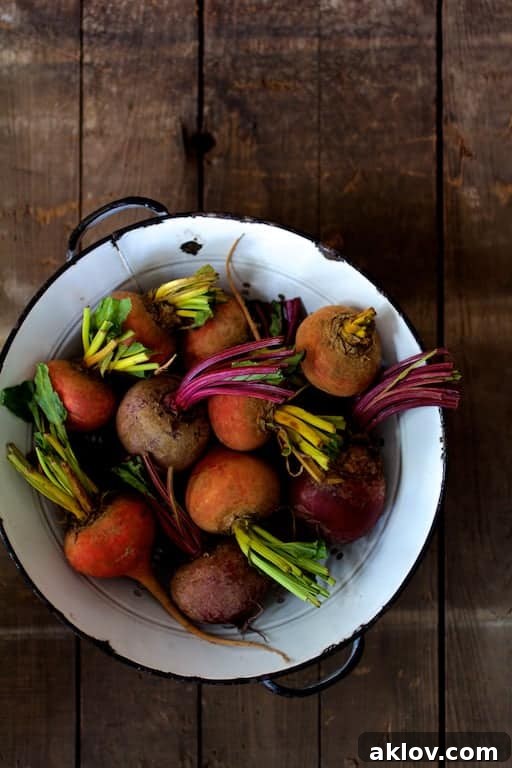

- Prepping and Slicing the Hasselback Style: Here’s a crucial tip for Hasselback perfection: unlike conventional roasting methods where you might leave the skins on, for this preparation, it is absolutely essential to peel the beets beforehand. Attempting to peel them after roasting would result in a seriously tricky, messy, and tedious task, potentially damaging the delicate accordion slices you’ve worked hard to create. Peel them carefully with a vegetable peeler, just as you would a potato. Once peeled, it’s time to slice them “Hasselback” or accordion-style. To achieve perfect, even slices without cutting all the way through the beet, place each beet between two wooden spoon handles or chopsticks. These clever kitchen tools act as guides, preventing your knife from going too deep and ensuring the base remains intact. For more detailed visual guidance on mastering this precise slicing technique, you can refer to our helpful post for “Baby Hasselback Potato Bake with Cheddar and Bacon,” where the same principle applies.
- Seasoning and Roasting for Tenderness: Once sliced, carefully arrange your prepped beets on a non-stick baking sheet. Drizzle them generously with your chosen oil – canola or vegetable oil works wonderfully here, providing a neutral base that lets the beet and dill flavors shine. Season them meticulously with a good pinch of salt and freshly ground black pepper, ensuring every crevice catches some seasoning. Covering the baking sheet tightly with aluminum foil is a key step in the roasting process; it helps to steam the beets initially, creating a humid environment that ensures they become beautifully tender inside without drying out. Let them roast away in the preheated oven, transforming into sweet, earthy delights.
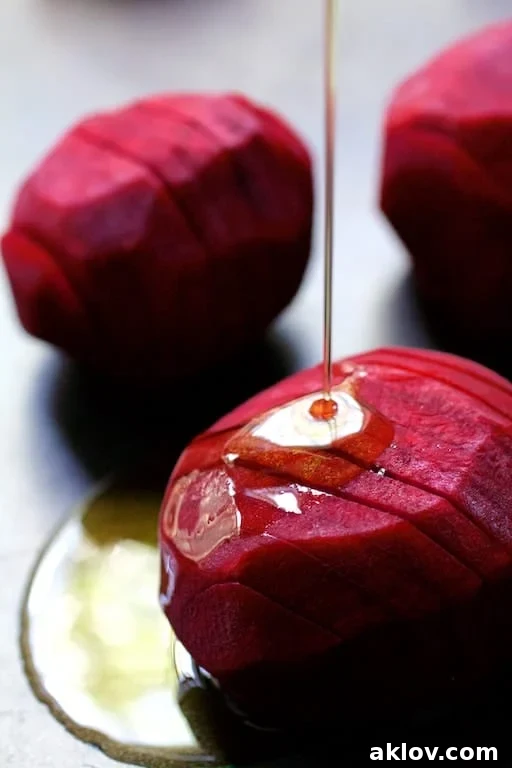
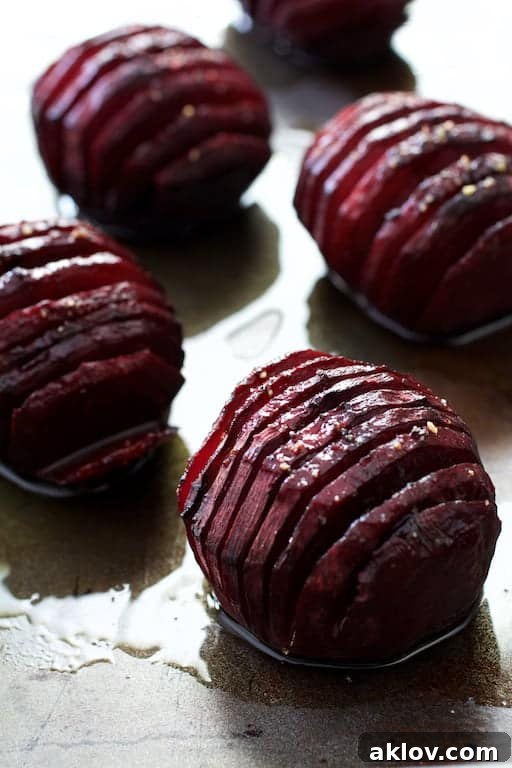
- Achieving Perfect Tenderness: The ultimate goal for roasted beets is a fork-tender texture, where they can be easily pierced with a knife without resistance, much like perfectly baked potatoes. There’s nothing quite as disappointing as biting into crunchy, undercooked beets – they are, in fact, downright awful and detract significantly from the dish’s enjoyment. Ensure they’ve had ample time in the oven to soften completely, developing that irresistible natural sweetness and delicate texture that makes roasted beets so beloved.
This versatile dish is truly wonderful served either warm, straight from the oven, or delightfully chilled. You can prepare it ahead of time, allowing the roasted beets to luxuriate and marinate in the flavorful dill dressing, which significantly deepens their taste and allows the flavors to meld beautifully. Alternatively, serve them fresh from the oven, drizzled with the dressing just before serving, for an immediate burst of vibrant flavor and aroma.
Nourishment from Nature: The Impressive Health Benefits of Beets and Dill
Beyond their delightful flavors and stunning appearance, both beets and dill offer an impressive array of nutritional benefits, making this dish a truly wholesome and health-conscious choice for your table.
The Wonderful Benefits of Beets:
- Rich in Essential Nutrients: Beets are a powerhouse of essential vitamins and minerals, generously packed with folate (vitamin B9), manganese, potassium, iron, and vitamin C. These nutrients play crucial roles in various bodily functions, from cell growth to immune support.
- Antioxidant Powerhouse: The vibrant red color of beets comes from betalains, a unique class of powerful antioxidants. These compounds help protect your cells from oxidative damage caused by free radicals and may contribute to reducing the risk of various chronic diseases.
- Blood Pressure Support: Beets are renowned for being a great natural source of dietary nitrates. Once consumed, the body converts these nitrates into nitric oxide, a compound that helps to relax and widen blood vessels. This vasodilation can potentially lead to lower blood pressure and improved cardiovascular health.
- Enhanced Digestive Health: Being high in dietary fiber, beets are excellent for promoting healthy digestion and maintaining bowel regularity, which can effectively help prevent constipation and support a healthy gut microbiome.
- Exercise Performance Boost: Some studies suggest that the nitrates in beets can also improve athletic performance by enhancing oxygen use and increasing stamina.
The Aromatic Advantages of Dill:
- Abundant in Antioxidants: Dill is loaded with protective plant compounds, including flavonoids, phenolic acids, and terpenoids, all of which act as potent antioxidants to shield your body’s cells from damage and inflammation.
- Vitamin Rich: This fresh herb is a good source of Vitamin A and Vitamin C. Vitamin A is vital for maintaining healthy vision and immune function, while Vitamin C is crucial for skin health and overall immunity.
- Traditional Digestive Aid: Historically, dill has been widely used in traditional medicine to aid digestion, soothe an upset stomach, and alleviate discomforts like gas and bloating.
- Bone Health: Dill also contains small amounts of calcium, magnesium, and phosphorus, which are important minerals for maintaining strong and healthy bones.
- Versatile Flavor Enhancer: Dill adds a unique, fresh, slightly tangy, and herbaceous flavor to a wide range of dishes, enhancing taste and aroma without adding significant calories, making it a healthy choice for seasoning.
Perfect Pairings and Serving Suggestions
Our Roasted Hasselback Beets with Dill Dressing are incredibly versatile and can be served with a variety of main courses, enhancing any meal. Their vibrant color and refreshing, earthy-tangy flavor make them an ideal accompaniment to richer dishes, offering a perfect balance. Consider pairing these delightful beets with:
- Roast Chicken or Turkey: The earthy sweetness of the beets and the bright, fresh dill perfectly complement the savory notes of roasted poultry, creating a harmonious and comforting meal.
- Grilled Fish: They are a fantastic match for lighter proteins such as grilled salmon, cod, or halibut, where the dressing adds a bright, tangy contrast that cuts through the richness of the fish.
- Pork Loin or Tenderloin: A superb side for any roasted, pan-seared, or grilled pork dish. The sweetness of the beets and the herbaceous dill balance the robust flavor of pork beautifully.
- Hearty Vegetarian Mains: For those seeking a meat-free option, serve these beets alongside a flavorful lentil loaf, savory mushroom steaks, or a robust grain salad for a complete, satisfying, and nutritious meal.
- As Part of a Mezze Platter: When served chilled, these Hasselback beets can become a star component of a Mediterranean or Scandinavian-inspired mezze platter, alongside other cold salads, artisanal cheeses, olives, and crusty bread for a delightful appetizer spread.
- Steak or Lamb: The deep flavors of roasted beets can also stand up to red meats, offering a refreshing counterpoint to their richness.
Explore More Delightful Roasted Vegetable Recipes:
If you love the simplicity, versatility, and robust flavors that roasting brings to vegetables, you’ll surely enjoy exploring these other wonderful recipes from our kitchen. Each offers a unique way to transform humble produce into an extraordinary dish:
- Roasted Cabbage Steaks with Mustard Vinaigrette
- Roasted Green Beans with Tomato – Caper Relish
- Roasted Cauliflower with Mustard Caper Brown Butter
- Roasted Beets with Red Wine Glaze
- Hot Honey-Roasted Carrots
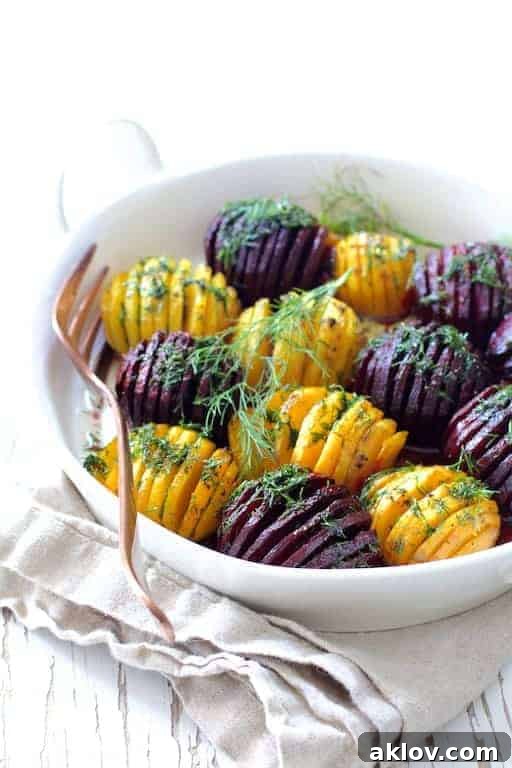
Roasted Hasselback Beets with Dill Dressing
By Carol | From A Chef’s Kitchen
Elegant enough for guests, Scandinavian-inspired Roasted Hasselback Beets with Dill Dressing will become your new favorite way to enjoy beets!
Prep Time: 15 mins
Cook Time: 1 hr
Total Time: 1 hr 15 mins
Servings: 4
Equipment
- Wusthof Paring Knife Set
- Wusthof Chef Knife
- Cutting Board
- Rimmed Sheet Pan
- Glass Mixing Bowls
Ingredients
For the Beets
- 12 small to medium beets
- 1/4 cup canola oil, or other neutral vegetable oil, divided
- Salt and freshly ground black pepper, to taste
For the Dill Dressing
- 1/4 cup white wine vinegar
- 1/3 cup canola oil, or other neutral vegetable oil
- 2-3 tablespoons honey, or maple syrup (for a vegan option), to taste
- 2 tablespoons freshly chopped dill
- Salt and freshly ground black pepper, to taste
Instructions
Preparing and Roasting the Beets
- Preheat your oven to 375 degrees F (190 C).
- Carefully peel the beets. Using a sharp knife, slice each beet “hasselback” style, making thin, even cuts almost all the way through, but leaving the base intact. A good trick is to place the beet between two wooden spoons or chopsticks to prevent cutting too deep.
- Arrange the sliced beets on a non-stick baking sheet. Drizzle them generously with the divided canola oil and season with salt and freshly ground black pepper.
- Cover the baking sheet tightly with aluminum foil. Roast in the preheated oven for 1 hour, or until the beets are easily pierced with a knife and beautifully tender throughout.
Making the Dill Dressing
- While the beets are roasting, prepare the vibrant dill dressing. In a small bowl, whisk together the white wine vinegar, canola oil, honey (or maple syrup), and freshly chopped dill.
- Season the dressing with salt and freshly ground black pepper to your desired taste.
- Once the roasted beets are ready to serve, transfer them to a serving dish and drizzle them generously with the prepared dill vinaigrette. Serve warm or at room temperature.
Notes
Substitutions:
- For the dressing, you can experiment with other vinegars like apple cider vinegar or even fresh lemon juice for a different tang and brightness.
- If fresh dill is unavailable, you can use 1 tablespoon of dried dill, though fresh is always highly recommended for the best and most aromatic flavor.
- Honey can be replaced with an equal amount of maple syrup or agave nectar for a delicious vegan alternative.
- For an extra layer of flavor and a touch of creaminess, consider sprinkling a bit of crumbled feta or goat cheese over the beets just before serving.
Tips for Perfect Hasselback Beets:
- To help achieve perfectly even Hasselback slices without cutting all the way through, place the beet between two wooden spoons or chopsticks before you begin slicing. This acts as a clever guard for your knife.
- Beet juice can be quite potent and may stain your hands, cutting boards, and kitchen towels. To avoid stained hands, consider wearing gloves while peeling and slicing the beets.
- Don’t discard the beet greens! They are incredibly nutritious and delicious. You can sauté them with a little garlic and olive oil, or finely chop and add them to soups, stews, or salads for extra flavor and nutrients.
Make Ahead & Storage:
- This dish is excellent for meal prepping. The roasted beets can be cooked and the dill dressing prepared 1-2 days in advance. Store them separately in airtight containers in the refrigerator.
- For optimal freshness and visual appeal, drizzle the dressing over the beets just before you plan to serve them.
- Alternatively, if you prefer a deeper infusion of flavor, you can add the dressing when the beets are still warm and allow them to marinate. This method creates a result similar to pickled beets, enhancing their tanginess and allowing them to soak up all the delicious dressing flavors.
Nutrition
Nutritional values provided below are automatically calculated using unbranded products and are estimates only. Actual results may vary based on specific ingredients used, precise portion sizes, and preparation methods. Please adjust as needed for any dietary restrictions, allergies, or specific health concerns you may have.
- Serving Size: 1
- Calories: 325 kcal
- Carbohydrates: 9g
- Protein: 1g
- Fat: 33g
- Saturated Fat: 2g
- Polyunsaturated Fat: 9g
- Monounsaturated Fat: 21g
- Trans Fat: 1g
- Sodium: 4mg
- Potassium: 23mg
- Fiber: 1g
- Sugar: 9g
- Vitamin A: 16 IU
- Vitamin C: 1mg
- Calcium: 2mg
- Iron: 1mg
 Did you enjoy this recipe? We’d love to hear from you! Leave a comment below and share your thoughts, tips, or favorite pairings.