
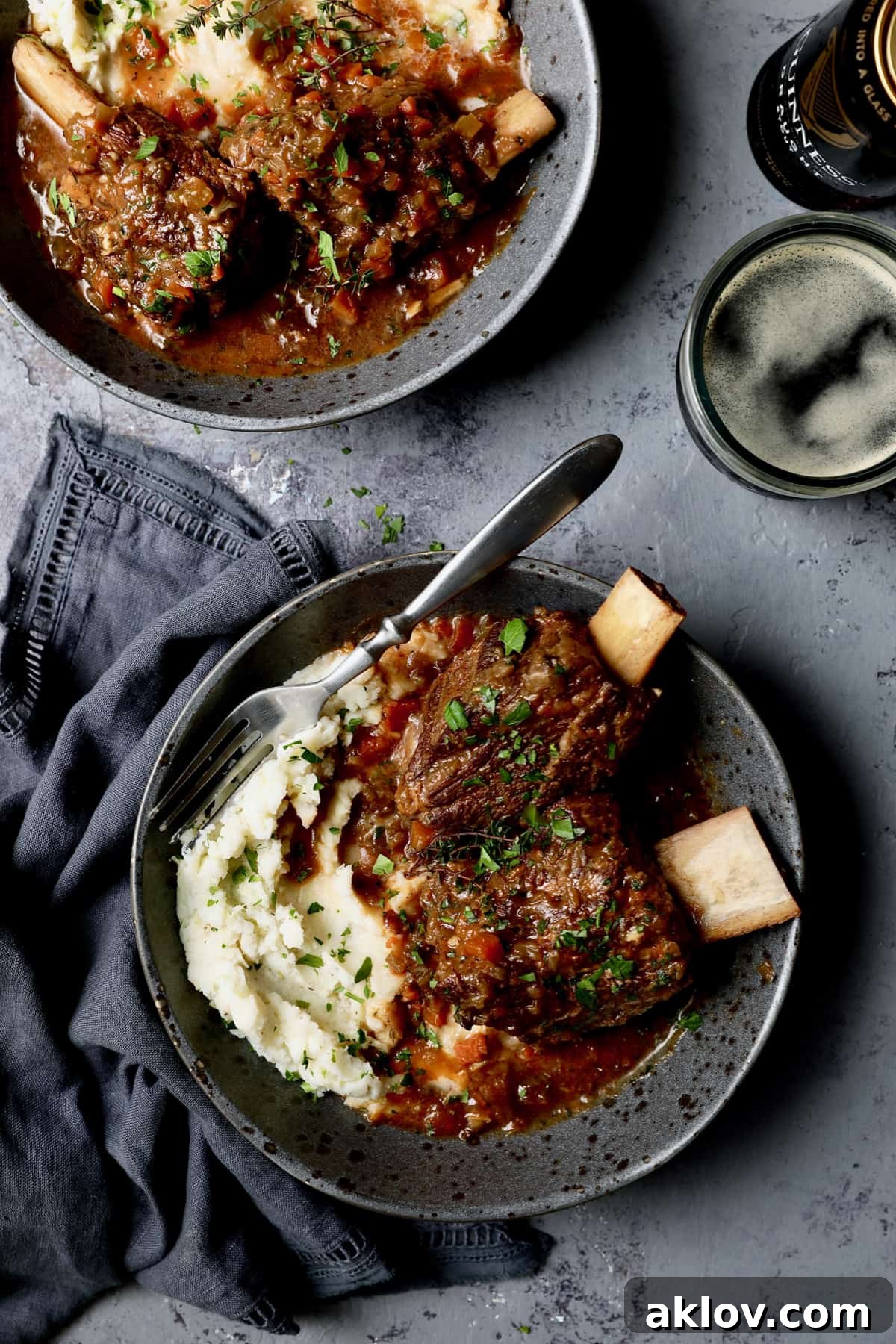
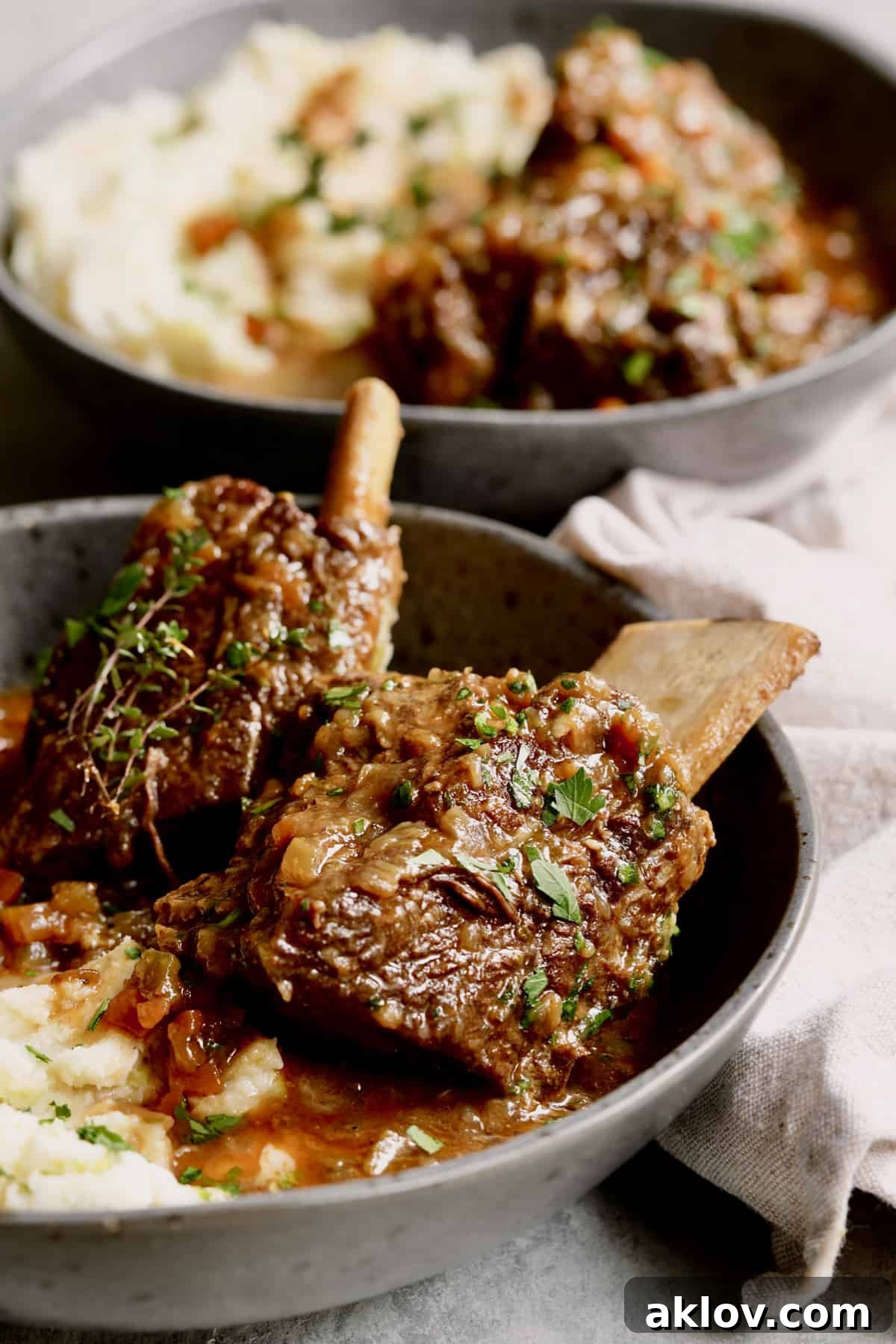
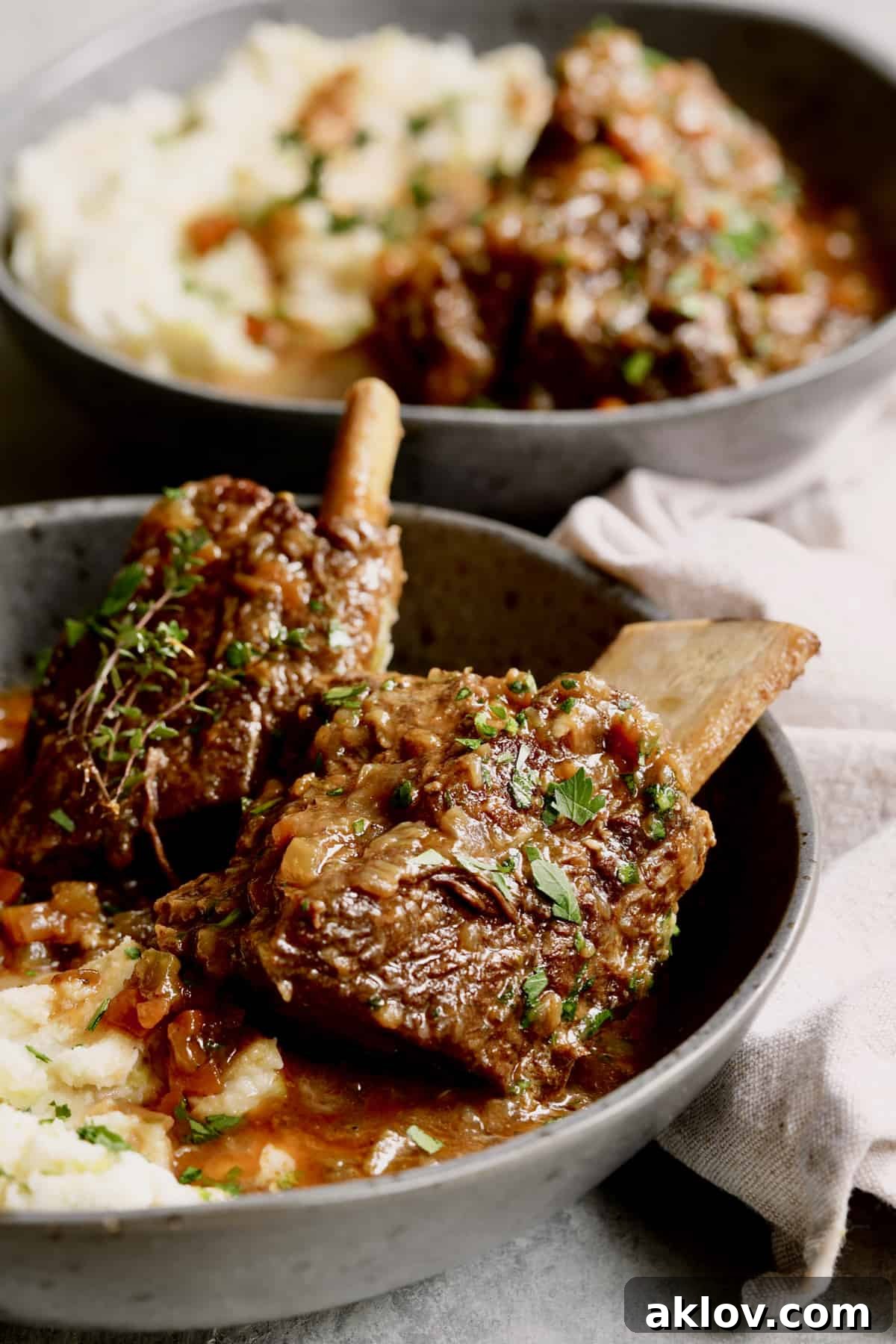
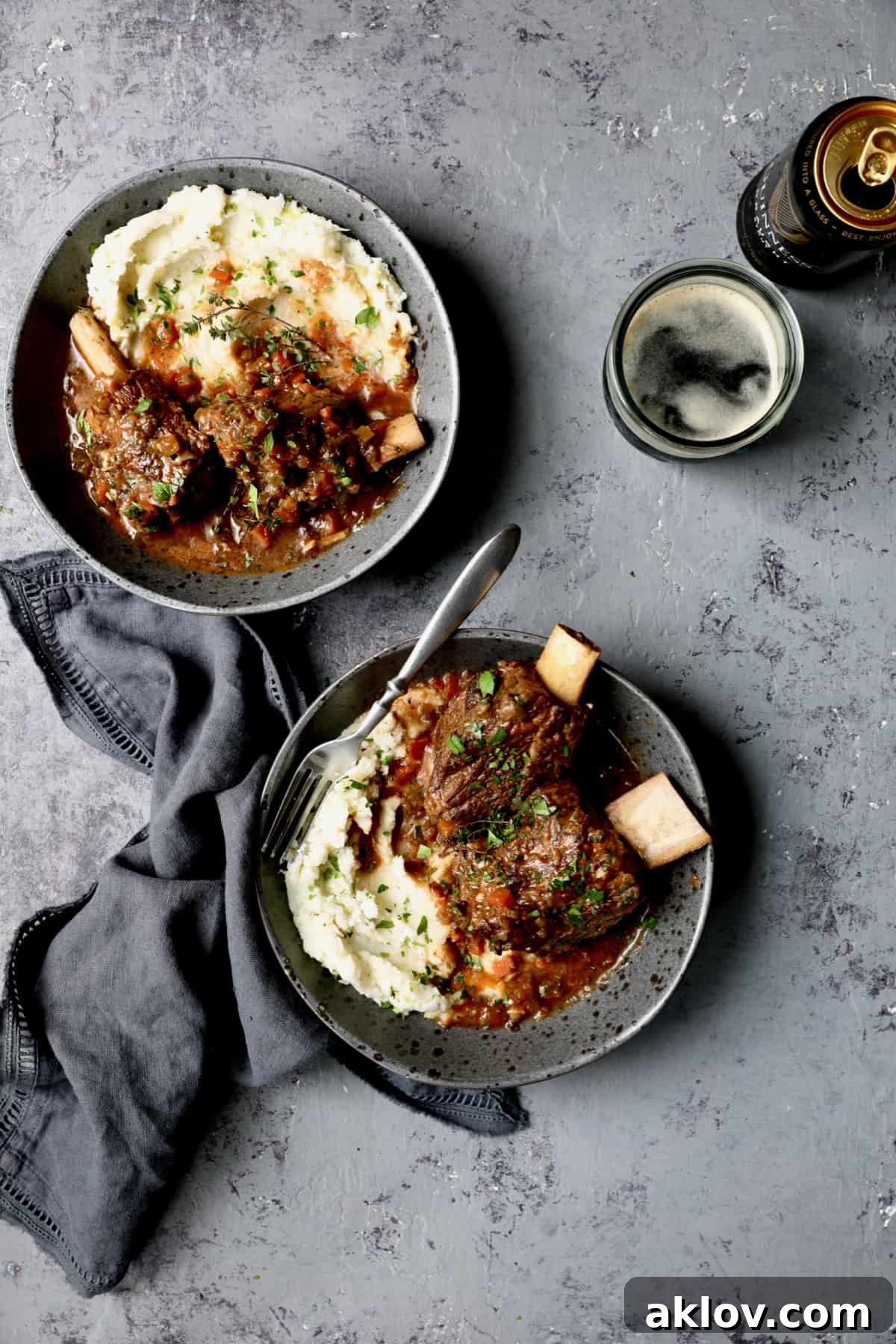
Embark on a culinary journey to the Emerald Isle with these incredibly rich and tender Stout Braised Beef Short Ribs. Slowly simmered to perfection, they transform into succulent, fall-off-the-bone delights that are the epitome of comfort food. When served alongside creamy, flavorful Colcannon, a traditional Irish mashed potato and cabbage dish, you’ll experience a symphony of textures and tastes that warm the soul and satisfy the heartiest of appetites. This recipe isn’t just a meal; it’s an experience, a celebration of deep flavors and classic Irish hospitality, perfect for a cozy evening or a festive gathering.
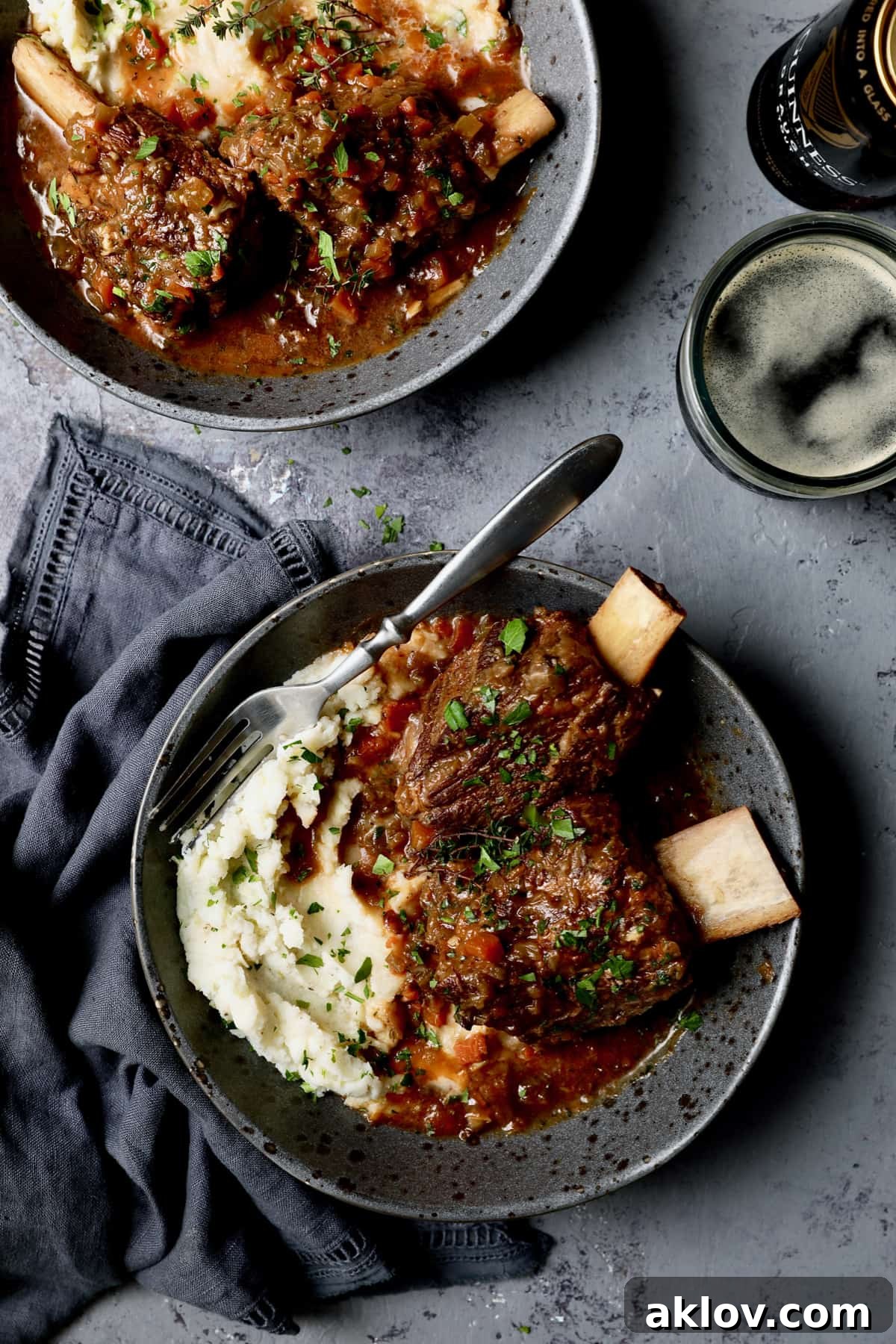
Why These Stout Braised Beef Short Ribs Will Become Your Favorite Comfort Food
My personal journey with stout beer, particularly the iconic Guinness, began not with love at first sip, but with an unforgettable experience. Thanks to my husband’s extensive travels across Europe for work, I had the incredible opportunity to visit destinations I’d only dreamed of – like the enchanting land of Ireland. During our time there, one of the highlights was undoubtedly a tour of the Guinness Storehouse in Dublin. At the tour’s conclusion, we were all treated to a fresh pint of Guinness stout, and truthfully, my husband and I both agreed it was an acquired taste. Its distinctive bitterness and roasted notes were certainly unique.
However, what I soon discovered, much to my delight, is how exquisitely stout beer transforms when incorporated into cooking, especially with beef. The deep, malty characteristics that might be challenging on their own become a secret weapon in the kitchen, adding incredible depth, a subtle sweetness, and a complex roasted flavor to savory dishes. This discovery led to the creation of these phenomenal Stout Braised Beef Short Ribs, a testament to how ingredients can surprise and elevate a meal.
Braising is a time-honored cooking method that truly shines when applied to beef short ribs. This technique involves first searing the meat at high heat to develop a rich, caramelized crust through the Maillard reaction – a crucial step for building foundational flavor. Following this, the ribs are slowly simmered in a flavorful liquid (in this case, our stout beer and beef broth) within a covered pot. The magic happens over several hours as the tough connective tissues and collagen within the short ribs gently break down under low, moist heat. This transformation results in meat that is not only fall-off-the-bone tender but also infused with an intensely rich, super flavorful, and wonderfully silky texture. It’s this beautiful alchemy that makes braised dishes, particularly these Guinness-kissed short ribs, an absolute keeper for any home chef seeking ultimate comfort and gourmet flavor without extensive hands-on time.
Mastering Stout-Braised Beef Short Ribs: A Culinary Journey
Essential Ingredients for Your Irish Feast
Gathering your ingredients is the first step to creating this show-stopping dish. Each component plays a vital role in building the robust flavor profile of these Stout Braised Beef Short Ribs. Below is a comprehensive list, and for precise measurements, please refer to the recipe card.
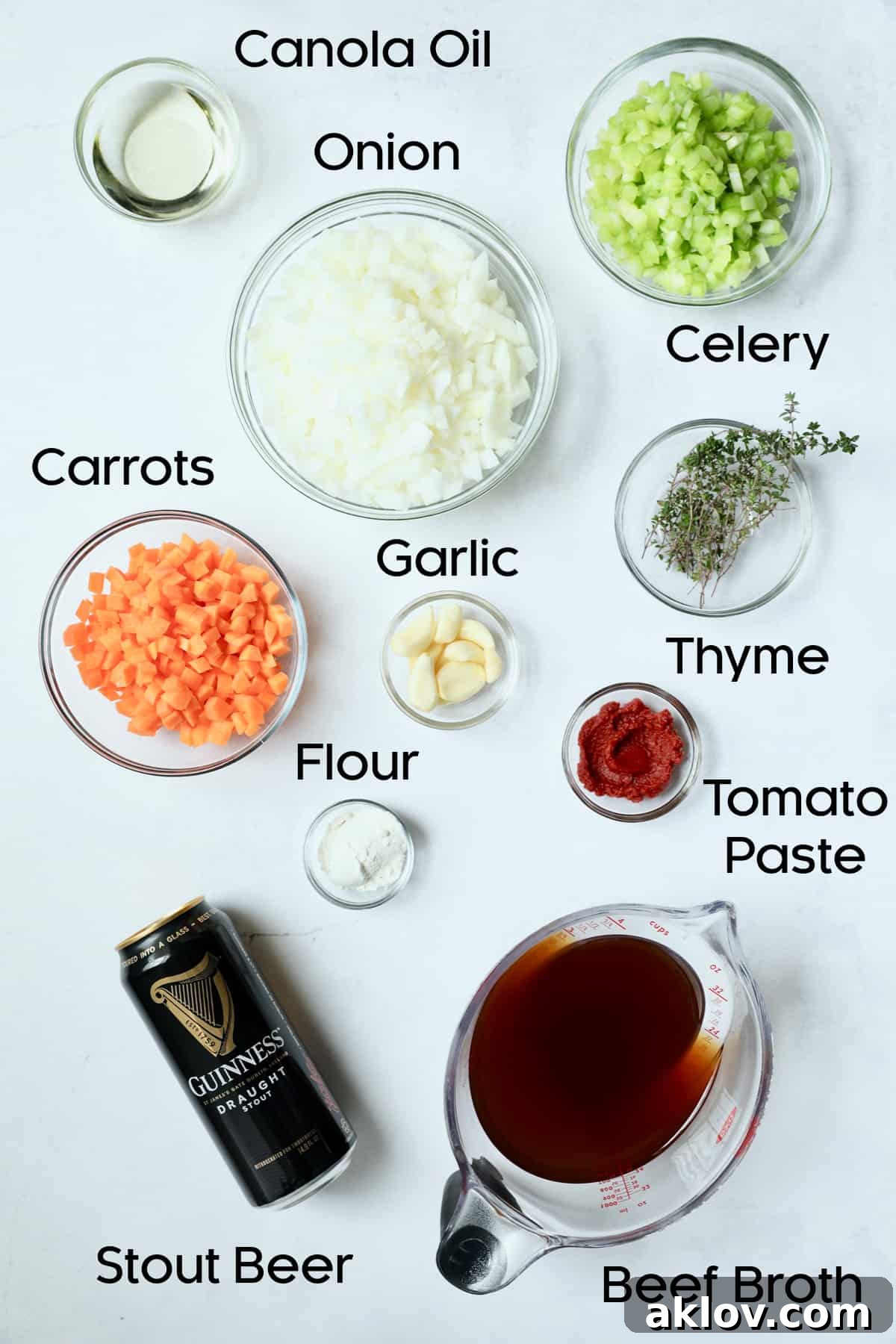
Ingredient Deep Dive & Smart Substitutions
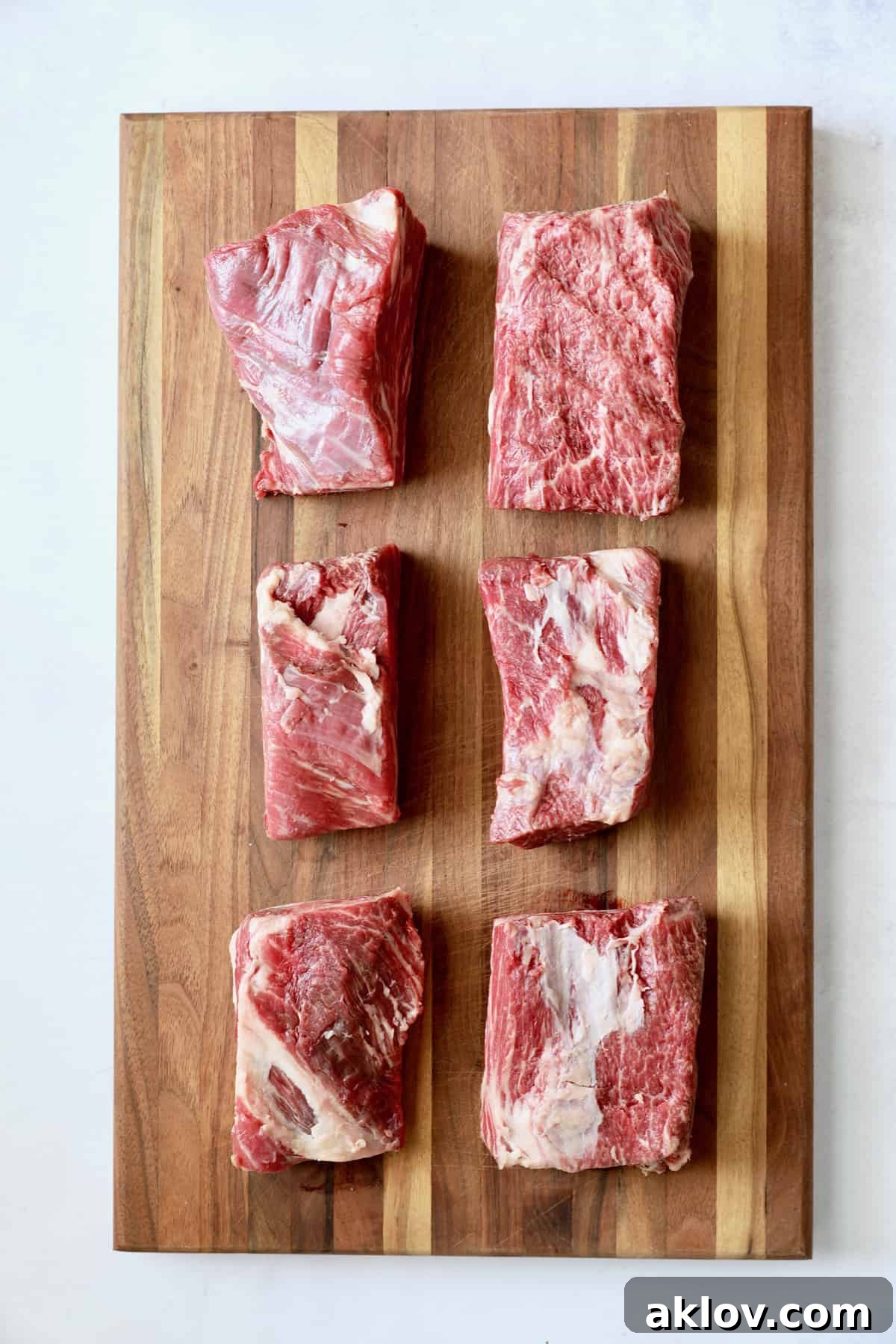
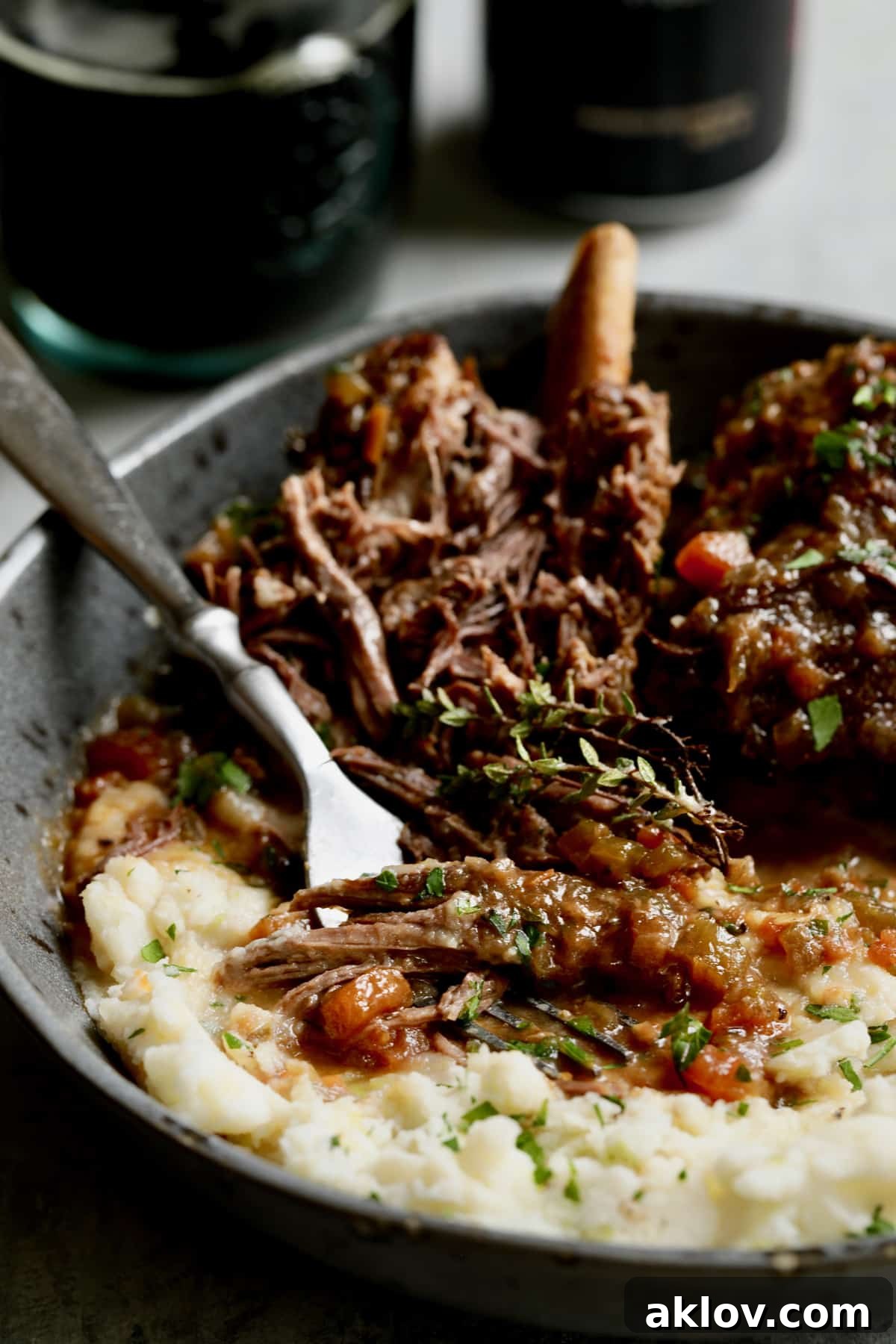
- Beef Short Ribs: For this particular recipe, English-cut short ribs are recommended. Each piece you see is typically a half-rib, totaling four ribs in a standard preparation. While a butcher might offer them cut into thirds, a half-rib often provides a generous and satisfying portion, especially when it boasts plenty of meat. The key characteristic of short ribs is their substantial amount of connective tissue – visible as white veining throughout the meat. This isn’t a flaw; it’s precisely what makes them ideal for braising. During the slow cooking process, this connective tissue melts away, infusing the meat with moisture and creating that incredibly succulent, tender, and “fall-off-the-bone” result we crave. Opt for bone-in ribs as the bones contribute significantly to the depth of flavor in the braising liquid.
- Fresh Thyme: Whenever possible, prioritize fresh thyme for its vibrant, earthy aroma and flavor. Dried thyme, while convenient, can sometimes develop a slightly bitter note when cooked for extended periods, which is common in braising. Fresh sprigs release their essential oils more gently, imparting a nuanced herbaceousness that complements the rich beef and stout beautifully. If dried thyme is your only option, use about one-third of the amount specified for fresh, and consider adding it closer to the end of the braising time.
- Stout Beer: While you don’t *have* to use Guinness stout, it certainly is the quintessential stout beer and lends an authentic, deep Irish character to the dish. Its roasted malt notes and slight bitterness are perfectly balanced by the richness of the beef and the sweetness of the vegetables. Other stout varieties can also work well; look for a dry or Irish stout rather than a sweet or milk stout, as the latter might make the sauce overly sweet. The alcohol cooks off during the long simmer, leaving behind only the complex flavor.
- Aromatics (Onion, Celery, Carrot, Garlic): These humble vegetables form the aromatic base, known as a soffritto or mirepoix, which is fundamental to almost any braised dish. They slowly caramelize and release their sugars, creating a complex foundation of flavor that penetrates the meat and enriches the sauce. Don’t rush the cooking of these vegetables; allowing them to soften thoroughly is key.
- Tomato Paste: This concentrated ingredient adds a subtle acidity and a layer of umami that deepens the overall flavor profile of the braising liquid, helping to balance the richness of the beef and stout.
Step-by-Step Culinary Guide: Crafting Perfection
- Begin by gathering and precisely prepping all your ingredients. This practice, known as “mise en place,” ensures a smooth and enjoyable cooking process, preventing any last-minute scrambling.
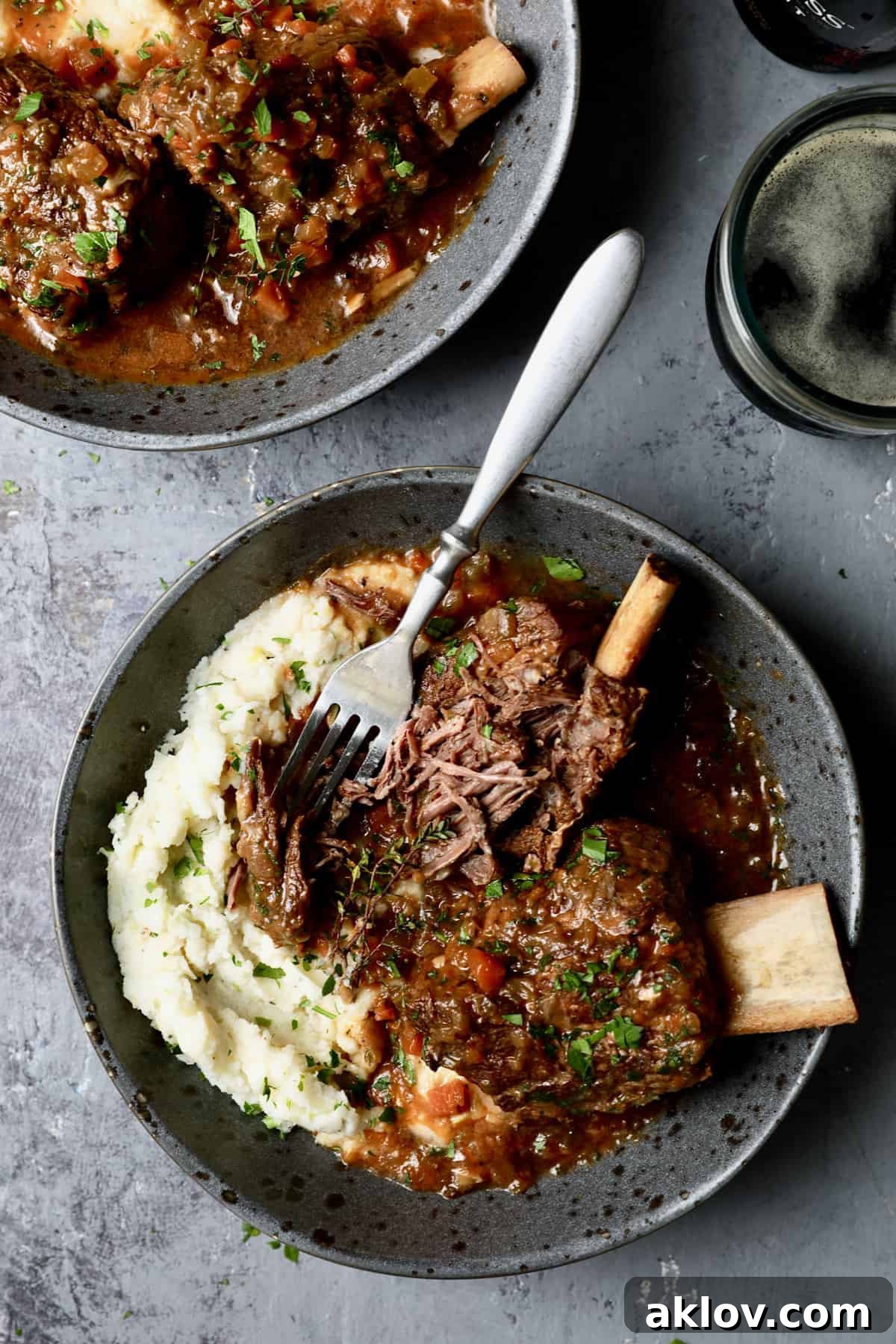
- Before cooking, take a moment to trim any excessive fat from the top, the side opposite the bone, of each short rib. This prevents the final dish from being overly greasy. However, it’s crucial to leave the bone side intact; bones are reservoirs of flavor, releasing collagen and minerals that enrich the braising liquid. Keeping the bone also makes for an impressive presentation and provides a convenient “handle” for diners to hold while effortlessly shredding the tender meat with a fork.
- Generously season the trimmed ribs with salt and freshly ground black pepper. This initial seasoning is vital for flavor penetration. Then, in a sturdy Dutch oven, heat half of your canola oil over medium-high heat until shimmering. Carefully place the seasoned short ribs in the hot oil, working in batches to avoid overcrowding the pan. Sear them intensely on all sides until they develop a beautiful, deep golden-brown crust. This critical step creates deep, savory flavor. Once browned, transfer the ribs to a clean plate and set aside.
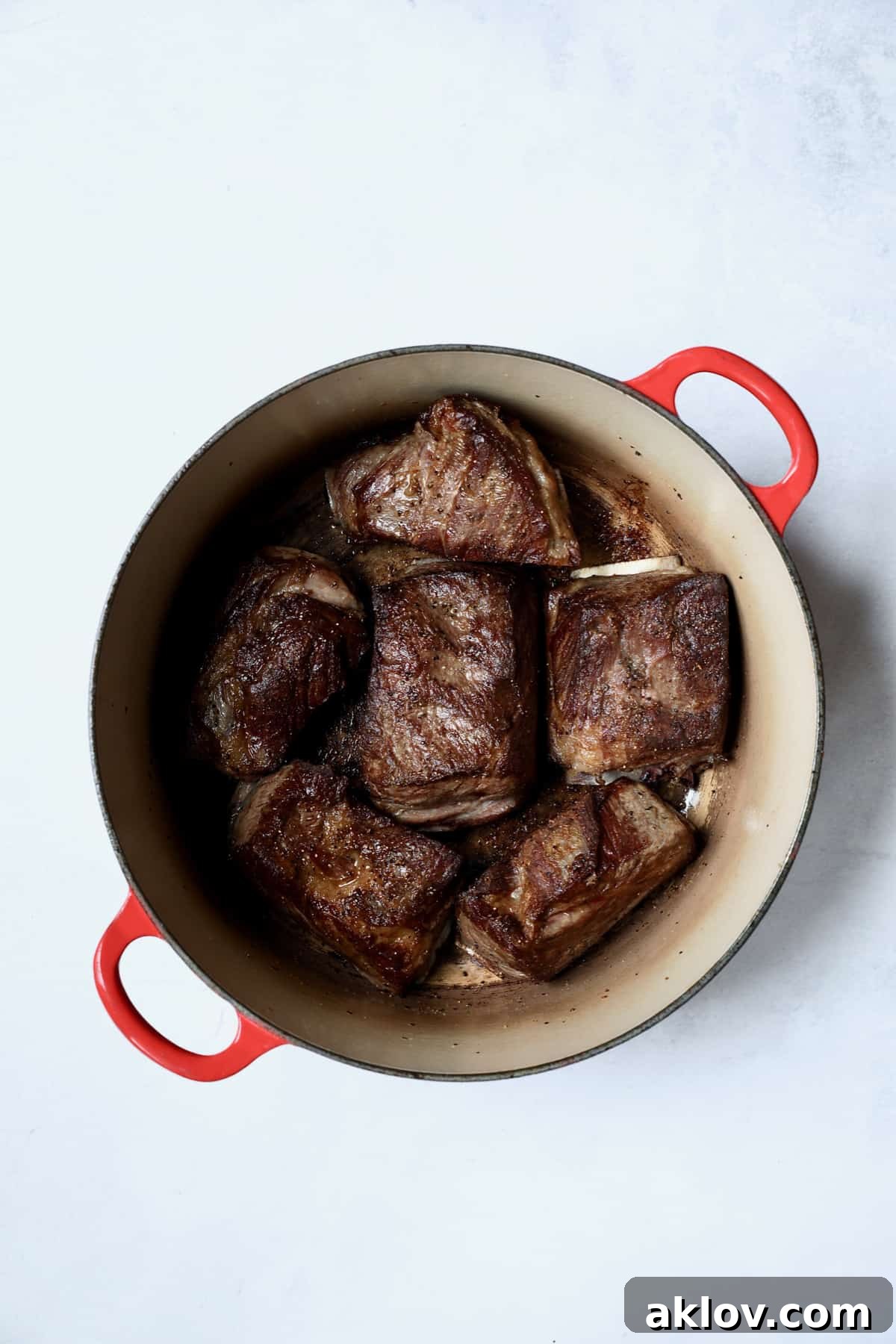
- After searing the ribs, carefully pour out and discard the scorched oil from the Dutch oven. The high heat used for browning can burn the residual oil, leading to off-flavors. It’s important to refresh the oil for the subsequent steps.
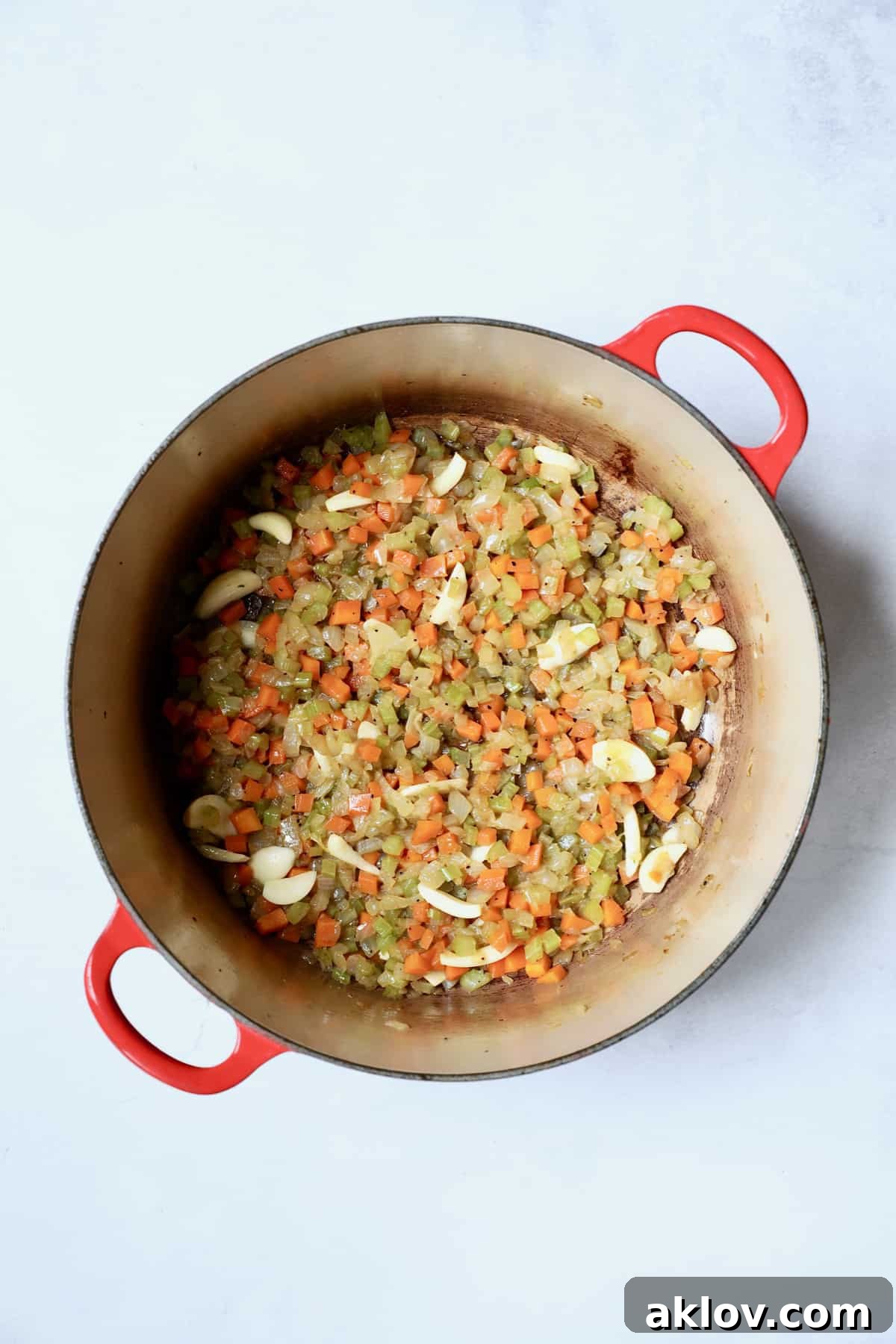
- Add the remaining fresh canola oil to the Dutch oven, reducing the heat slightly if needed. Introduce the chopped onion, celery, and carrot to the pot. Cook these aromatics slowly over medium-low heat, stirring occasionally, until they become wonderfully soft and translucent – almost “melty.” This process typically takes about 5-7 minutes. Once softened, add the chopped garlic and cook for just about 15-30 seconds until fragrant, being careful not to burn it.
- Sprinkle the all-purpose flour over the softened vegetables. Cook, stirring constantly, for approximately 1 minute. The flour will absorb the oils and residual moisture, creating a roux that will slightly thicken our braising liquid. Next, stir in the tomato paste and continue to cook briefly for about 15-30 seconds. This step toasts the tomato paste, deepening its flavor and enhancing its umami notes.
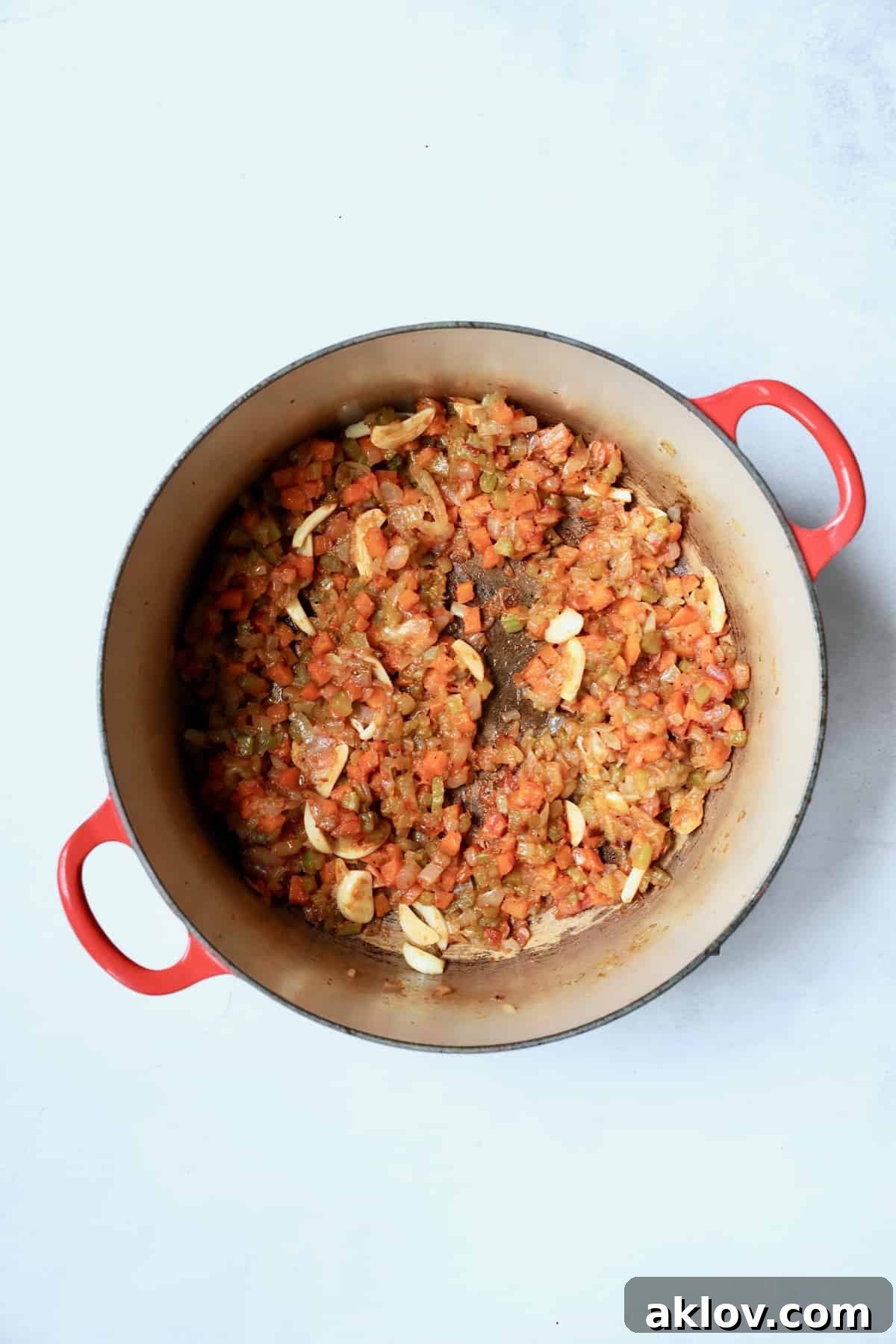
- Slowly pour in the stout beer, stirring vigorously to deglaze the bottom of the Dutch oven. Make sure to scrape up any browned bits (fond) from the bottom of the pot; these are packed with flavor and will contribute significantly to the richness of your sauce. Bring the mixture to a gentle boil, allowing the alcohol to cook off for a minute or two.
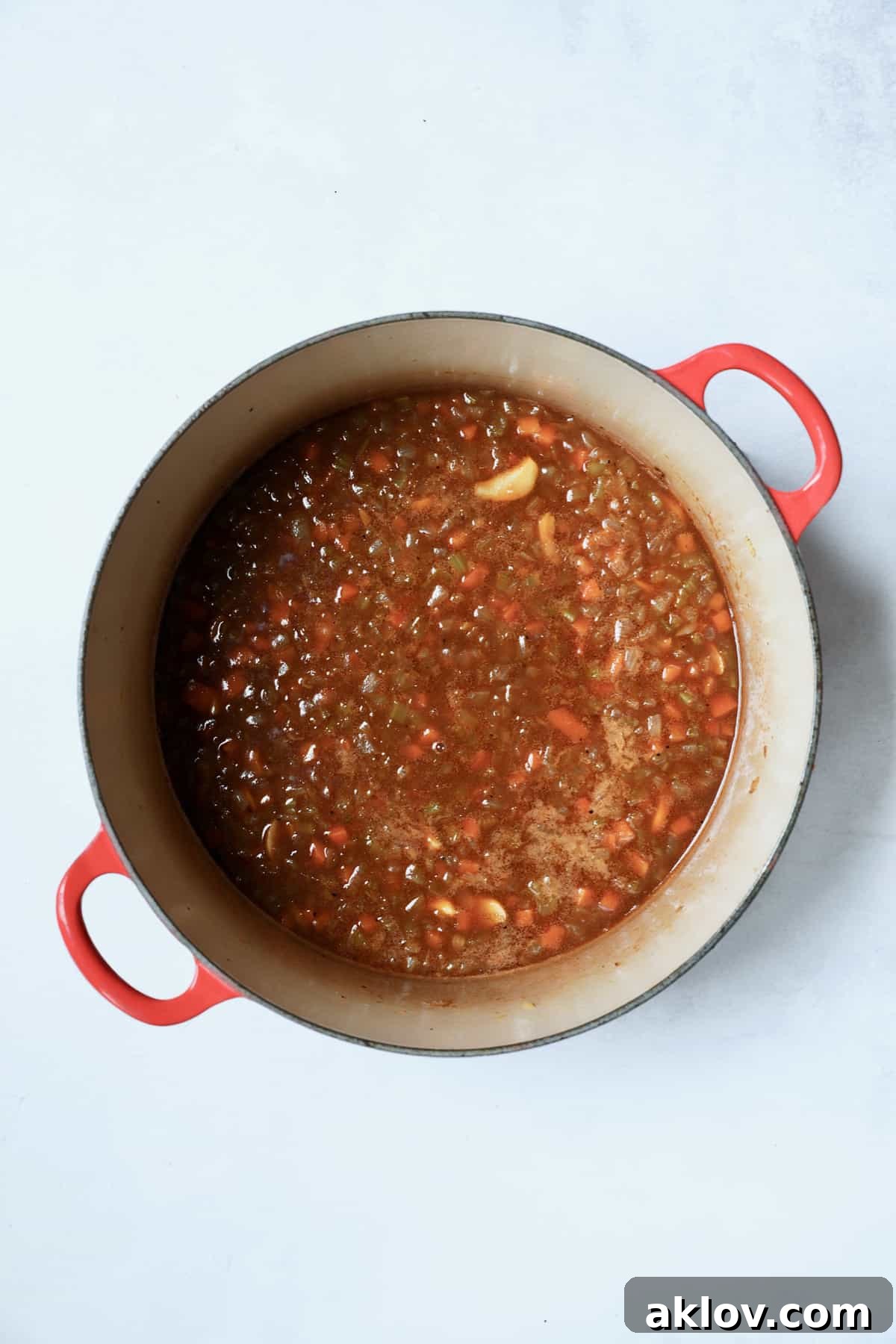
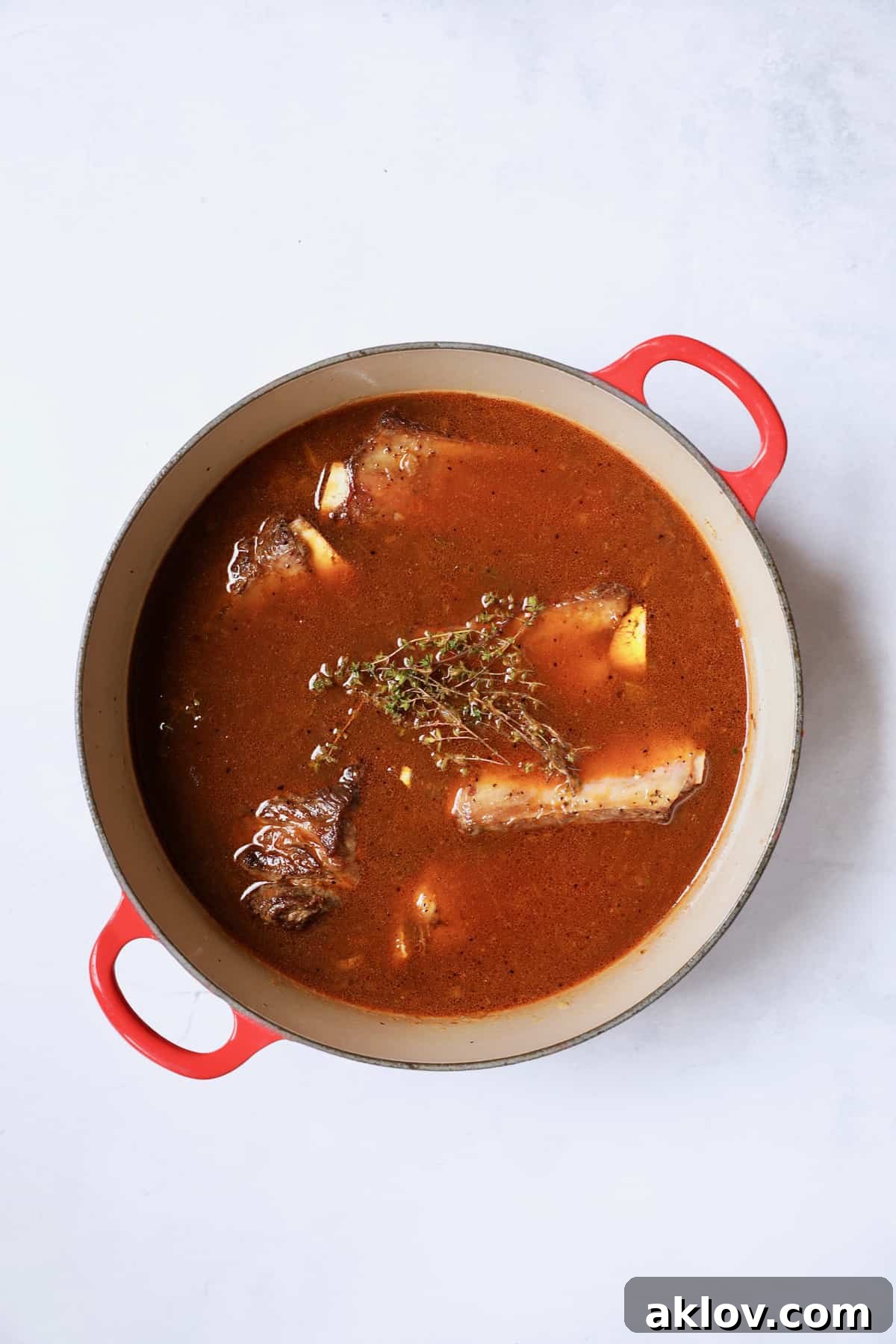
- Once the beer has simmered, add the beef broth and the fresh thyme sprigs to the pot. Stir to combine, then carefully return the seared short ribs to the Dutch oven, nestling them into the liquid so they are mostly submerged. Bring the entire mixture back up to a gentle simmer on the stovetop; avoid a rolling boil at this stage.
- To ensure minimal evaporation and maximum tenderness, cover the pot securely. A layer of aluminum foil or parchment paper placed directly over the liquid before the lid can further help seal in moisture. Transfer the covered Dutch oven to a preheated oven and braise for 2 1/2 to 3 hours, or until the beef is incredibly tender and easily pulls apart with a fork.
- Once the braising is complete, carefully remove the Dutch oven from the oven. Discard the spent thyme sprigs. A significant amount of fat will have rendered and risen to the surface of the braising liquid. Skim as much of this fat as possible using a large spoon or a gravy separator to ensure a lighter, more refined sauce.
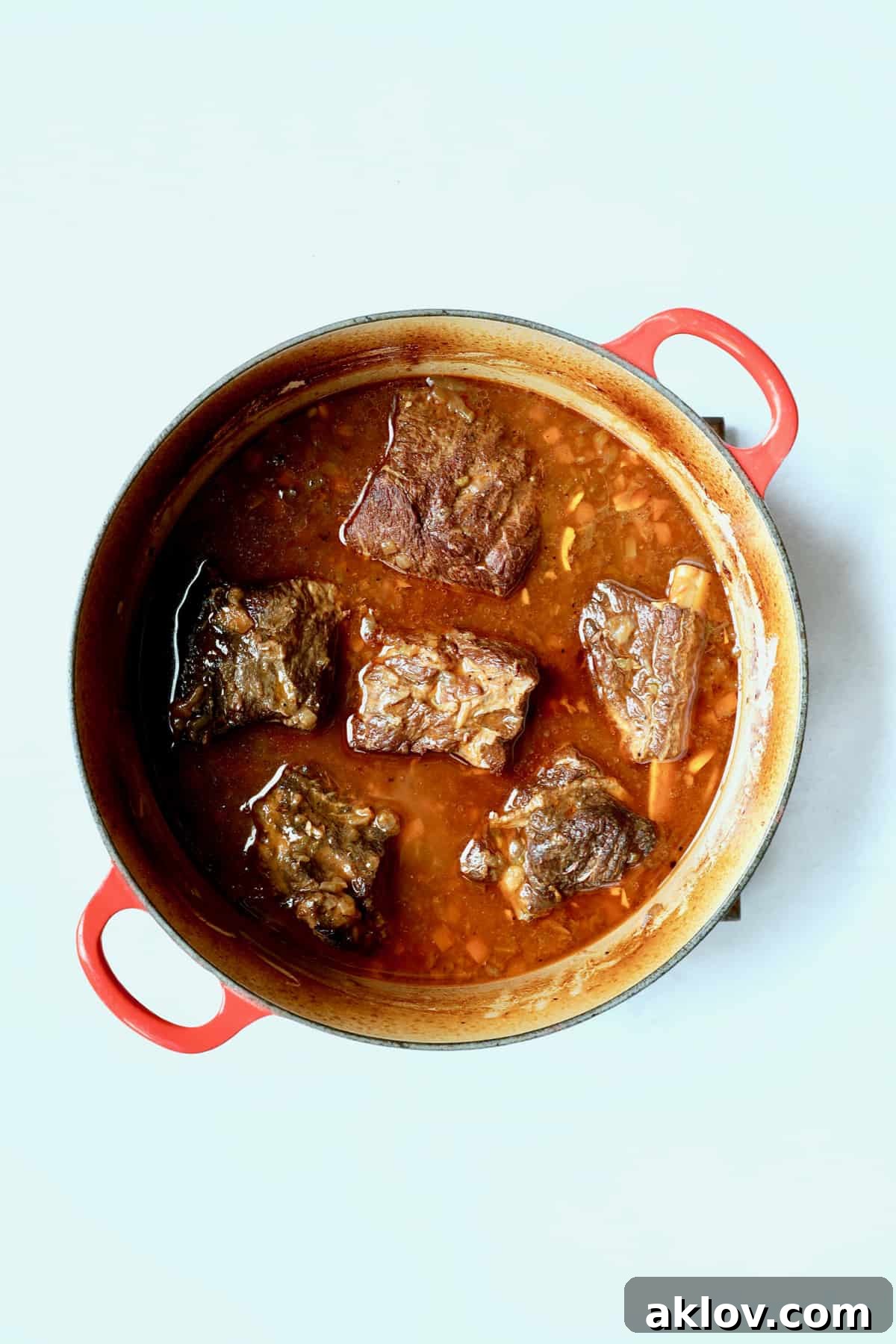
- MAKE AHEAD OPPORTUNITY: This is a fantastic dish to prepare in advance! At this stage, after skimming the fat, allow the ribs and sauce to cool completely. Then, transfer them to an airtight container and refrigerate overnight. This resting period allows the flavors to meld and deepen even further, making the dish taste even better the next day. Reheat gently on the stovetop or in the oven when ready to serve.
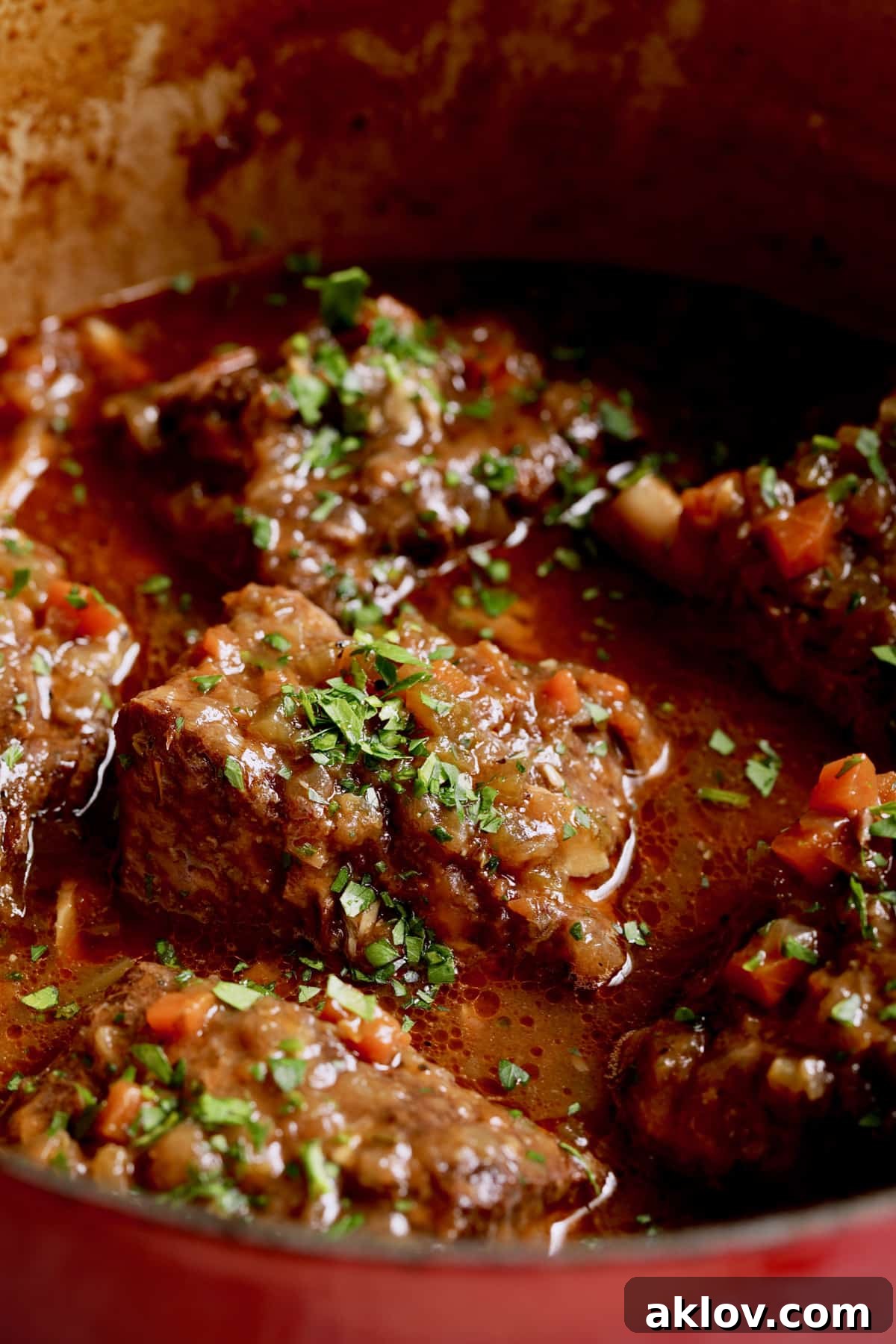
Expert Tips for Skimming Fat from Braised Short Ribs
Achieving a rich, flavorful sauce without excessive grease is key to perfect braised short ribs. After the ribs have cooked to fall-off-the-bone tenderness, you’ll inevitably find a significant layer of rendered fat floating on top of the braising liquid. Here are the most effective methods to remove it:
- **Spoon Skimming:** Carefully tilt the pot to one side, allowing the fat to pool. Use a large, shallow spoon to gently skim the fat from the surface, being diligent to save as much of the precious braising liquid as possible beneath the fat layer. Repeat until most of the visible fat is gone.
- **Using a Gravy Separator:** For a more efficient and cleaner separation, a gravy separator is an excellent tool. Pour the braising liquid into the separator; the fat will rise to the top, and you can pour out the rich liquid from the bottom spout.
- **Refrigerate Overnight (The Chef’s Secret):** This is by far the most recommended method. If your schedule allows, braise the ribs a day ahead of time. Let the entire pot cool to room temperature, then refrigerate it overnight. As the dish chills, the fat will solidify into a firm layer on top, making it incredibly easy to lift off and discard before reheating. Don’t worry about sacrificing any quality; in fact, most meaty braised dishes, like these Stout Braised Beef Short Ribs, often taste even better the next day as the flavors have more time to meld and deepen. This also allows the sauce to thicken slightly and develop a richer consistency.
Once your beef short ribs are ready, the ultimate pairing awaits: Colcannon. This quintessential traditional Irish dish of mashed potatoes and cabbage or kale is the ideal companion, offering a creamy, earthy counterpoint to the rich, savory meat. While Colcannon’s core ingredients are potatoes and greens, variations may include additions like chopped scallions, leeks, or even savory bits of ham or bacon. However, one constant remains: a generous amount of butter, milk, or cream, ensuring a velvety smooth and luxurious texture. While garlic isn’t always traditional in Colcannon, our recipe incorporates it because we adore garlic mashed potatoes, and its pungent warmth harmonizes beautifully with the hearty flavors of the braised beef. It’s absolutely delicious and completes this authentic Irish-inspired meal!
Crafting the Perfect Colcannon: A Classic Irish Side
No plate of Stout Braised Beef Short Ribs is complete without a generous scoop of homemade Colcannon. This creamy, comforting side dish is surprisingly simple to prepare and truly elevates the entire meal. Here’s how to create this traditional Irish favorite:
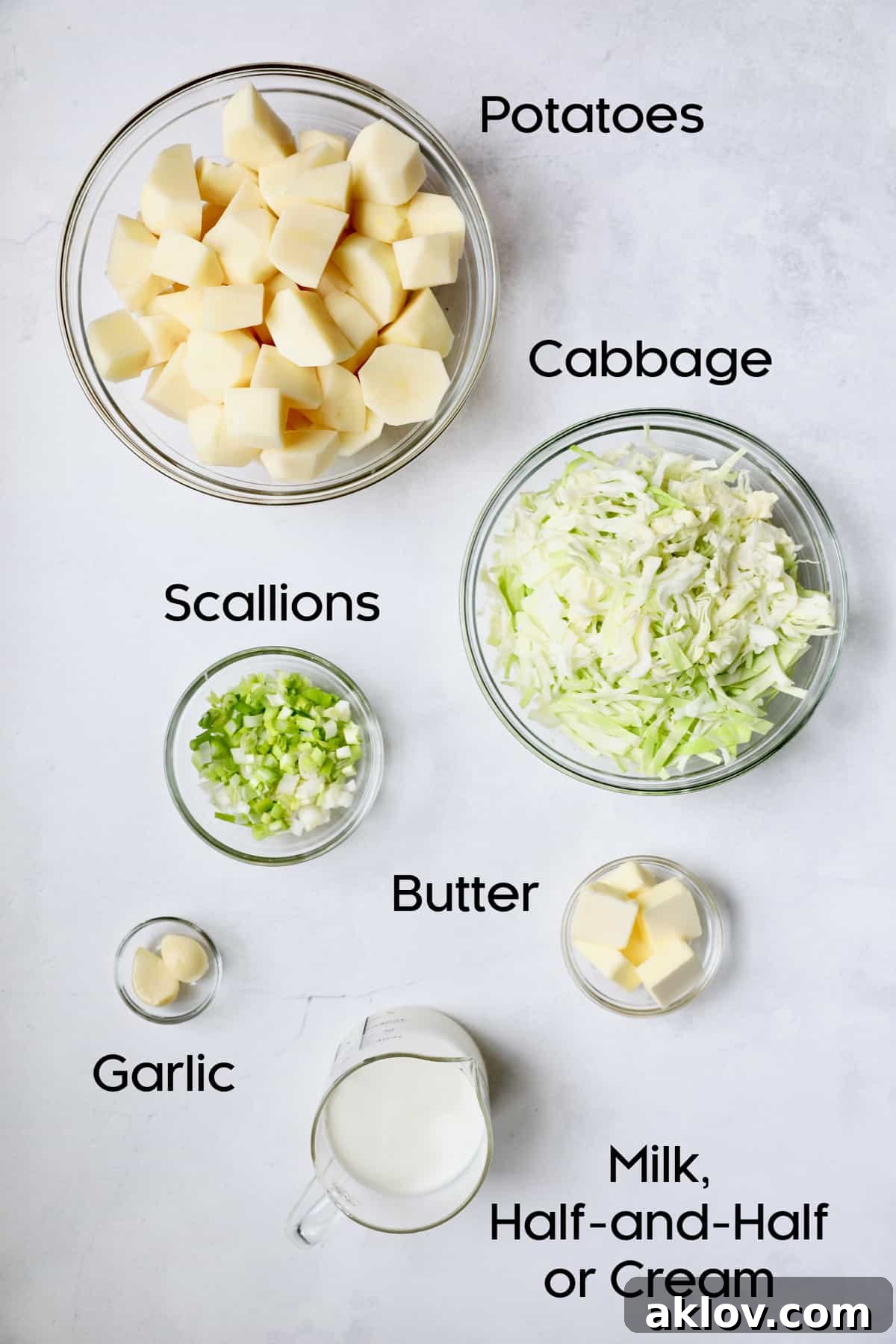
- First, peel and cube your Russet potatoes, then boil them in generously salted water until they are fork-tender. Proper salting of the water is essential for seasoning the potatoes from the inside out. Once cooked, drain them thoroughly.
- While the potatoes are boiling, melt a portion of butter in a large skillet or sauté pan over medium heat. Add the thinly sliced cabbage and cook it until it’s beautifully wilted and tender, which usually takes about 10-12 minutes. You might need to add a splash of water occasionally to prevent browning and keep the cabbage moist.
- Once the cabbage is tender, stir in the chopped scallions and cook for another 1-2 minutes until they soften slightly. Then, add the minced garlic and cook for just about 15 seconds until fragrant. Season this cabbage mixture generously with salt and freshly ground black pepper.
- Return the drained, cooked potatoes to their pot. Add the remaining butter along with warmed milk, half-and-half, or heavy cream. Mash the potatoes until they are smooth and creamy, incorporating all the liquids and butter thoroughly.
- Finally, gently fold the cooked cabbage and scallion mixture into the mashed potatoes. Stir until just combined, being careful not to overmix. Taste and adjust the seasoning with additional salt and freshly ground black pepper as needed. Done and deliciously comforting!
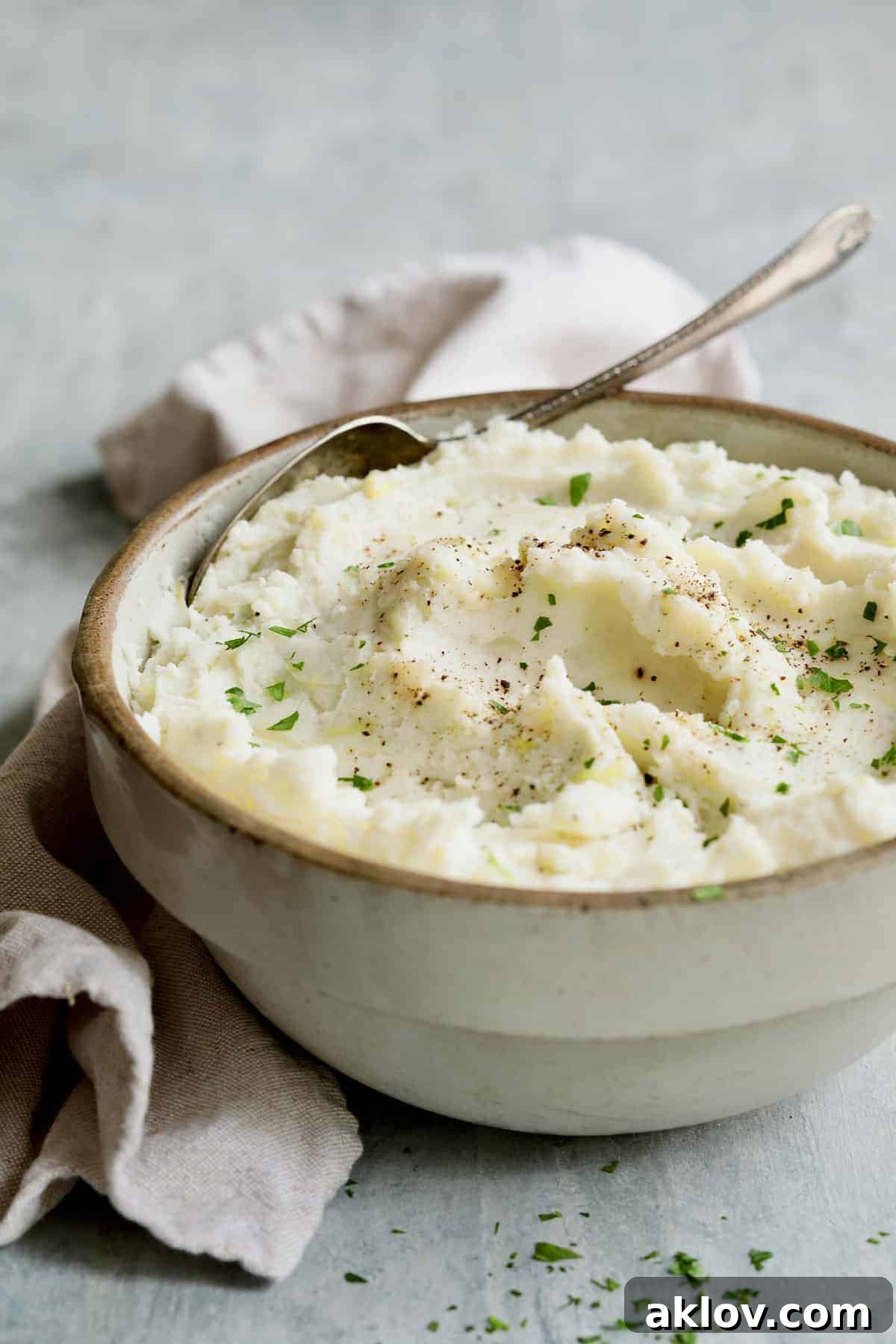
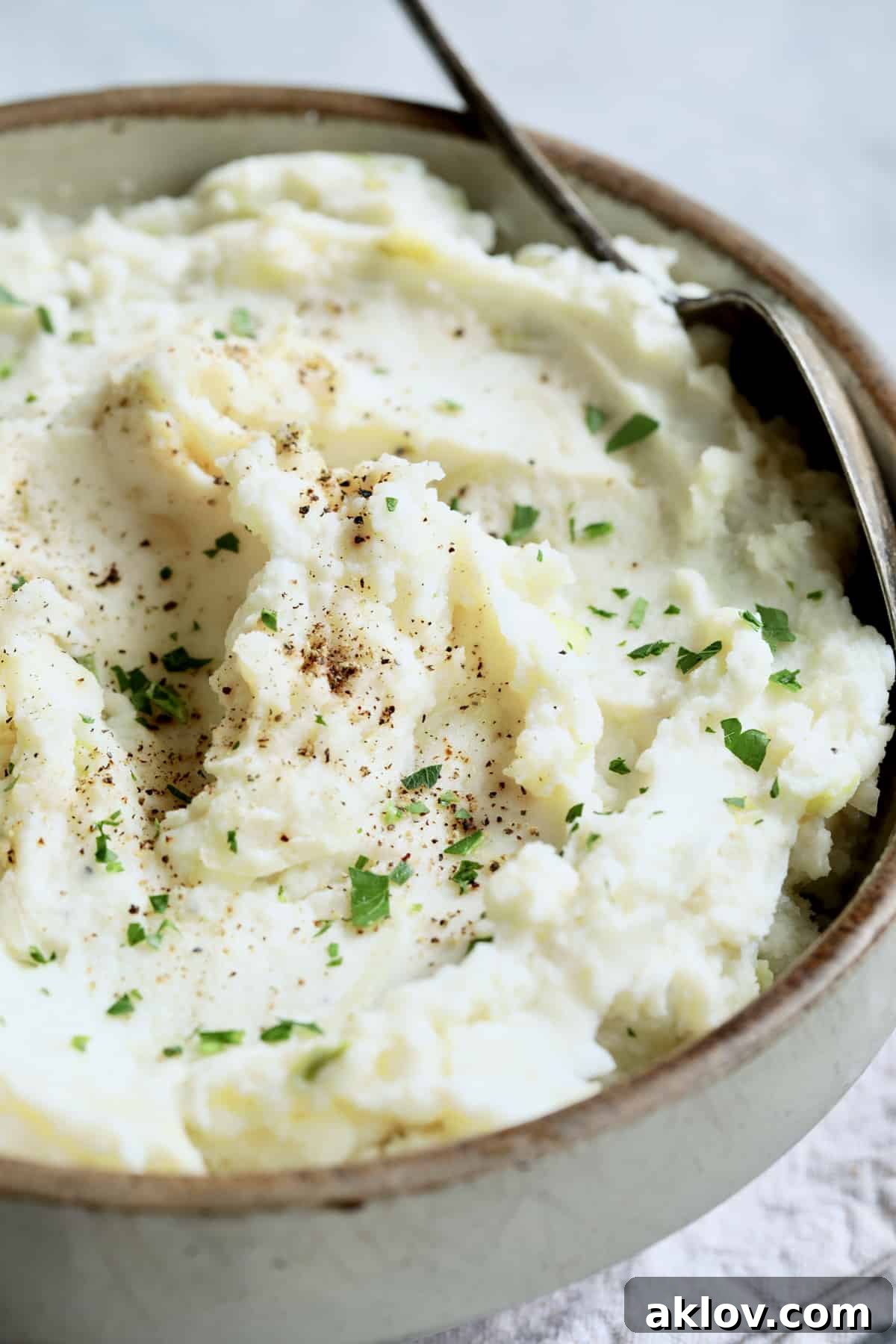
Now, bring it all together! Combine the rich, succulent Stout Braised Beef Short Ribs with the creamy, savory Colcannon for an unforgettable meal. This hearty, delicious Irish-inspired duo offers the ultimate in slowly-simmered, fall-off-the-bone comfort food goodness. It’s a dish that truly nourishes the body and soul, perfect for any occasion when you crave warmth and flavor.
Chef’s Secrets: Pro Tips for Flawless Short Ribs & Colcannon
- Slow Cooker Adaptation: While oven braising typically yields the most concentrated flavors, these short ribs can indeed be prepared in a slow cooker for convenience. Be mindful that slow cookers, due to their sealed environment, tend to produce more steam, which can sometimes dilute the flavors of the braising liquid. To counteract this, consider reducing the amount of beef broth slightly and, if possible, cook the ribs on HIGH for the last 30 to 45 minutes with the lid slightly ajar or entirely off to allow some steam to escape and the sauce to reduce and concentrate.
- Optimal Rib Placement: When braising beef short ribs in a Dutch oven, always ensure that the meaty side of the rib faces the bottom of the pot. The bone side should be on top, nestled within the braising liquid. This positioning ensures that the substantial meat portion is fully submerged and cooks evenly, becoming incredibly tender, while the bone contributes its rich marrow and collagen to the sauce.
- Deglazing for Depth: Don’t skip the crucial step of deglazing the pot after searing the ribs and cooking the aromatics. Those browned bits (fond) stuck to the bottom of the Dutch oven are pure flavor gold. Using the stout beer to scrape them up releases all that concentrated deliciousness into your braising liquid, adding immense depth and complexity to the final sauce.
- Seasoning in Layers: Seasoning isn’t just for the end; it’s an ongoing process. Season the ribs before searing, taste and adjust the seasoning of the aromatic vegetables, and finally, taste and adjust the braising liquid after skimming the fat. This layering of seasoning ensures a well-rounded and balanced flavor in every bite.
Frequently Asked Questions About Stout-Braised Short Ribs
Stout beer is a dark, top-fermented beer that is typically brewed with roasted malt or barley, hops, water, and yeast. Most stout beers are characterized by their very dark, almost black, color and a deep, rich flavor profile often featuring notes of coffee, chocolate, caramel, and sometimes a distinct bitterness. Its origin dates back to 1677, with numerous varieties and brands existing today. However, when people think of stout, they most commonly think of Guinness. This deep, rich flavor of stout pairs exceptionally well with robust meats like beef, especially in slowly-braised dishes such as these beef short ribs. The long cooking process mellows any harsh bitterness, leaving behind a complex, earthy sweetness that enhances the beef’s natural richness without making the dish taste overtly “beery.”
Determining the exact yield of meat from short ribs before cooking can be tricky, as a significant amount of connective tissue and fat will break down during braising. Generally, one long-cut, meaty rib per person may suffice. However, to be on the safe side and ensure everyone has a hearty portion, especially if they are particularly enthusiastic eaters or if the ribs aren’t exceptionally large, I typically recommend cooking a few extra. Six good-sized English-cut short ribs should comfortably feed four people, with the possibility of generous leftovers. If serving smaller appetites or as part of a multi-course meal, four ribs for four people might be adequate.
Braising is a classical cooking method that employs both moist and dry heat to transform tough cuts of meat into incredibly tender, flavorful dishes. It begins with searing the protein – typically a cut with a good amount of connective tissue like short ribs, pot roast, or lamb shanks – at a high temperature to develop a caramelized crust (the Maillard reaction) and build foundational flavor. After searing, the meat is then partially submerged in a flavorful liquid (such as broth, wine, or beer) and slowly simmered at a low temperature, usually in a covered pot in the oven, for several hours. During this prolonged, gentle cooking process, the connective tissue within the meat gradually breaks down into gelatin, infusing the muscle fibers with moisture and transforming the tough cut of protein into something remarkably buttery, succulent, and truly “fall-off-the-bone” tender. The liquid also becomes a rich, deeply flavored sauce.
Absolutely! This is one of those dishes that actually benefits from being made ahead. Preparing the short ribs one or two days in advance allows the rich flavors to deepen and meld even further. After braising, let the dish cool completely, then refrigerate it in an airtight container. The next day, the rendered fat will have solidified on top, making it effortless to skim off, resulting in a cleaner, richer sauce. Reheat gently in the oven at 350°F (175°C) until thoroughly warmed through, or on the stovetop over low heat.
While Colcannon is a truly classic and highly recommended pairing, these versatile Stout Braised Beef Short Ribs can be beautifully complemented by other sides. Consider creamy mashed potatoes (if not making colcannon), parsnip or celery root puree for an earthy touch, roasted root vegetables like carrots, parsnips, or potatoes, or even simple steamed green beans. A crusty loaf of bread is also excellent for soaking up every last drop of the rich stout sauce. For something lighter, a fresh green salad with a vinaigrette can offer a welcome contrast.
And to you, dear reader, as you prepare to savor this incredible Irish-inspired meal, I offer this traditional Irish prayer:
May there always be work for your hands to do,
May your purse always hold a coin or two.
May the sun always shine warm on your windowpane,
May a rainbow be certain to follow each rain.
May the hand of a friend always be near you,
And may God fill your heart with gladness to cheer you.
More Perfect Pairings for Your Short Ribs
Beyond Colcannon, these hearty short ribs pair wonderfully with a variety of side dishes. Here are a few more suggestions to complement their rich flavor:
- Celery Root Puree
- Cauliflower White Bean Puree
- Make-Ahead Mashed Potatoes
Explore More Irresistible Beef Short Rib Recipes!
If you’ve fallen in love with the tender, rich flavor of braised beef short ribs, you’re in luck! There’s a world of delicious variations to explore. Here are some more of my favorite short rib recipes that promise to tantalize your taste buds and impress your guests:
- Wine Braised Beef Short Ribs with Cauliflower Leek Puree
- Slow Cooker Beef Short Ribs Barbacoa with Cilantro Lime Cauliflower Rice
- Boneless Short Ribs Recipe (Bourguignon Style)
- Korean Braised Beef Short Ribs Recipe
For even more culinary inspiration, explore all my delicious beef recipes here: Beef Recipes – From A Chef’s Kitchen.
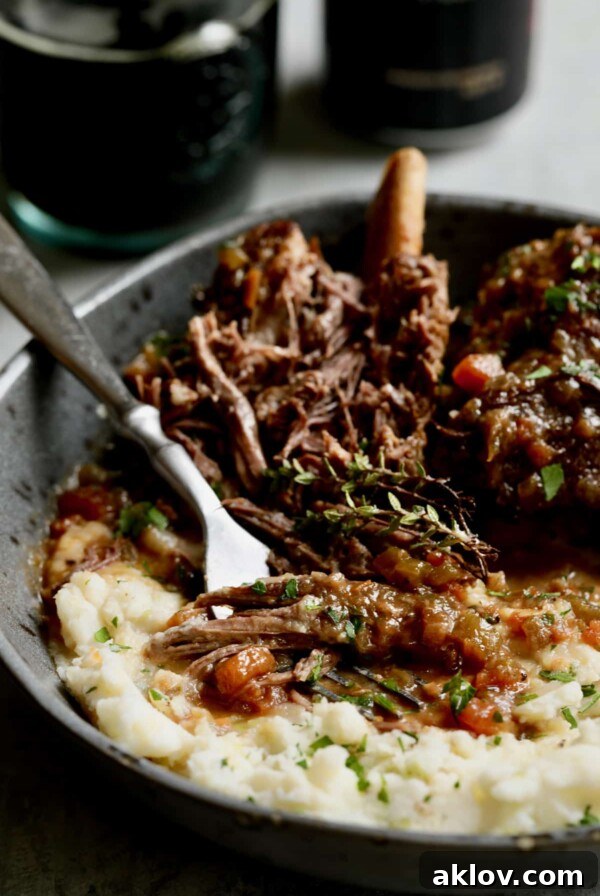
Stout Braised Beef Short Ribs and Colcannon
Equipment
-
Wusthof Chef Knife
-
Cutting Board
-
Dutch Oven
-
Wusthof Paring Knife Set
-
Saucepan
-
Potato Masher
Ingredients
Short Ribs
- 4 tablespoons canola oil, divided
- 4 pounds beef short ribs, 6 long-cut ribs, trimmed of excess fat
- Salt and freshly ground black pepper
- 1 large onion, chopped
- 2 stalks celery, chopped
- 2 large carrots, peeled and chopped
- 8 cloves garlic, chopped
- 1 tablespoon all-purpose flour
- 2 tablespoons tomato paste
- 1 can (14.9-ounce) stout beer, such as Guinness
- 3 cups beef broth
- 4 sprigs fresh thyme
- Chopped parsley for garnish, optional
Colcannon
- 3 pounds Russet potatoes, 6-7 large, peeled and cubed
- Salt
- 6 tablespoons butter, divided
- 4 cups thinly sliced cabbage
- 1 bunch scallions, white and light green part only, chopped
- 2 clove garlic, minced
- 1 1/2 cups milk, half-and-half or heavy cream, warmed
- Freshly ground black pepper, to taste
- Chopped parsley for garnish, optional
Instructions
Short Ribs
-
Preheat your oven to 325 degrees F (160 degrees C). Pat the beef short ribs thoroughly dry with paper towels to ensure a good sear. Season them generously on all sides with salt and freshly ground black pepper.
-
In a large, heavy-bottomed Dutch oven, heat 2 tablespoons of canola oil over medium-high heat until it shimmers. Working in batches to avoid overcrowding, sear the seasoned short ribs until a deep, golden-brown crust forms on all sides. This crucial step locks in flavor. Transfer the browned ribs to a clean plate and set aside.
-
Carefully pour out and discard the scorched oil from the Dutch oven. Add the remaining 2 tablespoons of fresh canola oil to the pot, being mindful not to remove any browned bits (fond) stuck to the bottom, as these contain concentrated flavor. Return the Dutch oven to medium-high heat.
-
Add the chopped onion, celery, and carrot to the pot. Reduce the heat to medium-low and cook for 3 to 5 minutes, or until the vegetables begin to soften and become translucent. Stir occasionally to ensure even cooking.
-
Stir in the chopped garlic and cook for an additional 15-30 seconds, until fragrant. Be careful not to burn the garlic, as it can turn bitter.
-
Sprinkle the all-purpose flour over the cooked vegetables. Cook, stirring constantly, for 1-2 minutes. This creates a roux that will help thicken your sauce and adds a nutty flavor.
-
Stir in the tomato paste and cook briefly for about 15 seconds, stirring constantly, to toast it and deepen its umami flavor.
-
Reduce the heat to low. Slowly pour in the stout beer, stirring continuously and scraping up any browned bits (fond) from the bottom of the pot. Bring the mixture to a gentle boil, allowing it to simmer for a minute or two to cook off the alcohol.
-
Add the beef broth and fresh thyme sprigs to the pot. Return the seared short ribs to the Dutch oven, nestling them into the liquid so they are mostly submerged. Bring the liquid to a simmer over high heat, but do not allow it to boil vigorously.
-
To minimize evaporation and ensure maximum tenderness, place a layer of aluminum foil or parchment paper directly over the liquid, then cover the Dutch oven securely with its lid. Transfer the covered pot to your preheated oven and braise for 2 1/2 to 3 hours, or until the beef short ribs are incredibly tender and easily pull apart with a fork.
-
Once braised, carefully remove the thyme sprigs. Skim off as much rendered fat from the top of the braising liquid as possible using a large spoon or a gravy separator. Taste the sauce and season to perfection with additional salt and freshly ground black pepper as needed. Serve these succulent short ribs hot with your freshly prepared Colcannon.
Colcannon
-
Boil the peeled and cubed Russet potatoes in generously salted water until they are tender when pierced with a fork. Drain the potatoes thoroughly.
-
While the potatoes are cooking, heat 2 tablespoons of butter in a large skillet or sauté pan over medium heat. Add the thinly sliced cabbage and cook for 10 to 12 minutes, stirring occasionally, until it is beautifully wilted and tender. If the cabbage starts to brown, add a small splash of water to prevent it from sticking.
-
Stir in the chopped scallions and cook for another 1-2 minutes until they are slightly softened and fragrant.
-
Add the minced garlic to the cabbage mixture and cook for just 15 seconds, allowing its aroma to develop without burning. Season this mixture with salt and freshly ground black pepper to taste.
-
Return the drained potatoes to their pot. Add the remaining 4 tablespoons of butter along with the warmed milk, half-and-half, or heavy cream. Mash the potatoes until smooth and creamy, ensuring all ingredients are well incorporated.
-
Finally, gently stir the cooked cabbage and scallion mixture into the mashed potatoes until just combined. Taste and adjust the seasoning with additional salt and freshly ground black pepper as needed. Serve immediately alongside your Stout Braised Beef Short Ribs for a truly satisfying meal.
Notes
- When braising beef short ribs, I always ensure the meaty side faces the bottom of the Dutch oven with the bone on top so it stays submerged in the braising liquid. This allows for even cooking and maximum flavor extraction from the bone.
SLOW COOKER INSTRUCTIONS:
- These short ribs can also be cooked in a slow cooker. However, slow cookers tend to water down flavors because of the steam they produce, which doesn’t escape. You can minimize that effect by cooking the ribs on HIGH for 30-45 minutes with the lid off at the end to allow some reduction and flavor concentration. Be sure to still sear the ribs on the stovetop first for optimal flavor development.
MAKE AHEAD:
- This dish is fantastic for making 1-2 days ahead of time. Once braised, let the short ribs and sauce cool completely, then refrigerate overnight. This allows the flavors to deepen significantly and makes fat removal much easier, as the fat will solidify on top.
- To reheat, simply place the short ribs and sauce in an oven-safe dish, cover, and warm in a 350°F (175°C) oven until heated through, or gently reheat on the stovetop.
FREEZER-FRIENDLY:
- These Stout Braised Beef Short Ribs are excellent for freezing. Store them in an airtight, freezer-safe container with plenty of the braising liquid for 1-2 months.
- To serve, thaw the ribs in the refrigerator overnight. Reheat in the oven at 350°F (175°C) until thoroughly warmed, or on the stovetop over low heat.
Nutrition
Nutritional values are automatically calculated using unbranded products and are estimates only. Actual results may vary based on ingredients used and portion sizes. Adjust as needed for dietary restrictions, allergies, or health concerns.
 Like this? Leave a comment below!