
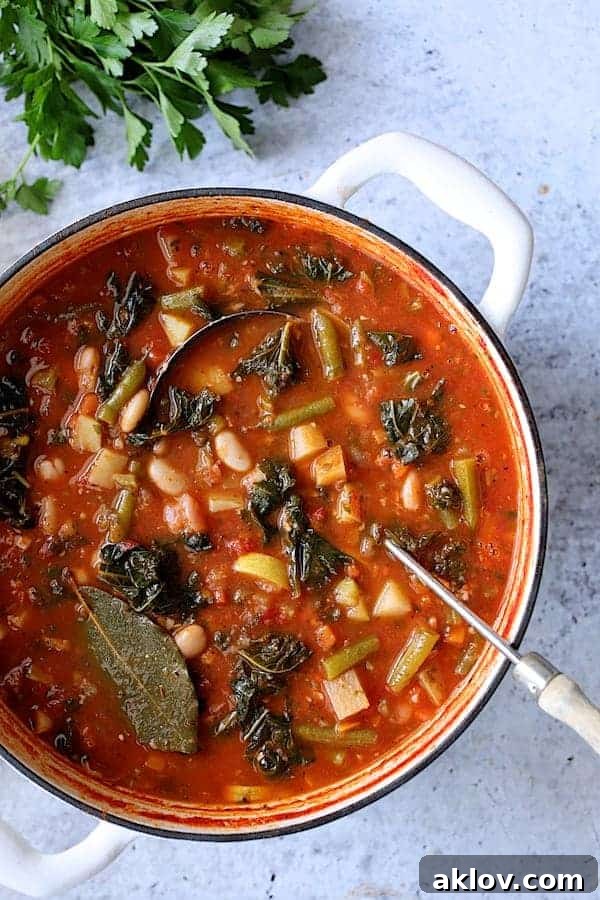
Welcome to a culinary journey that celebrates the rich flavors and wholesome goodness of Italian cuisine, delivered in a comforting, guilt-free bowl: our exquisite **Italian Vegetable Stew**. This isn’t just a meal; it’s a warm embrace, a nourishing hug, and a symphony of flavors designed to tantalize your taste buds and fortify your body. Perfect for those chilly evenings, bustling weeknights when time is precious, or any moment you crave a healthy, satisfying, and deeply flavorful dish. Loaded with vibrant vegetables, savory pancetta (or bacon), and a broth infused with the unmistakable essence of Italy, this stew proves that comfort food can indeed be incredibly good for you.
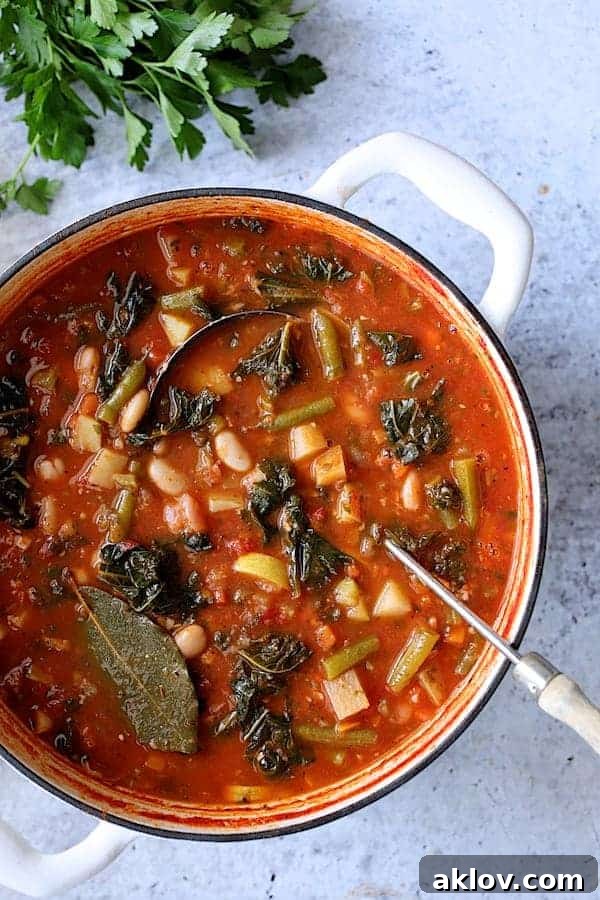
The Heartwarming Inspiration Behind This Italian Vegetable Stew
The genesis of this robust Italian Vegetable Stew sprang from a simple craving: a desire for a soul-satisfying vegetable soup. My initial thought gravitated towards minestrone, that classic Italian staple. However, as someone who deeply appreciates Italian food but doesn’t hail from Italy, I’m always mindful of the passionate traditions associated with such iconic dishes. To avoid any friendly debate about what constitutes the “right” minestrone, I opted for a name that truly reflects its hearty and substantial nature: Italian Vegetable Stew.
What started as a quest for a lighter, brothier soup quickly evolved. The addition of a treasured Parmigiano-Reggiano rind, simmered slowly to release its umami-rich essence, coupled with the satisfying presence of diced potatoes, transformed my soup aspiration into this glorious, full-bodied stew. The result is a dish that offers a comforting thickness without being overly heavy, brimming with textures and tastes that speak of rustic Italian kitchens. It’s a happy accident, a delightful evolution that ensures every spoonful is packed with a depth of flavor that will leave you wanting more. This stew is a testament to how simple ingredients, thoughtfully combined, can create something truly extraordinary and deeply comforting.
Why You’ll Adore This Healthy Italian Vegetable Stew
Beyond its incredible taste, this Italian Vegetable Stew offers a myriad of reasons to become a regular in your meal rotation. First and foremost, it’s a powerhouse of nutrition. Brimming with a diverse array of fresh vegetables like zucchini, yellow squash, green beans, carrots, celery, and kale, it provides a generous dose of vitamins, minerals, and fiber. The cannellini beans add plant-based protein and further dietary fiber, making it an incredibly satisfying and health-conscious meal. It’s naturally low in saturated fat (especially if you opt for lean bacon or skip the pancetta) and packed with wholesome goodness, aligning perfectly with a Mediterranean-inspired diet.
Secondly, its versatility is unmatched. While we provide a fantastic base recipe, this stew is incredibly adaptable. Feel free to swap in your favorite seasonal vegetables, adjust the spices to your preference, or even add a different protein if desired. This makes it an excellent choice for using up leftover produce or tailoring it to specific dietary needs. It’s a forgiving recipe that encourages creativity in the kitchen.
Finally, the sheer comfort factor is undeniable. There’s something inherently soothing about a warm bowl of stew, especially when it’s bursting with fresh, vibrant flavors. The blend of savory pancetta, sweet softened aromatics, tangy tomatoes, and rich Parmesan creates a complex flavor profile that feels both gourmet and homey. It’s the kind of meal that brings families together, perfect for a cozy night in, yet sophisticated enough to impress guests. And the best part? It makes a generous batch, perfect for feeding a crowd or ensuring you have delicious, healthy leftovers for days.
Crafting Your Delicious Italian Vegetable Stew: A Step-by-Step Guide
Preparing this Italian Vegetable Stew is a straightforward process that yields incredibly rewarding results. Follow these detailed steps to create a hearty and flavorful dish that will become a family favorite.
- **Gather Your Essentials:** Start by selecting a large, heavy-bottomed Dutch oven or a substantial soup pot. The robust construction of a Dutch oven ensures even heat distribution, crucial for developing deep flavors and preventing sticking.
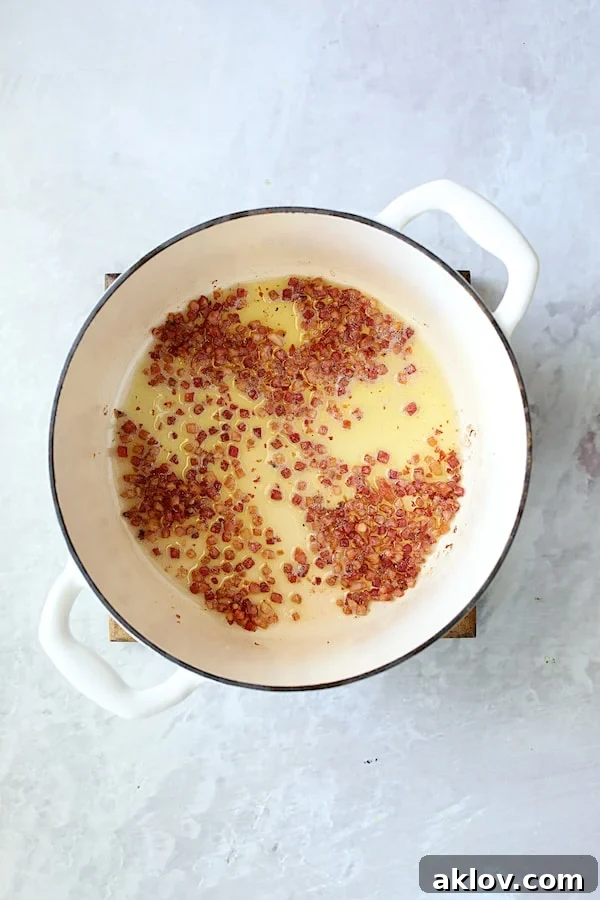
- **Sauté the Pancetta:** Begin by heating a couple of tablespoons of high-quality olive oil in your pot over medium-high heat. Once shimmering, add 4 ounces of diced pancetta. Pancetta, a dry-cured Italian bacon, offers a distinct savory flavor that is less smoky than traditional bacon, making it a wonderful base for this stew. If pancetta isn’t readily available or you prefer an alternative, diced good-quality bacon can be used. Cook the pancetta, stirring occasionally, until it starts to crisp up and has rendered its fat, typically about 2-3 minutes. This step is essential for building the stew’s flavor foundation.
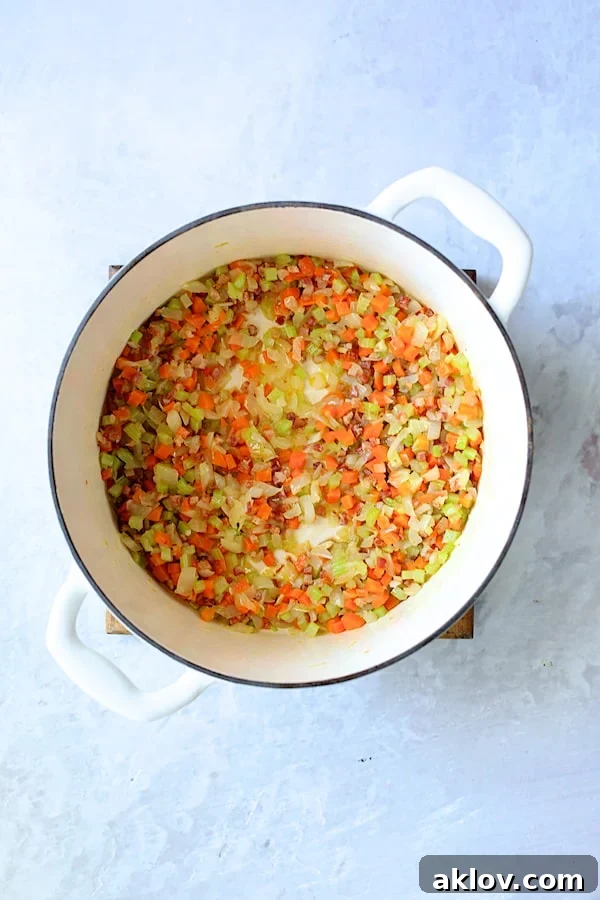
- **Build the Aromatic Base:** Once the pancetta is beautifully browned and crispy, reduce the heat to medium-low. Add 1 large finely chopped onion, 4 cloves of minced garlic, 2 large finely chopped carrots, and 2 stalks of finely chopped celery to the pot. These aromatic vegetables, known as soffritto in Italian cuisine, are the cornerstone of many flavorful dishes. Cook them gently, stirring frequently, for about 6-8 minutes, or until they become beautifully soft and translucent. This slow cooking allows their natural sweetness to develop, forming a rich base for the stew.
- **Introduce the Fresh Vegetables:** Now it’s time to add a vibrant array of fresh vegetables. Stir in 1 medium zucchini, quartered lengthwise and sliced; 1 medium yellow squash, similarly quartered and sliced; and a handful of green beans (approximately 2 cups), cut into 1-inch lengths. Continue to cook for another 2-3 minutes, just until the green beans turn a bright, vivid green. You want them to retain a slight crispness at this stage, as they will continue to cook as the stew simmers.
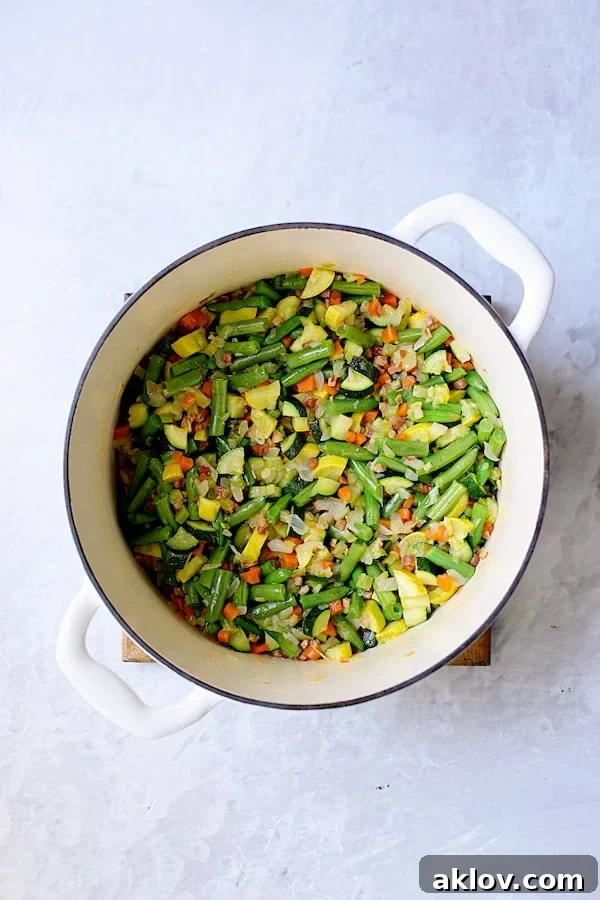
- **Infuse with Flavor & Simmer:** To elevate the flavors, add 1 tablespoon of Italian seasoning, 2 bay leaves, and 1 teaspoon of crushed red pepper flakes (for a gentle warmth, adjust to your preference for spice). Stir these spices in briefly to toast them lightly, enhancing their aroma. Then, introduce the heart of the stew: 2 medium Yukon Gold potatoes, cut into 1/2-inch cubes; a 1-rind (3-inch) from a wedge of Parmigiano-Reggiano (this rind will melt into the stew, lending an incredible depth of salty, nutty flavor); 6 cups of chicken or vegetable broth; 1 can (28-ounce) crushed tomatoes; 3 tablespoons of tomato paste; and 2 cans (15-ounce) cannellini beans, drained and rinsed. Bring the mixture to a boil, then reduce the heat to medium-low, cover, and let it gently simmer for about 20-25 minutes, or until the potatoes and all the vegetables are tender.
- **Add the Kale & Finishing Touches:** Once the vegetables are tender, stir in 1 small bunch of kale, with stems removed and coarsely chopped. Cook for another 5 minutes, or until the kale has wilted and softened. For an extra layer of complexity and richness, splash in a little dry red wine at the very end. Season generously with salt and freshly ground black pepper to taste. Remove the Parmigiano-Reggiano rind and bay leaves before serving.
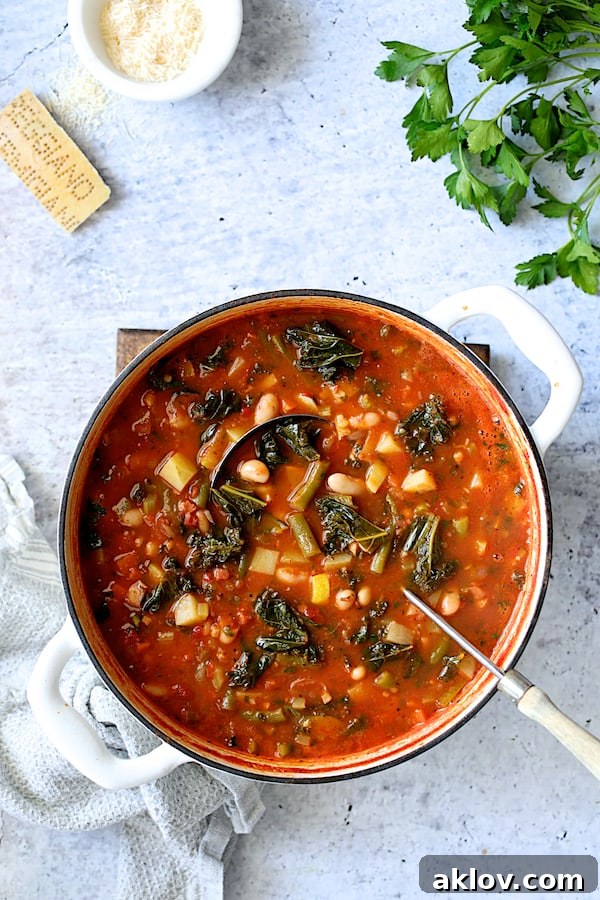
- **Garnish and Serve:** Ladle the hearty Italian Vegetable Stew into warm bowls. For a final flourish, sprinkle generously with 1/4 cup of fresh chopped parsley and freshly grated Parmesan cheese (or Parmigiano-Reggiano). The fresh herbs and salty cheese add a beautiful contrast and burst of freshness to each bite.
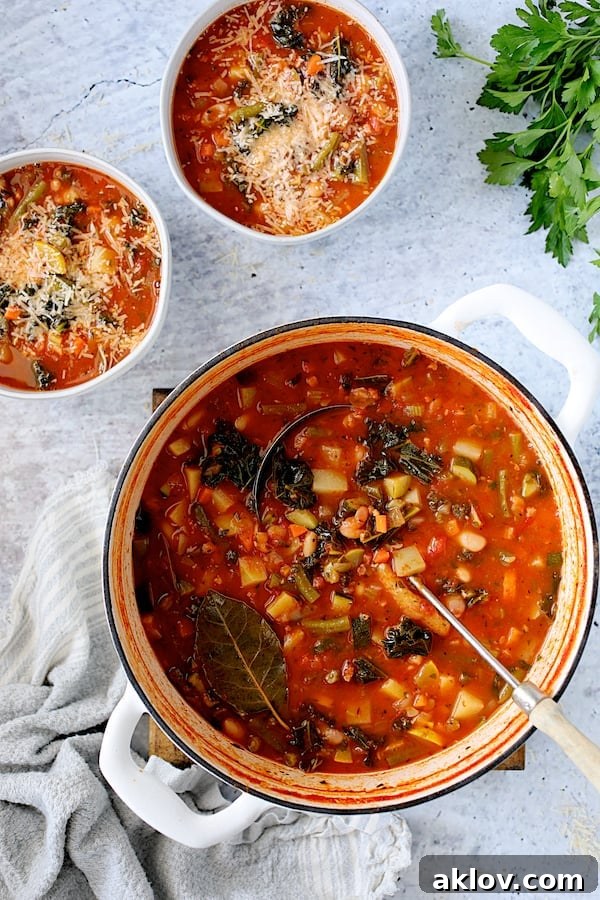
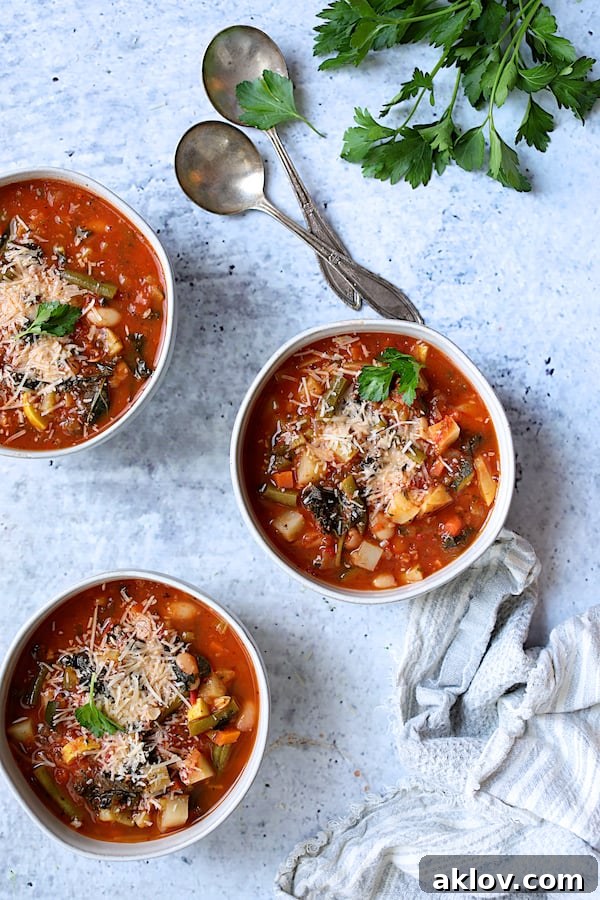
This Italian Vegetable Stew is truly a healthy, hearty comfort food you can feel absolutely wonderful about enjoying. Its generous yield means there’s plenty to go around; perhaps share some with a neighbor or a friend who could use a bowl of nourishing goodness this time of year!
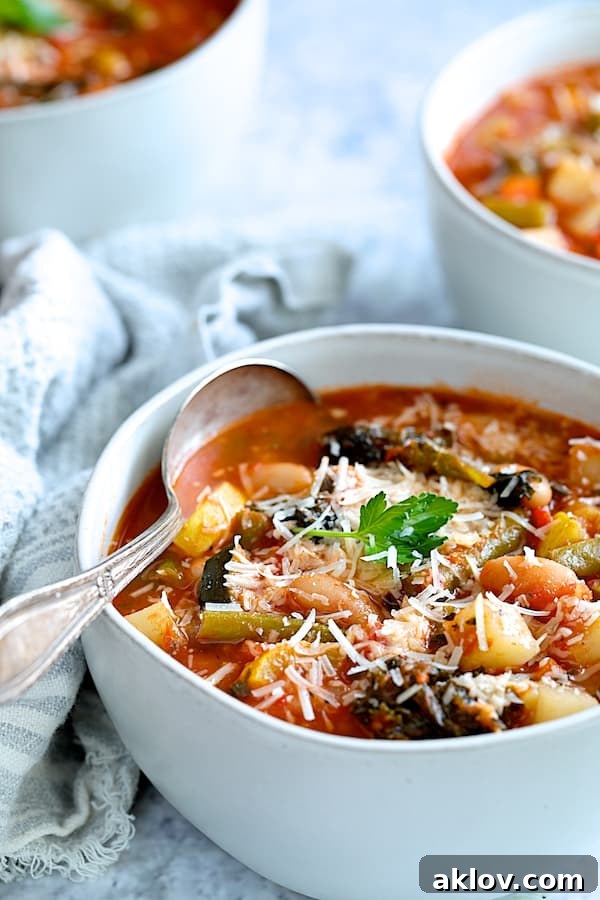
Enjoy every delicious, wholesome bite!
Tips for the Perfect Italian Vegetable Stew
- **Quality Ingredients Matter:** While simple, the quality of your ingredients significantly impacts the final flavor. Use fresh, vibrant vegetables, a good quality olive oil, and flavorful broth.
- **Pancetta vs. Bacon:** Pancetta offers a subtle, savory depth. If using bacon, opt for a good quality, thicker-cut variety and render it slowly to achieve maximum flavor and crispness.
- **Don’t Skip the Parmigiano-Reggiano Rind:** This often-discarded part of the cheese is a secret weapon for adding an incredible umami depth to broths and stews. It melts slowly, infusing the entire dish with its rich, nutty, salty essence.
- **Season in Layers:** Seasoning isn’t just for the end. Taste and adjust seasoning at various stages of cooking. Add salt and pepper after sautéing the aromatics, and then again after the broth has simmered, as flavors concentrate.
- **Vegetable Texture:** Keep an eye on the cooking time of your vegetables. You want them tender but not mushy. Adding them in stages ensures they cook to perfection.
- **The Red Wine Splash:** A splash of dry red wine at the end adds a touch of acidity and complexity, brightening the stew’s overall flavor. Choose a wine you enjoy drinking.
- **Serving Suggestions:** This stew is excellent on its own, but also pairs wonderfully with crusty Italian bread for dipping, a side salad, or even served over a small portion of pasta.
Variations and Customizations for Your Italian Vegetable Stew
This Italian Vegetable Stew is a flexible recipe, encouraging you to adapt it to your preferences and what you have on hand. Here are some ideas:
- **Protein Boost:** For an even heartier meal, consider adding browned Italian sausage, shredded chicken, or even meatballs during the simmering phase. For a vegetarian option, extra cannellini beans or chickpeas can be added.
- **Seasonal Vegetables:** Feel free to swap vegetables based on seasonality. Bell peppers, mushrooms, spinach, or even butternut squash (added with the potatoes) would be delicious additions.
- **Herb Power:** While Italian seasoning provides a great base, fresh herbs like rosemary, thyme, or oregano can be added along with the parsley for an extra aromatic touch.
- **Spice Level:** Adjust the crushed red pepper flakes to your liking. For more heat, add a pinch more; for less, reduce or omit entirely.
- **Broth Flavor:** Experiment with different broths. A richer beef broth could be used for a deeper, more robust flavor profile, or a mushroom broth for an earthy vegetarian version.
- **Pasta Addition:** If you like, a handful of small pasta shapes (like ditalini or small shells) can be added during the last 10-15 minutes of simmering. Ensure there’s enough liquid, as pasta will absorb some of the broth.
Explore More Delicious Italian-Inspired Soup and Stew Recipes
If you’ve enjoyed this Italian Vegetable Stew, you’ll be delighted to discover other comforting and flavorful Italian-inspired dishes. Be sure to try these equally delicious recipes:
- Pumpkin Soup with Marsala and Mascarpone
- Spicy Kale, Butternut Squash and Lentil Soup with Bacon
- Creamy White Bean, Rutabaga and Roasted Garlic Soup
- Italian Sausage Soup with Whole Grain Penne and Vegetables
- Hearty Vegetable and White Bean Soup
- Sausage Lentil Soup with Kale
- Wholesome Italian Vegetable Barley Soup
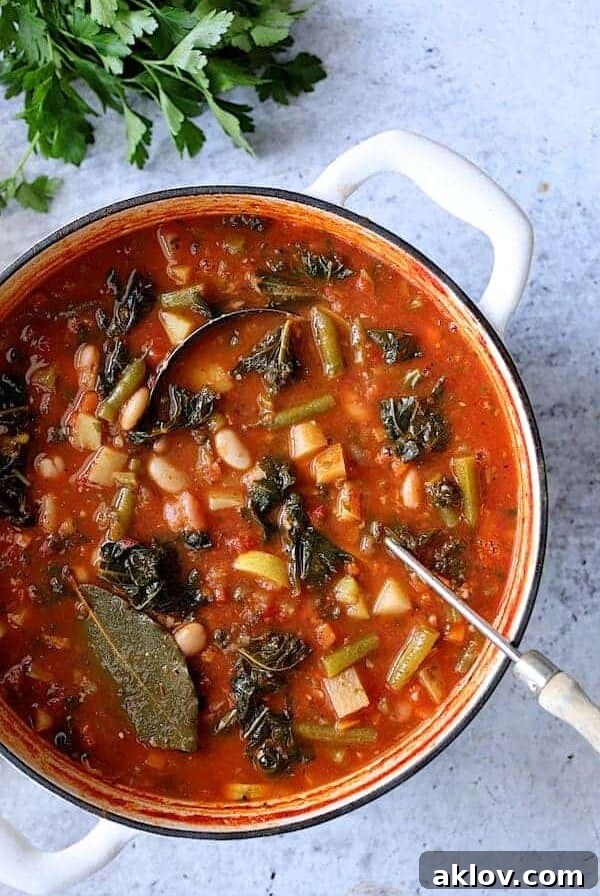
Print Recipe
Italian Vegetable Stew
Sign up to receive this recipe and a weekly serving of fresh recipes and menu inspiration delivered straight to your inbox!
Equipment
-
Wusthof Chef Knife
-
Cutting Board
-
Dutch Oven
-
Cheese/Box Grater
Ingredients
- 2 tablespoons olive oil
- 4 ounces pancetta, diced (or substitute with bacon for a smoky flavor)
- 1 large onion, finely chopped
- 4 cloves garlic, minced for aromatic depth
- 2 large carrots, finely chopped for sweetness
- 2 stalks celery, finely chopped for classic soffritto flavor
- 1 medium zucchini, quartered lengthwise and sliced into half-moons
- 1 medium yellow squash, quartered lengthwise and sliced to match zucchini
- 1 handful green beans, cut into 1-inch lengths (approximately 2 cups)
- 1 tablespoon Italian seasoning, a blend of savory herbs
- 2 bay leaves, for subtle herbal notes
- 1 teaspoon crushed red pepper flakes, adjust to desired heat level
- 1 rind (3-inch) from a wedge of Parmigiano-Reggiano, for rich umami flavor (remove before serving)
- 6 cups chicken broth, or vegetable broth for a vegetarian option
- 1 can (28-ounce) crushed tomatoes, for a vibrant tomato base
- 3 tablespoons tomato paste, to deepen tomato flavor and thicken the stew
- 2 cans (15-ounce) cannellini beans, drained and rinsed for added protein and creaminess
- 2 medium Yukon Gold potatoes, cut into 1/2-inch cubes for heartiness
- 1 small bunch kale, stems removed and coarsely chopped, for added greens
- Splash of dry red wine, optional, to deglaze and add depth
- Salt and freshly ground black pepper, to taste
- 1/4 cup chopped fresh parsley plus more for topping, for freshness and garnish
- Freshly grated Parmesan cheese, for topping and added flavor
Instructions
-
Heat the olive oil in a large Dutch oven or other heavy soup pot over medium-high heat. Ensure the pot is sufficiently hot before adding the pancetta to achieve a good sear.
-
Add the diced pancetta to the hot oil. Reduce heat to medium and cook for 2-3 minutes, stirring occasionally, until it begins to get crispy and has rendered its fat. Remove some of the rendered fat if desired, leaving enough to sauté the vegetables.
-
Stir in the finely chopped onion. Reduce heat to medium-low and cook for 3-4 minutes, or until the onion starts to soften and turn translucent. This allows its natural sweetness to develop.
-
Add the finely chopped carrots and celery to the pot. Continue to cook for another 3-4 minutes, stirring frequently, until they also begin to soften. This trio forms the traditional Italian soffritto.
-
Introduce the zucchini, yellow squash, and green beans. Cook for 2-3 minutes, stirring gently, until the green beans turn a vibrant bright green. Avoid overcooking at this stage, as they will continue to soften during simmering.
-
Add the Italian seasoning, bay leaves, and crushed red pepper flakes. Stir briefly for about 30 seconds to allow the spices to release their aromas.
-
Pour in the chicken or vegetable broth, crushed tomatoes, and stir in the tomato paste until fully incorporated. Add the Parmigiano-Reggiano rind to the pot.
-
Bring the entire mixture to a gentle boil. Once boiling, reduce the heat to medium-low to maintain a steady simmer.
-
Stir in the drained and rinsed cannellini beans and the cubed potatoes. Simmer uncovered for approximately 20-25 minutes, or until the potatoes and all the other vegetables are tender to your liking. Stir occasionally to prevent sticking.
-
Add the coarsely chopped kale. Cook for another 5 minutes, or until the kale has completely wilted and softened into the stew.
-
If desired, add a splash of dry red wine and stir through. Taste the stew and adjust seasoning with salt and freshly ground black pepper as needed.
-
Carefully remove and discard the Parmigiano-Reggiano cheese rind and the bay leaves from the stew.
-
Stir in the 1/4 cup of fresh chopped parsley just before serving.
-
Ladle the hot Italian Vegetable Stew into bowls. Garnish each serving with additional chopped fresh parsley and a generous sprinkle of freshly grated Parmesan cheese. Serve immediately and enjoy!
Notes
- This delicious stew can be prepared 1-2 days in advance, allowing the flavors to meld and deepen beautifully.
- Store the cooled stew in an airtight container in the refrigerator until ready to use.
- Reheat gently on the stovetop over medium-low heat, stirring occasionally, or warm individual portions in the microwave.
**FREEZER-FRIENDLY:**
- Italian Vegetable Stew freezes exceptionally well, making it a perfect meal prep option.
- Allow the stew to cool completely to room temperature before portioning into airtight, freezer-safe containers or heavy-duty freezer bags. Freeze for up to 1-2 months for best quality.
- To serve, thaw the frozen stew overnight in the refrigerator. Reheat thoroughly on the stovetop or in the microwave until piping hot.
Nutrition
Nutritional values are automatically calculated using unbranded products and are estimates only. Actual results may vary based on ingredients used and portion sizes. Adjust as needed for dietary restrictions, allergies, or health concerns.
 Did you enjoy this recipe? Leave a comment below and let us know!