
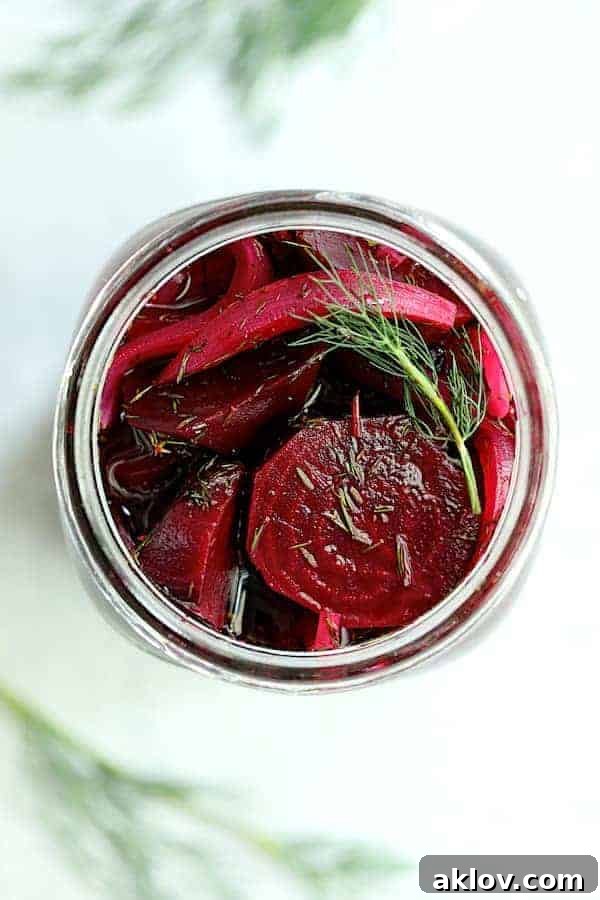
Quick Pickled Beets with Dill: A Zesty, Easy & Vibrant Condiment
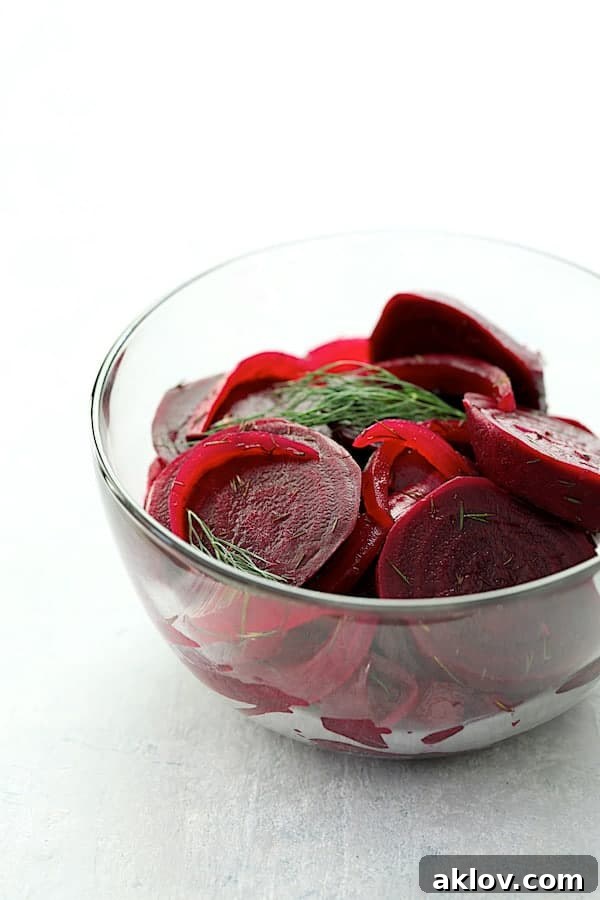
If you’re seeking a vibrant, tangy, and incredibly versatile addition to your culinary repertoire, these Quick Pickled Beets with Fresh Dill are an absolute must-try. Transforming earthy, naturally sweet beets into a refreshing delicacy, this recipe utilizes a zesty vinegar brine infused with the unmistakable aroma of fresh dill. Far more than just a side dish, these pickled delights are a perfect make-ahead condiment, ready to elevate your salads, enrich your sandwiches, or simply be enjoyed straight from the jar as a healthy snack. Forget the complexities of traditional canning; this method is designed for speed and simplicity, coming together in under 30 minutes of active prep. They’re a fantastic accompaniment to hearty meals like a classic Hungarian Goulash or a comforting Reuben Casserole, offering a bright counterpoint to rich flavors.
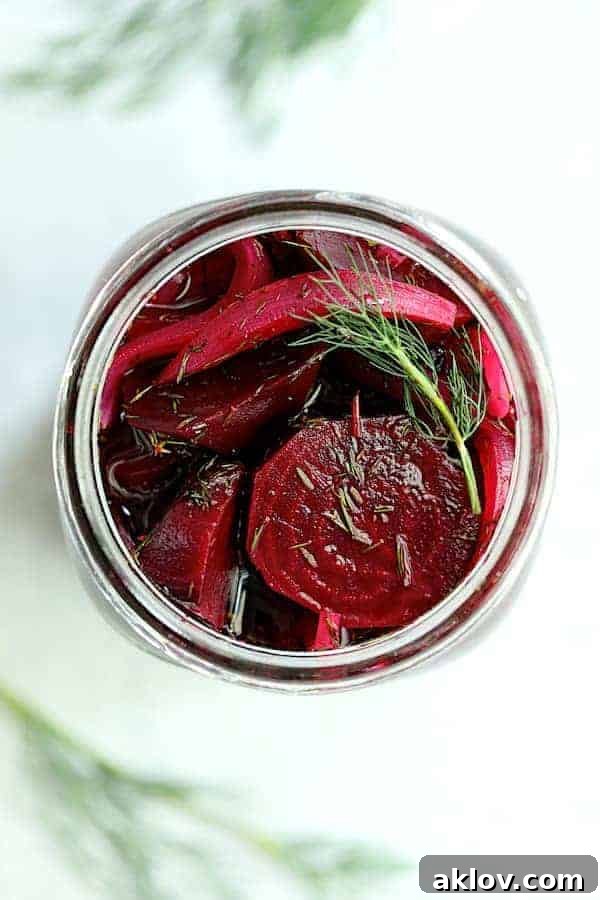
Embrace the Tang: Why Quick Pickling is a Culinary Game-Changer
As the peak of summer bounty arrives, bringing with it an abundance of fresh, vibrant produce, my thoughts invariably turn to the delightful world of pickling. There’s something undeniably satisfying about the crisp texture and the invigorating balance of sour and salty notes that only pickled foods can deliver. For those who relish these bold flavors, quick pickling is an essential technique. It’s a method that provides the delightful zing of traditionally preserved foods without the extensive time and specialized equipment usually associated with canning.
Quick pickling bypasses the need for water bath canners, pressure canners, and meticulous sterilization for long-term shelf stability at room temperature. Instead, it focuses on infusing vegetables with a flavorful brine that allows them to be stored in the refrigerator for several weeks or even months. This “small batch” concept is ideal for home cooks who want to enjoy fresh, homemade condiments without a major time commitment. It’s easier, faster, and allows for greater experimentation with seasonal ingredients, transforming everyday vegetables into extraordinary flavor enhancers. The refreshing nature of quick pickled items also makes them perfect for cutting through rich dishes or adding a bright, acidic lift to any plate.
The versatility of quick pickling extends far beyond beets. It opens up a world of possibilities for preserving and enhancing other vegetables. For instance, if you’re lucky enough to find wild ramps or leeks in the spring, consider trying Pickled Ramps for a unique seasonal treat. Or, if you enjoy a bit of heat with your greens, my Quick Pickled Brussels Sprouts with Jalapeno offer a spicy kick that’s sure to awaken your palate. The beauty of quick pickling lies in its adaptability, allowing you to experiment with different spices, herbs, and vinegars to create your signature flavors. For our household, these Quick Pickled Beets hold a special place, a cherished favorite that perfectly balances their natural sweetness with a delightful tang, making them an irresistible addition to any meal.
The Star Ingredient: Beets and Their Health Benefits
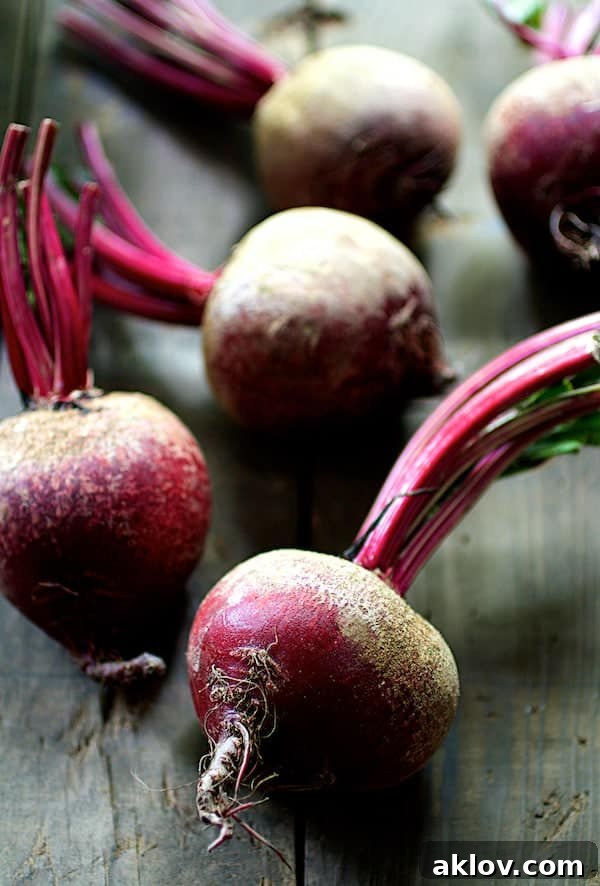
Beets are truly a nutritional powerhouse, offering a wealth of vitamins, minerals, and antioxidants. These vibrant root vegetables are rich in fiber, folate (vitamin B9), manganese, potassium, iron, and vitamin C. They are particularly known for their high concentration of nitrates, which the body converts into nitric oxide. This compound helps to relax and widen blood vessels, potentially leading to improved blood flow, lower blood pressure, and enhanced athletic performance. The beautiful deep red and purple hues of beets come from betalains, powerful antioxidants that possess anti-inflammatory and detoxification properties. Incorporating beets into your diet, especially in a delicious pickled form, is an excellent way to boost your overall health and add a burst of color and flavor to your meals.
When selecting beets for pickling, always look for firm, smooth roots with healthy, vibrant green tops attached (if available). The greens are also edible and can be lightly sautéed with garlic or added to salads for a quick and nutritious side dish! For this recipe, aim for medium-sized beets, which tend to be more tender and less fibrous than very large ones. While classic red beets provide that iconic vibrant color, don’t hesitate to experiment with golden or striped chioggia beets for a different aesthetic and a slightly milder, sweeter flavor profile. Always give them a good scrub under cold water to remove any lingering dirt before cooking.
Mastering Quick Pickled Beets with Dill: A Step-by-Step Guide
Crafting these quick pickled beets is a straightforward process, largely divided into preparing the beets and making the brine. Here’s how to achieve perfectly tangy, dilly pickled beets every time:
Step 1: Prepare and Cook Your Beets to Perfection
- Begin with two bunches of fresh beets, which typically yields approximately 8-10 medium-sized roots. Thoroughly scrub them under running water to remove any dirt or debris. Trim off the leafy tops, leaving about an inch of stem attached to prevent excessive bleeding of color during cooking. You can save the beet greens for another recipe!
- Next, you’ll need to cook the beets until tender. You have several excellent options, each contributing a slightly different flavor and texture:
- To Boil: Place the cleaned beets in a medium saucepan and cover them with about an inch of cold water. Bring to a rolling boil over high heat, then reduce the heat to a steady simmer. Cook for 35-45 minutes, or until a paring knife can easily pierce the beets with minimal resistance. Larger beets may take a bit longer. Drain the hot water, then immediately rinse the beets under cold running water to stop the cooking process and make them easier to handle. Once cool enough, the skins will slip off effortlessly.
- To Roast: Preheat your oven to 375°F (190°C). Lightly rub the cleaned beets with a neutral oil like olive, canola, or any vegetable oil. Wrap them individually or in a small packet with aluminum foil to trap moisture. Roast for approximately an hour, or until they are tender when pierced with a paring knife. Allow them to cool completely in their foil packets before peeling and slicing. Roasting tends to bring out a deeper, sweeter, more concentrated flavor in the beets.
- To Steam: Arrange the cleaned beets in a single layer in a steamer basket placed over about 2 inches of boiling water in a pot. Cover the pot tightly and steam for 40-50 minutes, or until the beets are tender. It’s important to keep an eye on the water level during steaming to ensure it doesn’t boil dry. Once cooked, cool them under cold tap water, then peel. Steaming helps retain more of the beet’s vibrant color and subtle flavors.
- After cooking and peeling, slice or quarter your beets, depending on your preferred size and how you plan to serve them. Thinner slices will absorb the brine more quickly, while larger chunks will offer a meatier bite.
Step 2: Assemble Your Jars with Care
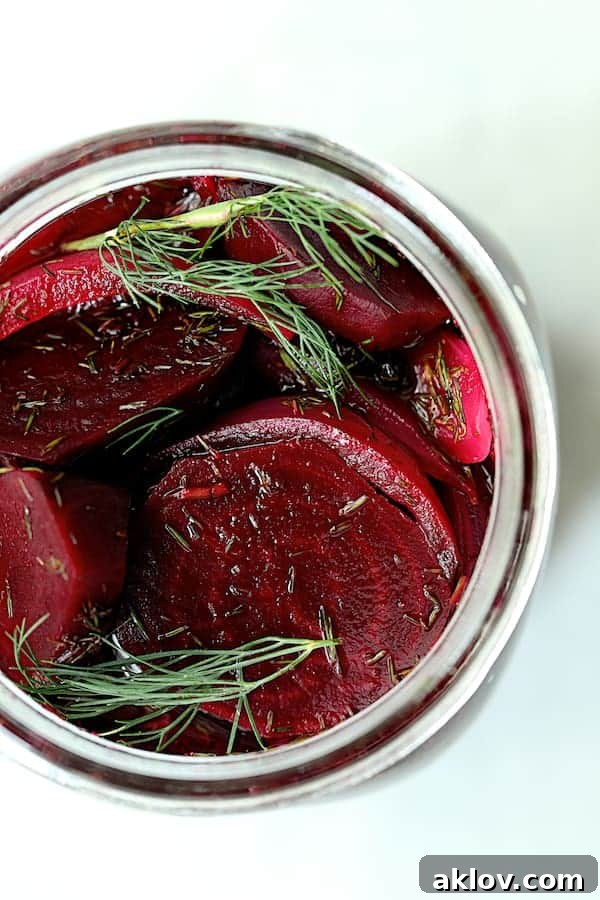
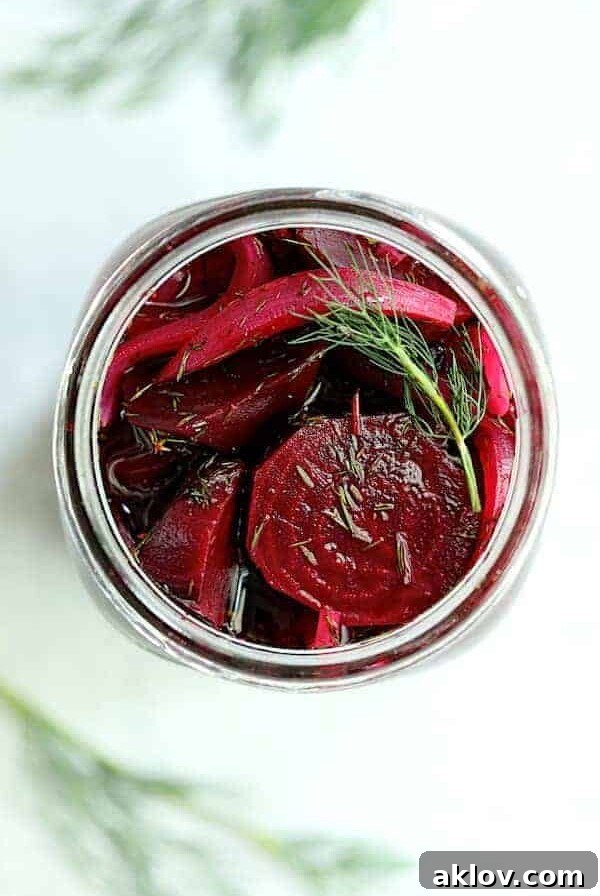
- Carefully layer the cooked and prepared beets into a clean, heat-proof glass jar (a 1-quart jar works perfectly for this recipe). As you layer the beets, alternate with thinly sliced red onion and generous sprigs of fresh dill. This layering ensures even flavor distribution throughout the jar and a beautiful presentation.
Step 3: Craft the Simple Yet Flavorful Brine
- In a small saucepan, combine the white wine vinegar, water, granulated sugar, salt, and black peppercorns. This simple brine recipe is intentionally minimalist, allowing the natural sweetness of the beets and the fresh aroma of dill to truly shine without being overshadowed by too many competing spices. While white wine vinegar offers a clean, bright tang, you can experiment with apple cider vinegar for a fruitier note or distilled white vinegar for a sharper, more traditional pickle flavor.
- Bring the brine mixture to a rolling boil over medium heat, stirring occasionally. Continue to boil for 1-2 minutes, or until the sugar and salt have completely dissolved. The hot brine helps to infuse the flavors more rapidly and gently “cook” the beets further, enhancing their texture and ensuring the pickling process begins immediately.
Step 4: Combine, Cool, and Refrigerate for Flavor Development
- Carefully pour the hot brine over the layered beets, onion, and dill in the jar, ensuring all the contents are fully submerged. The beets should be completely covered by the liquid. If necessary, gently press the beets down with a clean spoon or fork to keep them under the liquid; this ensures even pickling and prevents spoilage.
- Securely screw a lid tightly onto the jar. Invert the jar once or twice to help distribute the dill and other aromatics evenly throughout the brine. This step helps all the flavors meld together harmoniously.
- Allow the jar to cool completely at room temperature on your countertop. This gradual cooling helps the beets absorb the brine’s flavors. Once the jar has reached room temperature, transfer the quick pickled beets to the refrigerator.
- For the absolute best flavor development, refrigerate the quick pickled beets for at least 4-5 days before serving. This patience allows the beets to fully absorb the tangy, dilly goodness of the brine, transforming them into a truly delectable condiment.
And just like that, with minimal fuss and maximum flavor, you have homemade Quick Pickled Beets with Dill, bursting with fresh taste and ready to elevate your meals!
Serving Suggestions & Storage Tips
These quick pickled beets are incredibly versatile and can enhance a wide array of dishes. They make a fantastic side dish for almost any meal, adding a refreshing pop of color and a delightful acidic counterpoint to richer flavors. Consider chopping them and adding them to your favorite green salads for an extra layer of flavor and texture, or layer them into sandwiches and wraps for a gourmet touch. They’re also excellent on charcuterie boards, alongside creamy cheeses, cured meats, and crusty bread, where their tanginess cuts through richness beautifully. Don’t overlook them as a simple, healthy standalone snack straight from the jar, or even purée them into a vibrant dip. The vibrant brine can also be repurposed as a flavorful dressing for salads or a marinade for vegetables.
Properly stored in an airtight jar in the refrigerator, your homemade quick pickled beets will remain fresh and delicious for 3-4 months. The flavors will deepen and meld beautifully over time, making them an excellent make-ahead option for meal prep, entertaining, or simply ensuring you always have a delightful condiment on hand.
Beyond Pickled: More Delicious Beet Recipes to Explore
If you find yourself with an abundance of beets or simply can’t get enough of their unique flavor, be sure to check out these other fantastic beet recipes from my kitchen:
- Roasted Hasselback Beets with Dill Dressing
- Roasted Beet Salad with Walnuts, Goat Cheese and Honey Balsamic Dressing
- Roasted Beets with Red Wine Glaze
Print Recipe
Quick Pickled Beets with Dill
Equipment
-
Medium Saucepan
-
Paring Knife
-
1-Quart Mason Jar
Ingredients
- 2 bunches beets, approximately 6-8 large or 8-10 medium beets
- 1/2 medium red onion, thinly sliced vertically
- 2 tablespoons chopped fresh dill, or 1 tablespoon dried
- 1/2 cup white wine vinegar
- 1/2 cup water
- 1/4 cup sugar
- 1 teaspoon salt, or to taste
- 1 tablespoon black peppercorns
Instructions
Cook the Beets:
-
TO BOIL: Place cleaned beets in a medium saucepan and cover with about an inch of water. Bring to a boil, then lower the heat and simmer for 35-45 minutes or until easily pierced with a paring knife. Drain, rinse under cold water, then peel and slice or quarter.
-
TO ROAST: Preheat oven to 375°F (190°C). Rub beets with olive, canola, or vegetable oil and wrap in foil. Roast for an hour or until easily pierced with a paring knife. Let cool, then peel and slice or quarter.
-
TO STEAM: Place beets in a steamer basket over 2 inches of water in a single layer. Bring to a boil, cover, and cook 40-50 minutes or until tender. Check water level frequently. Cool under cold tap water, then peel, slice or quarter.
Assemble and Brine:
-
Place the cooked beets in a 1-quart glass canning jar, alternating layers with the thinly sliced red onion and fresh dill.
-
In a small saucepan, combine white wine vinegar, water, sugar, salt, and black peppercorns.
-
Bring the mixture to a boil and stir for 1-2 minutes until the sugar has fully dissolved.
-
Slowly and carefully pour the hot brine over the beets in the jar, ensuring they are completely submerged.
-
Gently push the beets down into the brine if necessary to ensure full coverage.
-
Screw a lid tightly onto the jar. Invert once or twice to distribute the dill evenly. Let cool completely at room temperature.
-
Refrigerate for 4-5 days before serving to allow the flavors to fully develop.
Notes
Nutrition Information
- Serving: 1
- Calories: 78kcal
- Carbohydrates: 110g
- Protein: 10g
- Fat: 1g
- Saturated Fat: 1g
- Polyunsaturated Fat: 1g
- Monounsaturated Fat: 1g
- Sodium: 2736mg
- Potassium: 1892mg
- Fiber: 17g
- Sugar: 86g
- Vitamin A: 283IU
- Vitamin C: 30mg
- Calcium: 151mg
- Iron: 6mg
Nutritional values are automatically calculated using unbranded products and are estimates only. Actual results may vary based on ingredients used and portion sizes. Adjust as needed for dietary restrictions, allergies, or health concerns.
 Enjoyed this recipe? Leave a comment below and share your thoughts!